
Contemporary Sustainable Villa Design: A Harmonious Fusion with Nature
Explore how Forest Villa blends contemporary sustainable design with nature, creating a harmonious, functional, and eco-friendly living space.


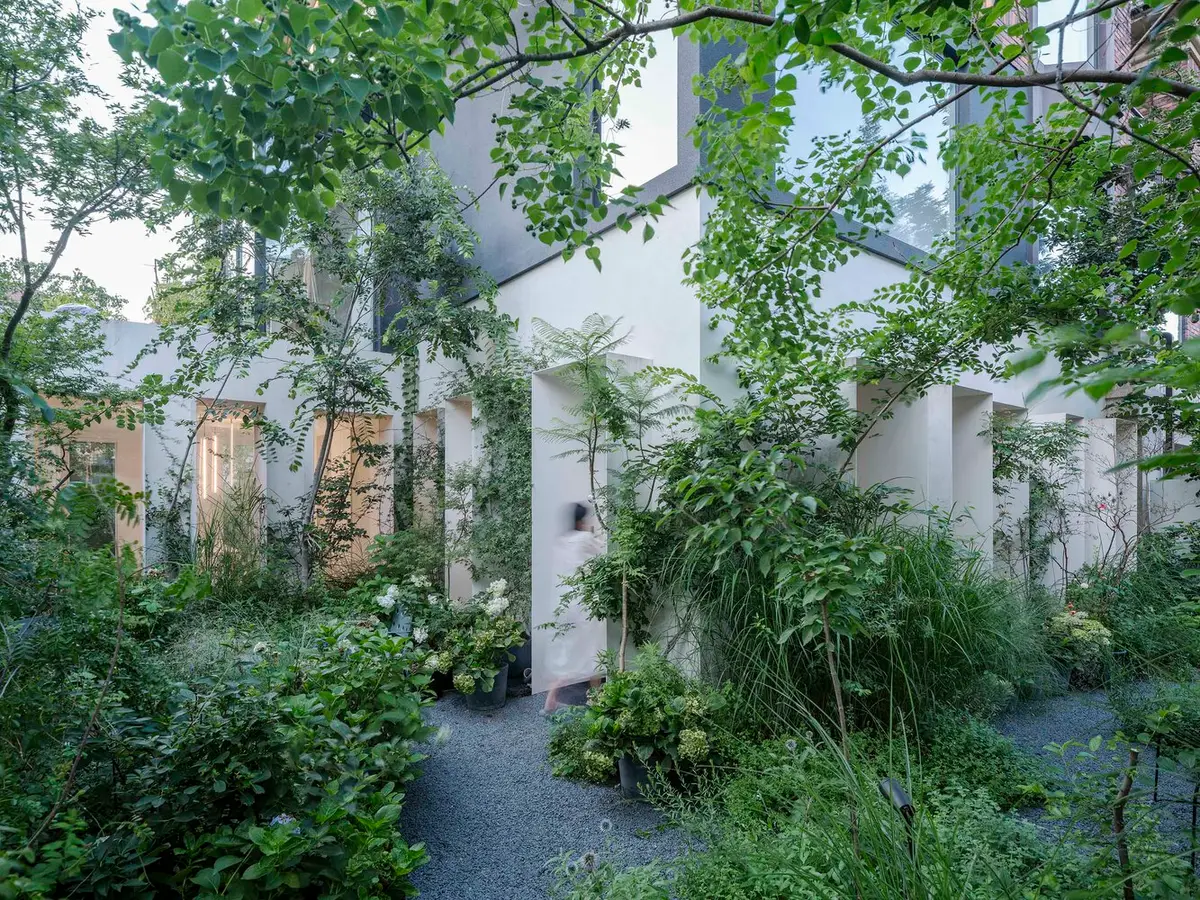
In the realm of modern architecture, the push towards sustainability and integrating buildings with nature has never been more important. One striking example of this trend is the Forest Villa, designed by HAS Design and Research in Hefei, China. Completed in 2023, this villa exemplifies a contemporary sustainable villa design that prioritizes harmony with the surrounding natural environment while offering innovative, functional, and spiritually enriching living spaces. This article delves into the key design elements that make Forest Villa a beacon of modern, eco-conscious architecture.
The Design Philosophy: Shell, Hole, and Void
A critical component of the Forest Villa's success as a sustainable architectural marvel is the innovative design strategy of shell, hole, and void. The architects, Jenchieh Hung and Kulthida Songkittipakdee, sought to create a space that not only serves the functional needs of its inhabitants but also enhances the site’s characteristics, drawing on the natural topography of the surrounding area. By integrating these three design elements, the villa offers a timeless and spiritual living experience.
Shells: Framing Nature and Creating Harmony
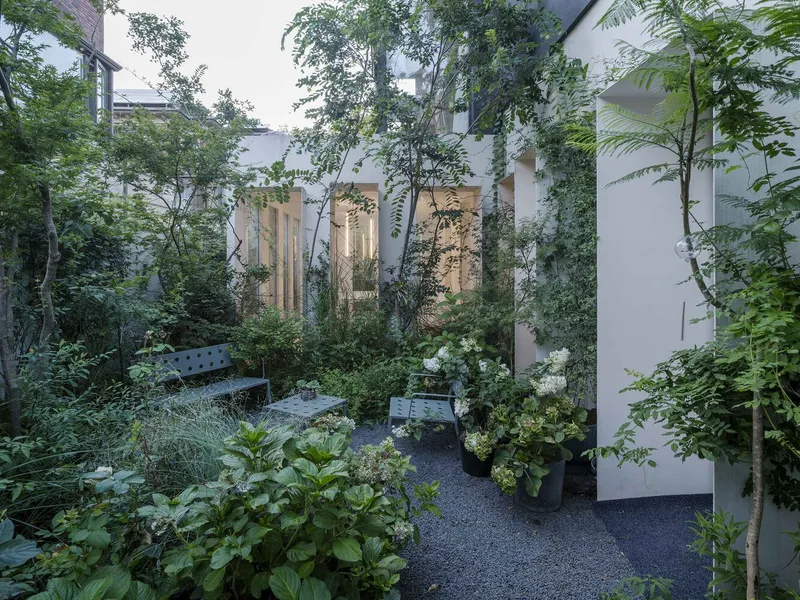
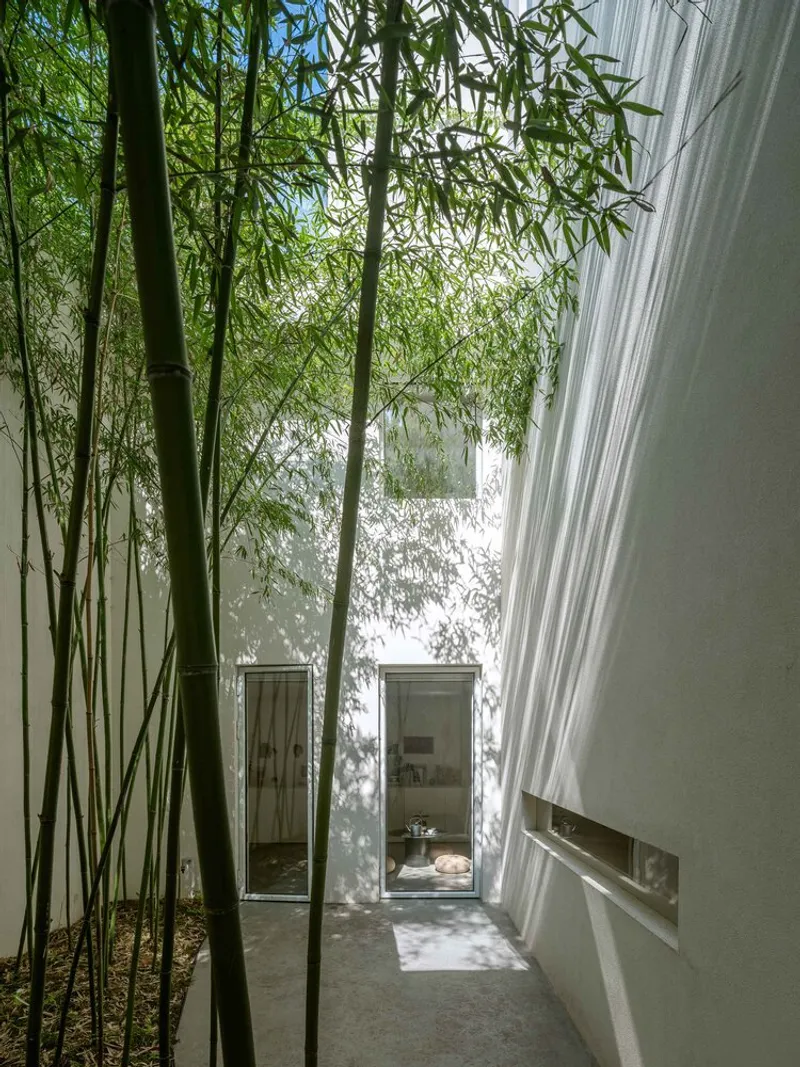
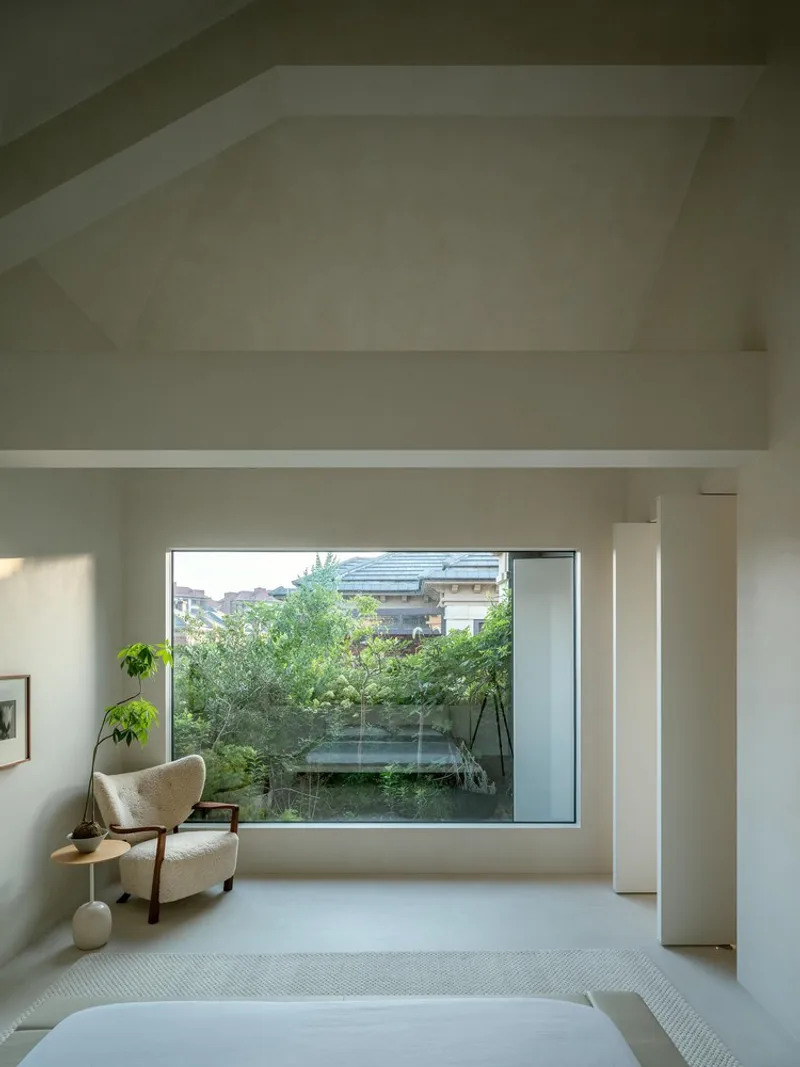
The villa’s exterior design features a series of shells that frame panoramic views of the surrounding forest. These architectural elements act as natural barriers, providing shade and reducing the impact of harsh western sunlight. Inspired by traditional Chinese garden design, these shells enhance the relationship between the interior and exterior spaces, allowing natural light to filter in while providing privacy. The shells create dynamic light and shadow patterns throughout the day, offering an ever-changing aesthetic that aligns with the rhythms of nature.
Holes: Creating Visual Fluidity and Ambiguity
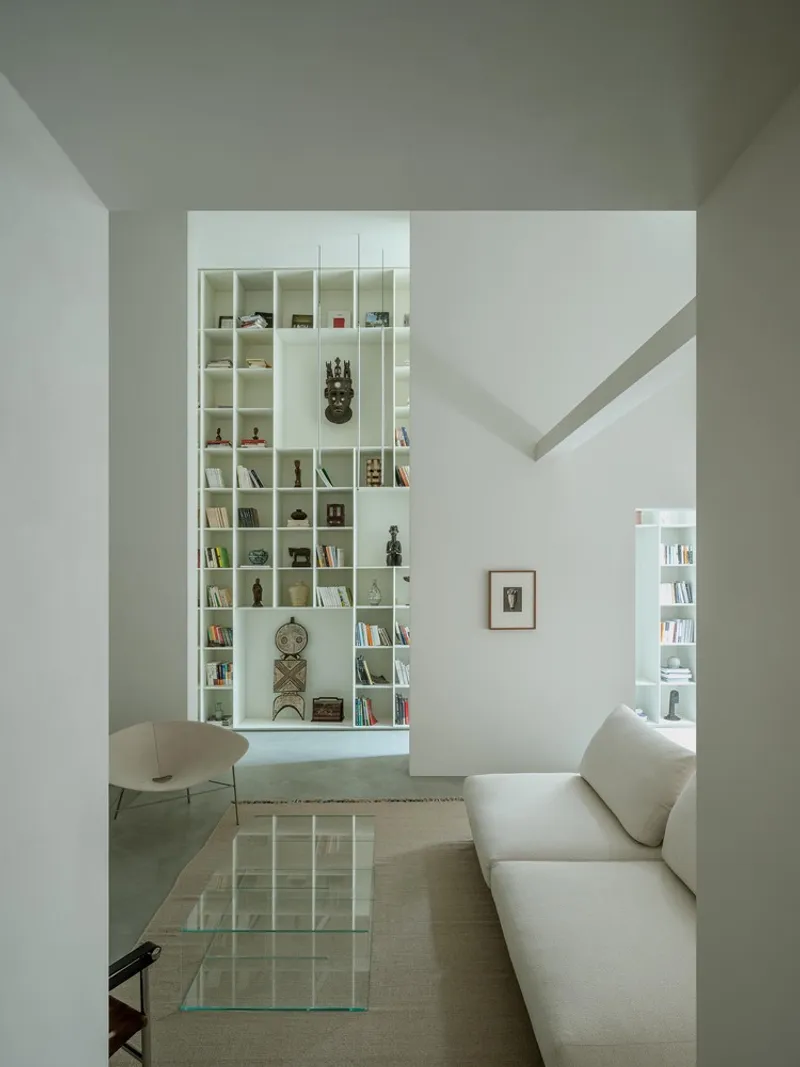
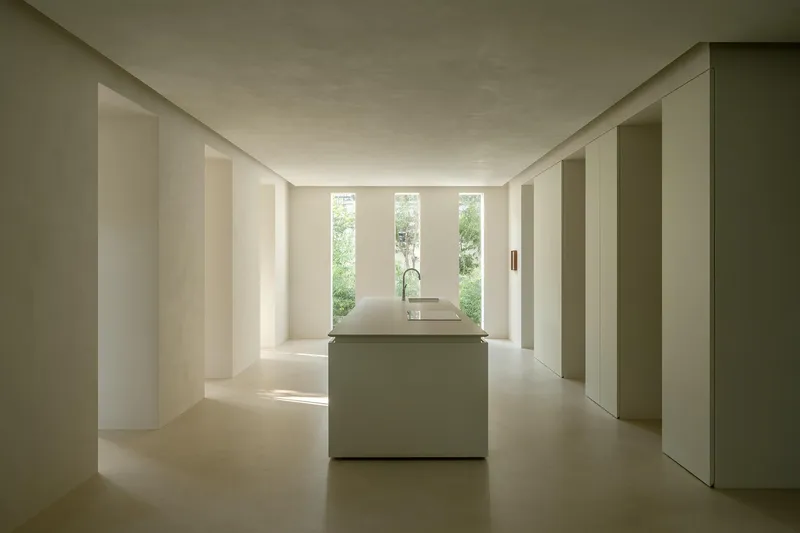
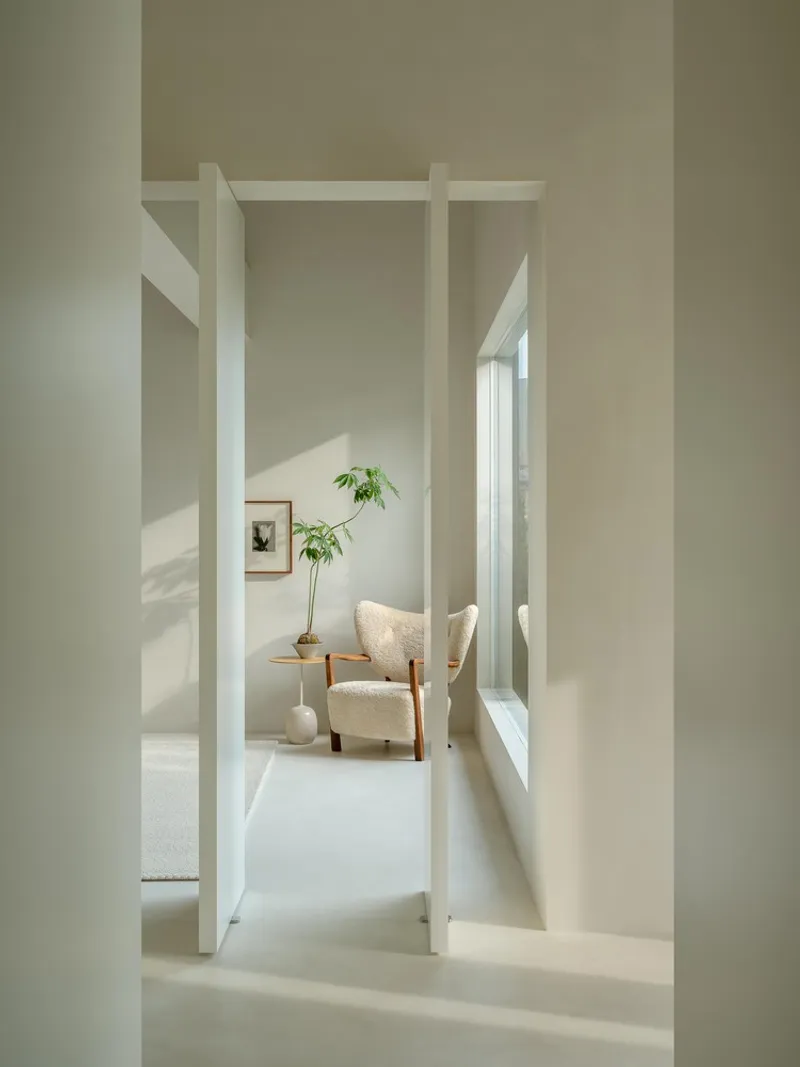
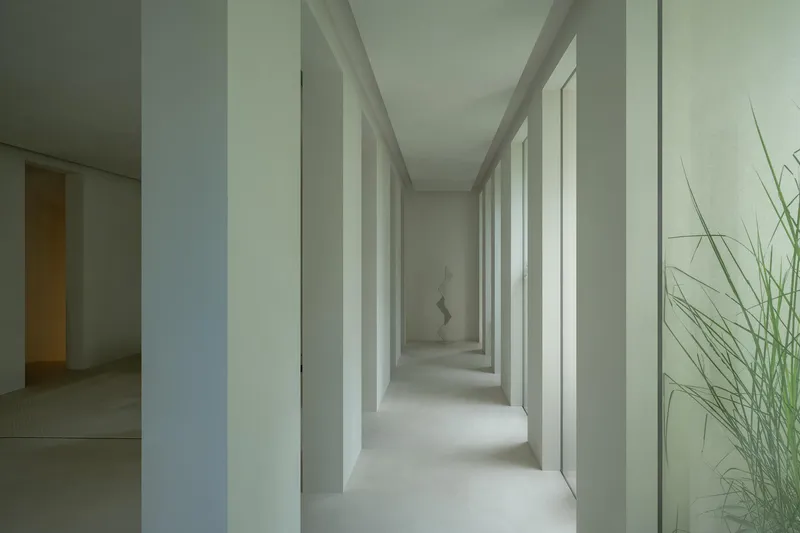
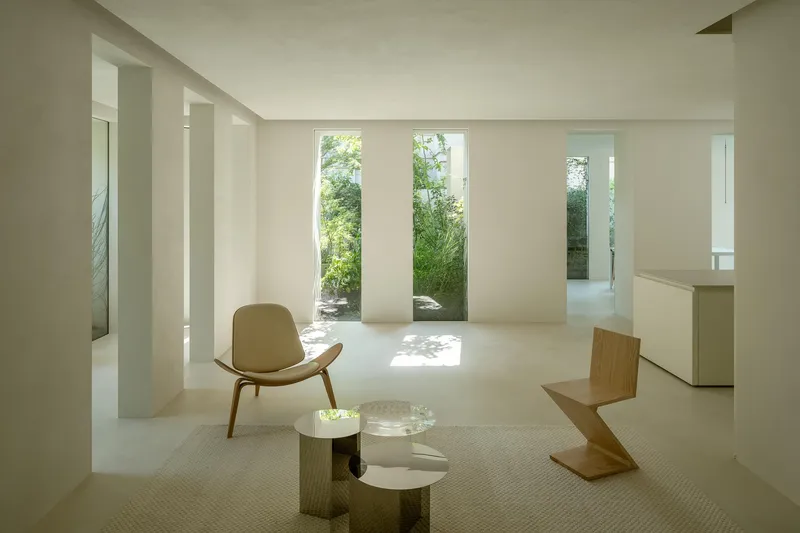
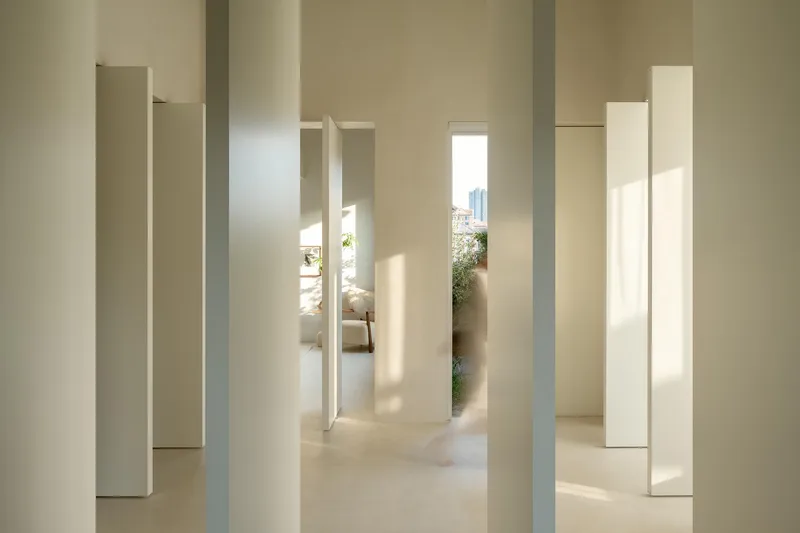
In the foyer and various internal spaces, the architects use holes to create a sense of ambiguity and visual flow. These holes, inspired by the overlapping trees in a forest, offer a glimpse of the world beyond, fostering a connection to nature while enhancing the feeling of openness inside. The use of holes throughout the villa creates a free-flowing, flexible environment that encourages relaxation and introspection.
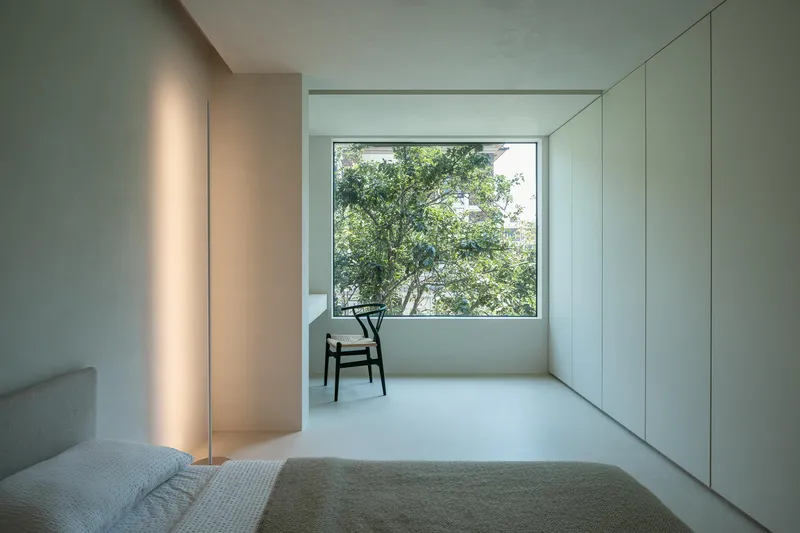
Voids: Mediating Space and Emotion
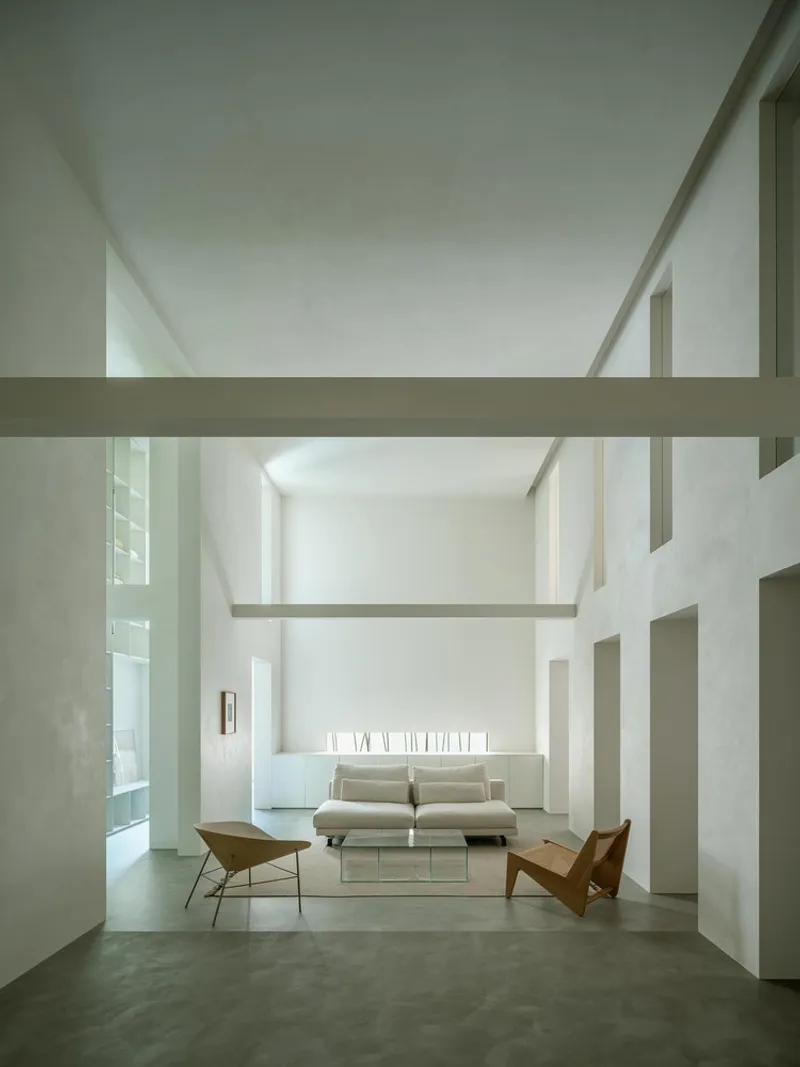
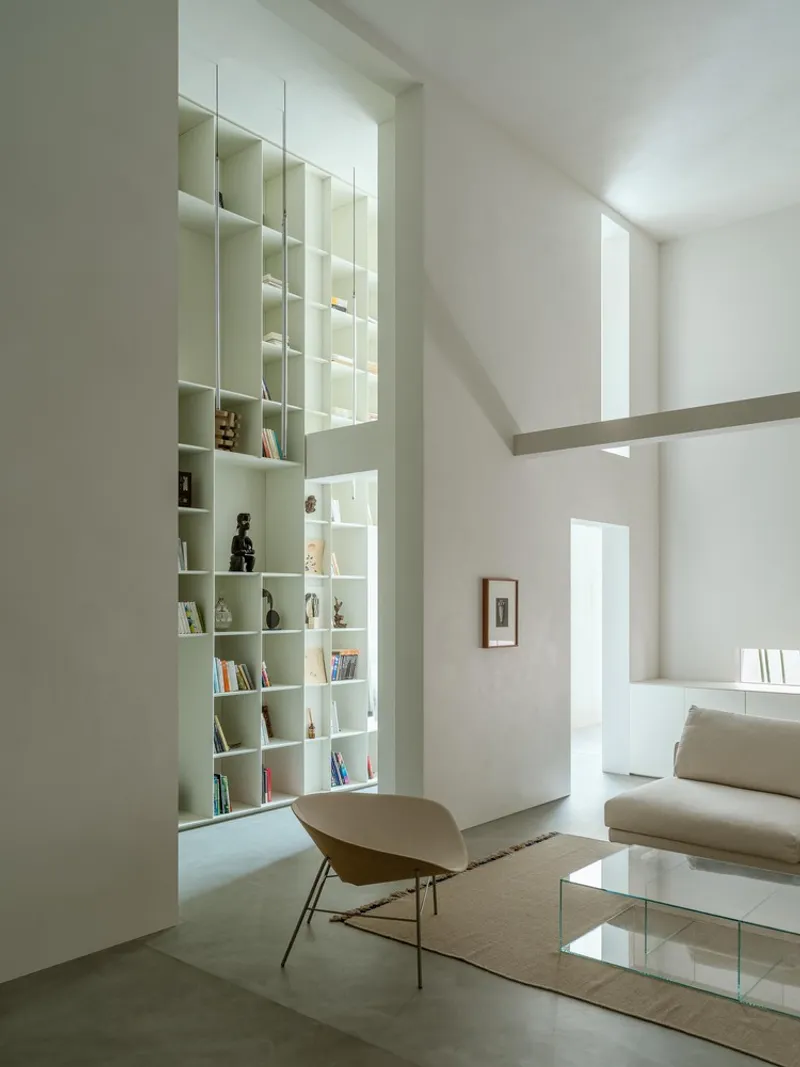
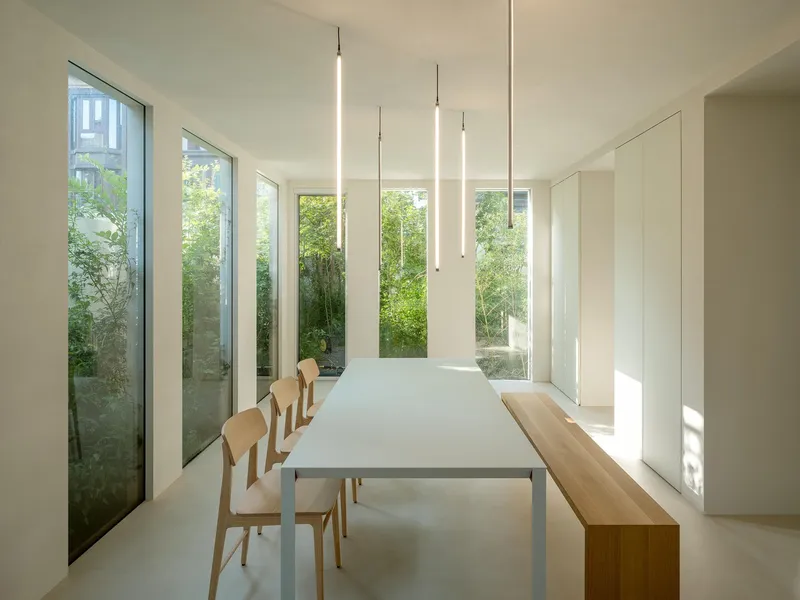
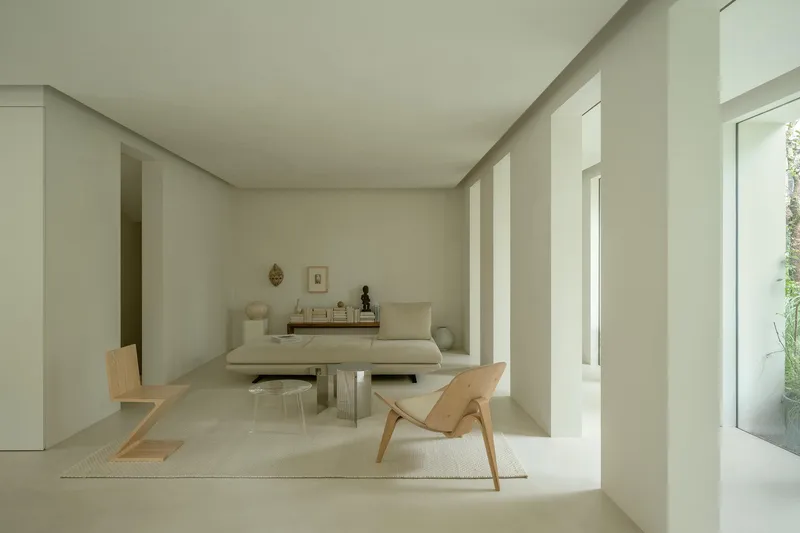
The living and dining spaces feature voids that act as transitions between different areas. These voids not only serve as architectural features but also mediate the emotional experience of the inhabitants. By balancing the open, airy feel of the voids with the more intimate spaces, the villa creates a dynamic environment that adapts to the needs of its residents, fostering a deeper connection to the surrounding landscape.
A Multi-Functional Space for Every Moment
A hallmark of contemporary sustainable villa design is versatility. Forest Villa stands out for its flexible spaces that can transform according to the time of day and the needs of the occupants.
Daytime: Embracing Natural Light and Airflow
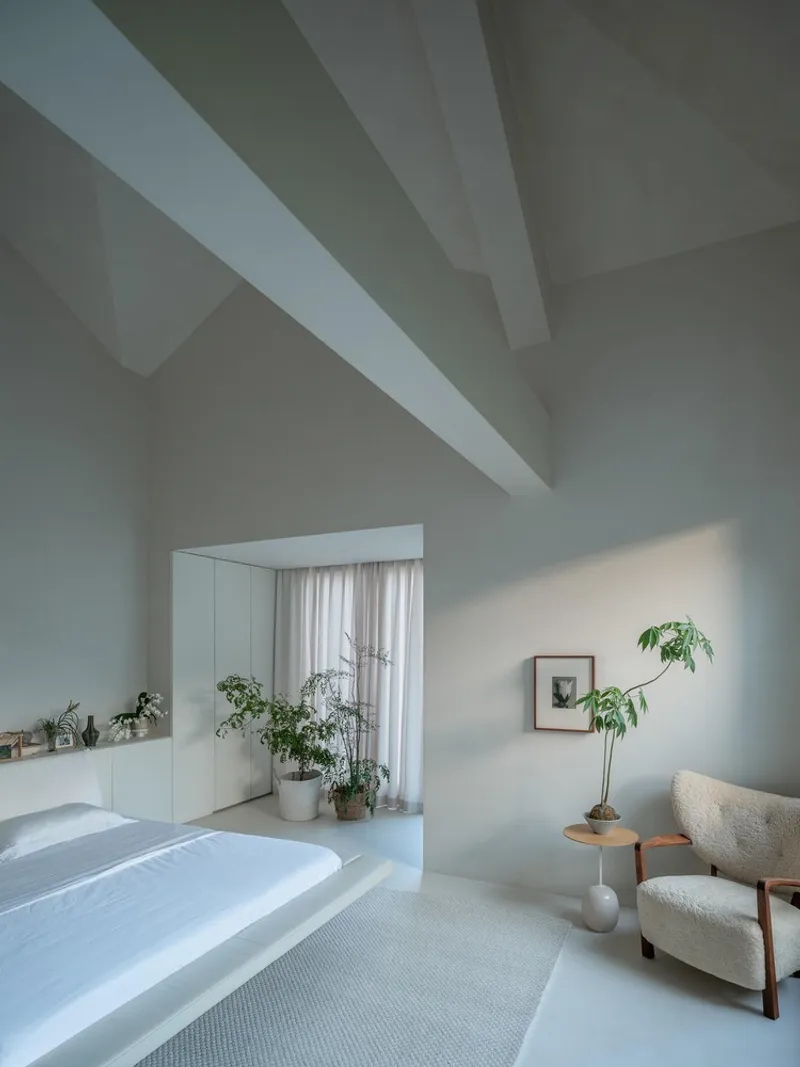
In the morning, the panels of the third-floor hall open fully, allowing natural light to flood the interior. This design decision not only provides an energizing environment but also promotes passive ventilation, enhancing the building’s sustainability. By reducing the need for artificial lighting and air conditioning, the villa minimizes its environmental impact while ensuring comfort for its residents.
Afternoon: Filtering Sunlight for Tranquil Spaces
In the afternoon, the panels partially close to filter the sunlight, creating shaded areas perfect for meditation, yoga, or Tai Chi. This space becomes a sanctuary for personal reflection, offering a serene environment to reconnect with oneself and the natural surroundings. The design allows for a range of experiences throughout the day, ensuring that the villa’s inhabitants can fully immerse themselves in their environment.
Nighttime: A Cozy Retreat for Rest and Relaxation
At night, the panels close fully, creating a private, intimate environment for reading, relaxation, or stargazing. This design allows the villa to function as a peaceful retreat, offering respite from the demands of daily life. The versatility of the space contributes to its sustainability, as it adapts to the needs of the residents and the changing environmental conditions.
Underground Floor: A Connection to Nature’s Depths
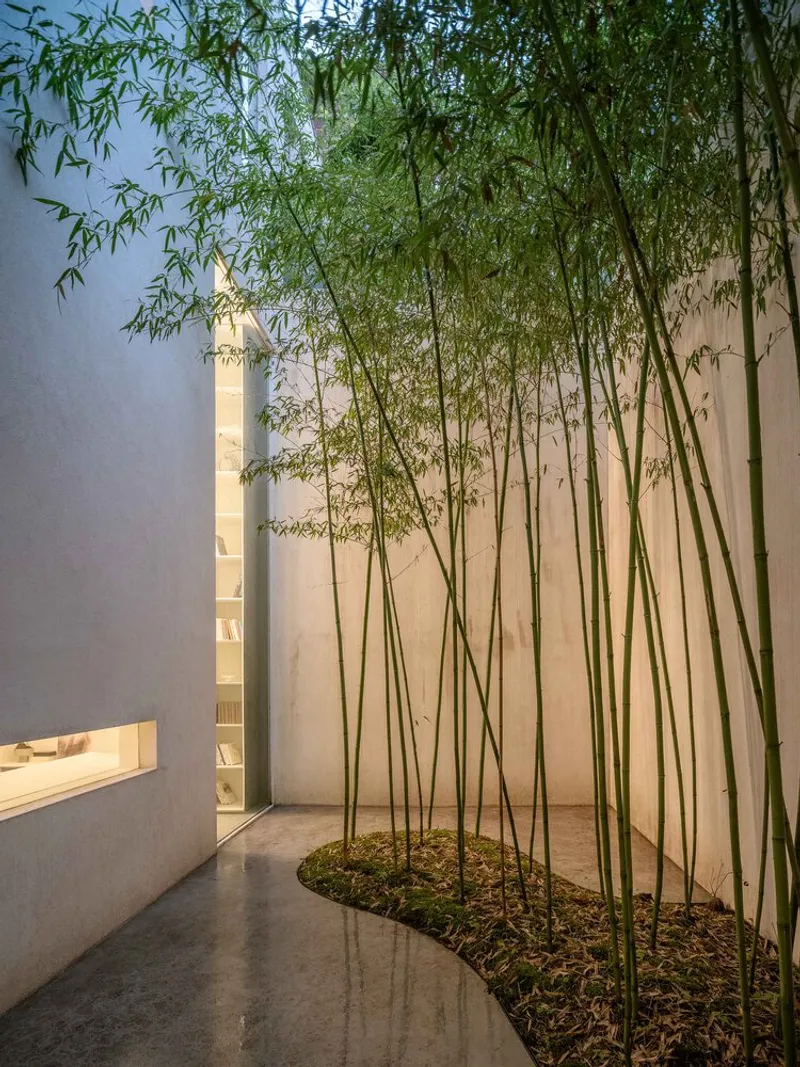
The underground floor of the Forest Villa contrasts the openness and lightness of the upper levels by incorporating thick walls and continuous holes that evoke the feeling of a cave. This progressive use of space creates a sense of weightlessness and spirituality, connecting the interior to the natural elements. A skylight courtyard behind the wall provides a connection to the bamboo forest, bringing a piece of nature indoors and enhancing the building’s environmental harmony.
Sustainability in Every Detail
Forest Villa is not just a beautiful design—it is a sustainable architectural solution that is deeply connected to nature. The use of natural materials, such as wood and stone, adds texture and warmth to the villa’s interior, while the strategic use of solar shading, passive ventilation, and rainwater collection systems ensures that the building minimizes its environmental footprint.
Additionally, the integration of the villa with its surrounding landscape—through the strategic placement of trees, gardens, and open courtyards—encourages biodiversity. The villa serves as a habitat for various insects and birds, which not only enhances the living experience for its inhabitants but also contributes to the local ecosystem.
A Vision for the Future of Architecture
Forest Villa is a remarkable example of contemporary sustainable villa design. By seamlessly blending architecture with nature, the design fosters a deep connection to the environment while offering functional, versatile living spaces. Through the innovative use of shells, holes, and voids, the villa transcends conventional residential design, creating a space that is both spiritually enriching and environmentally responsible.
As we look to the future of architecture, Forest Villa stands as a testament to what is possible when we prioritize sustainability, functionality, and a deep reverence for the natural world. It is a visionary model for creating homes that not only enhance the quality of life but also respect and preserve the environment for generations to come.
All Photographs are work of Fangfang Tian


Popular Articles
Popular articles from the community


LT2A and OPEN Architectes Thread a Brick and Glass High School Through a Wooded Belgian Campus
In Braine-l'Alleud, a 3,000 m² wing for Collège Cardinal Mercier pairs pale brick with a glazed colonnade, deferring to a small chapel and a dense wood.

longwave studio Reorganizes a 112 m² Tainan Apartment Around the Daily Routines of a Family and Two Cats
In Tainan, Taiwan, birch plywood, rust-red furniture and a freestanding plaster wall link arrival, storage, work and family life in one apartment.

Cube Design Draws an Ecological Corridor Between Two Shenzhen Hills with the Nankai Building
Beside Shenzhen's container docks, the Nankai Building pairs stacked balconies with a climbing green screen to connect two hillsides across its height.

David Macias Steps a Doorless Stone and Plaster House Down a Tropical Colombian Hillside
In the humid hills of Colombia, Threshold House replaces the front door with an open void and terraces its 850 m² down the slope instead of fighting it.

Similar Reads
You might also enjoy these articles


Hodi-Mandai Geram
Project Function: Preservation and revitalization of the Intangible heritage and socio-spatial identity of the Hodi by Housing, Cultural Memory Center, Sacred Grove, landscape, local tourism economy


Olio Towers: A Mid-Rise for Performers That Fuses Housing, Rehearsal, and Stage
Located blocks from Houston's Theater District, this modular tower stacks living units around a central performance atrium.

Oasis: Modular Green Housing Carved into Dhaka's Urban Fabric
A shortlisted Plugin Housing entry reclaims unauthorized settlements in Dhaka with stepped concrete volumes, green roofs, and ventilation-driven design.

Black Hole: A Floating Megastructure for the Post-Physical Era
Emiliano Mazzarotto envisions a spherical, self-scaling arena where e-sports, digital hotels, and holographic stadiums replace traditional public space.

Explore Vertical Forest Competitions
Discover active competitions in this discipline

Challenge to reimagine the Iron Throne

Photograph architecture without architects

Illustrate the lost glory of Angkor Wat - Render Challenge

Design challenge to reuse E-waste
Comments (0)
Please login or sign up to add comments
No comments yet. Be the first to comment!