

"Contigo" House and Workshop Renovation in Barcelona: A Tailor-Made Space for a Ceramist's Creativity
"Contigo" House and Workshop in Barcelona merges living space with a creative workshop, celebrating craftsmanship and light.


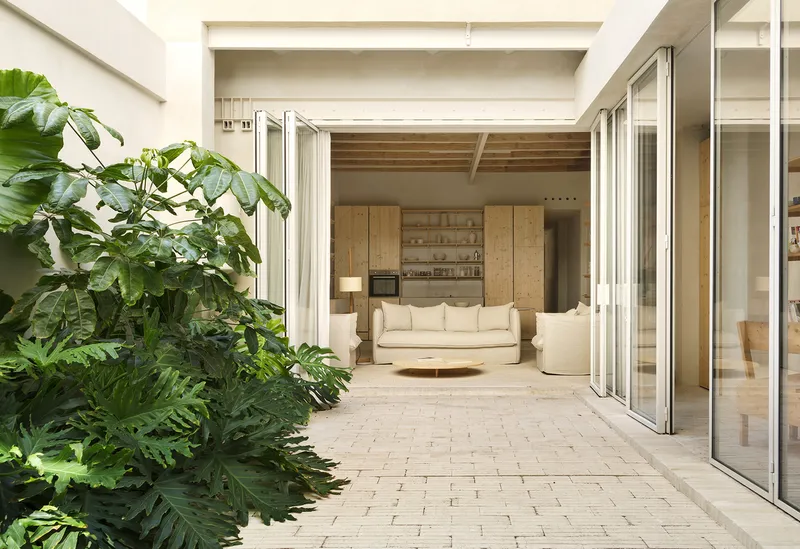
"Contigo" House and Workshop, designed by architects Marcos Catalán and Marta García Orte, represents a harmonious blend of functional design and artistic expression. Located on the first floor of a building in the Gracia district of Barcelona, this renovation transformed an old carpentry workshop into a bright, flexible space for a ceramist. The project is a true reflection of the shared values between the architects and the ceramist, focusing on light, material austerity, craftsmanship, and flexibility. The house itself becomes an integral part of the ceramist's creative process, blurring the boundaries between living space and workshop.
A Renovation Rooted in Craftsmanship and Light
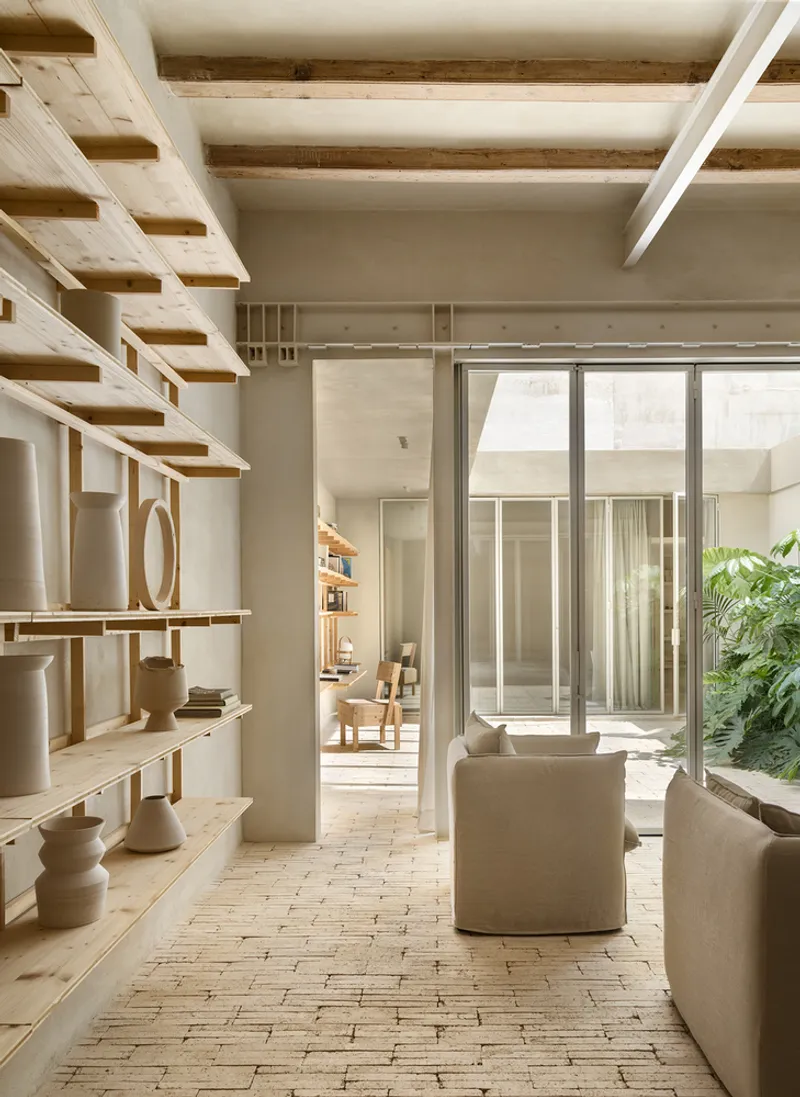
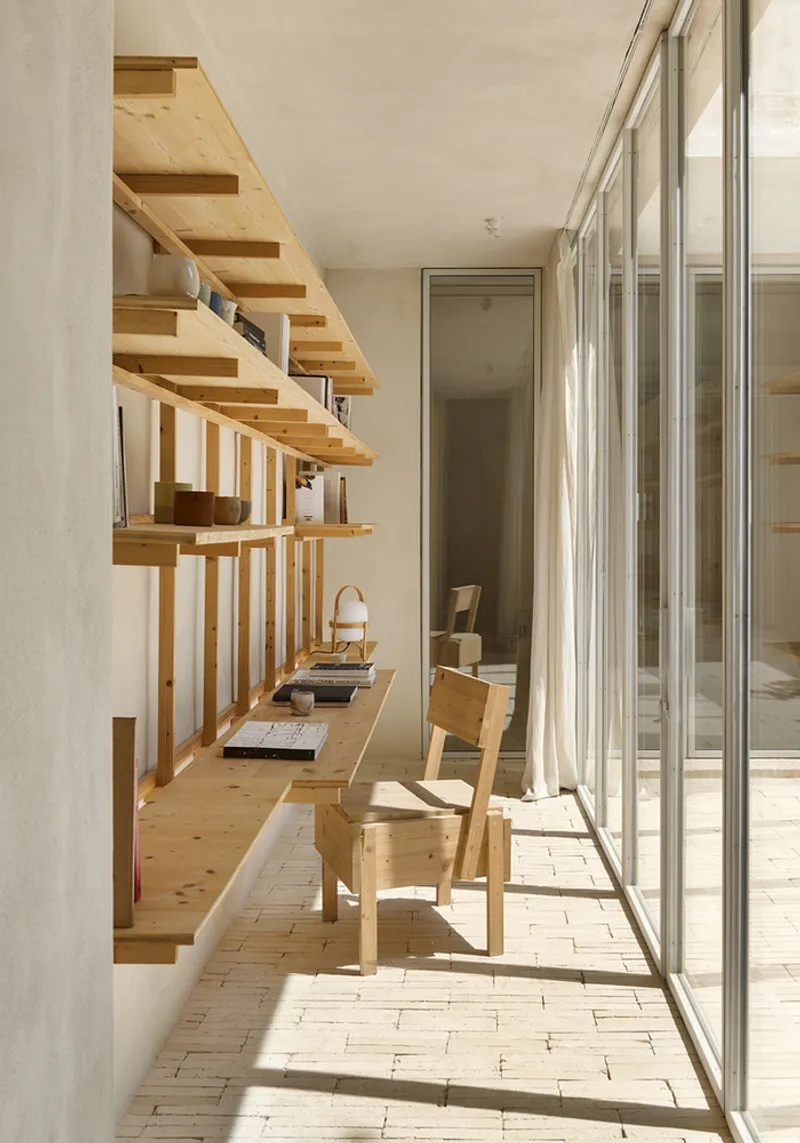
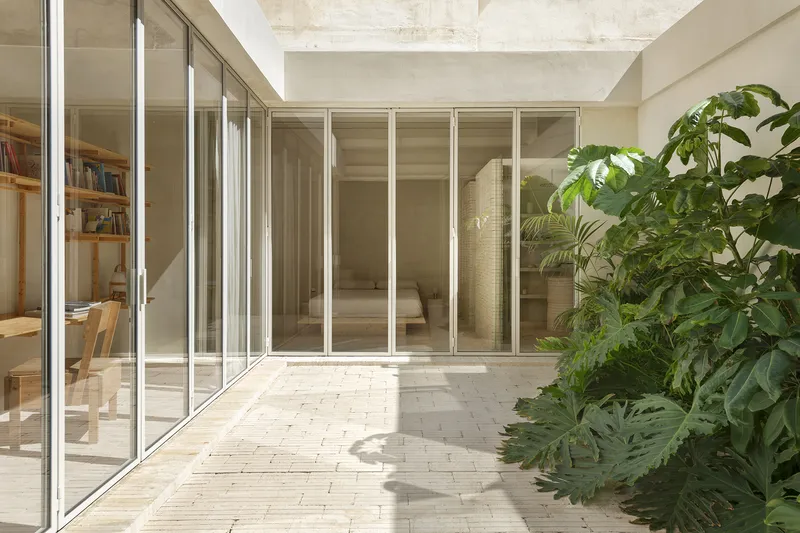
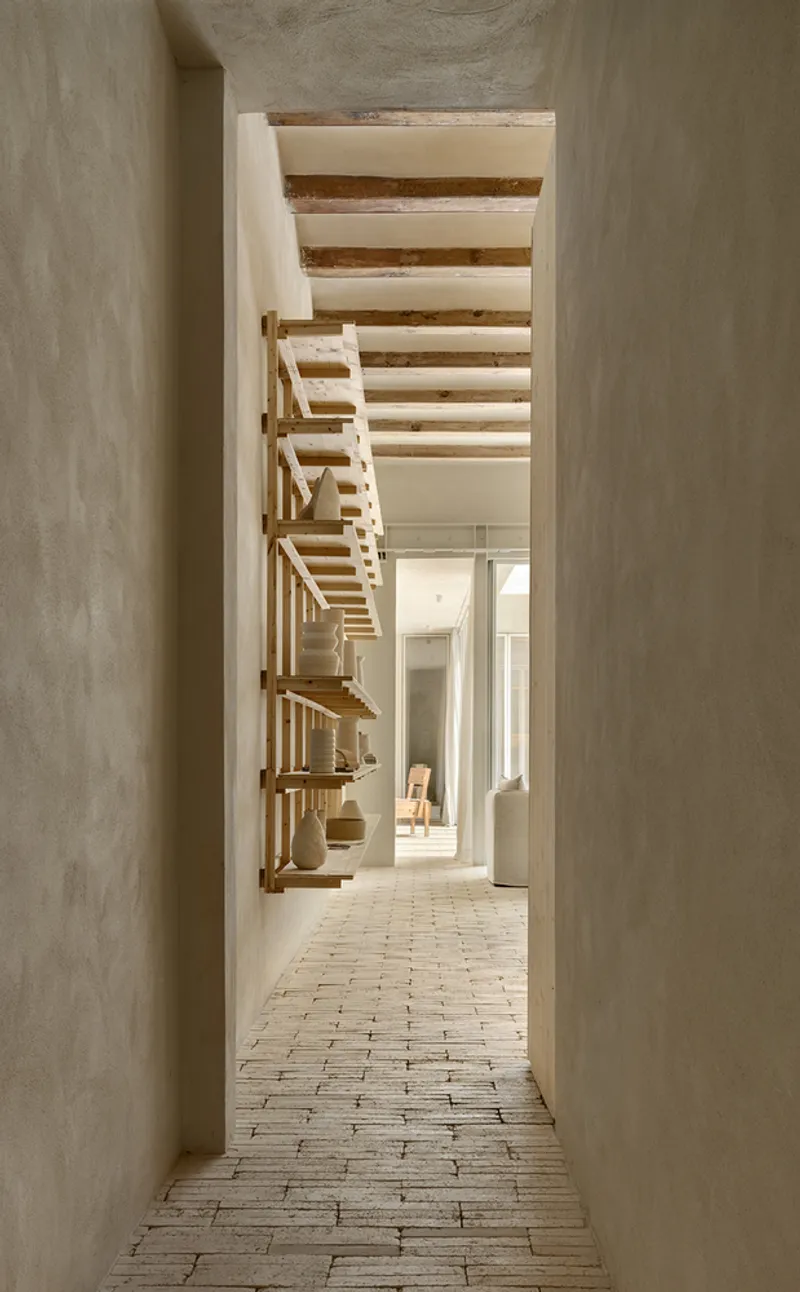
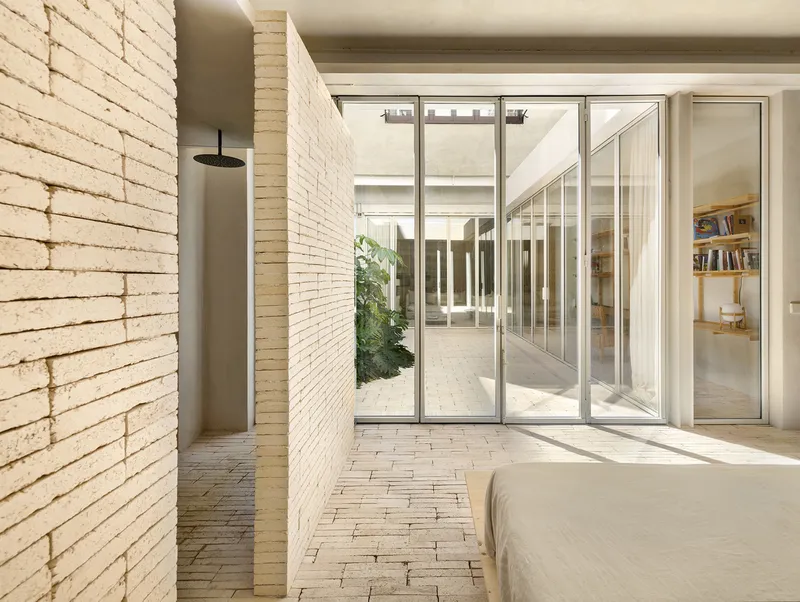
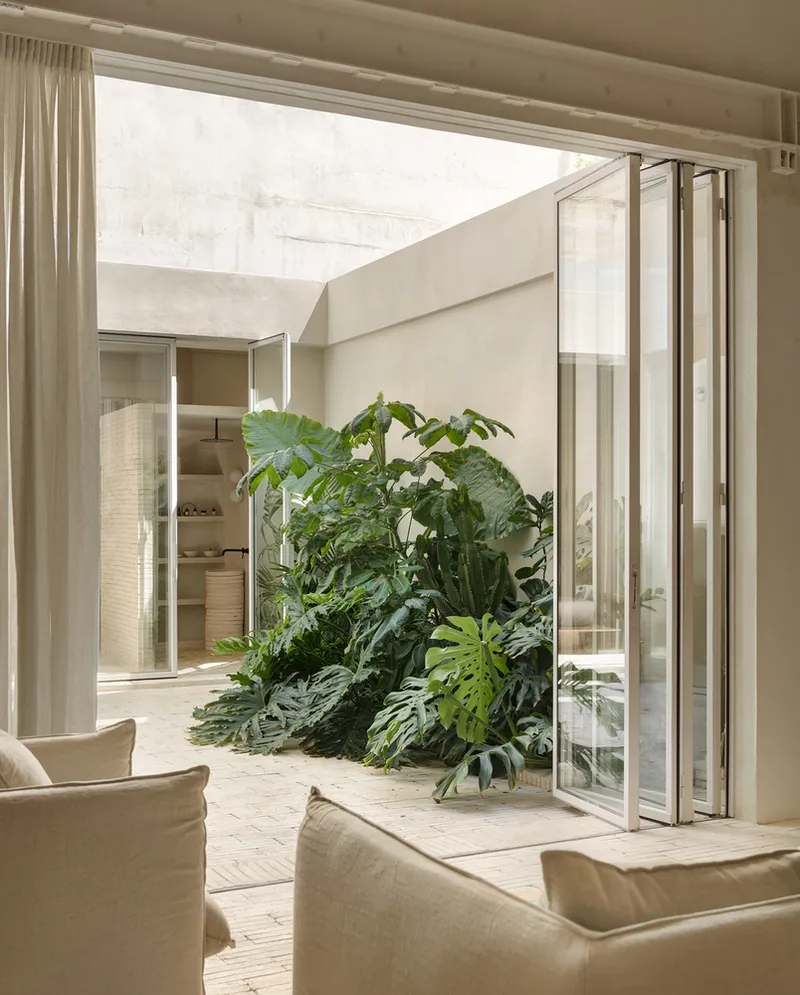
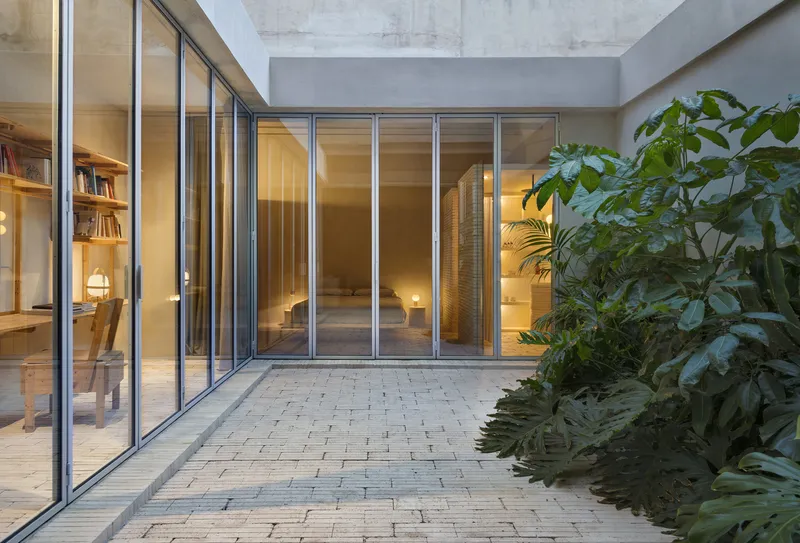
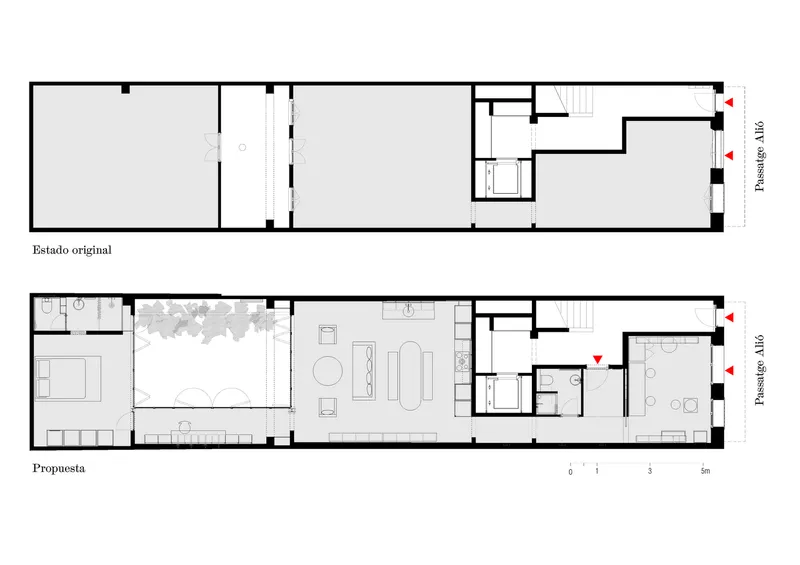
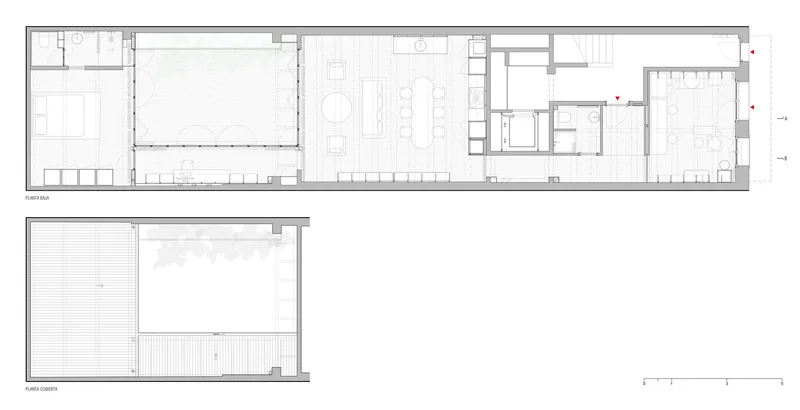
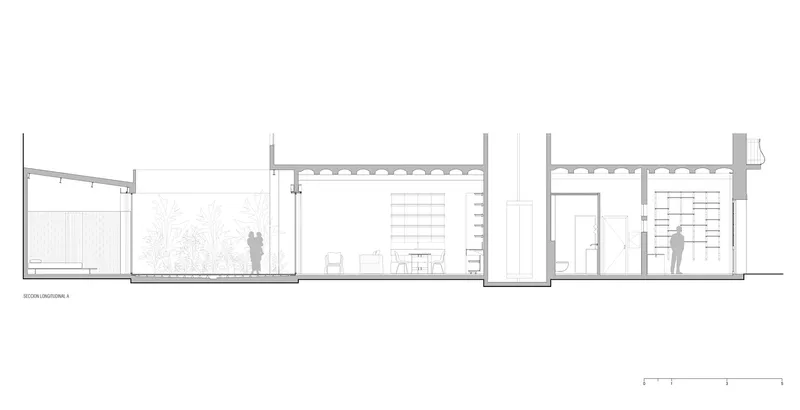
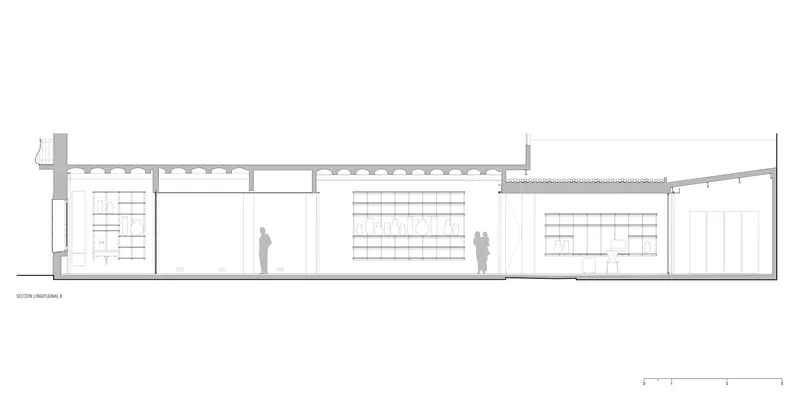
The initial space was a dimly lit carpentry workshop, lacking natural light and the necessary flexibility for modern living and working needs. To address this, the architects introduced a new courtyard, which floods the area with natural light, transforming the environment into a bright, welcoming space. The renovation carefully organizes the layout around this courtyard, ensuring that every corner of the house receives ample daylight. The living-dining area, kitchen, library-study, and bedroom-bathroom are all positioned to maximize the natural light coming through the central courtyard, offering a seamless flow between spaces.
Merging Living Space with Workshop: A Unique House-Workshop Hybrid
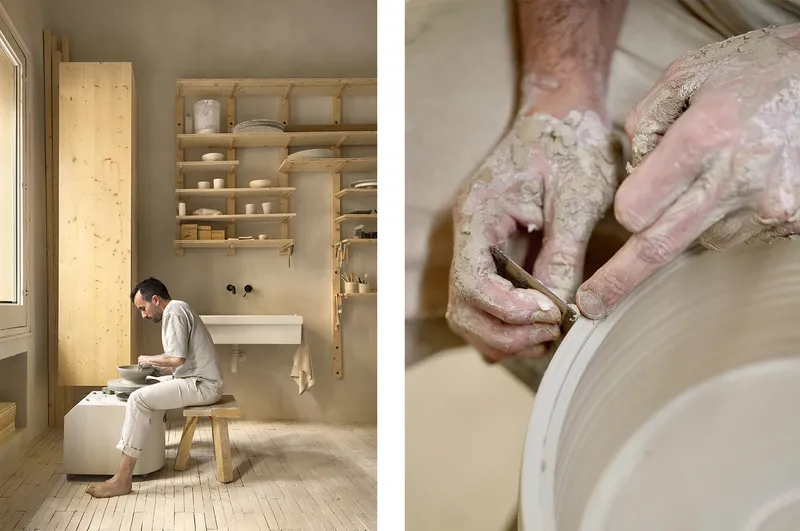
The core idea behind the "Contigo" project is to create a living space that also functions as a workshop, designed specifically for the ceramist's needs. Located in the Alió passage, the workshop is directly connected to the house, creating a seamless transition between work and home life. The ceramist's workspace is not an isolated, separate entity but instead integrated into the daily living experience. This setup fosters creativity and encourages the ceramist to produce their craft directly within their home environment, blurring the lines between the art of creation and the space in which it is lived.
Materializing Creativity: Ceramic as the Core Material
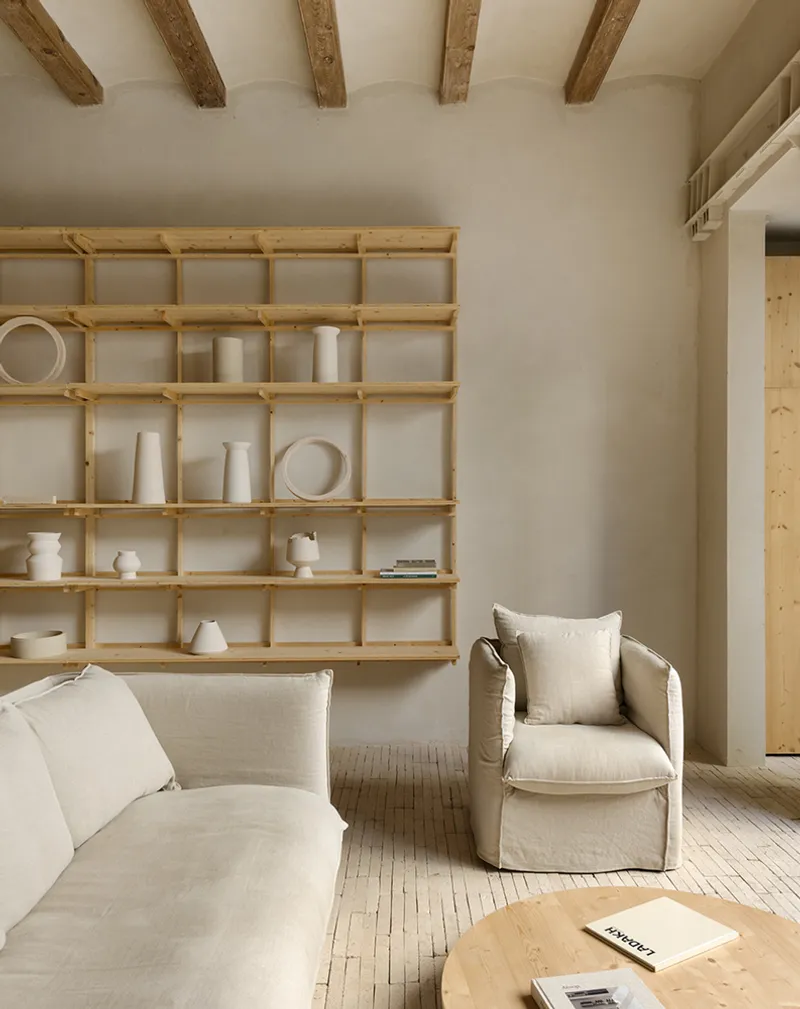
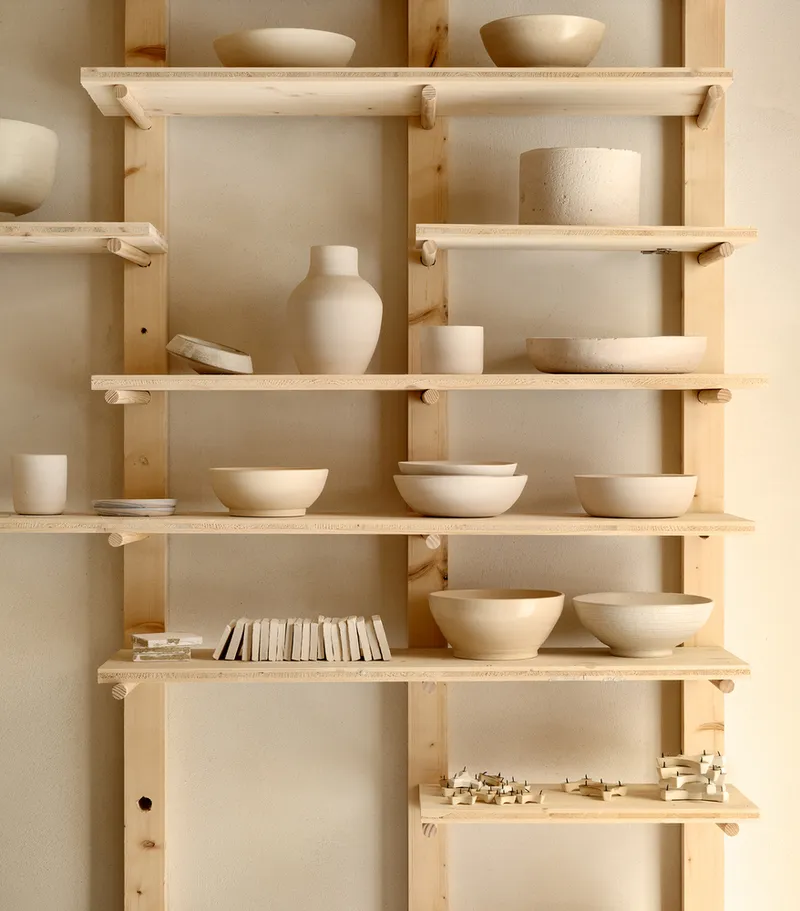
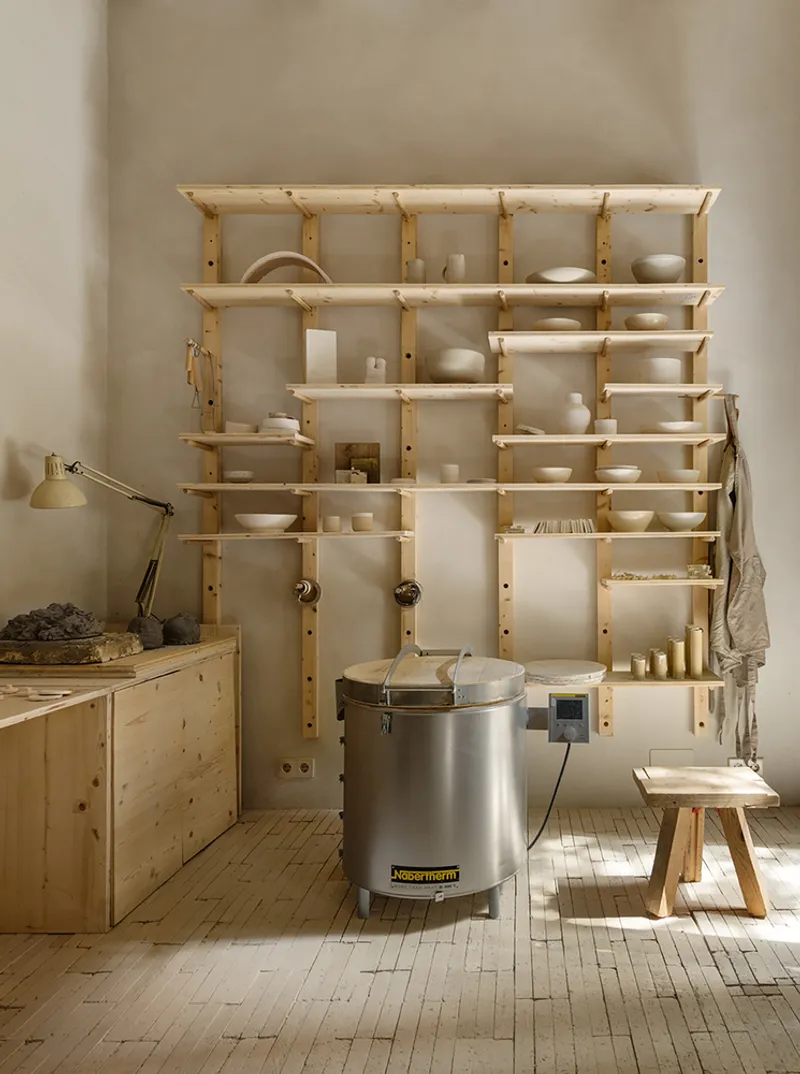
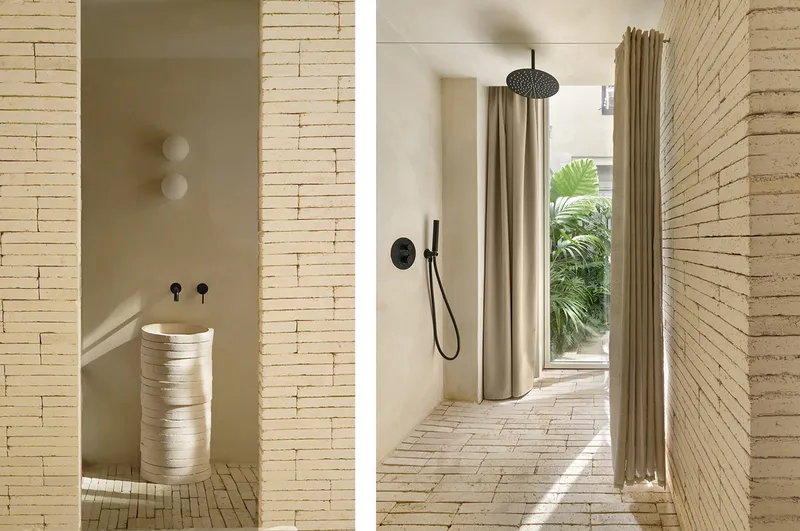
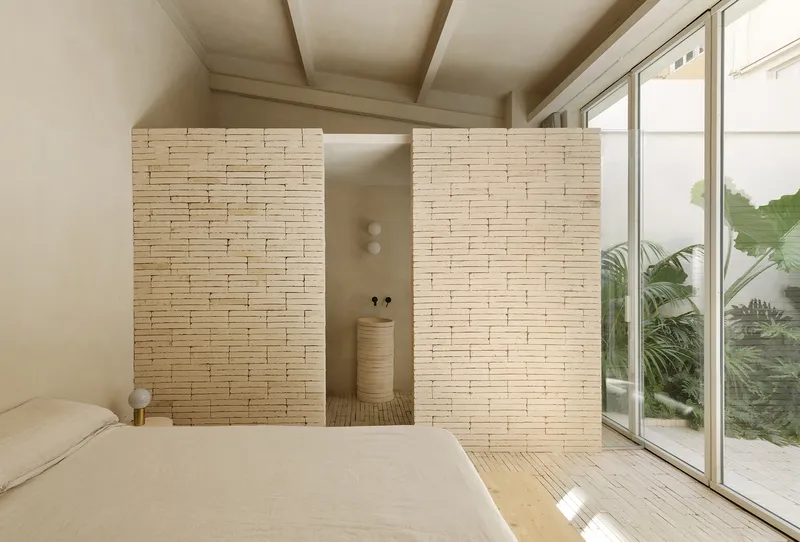
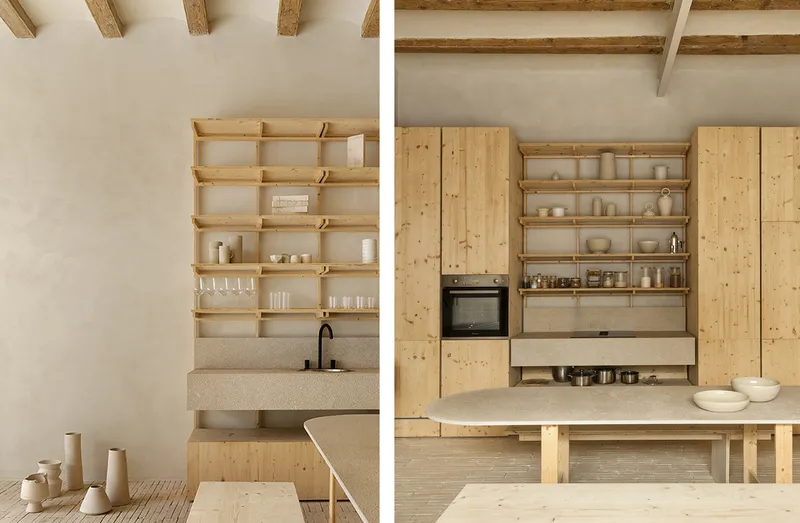
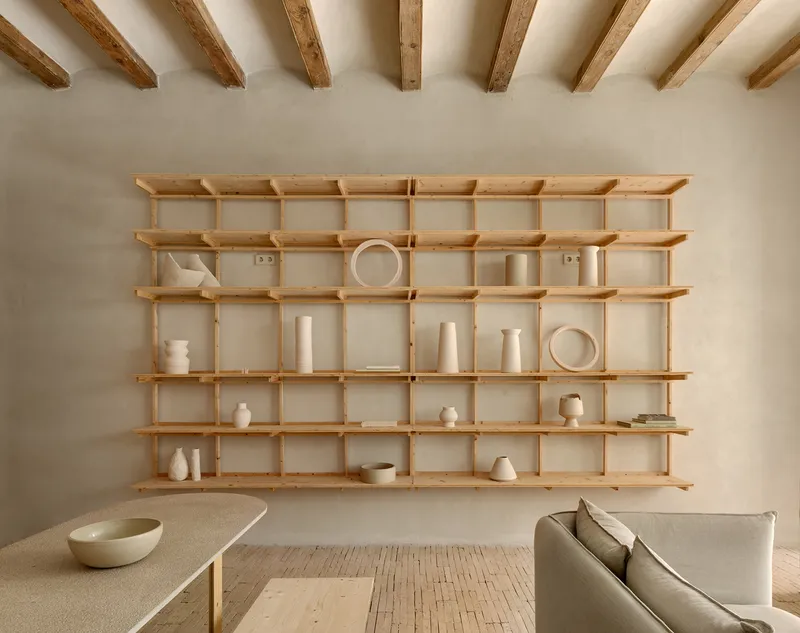
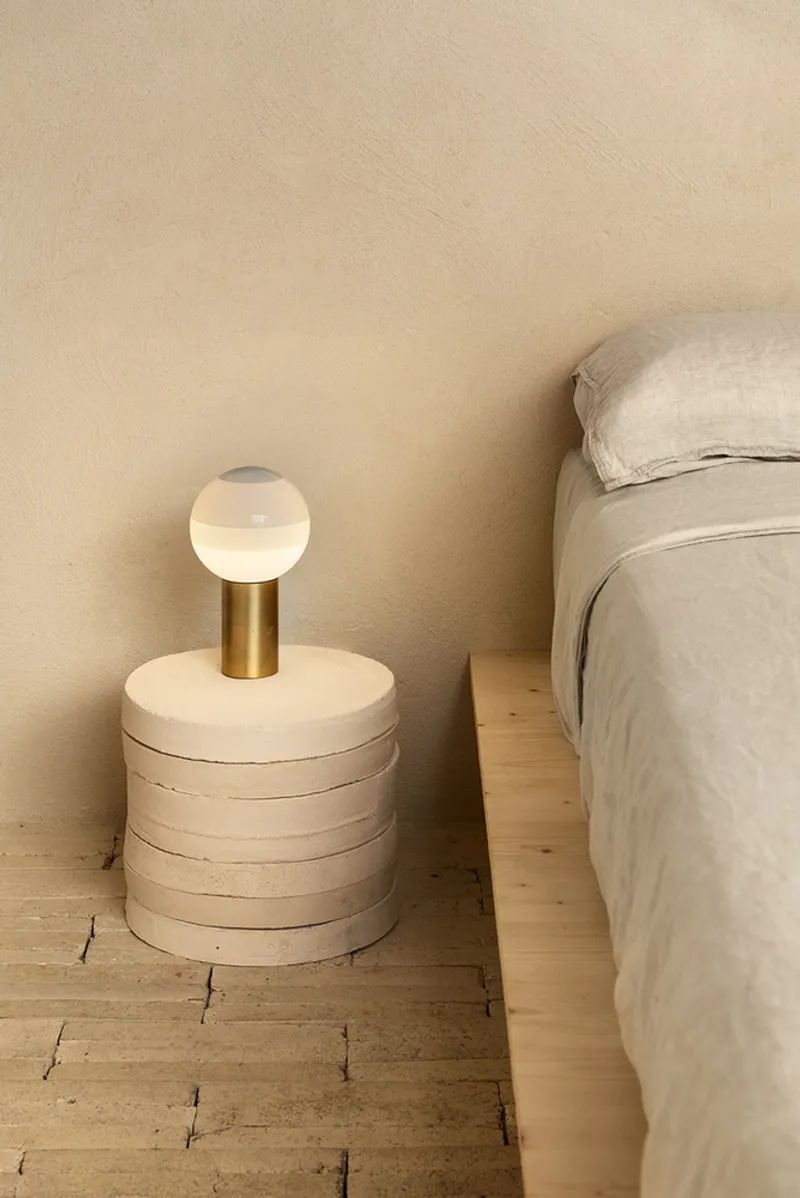
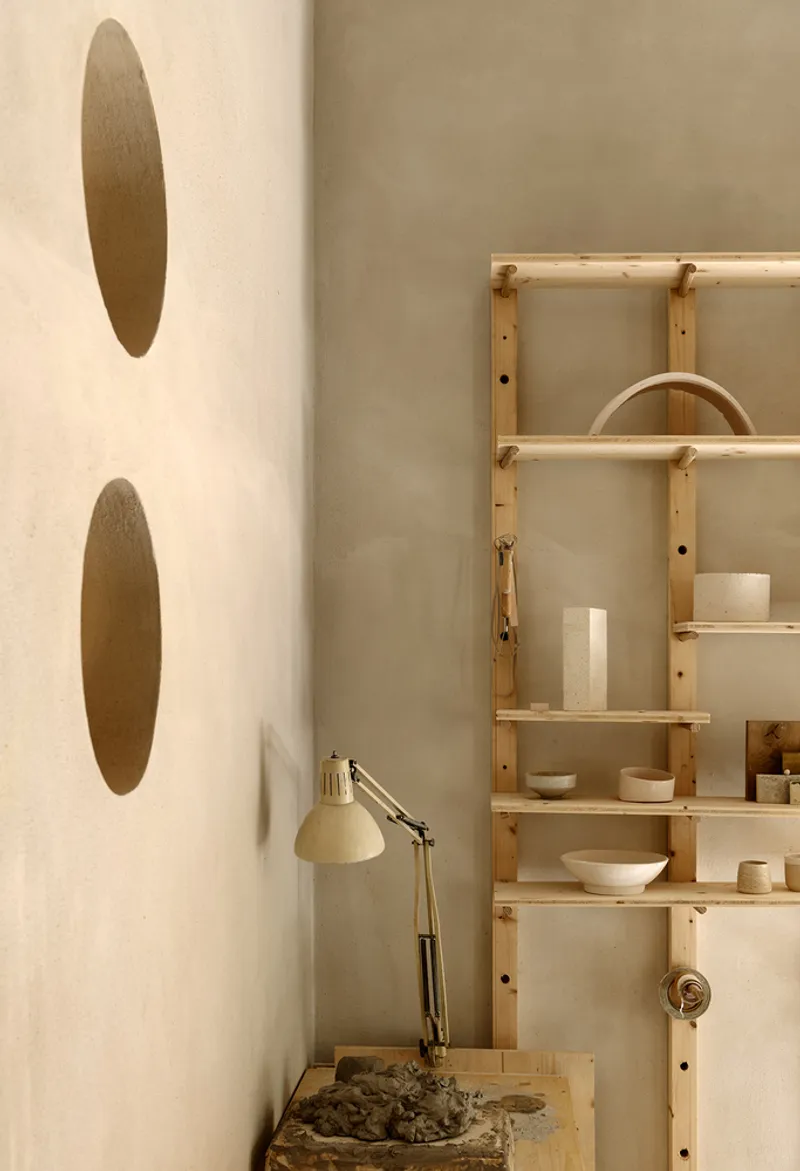
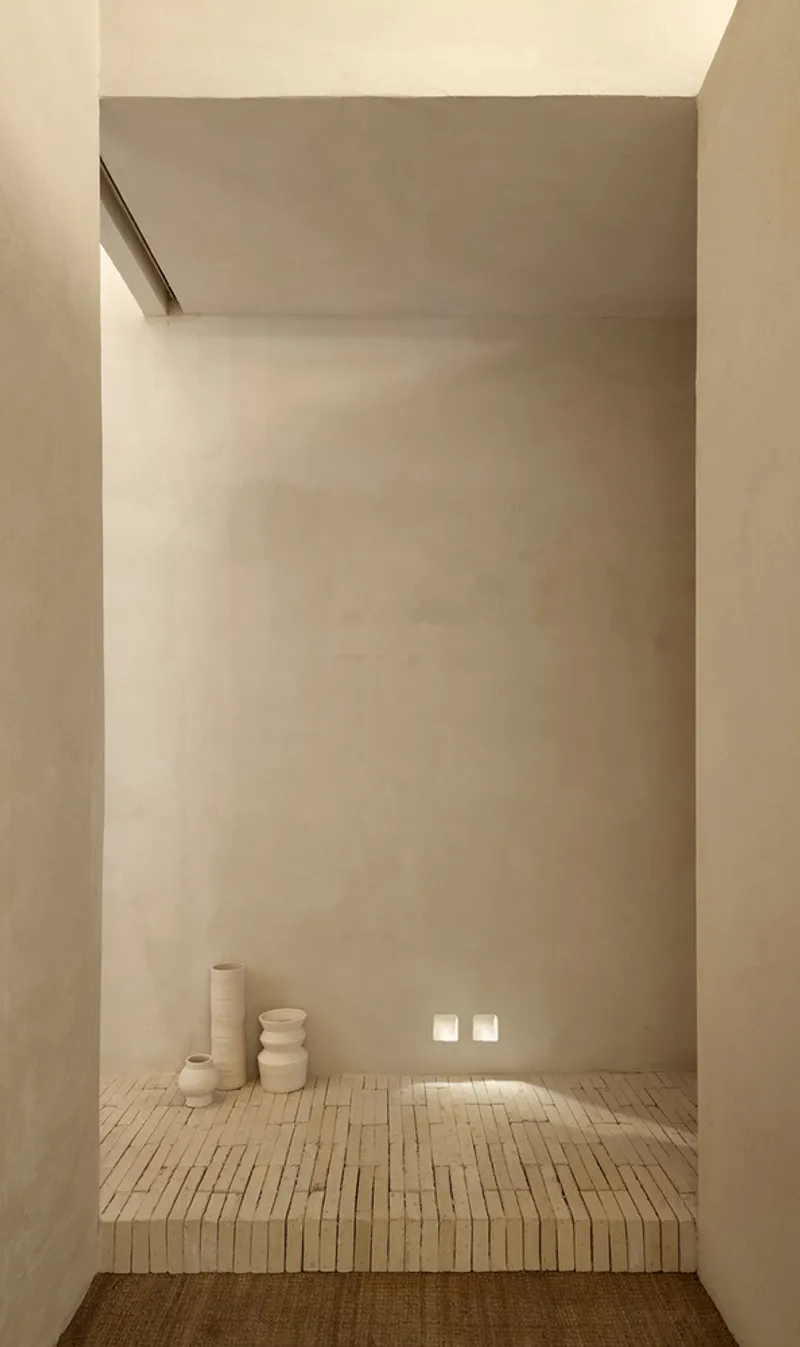
Ceramic plays a central role in the design of this house. The materials used in the project were chosen not only for their aesthetic appeal but also for their functionality. Exposed brick forms the floor and some partitions, grounding the space in natural materials. The most unique feature, however, is the use of ceramic elements produced by the ceramist themselves. These elements—such as sinks, bedside tables, lamps, kitchenware, and various accessories—are crafted directly in the workshop, with the ceramist shaping the space through their own creations. As a result, the house becomes a living catalog of the ceramist’s work, enveloping the resident in their passion for their craft.
Reviving the House-Workshop Typology in Urban Spaces
The renovation of "Contigo" also represents a revival of the traditional house-workshop typology, which was once common in cities but has since faded away. By reintegrating this model into an urban setting, the project encourages the reuse of first-floor spaces for mixed purposes, promoting both social and economic activity within the city. The house is not just a private space for living but an active part of the urban fabric, fostering connections between the resident, the city, and the creative process. This model also serves as a catalyst for the diversification of use in the area, potentially influencing future architectural trends in Barcelona.
A Space That Nurtures Creativity and Community
The "Contigo" House and Workshop is more than just a renovation—it’s a space that celebrates creativity, craftsmanship, and the integration of work with home life. Through the careful use of light, materials, and design, the architects have created a flexible and inspiring environment that allows the ceramist to live and work in harmony. By reimagining the traditional house-workshop model, the project adds a new layer to the evolving architectural landscape of Barcelona. "Contigo" not only provides the ceramist with a unique space to thrive but also enriches the community by showcasing the art of craftsmanship in the heart of the city.
All Photographs are work of Eugeni Pons


Popular Articles
Popular articles from the community


Opera by the Sea Estonia: Three Shells Dissolving Architecture into Tallinn's Coastline
A winning opera house proposal replaces monumental form with interconnected shells that blur the boundary between building, park and Baltic Sea.

Singing Woman: An Opera House That Performs Before the Curtain Rises
Ovidiu Cristian Pavel's conceptual opera house translates Estonia's choral identity into a sculpted waterfront landmark facing the Baltic Sea.
Faces of the Soviet Avant-Garde: Turning Moscow's Street Names into an Open-Air Museum
A network of sculptural installations across a Moscow residential district transforms forgotten architect names into spatial encounters with cultural memor
Temporary Home for Dogs: A Reversed Zoo Rethinks Animal Shelter Architecture
In Bucharest, a sinuous corridor and freed landscape flip the logic of containment, designing a shelter that works to make itself unnecessary.

Similar Reads
You might also enjoy these articles


Hodi-Mandai Geram
Project Function: Preservation and revitalization of the Intangible heritage and socio-spatial identity of the Hodi by Housing, Cultural Memory Center, Sacred Grove, landscape, local tourism economy


Olio Towers: A Mid-Rise for Performers That Fuses Housing, Rehearsal, and Stage
Located blocks from Houston's Theater District, this modular tower stacks living units around a central performance atrium.

Oasis: Modular Green Housing Carved into Dhaka's Urban Fabric
A shortlisted Plugin Housing entry reclaims unauthorized settlements in Dhaka with stepped concrete volumes, green roofs, and ventilation-driven design.

Black Hole: A Floating Megastructure for the Post-Physical Era
Emiliano Mazzarotto envisions a spherical, self-scaling arena where e-sports, digital hotels, and holographic stadiums replace traditional public space.

Explore Taller 5 Centro De Diseño Competitions
Discover active competitions in this discipline

Challenge to reimagine the Iron Throne

Photograph architecture without architects

Illustrate the lost glory of Angkor Wat - Render Challenge

Design challenge to reuse E-waste
Comments (0)
Please login or sign up to add comments
No comments yet. Be the first to comment!