
Coral Commune
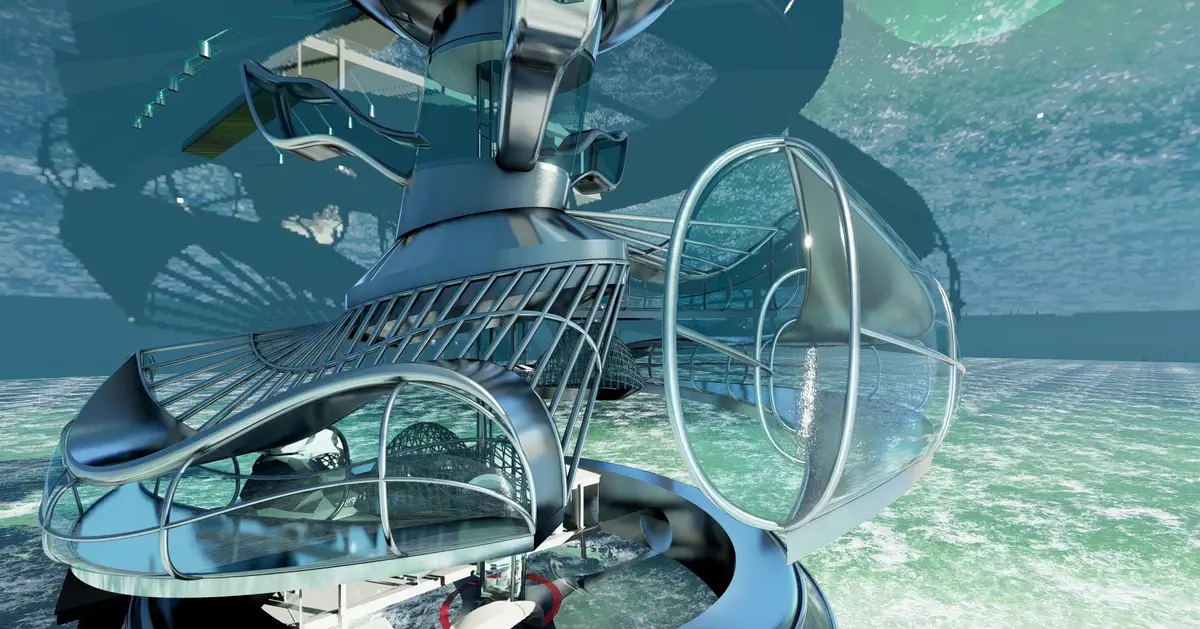
Coral Commune presents an innovative underwater structure that goes beyond traditional gallery spaces exploring the waters of Cancun, Quintana Roo, Mexico.

In this project, we are located in Cancun, Quintana Roo, Mexico, specifically off the coast of Isla Mujeres near the MUSA (Museo Subacuatico de Arte). Coral Commune presents an innovative underwater structure that goes beyond traditional gallery spaces. Designed as a multi-programmatic platform, it seamlessly integrates art, research, and conservation to create a harmonious relationship with the marine environment. Coral Commune prioritizes the health of nearby naturally occuring coral and constructs new structures for coral to grow on.
Site Analysis
Cancun is located on the northeast coast of the Yucatan Peninsula in the state of Quintana Roo, Mexico. It faces the Caribbean Sea and is part of the Mesoamerican Barrier Reef, the second largest coral reef system in the world. Cancun experiences a tropical climate, with two primary seasons: dry season (December to April), characterized by warm temperatures (24-30°C) and low rainfall and a rainy season (May to October) characterized by high temperatures (28-32°C) with frequent rain and thunderstorms. The region is also vulnerable to hurricanes, especially between August and October.
Cancun's natural environment consists of coastal beaches, mangroves, lagoons, and the nearby reef system. The reef, mangrove forests, and wetlands are critical for protecting the coastline from erosion and supporting marine biodiversity. The region's sandy beaches are a major draw for tourists. Cancun's natural environment consists of coastal beaches, mangroves, lagoons, and the nearby reef system. The reef, mangrove forests, and wetlands are critical for protecting the coastline from erosion and supporting marine biodiversity. The region's sandy beaches are a major draw for tourists.
As for the economy, Cancun's economy is primarily driven by tourism. Known for its luxury resorts, beaches, and nightlife whilst also benefiting from its proximity to historical sites like Chichen Itza and Tulum. The tourism sector fuels the service industry, transportation, and local commerce. Considering Cancun is a relatively new city, developed in the 1970s to boost tourism in Mexico. It is divided into two main areas: Zona Hotelera (Hotel Zone), which is a narrow strip of land with resorts, beaches, and entertainment venues. Second being El Centro (Downtown Cancun), where local residents live, with businesses and services catering to locals.
Moving on to the environmental concerns, Cancun's beaches are affected by erosion due to tourism development and natural factors. The region faces pollution challenges from hotel wastewater and agricultural runoff affecting the nearby reef. Rapid urbanization has led to the clearing of mangroves, affecting the local ecosystem.
Considering, Cancun International Airport is one of the busiest in Latin America, connecting Cancun to major cities around the world, taxis, buses, and ferries are common modes of transport. Therefore, the development of infrastructure is geared towards catering to tourists.
Lastly, Cancun is located near the ancient Mayan ruins, which add cultural and historical value to the site. Mayan heritage is evident in the architecture, cuisine, and regional traditions. Tourists can visit archeological sites like Chichen Itza, Tulum, and Coba.
Design Development
Taking all these factors into consideration we decided to integrate gallery spaces to the MUSA to observe from a distance without necessarily entering the water and damaging the coral reef systems. In an effort to regenerate some more coral reefs for years to come, we have implemented frames around the structure to allow corals to grow and be observed without disrupting their growth. This also allows for the bottom base to act as a research center for scientists to study not just coral reefs systems, but other marine life as well.
Our design sought to implement biomimicry by taking notions from bull sharks, which are known to be found around the waters of Quintana Roo. Above water we have a 3-dock port for boats to arrive and dock to the site. The soft form, streamline shape of the canopies were extracted from a front view of a shark. While the elevation view takes shape from the body of the shark. As we move down the core elevator, we arrive at the first “depressurizer”, a space where humans can acclimate to the pressure of the environment before moving into one of the 3 small observational spaces. These 3 small observational spaces are biomimicking kelp plants as they are also found around these waters. As we continue further down the elevator, we have several stops at different levels delivering you to lower and lower gallery spaces. These spaces are larger than the ones at the top and allow you to stay for longer times. The shape is meant to extract the soft curves of both the kelp leaves and the bull shark and create a nautical novelty shape. At the very bottom is the research center where it is meant to biomimic the base of the kelp plant.
Apart from visible shape, the glass membrane to all these spaces interacts with the water it touches to extract the oxygen from the H2O and bring it into the spaces for humans to breathe; while the hydrogen bonds are directly released onto the coral to help with the growth process. As the coral reefs grow on their frames, will give divers of the MUSA something else to observe.

Popular Articles
Popular articles from the community


Architekt Andreas Gruber Scatters 23 Dark Timber Chalets Across a South Tyrolean Forest Edge
In Molini di Tures, Amonti Chalets breaks a resort into a hamlet of gabled timber houses, with parking, storage and services pushed into the slope.

U.GA Architects Wraps an Oval Rooftop Pool in Curved Board-Formed Concrete on Busan's Jeollidan-gil
In Busan's Jeonpo-dong, a 454 m² mixed-use block stacks a neighborhood facility, guest rooms and an oval rooftop pool inside spiraling concrete walls.

David Ortega Stacks a Two-Story Mexico City Penthouse Around a Steel Stair and a Pergola-Shaded Roof Terrace
In Colonia Roma, a 300 m² penthouse uses oak joinery, a planted steel stair and a slatted roof pergola to make a new-build apartment feel like a house.

LT2A and OPEN Architectes Thread a Brick and Glass High School Through a Wooded Belgian Campus
In Braine-l'Alleud, a 3,000 m² wing for Collège Cardinal Mercier pairs pale brick with a glazed colonnade, deferring to a small chapel and a dense wood.

Similar Reads
You might also enjoy these articles

The Rhythm of Seasons
A Farmers' Market Connecting Nature and the City

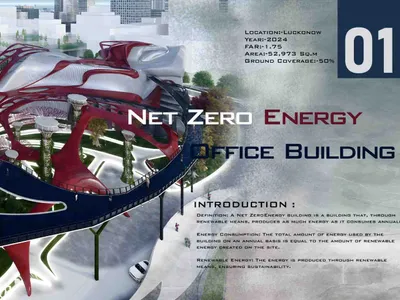
More Than a Building-Designing a Living System
More Than a Building-Designing a Living System
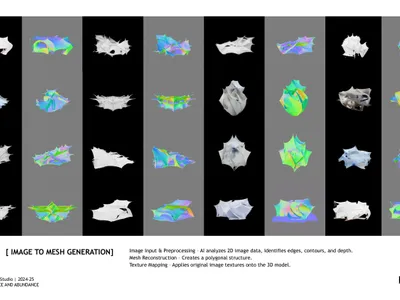
Base Beyond
DESERT COMPOUND ARID: TOURISM OF ABSENCE AND ABUNDANCE
Explore Architecture Competitions
Discover active competitions in this discipline


Challenge to reimagine the Iron Throne

Photograph architecture without architects

Illustrate the lost glory of Angkor Wat - Render Challenge

Design challenge to reuse E-waste
Comments (0)
Please login or sign up to add comments
No comments yet. Be the first to comment!