

Courtyard Mixed-Use Building by After Party: A Revitalized Urban Hub in Lithuania
A revitalized mixed-use hub transforming an abandoned warehouse into a vibrant, sustainable community space with public courtyards, wellness facilities, and adaptive reuse.


Transforming an Abandoned Structure into a Vibrant Community Space
Located in a densely populated residential district in Lithuania, the Courtyard Mixed-Use Building by After Party is a striking example of adaptive reuse architecture. Originally an unfinished concrete warehouse, the building has been transformed into a multifunctional social and cultural hub, breathing new life into a previously overlooked urban space.
Designed to revitalize an aging "commie block" neighborhood, the project embraces sustainable architecture, repurposing the existing structural framework to minimize environmental impact. This approach aligns with modern principles of circular construction and urban regeneration, making the Courtyard a model for contemporary mixed-use development.
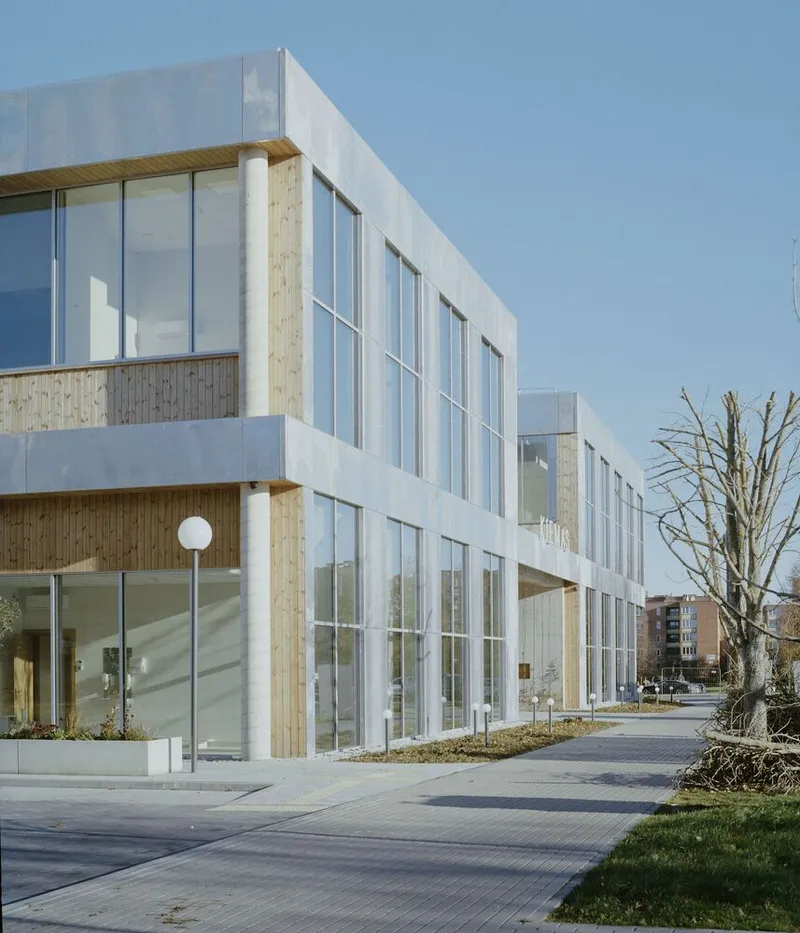
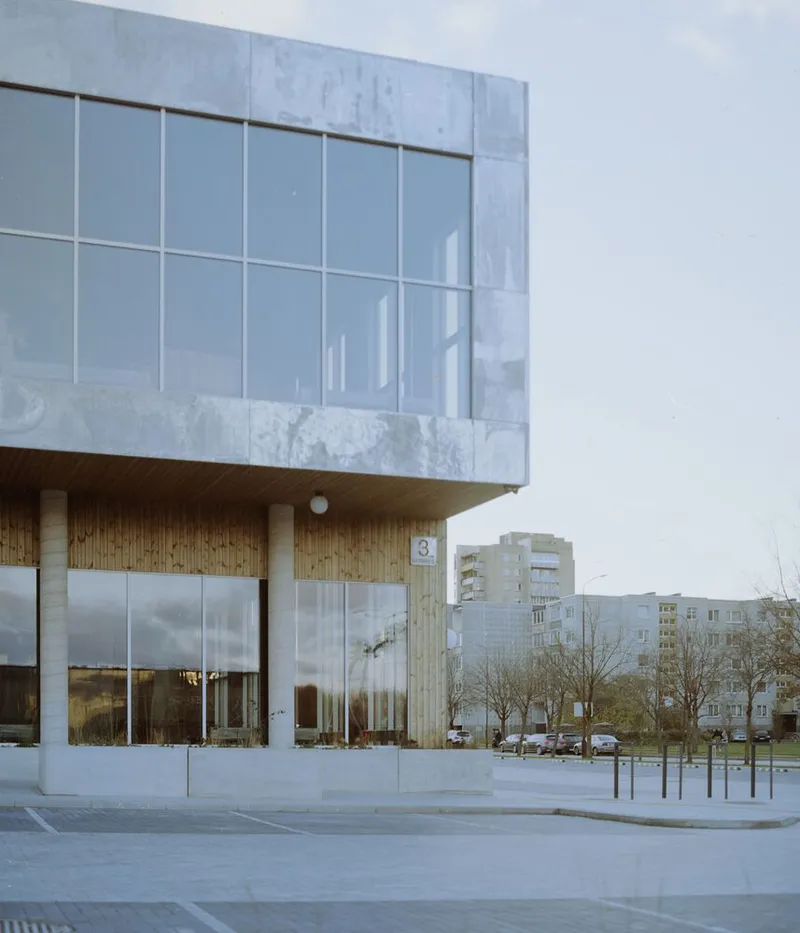
A Central Green Courtyard: The Heart of the Community
At the core of the project is a spacious public courtyard, designed as a dynamic gathering space for both residents and visitors. This green oasis fosters community interaction, offering an inviting environment for social activities, relaxation, and wellness.
Surrounding the courtyard, the ground floor hosts a mix of public amenities, including:
- Fitness and wellness centers
- Medical clinics
- Restaurants and cafés
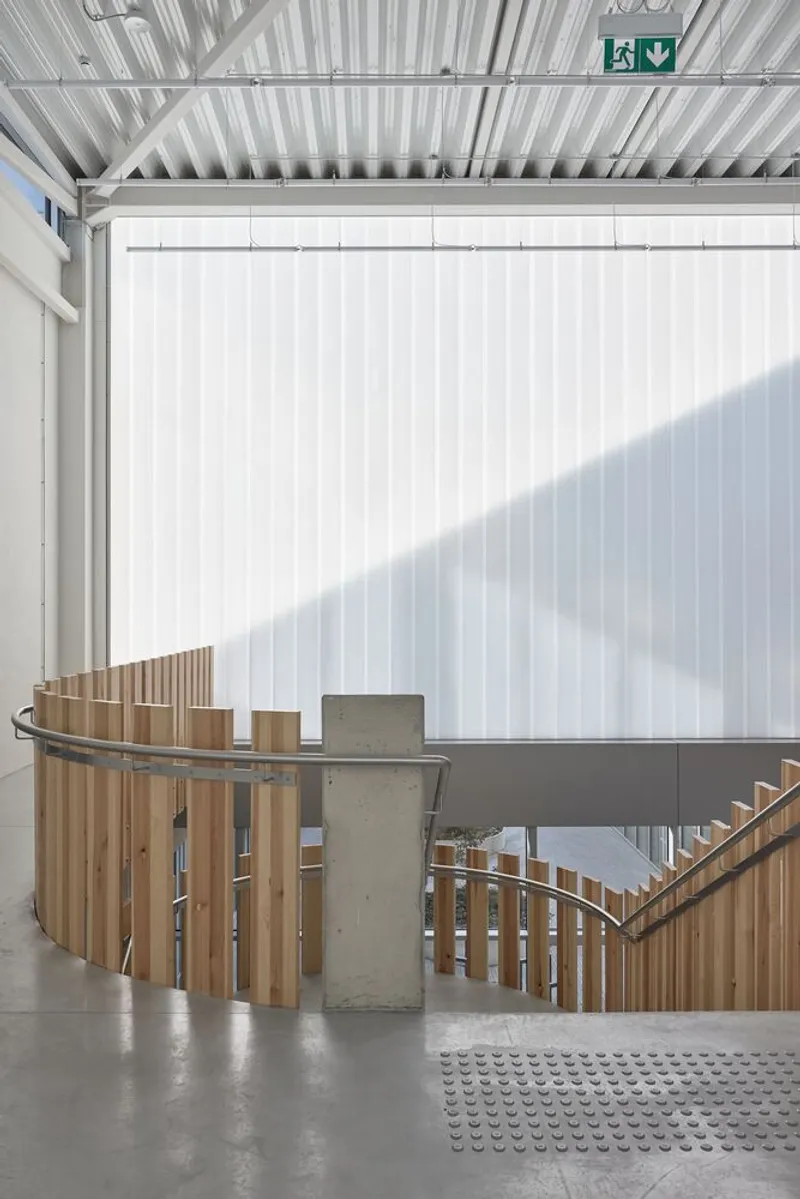
By integrating these functions within high-ceiling interiors, the building enhances its role as a lively urban hub, encouraging engagement and connectivity.
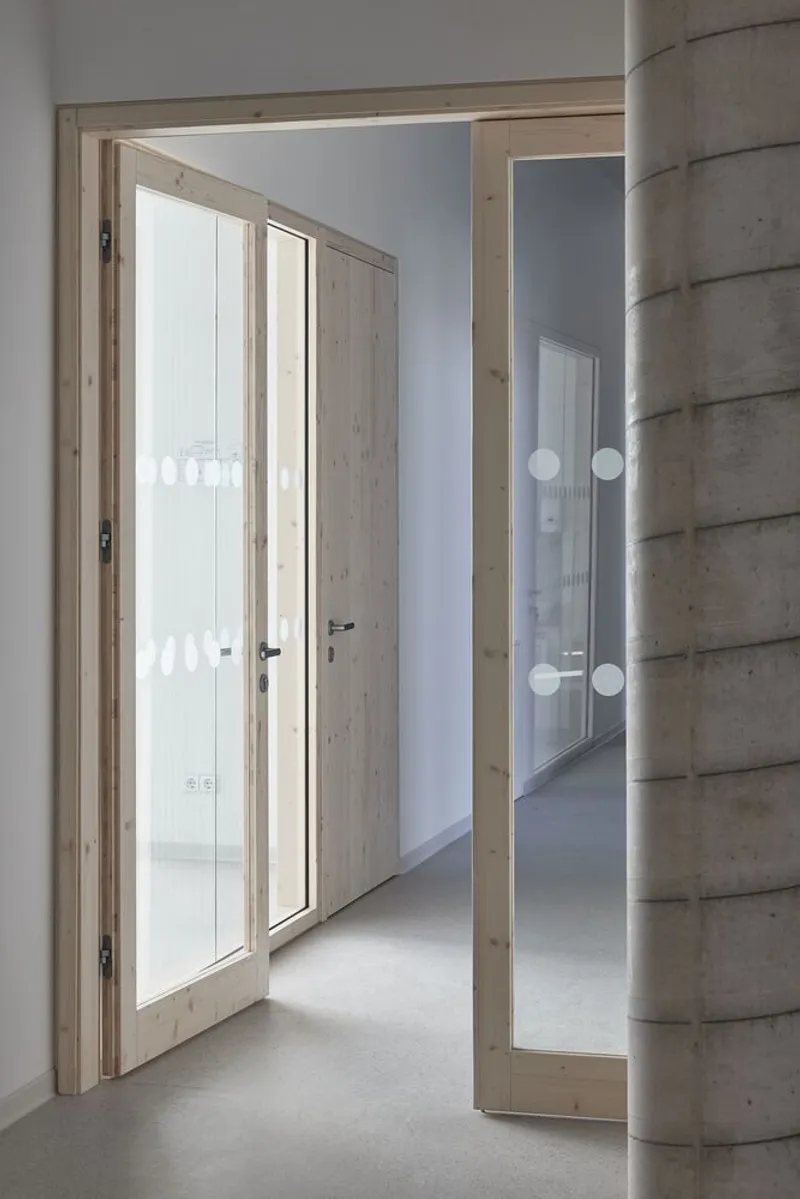
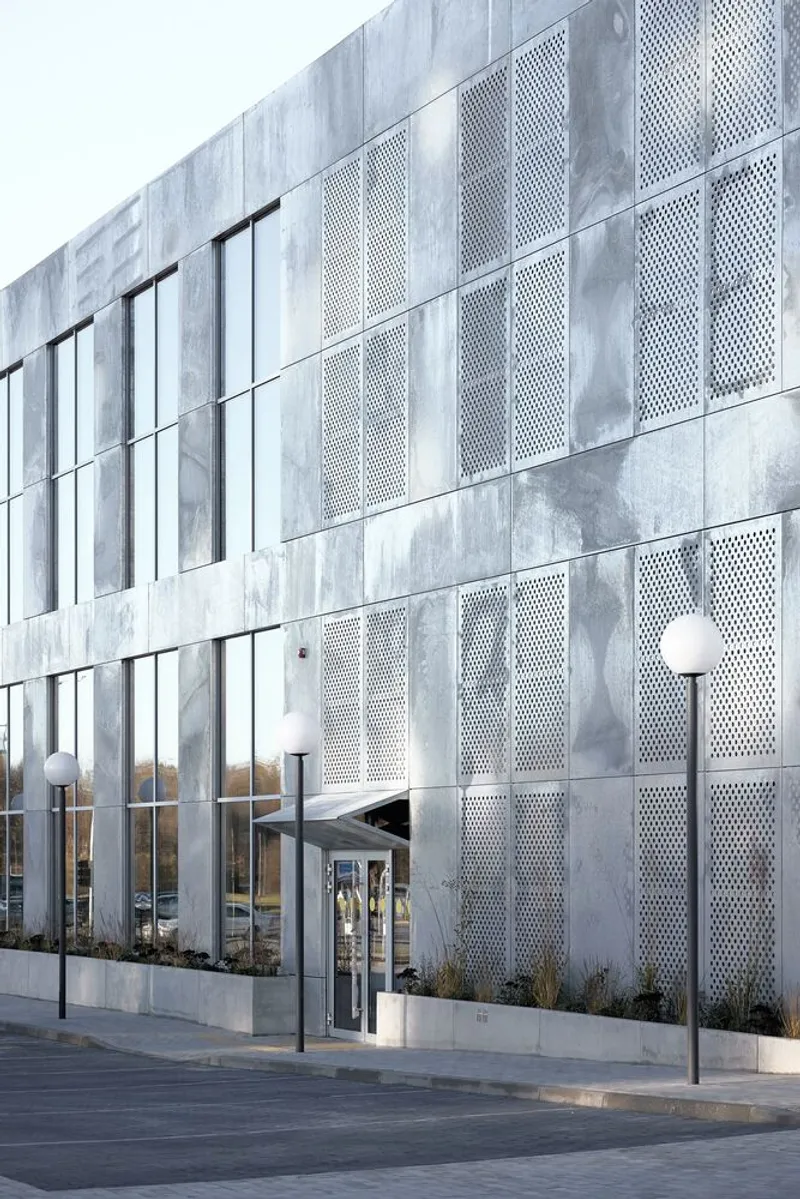
Materiality: A Balance Between Industrial and Warm Aesthetics
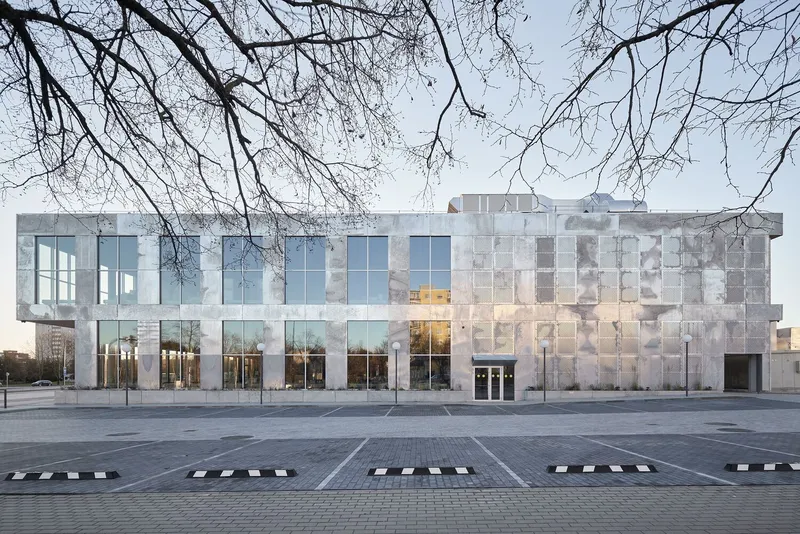
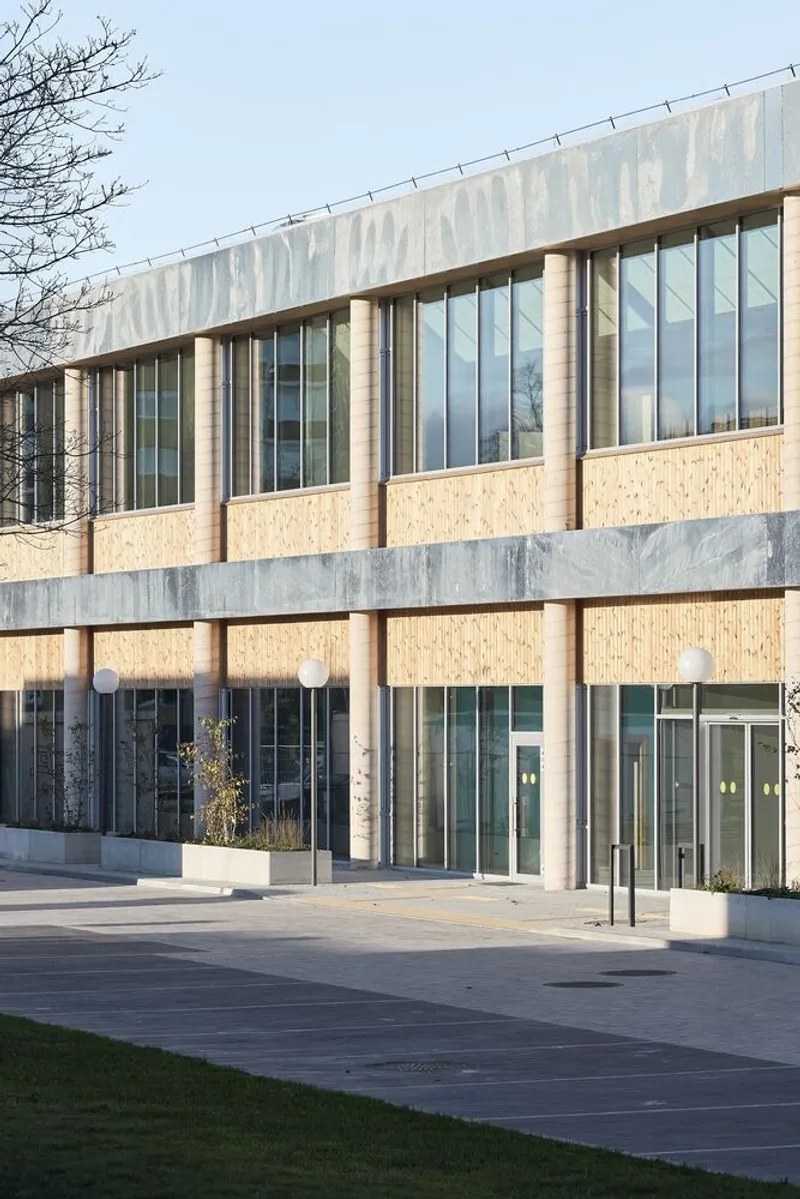
The architectural concept carefully balances raw industrial elements with inviting natural materials. The existing exposed concrete skeleton is encased in patinated galvanized steel, reinforcing the structure’s industrial identity while ensuring long-term durability and weather resistance.
To create a welcoming pedestrian experience, the facades facing public pathways are clad in warm timber, softening the overall aesthetic and enhancing human-scale interaction. This contrast of materials enriches the visual character of the building, making it both contemporary and contextual within the neighborhood fabric.
Sustainable Adaptive Reuse: A New Approach to Urban Development
The Courtyard Mixed-Use Building is a prime example of sustainable urban renewal, demonstrating how existing structures can be repurposed instead of demolished. By embracing the principles of circular economy in architecture, the project:
- Reduces construction waste by retaining the existing concrete framework
- Minimizes carbon footprint through adaptive reuse
- Enhances urban livability by introducing public green spaces
Through a thoughtful and community-driven design, this development transforms a once-forgotten structure into a thriving, multifunctional destination, reinforcing the importance of sustainability in modern architecture.
All Photographs are works of Norbert Tukaj, Giedrius Mamavicius



Popular Articles
Popular articles from the community


Hill & Cross Opera: Sculptural Opera House Architecture Shaped by Tallinn’s Landscape and Identity
Hill & Cross Opera reimagines opera house architecture in Tallinn through its sculptural hill, civic plaza, glass wave and a luminous cross.

Conexión: Biophilic Design Reimagines High-Rise Living in Hong Kong
Conexión reimagines high-rise living in Hong Kong through biophilic design, green facades, shared spaces, daylight, water and nature within.
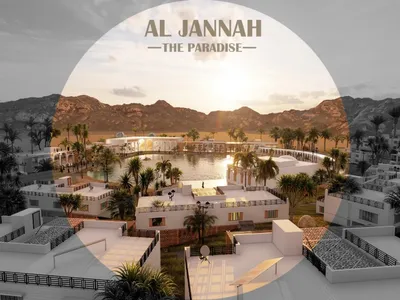
AL-JANNAH: Sustainable Architecture and Permaculture for Afghan Widows
AL-JANNAH uses sustainable architecture and permaculture to create resilient oasis of housing, learning, work and renewal for Afghan widows.

Co-Life: Senior Housing Design That Reconnects Older Adults With the City
Co-Life reimagines senior housing design through healing gardens, shared streets, workshops, and a sustainable community across generations.


Similar Reads
You might also enjoy these articles


Hodi-Mandai Geram
Project Function: Preservation and revitalization of the Intangible heritage and socio-spatial identity of the Hodi by Housing, Cultural Memory Center, Sacred Grove, landscape, local tourism economy


Olio Towers: A Mid-Rise for Performers That Fuses Housing, Rehearsal, and Stage
Located blocks from Houston's Theater District, this modular tower stacks living units around a central performance atrium.

Oasis: Modular Green Housing Carved into Dhaka's Urban Fabric
A shortlisted Plugin Housing entry reclaims unauthorized settlements in Dhaka with stepped concrete volumes, green roofs, and ventilation-driven design.

Black Hole: A Floating Megastructure for the Post-Physical Era
Emiliano Mazzarotto envisions a spherical, self-scaling arena where e-sports, digital hotels, and holographic stadiums replace traditional public space.


Explore Urban Renewal Competitions
Discover active competitions in this discipline


Challenge to design mud housing for contemporary communities


Challenge to reimagine the Iron Throne


Photograph architecture without architects


Illustrate the lost glory of Angkor Wat - Render Challenge
Comments (0)
Please login or sign up to add comments
No comments yet. Be the first to comment!