
Detached House in Ko-ryo Town by Koyori + Akihiro Tai Architectural Design Office
Minimal concrete annex in Nara creates a quiet guest space, using skylight, dark finishes, and courtyard light for intimate communication.


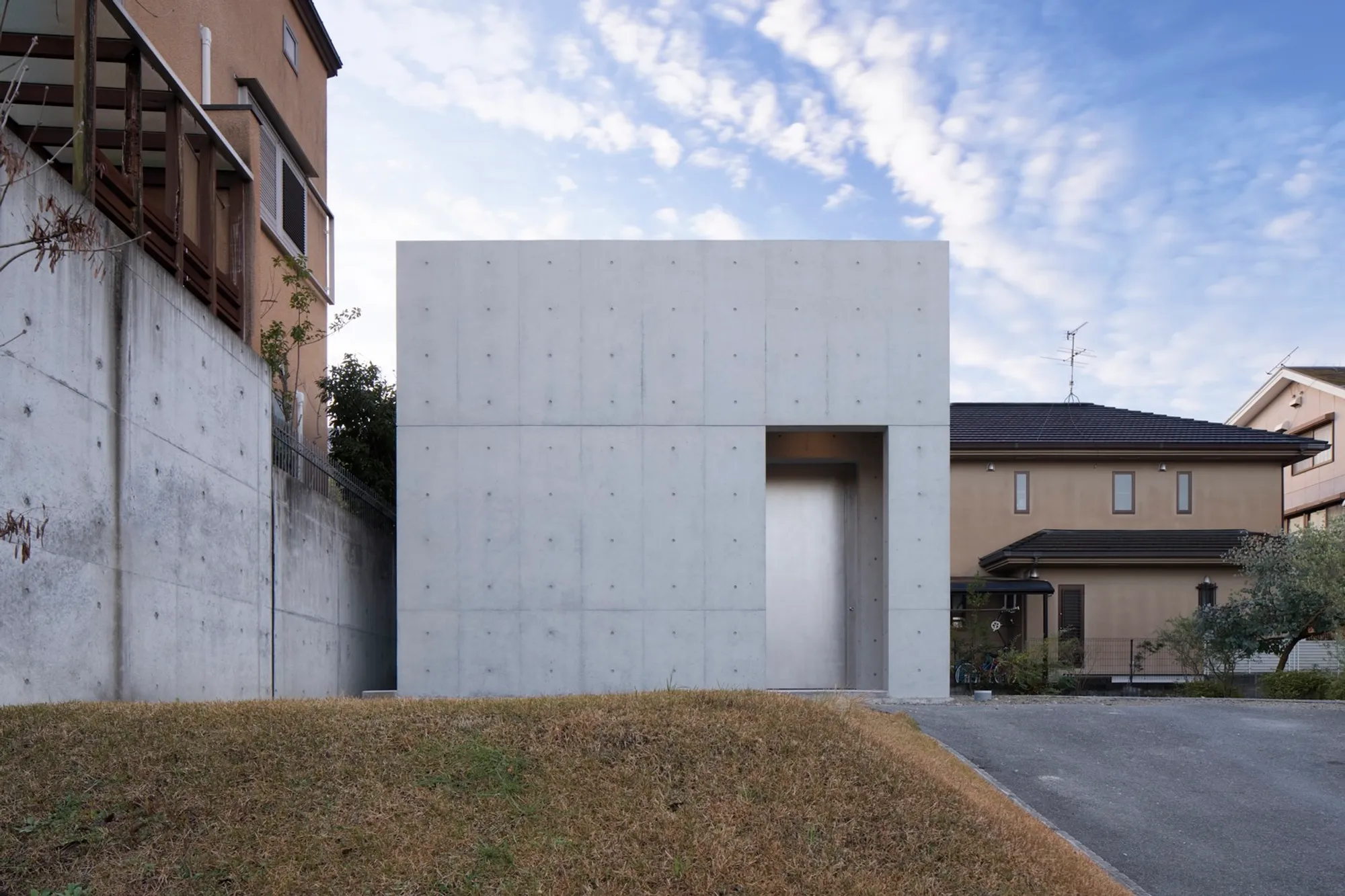
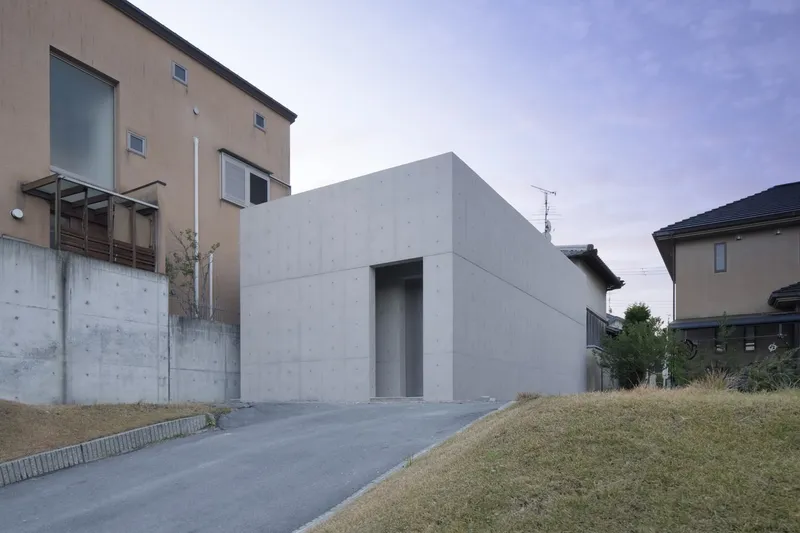
Located in Ko-ryo Town, within the Kitakatsuragi District of Nara Prefecture, this detached house by Koyori + Akihiro Tai Architectural Design Office reinterprets the idea of a residential annex in one of the prefecture’s most densely populated towns. Designed as a compact, single-story reinforced concrete structure with a floor area of just 42 square meters, the project responds to contemporary lifestyles shaped by digital communication while quietly re-centering human interaction, material presence, and the sensory qualities of light.
Completed in 2023, the building stands apart from the existing main house on the site, functioning as a dedicated space for welcoming guests and fostering intimate communication. Rather than expanding domestic programs, the architects intentionally reduced functional requirements, creating an environment detached from the informational noise of daily residential life.
Architecture as an Extension of Experience Rather Than Function
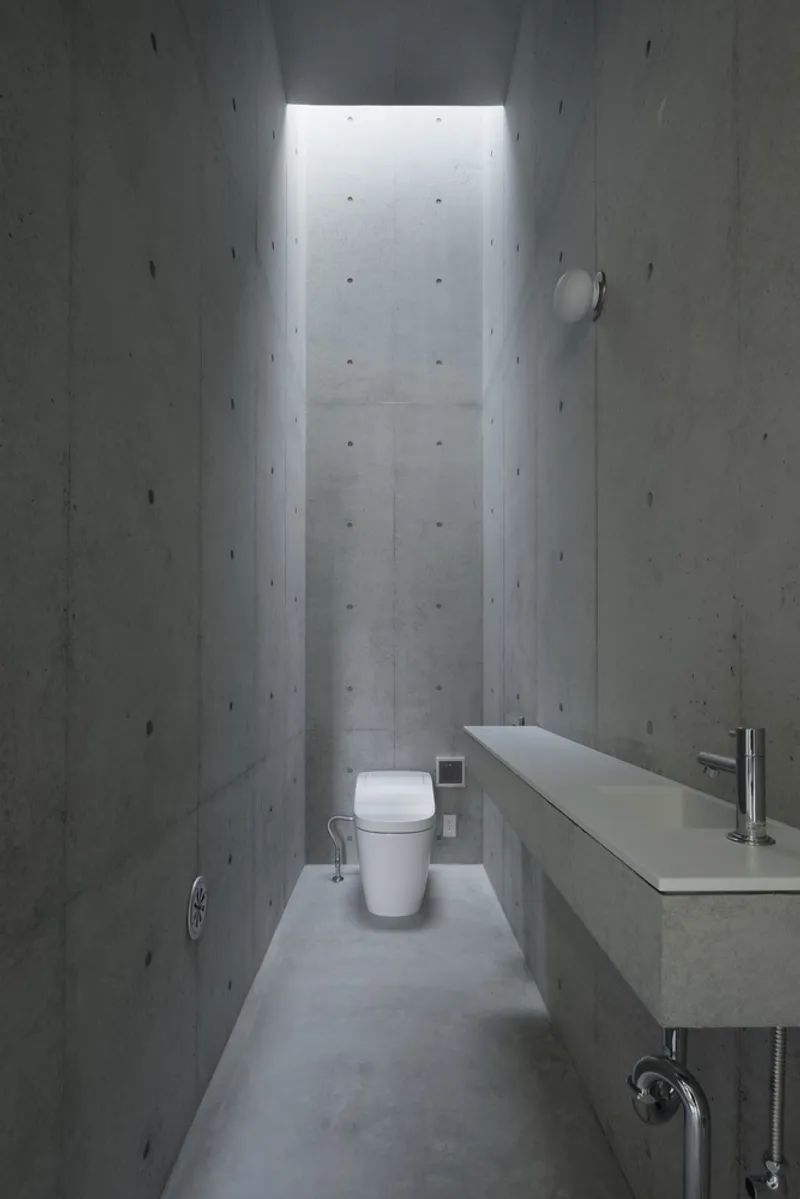
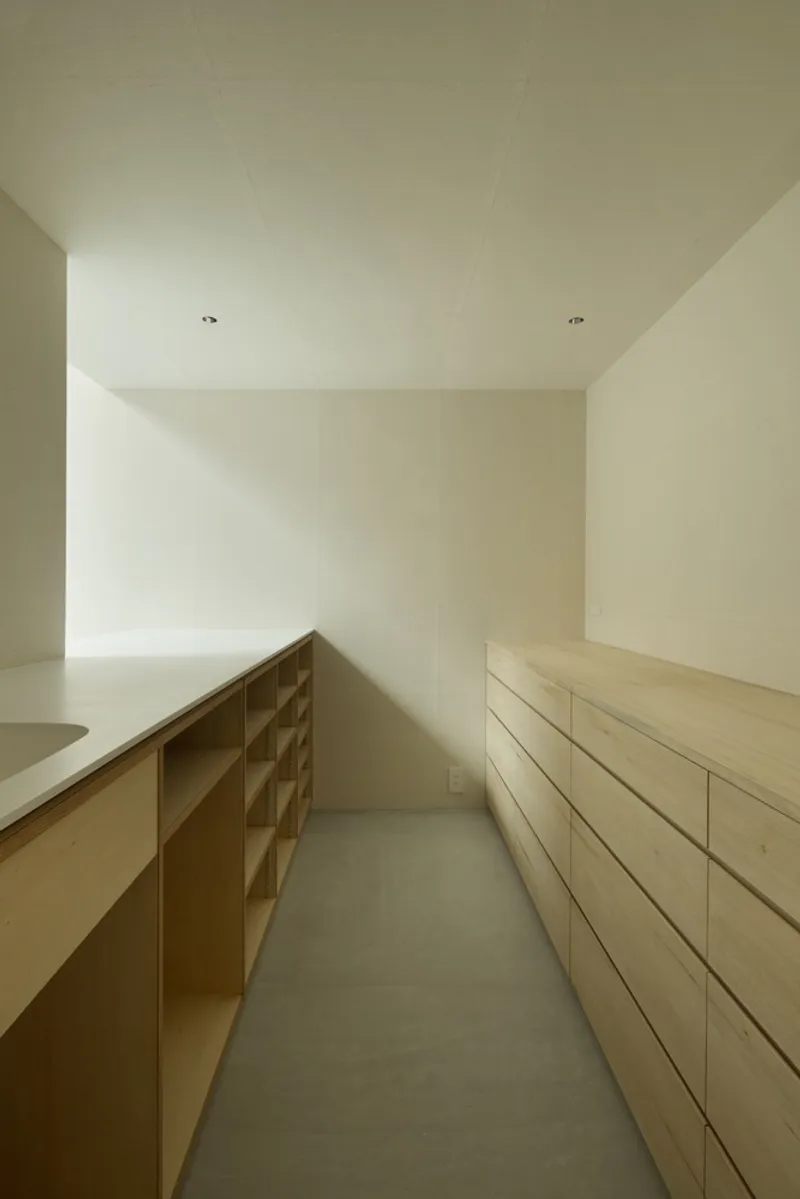
The detached house does not include a full bathroom and incorporates only minimal water facilities. This deliberate omission reflects the project’s conceptual foundation: to minimize connections to external systems and routines, allowing the space to exist as a contemplative counterpart to the main residence. By stripping away conventional domestic functions, the architecture emphasizes atmosphere over utility, positioning the annex as a place where occupants can focus on spatial perception and interpersonal exchange.
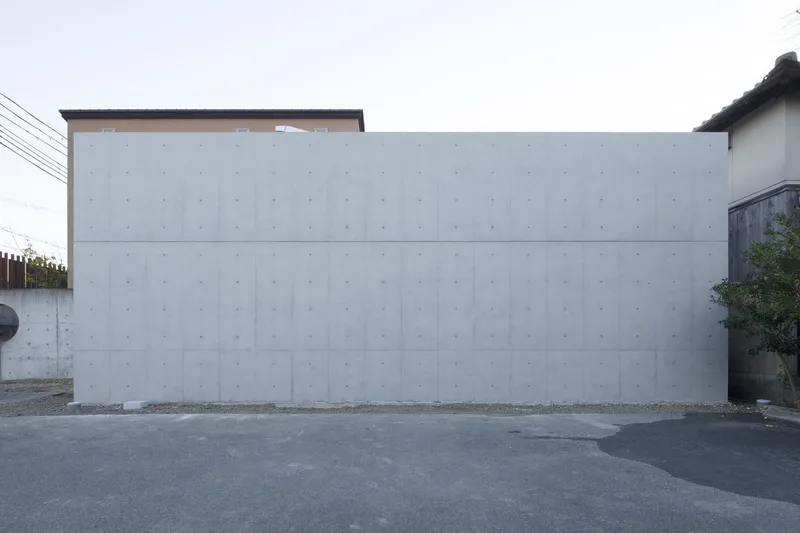
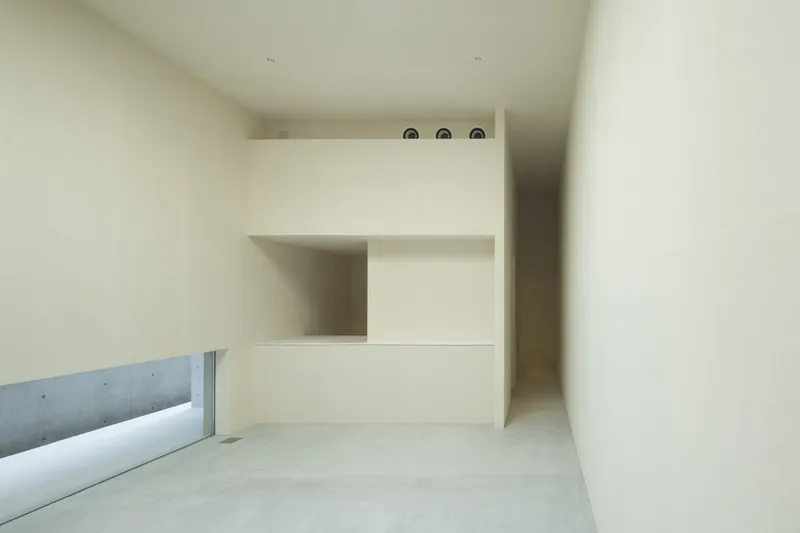
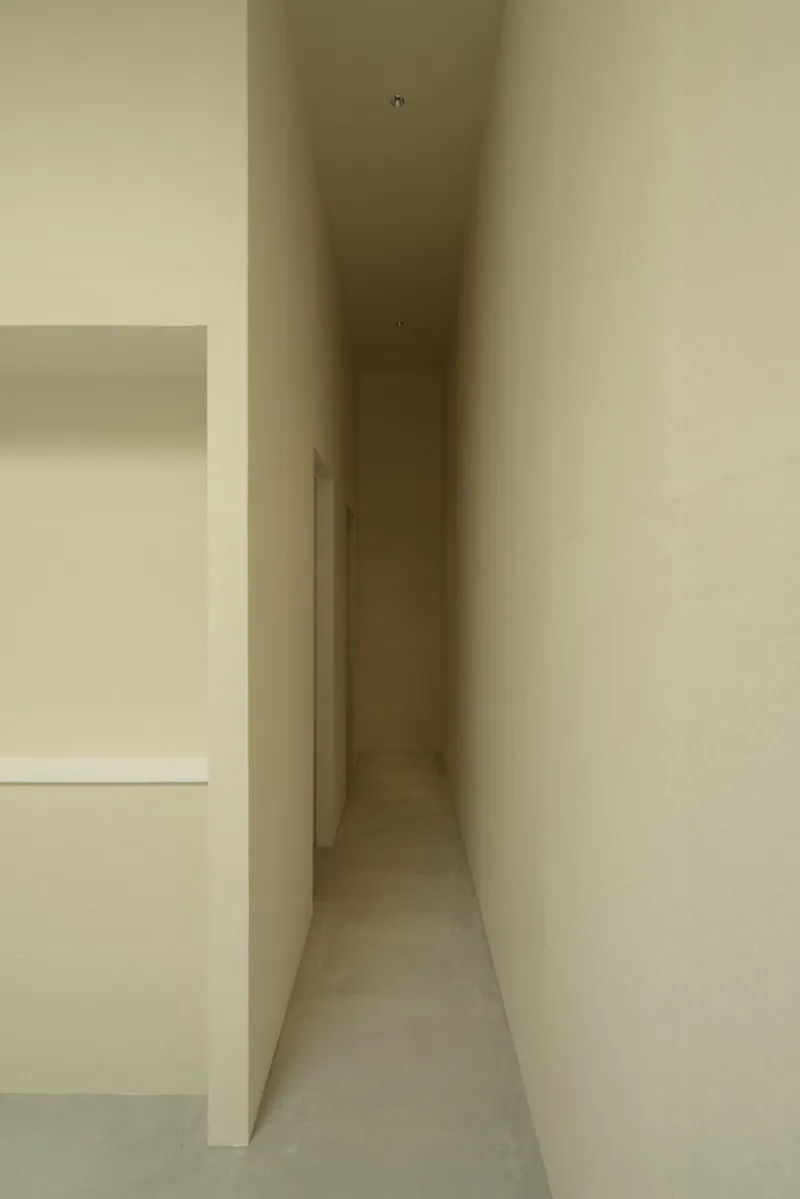
The reinforced concrete structure is constructed using a wall-based system, eliminating the need for beams and columns within the interior. This structural strategy results in a unified, uninterrupted space where architectural boundaries dissolve and attention shifts to light, surface, and proportion.
Central Skylight and the Choreography of Natural Light
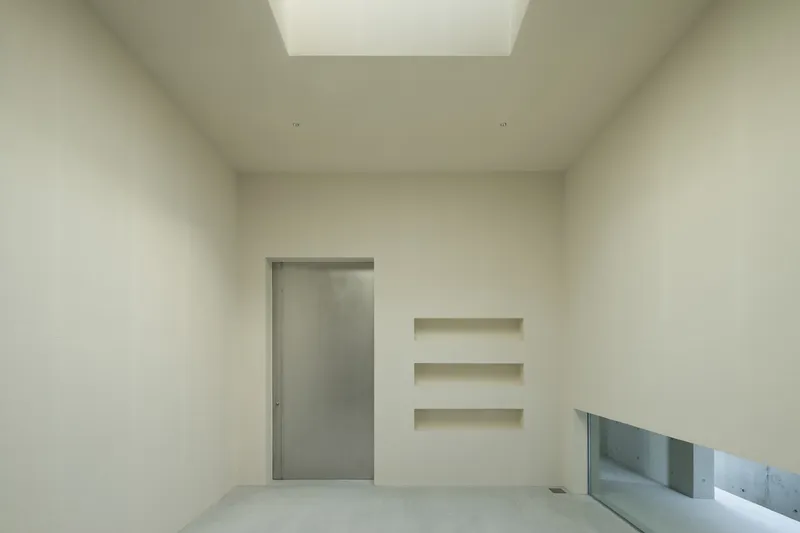
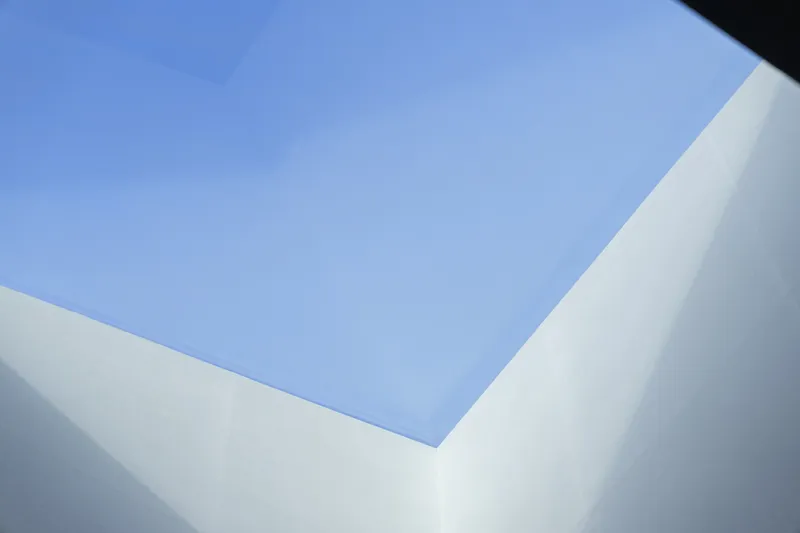
At the heart of the plan, a large central skylight introduces daylight deep into the interior, allowing subtle changes in brightness and shadow to unfold throughout the day. As the sun moves and weather conditions shift, the skylight becomes an instrument that connects the interior to the sky, reinforcing a sense of time and season often lost in digitally mediated environments.
The interior surfaces are finished with black Taniguchi paper, a material choice that gently absorbs and diffuses light rather than reflecting it sharply. This softens the atmosphere and enhances the perceptibility of natural variations, allowing the changing sky to register through tonal shifts and delicate gradations across the walls.
Tsuboniwa and Indirect Light as Spatial Mediators
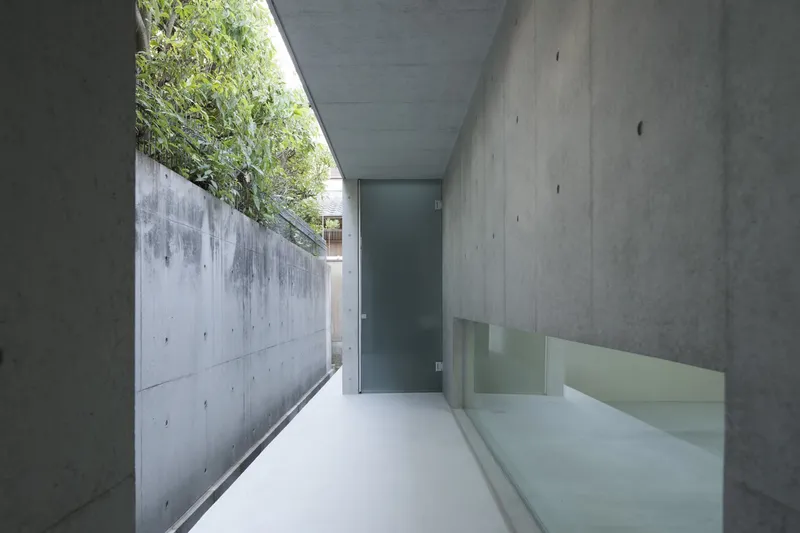
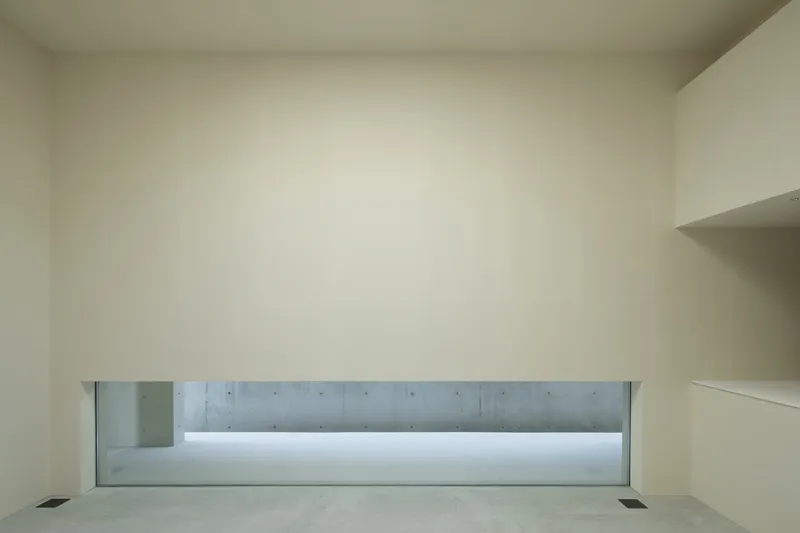
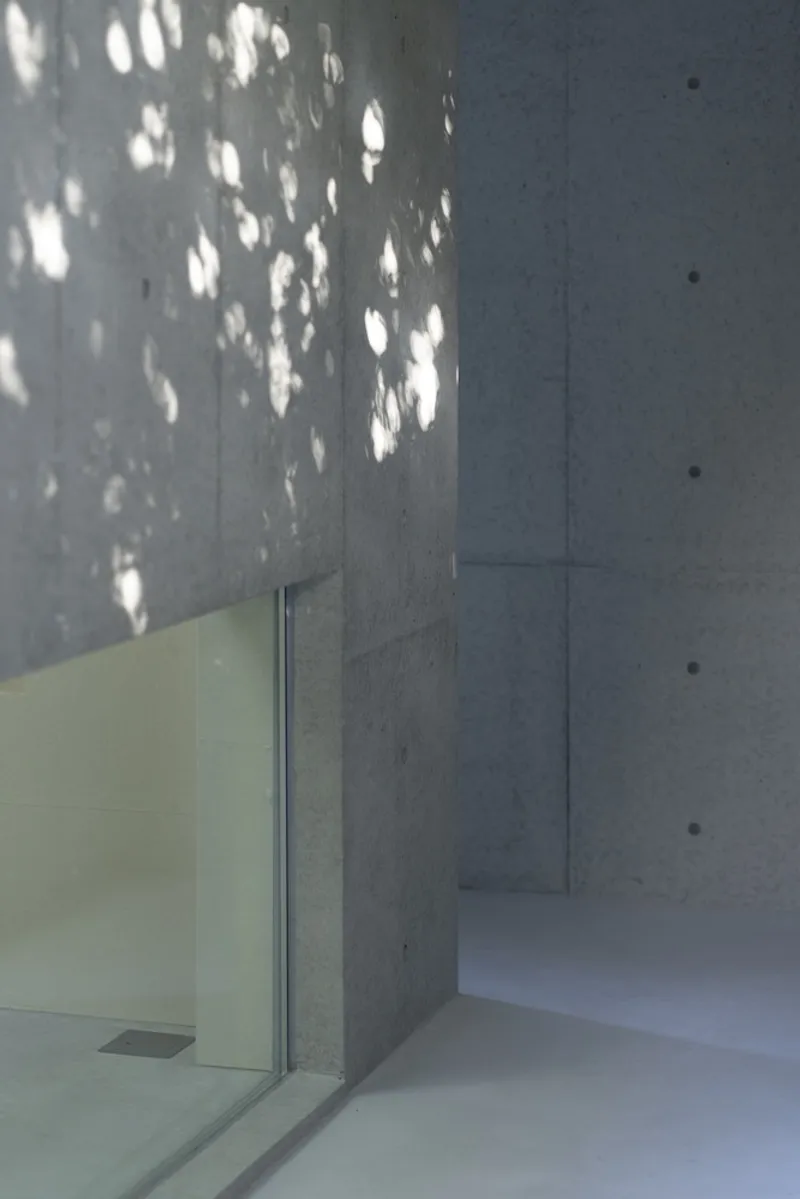
On the side of the tsuboniwa, or small courtyard garden, narrow slit openings are carefully positioned near floor level. These openings introduce reflected natural light from the garden walls, producing a calm, indirect illumination that reinforces privacy while maintaining a connection to the outdoors. This strategy is particularly significant given the project’s urban residential context, where proximity to neighboring houses requires careful control of sightlines.
Rather than relying on expansive glazing, the architects use controlled apertures to balance enclosure and openness, creating a spatial experience rooted in traditional Japanese architectural principles while expressed through contemporary materials and construction methods.
A Space Beyond Screens in a Dense Residential Context
In an era where communication is increasingly mediated through screens, the Detached House in Ko-ryo Town proposes an architectural alternative: one that supports slow, tactile, and embodied interaction. The project offers a retreat from constant connectivity, encouraging face-to-face conversation and heightened awareness of one’s surroundings.
By maintaining a modest scale and restrained palette, the annex achieves a quiet presence within its residential neighborhood. It neither competes with nor dominates its surroundings, instead existing as a carefully calibrated insertion that prioritizes privacy, introspection, and shared experience.
Project Information
The project was designed by Akihiro Tai Architectural Design Office and Koyori, with structural engineering by Takeshi Kaneko Structural Design Office and construction by Takagishi Construction Co., Ltd. Custom furniture was produced by Akitomo Furniture Manufacturing Studio, reinforcing the project’s holistic approach to design. Architectural photography by Junichi Usui captures the subtle interplay of light, material, and spatial clarity that defines the house.
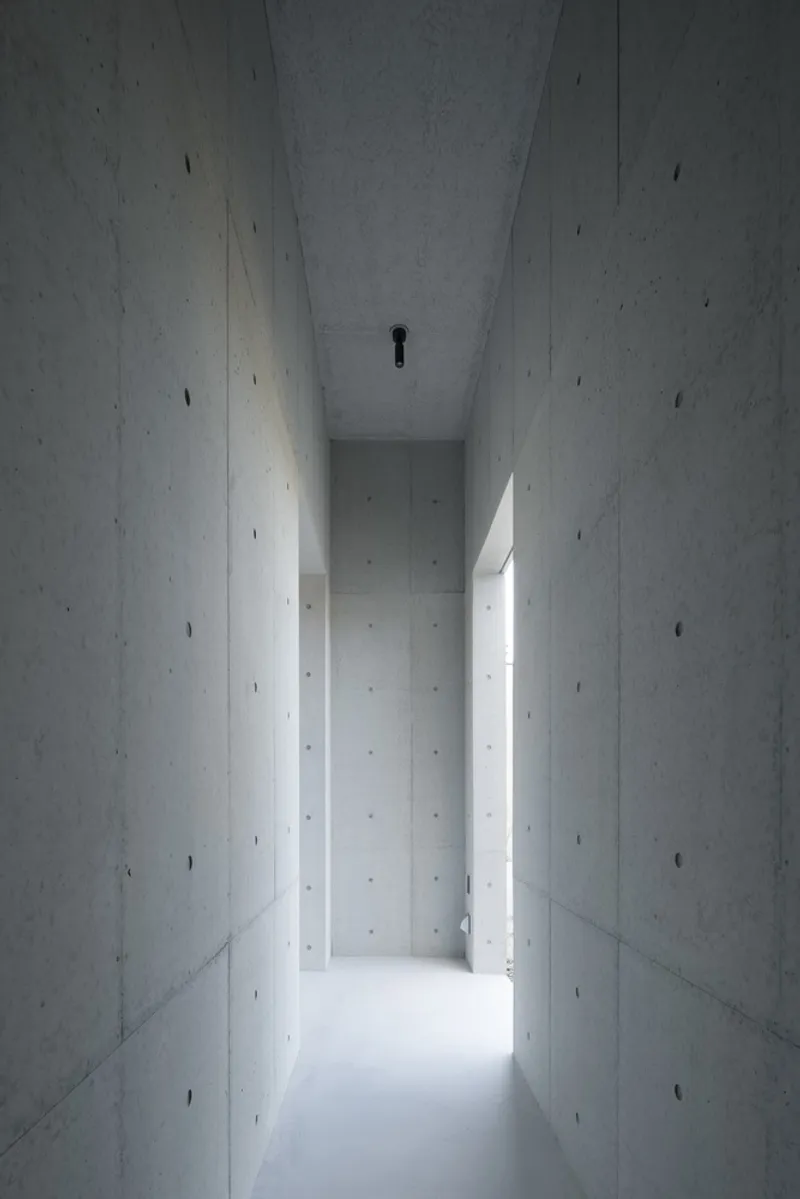
All photographs are works of Junichi Usui




Popular Articles
Popular articles from the community


Conexión: Biophilic Design Reimagines High-Rise Living in Hong Kong
Conexión reimagines high-rise living in Hong Kong through biophilic design, green facades, shared spaces, daylight, water and nature within.

Lunar Spiral: Space Architecture Shaped by the Mathematics of the Universe
Lunar Spiral reimagines space architecture through Fibonacci geometry, lunar regolith, levitating habitats, and self-sustaining Moon living.

The Musturak Paradise: Senior Living Architecture for a Connected Future in Temara, Morocco
The Musturak Paradise reimagines senior living architecture in Temara via private homes, social spaces, culture, community, and shared care.

The Ocean Hive: Sustainable Architecture for a Self-Sufficient Civilization at Sea
The Ocean Hive imagines sustainable architecture at sea, where modular habitats, algae, wave power and ocean waste sustain a growing colony.


Similar Reads
You might also enjoy these articles


Hodi-Mandai Geram
Project Function: Preservation and revitalization of the Intangible heritage and socio-spatial identity of the Hodi by Housing, Cultural Memory Center, Sacred Grove, landscape, local tourism economy


Olio Towers: A Mid-Rise for Performers That Fuses Housing, Rehearsal, and Stage
Located blocks from Houston's Theater District, this modular tower stacks living units around a central performance atrium.

Oasis: Modular Green Housing Carved into Dhaka's Urban Fabric
A shortlisted Plugin Housing entry reclaims unauthorized settlements in Dhaka with stepped concrete volumes, green roofs, and ventilation-driven design.

Black Hole: A Floating Megastructure for the Post-Physical Era
Emiliano Mazzarotto envisions a spherical, self-scaling arena where e-sports, digital hotels, and holographic stadiums replace traditional public space.


Explore Housing Competitions
Discover active competitions in this discipline



Challenge to reimagine the Iron Throne


Photograph architecture without architects


Illustrate the lost glory of Angkor Wat - Render Challenge


Design challenge to reuse E-waste
Comments (0)
Please login or sign up to add comments
No comments yet. Be the first to comment!