
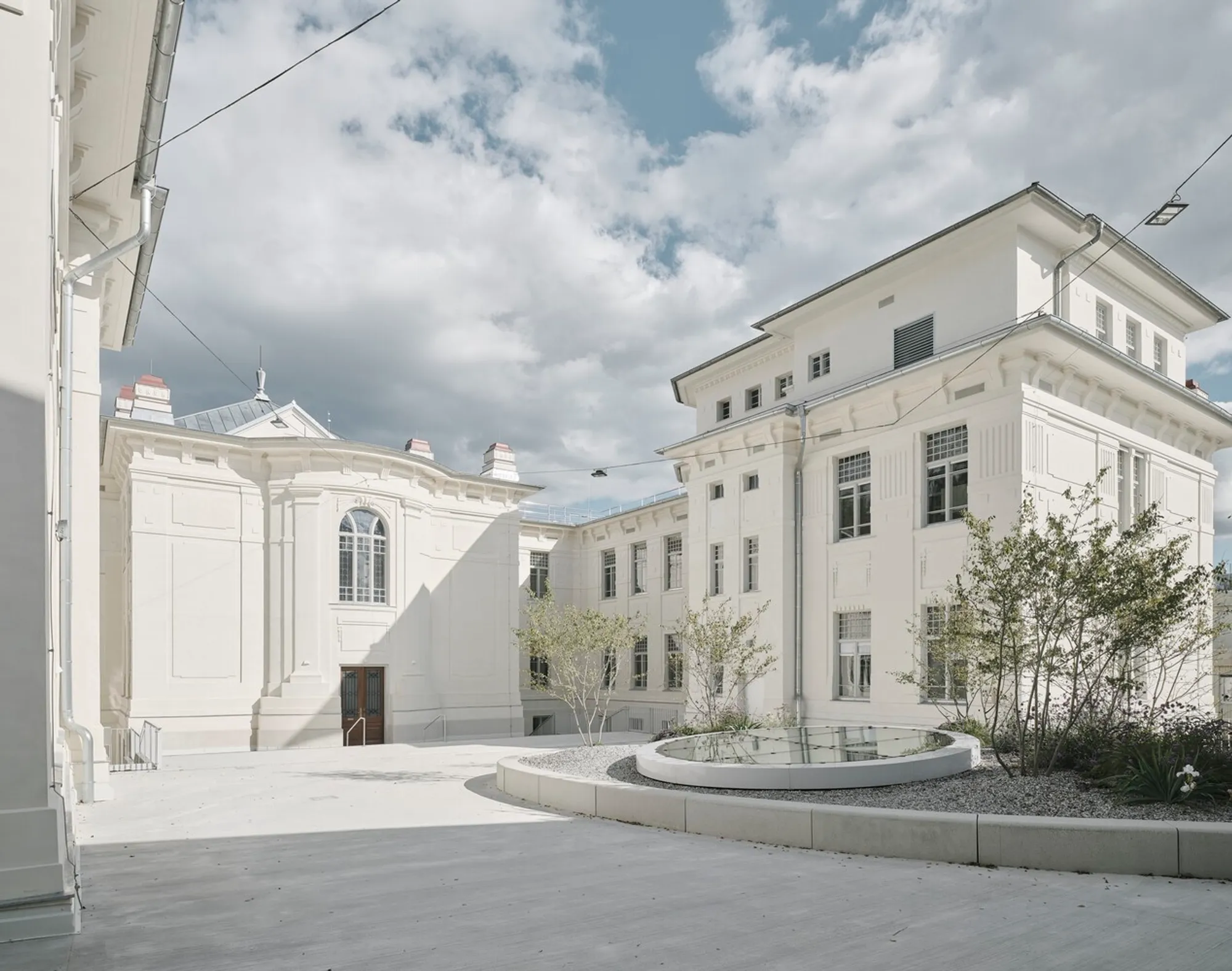
Division of Anatomy at Medical University of Graz by Franz&Sue
Historic pavilion transformed into advanced anatomy research center with modern laboratories, specialized ventilation systems, dissecting rooms, lecture hall, and daylight-filled learning spaces.


The Division of Anatomy at the Medical University of Graz, designed by Franz&Sue, represents a sophisticated blend of historic preservation, contemporary architecture, and advanced medical research infrastructure. Located on the expanding Med Campus Graz in Austria, the project revitalizes a historic 1912 pavilion while introducing a highly specialized teaching and research facility designed to meet the demands of modern medical education.
Completed in 2022 and covering approximately 10,727 square meters, this renovation and expansion project transforms the former Institute of Pathology building into one of the most advanced anatomy teaching environments in Europe. The architecture balances technological precision with thoughtful spatial design, ensuring that the building supports complex research activities while maintaining respectful and calm learning environments for students and faculty.

Adaptive Reuse of a Historic Pavilion
The project is rooted in the adaptive reuse of a historic pavilion constructed in 1912, a listed heritage building that previously housed the Institute of Pathology. The architecture studio Franz&Sue approached the renovation with a strong commitment to preserving the building’s cultural and architectural significance while upgrading its infrastructure to support modern medical research and education.
The historic structure underwent extensive restoration to accommodate a range of essential academic functions, including administrative offices, seminar rooms, laboratories, and a library. One of the most remarkable preserved spaces within the building is the historic anatomy room, featuring original cast-iron benches that reflect the early traditions of medical education.
Through careful renovation and sensitive design interventions, the architects successfully transformed the historic structure into a functional and contemporary laboratory environment while retaining its architectural character and heritage value.
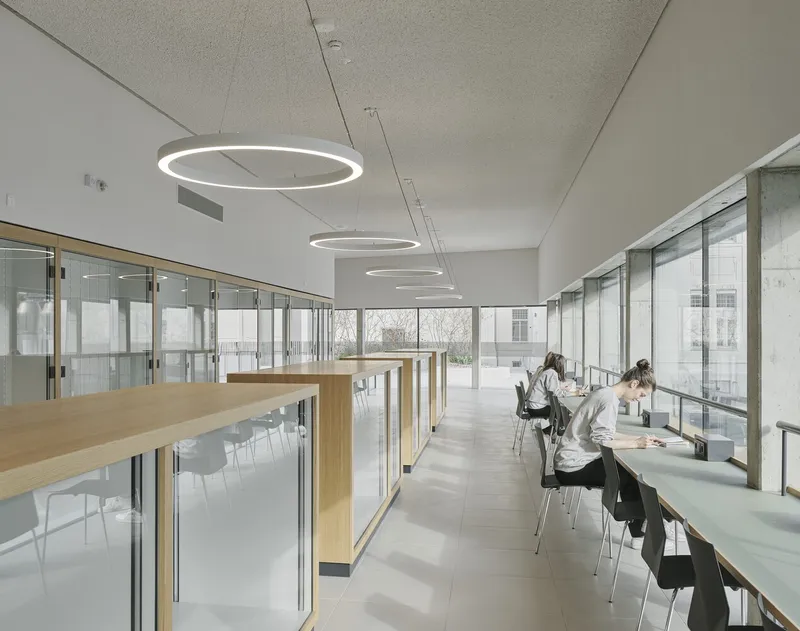
A Contemporary Pavilion for Teaching and Research
To complement the restored historic building, a new pavilion was constructed on the site of a former 1980s extension. This contemporary addition functions as an independent yet integrated component within the campus, housing the technical infrastructure and specialized spaces required for anatomy research and teaching.
The new building contains essential facilities such as cadaver storage and preservation spaces located in the basement, as well as two large dissecting rooms on the upper floor. These rooms accommodate 78 dissection tables, allowing large groups of medical students to conduct anatomical studies simultaneously.
The architecture of the new pavilion reflects the precision and efficiency required in medical environments. At the same time, the design emphasizes clarity, functionality, and spatial calm to ensure that students can focus on learning in a respectful and supportive environment.

Advanced Ventilation and Building Technology
One of the most complex aspects of the project involved the design and integration of a highly specialized ventilation system. Anatomy laboratories require extremely controlled air circulation systems to maintain hygiene, safety, and comfort during dissection activities.
To achieve this, the design team collaborated closely with experts from the Medical University of Graz to test and optimize airflow performance. The architects conducted full-scale 1:1 mock-up experiments, along with smoke tests and computer simulations, to analyze air distribution and refine the HVAC system.
The resulting ventilation infrastructure is extensive and highly visible, with large chrome-plated piping systems defining the visual identity of the dissecting rooms. This exposed technical architecture reflects the building’s advanced scientific function while reinforcing the technological sophistication of the facility.
Interestingly, the building’s technical infrastructure occupies a significant portion of the total area. Within the entire complex of old and new structures, approximately 4,200 square meters are dedicated to usable space, while 2,200 square meters accommodate technical systems, highlighting the complexity of modern medical research buildings.
Calm and Respectful Learning Environments
Despite the extensive technological requirements, the architectural approach intentionally avoids overwhelming users with visible mechanical systems. Within the dissecting rooms, the design focuses on simple and pragmatic architectural details to create calm and respectful spaces.
These environments are carefully designed to support both the emotional and educational aspects of anatomical study. The architecture provides a neutral backdrop that allows students to focus on their work without unnecessary visual distractions.
Natural light also plays an important role in shaping these interiors. A profiled glass façade with translucent thermal insulation allows daylight to penetrate the interior spaces while maintaining privacy and shielding the activities from outside views. This design strategy ensures a balance between openness, discretion, and respectful boundaries, which is particularly important in anatomy education.
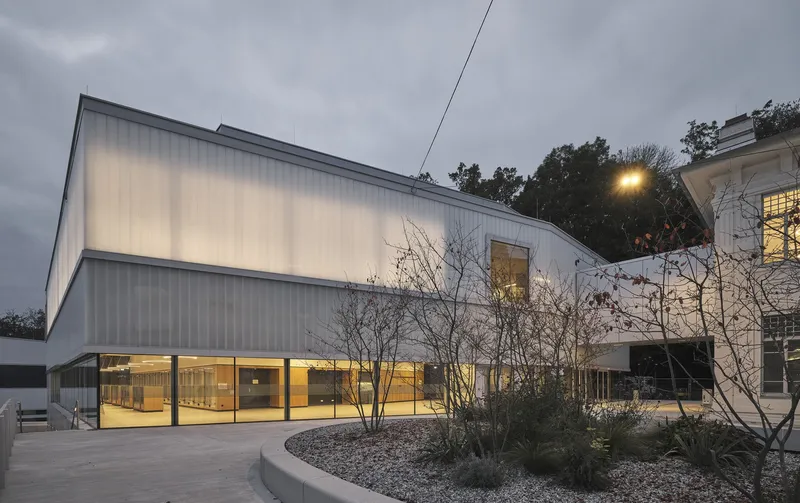
A Lecture Hall Connecting Old and New
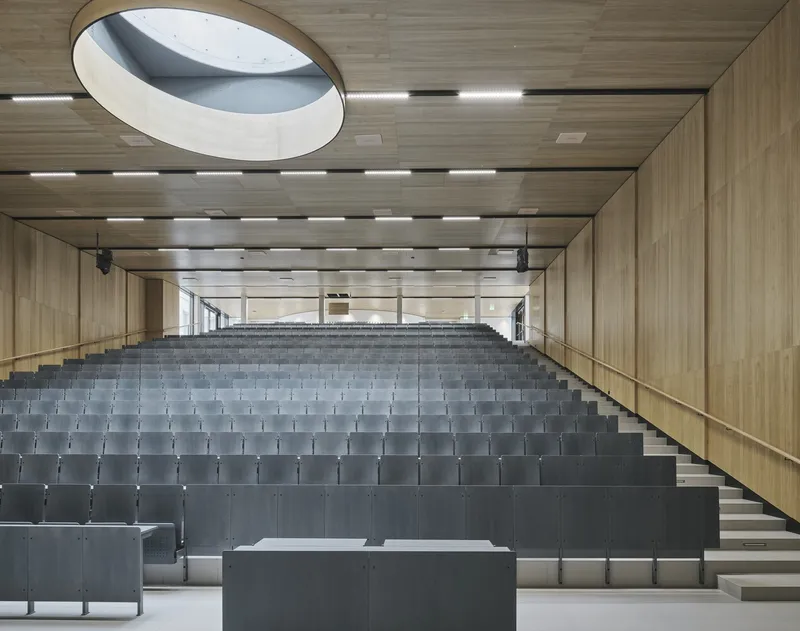
One of the central spatial features of the project is a large wood-paneled lecture hall with seating for 500 students. This auditorium acts as the physical and symbolic link between the historic pavilion and the new research building.
The lecture hall is designed as a warm and welcoming academic environment where large groups of students can gather for lectures, seminars, and presentations. Natural daylight enters the space through side atriums and a circular skylight, creating a bright and comfortable learning atmosphere.
Above the lecture hall, the architects introduced an urban green square, providing a pedestrian connection between the historic and contemporary parts of the campus. This landscaped public space strengthens the integration of the project within the broader Med Campus Graz and encourages interaction among students, faculty, and visitors.
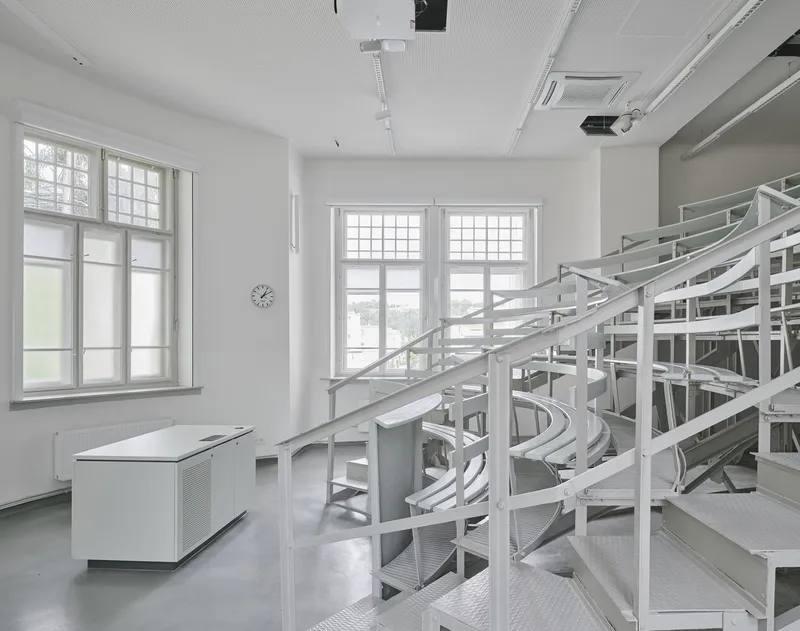
Reimagining the Historic Entrance
One of the most significant interventions in the historic building involved the creation of a new main entrance on the eastern side, which historically had never existed. This architectural move required the removal of later additions and secondary structures that had accumulated over the decades.
By clearing these elements, the architects were able to introduce a bright and welcoming foyer, creating a clear and intuitive entrance sequence for the building. The new entrance area acts as a central orientation point, guiding students, researchers, and visitors through the complex.
The resulting space establishes a strong sense of arrival while reinforcing the building’s role as a major center for medical research, anatomical education, and academic collaboration.
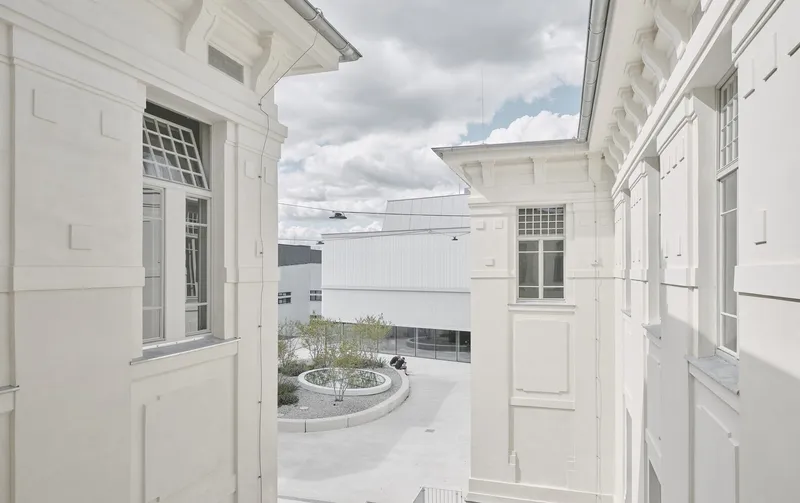
A Modern Research Facility Hidden Within Historic Architecture
From the outside, the Division of Anatomy building maintains a relatively modest appearance that respects the historical character of the campus. However, behind its calm exterior lies an exceptionally advanced research and teaching environment.
The project demonstrates how architectural renovation, heritage preservation, and cutting-edge building technology can be successfully integrated within a single design strategy. By combining careful restoration with contemporary architectural interventions, Franz&Sue created a facility that supports both the traditions and the future of medical education.
Today, the Division of Anatomy at the Medical University of Graz stands as a landmark example of academic architecture, adaptive reuse, and technically advanced laboratory design, reinforcing Graz’s reputation as an important center for scientific research and innovation.


All photographs are works of
David Schreyer




Popular Articles
Popular articles from the community


Co-Life: Senior Housing Design That Reconnects Older Adults With the City
Co-Life reimagines senior housing design through healing gardens, shared streets, workshops, and a sustainable community across generations.

The Earth Pod: 3D Printed Homes for Resilient Refugee Communities
The Earth Pod reimagines refugee housing through 3D printed homes made from clay, combining resilience, self-sufficiency, and rapid shelter.

AL-JANNAH: Sustainable Architecture and Permaculture for Afghan Widows
AL-JANNAH uses sustainable architecture and permaculture to create resilient oasis of housing, learning, work and renewal for Afghan widows.
EW PARK: Sustainable Architecture Reimagines the Future of Urban Parking
EW PARK reimagines city parking as a modular wooden tower combining automation, solar energy, electric mobility, and adaptable urban design.


Similar Reads
You might also enjoy these articles

FAMM Arquitectura Organizes Ten Villas Around Courtyards and Jungle in Nosara, Costa Rica
El Molino pairs two elongated volumes with deep overhangs and timber louvers to build a compact coastal community five minutes from the beach.
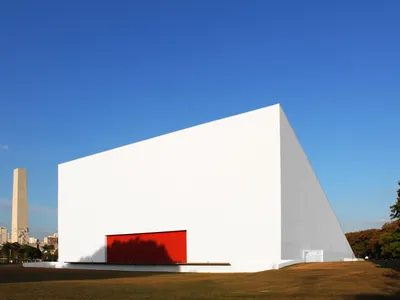
Oscar Niemeyer's Ibirapuera Park Pavilions Define São Paulo's Cultural Identity in Concrete and Curve
A constellation of modernist volumes set within São Paulo's most important urban park, conceived for the city's 400th anniversary in 1954.
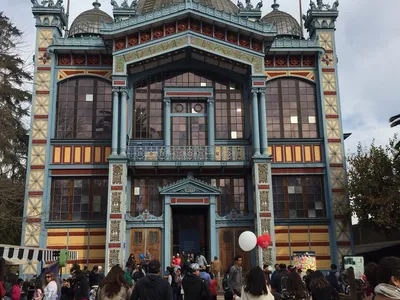
How Henri Picq's 1889 Paris Pavilion Traveled 11,000 Kilometers to Become Santiago's Artequín Museum
A prefabricated iron and glass pavilion built for the Paris Universal Exposition found a second life as a children's art museum in Chile.
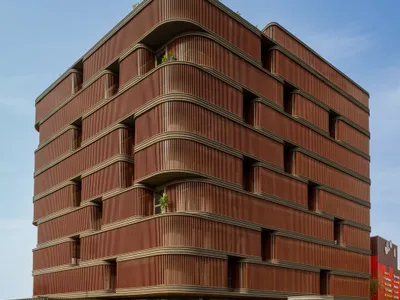
Sanjay Puri Architects Wraps a Jaipur Office Tower in Capsule-Shaped Green Buffers
A nine-level climate-responsive workplace near Jaipur Airport uses stacked planter terraces and aluminium screens to fight 40°C heat.


Explore Educational Building Competitions
Discover active competitions in this discipline



Challenge to design public laboratory


Challenge to reimagine the Iron Throne


Photograph architecture without architects


Illustrate the lost glory of Angkor Wat - Render Challenge
Comments (0)
Please login or sign up to add comments
No comments yet. Be the first to comment!