
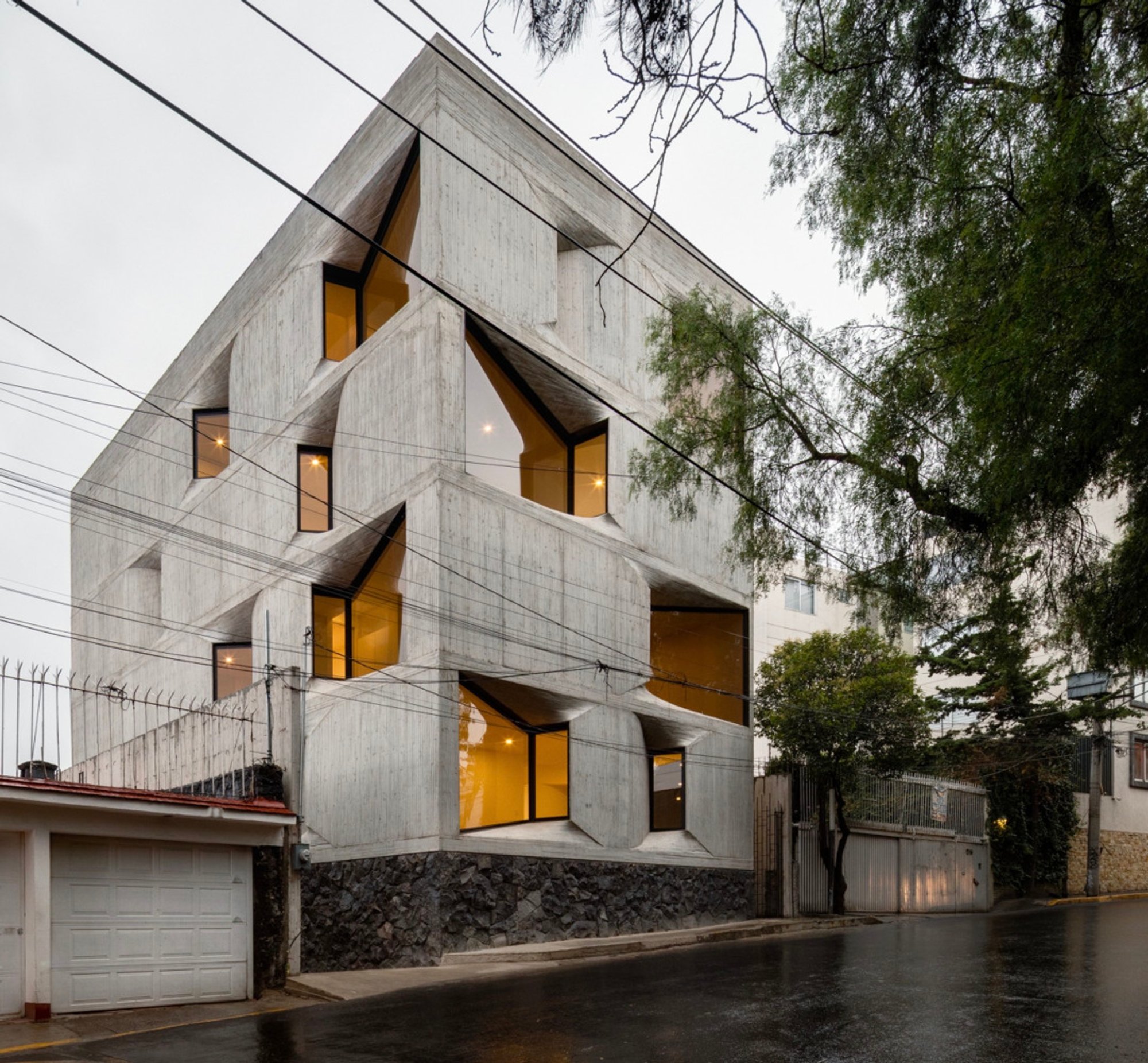
DL1310 Building by Young & Ayata + Michan Architecture
DL1310 Building in Mexico City features seven modern apartments with dynamic trapezoidal windows, cast-in-place concrete façade, and light-filled interiors.

Innovative Residential Architecture in Mexico City
The DL1310 Building is a striking residential project in Mexico City, designed by Young & Ayata + Michan Architecture. This seven-unit building features 1-2 bedroom apartments with basement parking, strategically maximizing the urban lot while responding to the client’s desire for a simple, functional, yet architecturally distinct design. The project emphasizes cast-in-place concrete construction, modular yet dynamic unit layouts, and a site-specific approach to natural light, ventilation.
Dynamic Façade and Window Design
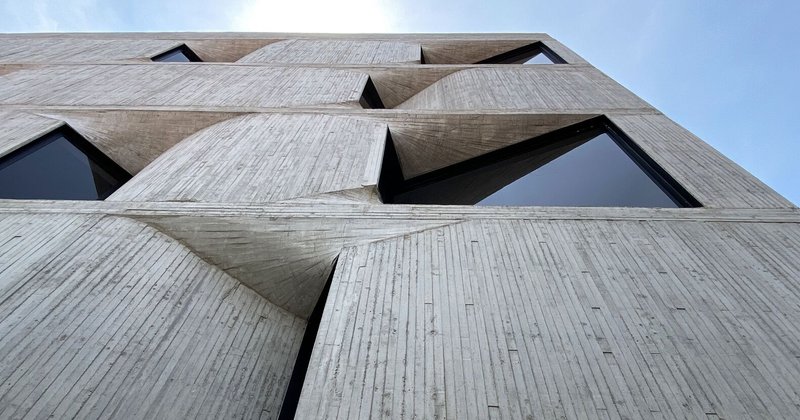
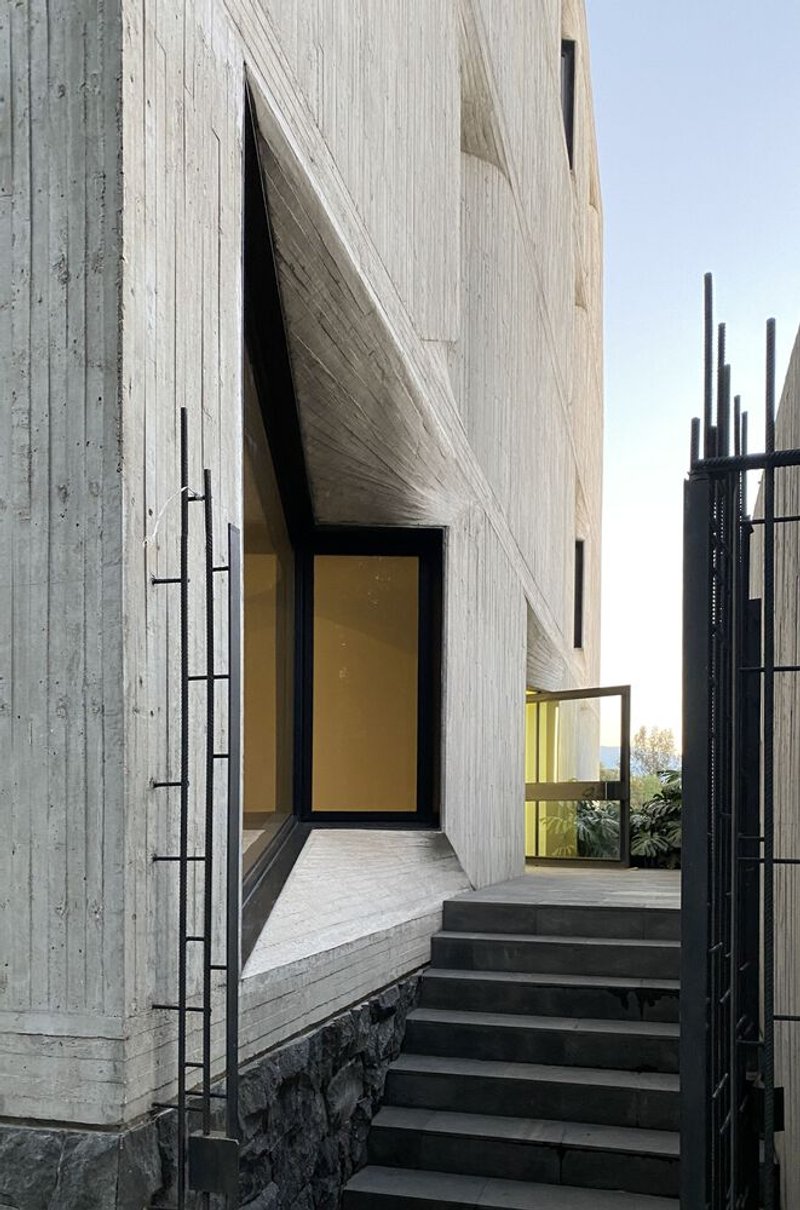
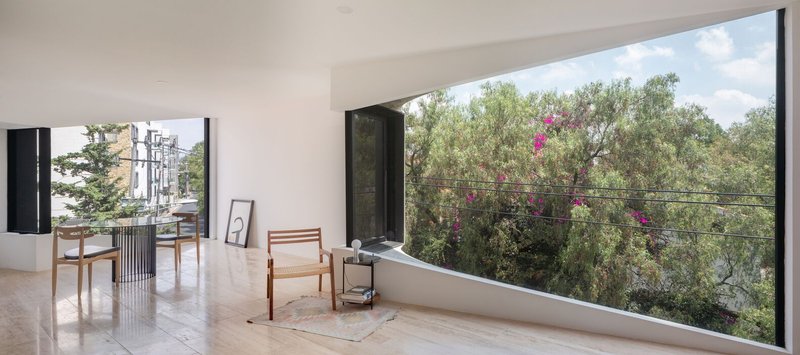
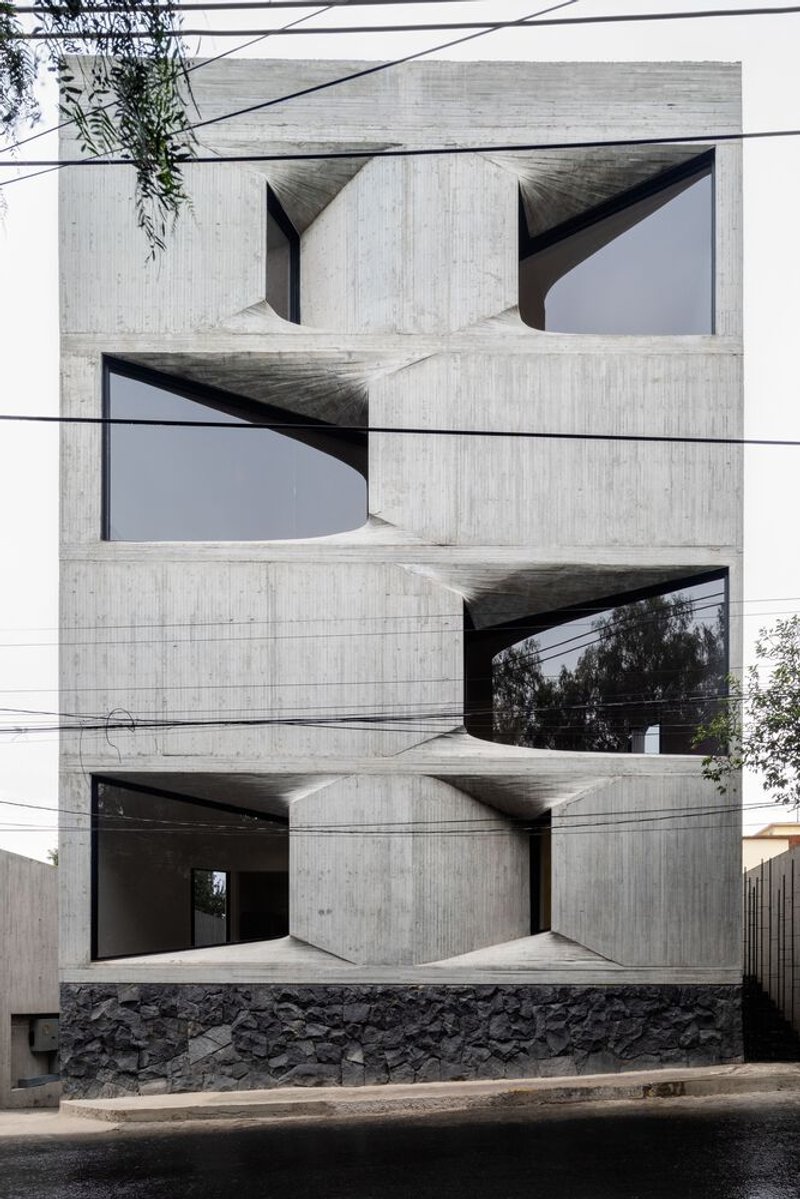
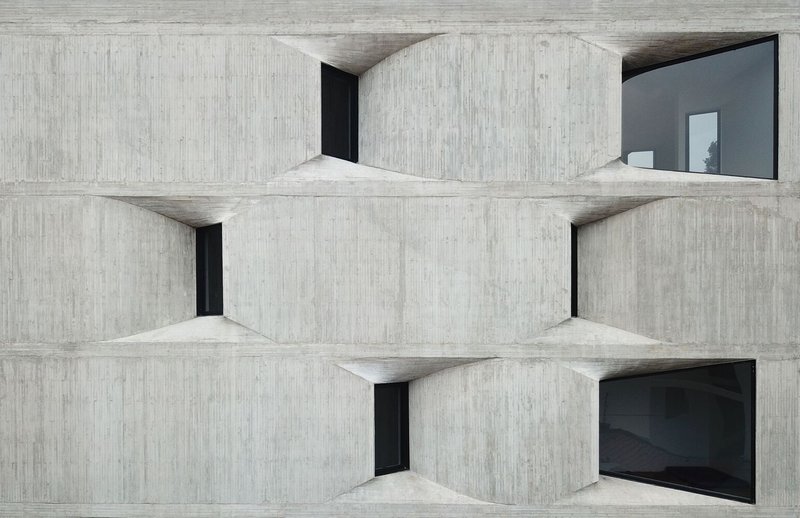
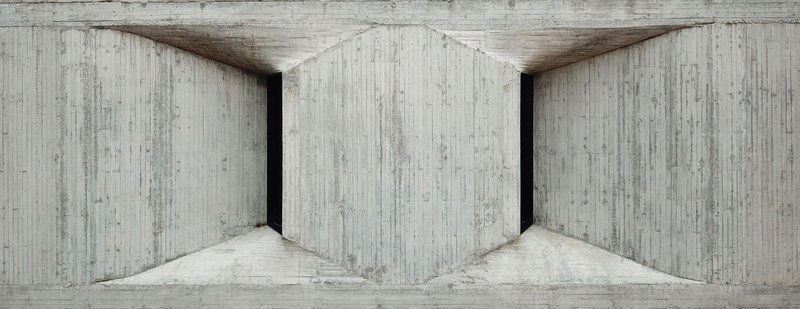
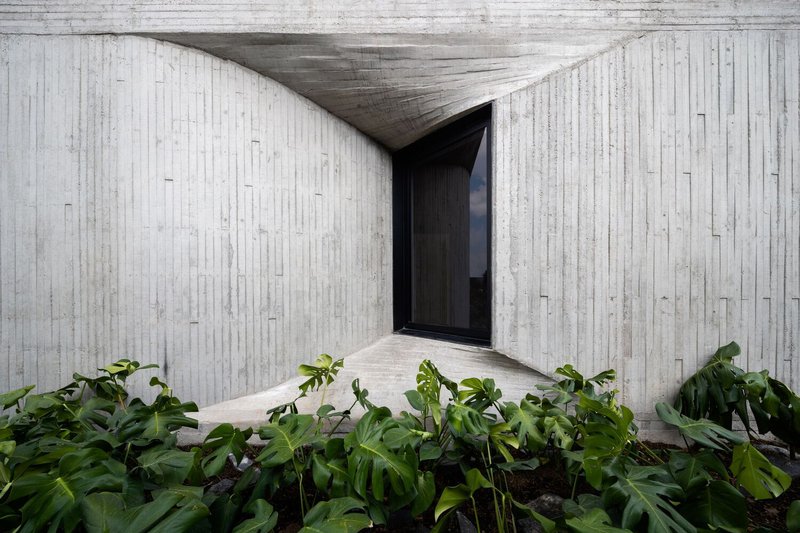
A defining feature of DL1310 is its rotating rectangular windows, which break away from traditional façade design. The windows are inverted trapezoidal bays, forming a unique mosaic of openings across all elevations. This system enhances light penetration, ventilation, and visual connectivity while creating a bas-relief effect with undulating shadows that animate the concrete façade. Each interior unit experiences oblique perspectives, offering residents distinct views of both the street and surroundings, making every apartment uniquely engaging.
Tectonic Approach and Materiality
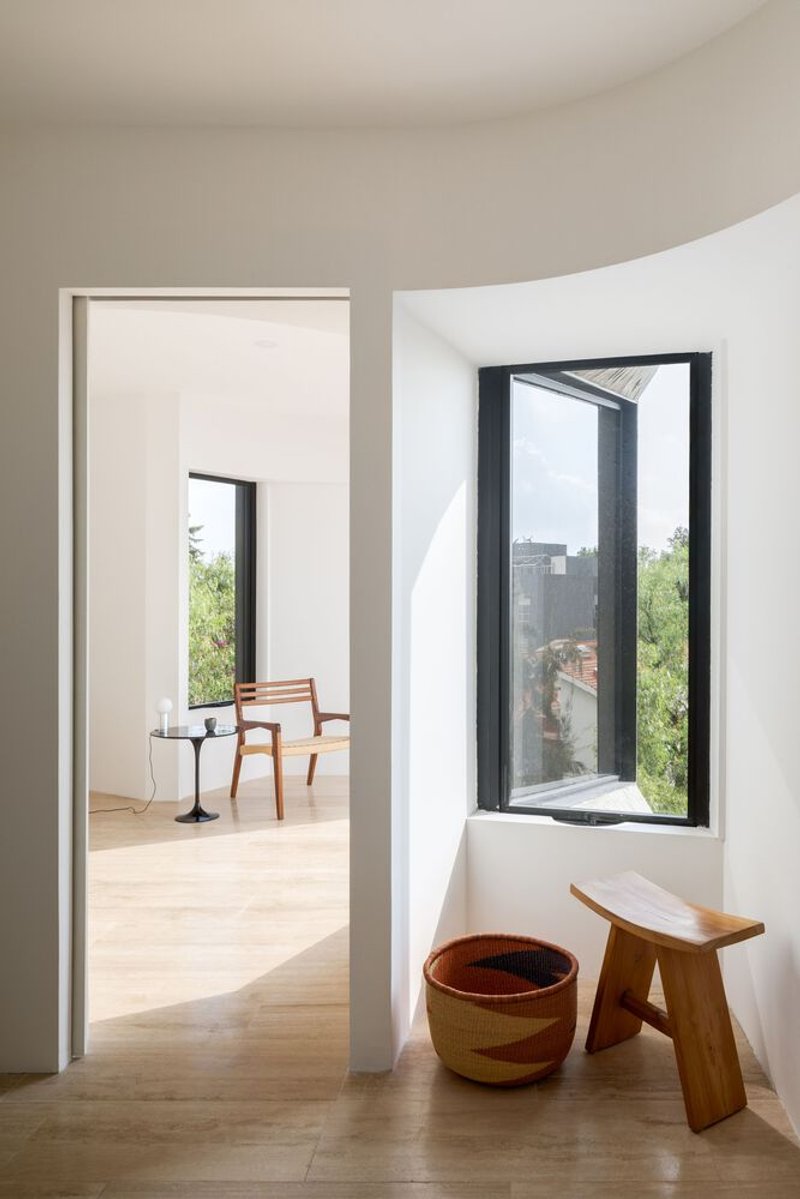
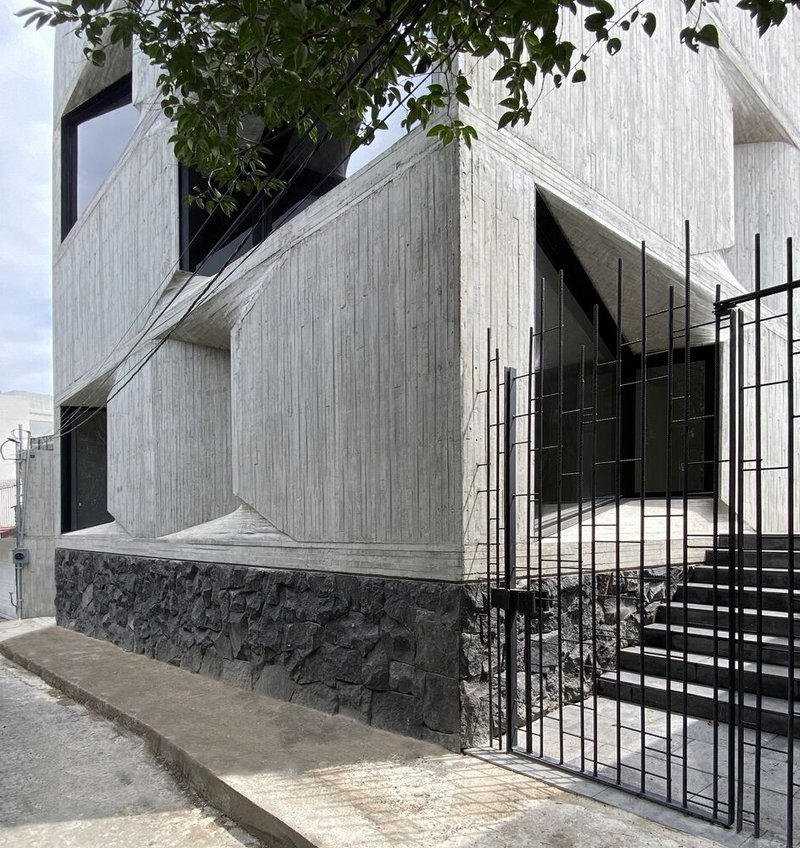
The project draws inspiration from ruled concrete surfaces in Latin American architecture, combining iterative digital modeling with traditional construction techniques. The exterior employs board-formed concrete, creating striated textures that contrast with a warm, soft interior palette. Inside, natural wood flooring, polished limestone surfaces, and white-painted walls enhance daylight, complementing the darker gray textured exterior. This thoughtful juxtaposition of materials reinforces a modern, yet contextually responsive urban residential design.
Site Strategy and Urban Integration
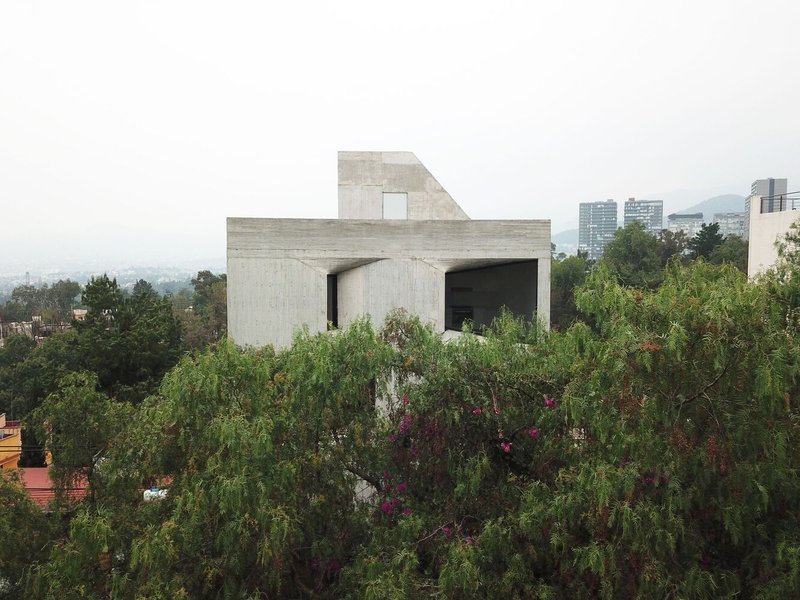
Situated on a sloped mid-block site between single-family homes, DL1310 leverages lot constraints to its advantage. By reducing the building footprint, the architects allowed windows on all four sides, adding an extra level under local building regulations. This approach maximizes floor area, unit count, and urban density, while maintaining visual and spatial fluidity. The recessed and punched windows become both a functional and aesthetic centerpiece, linking the building’s interior and exterior experiences seamlessly.
Architectural Highlights
- Seven 1-2 bedroom apartments with unique interior perspectives
- Cast-in-place concrete façade with textured, striated finish
- 22 rotating windows in five sizes for dynamic light and shadow play
- Recessed, trapezoidal openings creating fluid interior-exterior connections
- Sustainable and site-sensitive design maximizing natural light and ventilation
- Material contrast: dark exterior concrete vs. soft interior finishes (wood, limestone, white surfaces)
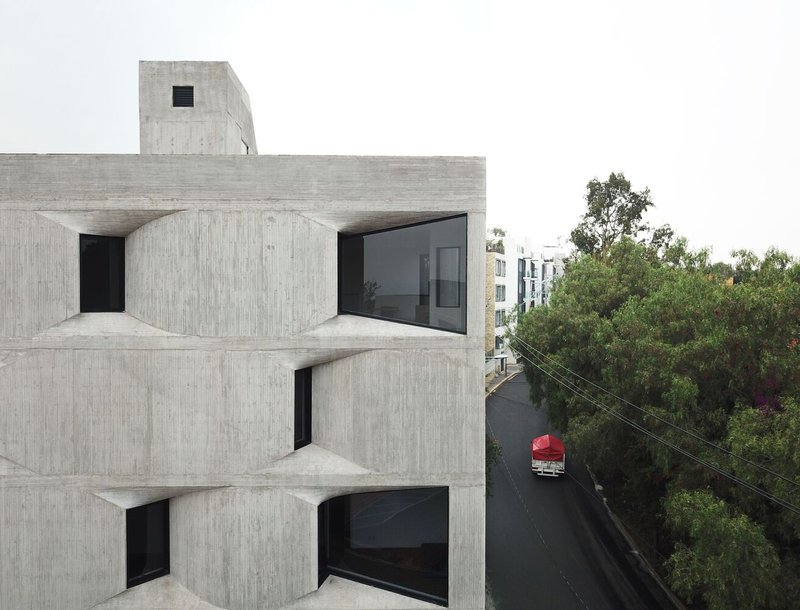
The DL1310 building exemplifies modern residential architecture in Mexico City, merging digital design strategies, traditional concrete construction, and innovative façade articulation. Young & Ayata + Michan Architecture have created a building that is functional, visually striking, and intimately connected to its urban context, setting a precedent for sophisticated city-living design.
All Photographs are works of Rafael Gamo, Alexandra Bové,




Popular Articles
Popular articles from the community

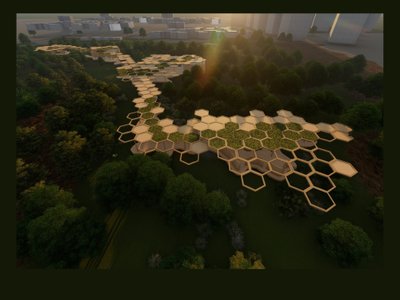
Eco Chapel: A Green Architecture Pavilion Designed in Symbiosis with the Forest
Eco Chapel uses green architecture to weave prayer, learning and reuse into a forest pavilion shaped by modular hexagonal canopies for life.
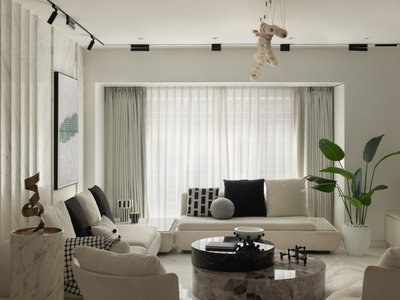
Inside a Timeless Mumbai Residence by Aether Studio
Aether Studio's 2,250 sq ft apartment in Malad, Mumbai uses marble, brass, boucle, and disciplined restraint to build a quiet retreat from the city.
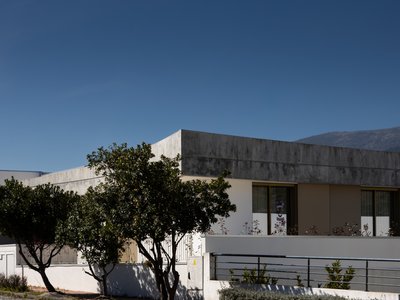
PLATAFORMArq Folds a Concrete Roof Over the Portuguese Mountains in House #474
A 220-square-meter residence in Teixoso, Portugal, wraps board-formed concrete into an angular canopy that frames the Serra da Estrela foothills.
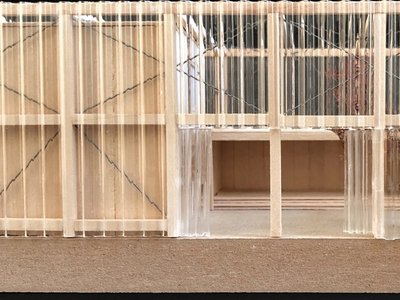
Kaffeebühnen: Coffee Shop Architecture Designed as a Civic Stage Between Vienna’s City and Park
Kaffeebühnen turns coffee shop architecture into a civic stage, linking Vienna’s park edge, urban life, warm timber yards, and coffee craft.


Similar Reads
You might also enjoy these articles

Olio Towers: A Mid-Rise for Performers That Fuses Housing, Rehearsal, and Stage
Located blocks from Houston's Theater District, this modular tower stacks living units around a central performance atrium.
Oasis: Modular Green Housing Carved into Dhaka's Urban Fabric
A shortlisted Plugin Housing entry reclaims unauthorized settlements in Dhaka with stepped concrete volumes, green roofs, and ventilation-driven design.

Black Hole: A Floating Megastructure for the Post-Physical Era
Emiliano Mazzarotto envisions a spherical, self-scaling arena where e-sports, digital hotels, and holographic stadiums replace traditional public space.
Compact & Sustainable Living in Piraeus: A Four-Level Family Home Built Around Light and Air
A narrow townhouse in one of Greece's densest port cities uses a central atrium and passive strategies to house three generations under one roof.

Explore Residential Building Competitions
Discover active competitions in this discipline




The International Standard for Design Portfolios


The Global Benchmark for Architecture Dissertation Awards


The Global Benchmark for Graduation Excellence


Challenge to design mud housing for contemporary communities
Comments (0)
Please login or sign up to add comments
No comments yet. Be the first to comment!