
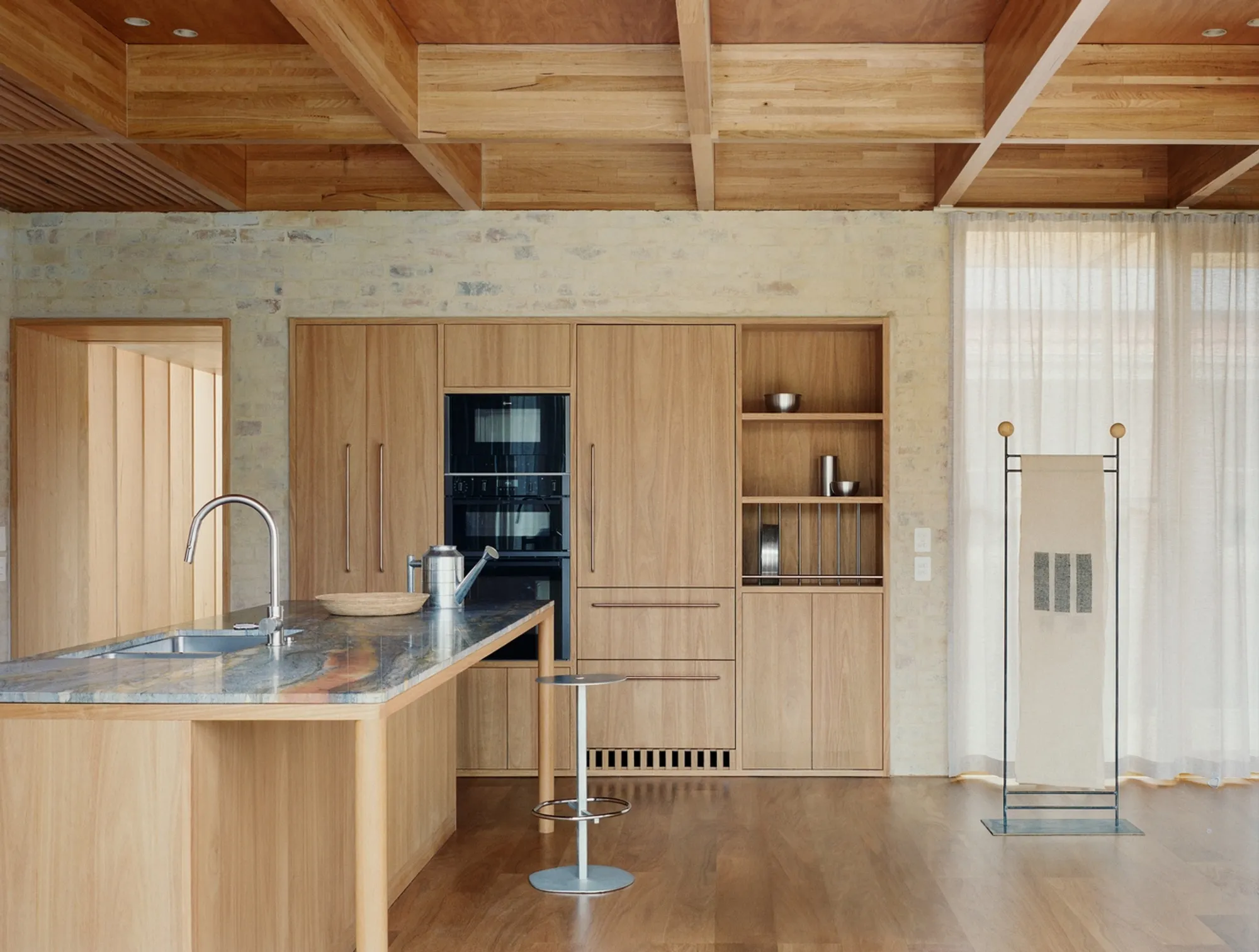
Dunstan House: A Post-War Home Renovation Reflecting Suburban Australian Identity
Post-war home renovation in Australia celebrating suburban layers, material honesty, and outdoor connection through a vibrant, tectonic architectural response.


Architectural Context of Newlands Estate
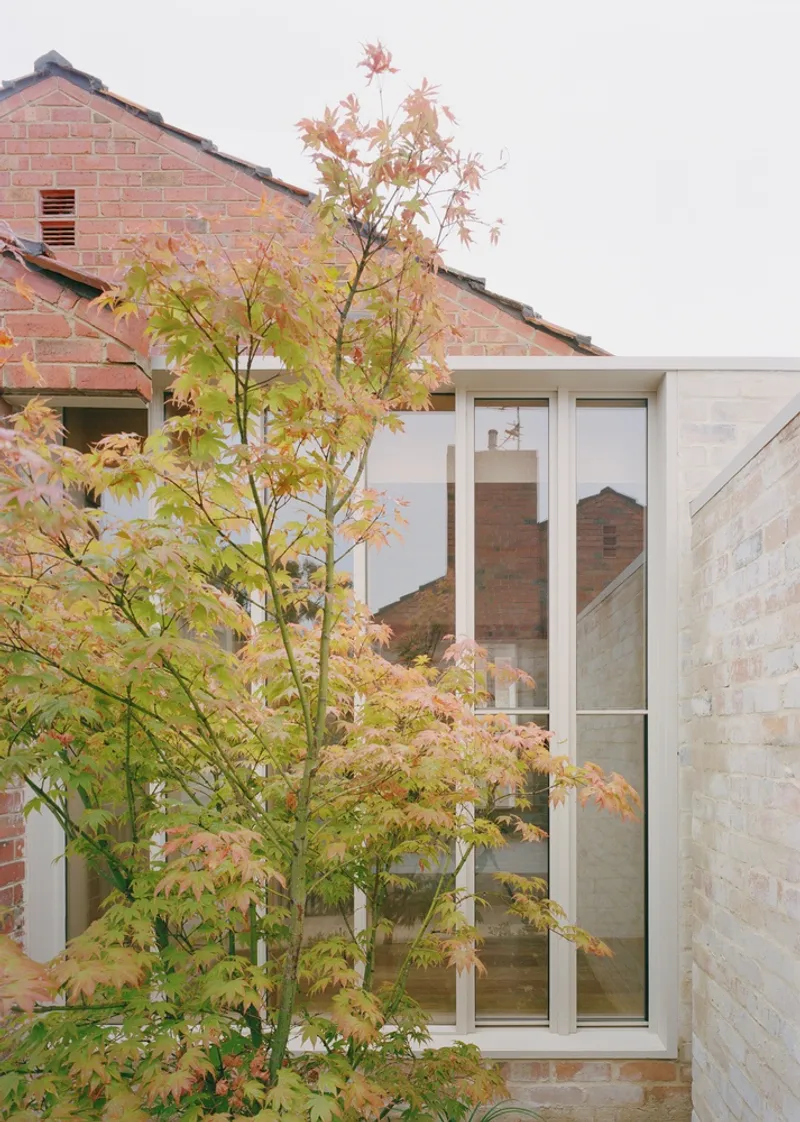
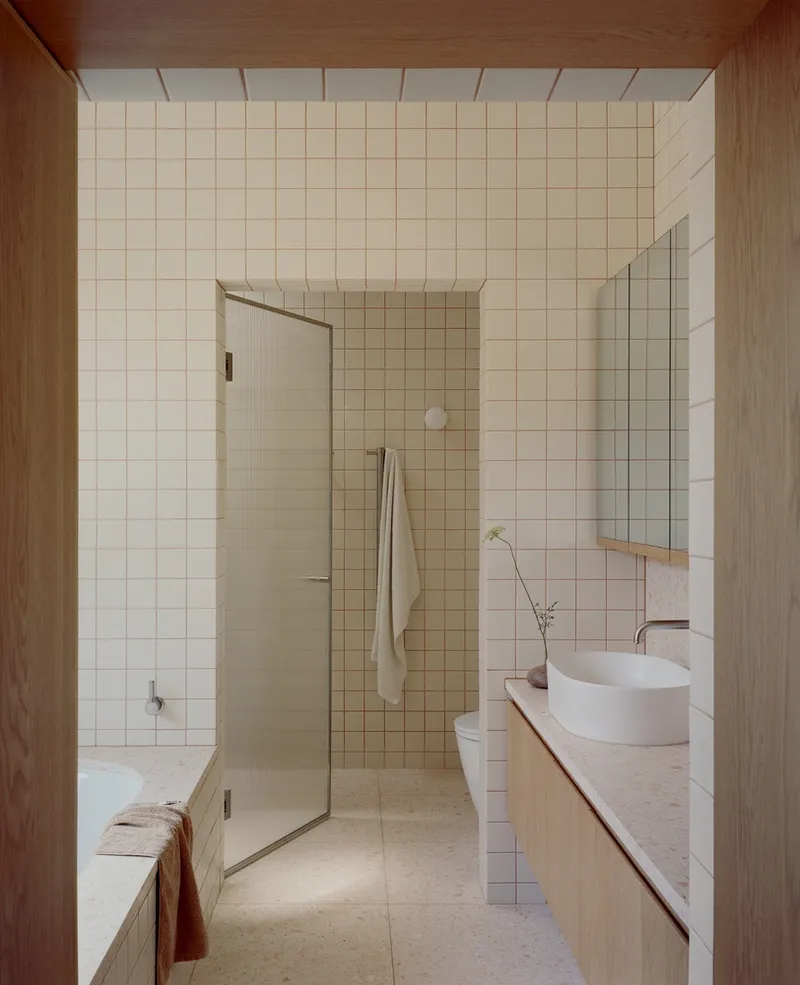
Dunstan House by SSdH is a sensitive and thoughtful post-war home renovation located in Preston, Australia, within the Newlands Housing Estate. This mid-20th-century suburb is characterized by modest clinker-brick dwellings layered with decades of extensions, sheds, carports, and incremental adaptations. These ad-hoc elements narrate stories of domestic flexibility and evolution over time. Rather than stripping away these accumulated layers, Dunstan House celebrates them—elevating ordinary details like laundry doors, window trims, and shed-like appendages into intentional design moments.


Architectural Character as Accretion
The renovation draws meaning from the existing character of the suburb. It treats architectural identity not as a monolithic object but as an accretion of smaller parts: a beam, a window, a step, a color. Dunstan House amplifies the additive nature of suburban evolution. It recognizes the nuanced rhythm of occupation—how people live, modify, and respond to space over time. By highlighting the architectural addition itself, the house becomes part of the neighborhood’s evolving language of domestic form.




Prioritizing Outdoor Space and Landscape
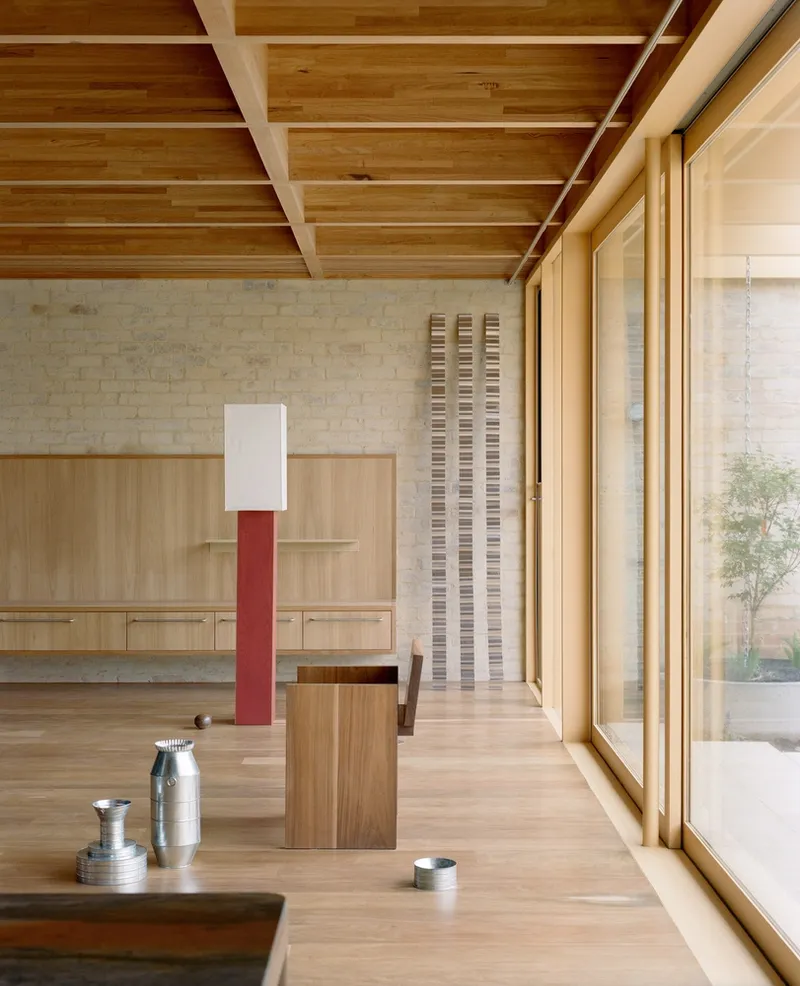
The Newlands Estate was originally designed with generous outdoor space and open skies in mind. Dunstan House re-centers this original intention, offering wide spatial apertures and unobstructed transitions between interior and exterior. The new architectural gestures—porches, overhangs, and glazed openings—restore visual access to distant views, grounding the home within its broader environmental setting. Rather than closing in, the renovation opens out, becoming a model for future suburban transformations that respect and reinterpret heritage, rather than erasing it.



Expression Through Tectonics and Material Honesty
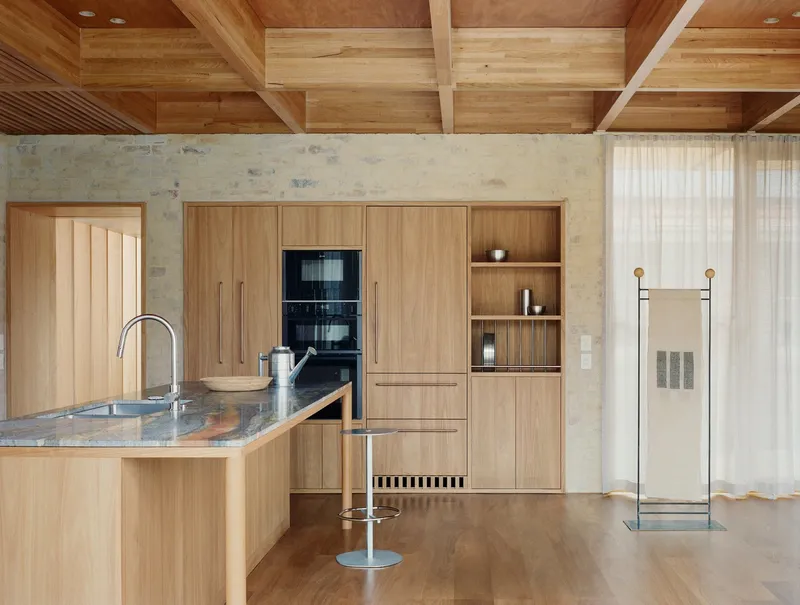
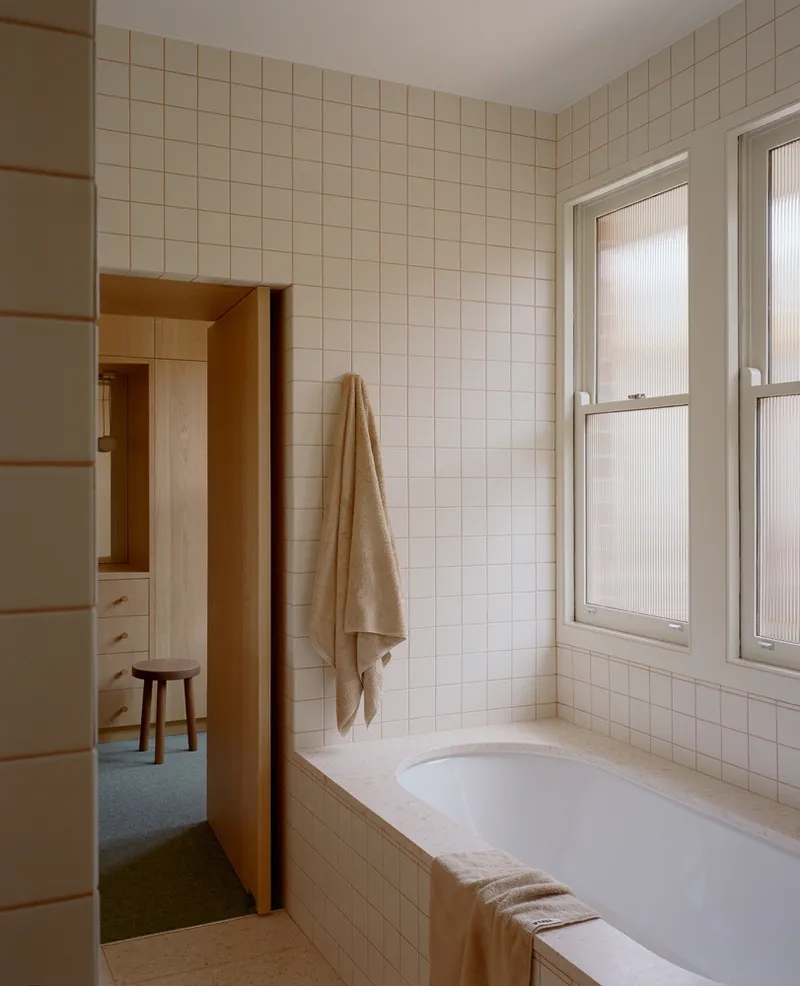
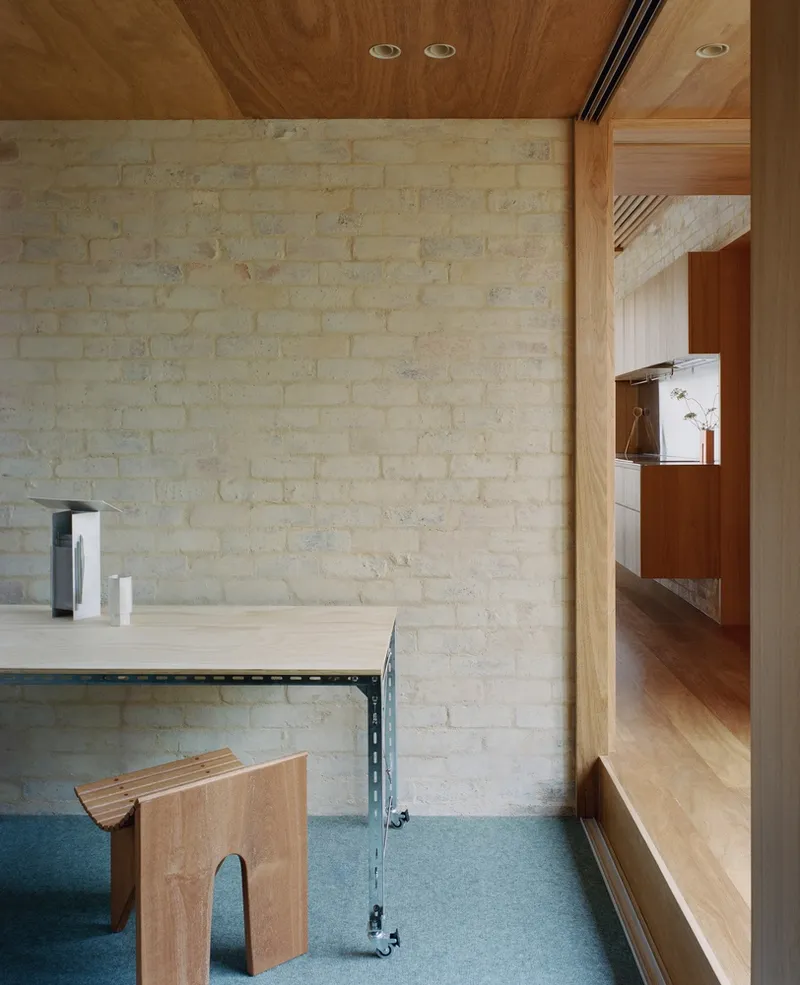
Materiality plays a defining role in the architectural language of Dunstan House. Structural and tectonic elements, typically hidden, are exposed and celebrated. Load-bearing walls, exposed timber beams, slender steel columns, and corrugated roof sheets become the aesthetic framework of the house. Painted yellow, external framing components become vibrant signals of the new intervention. These elements are not masked but magnified, with the builder’s hand left legible—mortar lines, knots in timber, and uneven textures contributing to the tactile richness of the space.


Bridging the Interior and Exterior
The design carefully choreographs the dialogue between inside and outside. The architectural expression of thresholds—doors, windows, overhangs—is sharpened to emphasize transition rather than separation. The painted frame structures act as spatial connectors, inviting inhabitants to move fluidly through living zones, into gardens, and back again. The house does not treat the yard as leftover space but as an integral part of domestic life, in line with the post-war Australian ideal of outdoor living.

Contribution to Suburban Futures
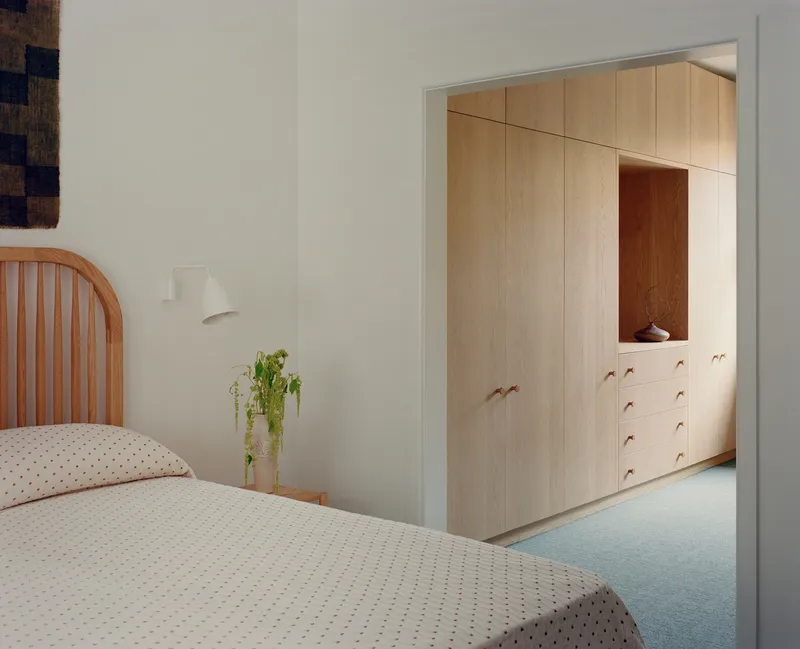
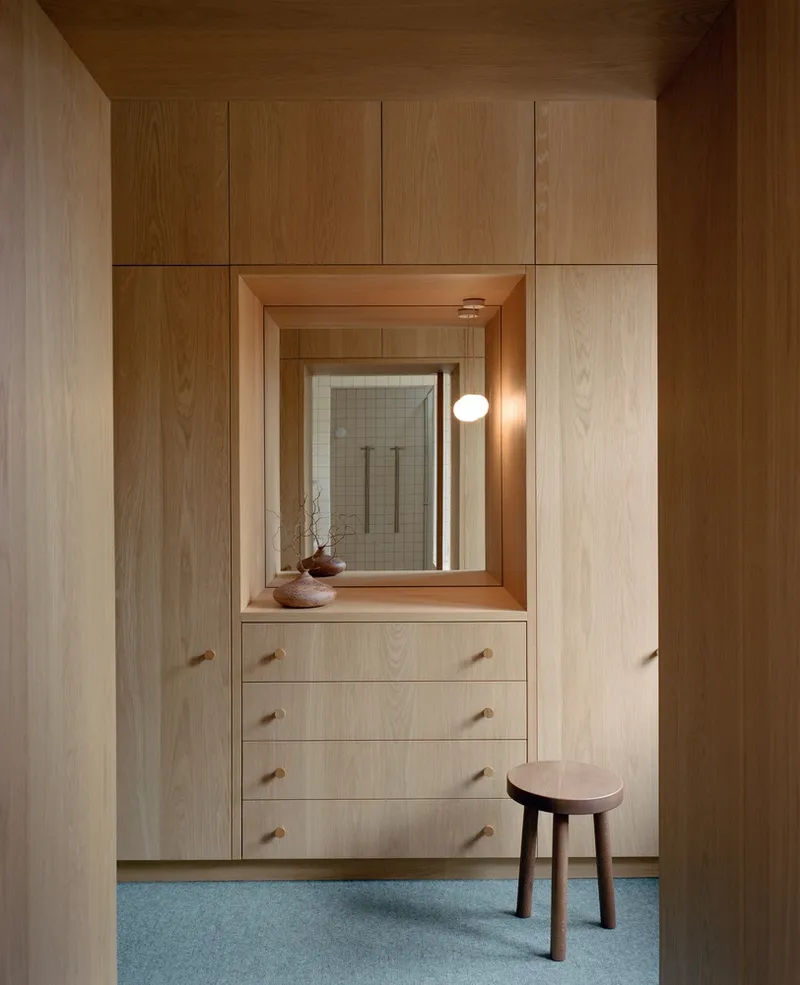
Beyond its singular footprint, Dunstan House serves as an urban proposition. It challenges generic development trends by offering a context-sensitive alternative. Rather than replacing modest homes with oversized structures, it proposes an additive model that honors the spirit of place. Dunstan House is not merely a renovation—it is an architectural reflection of time, use, and community. It sets a precedent for suburban evolution that is both respectful and radical.


All Photographs are works of Pier Carthew



Popular Articles
Popular articles from the community


Co-Life: Senior Housing Design That Reconnects Older Adults With the City
Co-Life reimagines senior housing design through healing gardens, shared streets, workshops, and a sustainable community across generations.

Conexión: Biophilic Design Reimagines High-Rise Living in Hong Kong
Conexión reimagines high-rise living in Hong Kong through biophilic design, green facades, shared spaces, daylight, water and nature within.

Riyadh For All: Intergenerational Urban Design for Active Aging in Rabat
Riyadh For All reimagines urban design in Rabat with intergenerational co-living, adaptive courtyards, and Moroccan cultural exchange today.

The Ocean Hive: Sustainable Architecture for a Self-Sufficient Civilization at Sea
The Ocean Hive imagines sustainable architecture at sea, where modular habitats, algae, wave power and ocean waste sustain a growing colony.


Similar Reads
You might also enjoy these articles

FAMM Arquitectura Organizes Ten Villas Around Courtyards and Jungle in Nosara, Costa Rica
El Molino pairs two elongated volumes with deep overhangs and timber louvers to build a compact coastal community five minutes from the beach.
Oscar Niemeyer's Ibirapuera Park Pavilions Define São Paulo's Cultural Identity in Concrete and Curve
A constellation of modernist volumes set within São Paulo's most important urban park, conceived for the city's 400th anniversary in 1954.
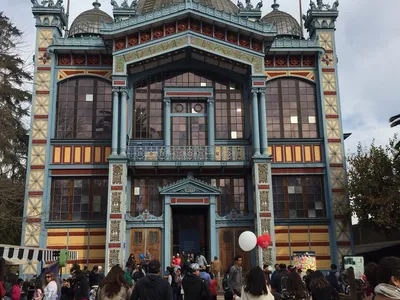
How Henri Picq's 1889 Paris Pavilion Traveled 11,000 Kilometers to Become Santiago's Artequín Museum
A prefabricated iron and glass pavilion built for the Paris Universal Exposition found a second life as a children's art museum in Chile.
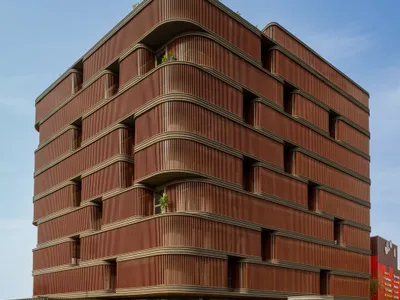
Sanjay Puri Architects Wraps a Jaipur Office Tower in Capsule-Shaped Green Buffers
A nine-level climate-responsive workplace near Jaipur Airport uses stacked planter terraces and aluminium screens to fight 40°C heat.


Explore Architecture Competitions
Discover active competitions in this discipline



Challenge to reimagine the Iron Throne


Photograph architecture without architects


Illustrate the lost glory of Angkor Wat - Render Challenge


Design challenge to reuse E-waste
Comments (0)
Please login or sign up to add comments
No comments yet. Be the first to comment!