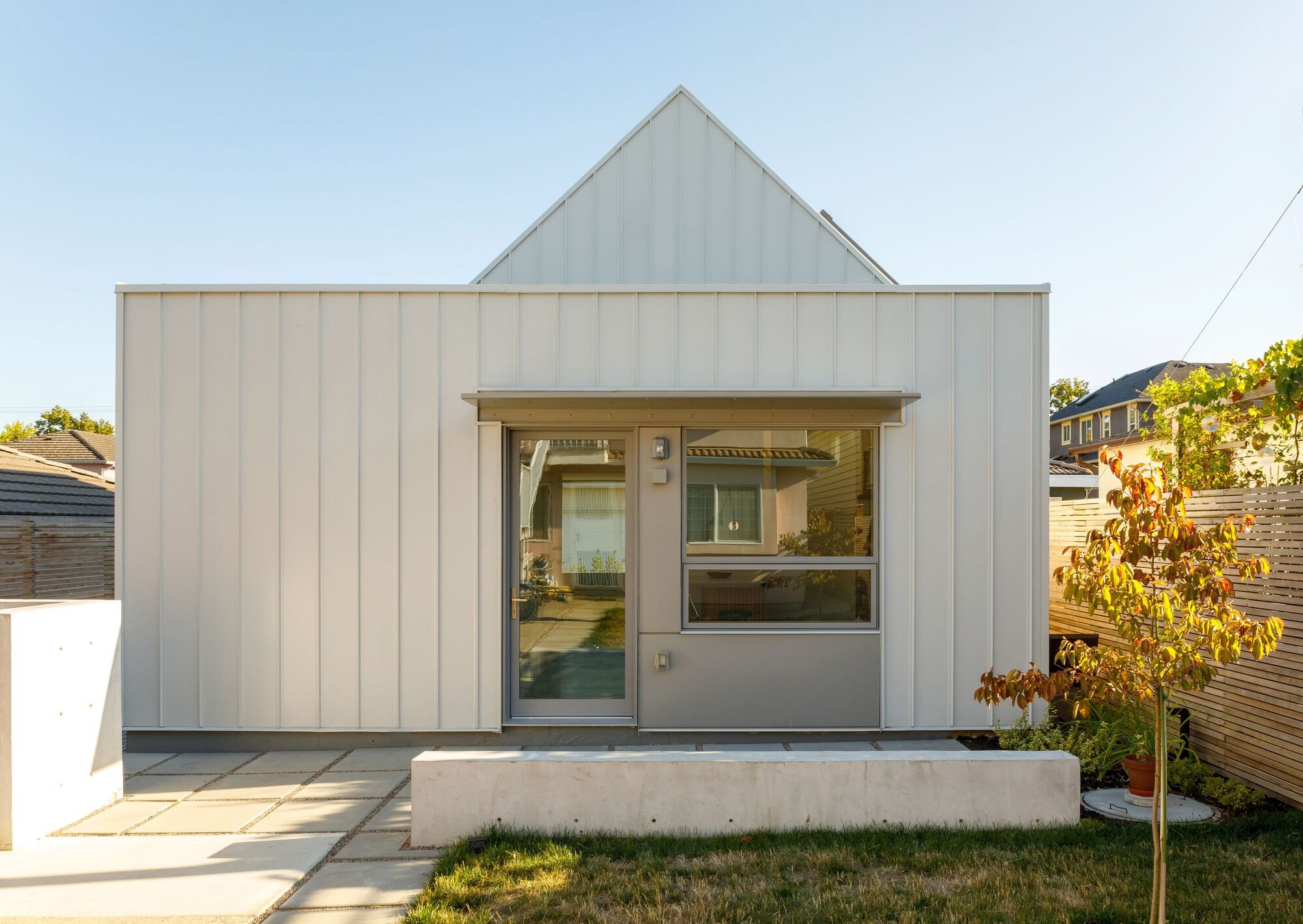
E44 Laneway House by Imu Chan Architecture, Vancouver, Canada
A compact laneway house designed for humans and a cat, blending smart storage, playful circulation, and efficient living within a minimal footprint.


E44 Laneway House by Imu Chan Architecture is a compact yet highly thoughtful dwelling in Vancouver, Canada, designed for a young couple and their cat. Within just 700 square feet (65 m²), the project redefines small-scale living by exploring the relationship between human and animal cohabitation, transforming spatial limitations into opportunities for creativity, efficiency, and empathy.
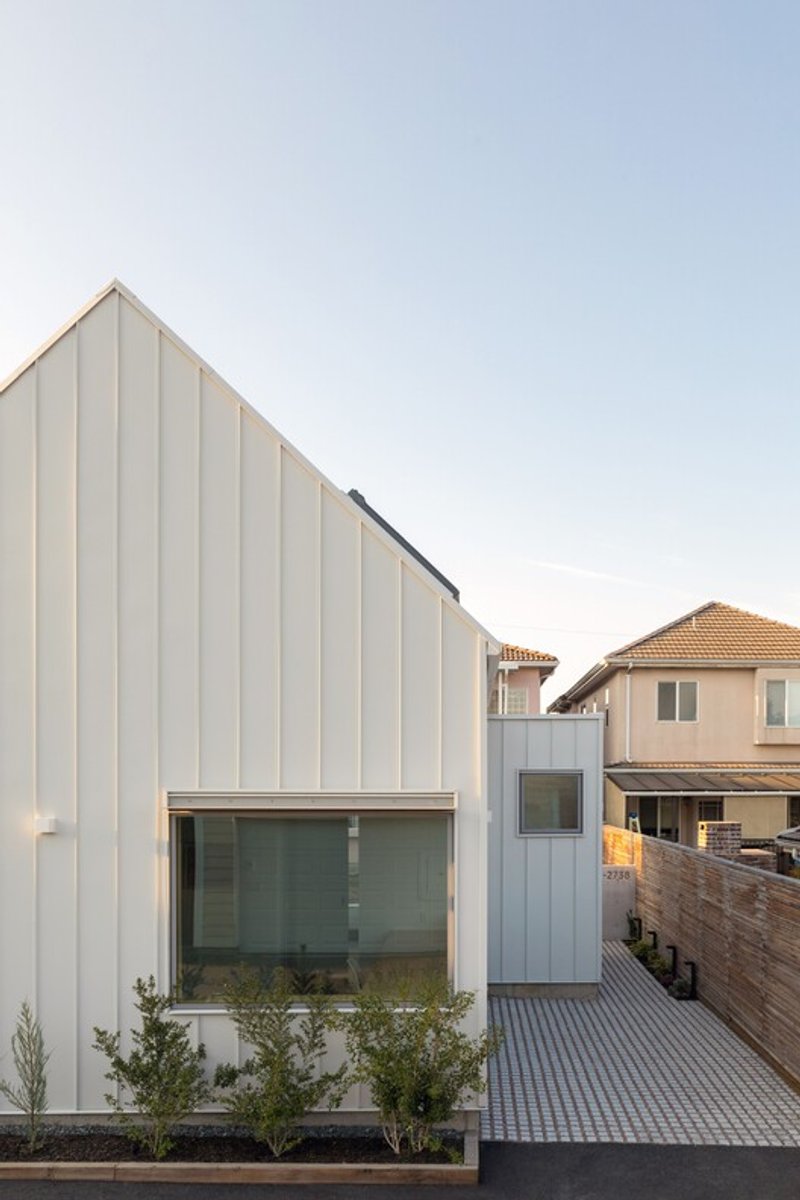
The design begins with a unique conceptual framework: two parallel lines representing the routines of human and feline occupants. These lines occasionally intersect, creating moments of shared interaction while maintaining autonomy for each. This idea is translated into architecture through carefully choreographed circulation, integrated details, and layered spatial experiences.
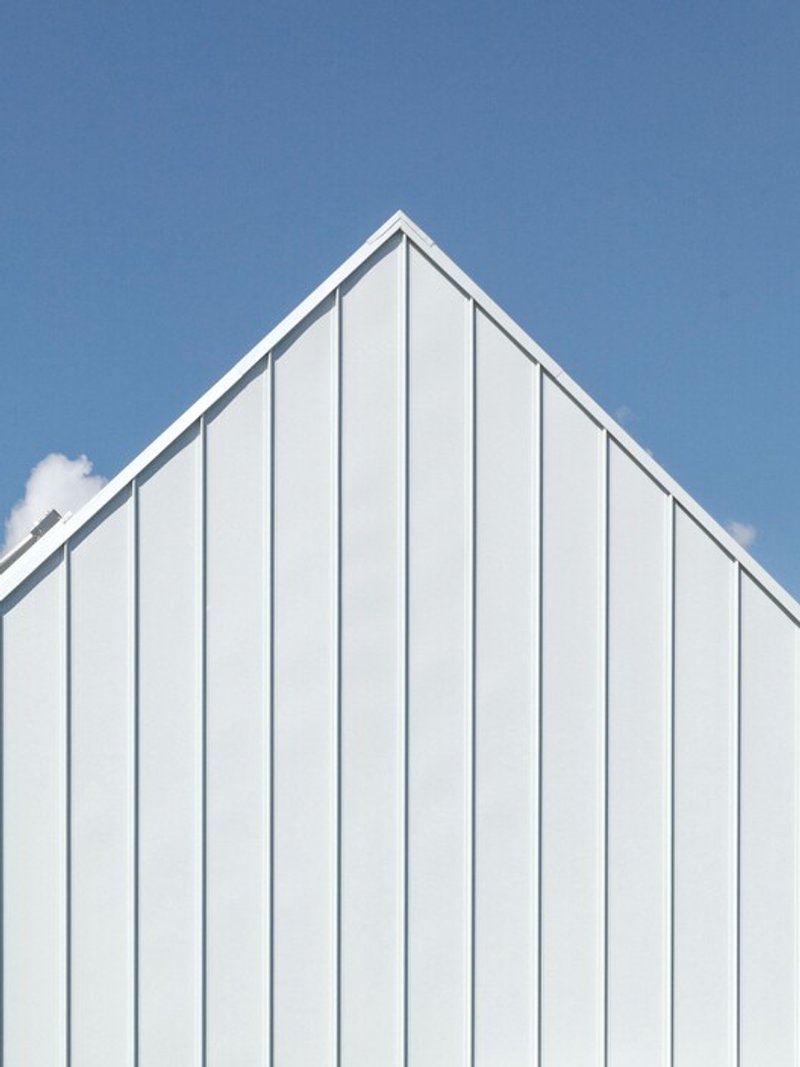
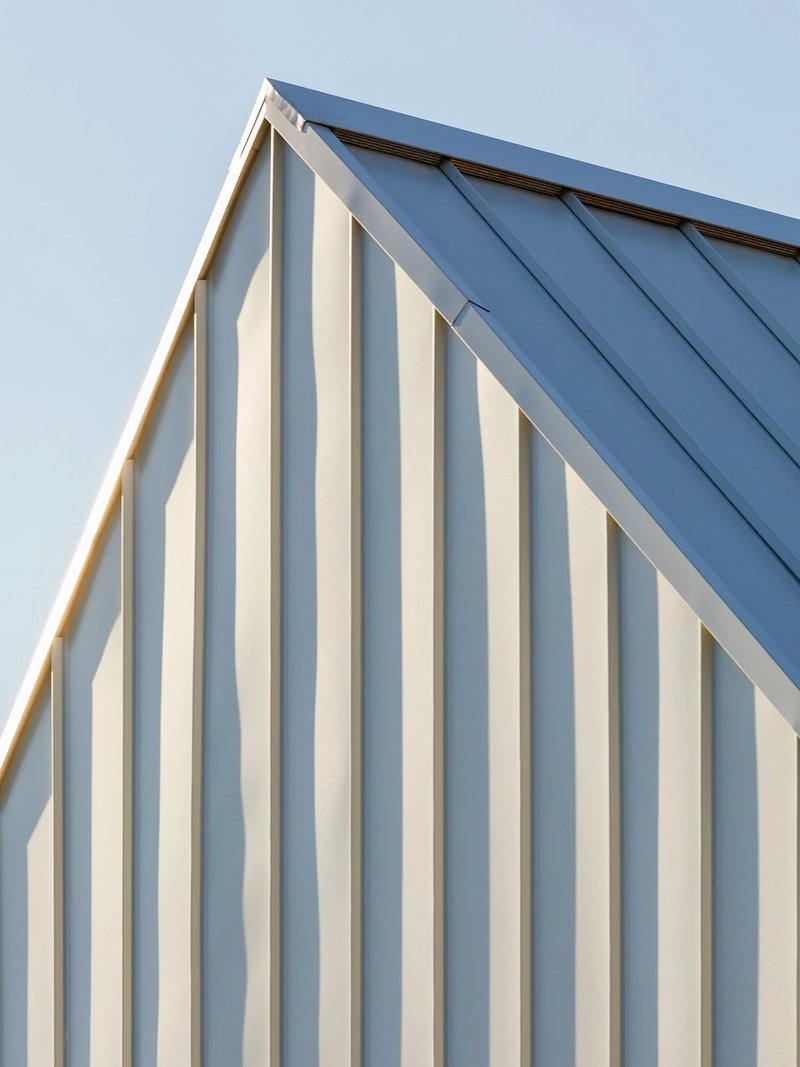
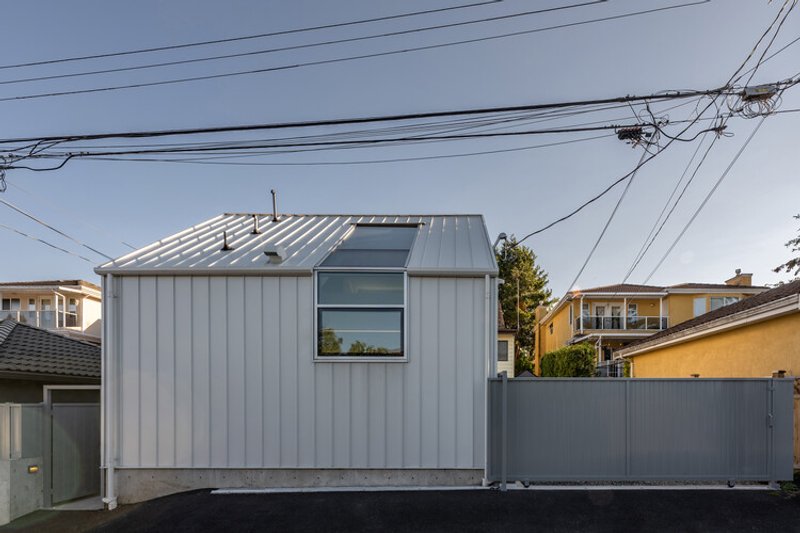
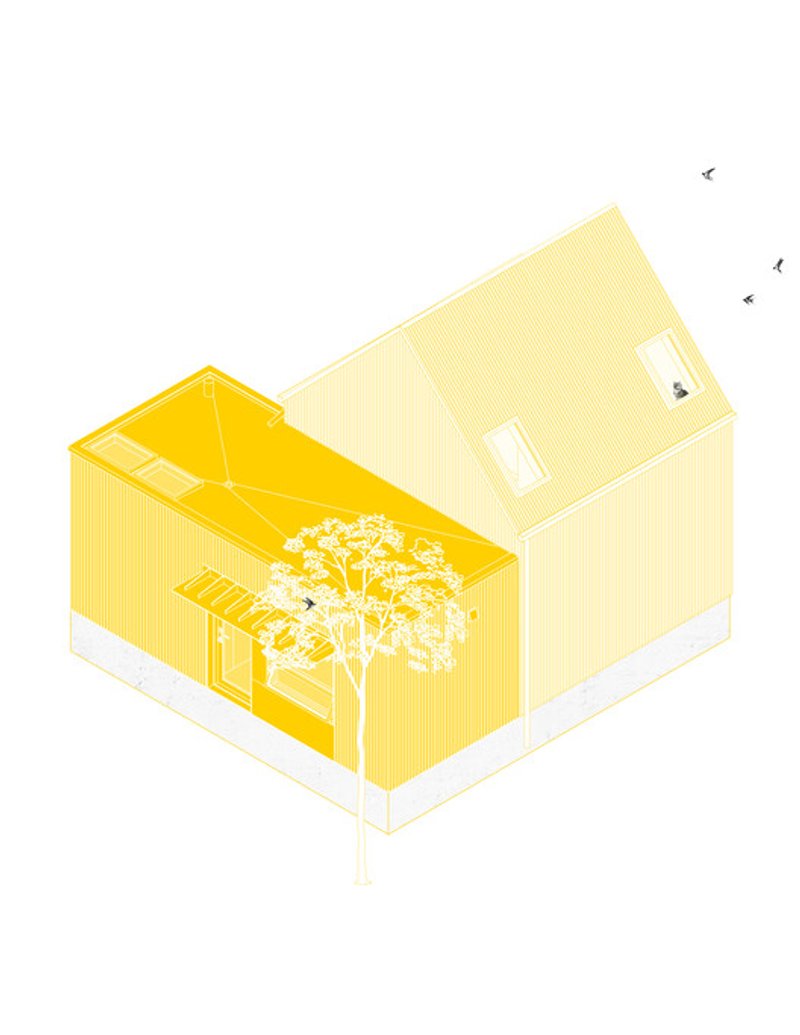
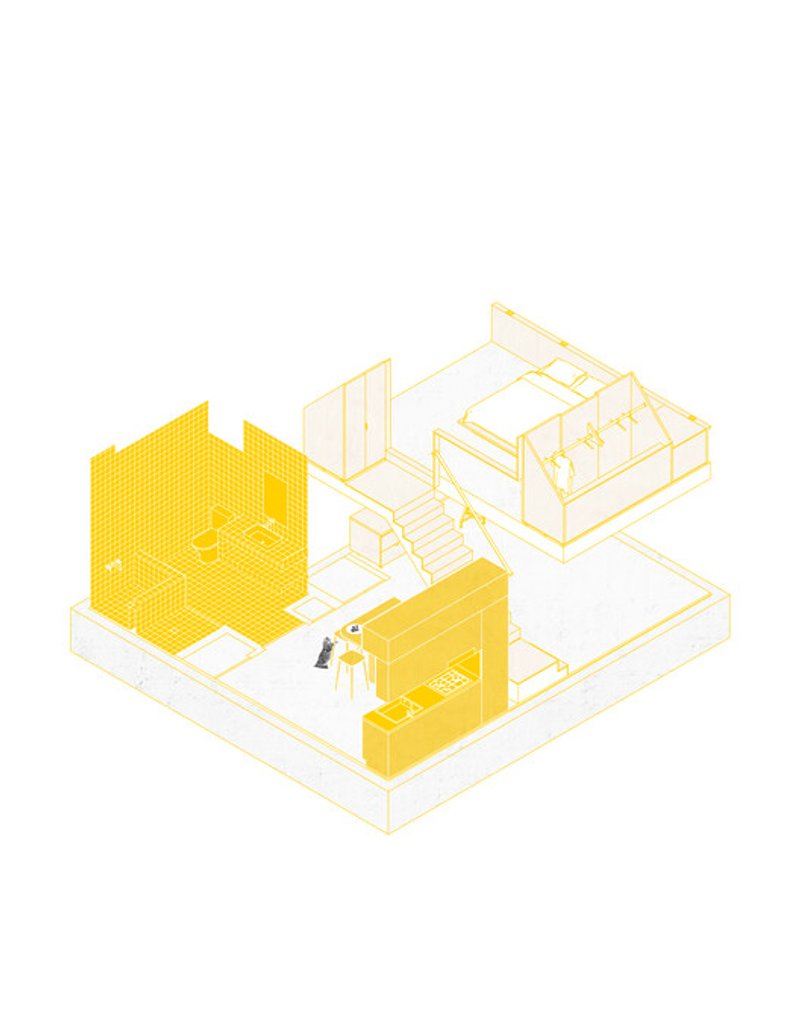
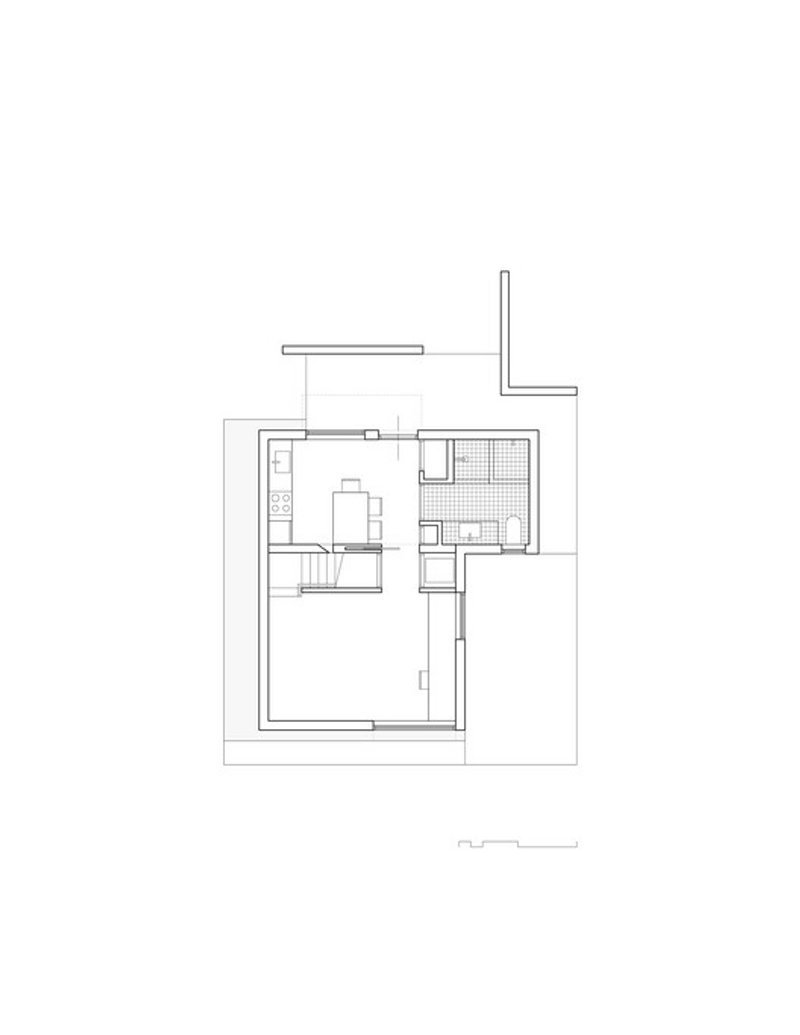
The house is conceived as a modern urban cabin, composed of two intersecting volumes organized around a central stair. The lower volume accommodates the kitchen and bathroom, while the taller volume contains a living space below and a sleeping loft above, sheltered under a gable roof. This clear and simple parti allows for spatial clarity while maximizing vertical potential.
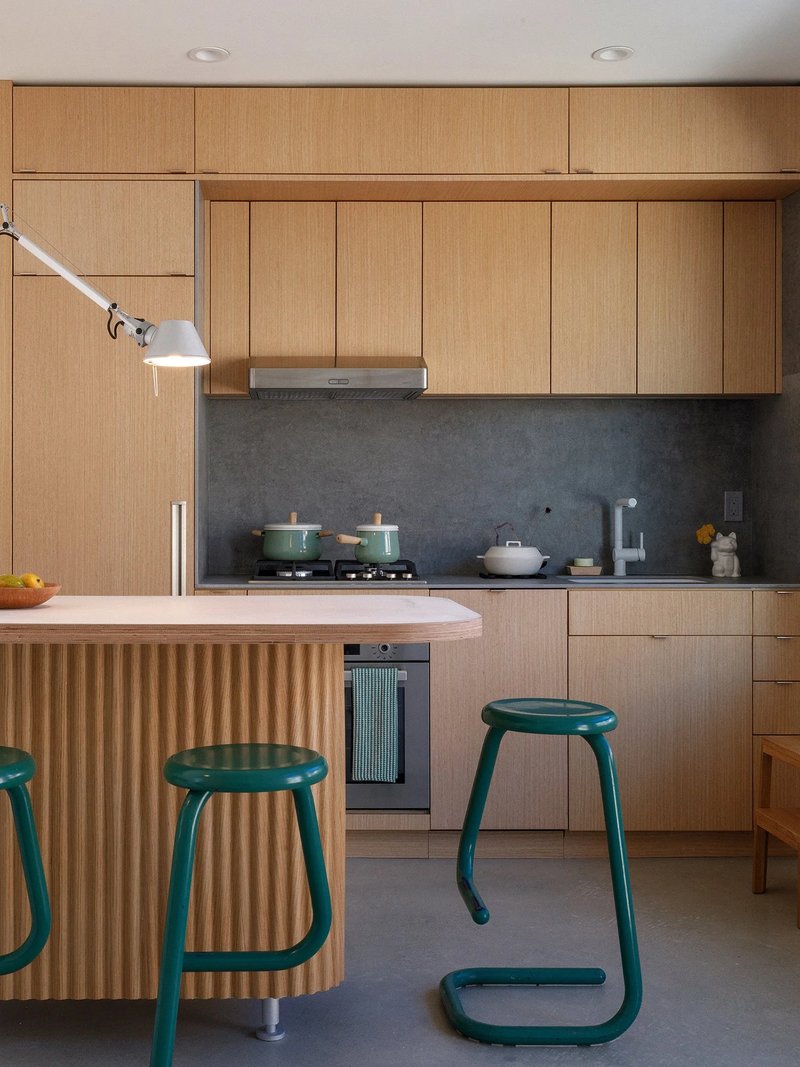
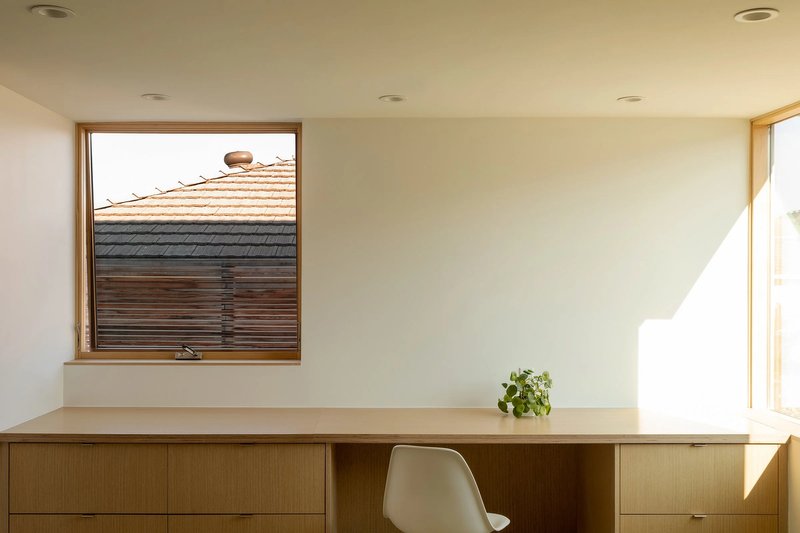
Movement through the house unfolds sequentially—from entry to kitchen, then to the living area, and finally upward to the loft. Despite its compact footprint, the design creates a sense of progression and discovery, enhanced by variations in ceiling height and light quality.
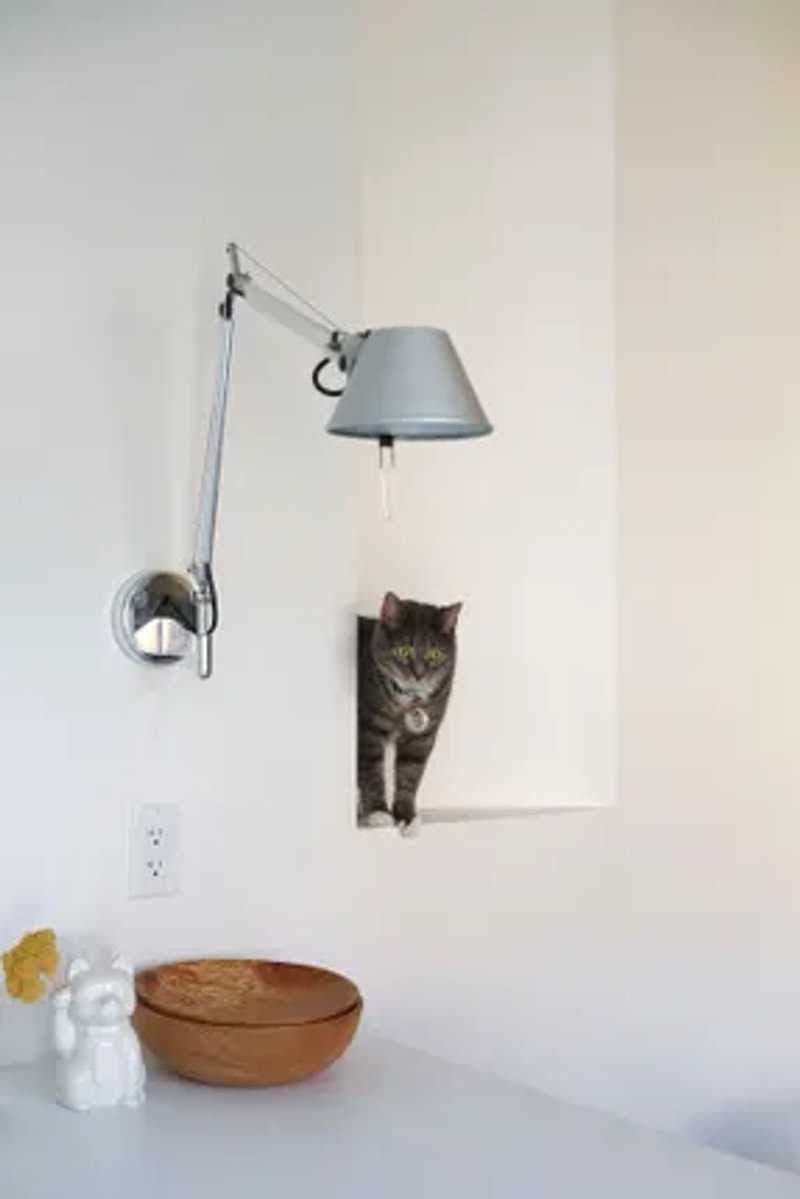
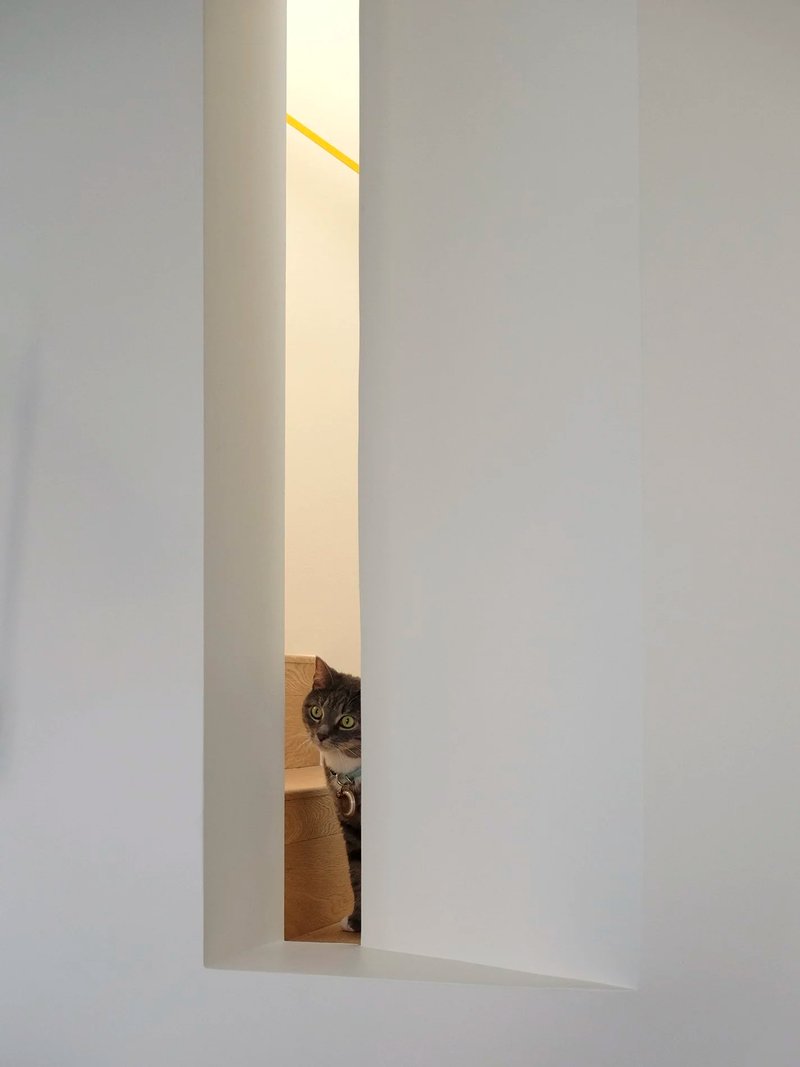
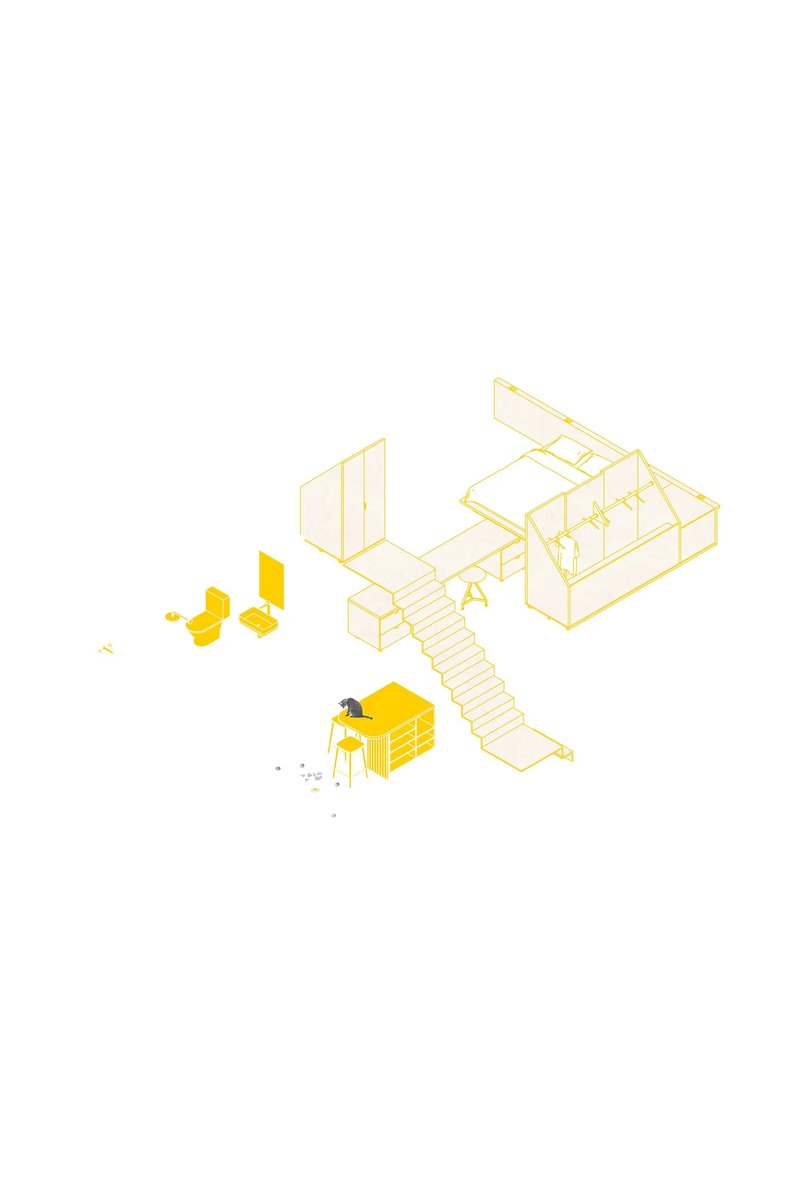
A defining feature of the project is its integration of cat-specific elements. Ledges, cubbies, and hidden pathways are seamlessly embedded into the architecture, allowing the cat to navigate the house independently. The most distinctive intervention occurs at the staircase, where a mid-flight opening creates a cat-only shortcut between levels. This playful yet functional detail exemplifies the project’s commitment to interspecies design.
Storage is meticulously integrated into every available space. Built-in millwork, under-stair compartments, and low-ceiling niches ensure that the house remains uncluttered while accommodating daily needs. The kitchen, less than nine feet wide, is optimized for efficiency, demonstrating how thoughtful design can elevate even the smallest of spaces.
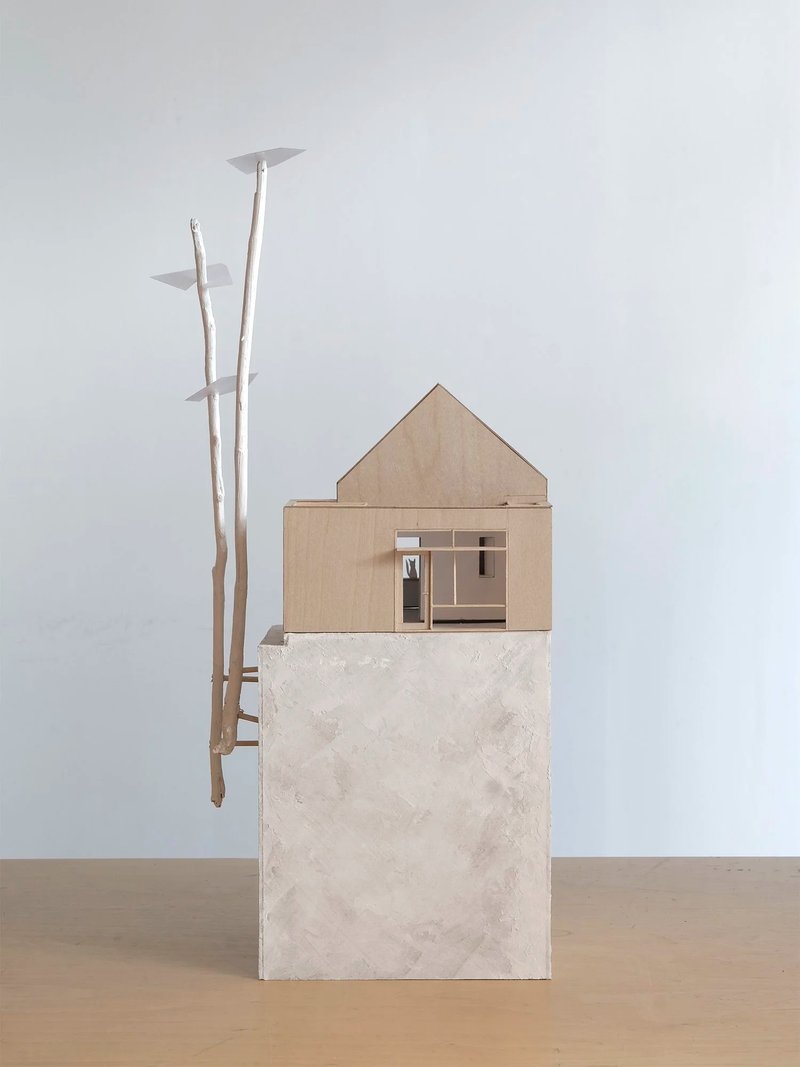
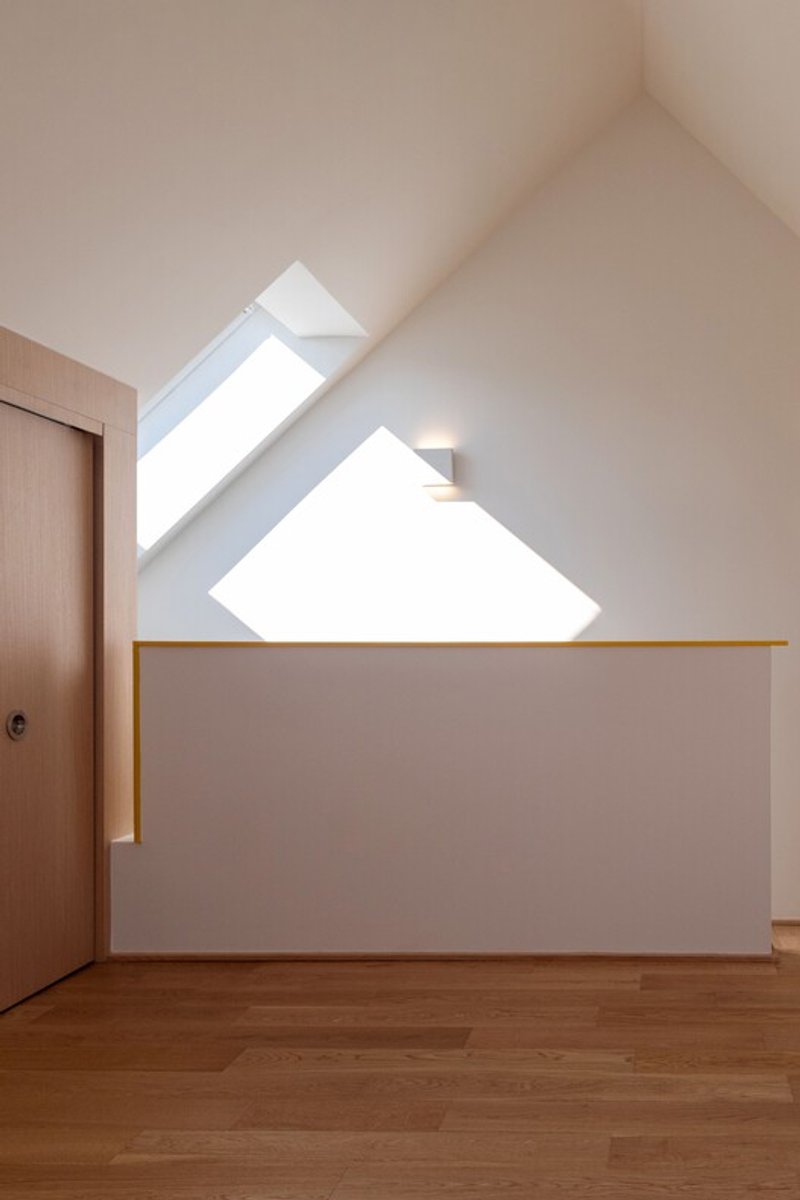
Natural light plays a crucial role in enhancing the interior experience. Three strategically placed skylights illuminate the sleeping loft, creating a bright and airy atmosphere. The largest skylight opens fully, allowing occupants to stand comfortably beneath it, blurring the boundary between interior and sky.
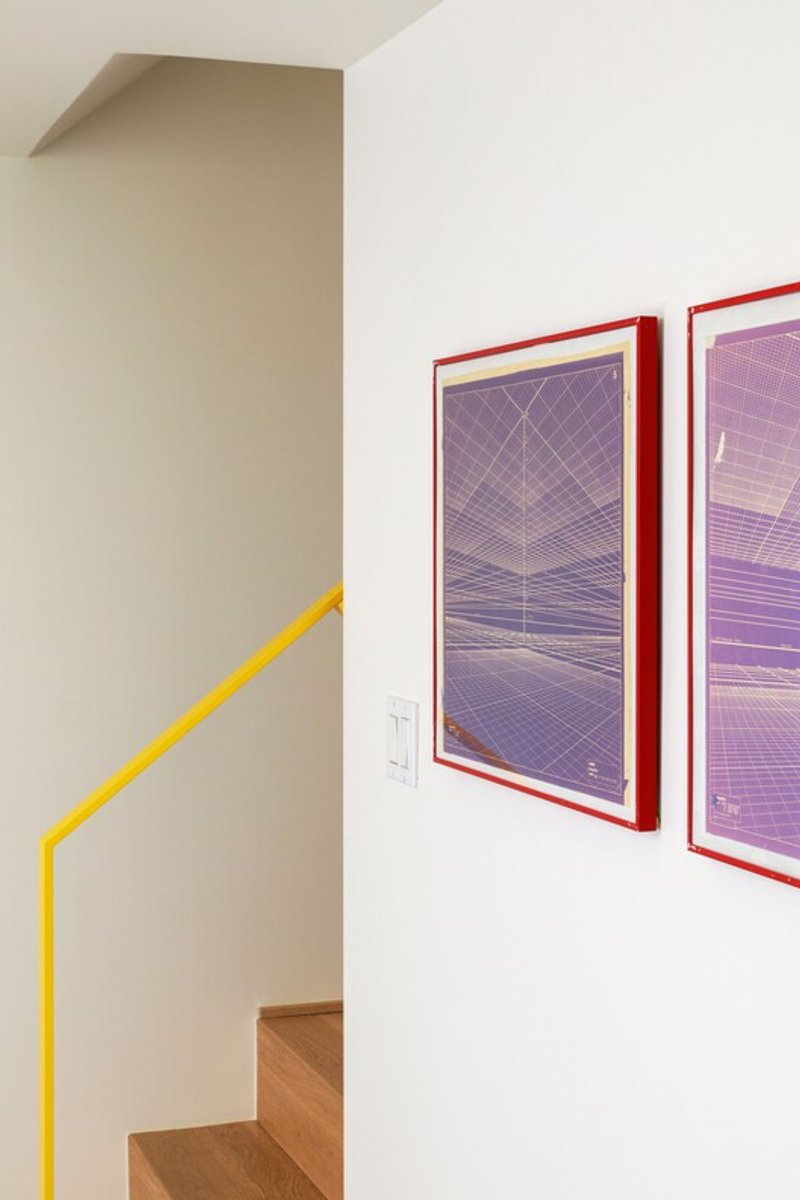
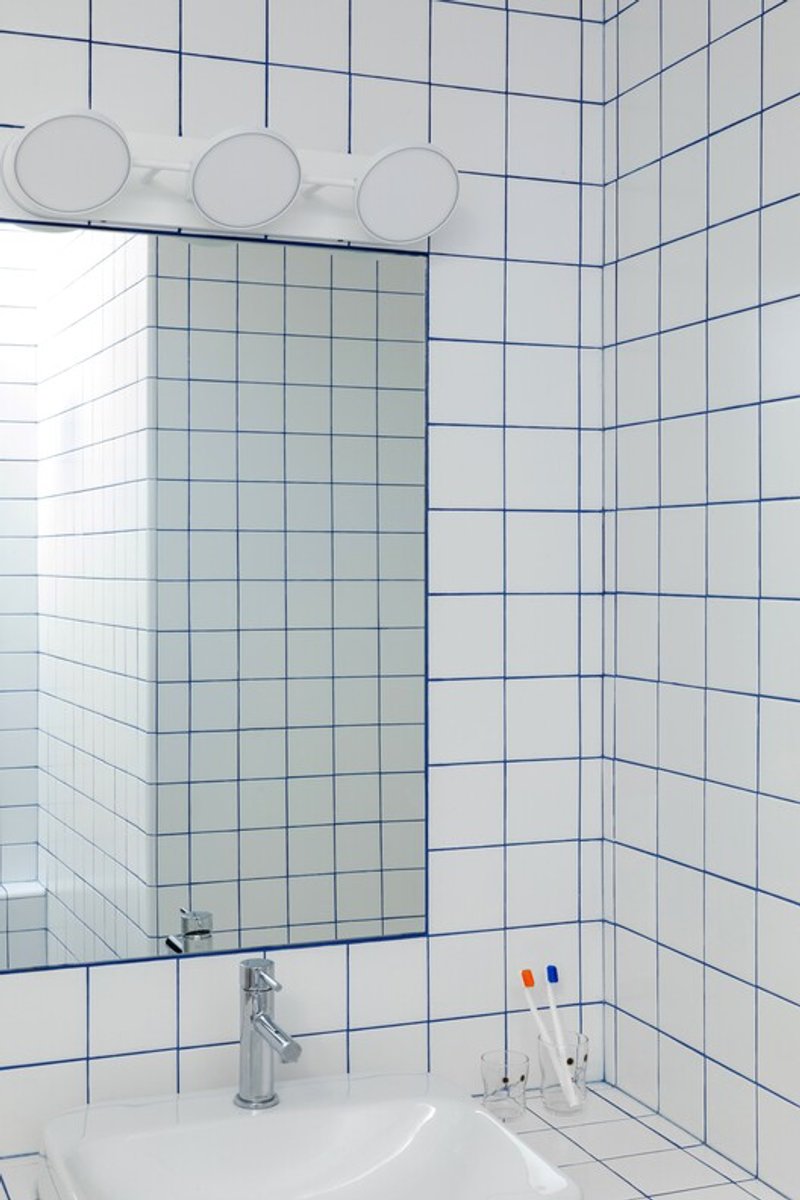
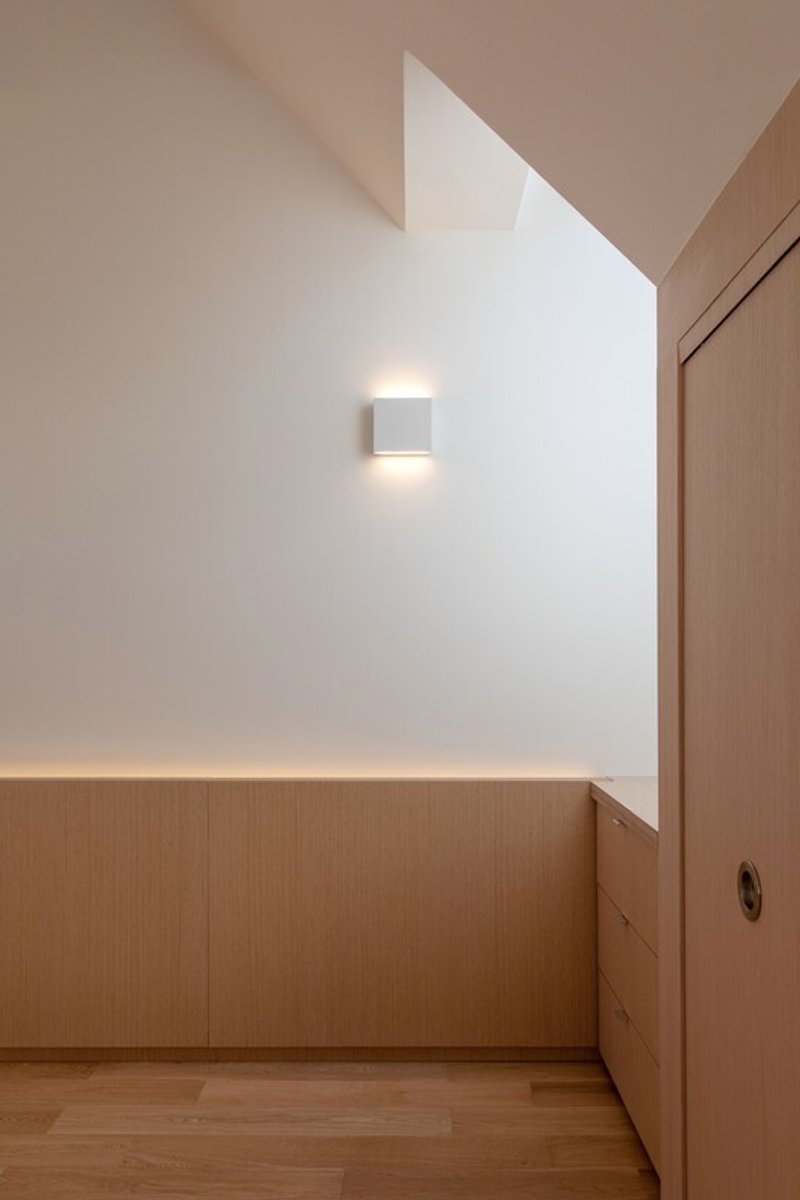
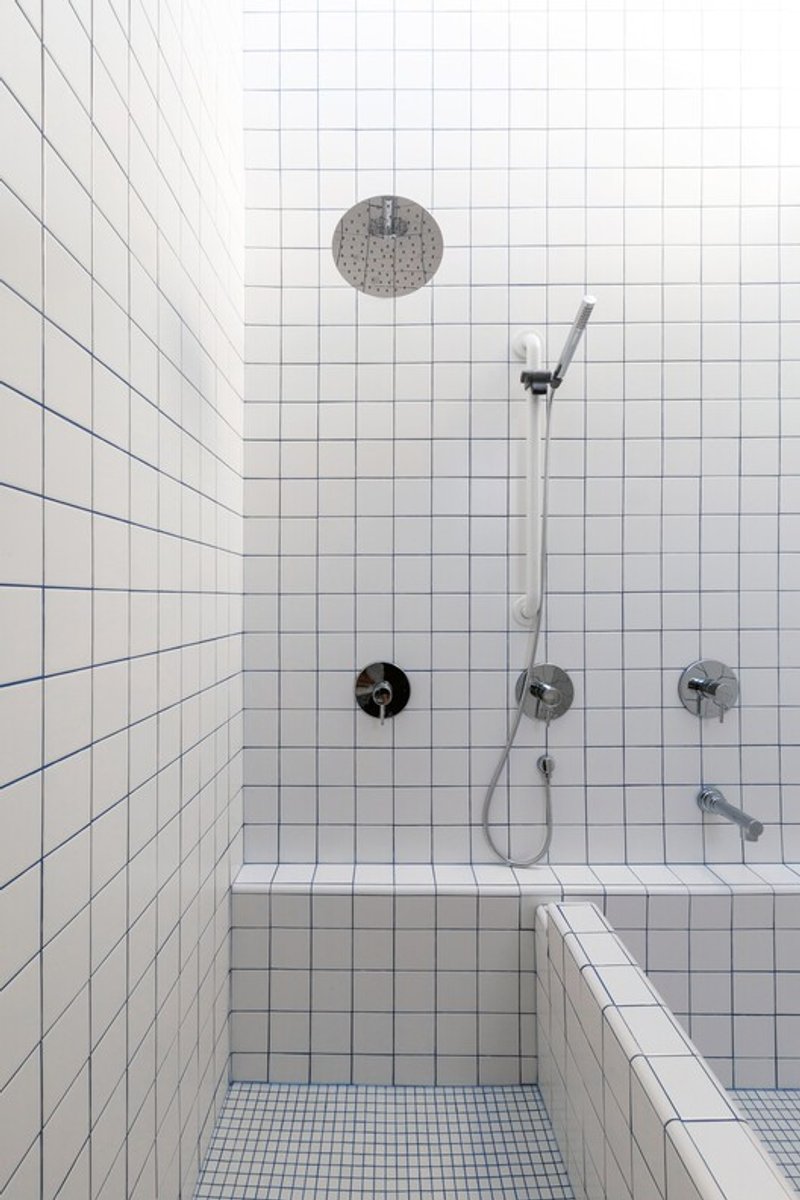
Materiality reinforces the project’s warmth and simplicity. Wood is used extensively throughout, creating a cohesive and inviting environment. In contrast, the bathroom is defined by continuous white glazed tiles, forming a clean and sculptural space where surfaces fold seamlessly into one another.
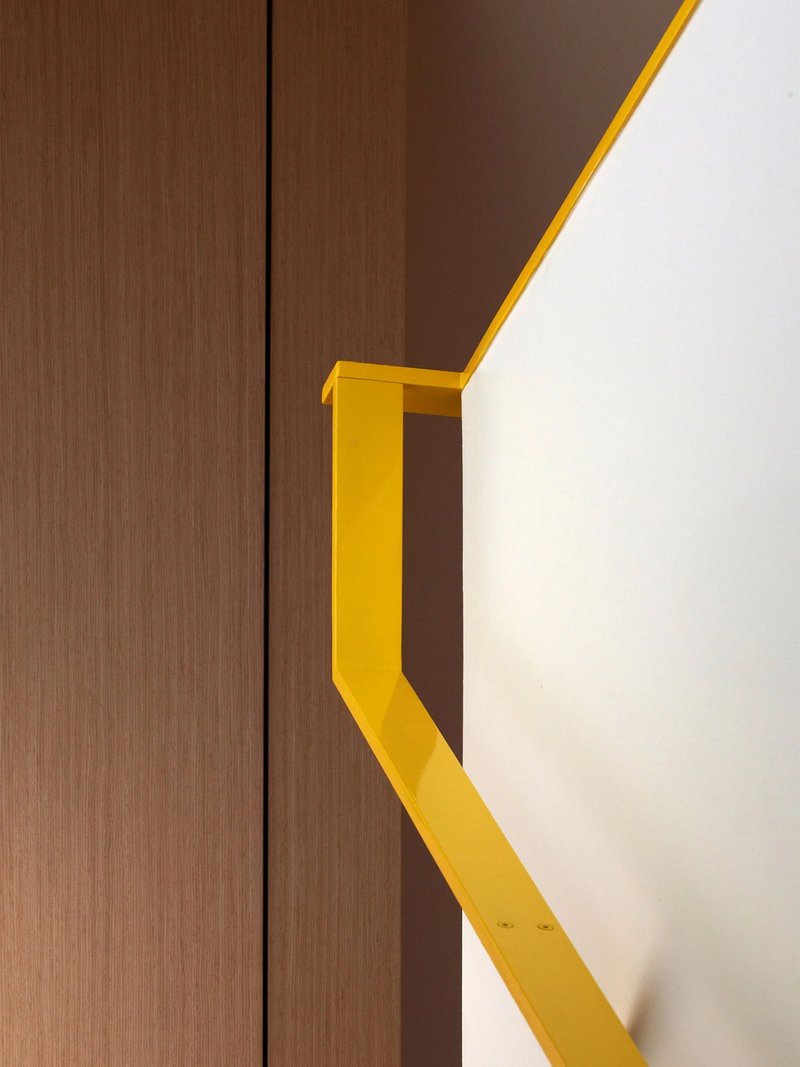
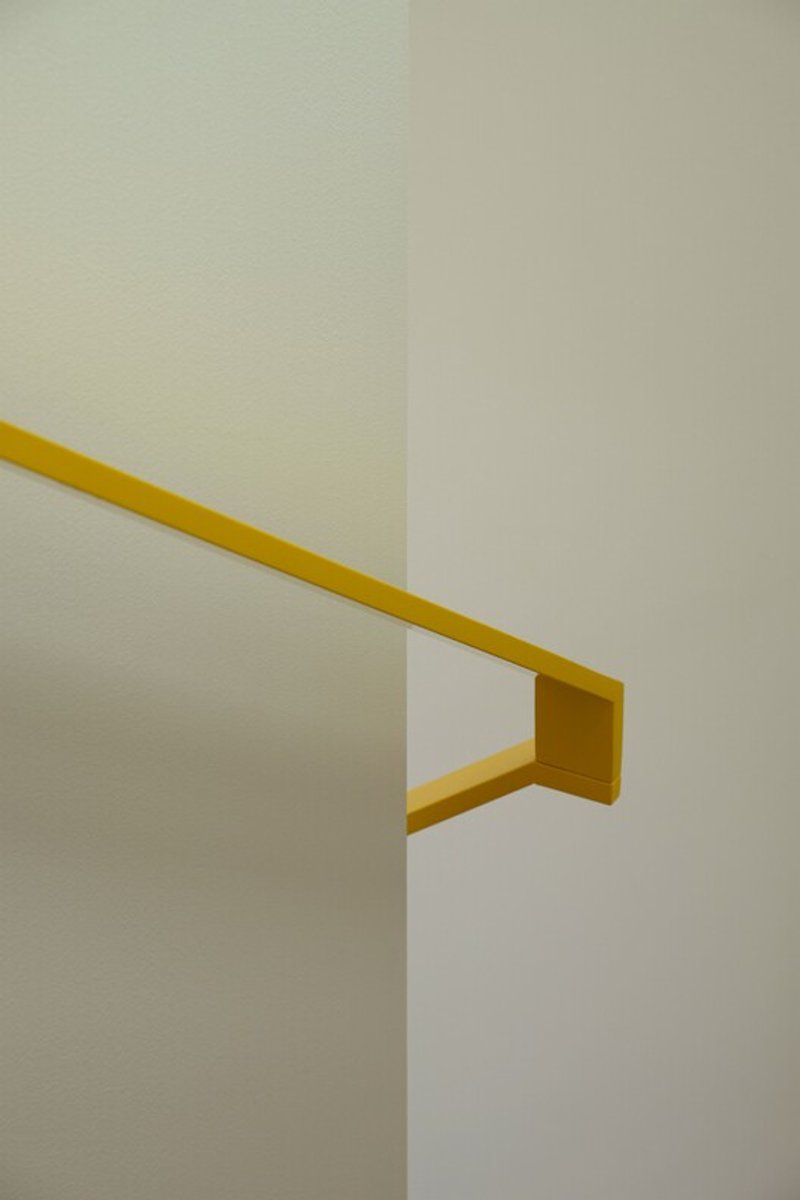
A subtle yet striking design element is the custom handrail, finished in bright yellow. This feature visually connects the lower and upper levels, adding a moment of color and identity within the otherwise restrained palette.
Ultimately, E44 Laneway House demonstrates how small architecture can achieve big ideas. By prioritizing adaptability, efficiency, and emotional connection, the project creates a home that is both functional and deeply personal. It challenges conventional notions of domestic space, offering a model for compact living that is intelligent, inclusive, and rich in character.
All the Photographs are works of Lucas Inacio Photography