
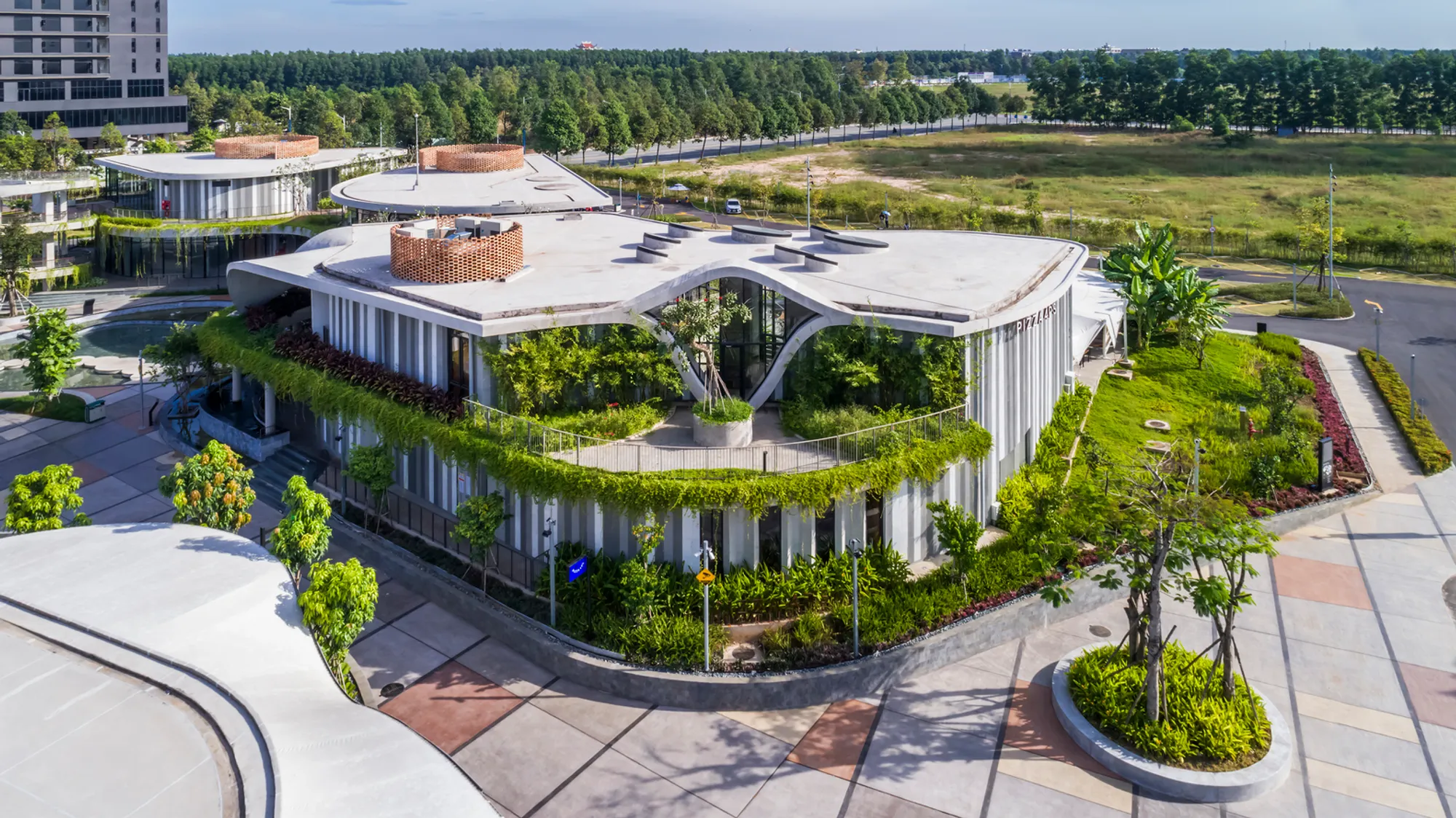
Eco-cycle Pavilion by Takashi Niwa Architects: A Sustainable Restaurant Redefining Farm-to-Table Design in Vietnam
Eco-cycle Pavilion blends sustainable architecture with farm-to-table dining, using recycled materials and gardens to promote environmental awareness in Vietnam.


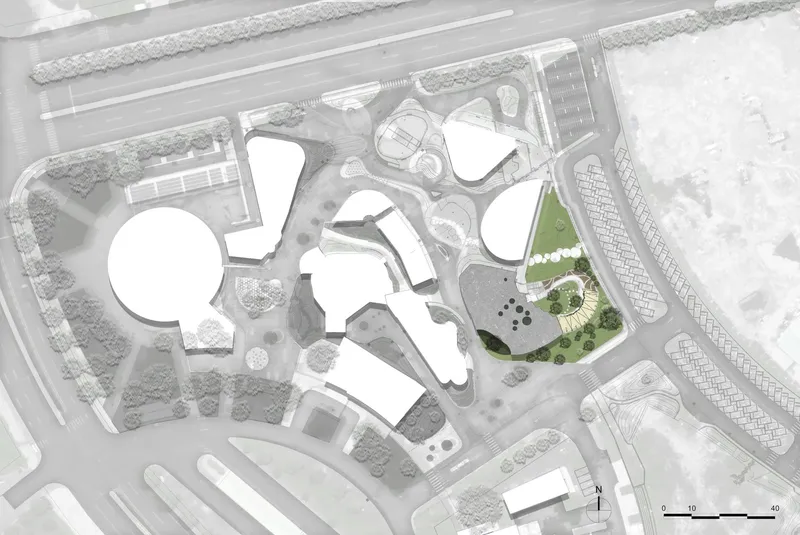
The Eco-cycle Pavilion, designed by Takashi Niwa Architects, is a pioneering restaurant that integrates sustainability, education, and architecture. Situated within the Becamex Tokyu Hikari Complex in Binh Duong New City, Vietnam, this 1,226 m² pavilion is a beacon of eco-conscious design. It blends farm-to-table principles with a circular material strategy, creating an immersive experience that educates and delights.
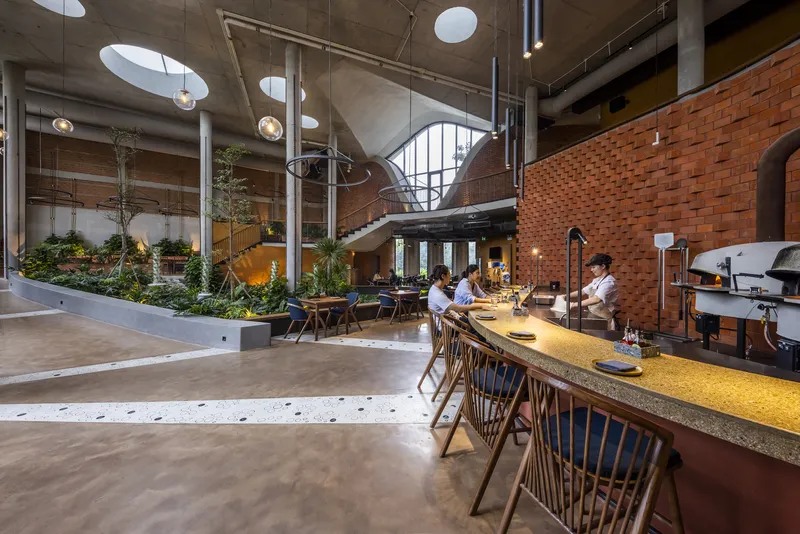
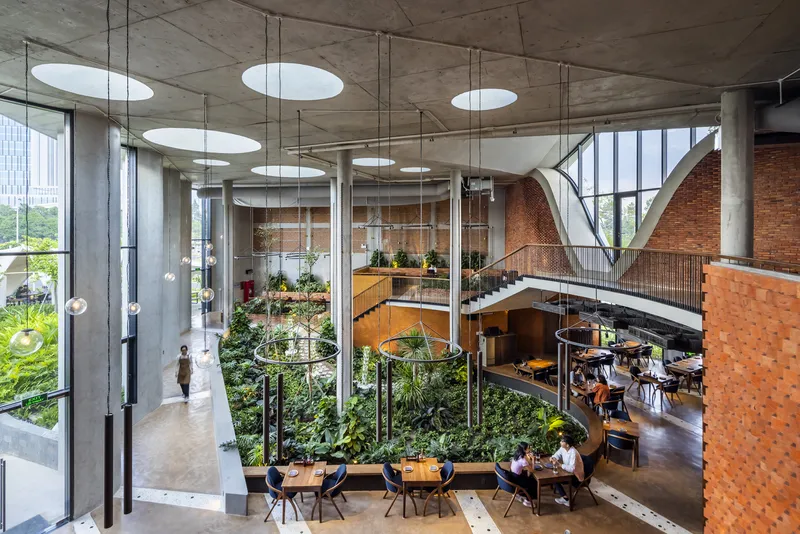
A Vision for Sustainable Hospitality
The Eco-cycle Pavilion isn’t just a dining space—it’s a platform to showcase environmentally responsible practices. Developed in partnership with Becamex Tokyu, the restaurant embodies a mission to inspire a sustainable lifestyle through architecture and edutainment—a combination of education and entertainment.
Visitors encounter a living system where natural resources, recycled materials, and food production cycles are visibly and meaningfully connected.
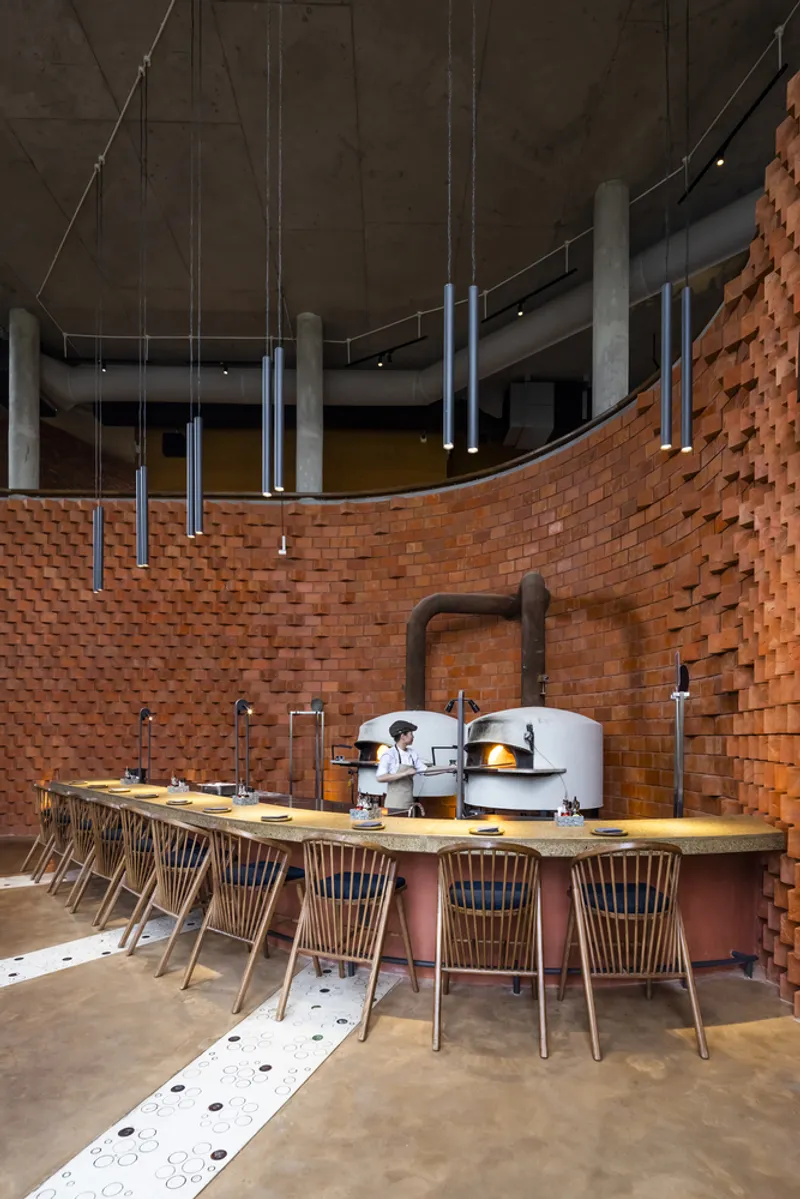
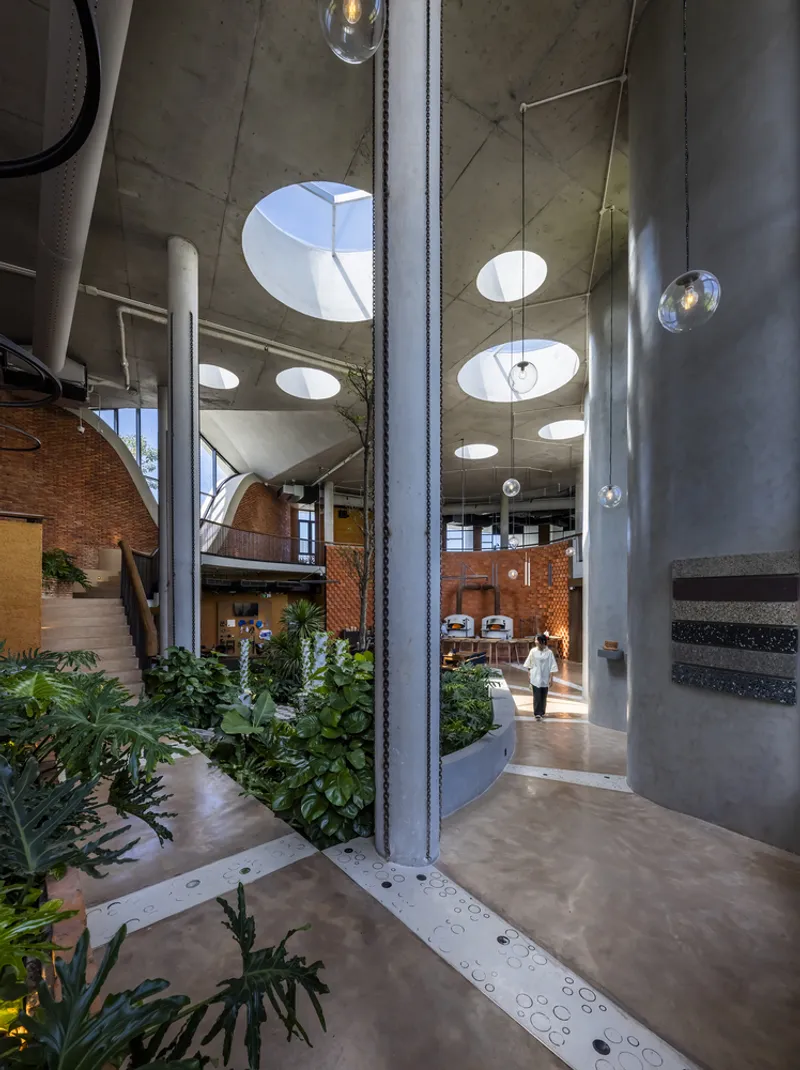
Eco-cycle Principles in Spatial Design
From structure to circulation, the design expresses sustainable cycles at every level. Key design strategies include:
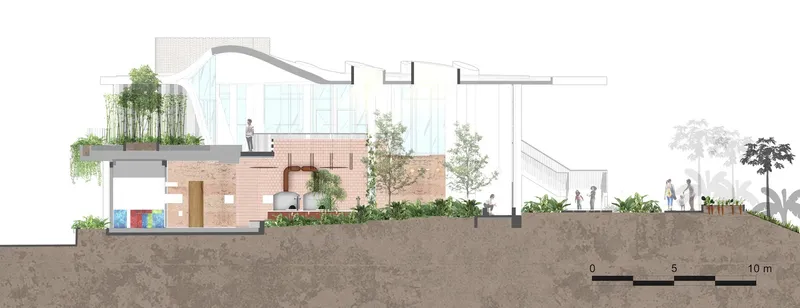
- Interior garden voids that draw in daylight and fresh air.
- Landscape integration with fruit-bearing trees—banana, mango, pomelo, and star fruit—that offer shade and edible produce.
- A pond with edible fish symbolizing a closed-loop system.
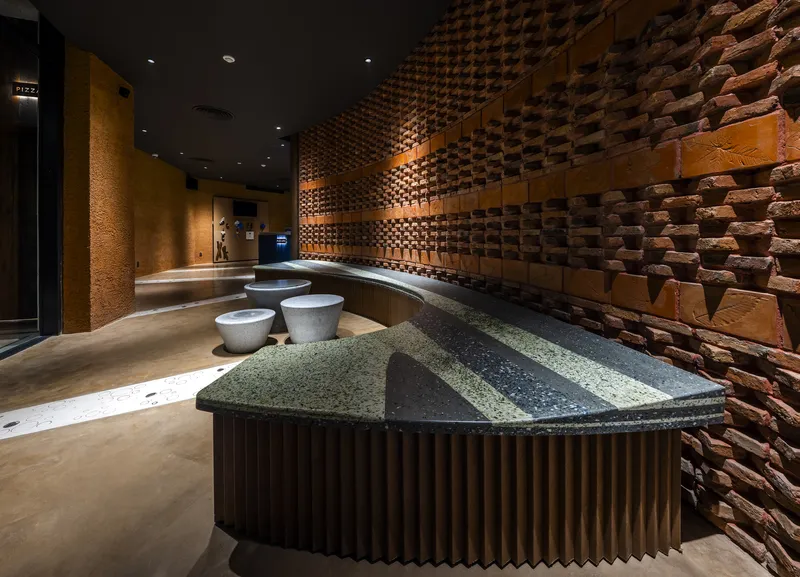
- A large recycled plastic bench greeting visitors at the entrance, reinforcing the reuse narrative.
The main circulation path orbits the indoor garden, linking dining zones with exterior greenery in a fluid, sensory-rich experience.
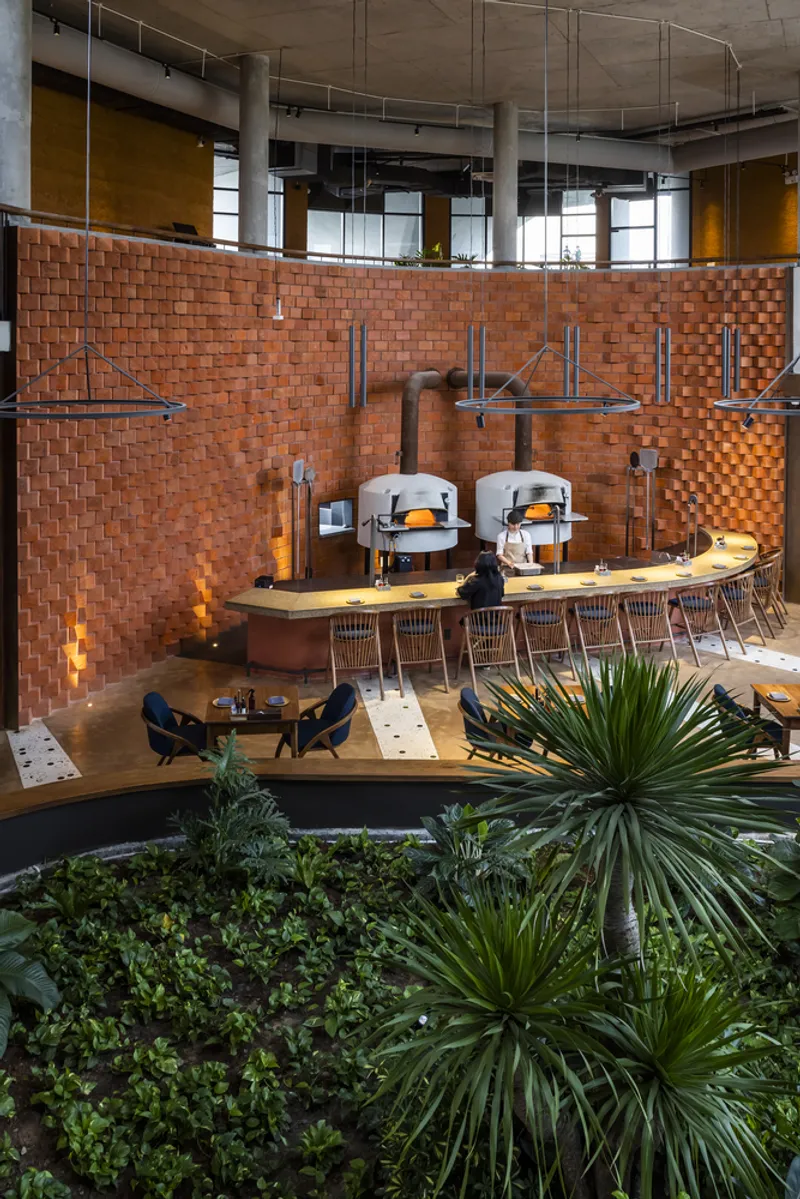
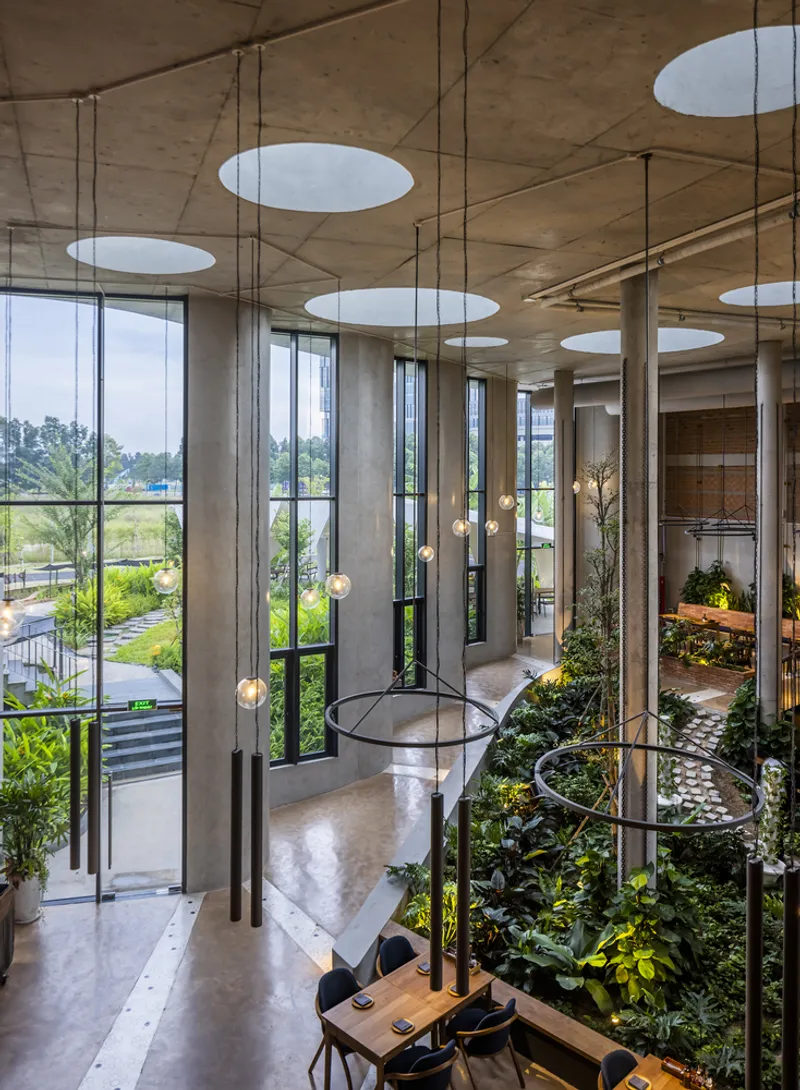
Reclaimed Materials and “Rubbish for Space” Concept
A key feature of the project is the reuse of waste materials as building components. This philosophy, coined as “rubbish for space”, is applied throughout:
- Recycled plastic benches and cabinetry.
- Glass bottles repurposed as floor finishes.
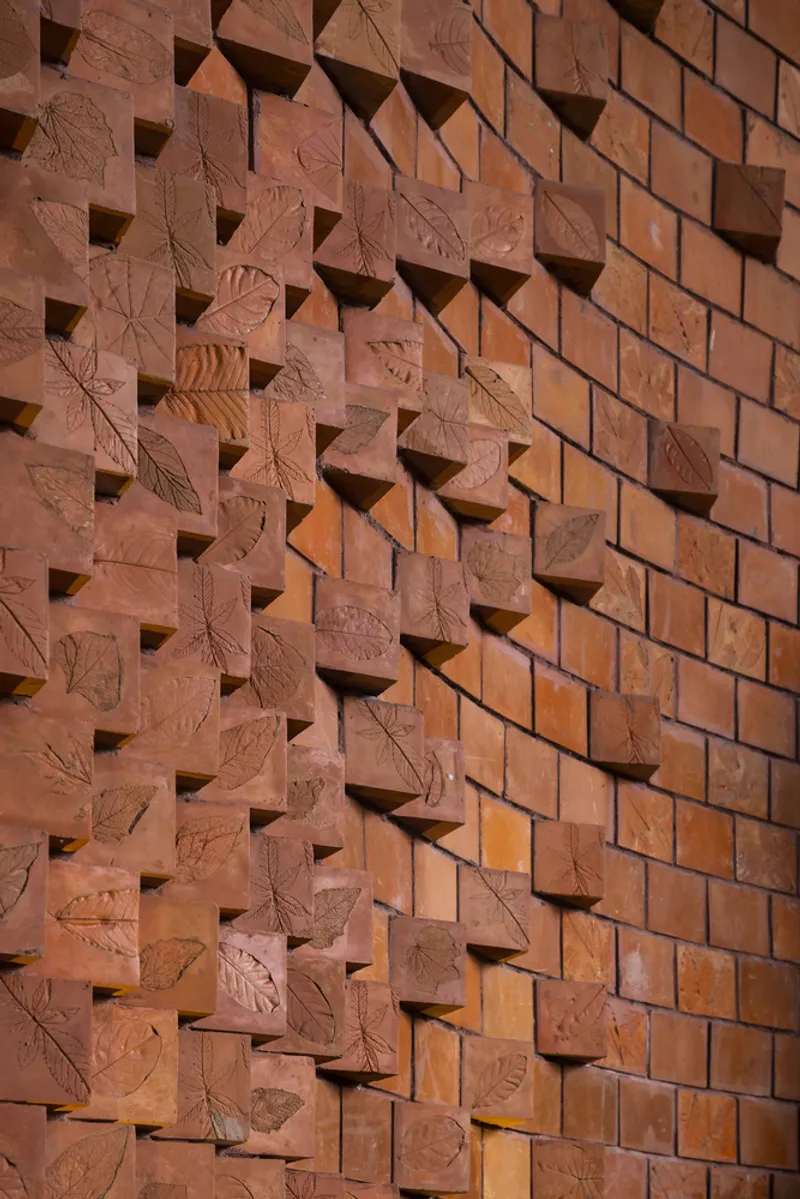
- Reclaimed bricks used for walls.
- Recycled timber from boats crafted into doors and tables.
- Steel and concrete testing blocks integrated into interior steps and garden paths.
These materials not only minimize waste but also add texture and character to the architectural narrative.
Edutainment Through Experience
The Pavilion is designed to engage visitors in the cycle of sustainability. Educational displays and architectural storytelling explain systems like:
- Food waste sorting and composting.
- Herb and vegetable cultivation for the kitchen.
- Water reuse and passive ventilation systems.
The experience goes beyond aesthetics—it invites visitors to learn, interact, and participate in environmental practices while enjoying farm-to-table meals.
A Prototype for Future Eco-Architecture
By seamlessly integrating sustainability with design and user experience, the Eco-cycle Pavilion serves as a prototype for regenerative architecture in Southeast Asia. It demonstrates how the restaurant industry can move toward a circular economy through thoughtful planning, material innovation, and public engagement.
This project stands as an inspiring model for future developments that aim to balance human needs with ecological responsibility.
All Photographs are works of Hiroyuki Oki




Popular Articles
Popular articles from the community


Lunar Spiral: Space Architecture Shaped by the Mathematics of the Universe
Lunar Spiral reimagines space architecture through Fibonacci geometry, lunar regolith, levitating habitats, and self-sustaining Moon living.

Conexión: Biophilic Design Reimagines High-Rise Living in Hong Kong
Conexión reimagines high-rise living in Hong Kong through biophilic design, green facades, shared spaces, daylight, water and nature within.

The Earth Pod: 3D Printed Homes for Resilient Refugee Communities
The Earth Pod reimagines refugee housing through 3D printed homes made from clay, combining resilience, self-sufficiency, and rapid shelter.

Co-Life: Senior Housing Design That Reconnects Older Adults With the City
Co-Life reimagines senior housing design through healing gardens, shared streets, workshops, and a sustainable community across generations.


Similar Reads
You might also enjoy these articles


Hodi-Mandai Geram
Project Function: Preservation and revitalization of the Intangible heritage and socio-spatial identity of the Hodi by Housing, Cultural Memory Center, Sacred Grove, landscape, local tourism economy


Olio Towers: A Mid-Rise for Performers That Fuses Housing, Rehearsal, and Stage
Located blocks from Houston's Theater District, this modular tower stacks living units around a central performance atrium.

Oasis: Modular Green Housing Carved into Dhaka's Urban Fabric
A shortlisted Plugin Housing entry reclaims unauthorized settlements in Dhaka with stepped concrete volumes, green roofs, and ventilation-driven design.

Black Hole: A Floating Megastructure for the Post-Physical Era
Emiliano Mazzarotto envisions a spherical, self-scaling arena where e-sports, digital hotels, and holographic stadiums replace traditional public space.


Explore Hospitality Building Competitions
Discover active competitions in this discipline



Challenge to reimagine the Iron Throne


Photograph architecture without architects


Illustrate the lost glory of Angkor Wat - Render Challenge


Design challenge to reuse E-waste
Comments (0)
Please login or sign up to add comments
No comments yet. Be the first to comment!