
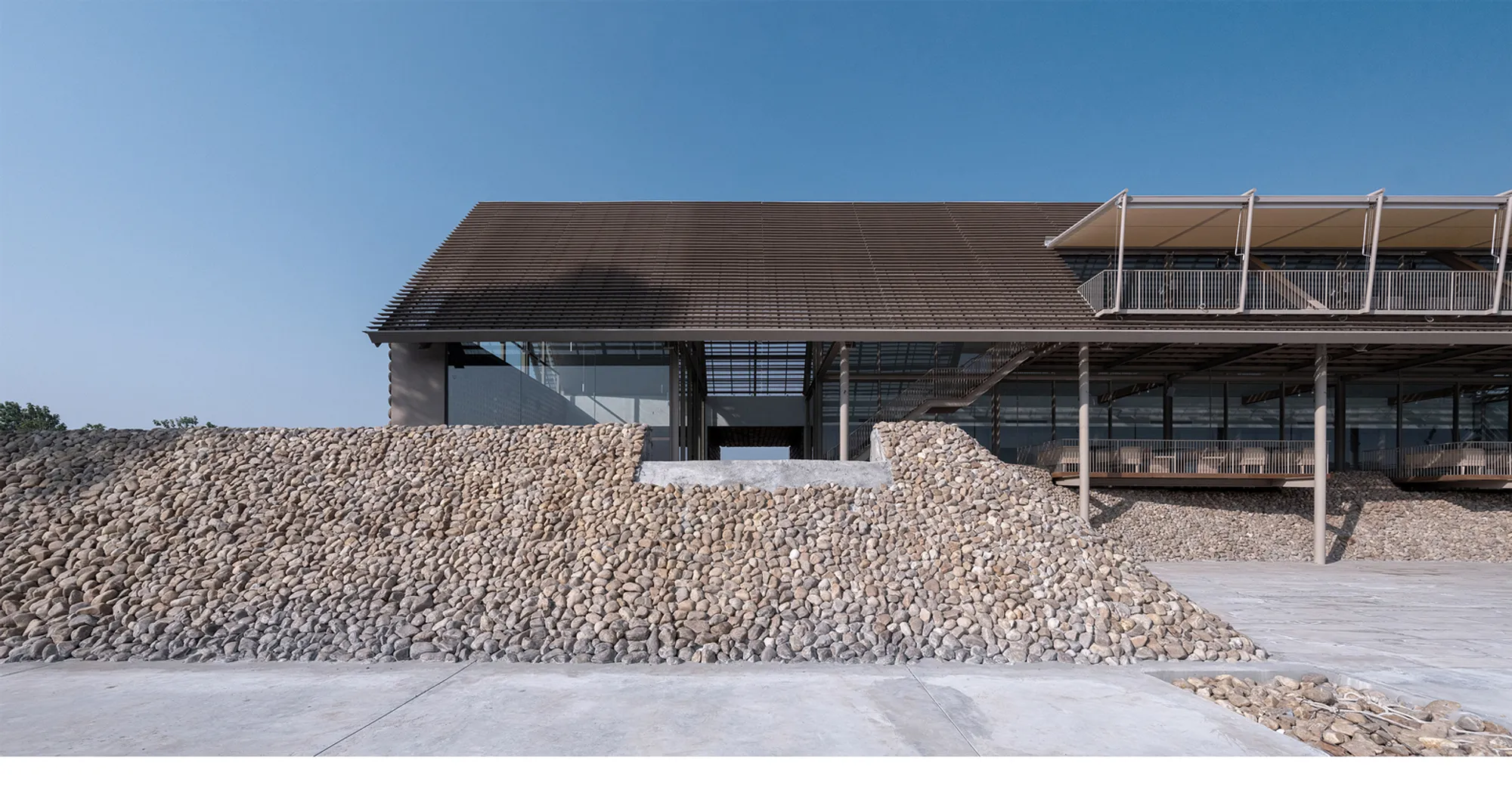
Eco-Friendly Riverfront Restaurant Design
The article describes the eco-friendly design of "Restaurant by The River Kwai" in Thailand, emphasizing sustainability and local material use.


The "Restaurant by The River Kwai" by PHTAA embodies a seamless blend of architectural innovation and environmental sensitivity. Located in the picturesque setting of Tha Ma Kham, Thailand, this dining establishment is not just a place to eat but a testament to sustainable design principles.
Sustainable Building Strategies
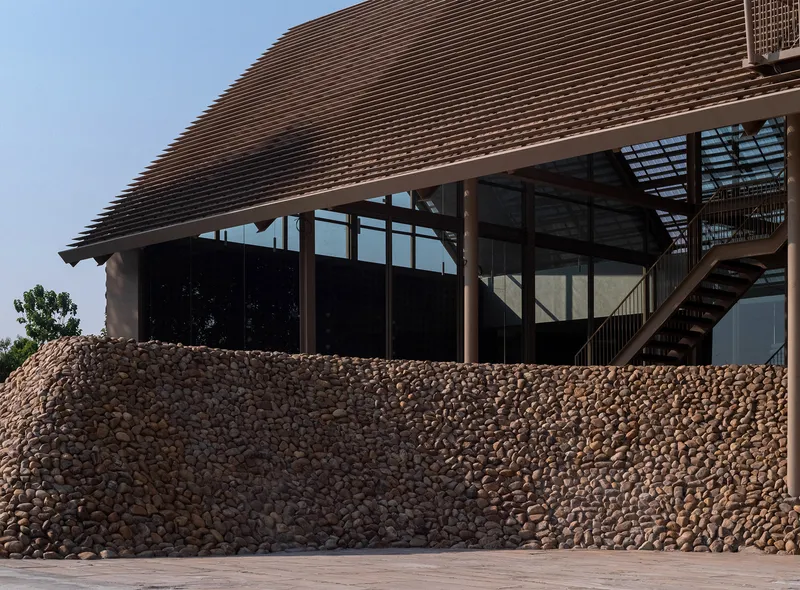
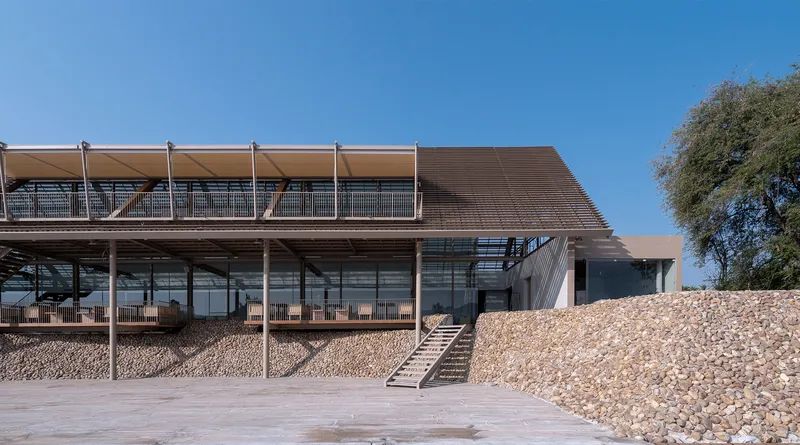
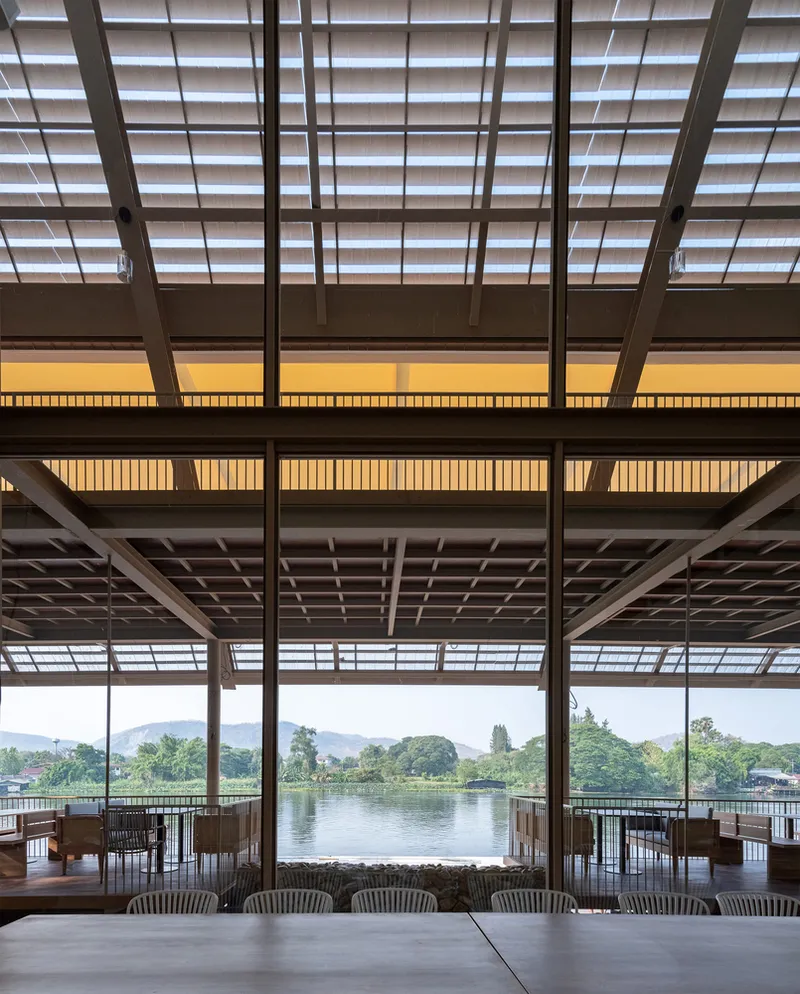
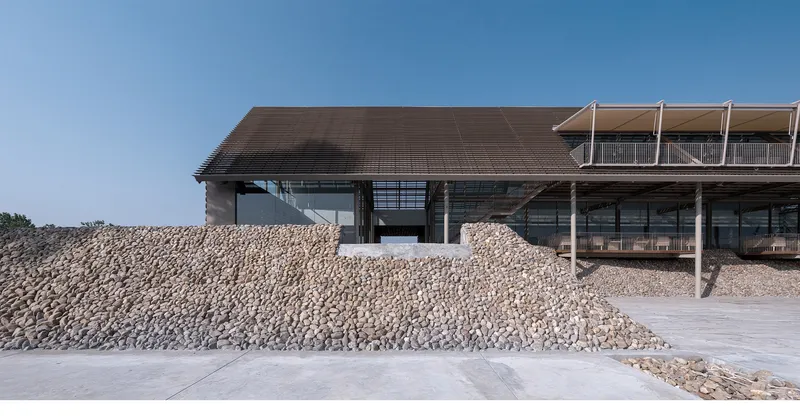
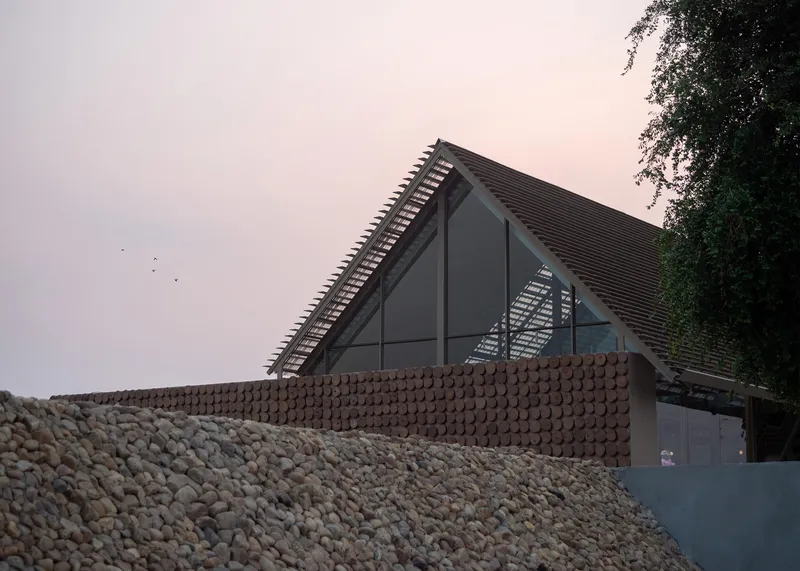
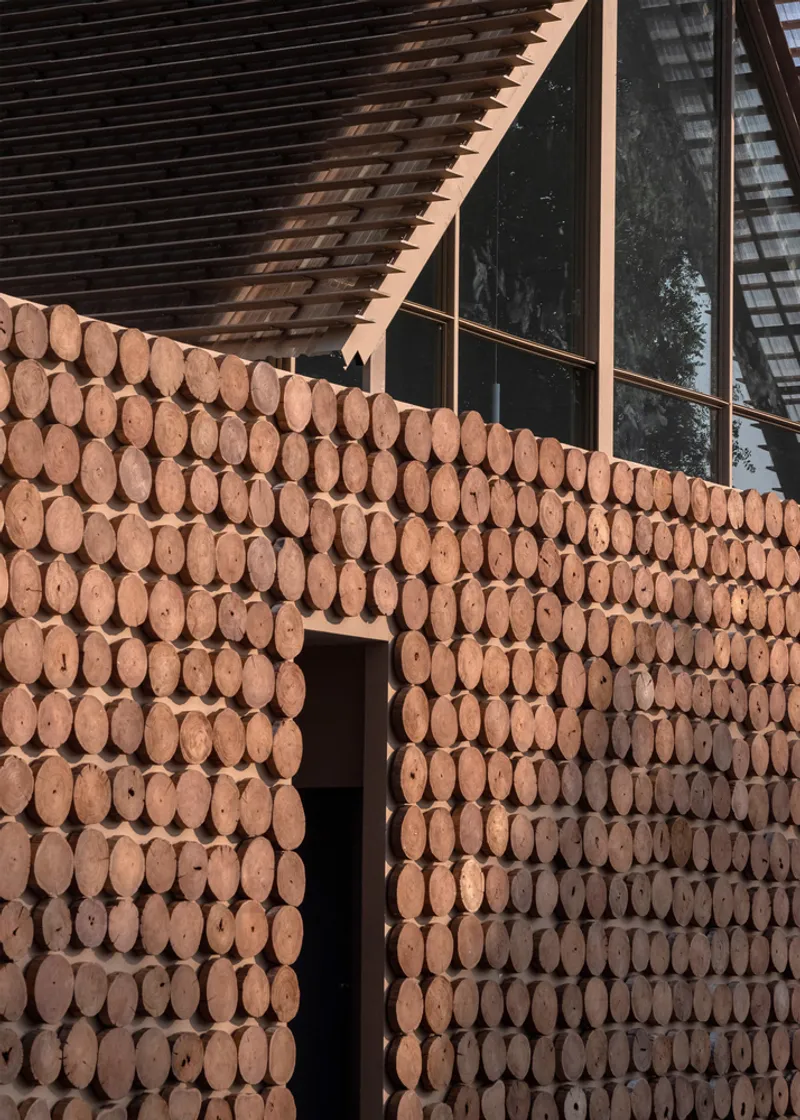
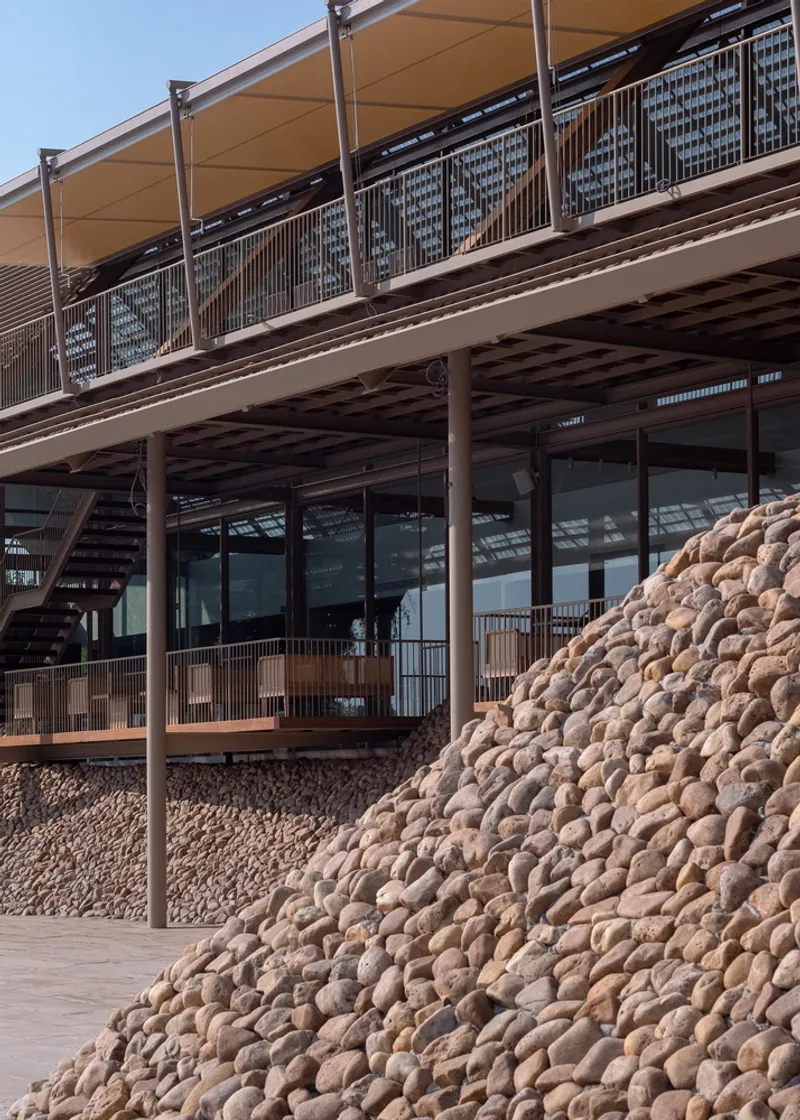
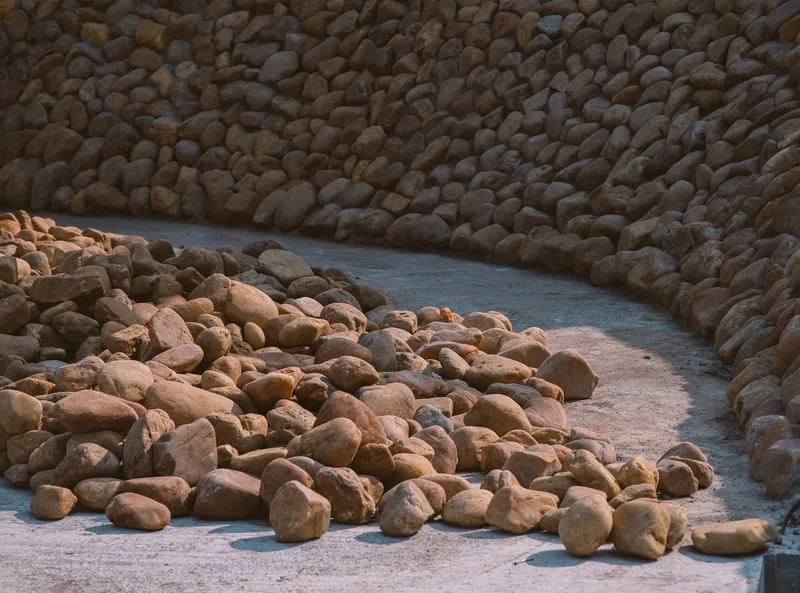
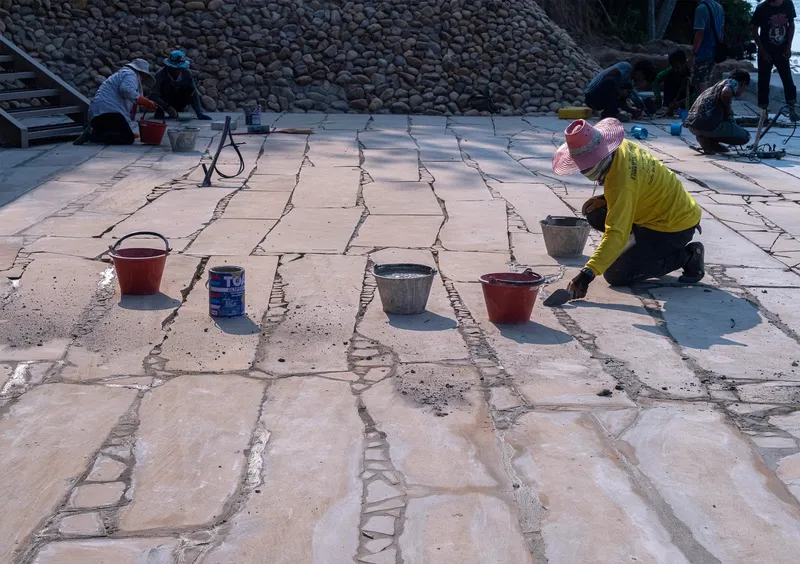
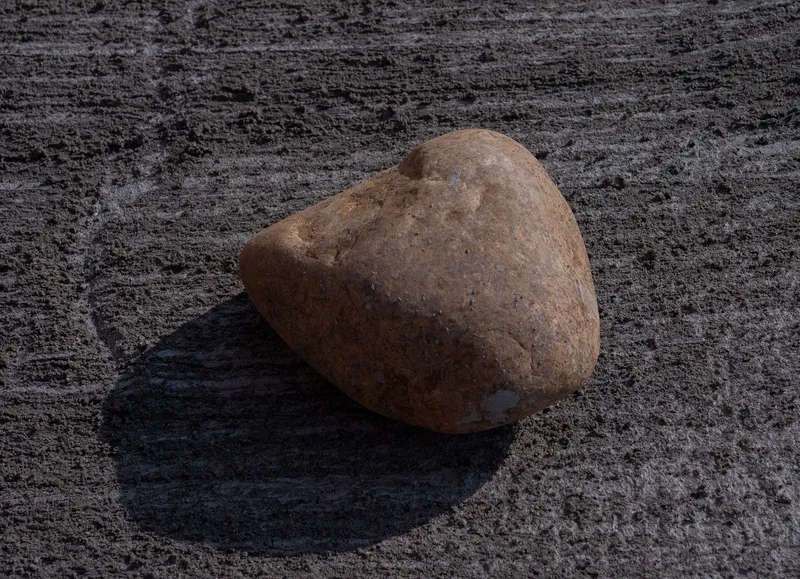
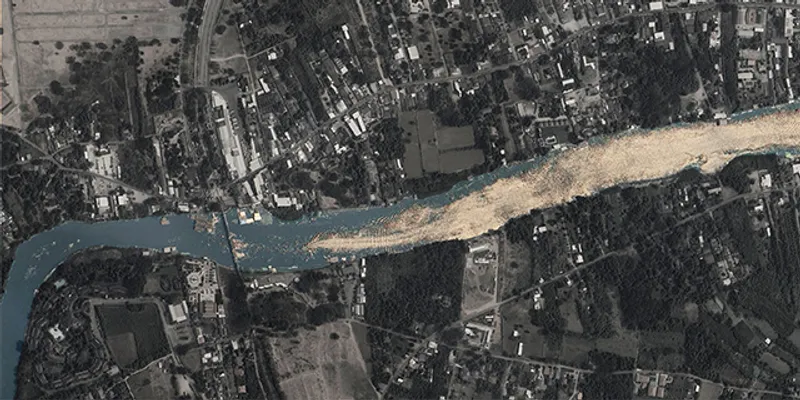
Central to the design is the use of local materials, including river gravel and locally sourced wood, which not only supports the local economy but also reduces the environmental impact of transportation. The restaurant utilizes a unique retaining wall made from honey-colored river gravel, a material chosen for its natural durability and aesthetic harmony with the surrounding landscape.

Design That Respects the Local Environment
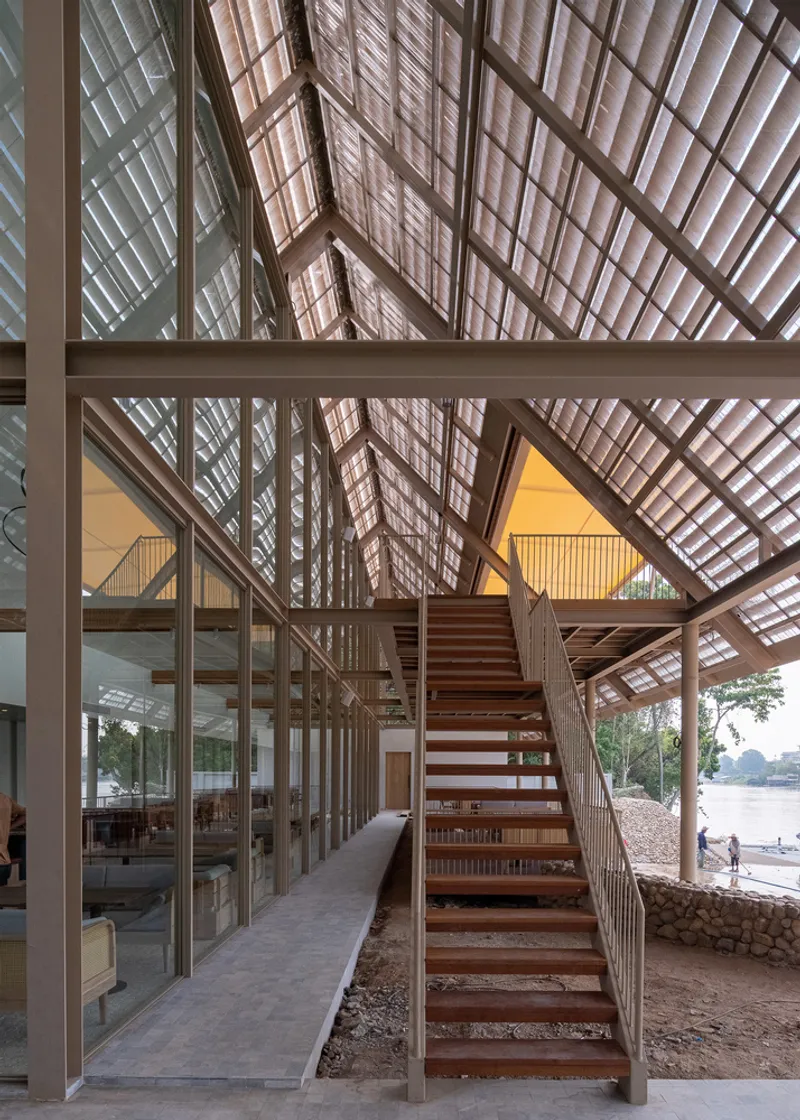
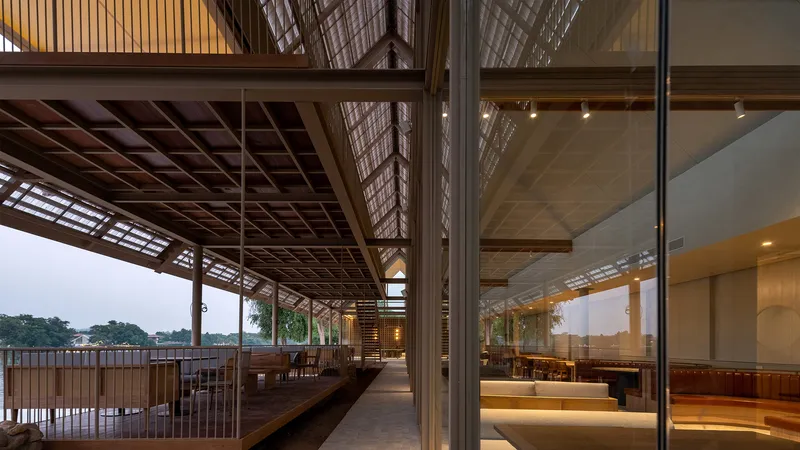
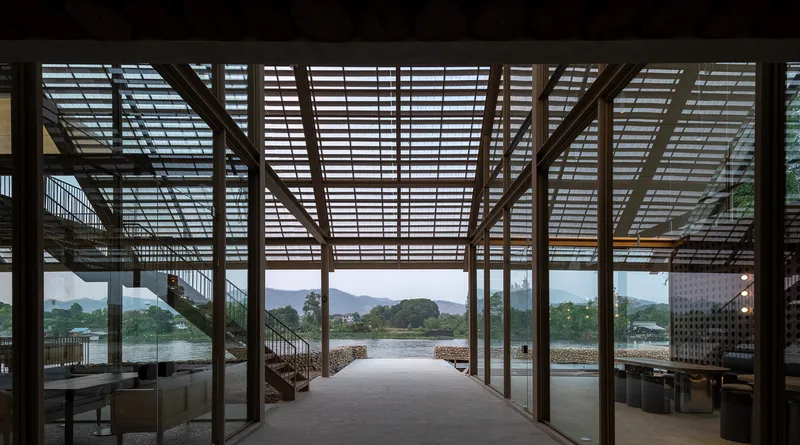
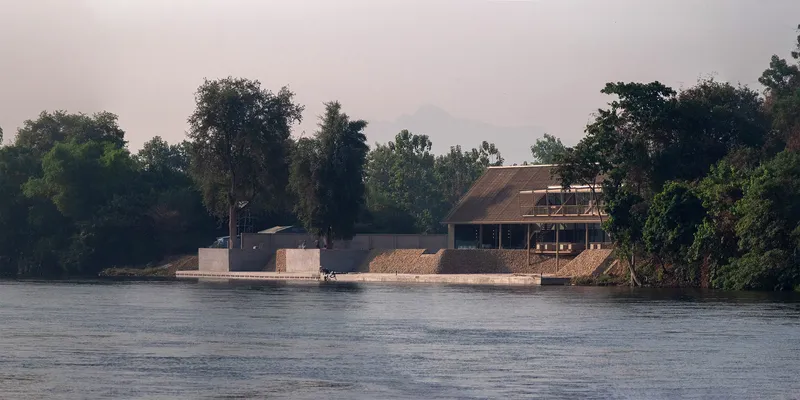
The architecture of the restaurant is thoughtfully designed to ensure it does not surpass the height of the native trees, maintaining the natural skyline and minimizing visual impact. The strategic use of a translucent roofing material coupled with slats helps in controlling indoor temperature while allowing natural light, which is essential in the hot climate of Thailand.
Multifunctional Outdoor Spaces
Adjacent to the river, the restaurant features a multi-level outdoor area that serves as a pier and social gathering point, promoting local cultural activities along the River Kwai. This design choice highlights the architects' commitment to enhancing community engagement through thoughtful spatial planning.
Legacy and Innovation
The new structure honors its location's history by repurposing wood from the original building, thus preserving a sense of continuity and respect for the past. This aspect of the design demonstrates a balance between innovation and preservation, a key feature of contemporary sustainable architecture.
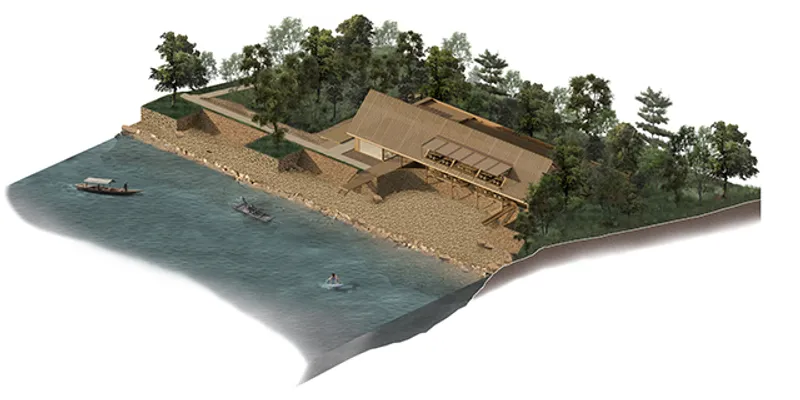
The "Restaurant by The River Kwai" project by PHTAA is a prime example of how modern architecture can embrace eco-friendly principles, enhance local communities, and beautifully coexist with its natural surroundings. It stands as a model for future developments seeking to integrate luxury with sustainability along scenic waterfronts.
All photographs are work of Kukkong Thirathomrongkiat




Popular Articles
Popular articles from the community


The Ocean Hive: Sustainable Architecture for a Self-Sufficient Civilization at Sea
The Ocean Hive imagines sustainable architecture at sea, where modular habitats, algae, wave power and ocean waste sustain a growing colony.

The Musturak Paradise: Senior Living Architecture for a Connected Future in Temara, Morocco
The Musturak Paradise reimagines senior living architecture in Temara via private homes, social spaces, culture, community, and shared care.

The Earth Pod: 3D Printed Homes for Resilient Refugee Communities
The Earth Pod reimagines refugee housing through 3D printed homes made from clay, combining resilience, self-sufficiency, and rapid shelter.

Conexión: Biophilic Design Reimagines High-Rise Living in Hong Kong
Conexión reimagines high-rise living in Hong Kong through biophilic design, green facades, shared spaces, daylight, water and nature within.


Similar Reads
You might also enjoy these articles


Hodi-Mandai Geram
Project Function: Preservation and revitalization of the Intangible heritage and socio-spatial identity of the Hodi by Housing, Cultural Memory Center, Sacred Grove, landscape, local tourism economy


Olio Towers: A Mid-Rise for Performers That Fuses Housing, Rehearsal, and Stage
Located blocks from Houston's Theater District, this modular tower stacks living units around a central performance atrium.

Oasis: Modular Green Housing Carved into Dhaka's Urban Fabric
A shortlisted Plugin Housing entry reclaims unauthorized settlements in Dhaka with stepped concrete volumes, green roofs, and ventilation-driven design.

Black Hole: A Floating Megastructure for the Post-Physical Era
Emiliano Mazzarotto envisions a spherical, self-scaling arena where e-sports, digital hotels, and holographic stadiums replace traditional public space.


Explore Hospitality Building Competitions
Discover active competitions in this discipline



Challenge to reimagine the Iron Throne


Photograph architecture without architects


Illustrate the lost glory of Angkor Wat - Render Challenge


Design challenge to reuse E-waste
Comments (0)
Please login or sign up to add comments
No comments yet. Be the first to comment!