
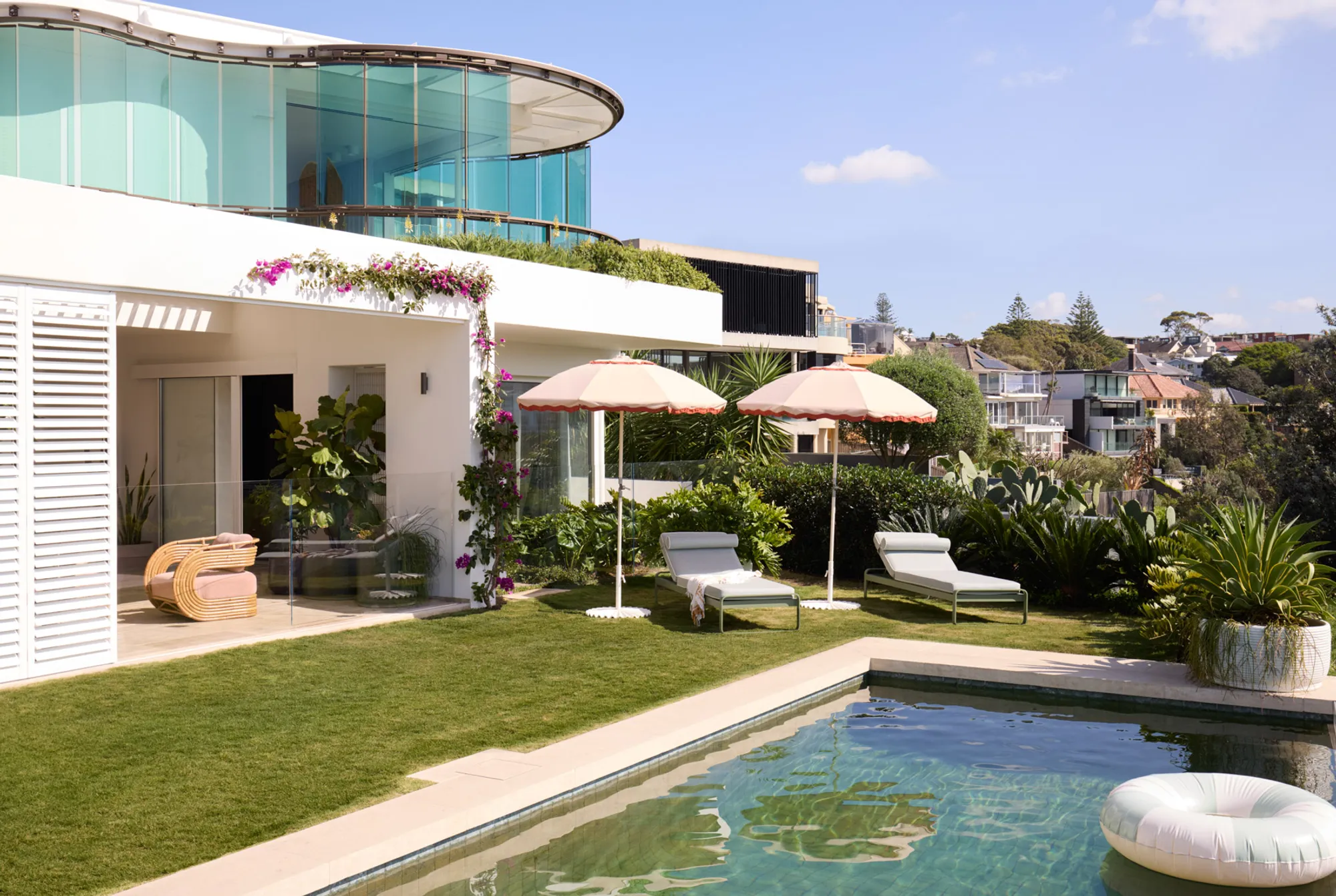
Emerald Sound House by Luigi Rosselli Architects: A Coastal Symphony of Light, Glass, and Renewal
Sustainable coastal renovation in Coogee transforming a 1970s home with emerald glass, recycled materials, and ocean-inspired light-filled design.


Perched above the crystalline waters of Coogee in Sydney’s eastern suburbs, Emerald Sound House by Luigi Rosselli Architects is a poetic reimagining of coastal domesticity. Completed in 2025, this transformative renovation of a 1970s residence merges recycling, natural light, and craft to create a living sculpture inspired by the vibrancy of the Pacific Ocean.
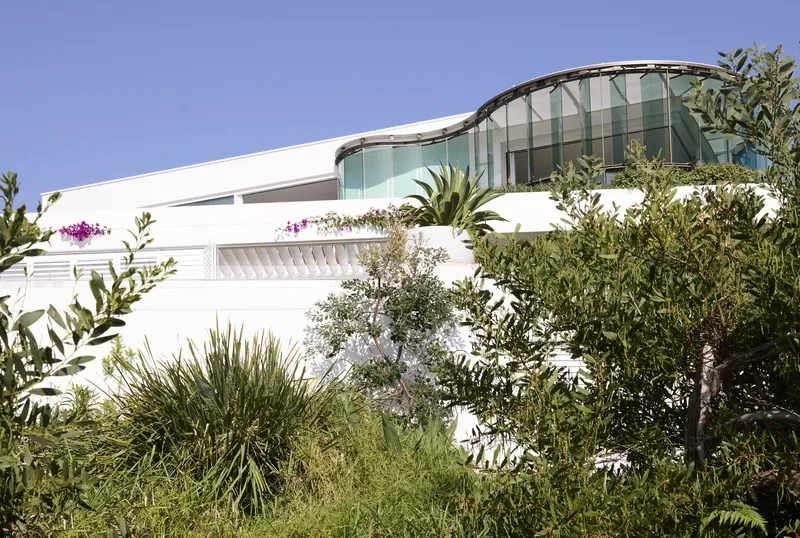
Bathed in the emerald hues of the bay below, the house draws on its surrounding topography—a natural amphitheater of sandstone cliffs and lush vegetation where homes cascade towards the sea. Here, Rosselli’s signature sensitivity to context translates the coastal landscape into an architectural dialogue between organic motion and material precision.
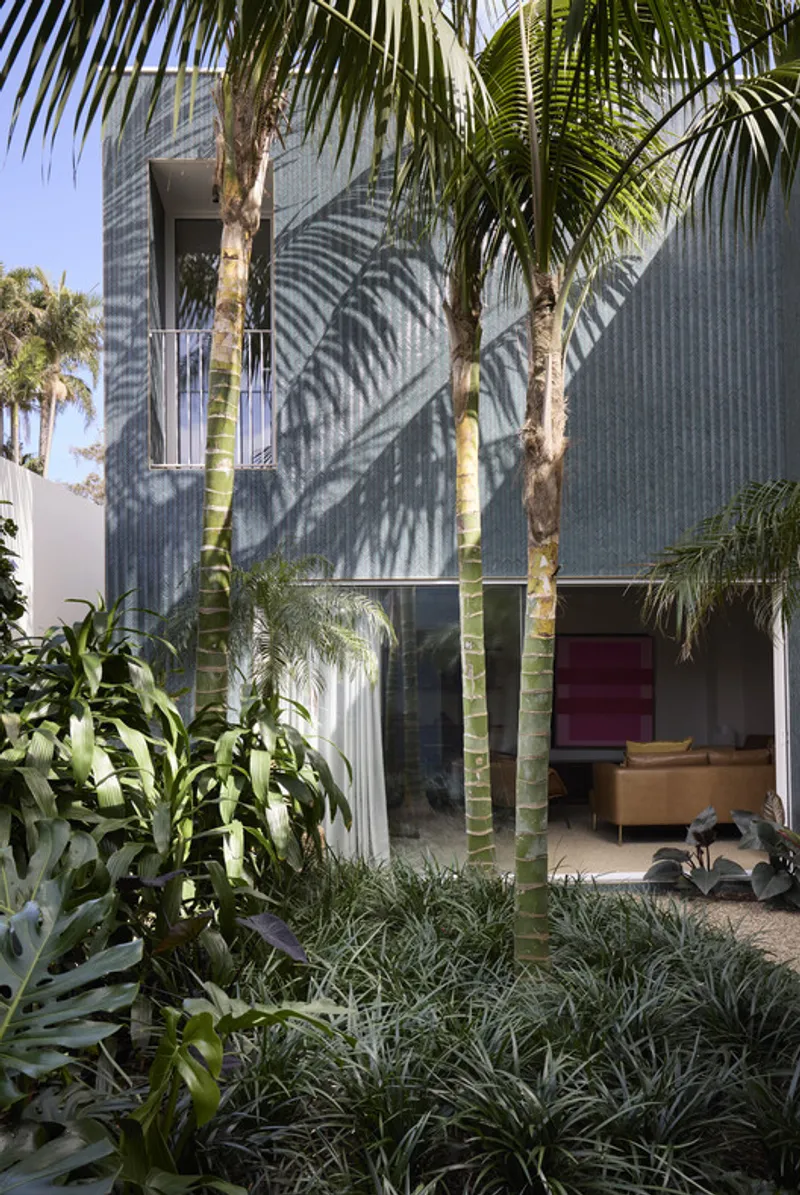
Inspiration: The Blue Groper and the Emerald Waters
The concept arose from one of Coogee’s most beloved local inhabitants—the Blue Groper, a species of wrasse that swims prominently in these waters. Its scales, shimmering from teal to green, became a metaphor for transformation and continuity within the design.
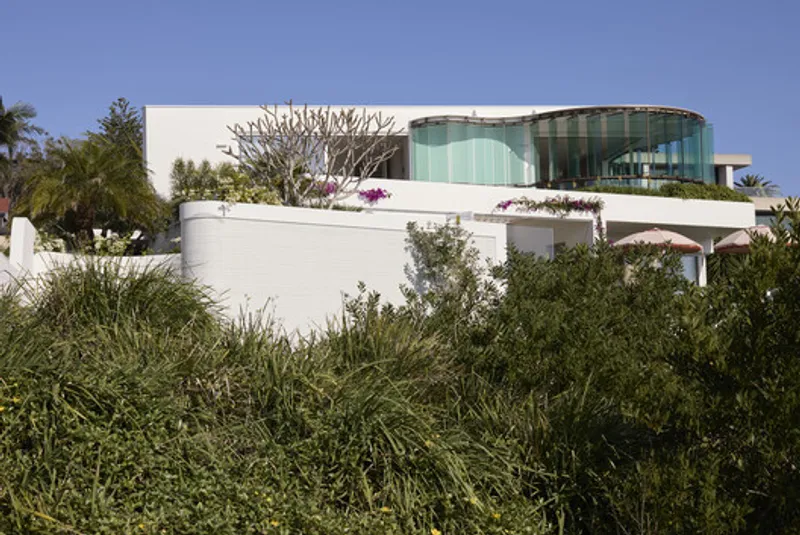
For clients whose profession lies in glass recycling, the architectural narrative centered on reuse, adaptation, and the sustainable renewal of an existing structure. Rather than demolish the old house, Rosselli’s studio preserved its bones, revitalizing it through careful subtraction and refined additions—a reflection of environmental ethics blended with design artistry.
The resulting home offers not just an architectural statement, but a meditation on regeneration, aligning material reuse with the life cycles of both ocean and architecture.
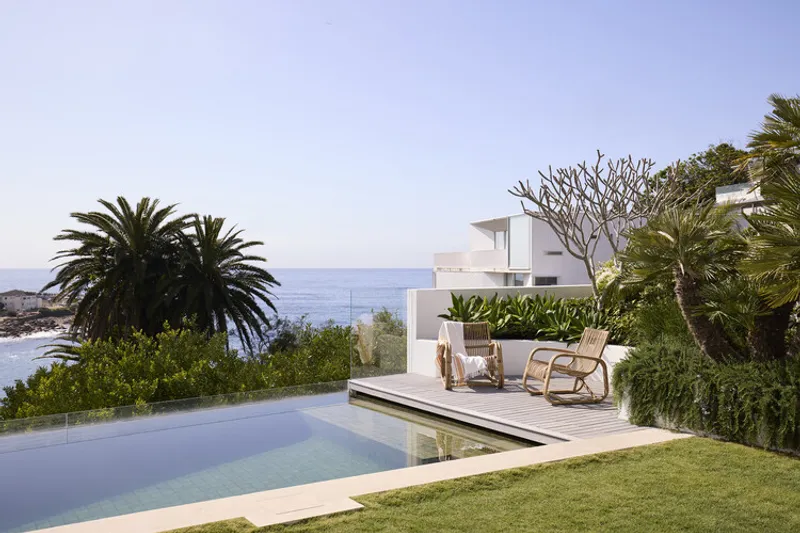
Design Strategy: From Trophy Home to Living Sanctuary
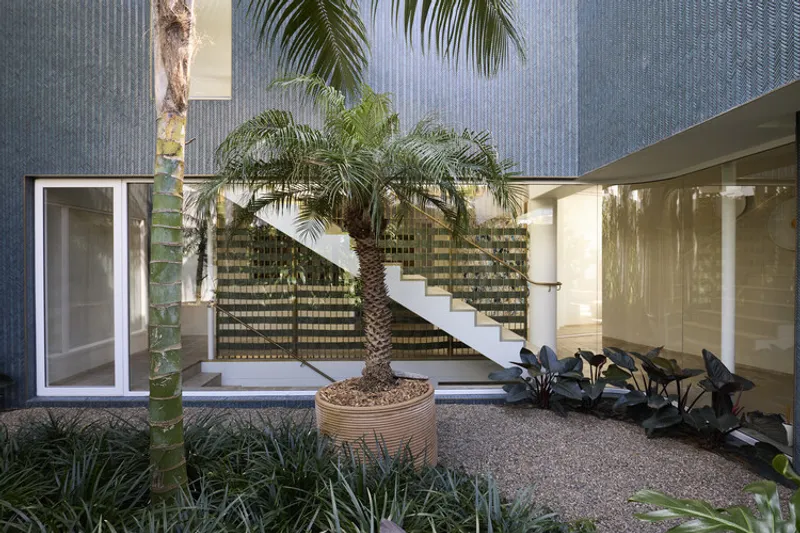
The original ground floor—dominated by a driveway and garage—was liberated to create a new secondary living space and garden courtyard. By introducing a new ramp and reconfiguring circulation, Luigi Rosselli Architects opened the home’s heart to air, light, and vegetation.
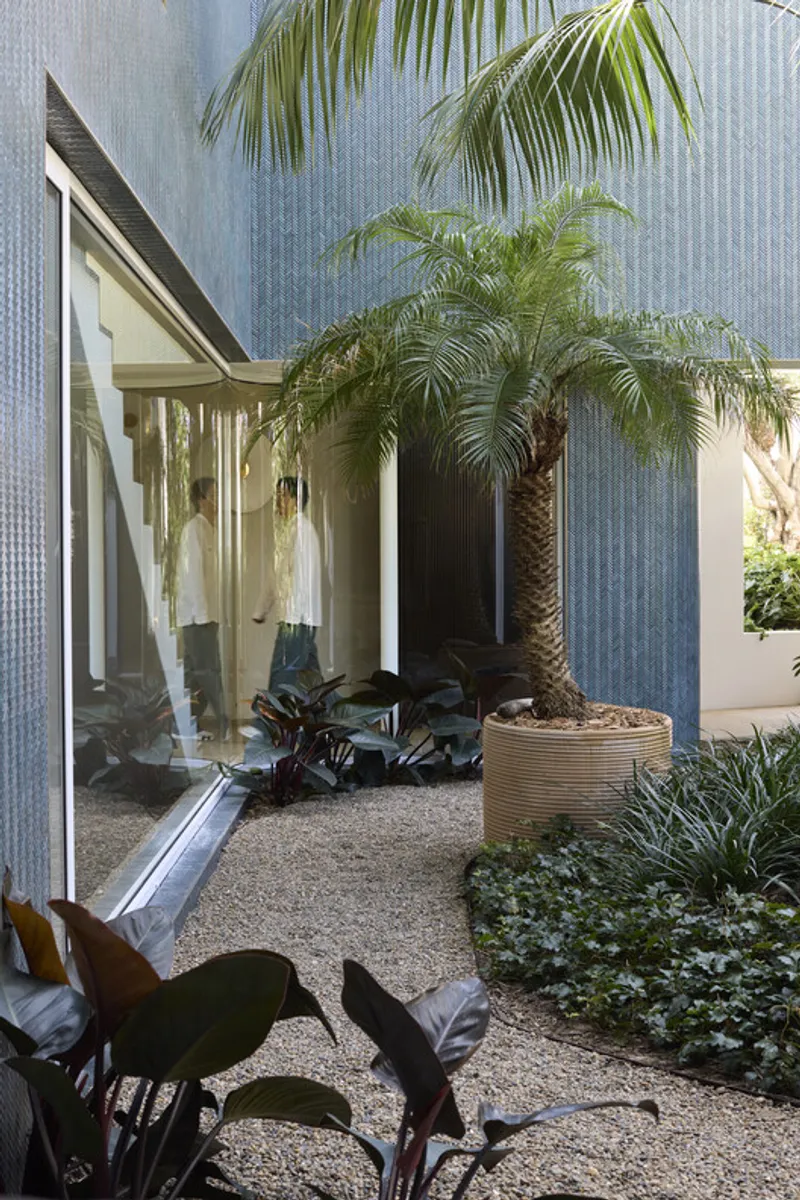
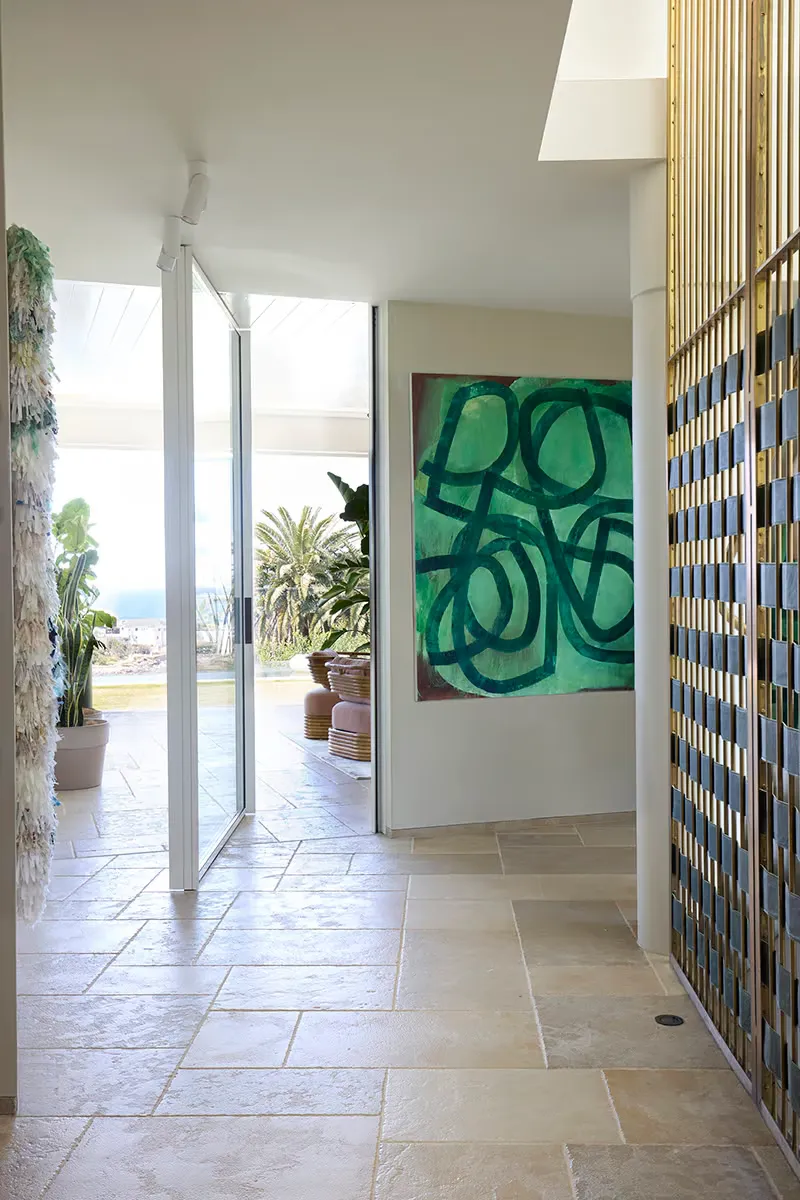
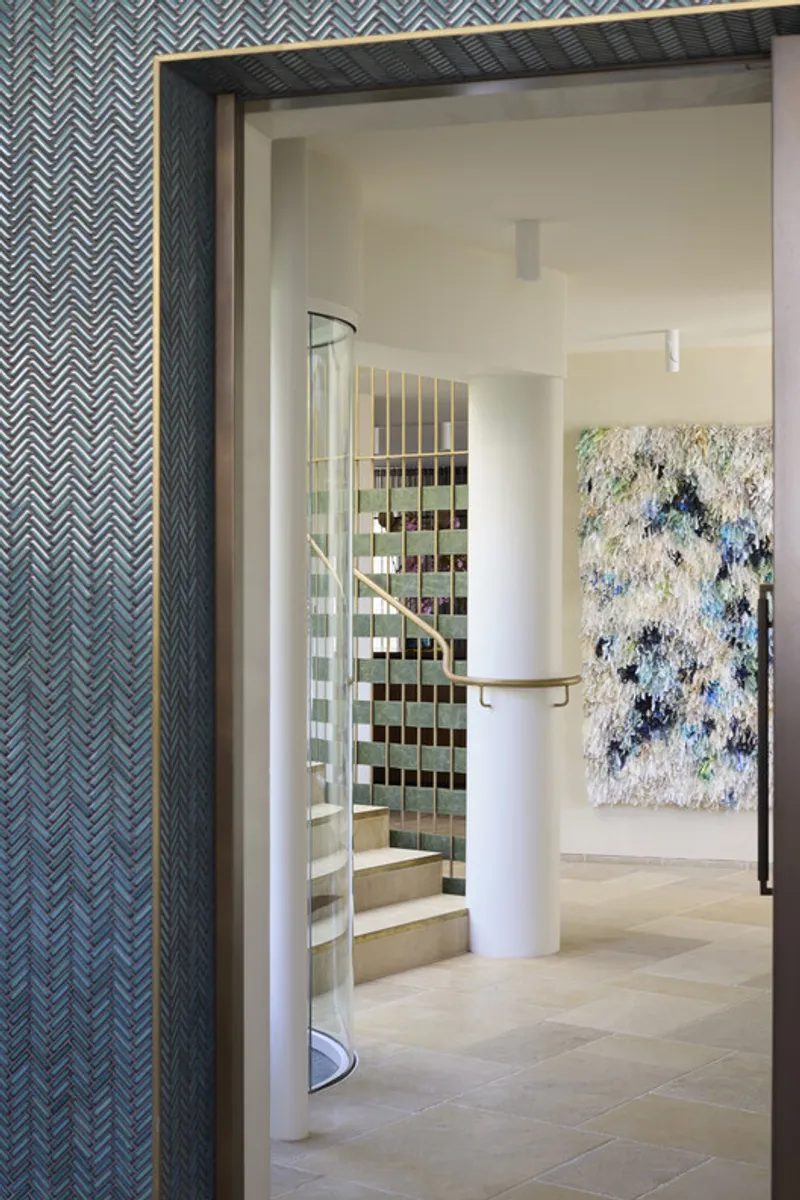
At the center of this transformation emerges a visual gem: walls clad in teal chevron mosaic tiles, evoking the Groper’s iridescent scales. Depending on sunlight, the colors oscillate between turquoise and deep green, overlayed by the movement of shadows and plant reflections. Together with a new subtropical garden, this courtyard creates a tranquil microclimate—a living canvas that grounds the home in its coastal ecology.
Spatial Sequence and Experience
Descending from the upper bedrooms, the main stair—accented with brass detailing and a woven screen—unfolds toward the courtyard like a ceremonial descent into a lush grotto. This gesture echoes the elevated pole houses of tropical architecture, where living is suspended between canopy and earth.
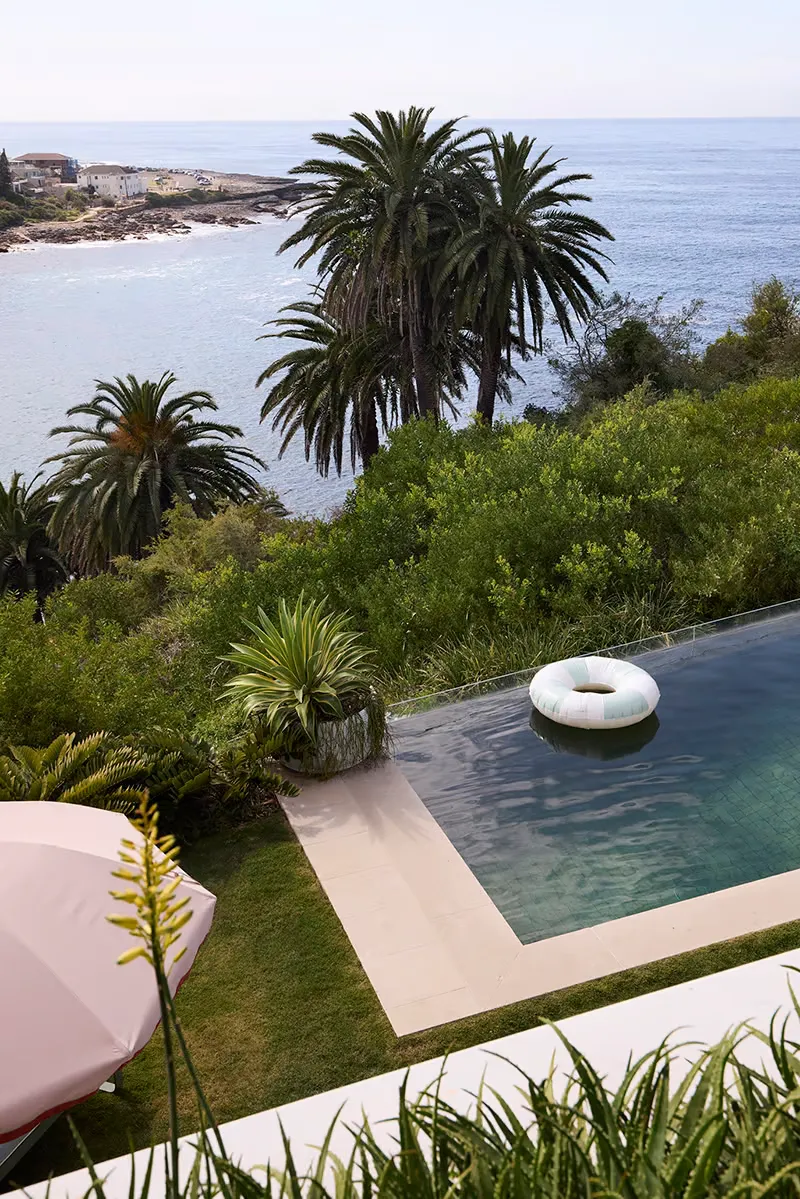
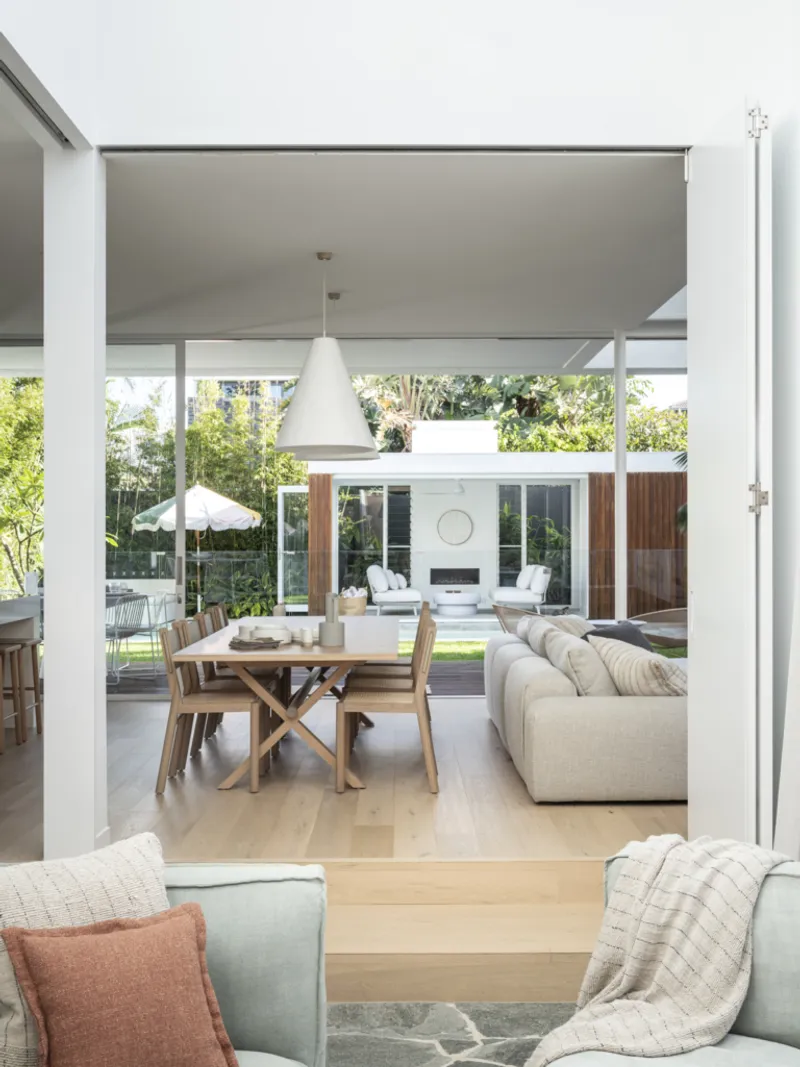
Within, interior spaces maintain a seamless relationship with the garden and bay. Natural textures, warm finishes, and precise craftsmanship characterize Rosselli’s approach, emphasizing sensual tactility over ostentation.
The Glass Veranda: A Shimmering Canopy of Light
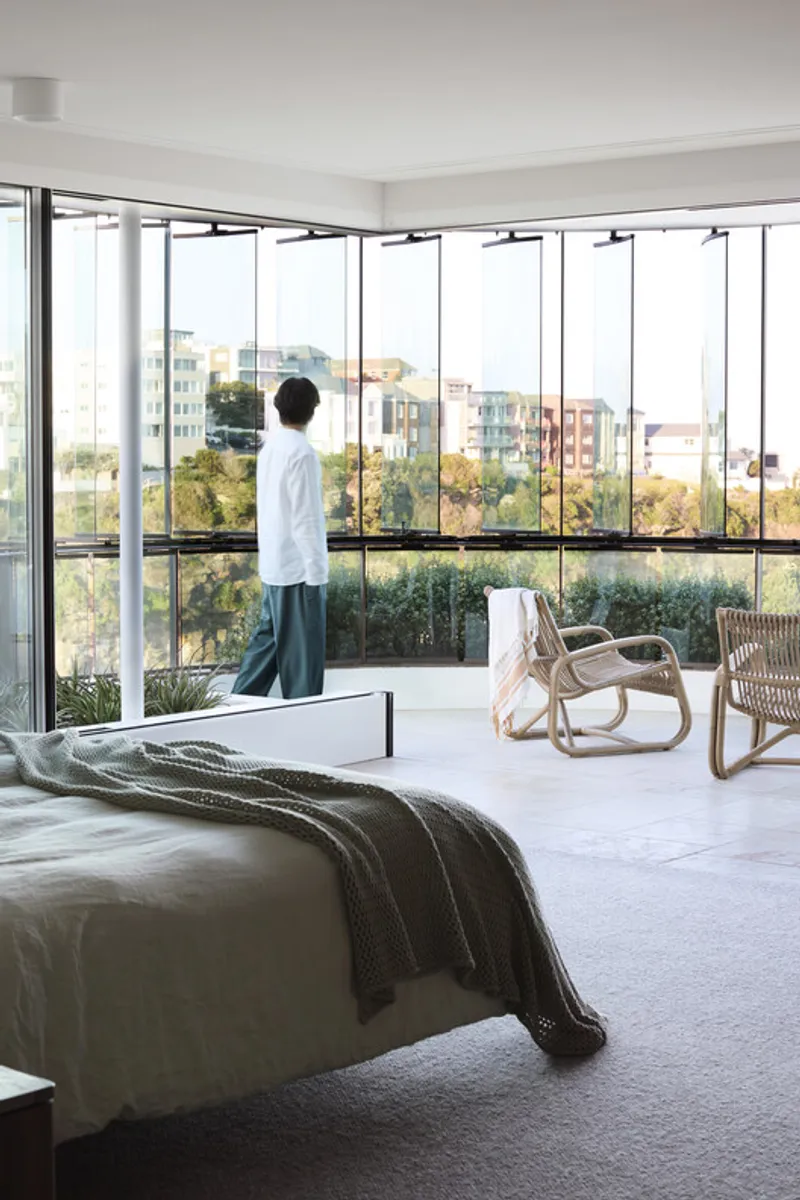
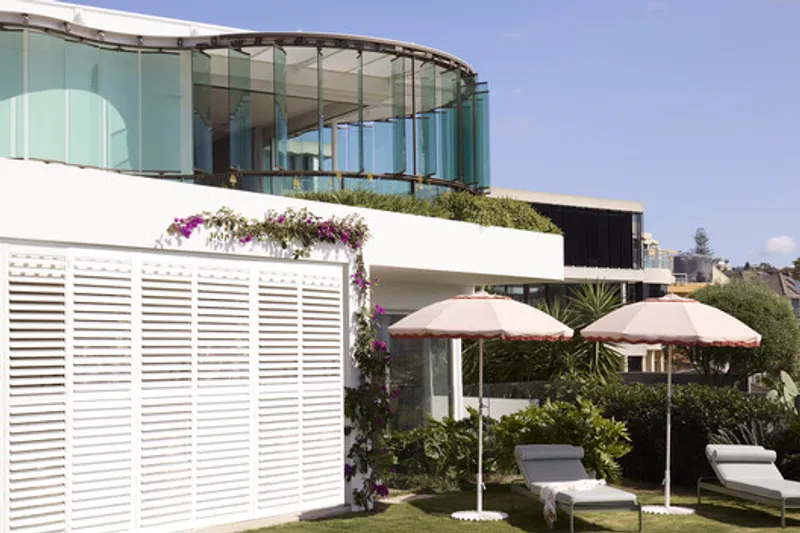
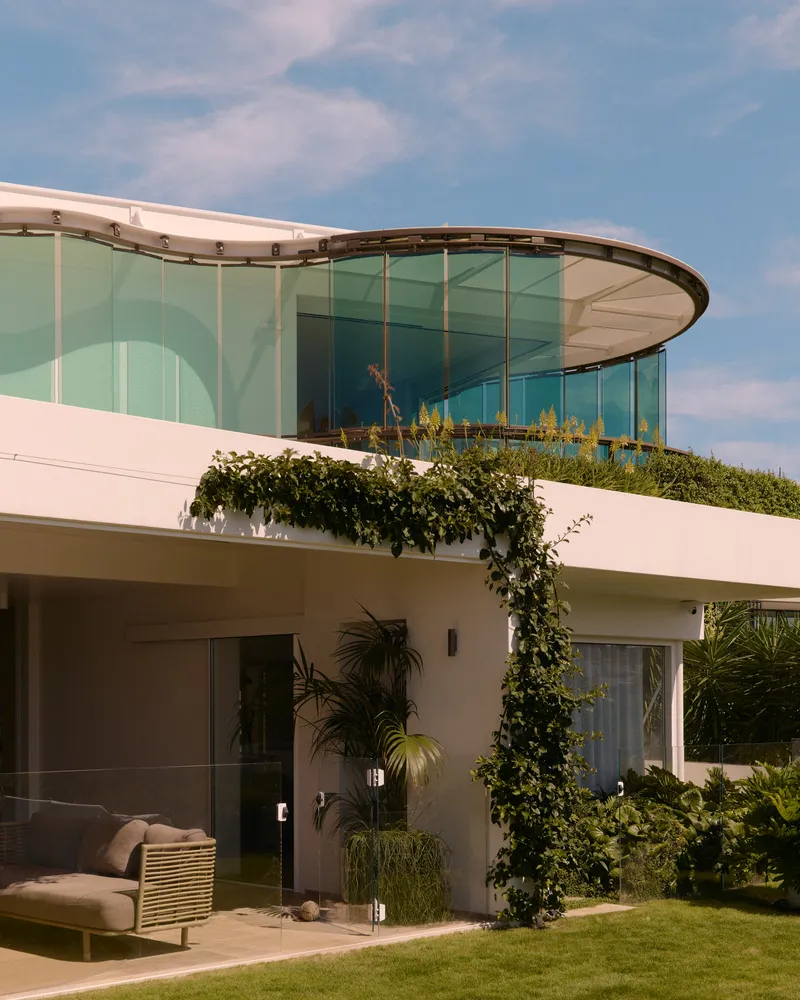
The architectural centerpiece lies in the master suite’s glass veranda, a reinterpretation of the traditional Australian veranda reimagined through material innovation. Designed in collaboration with Tilt Industrial Design, the enclosure employs vertically curved glass louvres—mechanically synchronized via a system of gears and chains—that can fully open to capture the coastal breeze or close to form a luminous shield.
The intent was to create an enclosure that both protects and glows, shimmering like oceanic scales in the sunlight. The glass was custom-tempered and emerald-tinted, sourced from the adjacent glass manufacturing facility owned by the client’s neighbor, ensuring a local, sustainable production process.
The mechanical precision of its fabrication—using stainless steel and UV-stable resins—ensures durability in the harsh marine climate while achieving the elegance of kinetic sculpture.
Sustainability and Craft
Throughout the project, the architects and clients pursued a minimal-impact approach. By recycling major structural components and optimizing material use, the renovation exemplifies an architecture of light intervention rather than wholesale replacement.
The result is a design that balances austerity and opulence, where every addition is purposeful, refined, and rooted in the poetry of reuse. The careful preservation of embodied energy and incorporation of locally sourced materials make the home a model for environmentally conscious luxury.
Material Palette and Interior Design
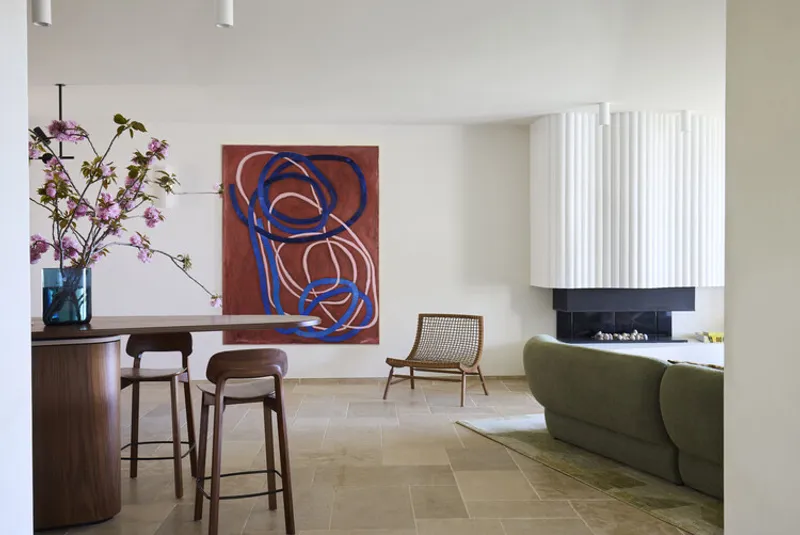
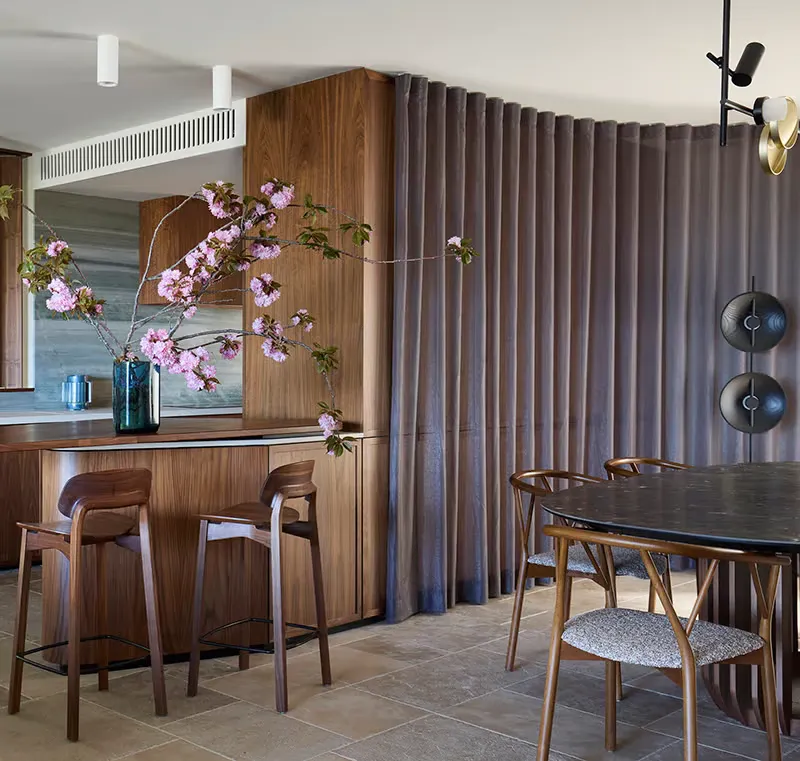
Internally, Emerald Sound House radiates warmth through tactile richness. Recycled timber joinery, natural stone, and metallic accents interconnect to form a resonance between indoor texture and outdoor shimmer. Layered lighting—both natural and artificial—enhances the interplay between ocean reflections and interior surfaces, capturing Coogee’s shifting luminosity throughout the day.
The harmony of palette and proportion emphasizes Rosselli’s sculptural sense of domestic atmosphere—spaces designed as experiences rather than compositions, where material, movement, and light merge into a single narrative.
A Home Reborn as Habitat
Emerald Sound House stands as a living metaphor for its name: green, reflective, and alive. By retaining and reinterpreting the existing, Luigi Rosselli Architects proves that transformation can be achieved through restraint and precision rather than demolition.
This is a home that listens—to its environment, its history, and its occupants. A house that sings the hymn of coastal regeneration, shimmering like fish scales beneath the austral sun.
All the Photographs are works of Prue Ruscoe




Popular Articles
Popular articles from the community


Riyadh For All: Intergenerational Urban Design for Active Aging in Rabat
Riyadh For All reimagines urban design in Rabat with intergenerational co-living, adaptive courtyards, and Moroccan cultural exchange today.

The Earth Pod: 3D Printed Homes for Resilient Refugee Communities
The Earth Pod reimagines refugee housing through 3D printed homes made from clay, combining resilience, self-sufficiency, and rapid shelter.

Co-life: Sustainable Architecture for Age-Friendly Community Living
Co-life reimagines sustainable architecture for seniors through courtyards, rammed earth, shared gardens, and spaces designed for belonging.

The Ocean Hive: Sustainable Architecture for a Self-Sufficient Civilization at Sea
The Ocean Hive imagines sustainable architecture at sea, where modular habitats, algae, wave power and ocean waste sustain a growing colony.


Similar Reads
You might also enjoy these articles


Hodi-Mandai Geram
Project Function: Preservation and revitalization of the Intangible heritage and socio-spatial identity of the Hodi by Housing, Cultural Memory Center, Sacred Grove, landscape, local tourism economy


Olio Towers: A Mid-Rise for Performers That Fuses Housing, Rehearsal, and Stage
Located blocks from Houston's Theater District, this modular tower stacks living units around a central performance atrium.

Oasis: Modular Green Housing Carved into Dhaka's Urban Fabric
A shortlisted Plugin Housing entry reclaims unauthorized settlements in Dhaka with stepped concrete volumes, green roofs, and ventilation-driven design.

Black Hole: A Floating Megastructure for the Post-Physical Era
Emiliano Mazzarotto envisions a spherical, self-scaling arena where e-sports, digital hotels, and holographic stadiums replace traditional public space.


Explore Architecture Competitions
Discover active competitions in this discipline



Challenge to reimagine the Iron Throne


Photograph architecture without architects


Illustrate the lost glory of Angkor Wat - Render Challenge


Design challenge to reuse E-waste
Comments (0)
Please login or sign up to add comments
No comments yet. Be the first to comment!