
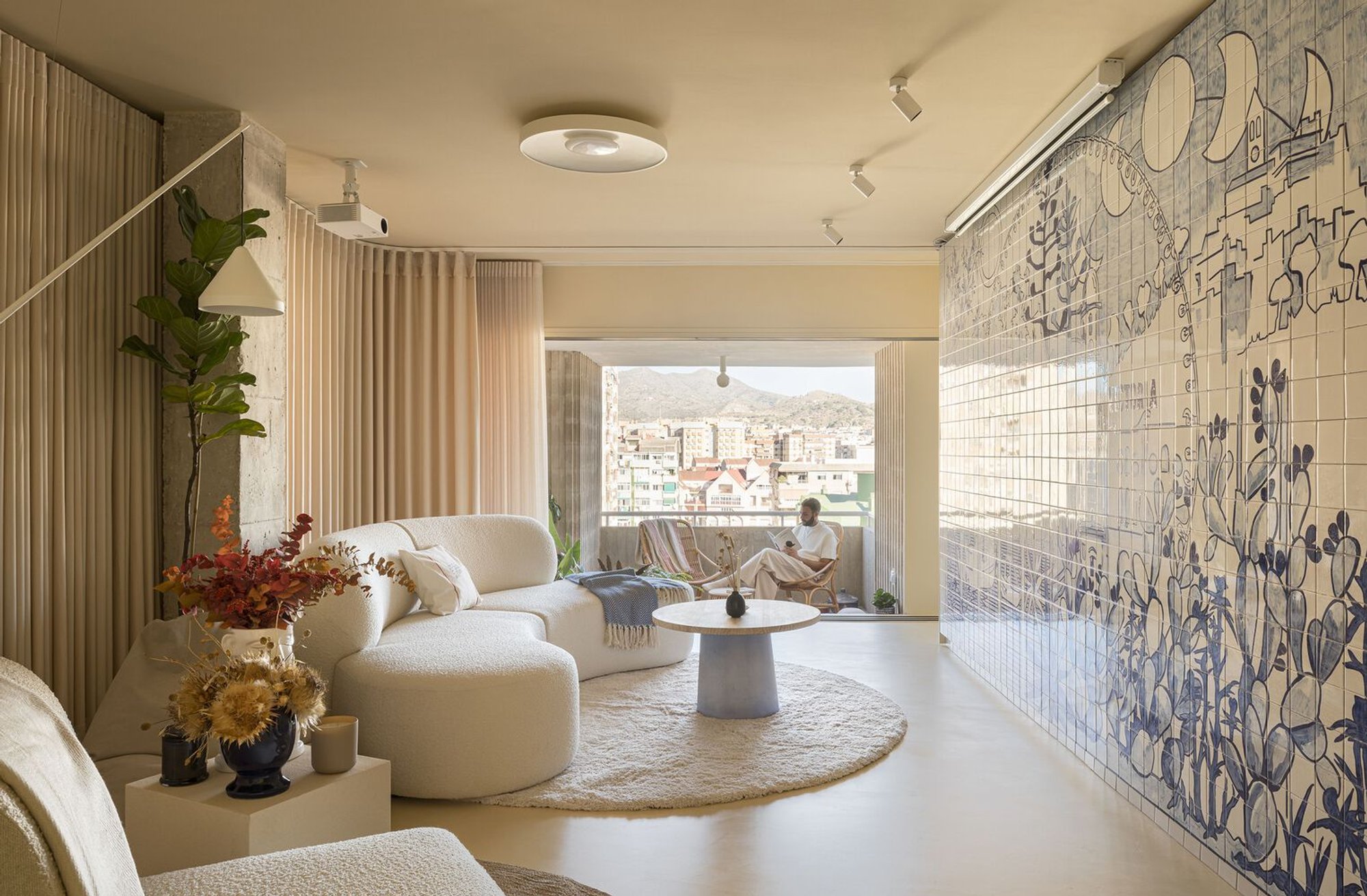
Engawa House by FORarquitectura: A Sensitive Renovation Rooted in Rural Heritage
Engawa House by FORarquitectura revitalizes a 19th-century rural home in Málaga, blending historical preservation with sustainable, timeless design.

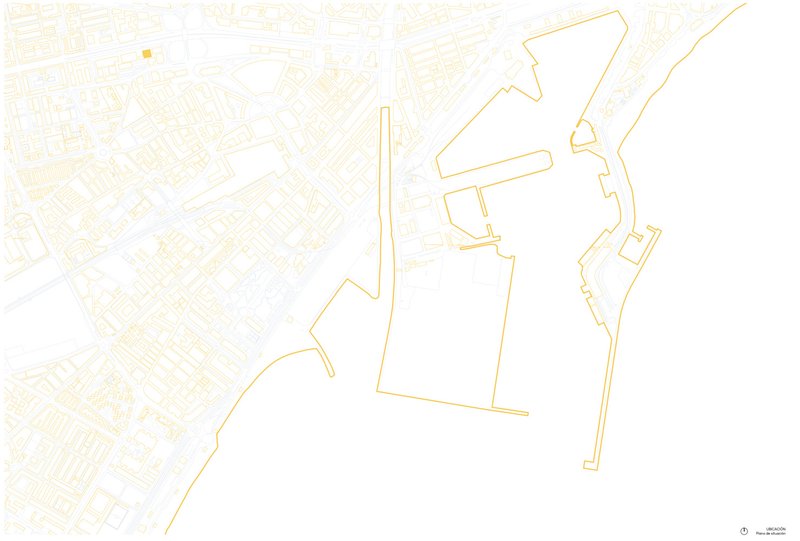
In the fertile landscape of Málaga, Spain, where the earth reveals the stones of its subsoil, FORarquitectura undertakes a thoughtful architectural intervention: the renovation of a humble 19th-century rural dwelling, now known as Engawa House. This 155-square-meter project, completed in 2022 under the direction of lead architect Francisco Ortega Ruiz, stands as a testament to preserving cultural memory while embracing contemporary living standards.
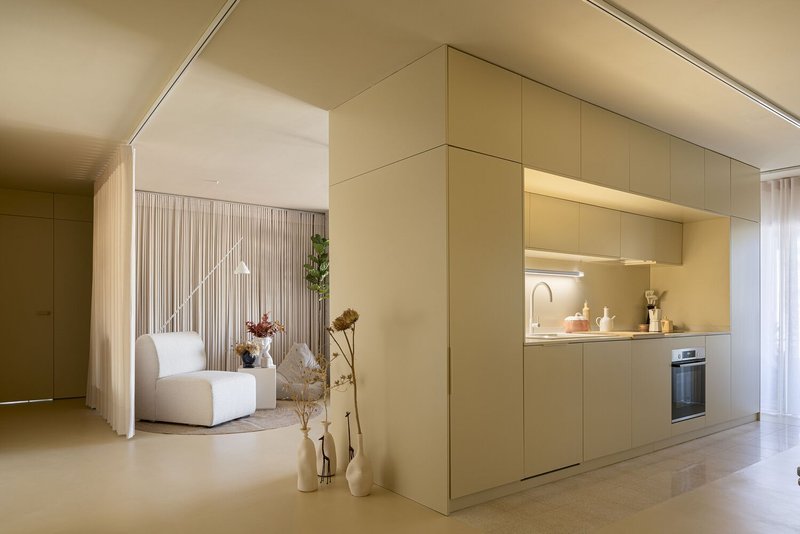
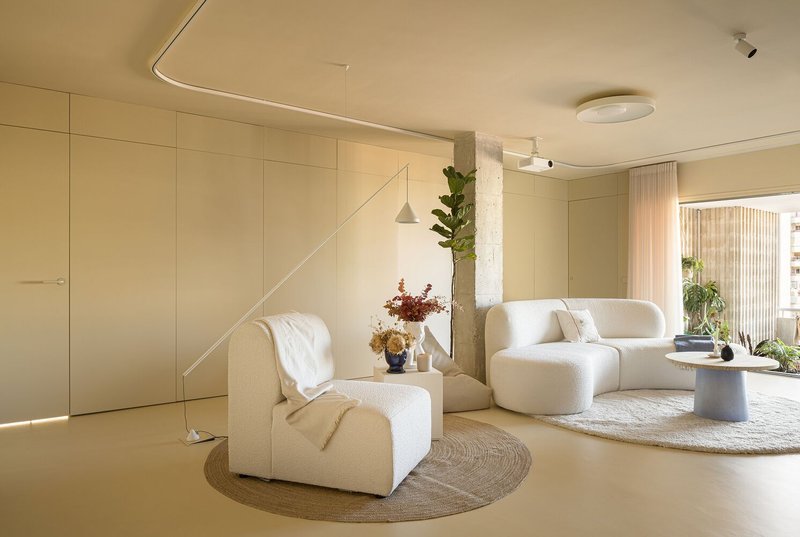
Preserving Rural Identity Through Architecture
Engawa House was originally a substandard residence, suffering from a severe lack of sanitary infrastructure, poor indoor air quality caused by rising dampness, inadequate ventilation, and an absence of thermal insulation for colder months. The structure’s precarious condition posed major safety risks, making it uninhabitable. However, the home’s deep-rooted connection to the landscape, its historical construction methods—including the use of "Cantilla" stone blocks, a material historically associated with Málaga's Cathedral Naves—and its cultural significance within the Axarquia region inspired FORarquitectura to pursue a respectful and sensitive architectural renovation.
Rather than erasing the home’s historical footprint, the design team chose to amplify it, reinforcing the importance of safeguarding rural architectural heritage that often risks being forgotten in the face of modernization.
Structural Consolidation and Material Dialogue
One of the critical interventions focused on stabilizing the original roof, which was close to collapsing due to weakened wooden beams damaged by woodworm. To preserve the existing structure, a discreet iron substructure was introduced to support the beams without compromising the building’s historical character.
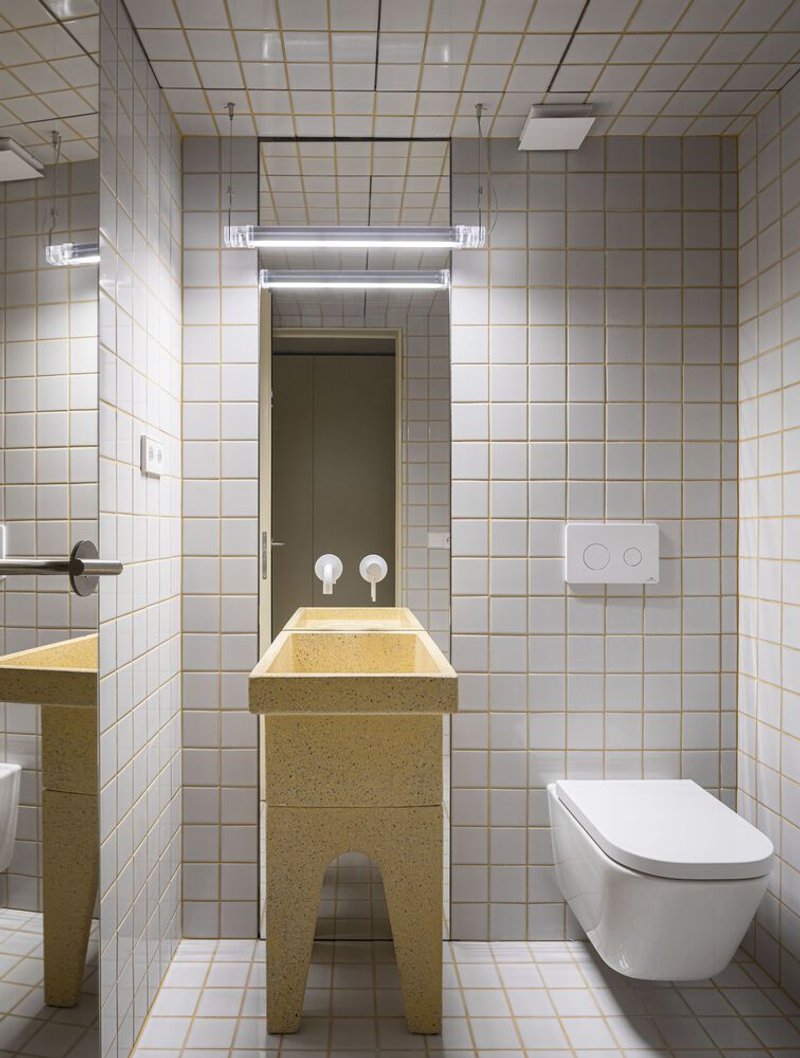
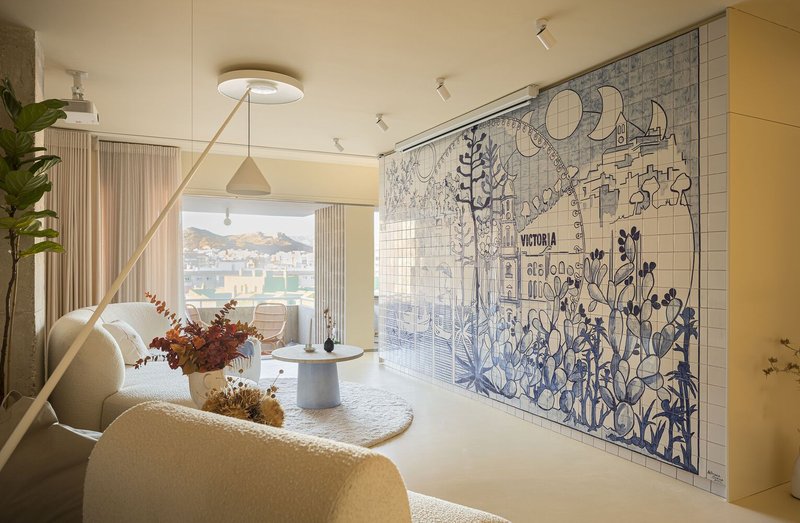
The interior layout of the house remains largely intact, respecting the original spatial organization. Instead of radical transformations, FORarquitectura opted for a rehabilitation strategy that brings a new material language in dialogue with the old. Throughout key areas such as the hallway, bedrooms, and bathrooms, 14x28 cm Catalan tiles were installed up to a height of 2.10 meters—matching the lintel heights of the doorways—to create a warm, protective tapestry.
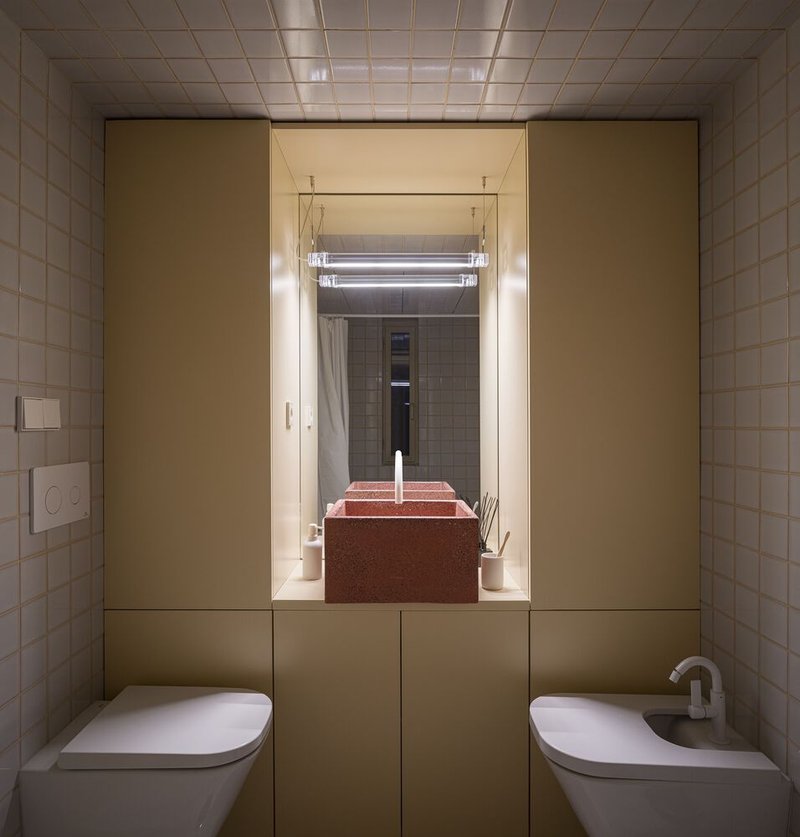
In the bathrooms, the design subtly shifts: tiles are resized to 5x25 cm around the sink area to differentiate wet spaces, while glazed black ceramics mark high-moisture zones like the bathtub and kitchen countertop. The terracotta flooring, a relic of the past, was meticulously scraped, sanded, and sealed with resin to preserve its rustic beauty.
Walls coated in natural lime mortars ensure a breathable and healthy indoor environment, preventing condensation while regulating temperature through thermal buffering. These materials not only enhance energy efficiency but also support sustainable living by naturally cooling the interiors in summer and retaining warmth during the cooler months.
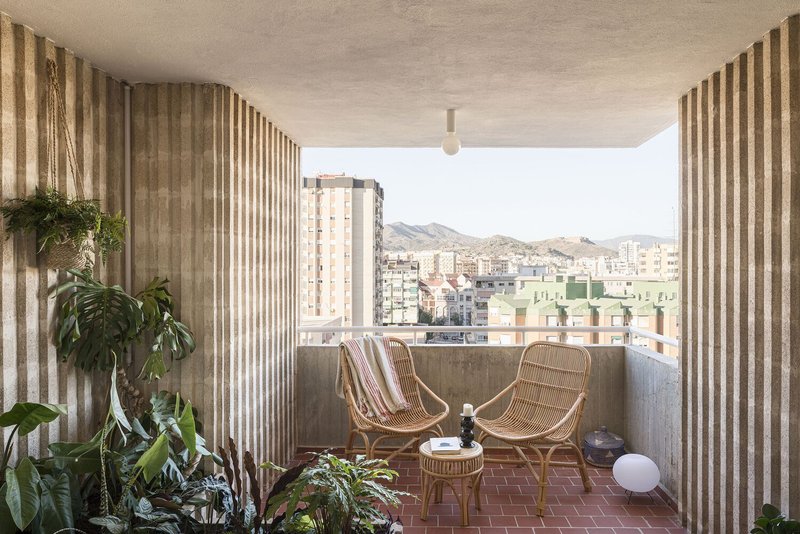
Spatial Zoning: Intimate vs. Public Realms
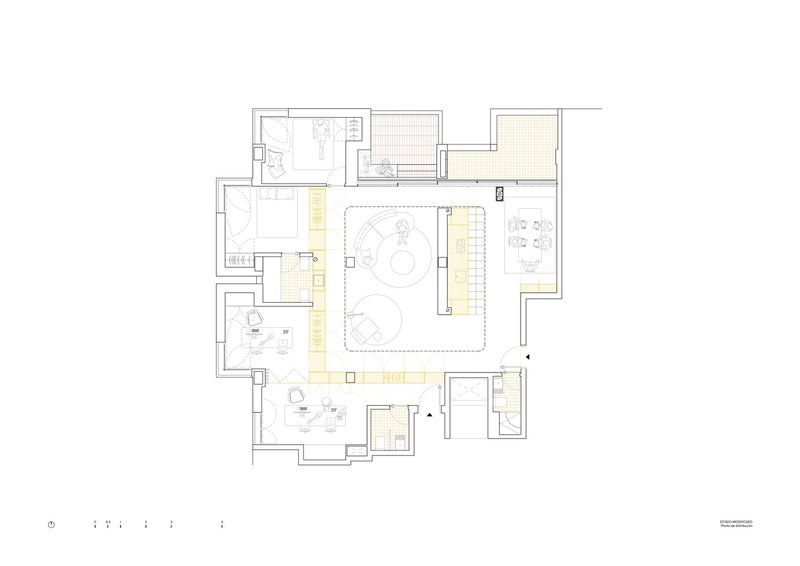
The Engawa House is subtly zoned to differentiate private and public functions. On the eastern side, the intimate program unfolds, housing the bedroom, hallway, and bathroom—spaces that demand privacy and introspection. In contrast, the western nave accommodates the living room, workshop, and kitchen—areas designed for community, creativity, and daily life.
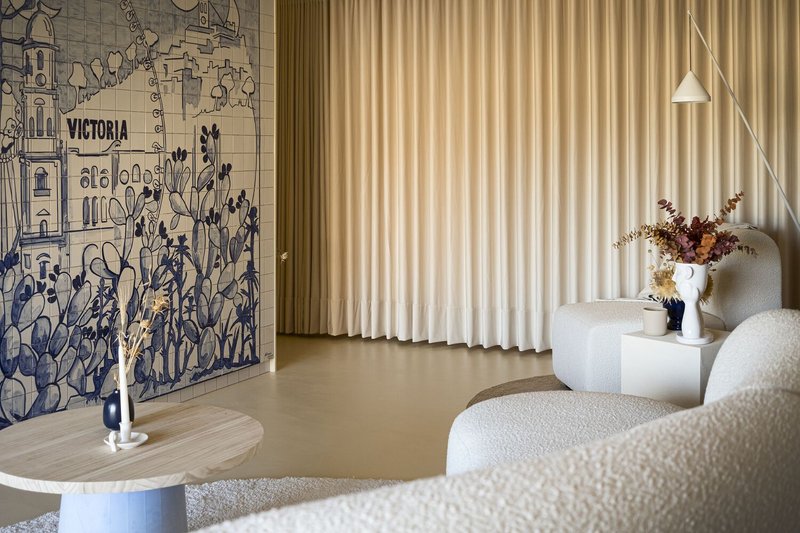
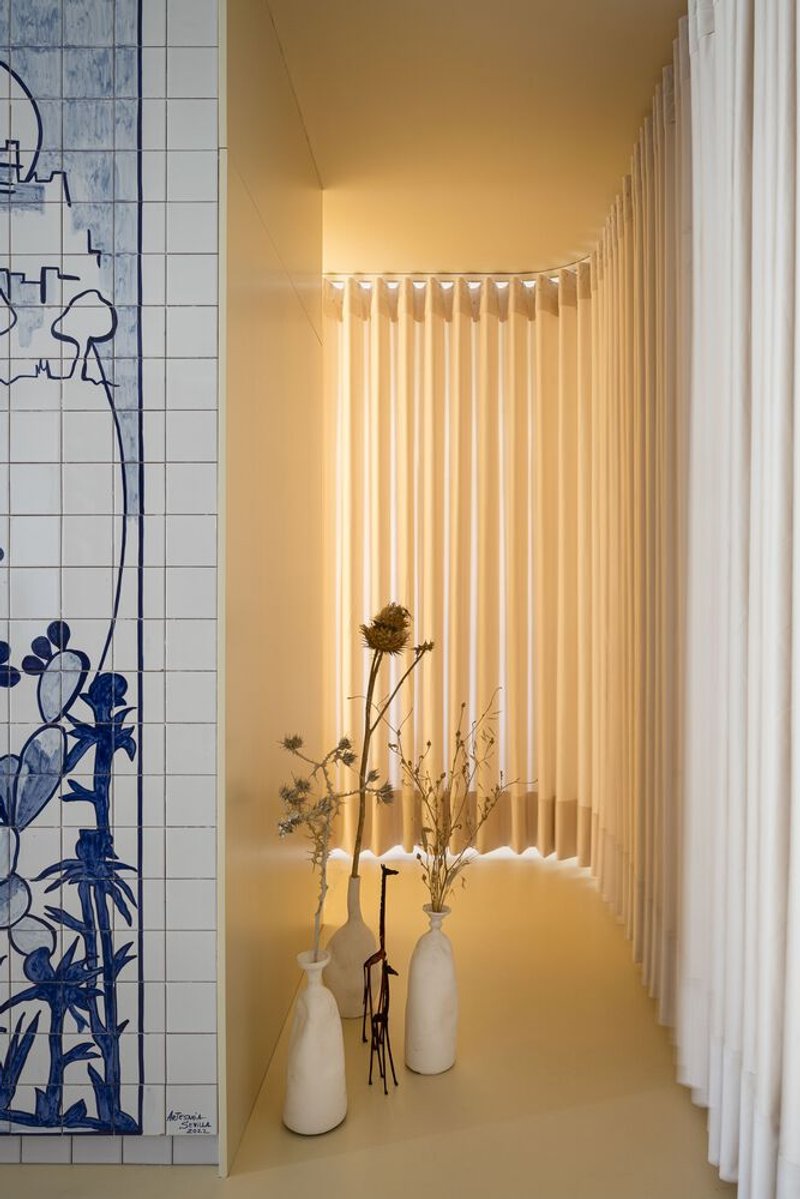
This separation is reinforced through interior design choices that emphasize light, materiality, and thermal comfort, creating environments that invite users into a sensory journey. Here, material austerity and soft natural light work together to cultivate an atmosphere of calm, sobriety, and hospitality, encouraging contemplation and reflection.
All Photographs are works of Juanca Lagares




Popular Articles
Popular articles from the community

Fausto Terán and Toro Fuse Japanese Craft with Mexican Tradition in a Lakeside Retreat
Nakamura House pairs Shou-Sugi-Ban charred pine with handmade clay tile at the foot of Atlangatepec Lagoon in Mexico.
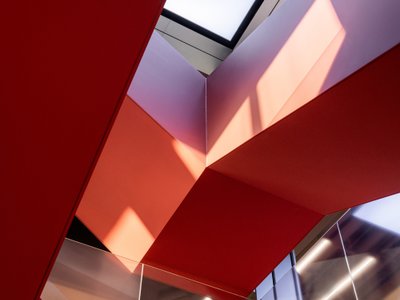
Ippolito Fleitz Group Identity Architects Turn Eight Floors in Shanghai into a Vertical Creative City
Publicis Groupe's new headquarters in Xintiandi reimagines the office as a courtyard-driven urban landscape stacked across eight floors.
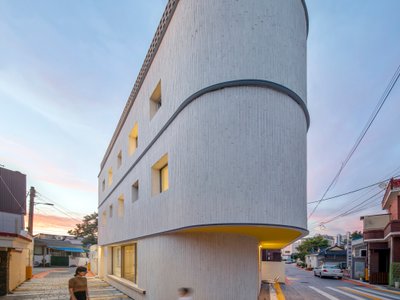
YOAP Architects Round a Corner in Yeongcheon with a Cylindrical Community Hub
A 197-square-meter brick and ribbed-clad tower turns a forgotten alley corner in South Korea into a public garden with a low threshold.

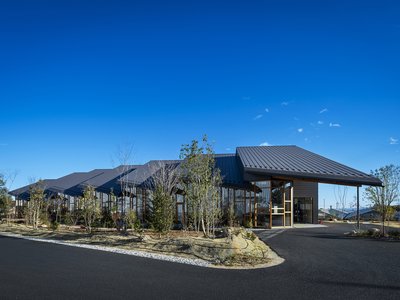
20 Most Popular Office Building Projects of 2025
From biophilic workspaces in India to net-positive energy offices in New Delhi, 20 office building projects that defined architecture in 2025.


Similar Reads
You might also enjoy these articles
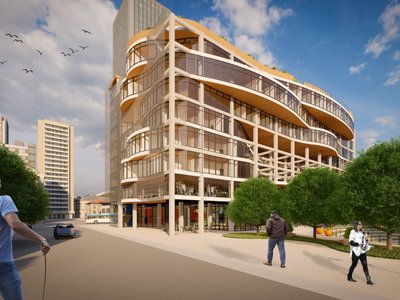
Olio Towers: A Mid-Rise for Performers That Fuses Housing, Rehearsal, and Stage
Located blocks from Houston's Theater District, this modular tower stacks living units around a central performance atrium.
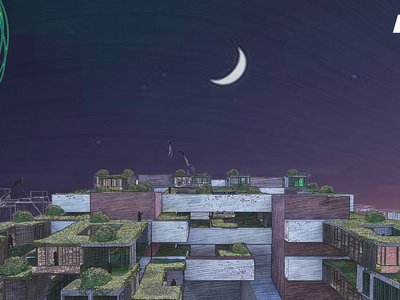
Oasis: Modular Green Housing Carved into Dhaka's Urban Fabric
A shortlisted Plugin Housing entry reclaims unauthorized settlements in Dhaka with stepped concrete volumes, green roofs, and ventilation-driven design.

Black Hole: A Floating Megastructure for the Post-Physical Era
Emiliano Mazzarotto envisions a spherical, self-scaling arena where e-sports, digital hotels, and holographic stadiums replace traditional public space.
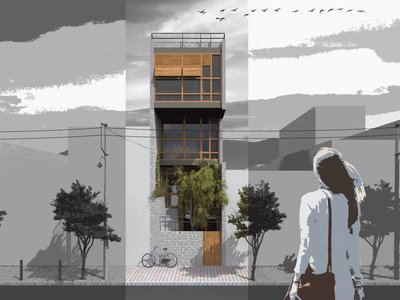
Compact & Sustainable Living in Piraeus: A Four-Level Family Home Built Around Light and Air
A narrow townhouse in one of Greece's densest port cities uses a central atrium and passive strategies to house three generations under one roof.


Explore Architecture Competitions
Discover active competitions in this discipline




The International Standard for Design Portfolios


The Global Benchmark for Architecture Dissertation Awards


The Global Benchmark for Graduation Excellence


Challenge to reimagine the Iron Throne
Comments (0)
Please login or sign up to add comments
No comments yet. Be the first to comment!