

Exhibition Hall Kassel: A Contemporary Wooden Pavilion by Innauer-Matt Architekten
Exhibition Hall Kassel is a sustainable wooden pavilion by Innauer-Matt Architekten, blending historical context, flexible interiors, and innovative natural lighting.


Located in the cultural heart of Kassel, Germany, the Exhibition Hall Kassel by Innauer-Matt Architekten is a striking addition to the city’s rich artistic landscape, home to the world-renowned documenta art festival. Completed in 2022, the 470 m² hall merges contemporary design with historical sensitivity, creating a flexible space for exhibitions, student projects, and large-scale artworks.
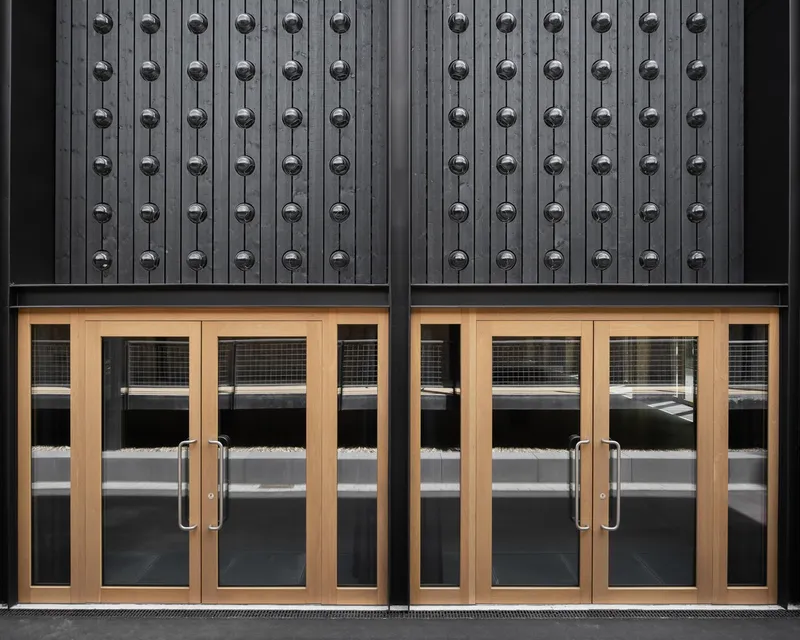

Context and Site Integration
The hall is thoughtfully positioned in the inner courtyard of the historically protected Art Academy, a 1962 building by Paul Friedrich Posenenske, on the edge of the baroque Karlsaue Park. The new structure occupies a space originally conceived by Posenenske for expansion, ensuring a seamless dialogue between past and present. The hall’s rectangular, concentric layout not only respects the original architecture but also activates the courtyard, generating diverse outdoor spaces, including a generous front plaza and a quiet green area featuring seven Beuys trees.
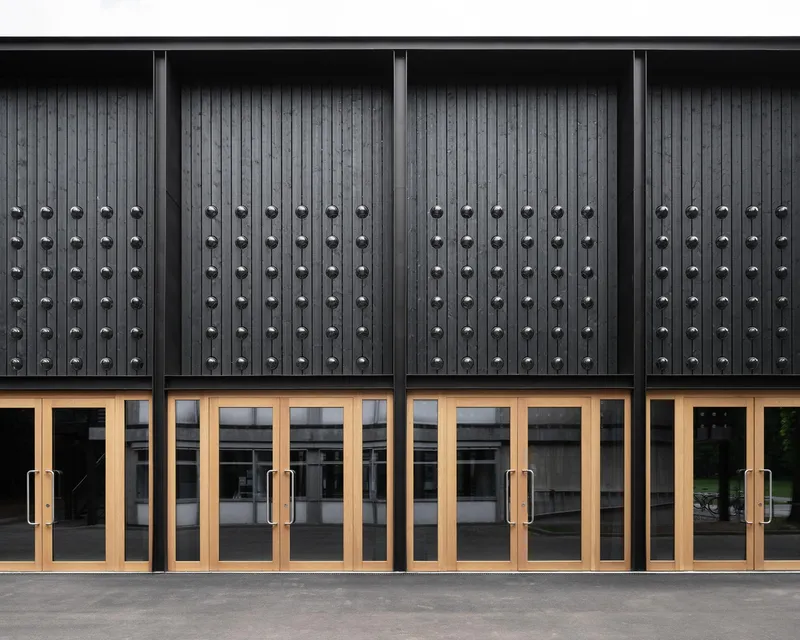
Flexible, Functional, and Open
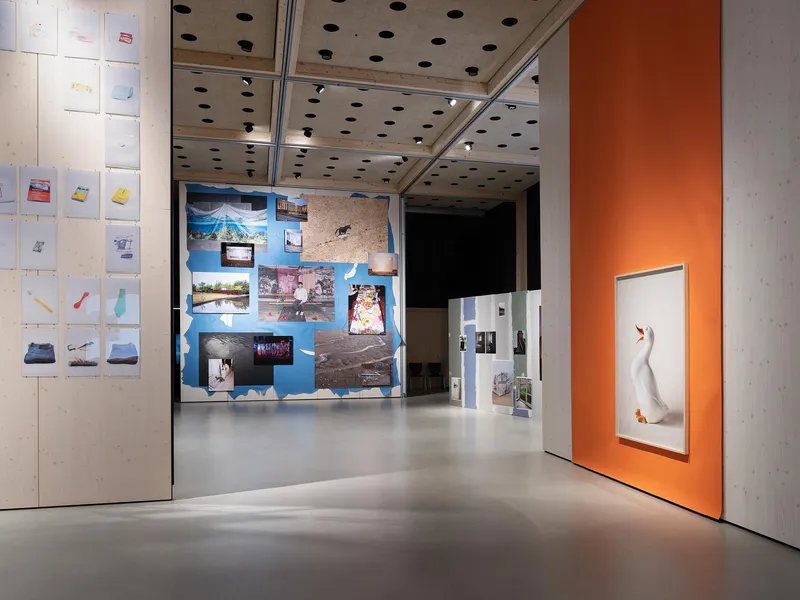
Designed as a multifunctional exhibition lab, the hall accommodates a variety of uses. Its open-plan interior can function as a single, uninterrupted exhibition space or subdivide into multiple work or display zones. The hall’s openable façades allow the boundaries between interior and exterior to blur, fostering dynamic interactions with the courtyard. By eliminating the concept of a “back” side, the building communicates equally with all surrounding spaces, honoring Posenenske’s architectural intent.
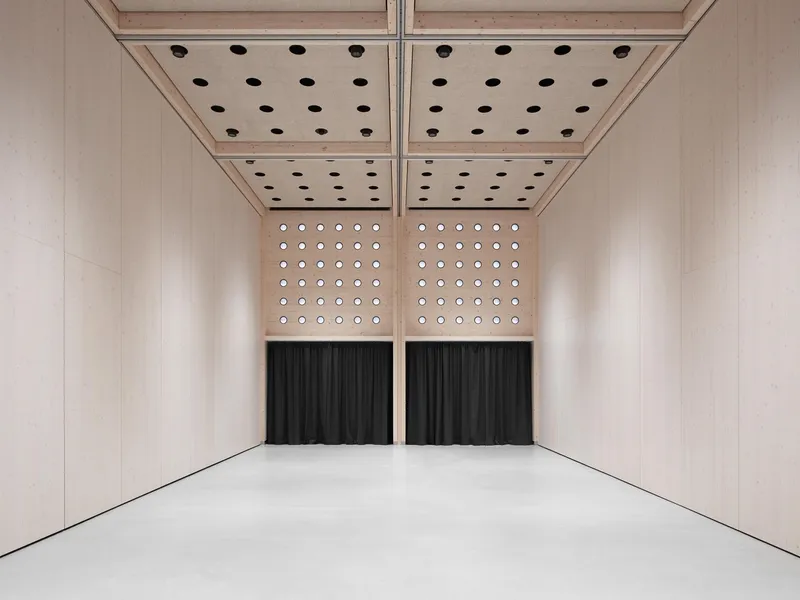
Materiality and Architectural Language
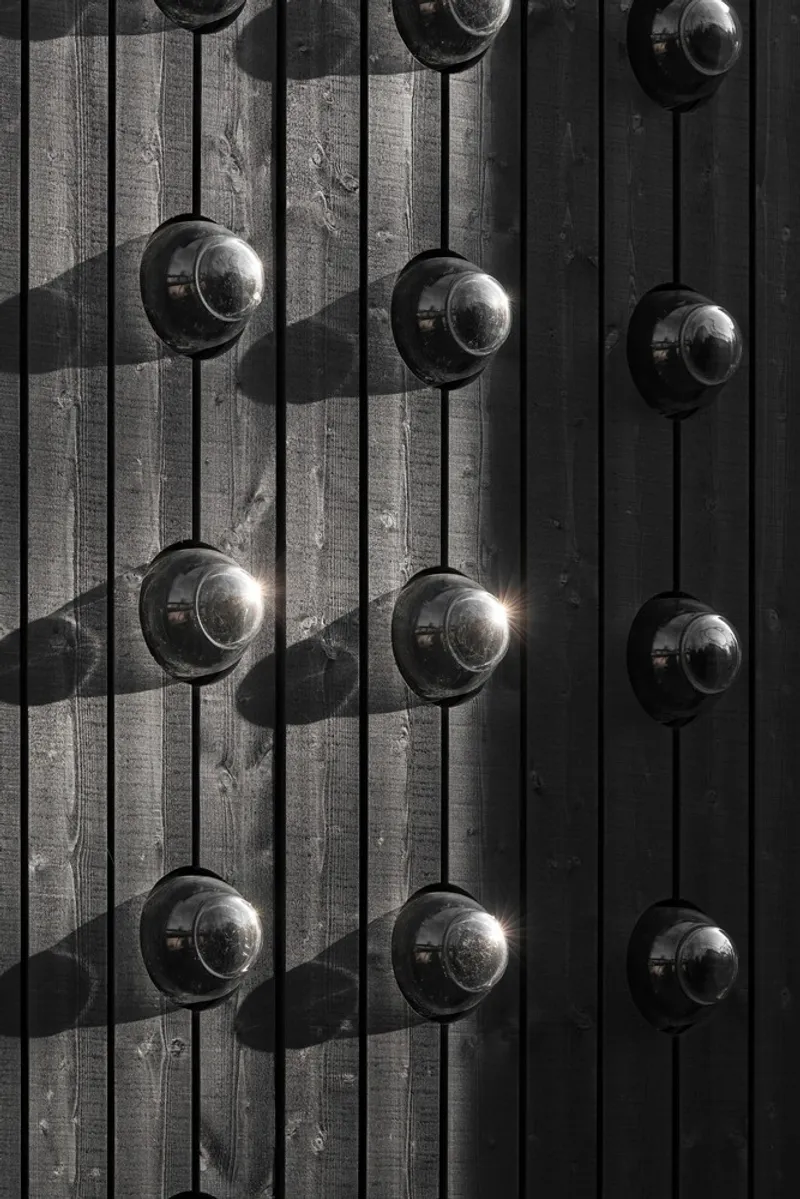
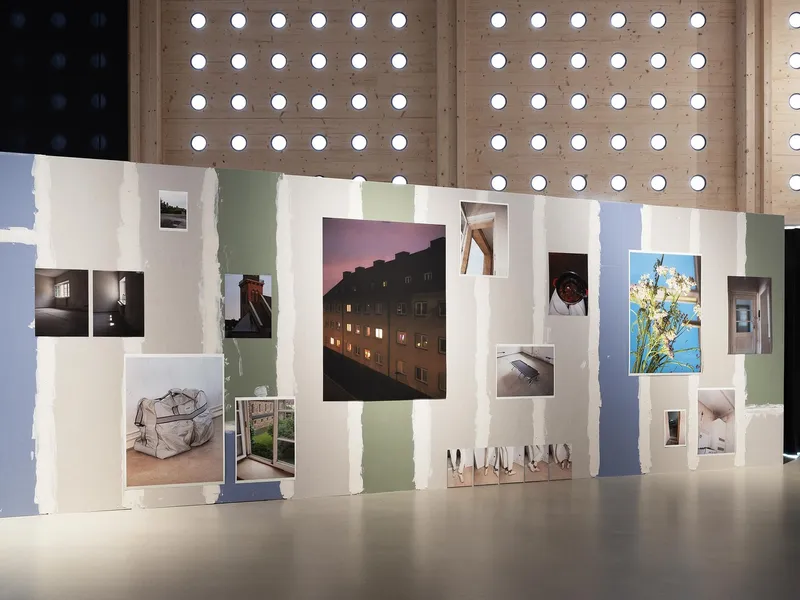
The hall presents itself as a refined wooden pavilion, contrasting with the Art Academy while subtly referencing its most striking elements. Its dark wooden façade echoes the hue of the original steel structure, while the exposed glulam columns, beams, and cross-laminated timber panels reflect contemporary sustainable construction techniques. Raw, untreated wood surfaces inside harmonize with the existing building’s saw-rough concrete textures, creating a tactile and visually cohesive environment.


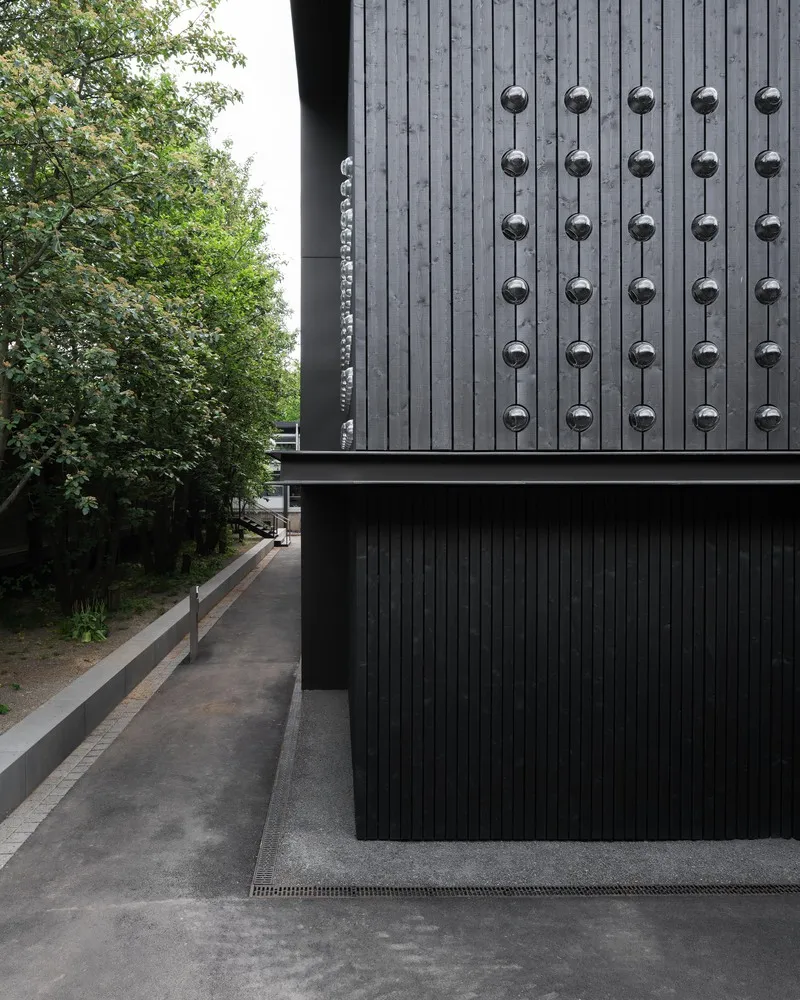
Innovative Lighting and Sustainability
A defining feature of the hall is its upper wall light lenses. The 864 specially curved glass elements diffuse natural light throughout the interior, giving the space a luminous, inviting atmosphere. Constructed entirely of wood, the hall exemplifies sustainable architecture, utilizing glulam for cylindrical components and CLT panels for flat elements, with handcrafted joints ensuring precision and structural integrity. This combination of ecological responsibility, functionality, and aesthetic clarity sets a benchmark for contemporary exhibition design.
The Exhibition Hall Kassel is more than an addition to the Art Academy—it is a flexible, environmentally conscious, and contextually sensitive space. By integrating innovative timber construction, adaptable interiors, and seamless site integration, Innauer-Matt Architekten have created a pavilion that celebrates Kassel’s cultural heritage while looking confidently toward the future.

All photographs are works of Nicolas Wefers


Popular Articles
Popular articles from the community

Manzana Morphosis: Stretching Barcelona's Grid into a Living Landscape for 2050
A radical reworking of the Eixample manzana turns density into a tool for generous public space, vertical ecology, and environmental performance.
Opera on the Sea: Driftwood Logic Shapes a Timber Opera House on Estonia's Coast
Trevor Orgill's opera house translates the entangled drift of floating timber into a civic building where wood, water, and music converge.
Opera by the Sea Estonia: Three Shells Dissolving Architecture into Tallinn's Coastline
A winning opera house proposal replaces monumental form with interconnected shells that blur the boundary between building, park and Baltic Sea.
Tsunami Convergenics: Turning Catastrophic Ocean Forces into Underwater Housing Infrastructure
A speculative underwater settlement off the coast of Onagawa, Japan, treats tsunamis and typhoons as energy sources rather than threats.

Similar Reads
You might also enjoy these articles


Hodi-Mandai Geram
Project Function: Preservation and revitalization of the Intangible heritage and socio-spatial identity of the Hodi by Housing, Cultural Memory Center, Sacred Grove, landscape, local tourism economy


Olio Towers: A Mid-Rise for Performers That Fuses Housing, Rehearsal, and Stage
Located blocks from Houston's Theater District, this modular tower stacks living units around a central performance atrium.

Oasis: Modular Green Housing Carved into Dhaka's Urban Fabric
A shortlisted Plugin Housing entry reclaims unauthorized settlements in Dhaka with stepped concrete volumes, green roofs, and ventilation-driven design.

Black Hole: A Floating Megastructure for the Post-Physical Era
Emiliano Mazzarotto envisions a spherical, self-scaling arena where e-sports, digital hotels, and holographic stadiums replace traditional public space.

Explore Exhibition Hall Competitions
Discover active competitions in this discipline

Challenge to reimagine the Iron Throne

Photograph architecture without architects

Illustrate the lost glory of Angkor Wat - Render Challenge

Design challenge to reuse E-waste
Comments (0)
Please login or sign up to add comments
No comments yet. Be the first to comment!