
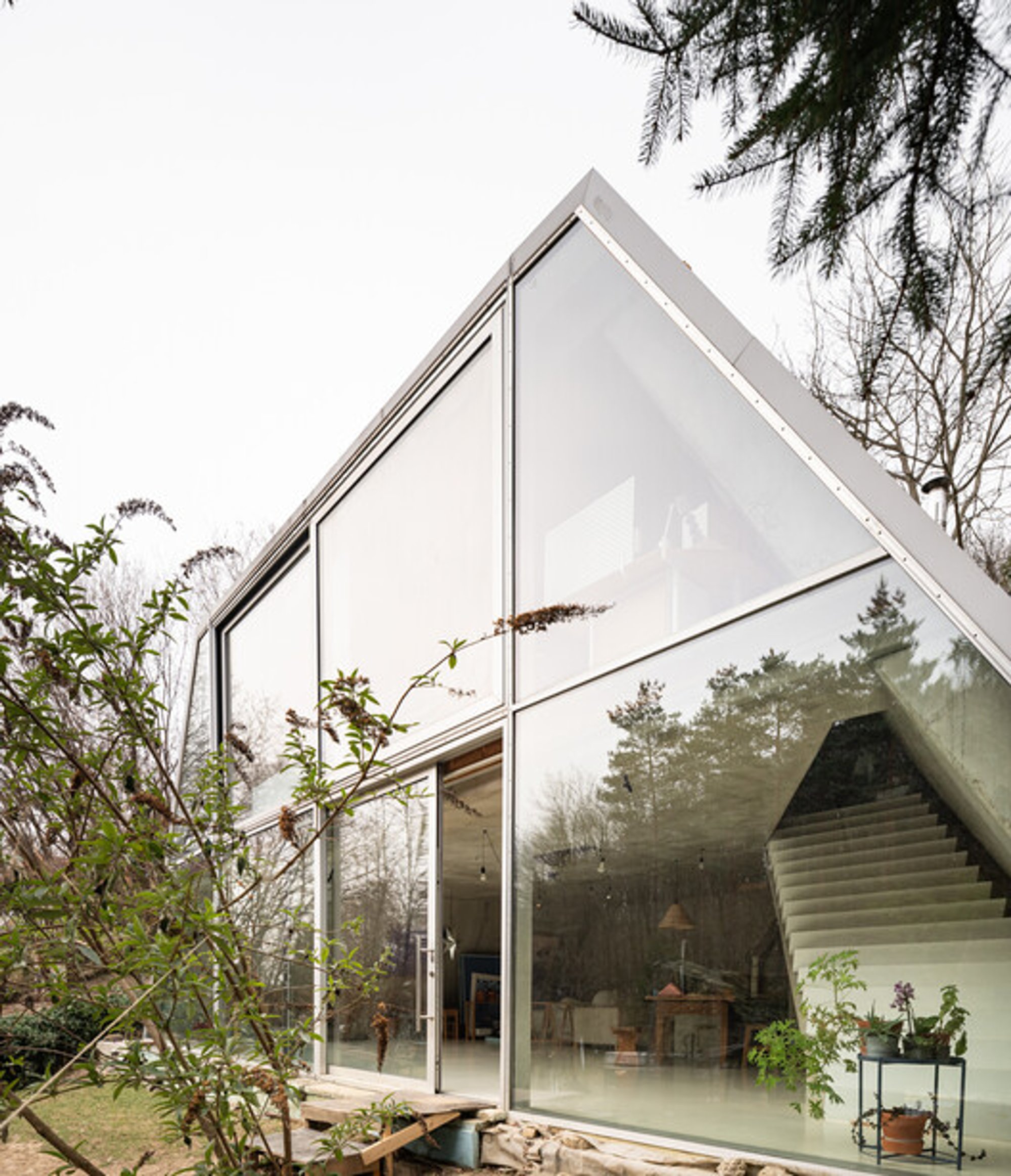
Family House Pernek by Studeny Architects: A Concrete Shell Blending with Slovakian Nature
Family House Pernek by Studeny Architects is a concrete hillside home in Slovakia, blending minimalist design, nature integration, and sustainable living.

Located on the scenic outskirts of Pernek, Slovakia, Family House Pernek by Studeny Architects redefines modern family living through a minimalist yet deeply contextual approach. Designed in 2022, this 200 m² residence sits within the serene landscape of the Small Carpathians mountains, where architecture harmonizes with nature instead of competing against it.
Context and Site
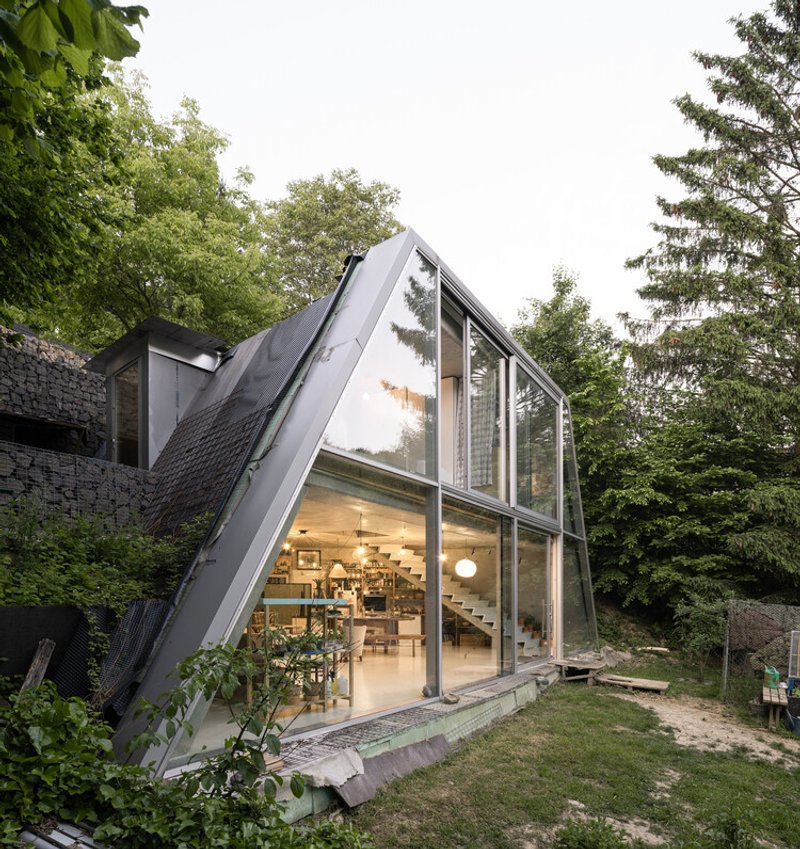
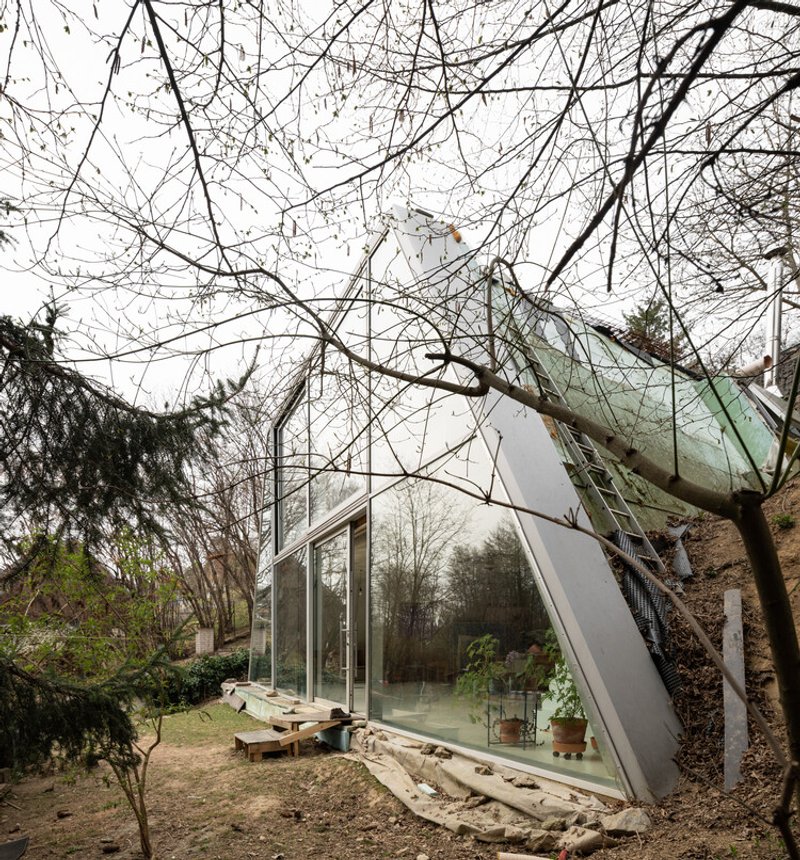
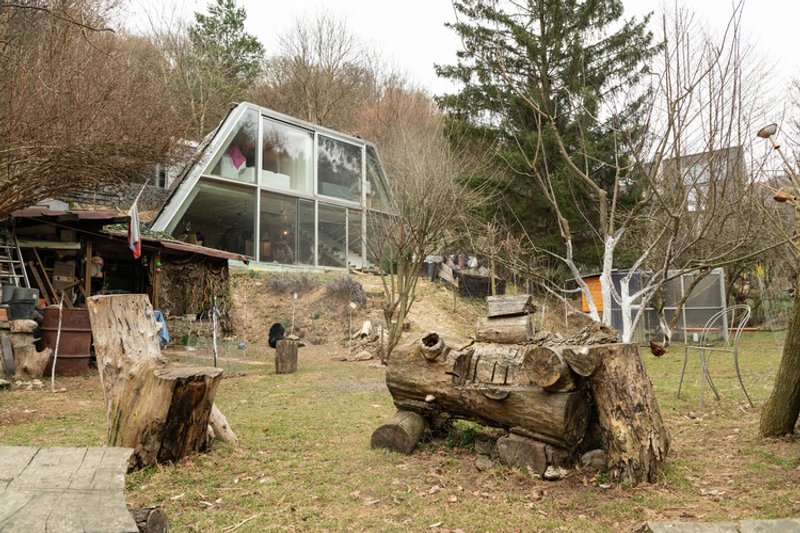
The home was commissioned for a sloped site positioned just below the main road of the village. Instead of resisting the terrain, the architects embraced it. By embedding the home into the slope, they not only stabilized the structure but also maximized views toward the forest across the valley. This thoughtful placement freed the flatter portion of the site for a garden, allowing the family direct access to outdoor space.
Architectural Concept
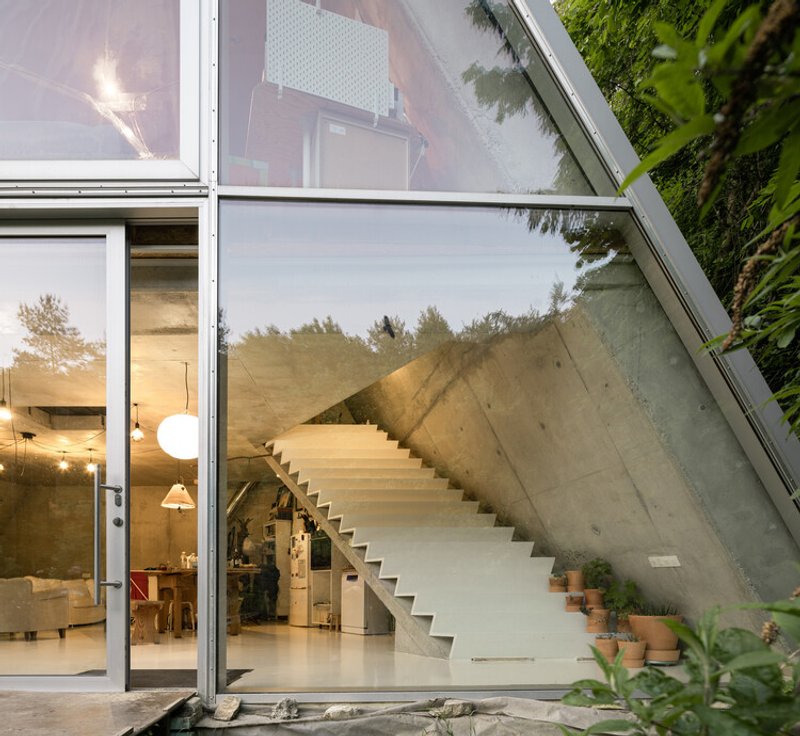
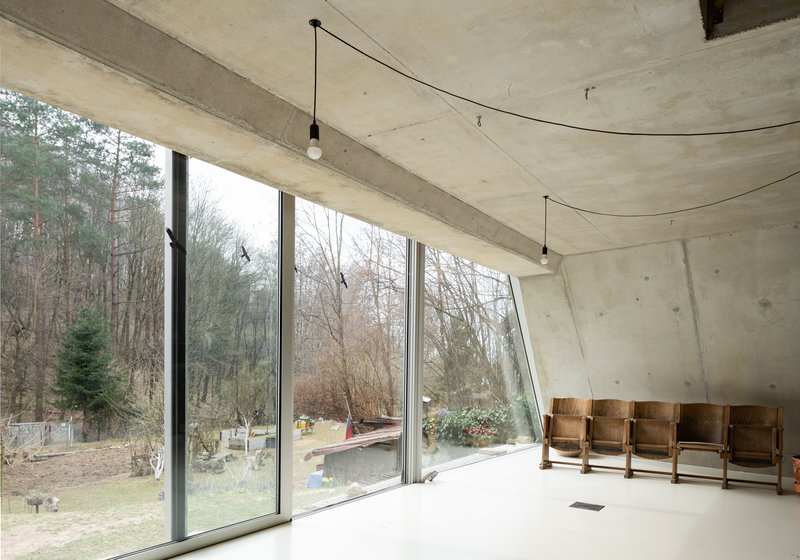
The guiding principle was to create a simple, sustainable house that would be undemanding in both form and materials. The residence was constructed using a monolithic concrete shell, eliminating the need for internal supports and leaving exposed concrete surfaces visible throughout the interior. This robust construction method ensures both structural strength and an aesthetic of raw honesty.
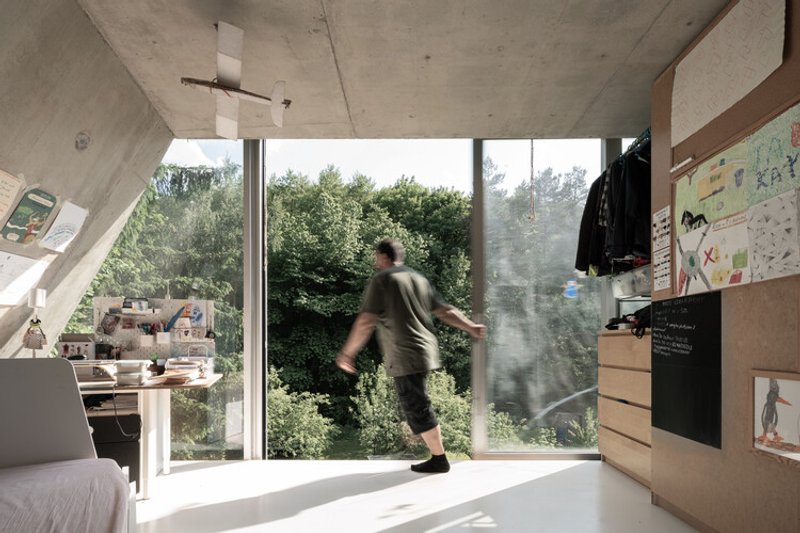
While the home appears understated from the exterior, it opens dramatically through a south-facing glass façade, framing panoramic views of the surrounding forest and garden. The remaining facades are integrated into the slope, with green roofs and grassed surfaces that blend seamlessly with the landscape.
Spatial Organization
The floor plan was designed in the shape of an isosceles trapezoid, reflecting the house’s longitudinal profile and slope integration. Inside, the home is divided across two open floors:
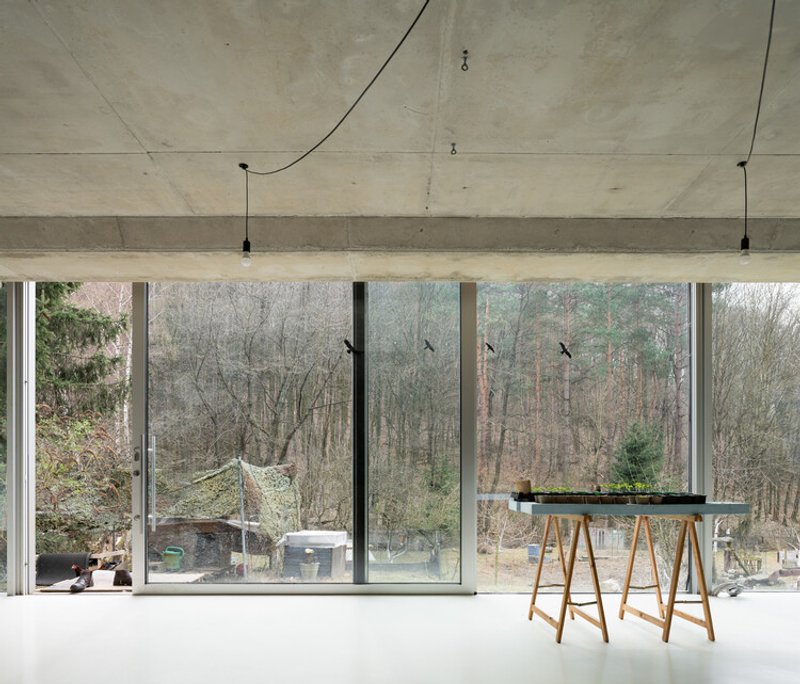
- Ground Floor: A multifunctional space that combines the living room, work corner, parents’ bedroom, kitchen, and dining area. Large sliding glass doors connect directly to the garden, ensuring a constant dialogue between interior and exterior. Technical rooms are discreetly placed, maintaining clean lines and uncluttered living zones.
- A multifunctional space that combines the living room, work corner, parents’ bedroom, kitchen, and dining area.
- Large sliding glass doors connect directly to the garden, ensuring a constant dialogue between interior and exterior.
- Technical rooms are discreetly placed, maintaining clean lines and uncluttered living zones.
- Upper Floor: Designed primarily for the children, featuring two bedrooms, a bathroom, and the main entrance area. Elevated views offer privacy yet maintain the southern orientation toward the forest.
- Designed primarily for the children, featuring two bedrooms, a bathroom, and the main entrance area.
- Elevated views offer privacy yet maintain the southern orientation toward the forest.
Integration with Nature
The home is not designed to dominate but to merge with its environment. Its grass-covered roof and integration into the hillside make it almost invisible when viewed from certain angles. The use of concrete, glass, and minimal detailing reflects a philosophy of restraint, emphasizing sustainability and timelessness.
Family House Pernek by Studeny Architects is more than a home—it is an architectural statement about simplicity, durability, and the essential connection between humans and nature. Through its concrete shell structure, glazed façade, and seamless integration with the slope, it offers a model for contemporary sustainable housing in natural landscapes.
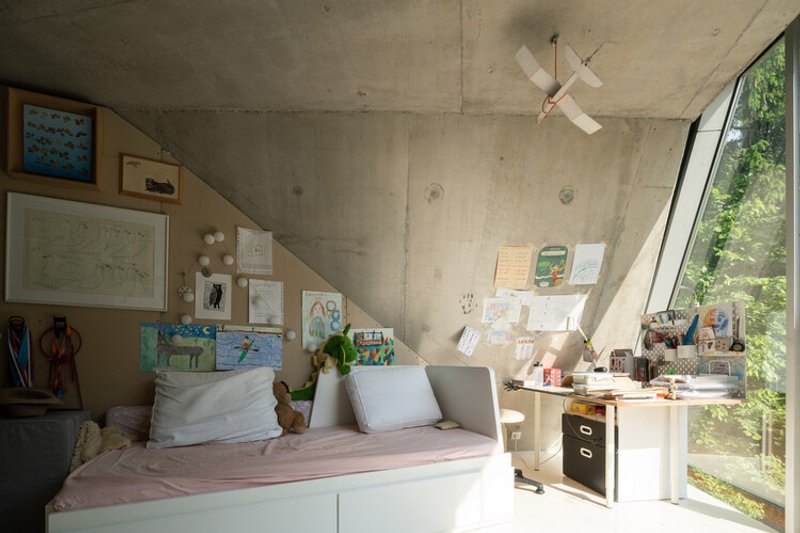
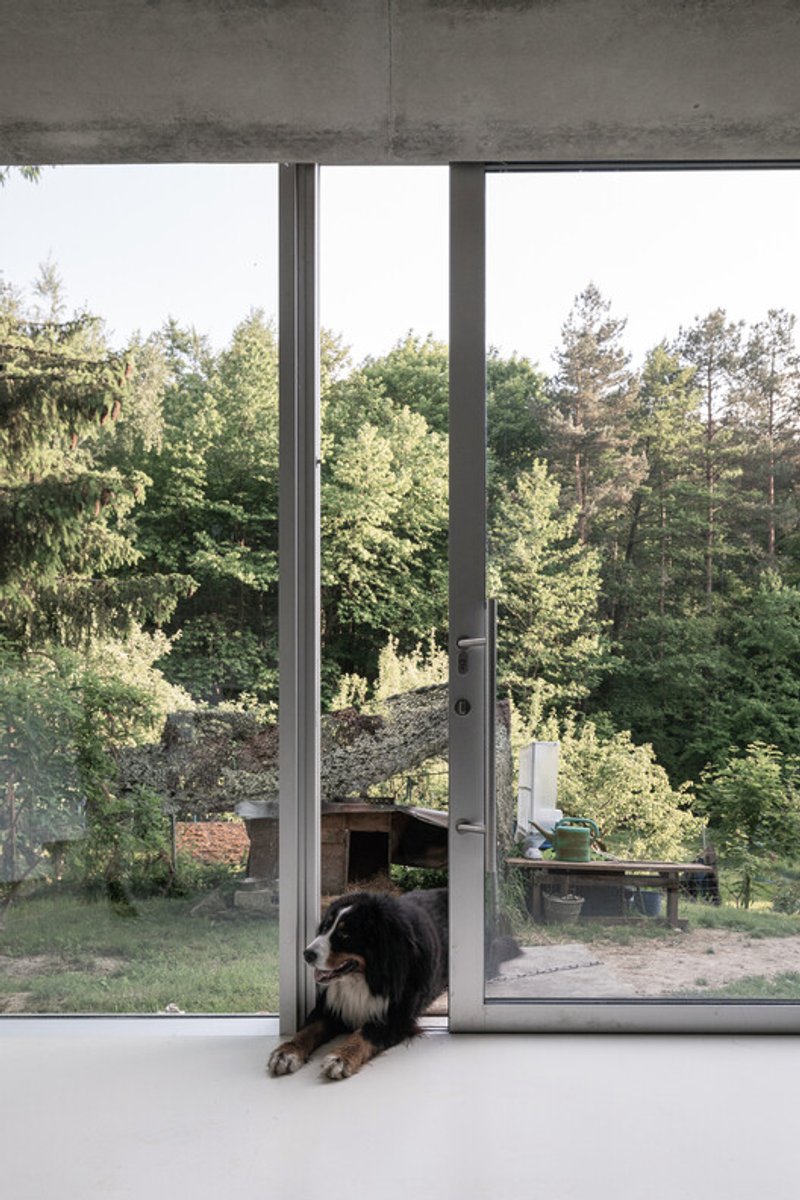
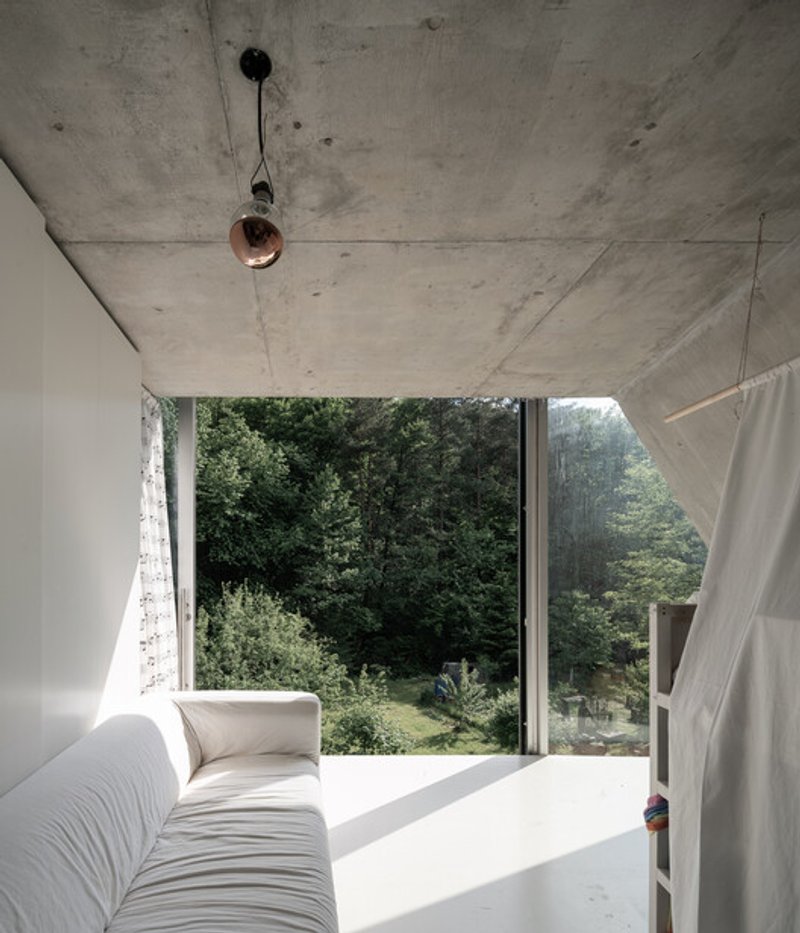
All the photographs are works Alex Shoots Buildings




Popular Articles
Popular articles from the community

Takeshi Hosaka Architects Suspends a Concrete Cross Above a Yokohama Cemetery
A 28-square-meter burial renovation in Yokohama lifts the symbol of resurrection into the sky so mourners see it against heaven.
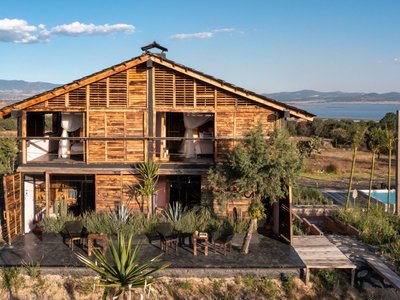
Fausto Terán and Toro Fuse Japanese Craft with Mexican Tradition in a Lakeside Retreat
Nakamura House pairs Shou-Sugi-Ban charred pine with handmade clay tile at the foot of Atlangatepec Lagoon in Mexico.
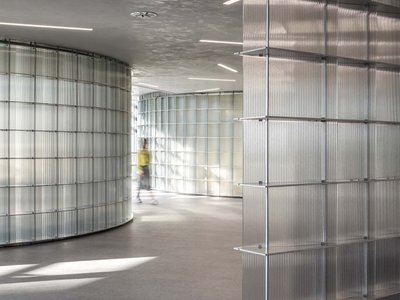
HCCH Studio Wraps a Shanghai High-Rise Office in Curved Walls of Translucent Glass
A 1,000 square meter fit-out in Lujiazui replaces the typical tech-office palette with layered glass, micro-cement, and quiet rigor.
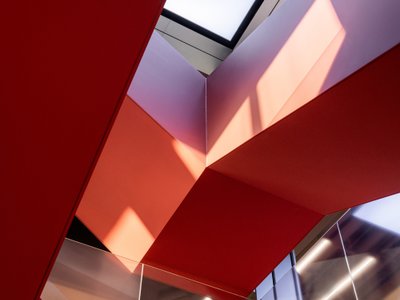
Ippolito Fleitz Group Identity Architects Turn Eight Floors in Shanghai into a Vertical Creative City
Publicis Groupe's new headquarters in Xintiandi reimagines the office as a courtyard-driven urban landscape stacked across eight floors.


Similar Reads
You might also enjoy these articles

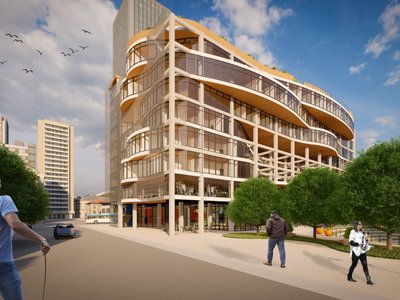
Olio Towers: A Mid-Rise for Performers That Fuses Housing, Rehearsal, and Stage
Located blocks from Houston's Theater District, this modular tower stacks living units around a central performance atrium.
Oasis: Modular Green Housing Carved into Dhaka's Urban Fabric
A shortlisted Plugin Housing entry reclaims unauthorized settlements in Dhaka with stepped concrete volumes, green roofs, and ventilation-driven design.

Black Hole: A Floating Megastructure for the Post-Physical Era
Emiliano Mazzarotto envisions a spherical, self-scaling arena where e-sports, digital hotels, and holographic stadiums replace traditional public space.
Compact & Sustainable Living in Piraeus: A Four-Level Family Home Built Around Light and Air
A narrow townhouse in one of Greece's densest port cities uses a central atrium and passive strategies to house three generations under one roof.


Explore Architecture Competitions
Discover active competitions in this discipline




The International Standard for Design Portfolios


The Global Benchmark for Architecture Dissertation Awards


The Global Benchmark for Graduation Excellence


Challenge to reimagine the Iron Throne
Comments (0)
Please login or sign up to add comments
No comments yet. Be the first to comment!