
Farmview City Center — A Vision for Mixed-Use Urban Architecture
A dynamic mixed-use urban hub combining retail, hospitality, and workspaces, designed to enhance pedestrian life at Farmgate’s core.

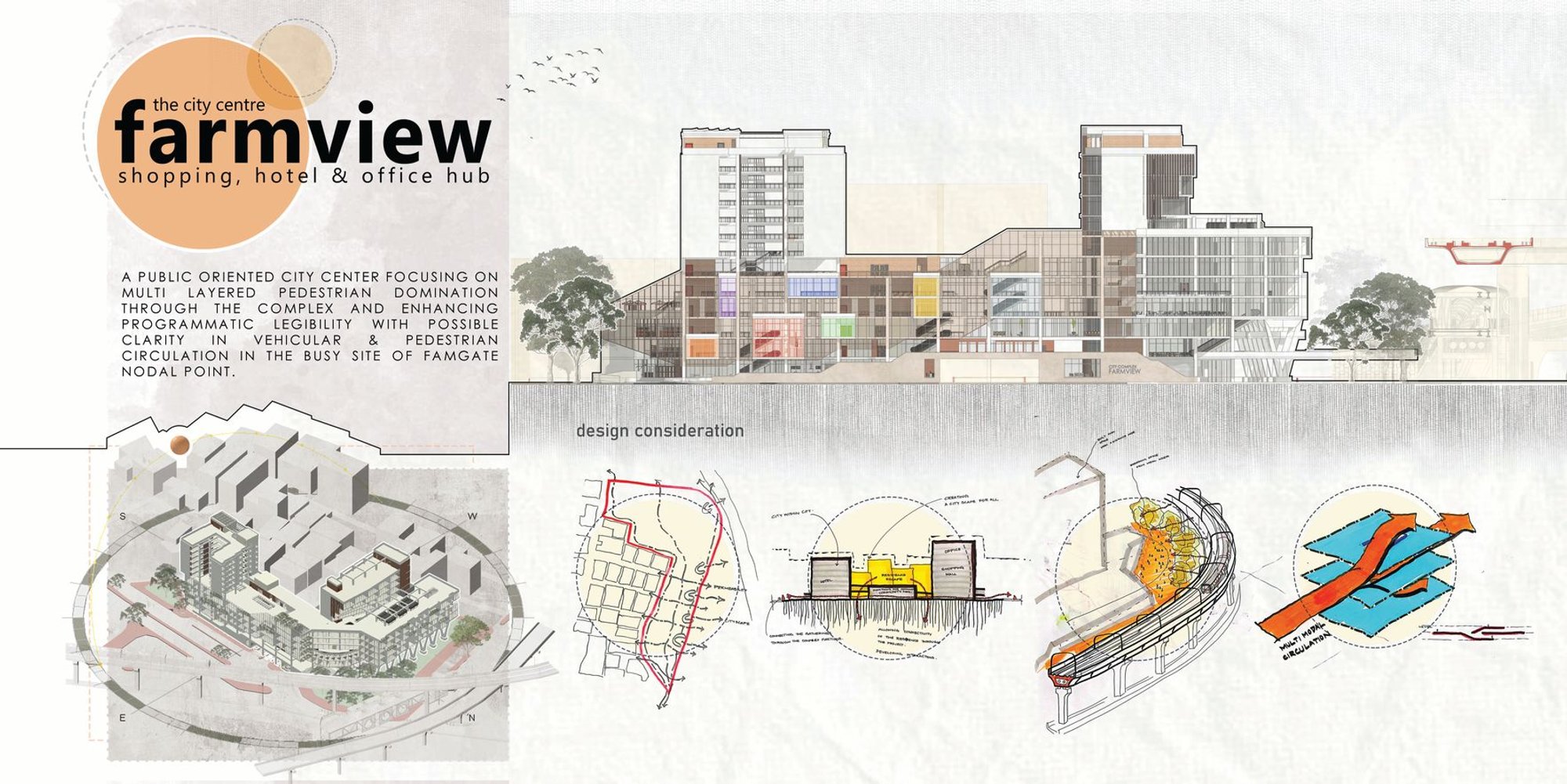
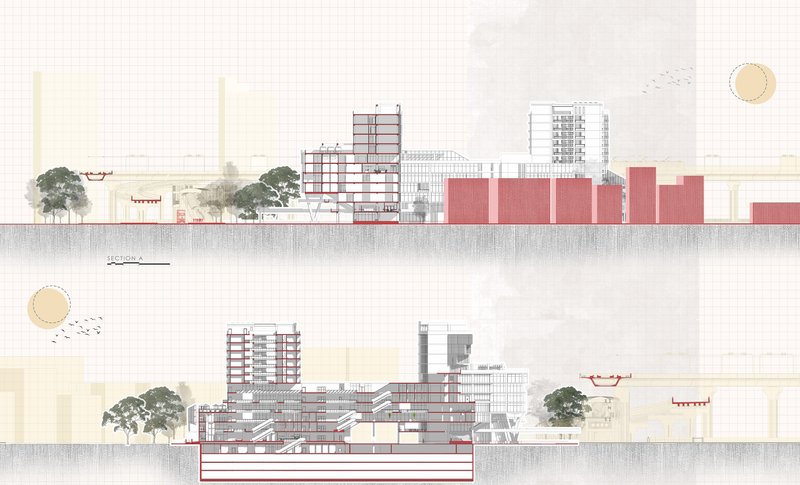
Farmview City Center reimagines mixed-use urban architecture as a catalyst for community, commerce, and connectivity. Designed by S. M. Ahasanul Hasib, the project situates itself in the bustling transit corridor of Farmgate, a vital junction where dense pedestrian activity meets vehicular flow. The vision seeks to transform this busy node into a public-oriented city center that integrates retail, hospitality, and workplace functions into a unified architectural ecosystem.
Urban Strategy: Layered Circulation and Human-Centric Planning
The master plan prioritizes multi-layered pedestrian circulation, ensuring ease of movement through interconnected plazas, shaded corridors, and stepped terraces. Vehicular access is intelligently managed through a dual-entry layout, allowing for seamless service and drop-off without interrupting public flow. The design introduces a clear hierarchy of circulation, from street markets and open plazas at the ground level to rooftop gathering spaces and elevated pathways that invite people to linger, socialize, and explore.
This multi-level pedestrian domain establishes a vertical urban fabric—an architecture that bridges scales and creates a vibrant, walkable experience.
Programmatic Composition: A Hybrid of Commerce, Stay, and Work
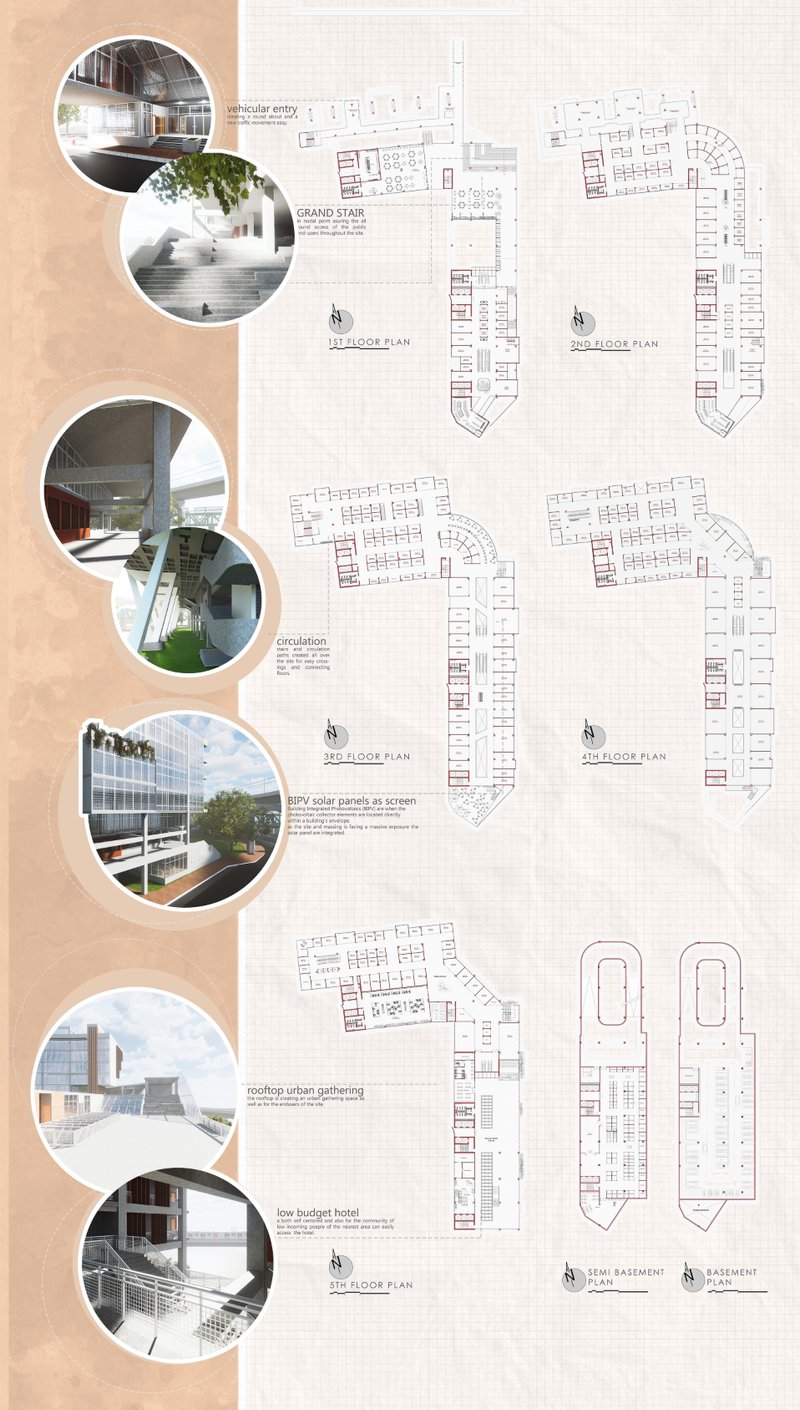
Farmview merges shopping, hotel, and office functions into a single, continuous form. The lower levels host open markets, retail streets, and food courts, enhancing local commerce and activating the public realm. Mid-levels accommodate brand retail, restaurants, and co-working spaces, encouraging cross-interaction between business and leisure. The upper tiers transition into a low-budget hotel and modular office blocks, offering affordable accommodation and flexible work environments for the urban workforce.
By combining these layers, the building functions as a micro-city, where daily life—from shopping to working to resting—unfolds within a single vertical system.
Architectural Language: Transparency, Flexibility, and Light
The architecture reflects a modern vernacular of transparency and adaptability. A glazed façade system allows natural light to permeate interior spaces, reducing artificial lighting needs. The design integrates BIPV solar panels as a responsive skin, functioning both as an energy generator and as a shading screen to reduce heat gain. The result is an expressive, sustainable façade that visually communicates the building’s eco-conscious agenda.
Inside, a grand central stair becomes the project’s social spine, connecting various public levels. Open atriums, shared terraces, and porous edges blur the boundaries between indoor and outdoor spaces, turning movement itself into a social experience.
Sustainability and Social Impact
Sustainability in Farmview extends beyond technology—it lies in social resilience. The inclusion of a low-budget hotel supports transient workers and urban dwellers seeking affordable, dignified accommodation in the city center. Rooftop gardens and urban terraces host community gatherings and leisure spaces, promoting inclusivity and reducing the sense of urban alienation often found in dense city cores.
Energy efficiency is achieved through passive design strategies, including cross-ventilation, shaded corridors, and strategic daylight orientation. The use of solar-responsive materials reinforces the project’s long-term environmental viability.
Architectural Detailing and Vertical Organization
Each floor of the tower is programmed with precision:
- Basement & Semi-Basement: Parking, logistics, and service entries.
- Ground Level: Public plaza, open street market, and retail frontages.
- Second–Fourth Floors: Brand stores, food courts, and shared lounges.
- Fifth Floor: Rooftop gathering and hotel reception.
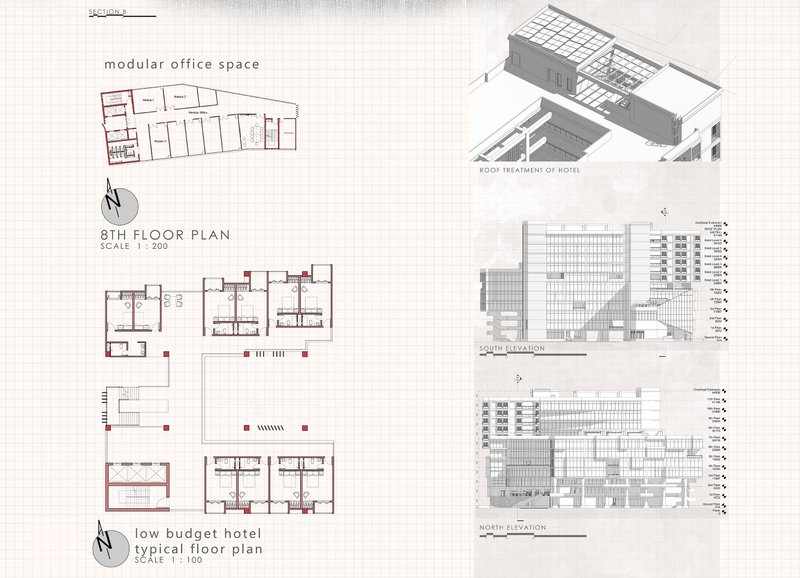
- Eighth Floor: Modular offices, co-working, and flexible business zones.
The vertical stack ensures clarity in programmatic legibility, supporting both urban density and comfort. The interplay between solid and transparent elements accentuates the project’s dynamic composition.
Urban Integration: Contextual Response at Farmgate
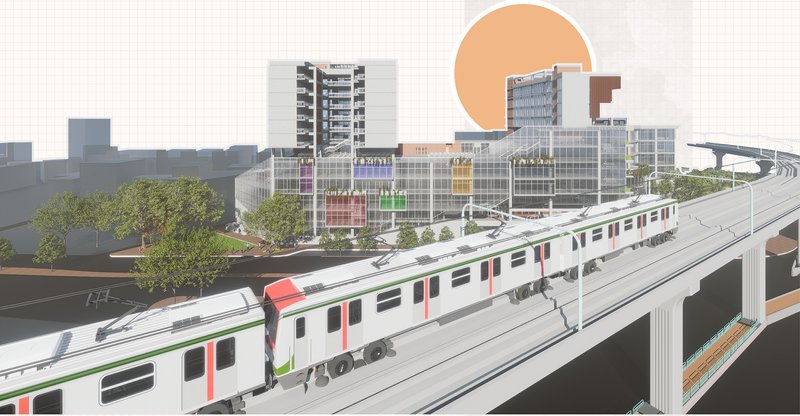
Located at the heart of Farmgate—a node where transportation, commerce, and community converge—the City Center is designed to enhance contextual continuity. Its massing responds to surrounding street patterns and scales, while its open ground level dissolves the boundary between public and private space. By encouraging foot traffic and creating shaded courtyards, the project becomes not just a building but a public platform that strengthens urban life.
Redefining Urban Synergy
Farmview City Center stands as a prototype for mixed-use sustainable architecture in developing urban contexts. It embraces density without sacrificing human experience, and fosters a synergy between commerce, hospitality, and community life. In a rapidly urbanizing world, it offers a model where architecture functions as both infrastructure and invitation—a framework for collective growth, exchange, and connection.



Popular Articles
Popular articles from the community


Solar Steam: A Climate-Responsive Architecture That Redefines the Monument
A climate-responsive memorial architecture that transforms heat, decay, and time into a living system reflecting humanity’s ecological impact.
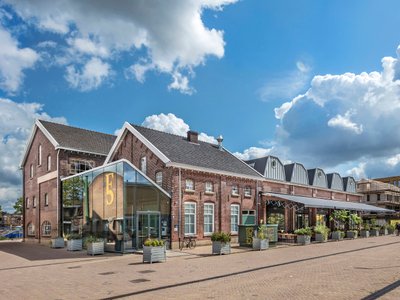
Fifth NRE Jazz Club – De Bever Architecten: Eindhoven’s Revitalized Cultural Hub
Historic gas factory transformed into Fifth NRE Jazz Club blending modern sustainability, jazz culture, dining, and heritage architecture seamlessly.
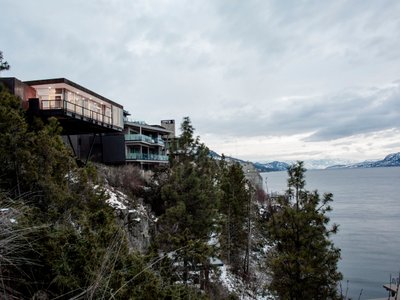
Alton Cliff House: A Harmonious Retreat by f2a Architecture in Lake Country, Canada
Alton Cliff House blends corten steel, prefabrication, and sustainable design, creating a luxurious, energy-efficient retreat perched on Canadian cliffs.
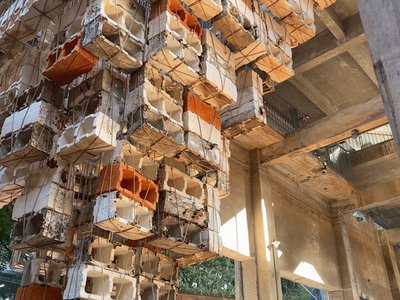
Inverted Architecture Installation by Studio Link-Arc: Exploring the Intersection of Architecture and Living Organisms
Inverted Architecture Installation by Studio Link-Arc blends mycelium, sustainability, inverted design, ecological cycles, and urban adaptive architecture in Shenzhen.

Similar Reads
You might also enjoy these articles

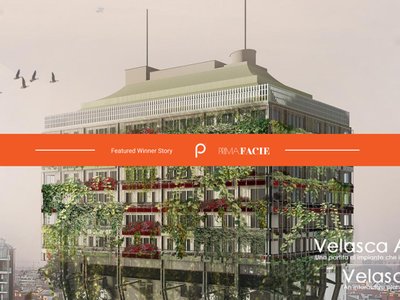
Digital Façade Design for our cities’ urban fronts
Prima Facie - Result Story
Protecting avian biodiversity: Bird observatories to help spread awareness & save rare bird species.
Results for ‘Fly’ - Landscape design competition out now
Connecting with nature: Forest interpretation center in Australia's Wollemi National Park
‘Asatti’ - Landscape design competition - Result story


Explore Graphic Design Competitions
Discover active competitions in this discipline




The Global Benchmark for Architecture Dissertation Awards

Design a brochure to showcase the effects of the technosphere

Challenge to illustrate ‘A tale of Two Cities’

Deconstructivism - Illustration Design Challenge
Comments (0)
Please login or sign up to add comments
No comments yet. Be the first to comment!