

Four Public Pavilions in Beijing by Aurélien Chen and CSCEC
Four park pavilions in Beijing combine public services with floating roofs, acting as subtle urban signals integrated into landscape contextually.


Located within a public park along one of Beijing’s major urban arteries, the Four Public Pavilions project by Aurélien Chen in collaboration with CSCEC redefines everyday civic infrastructure as a refined architectural and landscape gesture. Completed in 2023, the 300-square-meter intervention integrates public restrooms, service and resting areas for pedestrians, offices for park management, and storage and facilities for gardeners into a coherent and legible urban system.
Urban Pavilions as Civic Infrastructure
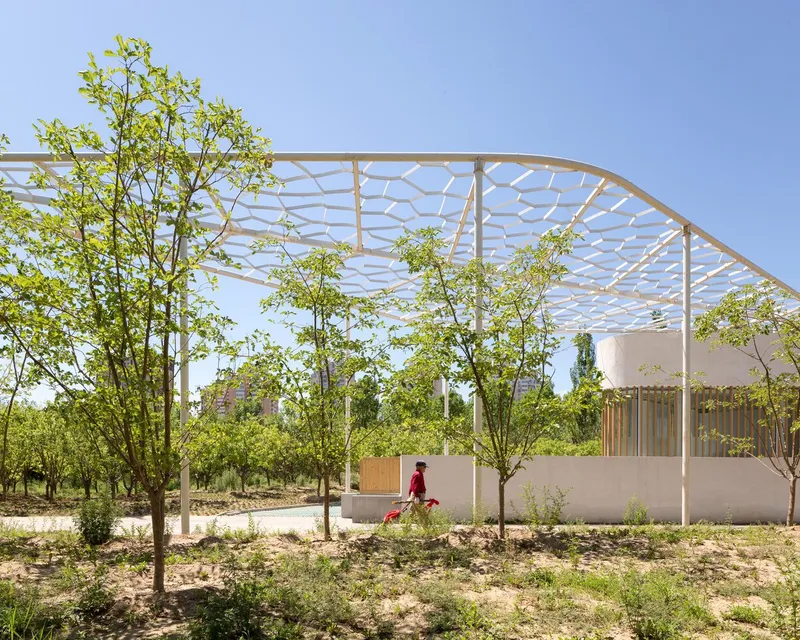
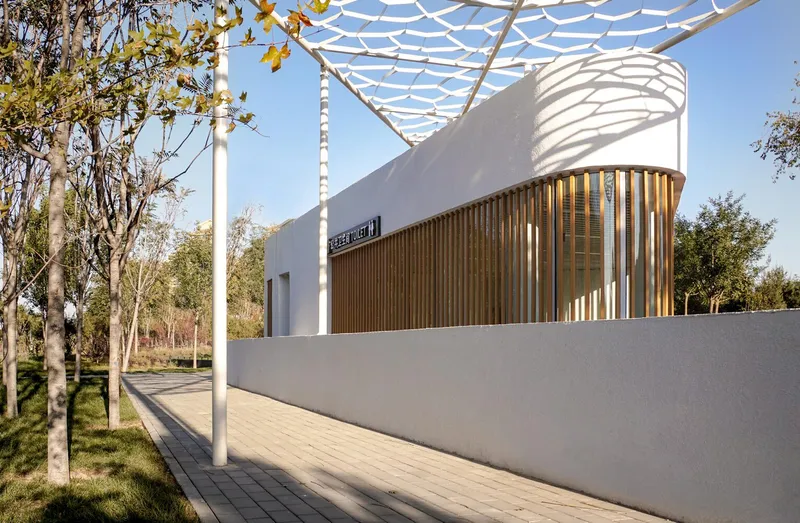
Rather than treating these necessary functions as secondary or hidden elements, the project elevates them into architectural landmarks that contribute to the identity of the park. Each pavilion is conceived as an urban signal, clearly visible from the surrounding boulevard while maintaining a sensitive relationship with the landscape. Their strategic placement ensures accessibility for park users while reinforcing orientation and wayfinding within the green space.
Geometry Inspired by Landscape
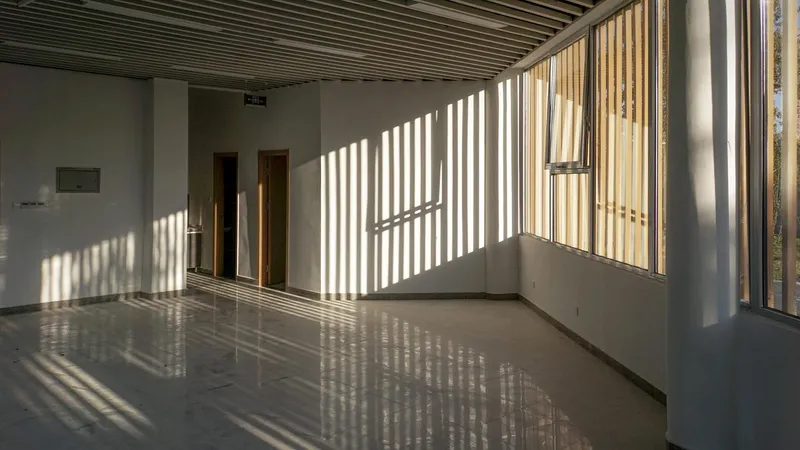
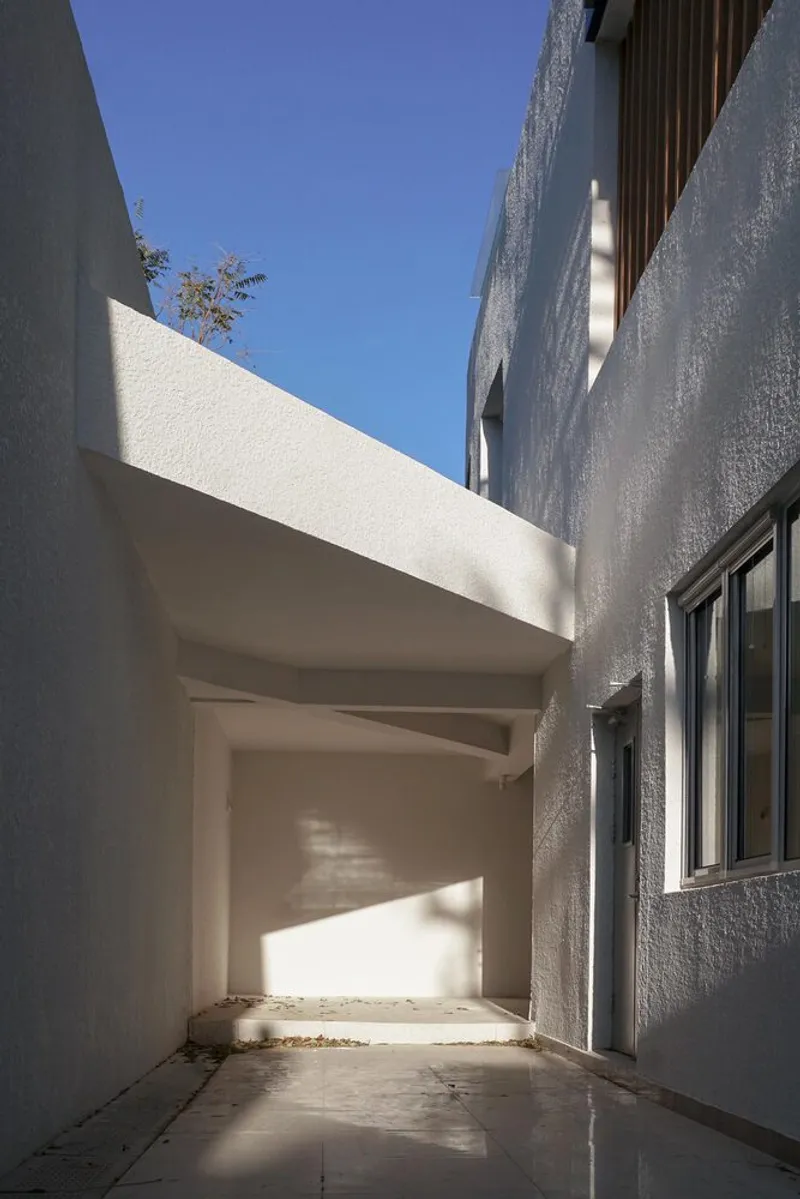
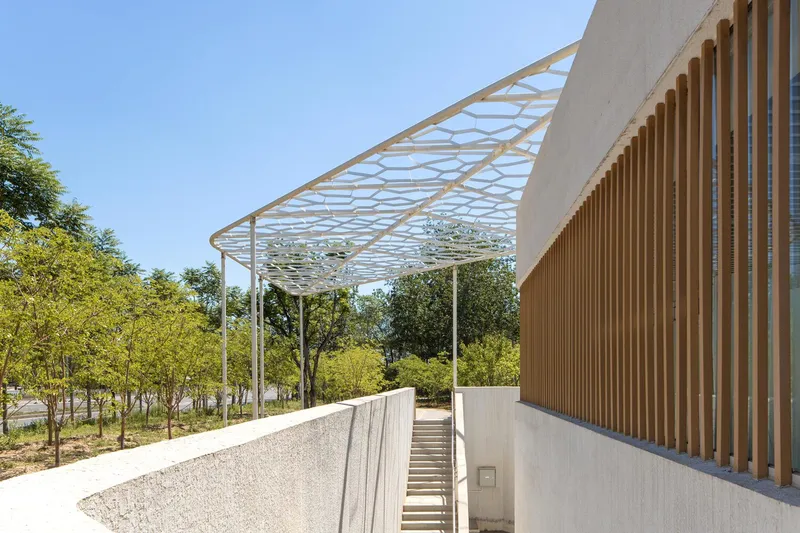
The architectural language of the pavilions is directly informed by the geometry of the park itself. Straight lines and taut curves echo the surrounding paths, planting beds, and landscape features, allowing the buildings to feel embedded rather than imposed. The overall massing remains deliberately low, minimizing visual impact and preserving open views across the park. This restrained scale supports a human-centered experience and avoids competing with the natural environment.
The Floating Roof as a Visual Marker
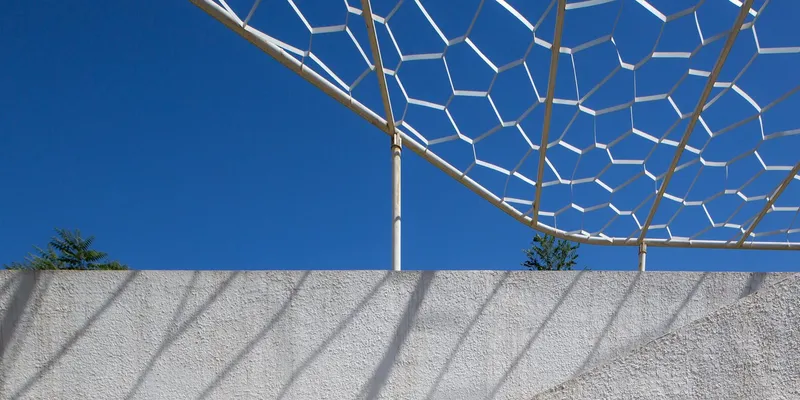
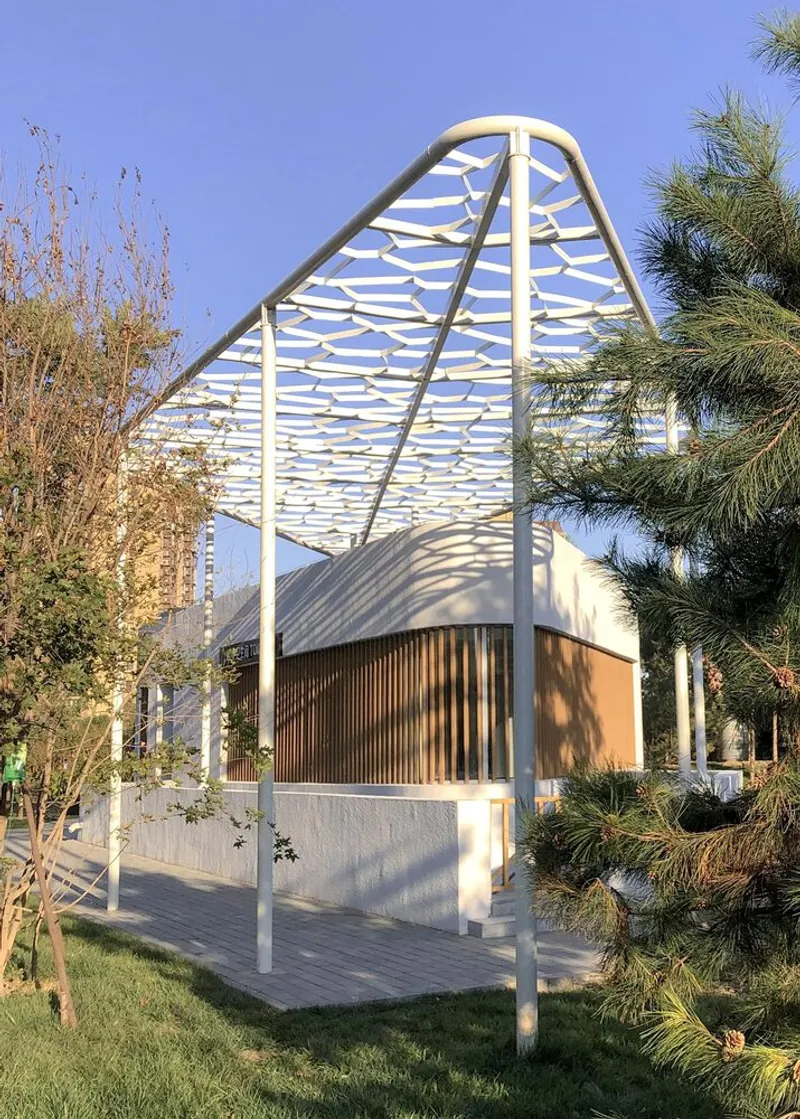
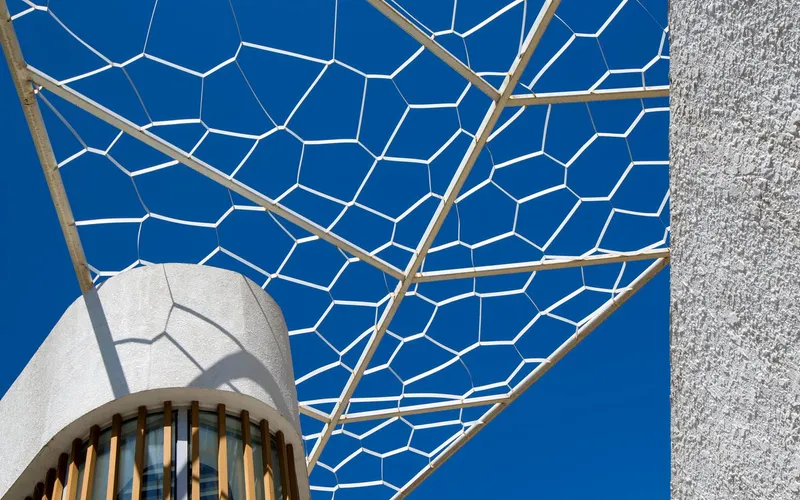
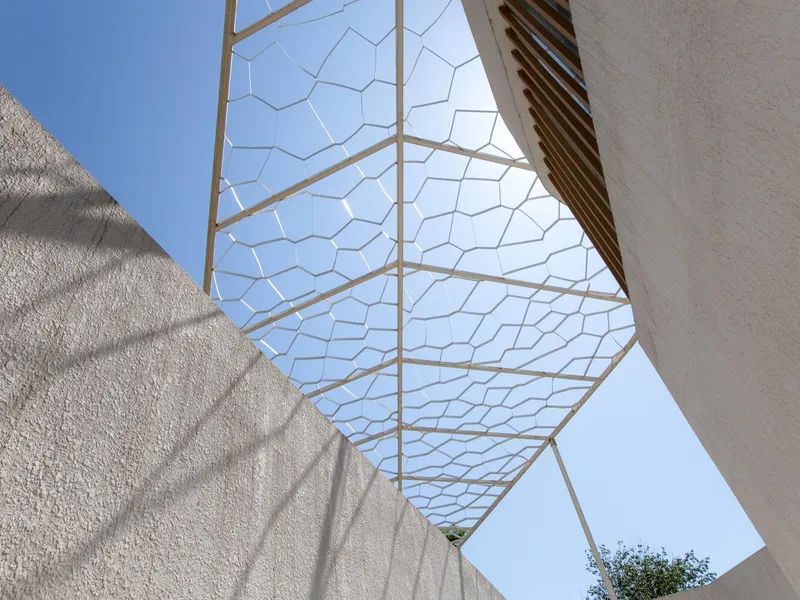
The defining architectural element of the project is the over-roof canopy, which acts as the primary urban marker. Light and visually detached from the enclosed volumes below, the roof appears to float above the pavilions. At times it emerges through the foliage; at others, it gently rises above the treetops, creating a subtle but recognizable presence within the urban landscape. This shading structure not only enhances visibility but also provides climatic comfort, protecting users from sun and rain while reinforcing the pavilion’s role as a place of pause and gathering.
Integration of Architecture and Landscape
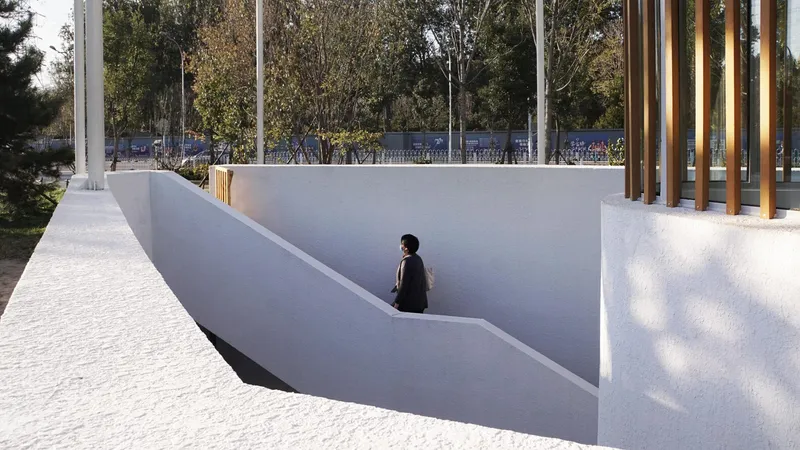
Landscape design, developed in collaboration with the Urban and Rural Planning and Design Institute of CSCEC, plays a crucial role in the project’s success. The pavilions are seamlessly woven into the park’s circulation and planting strategy, blurring the boundary between built form and nature. Materials, proportions, and spatial transitions are carefully calibrated to support durability, ease of maintenance, and long-term public use.
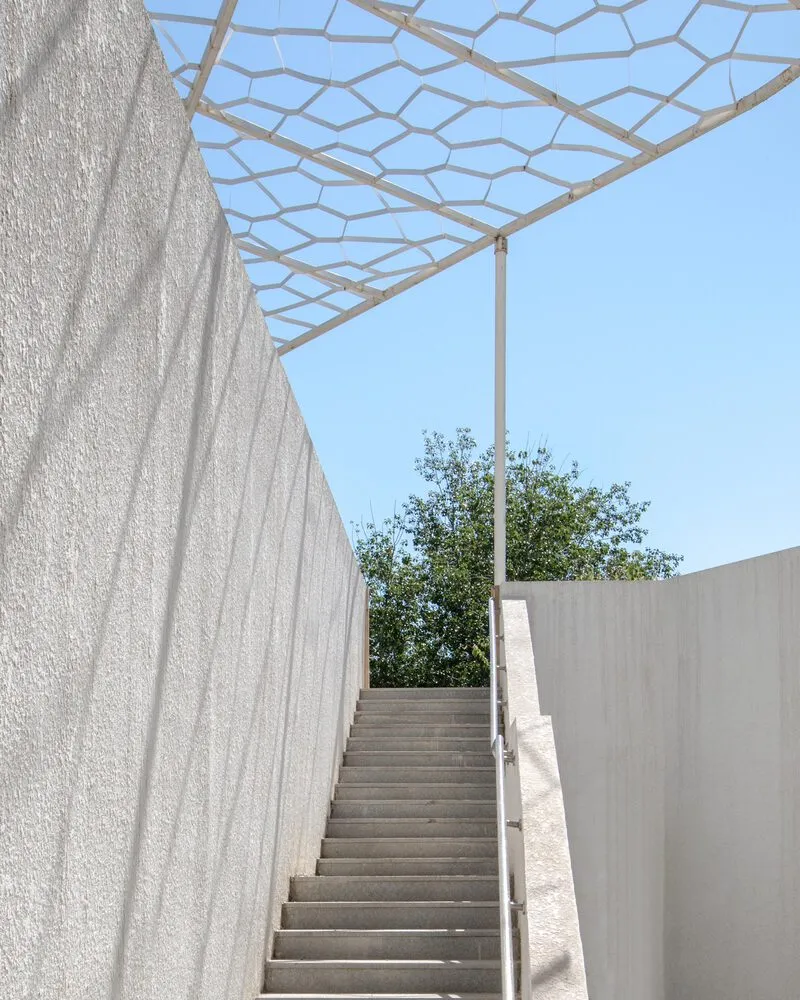
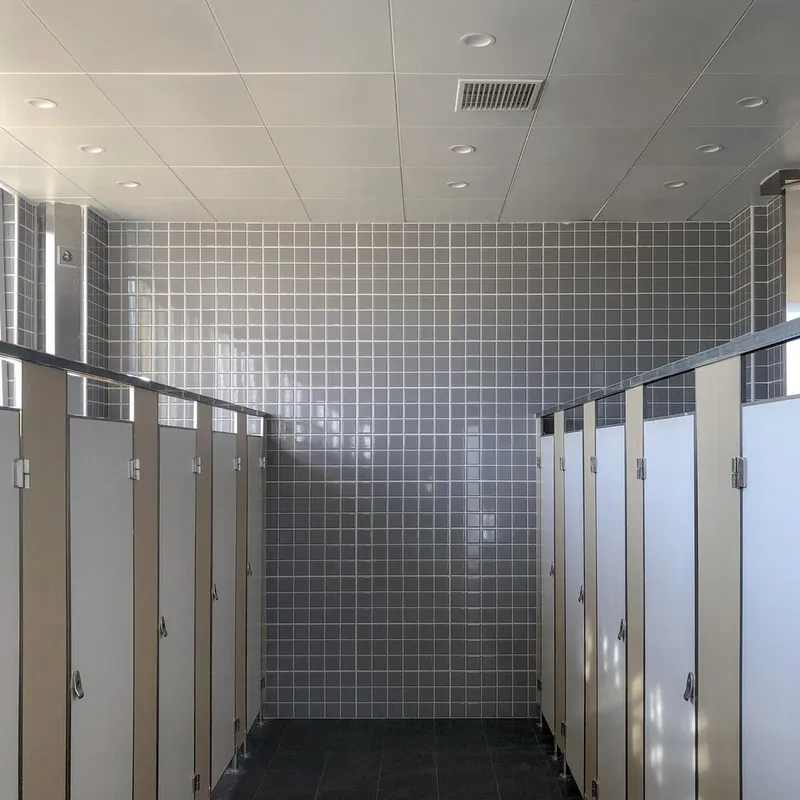
A Contemporary Model for Public Pavilion Design
The Four Public Pavilions demonstrate how small-scale urban architecture can deliver high civic value through clarity of form, contextual sensitivity, and thoughtful detailing. By transforming functional park buildings into elegant spatial markers, the project offers a compelling model for contemporary pavilion design in dense metropolitan environments like Beijing, where public space, infrastructure, and landscape must work together as a cohesive whole.
All photographs are works of
Aurelien Chen, Zhang Aoran, Wang Manyu, Sun Jieyang


Popular Articles
Popular articles from the community


Architekt Andreas Gruber Scatters 23 Dark Timber Chalets Across a South Tyrolean Forest Edge
In Molini di Tures, Amonti Chalets breaks a resort into a hamlet of gabled timber houses, with parking, storage and services pushed into the slope.

Openfabric, caarpa and FM Ingegneria Recast the Grounds of the Reggia di Rivalta as a 25-Hectare Public Park
At the Reggia di Rivalta in Italy, a radiating plan of lawns, basins and steel pergolas turns historic palace grounds into an ecological commons.

Tenter Studio Steps a Valle de Bravo Holiday House Down a Slope Around a Void Built for Pausing
In Valle de Bravo, Mexico, two dark brick volumes descend a steep plot and frame a deliberate gap, keeping the landscape quiet rather than staged.

U.GA Architects Wraps an Oval Rooftop Pool in Curved Board-Formed Concrete on Busan's Jeollidan-gil
In Busan's Jeonpo-dong, a 454 m² mixed-use block stacks a neighborhood facility, guest rooms and an oval rooftop pool inside spiraling concrete walls.

Similar Reads
You might also enjoy these articles

andblack design studio Wraps a Three-Generation Ahmedabad Home Around a Planted, Skylit Central Courtyard
In Ahmedabad, a 9,910 sq ft house uses exposed concrete, brick jali and a skylit green court to give three generations both distance and closeness.

Studio Maignan Architects Opens Up a 1930s Toronto Brick House and Crowns It with a Glass-Gabled Loft
In Toronto's Humewood Cedarvale, a compartmentalized 1930s brick house becomes an open, timber-lined family home that climbs toward its garden canopy.

Some Thoughts Clamps Felt and Metal Together to Build a Modular Eyewear Store in Wuhan
A 98 m² MOLSION eyewear shop in Wuhan builds its displays from stacked red and grey felt modules held by custom triangular metal fasteners.

Studio Carré Rebuilds a 70 m² Marais Apartment Around a Red Kitchen Corridor and a 360-Degree Sightline
In the Enfants Rouges quarter of Paris, a 70 m² third-floor flat trades walls for sightlines, terracotta, steel and one fearless coat of red.

Explore Public Plaza Competitions
Discover active competitions in this discipline

Challenge to reimagine the Iron Throne

Photograph architecture without architects

Illustrate the lost glory of Angkor Wat - Render Challenge

Design challenge to reuse E-waste
Comments (0)
Please login or sign up to add comments
No comments yet. Be the first to comment!