
Golubac: New views
The project includes research, as well as proposals for the transformation and development of Golubac, a village located in eastern Serbia on the banks of the Danube.

The village of Golubac is located in the eastern part of Serbia on the border with Romania, sharing the river Danube, which in that part is reaching its biggest width. With all of the geographical advantages that the location of Golubac carries, come the great possibilities for further development of now not so urban and organized village. Golubac is one of the most important tourist attractions in Serbia with its medieval fortress, archeological location as well as greenery, still underdeveloped with many problems regarding organization, connections and many more.
The aim of the project was to strategically develop one of the sectors of the village of Golubac moving from the biggest scale and looking at the problems on the case of an entire city to the smaller scale and focusing on one specific segment of Golubac.
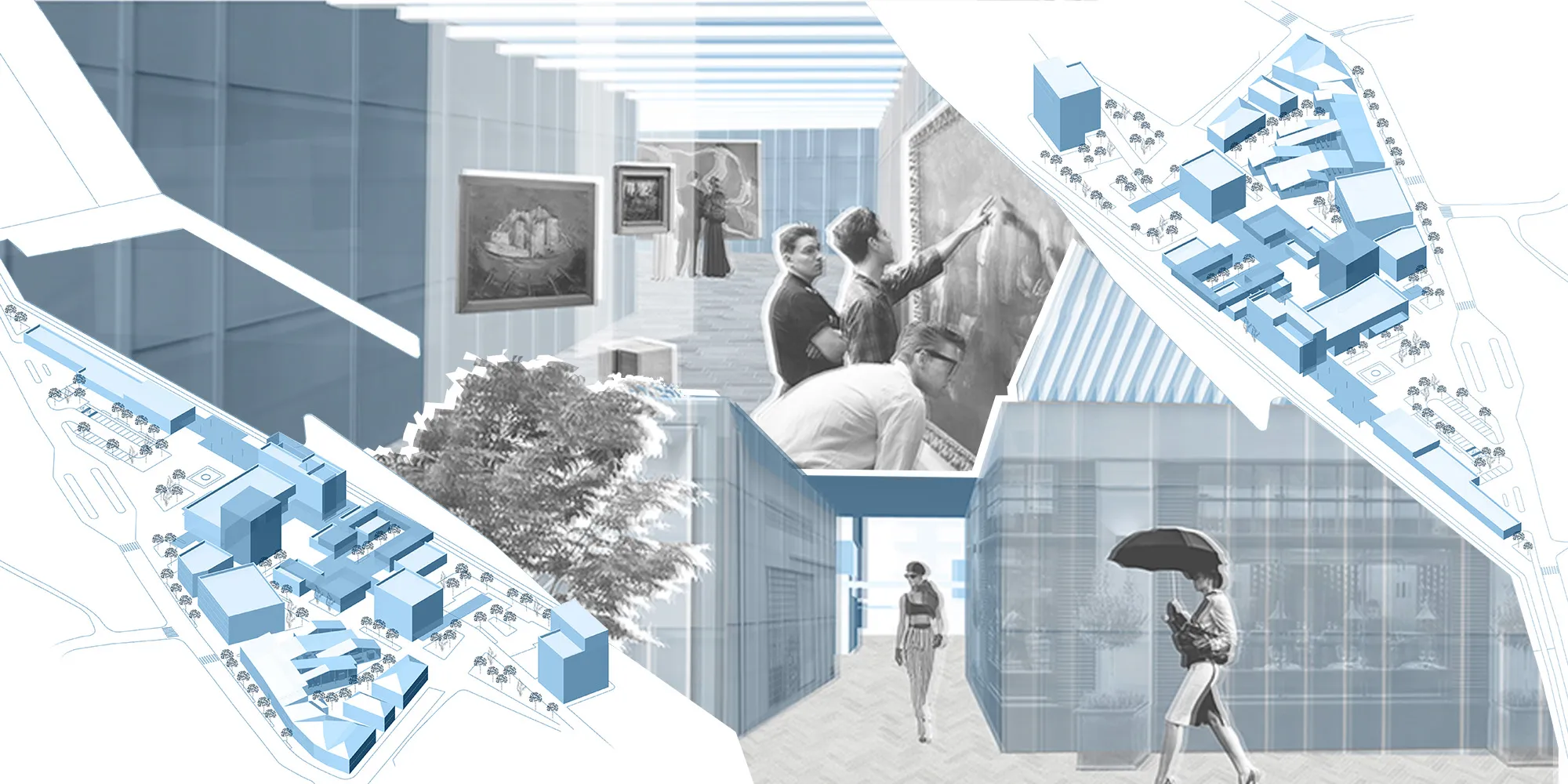
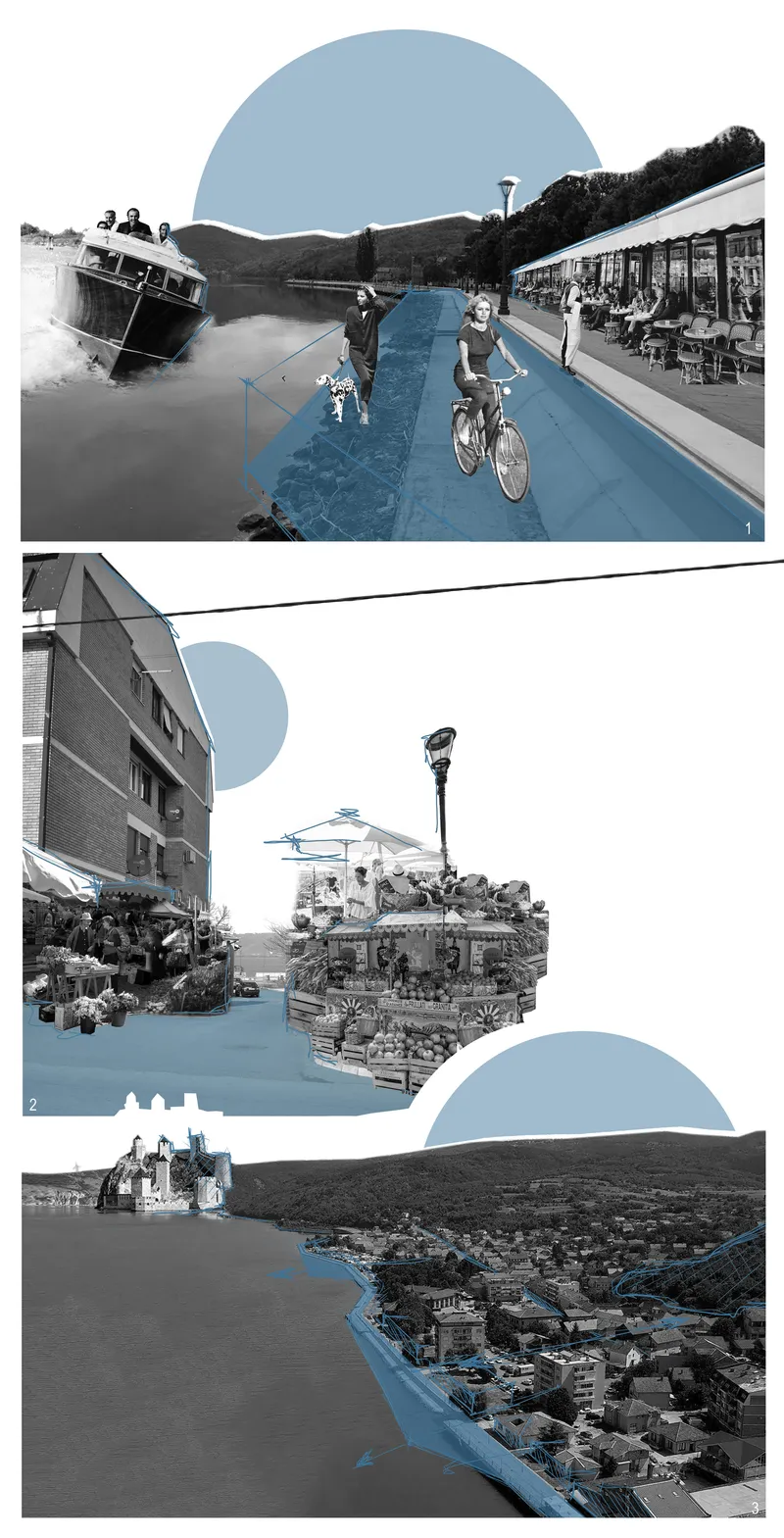
The physical and functional division of Golubac by the main road, as well as the poor connection of the hilly and coastal zone are the main problems whose solution was the focus of the project. The project implies the formation of new and the improvement and reconstruction of the existing transverse directions, which are activated along their entire length in both directions. The elaboration primarily included the reactivation and reconstruction of the craft center, which is becoming a new gathering place, as well as the current station building and a large parking space. Apart from networking, as the main development strategy, greenery is additionally introduced, accommodation capacities are increased, the green market is moved from the hill and gets its new building-structure, the
marina, beach and promenade are expanded.
Also, one of the more radical changes is moving the green market to the zone with the craft center, and near the marina, which would increase the capacity of the market and fish market and encourage local food production, bearing in mind that about 40% of Golubac's population lives from agriculture. The strategy of stimulating the development of the agricultural sector and the development of tourism in that direction is based on one of the strategies of Italian cities (eco-villages). In addition to the village's involvement as the main development strategy, green corridors are being introduced, accommodation capacities are being increased and the coast is being better connected with the hill, also known as the archeological site. Tourism is part of Golubac's development strategy, but in such a way that it does not endanger the locals, their peace and well-being. The changes in the village structure and organization as well as common and private spaces are mostly for two target groups. The improvement of the life of existing citizens was equally as important as the improvement of the tourist sector.
Lastly the idea for further development of the project would be the implementation of the same strategies to other segments of Golubac in order to fully improve its tissue and overall functionality, making it an important attraction node of the eastern part of Serbia.


Popular Articles
Popular articles from the community


Co-life: Sustainable Architecture for Age-Friendly Community Living
Co-life reimagines sustainable architecture for seniors through courtyards, rammed earth, shared gardens, and spaces designed for belonging.

Hill & Cross Opera: Sculptural Opera House Architecture Shaped by Tallinn’s Landscape and Identity
Hill & Cross Opera reimagines opera house architecture in Tallinn through its sculptural hill, civic plaza, glass wave and a luminous cross.

The Ocean Hive: Sustainable Architecture for a Self-Sufficient Civilization at Sea
The Ocean Hive imagines sustainable architecture at sea, where modular habitats, algae, wave power and ocean waste sustain a growing colony.

The Musturak Paradise: Senior Living Architecture for a Connected Future in Temara, Morocco
The Musturak Paradise reimagines senior living architecture in Temara via private homes, social spaces, culture, community, and shared care.

Similar Reads
You might also enjoy these articles

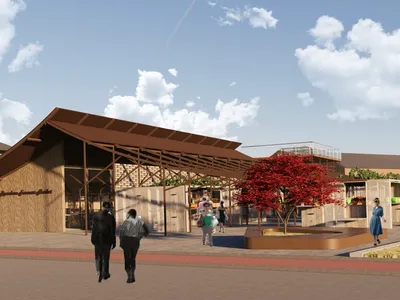
The Rhythm of Seasons
A Farmers' Market Connecting Nature and the City
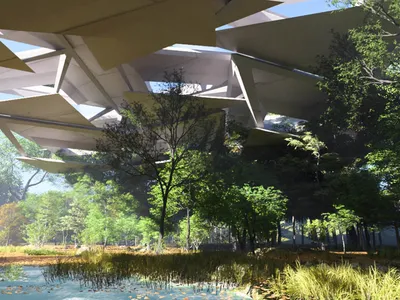

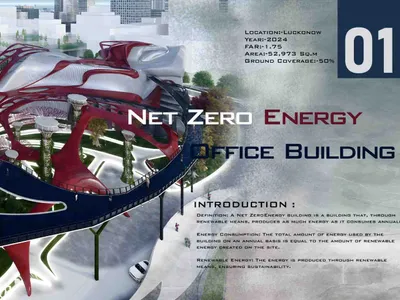
More Than a Building-Designing a Living System
More Than a Building-Designing a Living System
Base Beyond
DESERT COMPOUND ARID: TOURISM OF ABSENCE AND ABUNDANCE


Explore Urban Planning Competitions
Discover active competitions in this discipline




Challenge to reimagine the Iron Throne


Photograph architecture without architects


Illustrate the lost glory of Angkor Wat - Render Challenge


Design challenge to reuse E-waste
Comments (0)
Please login or sign up to add comments
No comments yet. Be the first to comment!