
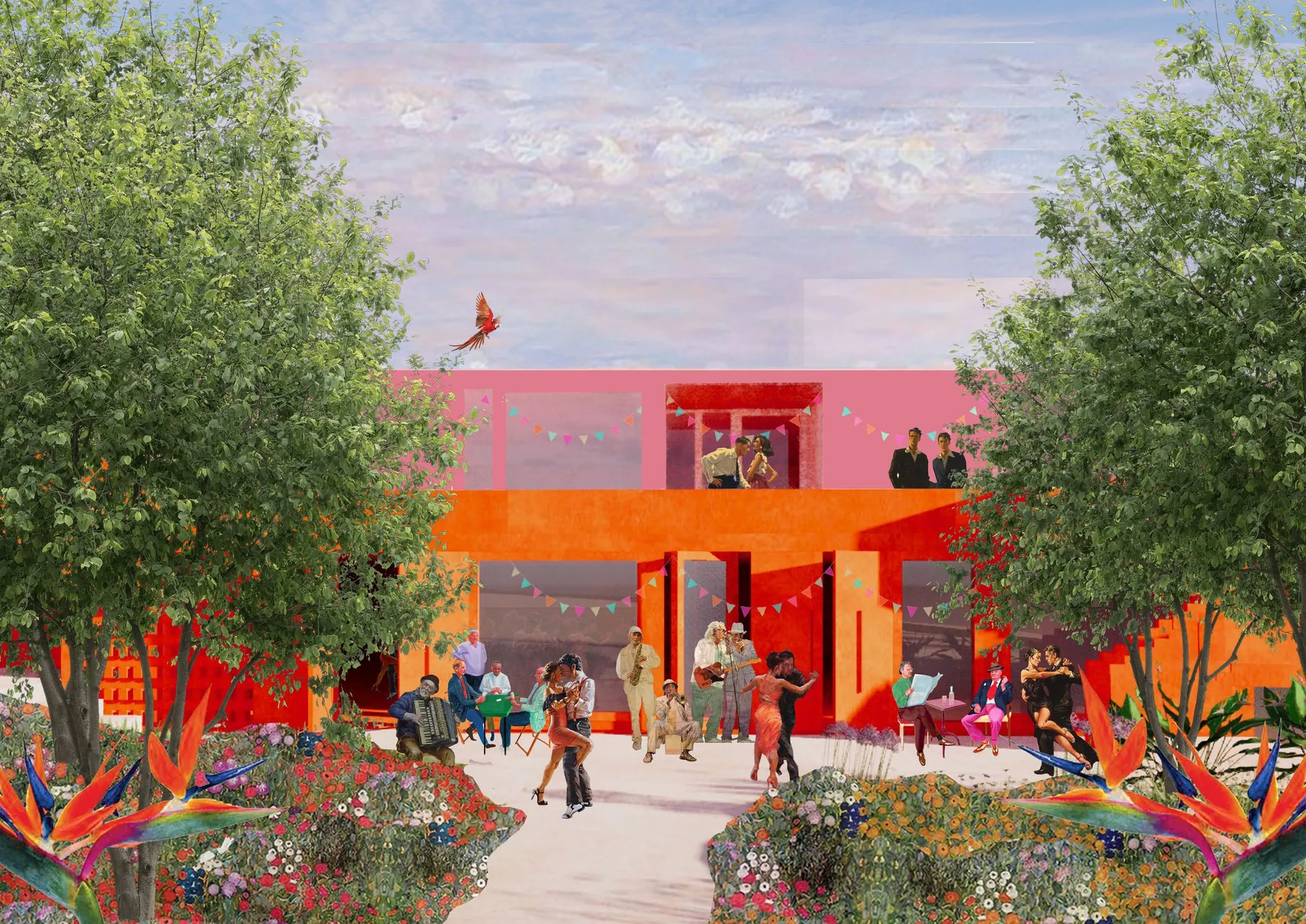
Grace Dance Center: A Paradigm of Cultural Architecture in Buenos Aires
Explore Grace Dance Center's blend of cultural heritage and modern design in Buenos Aires' architecture.


The Grace Dance Center, conceptualized by Barbora Hozova, emerges as a vibrant homage to Buenos Aires' rich cultural and dance heritage. Nestled in the historic San Telmo district, this architectural marvel doesn't just serve as a building; it's a living, breathing canvas that embodies the city's dynamic spirit, especially its deep-rooted connection to the tango. This project aligns seamlessly with the local urban fabric, yet introduces a contemporary narrative to the architectural dialogue of the region.
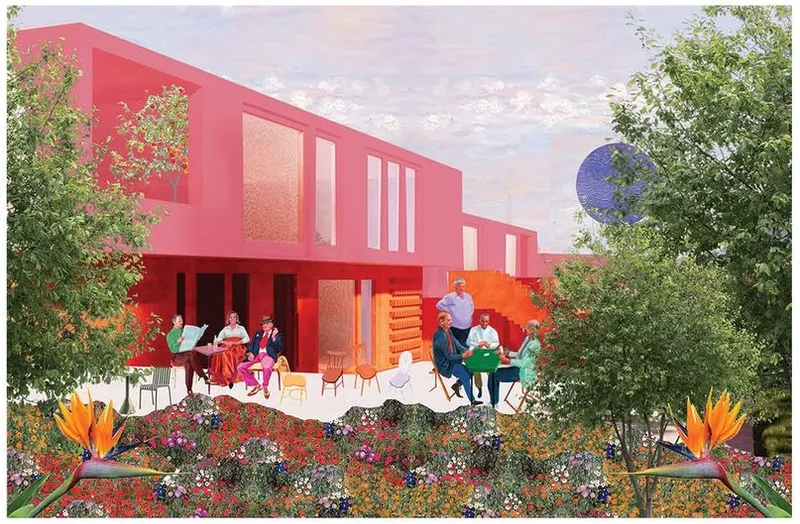
Uniting Design and Dance: A Cultural Symphony
The center’s design is a direct reflection of Buenos Aires itself—a city often described as the "cradle of dance." The design not only captures the physical motions of dance but also echoes the historical and cultural underpinnings of its locale. The architecture of the Grace Dance Center incorporates elements of traditional Latin American outdoor living with modern, functional aesthetics that cater to both a dance hall and an educational facility.
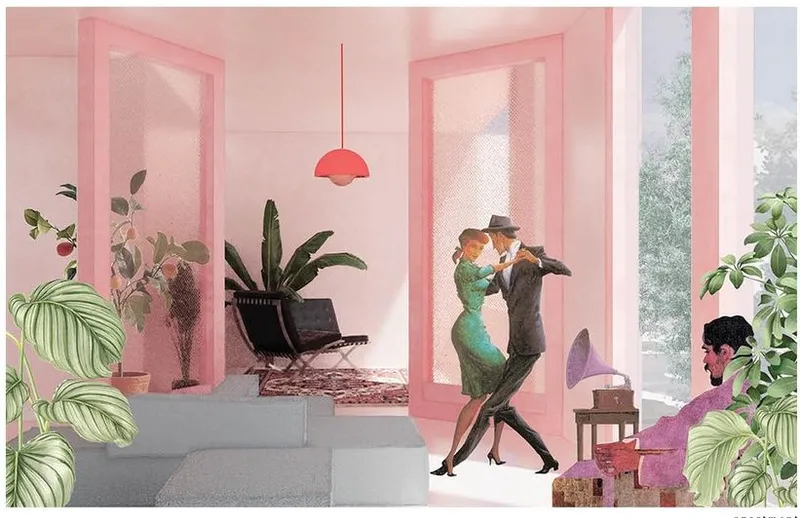
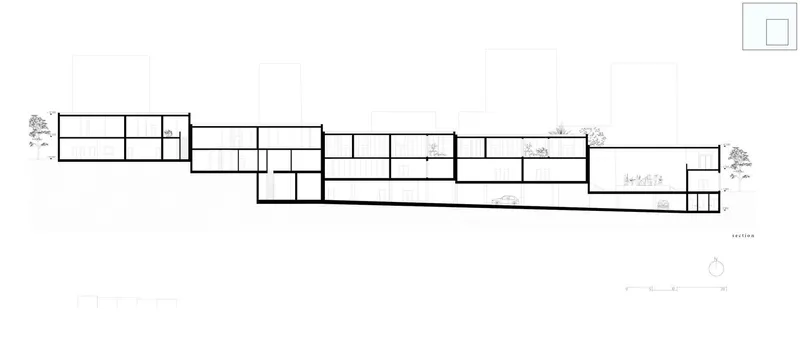
The building's segmentation into five distinct units leverages the uneven topography, allowing each segment to rise in harmony with the sloping streets, much like a dance sequence that progresses with grace and precision. The choice of solid burnt brick as the main building material pays tribute to local construction traditions, while the vibrant colors—inspired by regional architecture—foster a sense of inclusivity and openness.
Architectural Choreography: Embracing the Tango Spirit
Buenos Aires, the birthplace of the illustrious tango, reflects a blend of cultural influences that are vividly captured in the Grace Dance Center. The dance, once considered the pursuit of the lower classes, has transcended its humble origins to become a global phenomenon. The center’s architecture seeks to parallel this journey, with spaces designed to celebrate the dance's passionate and communal spirit.
The design incorporates various public spaces that differ in character and function, each sculpted to enhance the interaction between the performers and the public. These areas transition seamlessly from vibrant dance halls on the ground floor to more intimate, educational spaces above, facilitating both public engagement and private instruction.
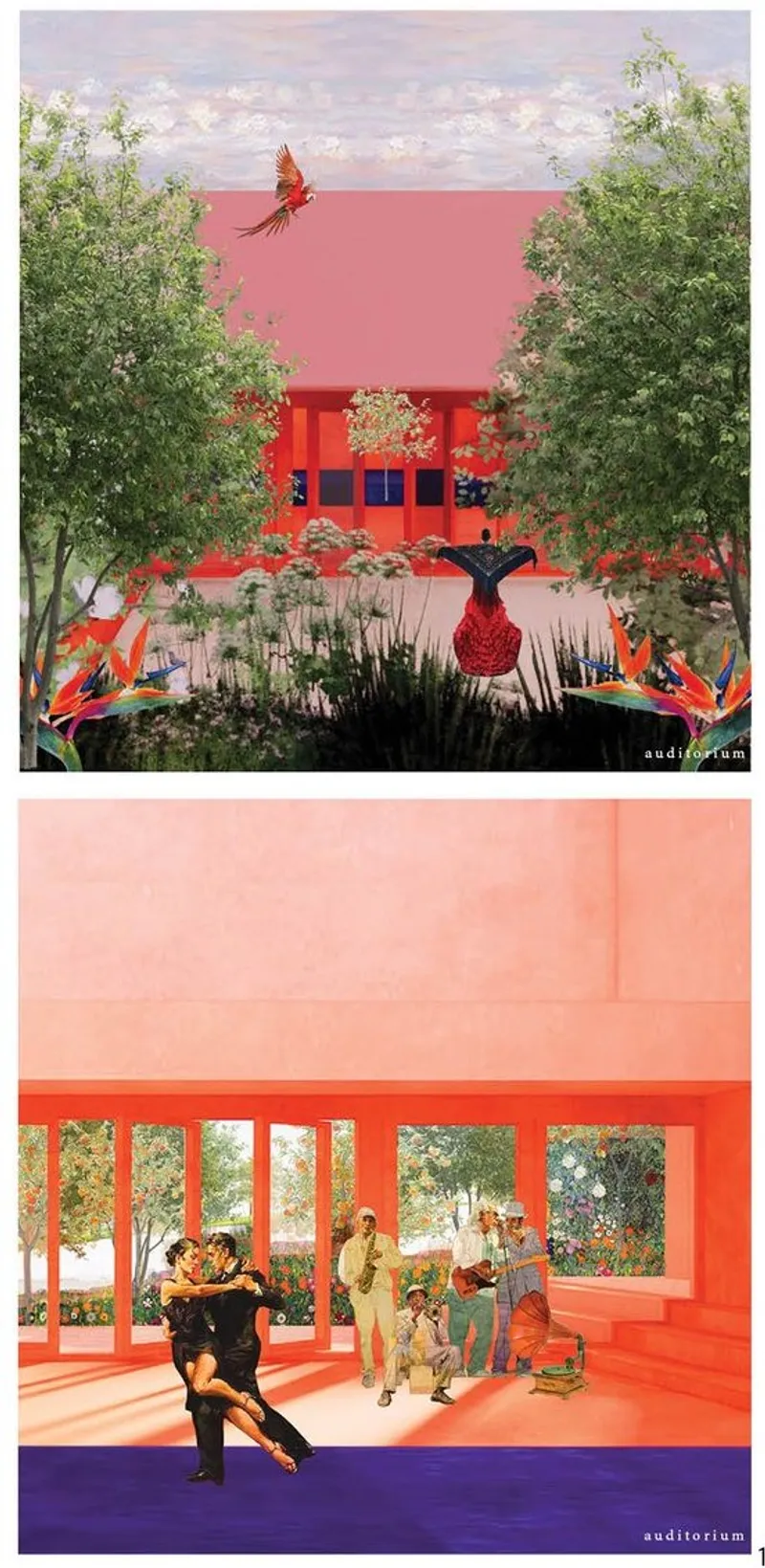
Sustainable Design Meets Cultural Expression
In its essence, the Grace Dance Center is a sustainable project that resonates with the ecological values of modern architecture. The use of locally sourced materials and energy-efficient designs exemplifies an environmentally conscious approach that also respects the architectural heritage of the area.
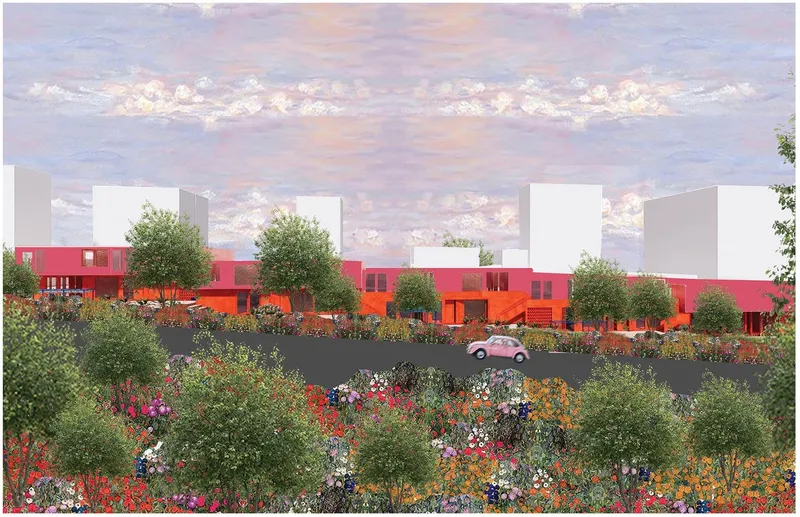
The center's layout promotes natural ventilation and lighting, reducing the need for artificial cooling and lighting systems. The terraced design, apart from providing aesthetic appeal, also minimizes the building's footprint, preserving more open space for public use.
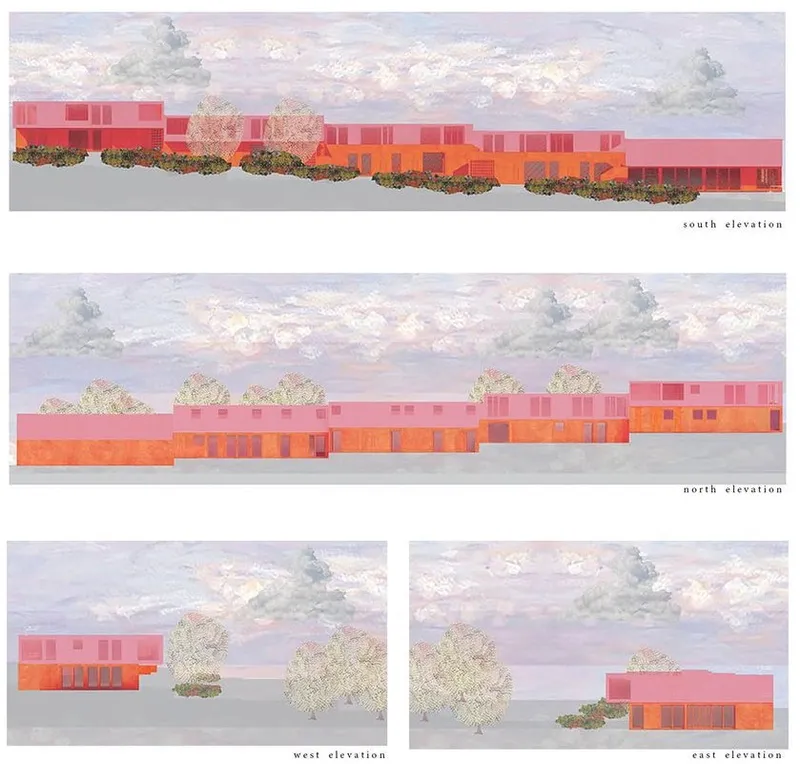
The Grace Dance Center stands as a testament to the power of architecture to embody and enhance cultural expression. It's not just a building; it's a celebration of Buenos Aires' dance legacy, particularly the tango, offering both locals and visitors a place to gather, learn, and experience the vibrant cultural tapestry of the city.
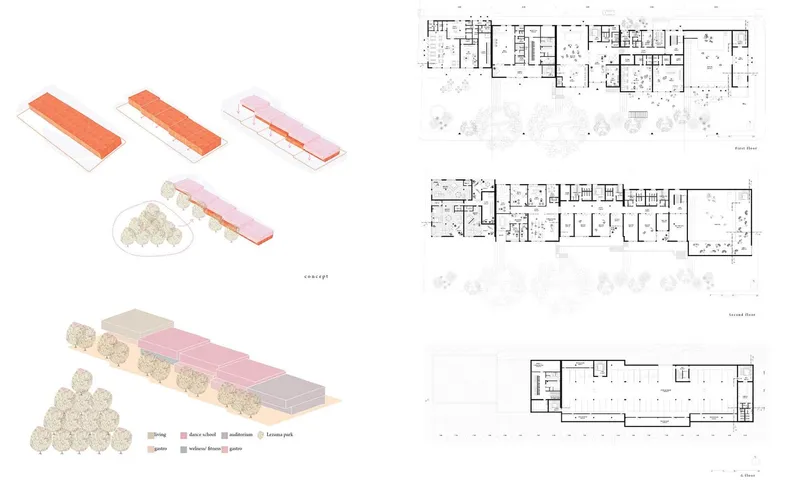
Barbora Hozova's vision for the Grace Dance Center goes beyond mere architectural achievement; it seeks to weave the essence of Buenos Aires into every brick and beam of the structure. In this space, architecture and dance do not just coexist; they collaborate, creating a rhythmic harmony that invites everyone to partake in the timeless dance of heritage and innovation.




Popular Articles
Popular articles from the community


Hill & Cross Opera: Sculptural Opera House Architecture Shaped by Tallinn’s Landscape and Identity
Hill & Cross Opera reimagines opera house architecture in Tallinn through its sculptural hill, civic plaza, glass wave and a luminous cross.

The Ocean Hive: Sustainable Architecture for a Self-Sufficient Civilization at Sea
The Ocean Hive imagines sustainable architecture at sea, where modular habitats, algae, wave power and ocean waste sustain a growing colony.

Conexión: Biophilic Design Reimagines High-Rise Living in Hong Kong
Conexión reimagines high-rise living in Hong Kong through biophilic design, green facades, shared spaces, daylight, water and nature within.

The Musturak Paradise: Senior Living Architecture for a Connected Future in Temara, Morocco
The Musturak Paradise reimagines senior living architecture in Temara via private homes, social spaces, culture, community, and shared care.


Similar Reads
You might also enjoy these articles

Day and Night Park: A Time-Based Urban Newsstand in Beijing
A temporary urban newsstand in Beijing blending travel, light, and reading through poetic colors, compact form, and community-focused design.

Modernist Patio Renovation in El Masnou, Barcelona by Oliver Segura Arquitectura + Cebrià Arquitectura
Modernist patio renovation blending tradition and innovation with a movable pool, leveled floors, and Catalan materials in El Masnou.

Alto Residencial Coop: Cooperative Housing Development in Santiago de Compostela by Carbajo Barrios Arquitectos
A linear cooperative housing complex blending white volumes and perforated metal façades, enhancing community living, natural light, privacy, and urban integration.

Vil Genis School by BPA ARCHITECTURE – Massy, France
Vil Genis School in Massy, France, features sustainable design, south-facing classrooms, community integration, accessible spaces, and modern educational architecture.


Explore Cultural Architecture Competitions
Discover active competitions in this discipline



Challenge to reimagine the Iron Throne


Photograph architecture without architects


Illustrate the lost glory of Angkor Wat - Render Challenge


Bring back Drive In's
Comments (0)
Please login or sign up to add comments
No comments yet. Be the first to comment!