

Green Ark, Meise: A Sustainable Greenhouse Architecture Landmark in Belgium
Green Ark in Meise features sustainable hyperboloid timber pavilion, renovated greenhouses, housing 10,000 endangered species with advanced climate systems.


Located at the heart of the 92-hectare Meise Botanic Garden in Meise, Belgium, Green Ark is a groundbreaking sustainable greenhouse project designed by NU architectuuratelier in collaboration with archipelago. Completed in 2024, the 10,280 m² project redefines contemporary botanical architecture through ecological innovation, advanced climate control systems, and renewable material strategies.
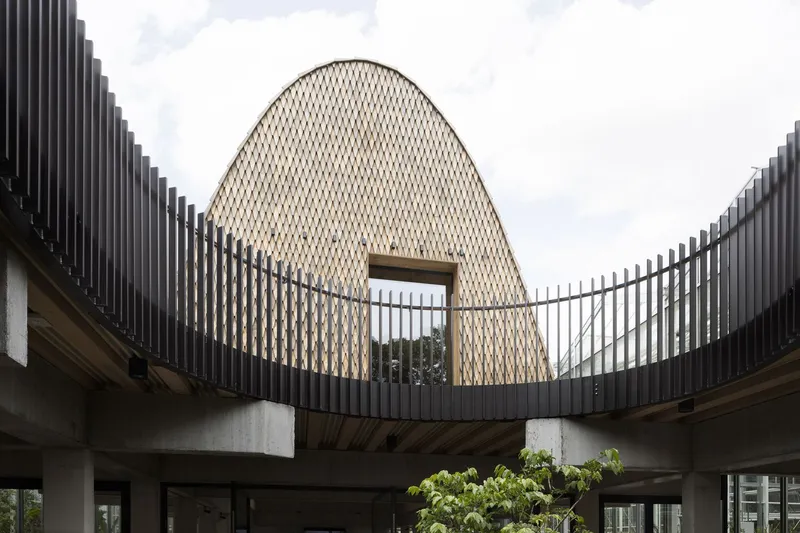
The Green Ark project includes the renovation of 7,600 m² of existing greenhouse infrastructure alongside the addition of a spectacular hyperboloid wooden pavilion. Together, these interventions transform the botanical complex into one of Europe’s most forward-thinking climate-adaptive greenhouse environments.
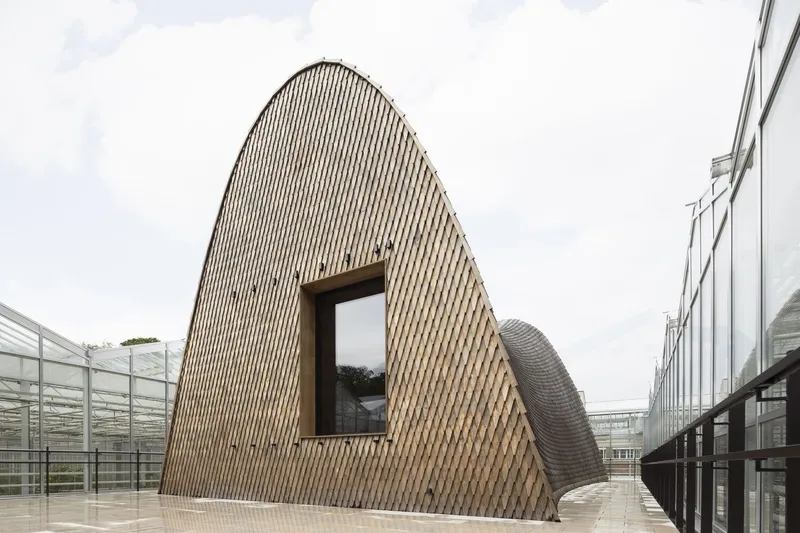
Hyperboloid Pavilion: Timber Innovation Meets Botanical Design
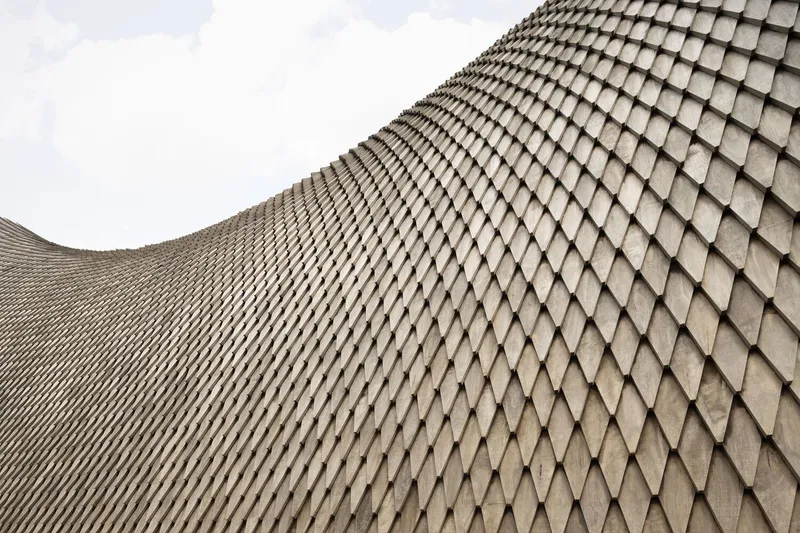
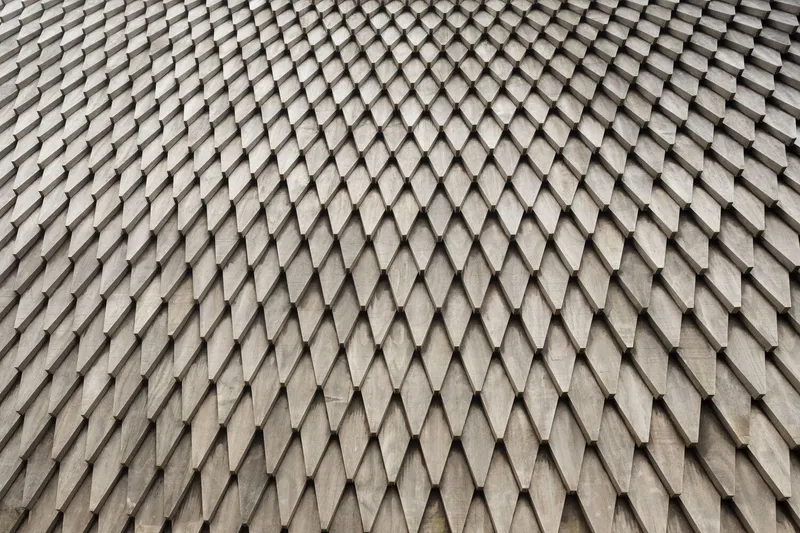
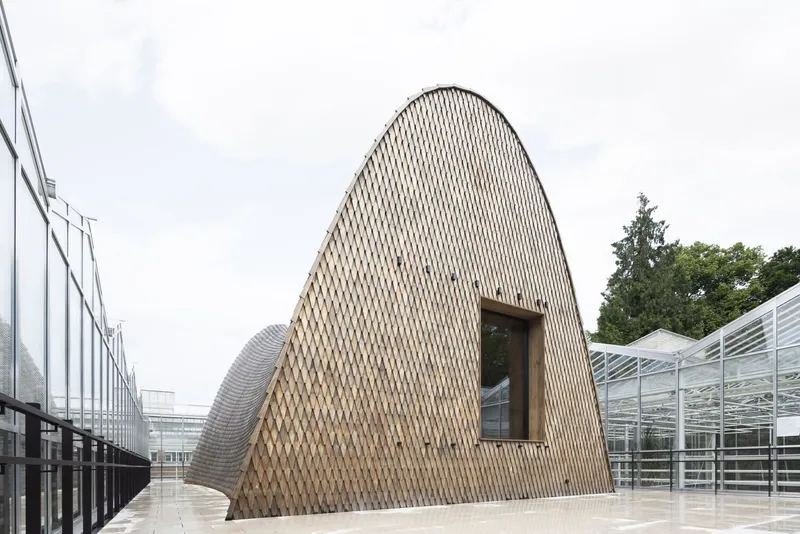
At the architectural core of the project stands a sculptural hyperboloid pavilion constructed using Kebony Clear wood. The pavilion’s dynamic geometry creates a visual landmark within the botanical garden while reinforcing the project’s commitment to sustainable construction.
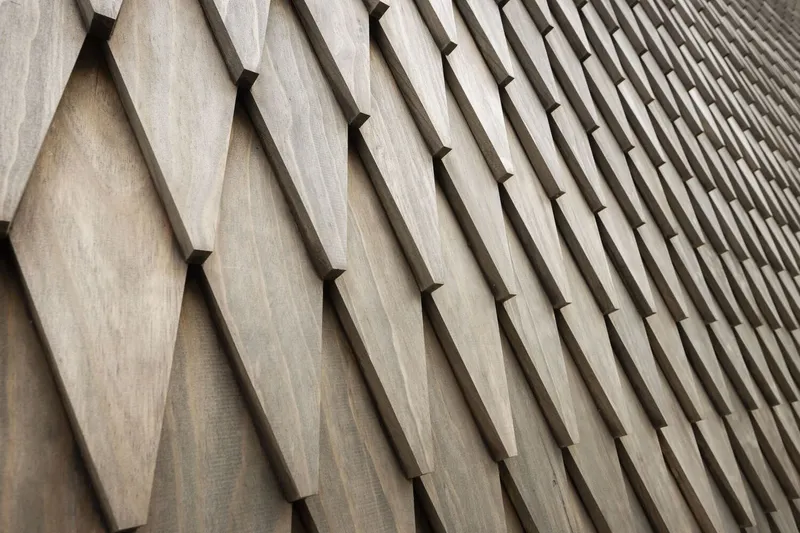
Dually modified™ Kebony wood shingles clad the roof structure, delivering:
- Enhanced durability and dimensional stability
- Increased hardness and structural longevity
- A natural aesthetic that blends seamlessly with the surrounding landscape
The FSC-certified fast-growing softwoods used in the project mature within 25 to 30 years, significantly faster than traditional hardwoods, which require 80 to 200 years. During growth, these trees actively capture atmospheric carbon, contributing to long-term CO₂ sequestration and reducing the building’s environmental footprint.
The Dual Modification™ process permanently alters the wood’s cell walls by forming locked-in furan polymers, improving safety, durability, and lifespan, key elements in sustainable architectural design.
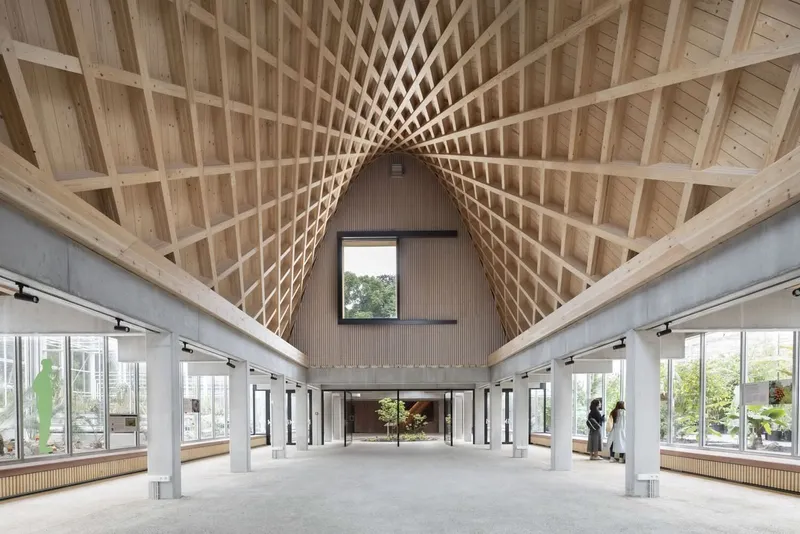
22 Climate-Controlled Greenhouses Housing 10,000+ Plant Species
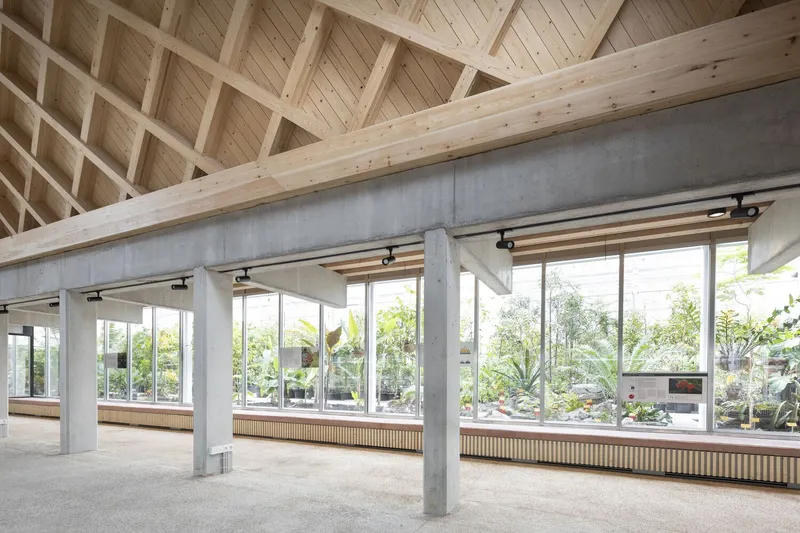
Green Ark is more than an architectural statement, it is a biodiversity sanctuary. The complex houses more than 10,000 endangered plant species distributed across 22 independently regulated greenhouses.
Each greenhouse maintains optimized environmental conditions, including:
- Individual temperature control
- Precise humidity regulation
- Species-specific climate environments
This advanced environmental regulation system ensures the preservation of rare and endangered flora from diverse global ecosystems, reinforcing the project’s ecological mission.
Sustainable Technology & Energy Efficiency
One of the most pioneering features of Green Ark is its integrated rainwater recycling irrigation system. Rainwater collected from the building’s surface is reused to irrigate plant collections, dramatically reducing resource consumption.
As a result of innovative engineering and energy-efficient systems:
- Overall energy consumption has been reduced by 50% compared to previous greenhouse facilities
- Water use has been optimized through closed-loop irrigation
- Operational sustainability has significantly improved
This approach positions Green Ark as a benchmark in sustainable greenhouse architecture and circular building design.

A Learning Hub for Climate Awareness and Biodiversity Protection
Green Ark also functions as an educational and environmental awareness center. Welcoming approximately 240,000 annual visitors, the facility serves as a living laboratory that communicates the urgent threats posed by climate change and biodiversity loss.
Through immersive spatial design and curated botanical exhibitions, the project promotes:
- Climate literacy
- Ecological innovation
- Environmental responsibility
- Sustainable future strategies
By integrating architecture, science, and public engagement, Green Ark strengthens the Meise Botanic Garden’s mission as a global research and conservation institution.


Collaborative Architecture and Government Partnership
The project was realized through a collaborative alliance between the Flemish Government, Meise Botanic Garden, and multiple industry partners, including De Keyser Wood Industry, Mouton, and Van Poppel. This multidisciplinary cooperation ensured technical precision, material innovation, and ecological performance at every stage of development.

All photographs are works of
N/A




Popular Articles
Popular articles from the community


Riyadh For All: Intergenerational Urban Design for Active Aging in Rabat
Riyadh For All reimagines urban design in Rabat with intergenerational co-living, adaptive courtyards, and Moroccan cultural exchange today.

Co-Life: Senior Housing Design That Reconnects Older Adults With the City
Co-Life reimagines senior housing design through healing gardens, shared streets, workshops, and a sustainable community across generations.

Lunar Spiral: Space Architecture Shaped by the Mathematics of the Universe
Lunar Spiral reimagines space architecture through Fibonacci geometry, lunar regolith, levitating habitats, and self-sustaining Moon living.

Hill & Cross Opera: Sculptural Opera House Architecture Shaped by Tallinn’s Landscape and Identity
Hill & Cross Opera reimagines opera house architecture in Tallinn through its sculptural hill, civic plaza, glass wave and a luminous cross.

Similar Reads
You might also enjoy these articles

FAMM Arquitectura Organizes Ten Villas Around Courtyards and Jungle in Nosara, Costa Rica
El Molino pairs two elongated volumes with deep overhangs and timber louvers to build a compact coastal community five minutes from the beach.
Oscar Niemeyer's Ibirapuera Park Pavilions Define São Paulo's Cultural Identity in Concrete and Curve
A constellation of modernist volumes set within São Paulo's most important urban park, conceived for the city's 400th anniversary in 1954.
How Henri Picq's 1889 Paris Pavilion Traveled 11,000 Kilometers to Become Santiago's Artequín Museum
A prefabricated iron and glass pavilion built for the Paris Universal Exposition found a second life as a children's art museum in Chile.
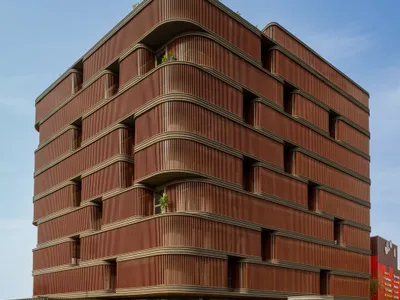
Sanjay Puri Architects Wraps a Jaipur Office Tower in Capsule-Shaped Green Buffers
A nine-level climate-responsive workplace near Jaipur Airport uses stacked planter terraces and aluminium screens to fight 40°C heat.


Explore Architecture Competitions
Discover active competitions in this discipline



Challenge to reimagine the Iron Throne


Photograph architecture without architects


Illustrate the lost glory of Angkor Wat - Render Challenge


Design challenge to reuse E-waste
Comments (0)
Please login or sign up to add comments
No comments yet. Be the first to comment!