
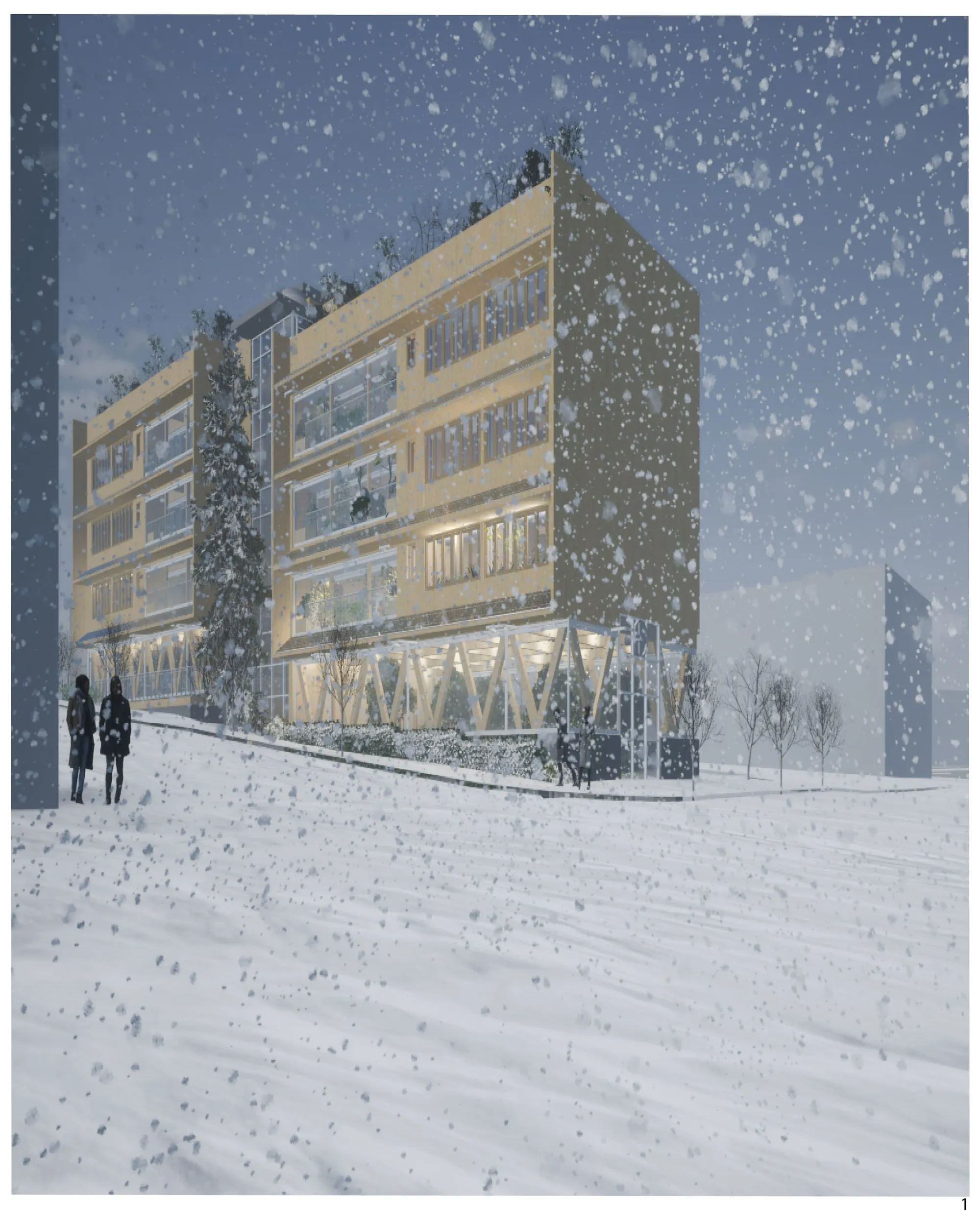
Greenhouse Apartments: A Sustainable Oasis in the City
Integrating nature and innovative design for eco-conscious living.


The Green Pacifier competition challenged architects to design apartment buildings that prioritize sustainability and environmental consciousness. "Greenhouse Apartments" by J Michael Kilpatrick, a shortlisted entry, offers a compelling vision for integrating nature and innovative design to create an urban oasis. This article explores the project's key features, highlighting its sustainable strategies and the unique living experience it offers.
Optimizing Building Orientation and Natural Light
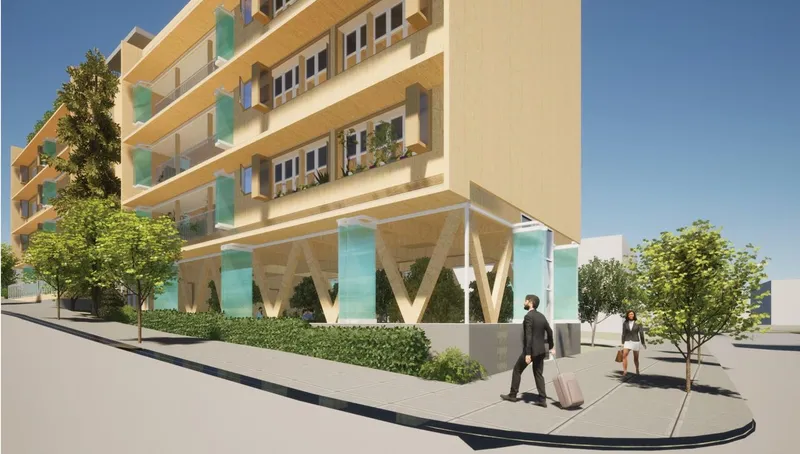
The Greenhouse Apartments project prioritizes passive solar design strategies to minimize energy consumption and maximize natural light:
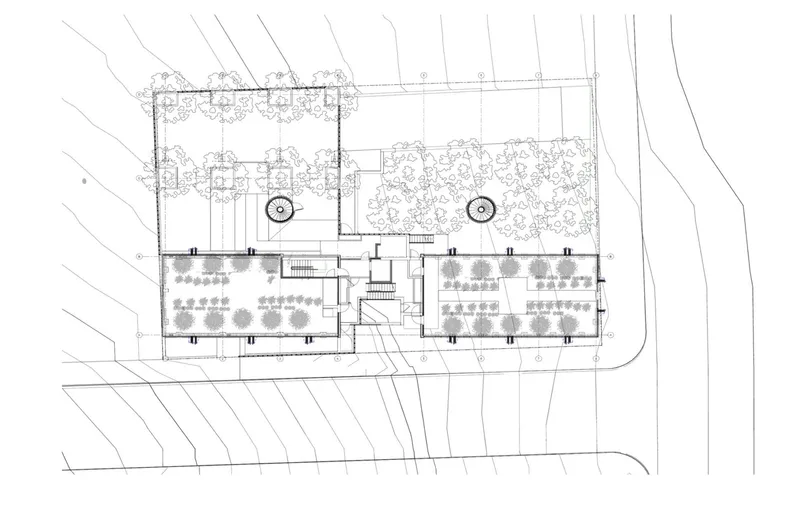
East-West Orientation: The building's east-west orientation optimizes solar gain and minimizes glare. This strategic placement allows for better control of natural light throughout the day..
Strategic Window Placement: North-facing windows maximize diffused light, reducing the need for artificial lighting.South-facing windows, equipped with shading devices, allow abundant light while minimizing solar heat gain.
East and west facades minimize window openings to reduce solar gain during peak hours.
North-facing windows maximize diffused light, reducing the need for artificial lighting.
South-facing windows, equipped with shading devices, allow abundant light while minimizing solar heat gain.
East and west facades minimize window openings to reduce solar gain during peak hours.
Solar Panels: Overhangs on the east-west sides incorporate solar panels, positioned at the optimal angle for year-round energy generation. This integrated design feature contributes to the building's overall sustainability.
Maximizing Green Spaces and Minimizing Footprint
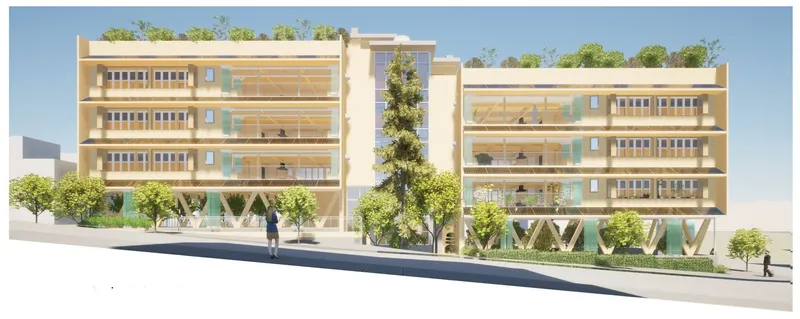
The project embraces a philosophy of minimizing the building's footprint on the ground and maximizing green spaces:
Elevated Structure: Raising the building off the ground allows for increased earth exposure and sunlight, fostering the growth of vegetation beneath the structure.
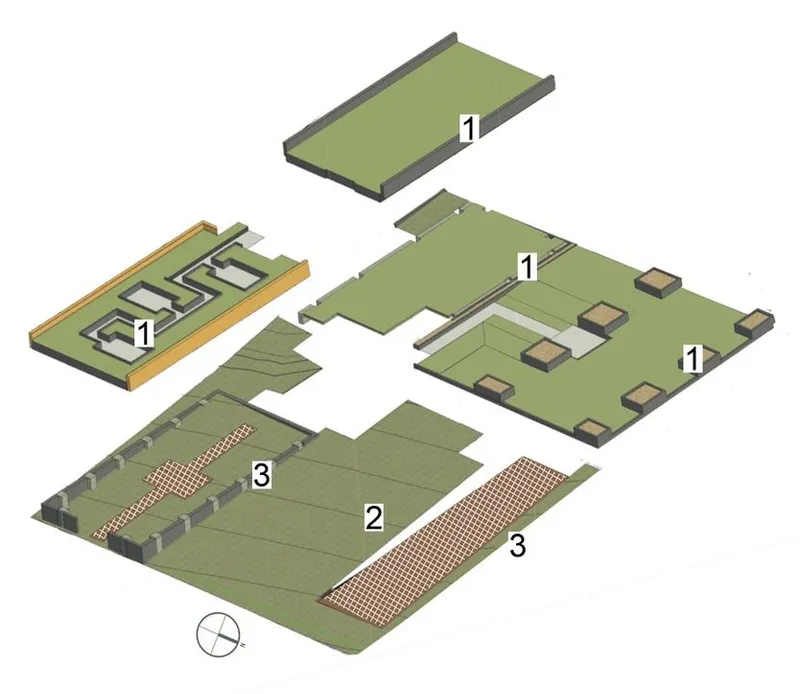
Green Roof Systems: Green roof systems are implemented on the roofs of the dwelling units and the sunken garage, further expanding green spaces and promoting biodiversity.
Multi-Purpose Greenhouses: The areas under the dwelling units serve as greenhouses during inclement weather, providing a space for residents to cultivate plants and enjoy a connection with nature. In pleasant weather, these spaces can be opened to share with neighbors, fostering a sense of community.
Versatile Balcony Design: Adapting to the Seasons
The project addresses the underutilization of balconies by transforming them into versatile spaces that adapt to different seasons and needs:
Balcony-Greenhouse Conversion: The balconies can be fully opened to extend the living space, partially enclosed for use on chilly days, or fully enclosed and transformed into greenhouses during cold weather. This adaptability allows residents to enjoy their balconies year-round.
Natural Ventilation: Operable windows on the north side of the balconies, in conjunction with the open balcony doors, provide natural cross ventilation during comfortable weather.
Mini Greenhouse in Bedrooms: Bedrooms feature a smaller version of the balcony greenhouse concept, with planter boxes enclosed on both sides and operable windows, allowing residents to enjoy a touch of nature in their private spaces.
Sustainable Material Choices: Embracing Wood
The project prioritizes the use of sustainable materials, particularly wood:
Cross-Laminated Timber (CLT): CLT is used for beams, columns, floors, and walls, showcasing the versatility and structural strength of this renewable material.
Sustainability Benefits of Wood: Wood is a renewable resource that sequesters carbon, reducing the building's overall environmental impact. It also offers aesthetic warmth and contributes to a healthy indoor environment.

A Harmonious Blend of Nature and Design
The Greenhouse Apartments project offers a compelling vision for sustainable urban living. By optimizing building orientation, maximizing green spaces, incorporating versatile balcony designs, and prioritizing sustainable materials, the project creates a harmonious blend of nature and design. This approach not only reduces the building's environmental impact but also enhances the quality of life for residents, fostering a connection with nature and a sense of community. As we strive to create more sustainable and livable cities, projects like Greenhouse Apartments provide valuable insights and inspiration for a greener future.




Popular Articles
Popular articles from the community


Riyadh For All: Intergenerational Urban Design for Active Aging in Rabat
Riyadh For All reimagines urban design in Rabat with intergenerational co-living, adaptive courtyards, and Moroccan cultural exchange today.

The Earth Pod: 3D Printed Homes for Resilient Refugee Communities
The Earth Pod reimagines refugee housing through 3D printed homes made from clay, combining resilience, self-sufficiency, and rapid shelter.

Hill & Cross Opera: Sculptural Opera House Architecture Shaped by Tallinn’s Landscape and Identity
Hill & Cross Opera reimagines opera house architecture in Tallinn through its sculptural hill, civic plaza, glass wave and a luminous cross.

Co-Life: Senior Housing Design That Reconnects Older Adults With the City
Co-Life reimagines senior housing design through healing gardens, shared streets, workshops, and a sustainable community across generations.


Similar Reads
You might also enjoy these articles

Day and Night Park: A Time-Based Urban Newsstand in Beijing
A temporary urban newsstand in Beijing blending travel, light, and reading through poetic colors, compact form, and community-focused design.

Modernist Patio Renovation in El Masnou, Barcelona by Oliver Segura Arquitectura + Cebrià Arquitectura
Modernist patio renovation blending tradition and innovation with a movable pool, leveled floors, and Catalan materials in El Masnou.
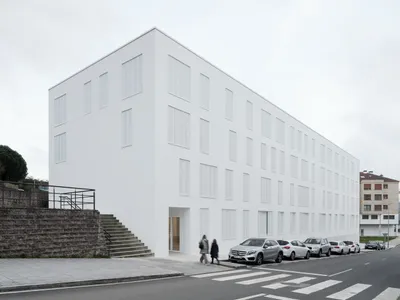
Alto Residencial Coop: Cooperative Housing Development in Santiago de Compostela by Carbajo Barrios Arquitectos
A linear cooperative housing complex blending white volumes and perforated metal façades, enhancing community living, natural light, privacy, and urban integration.
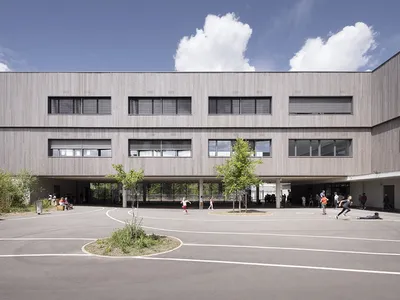
Vil Genis School by BPA ARCHITECTURE – Massy, France
Vil Genis School in Massy, France, features sustainable design, south-facing classrooms, community integration, accessible spaces, and modern educational architecture.
Explore Eco Building Competitions
Discover active competitions in this discipline


Challenge to design mud housing for contemporary communities


Challenge to reimagine the Iron Throne


Photograph architecture without architects


Illustrate the lost glory of Angkor Wat - Render Challenge
Comments (0)
Please login or sign up to add comments
No comments yet. Be the first to comment!