

Helsingin Muurarimestari by AVARRUS Architects: A Contemporary Return to Enduring Brick Architecture in Helsinki
Helsingin Muurarimestari by AVARRUS Architects revitalizes Helsinki’s brick heritage, offering sustainable, durable residential housing with natural ventilation and timeless design.


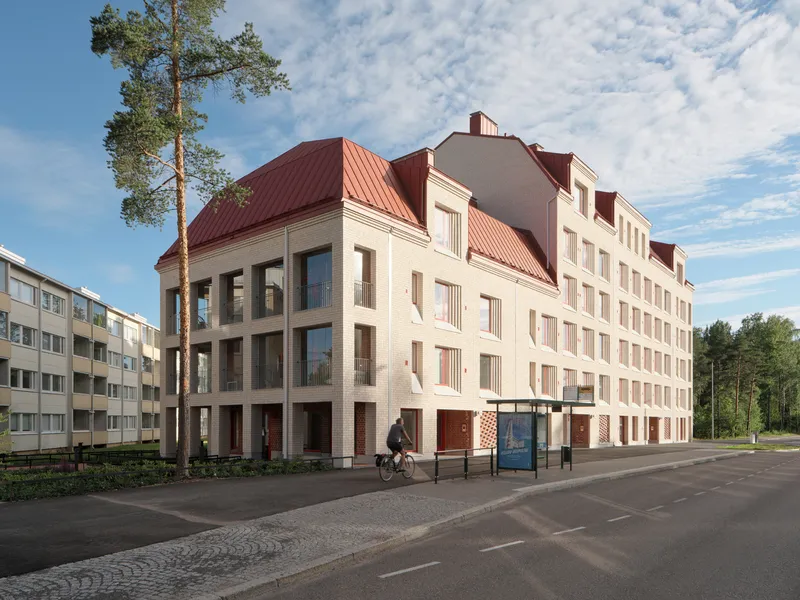
Helsingin Muurarimestari, designed by AVARRUS Architects, is a residential housing project in Helsinki, Finland, that redefines sustainability through longevity, craftsmanship, and architectural responsibility. Completed in 2024, the project offers a compelling alternative to contemporary prefabricated construction by reviving traditional solid brick masonry, an approach deeply rooted in Helsinki’s architectural heritage.
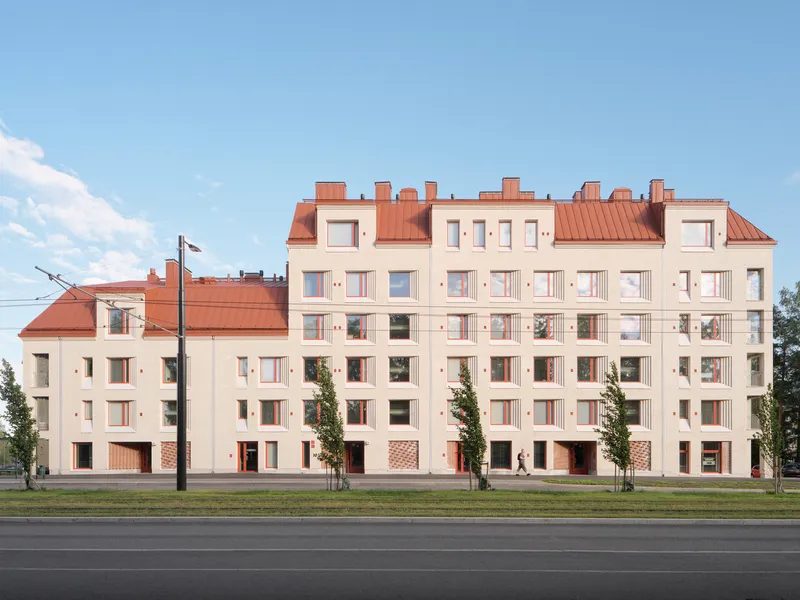
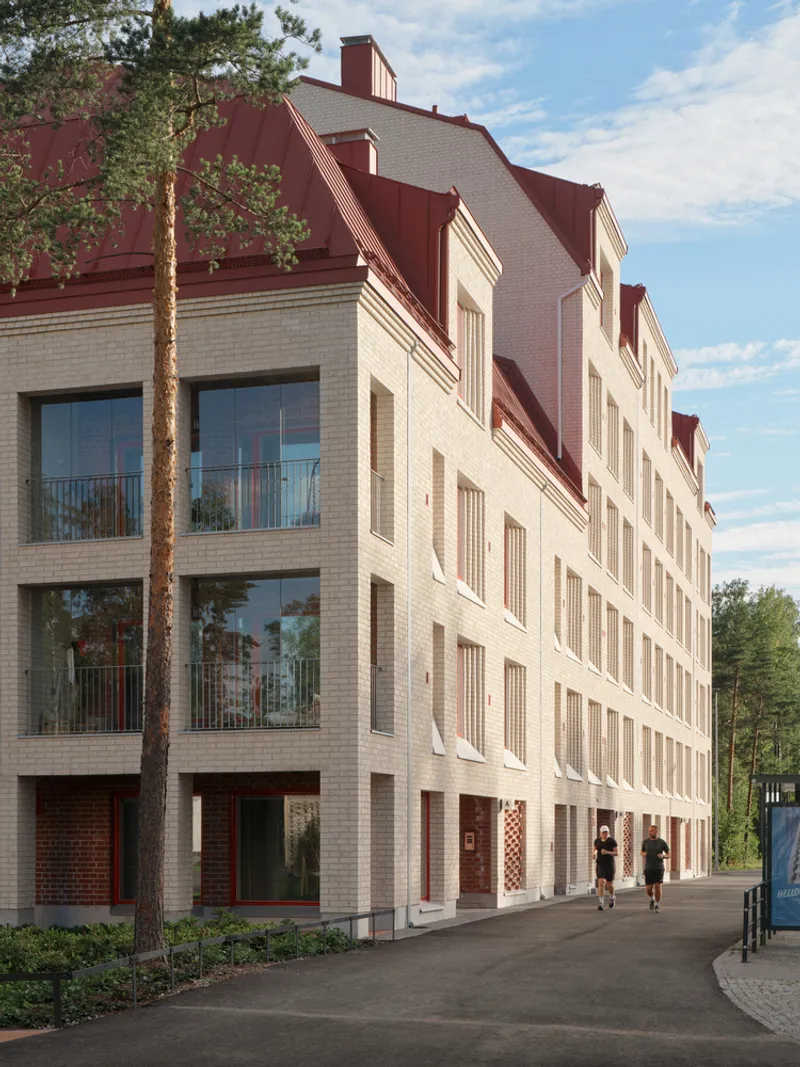
Led by founding partners Pauli Siponen and Niilo Ikonen, AVARRUS Architects set out to create housing that could endure for generations. Rather than prioritizing short-term efficiency, the project challenges prevailing building practices by emphasizing durability, repairability, and environmental resilience. Helsingin Muurarimestari is not merely a housing development; it is an architectural statement advocating for long-lasting construction in an era of disposable buildings.
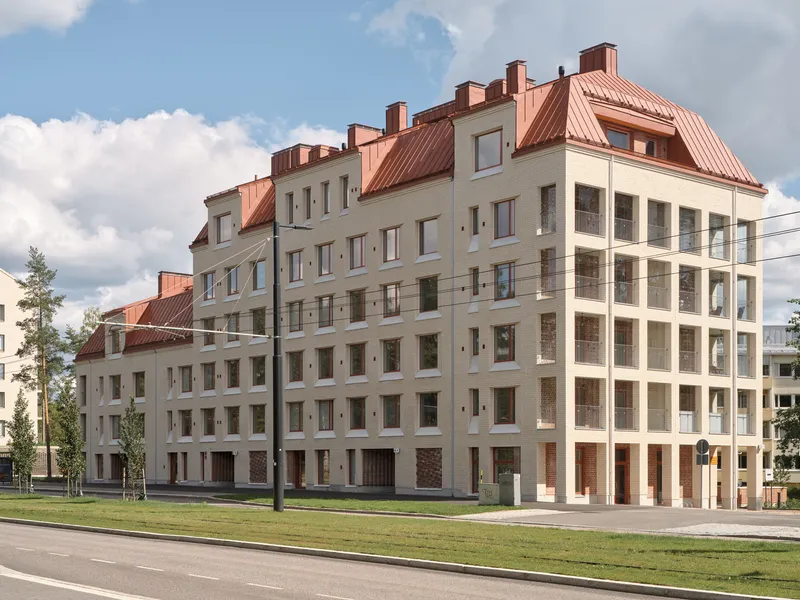
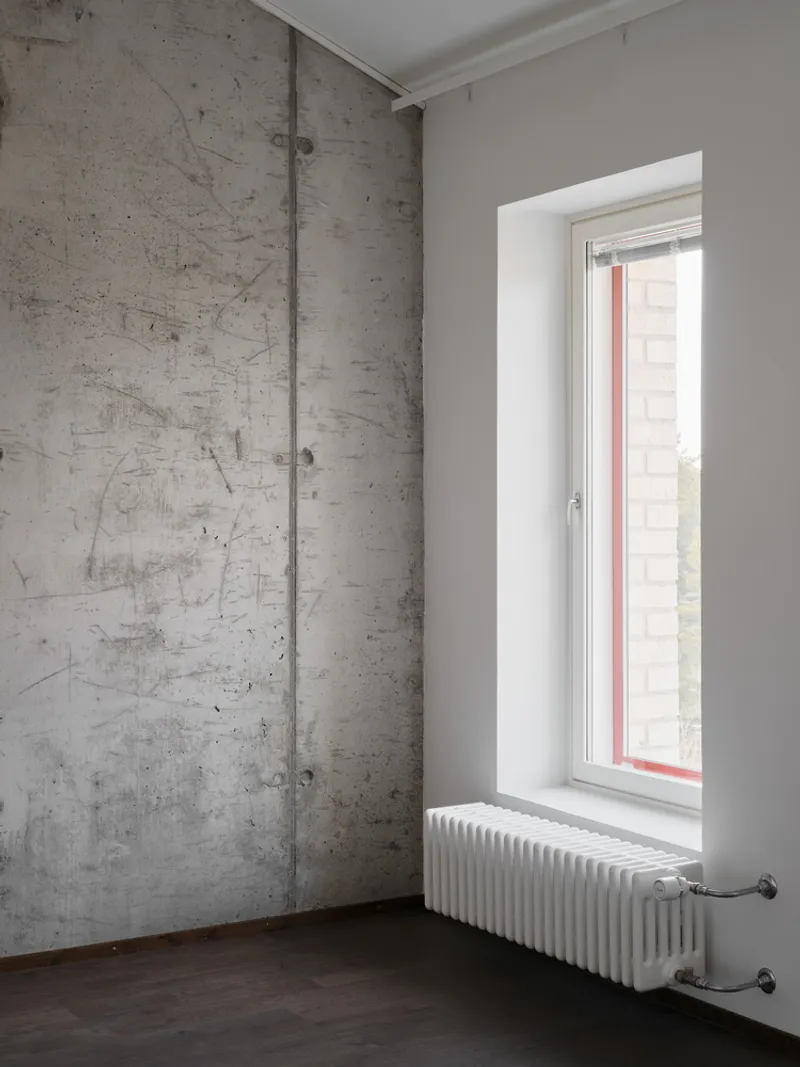
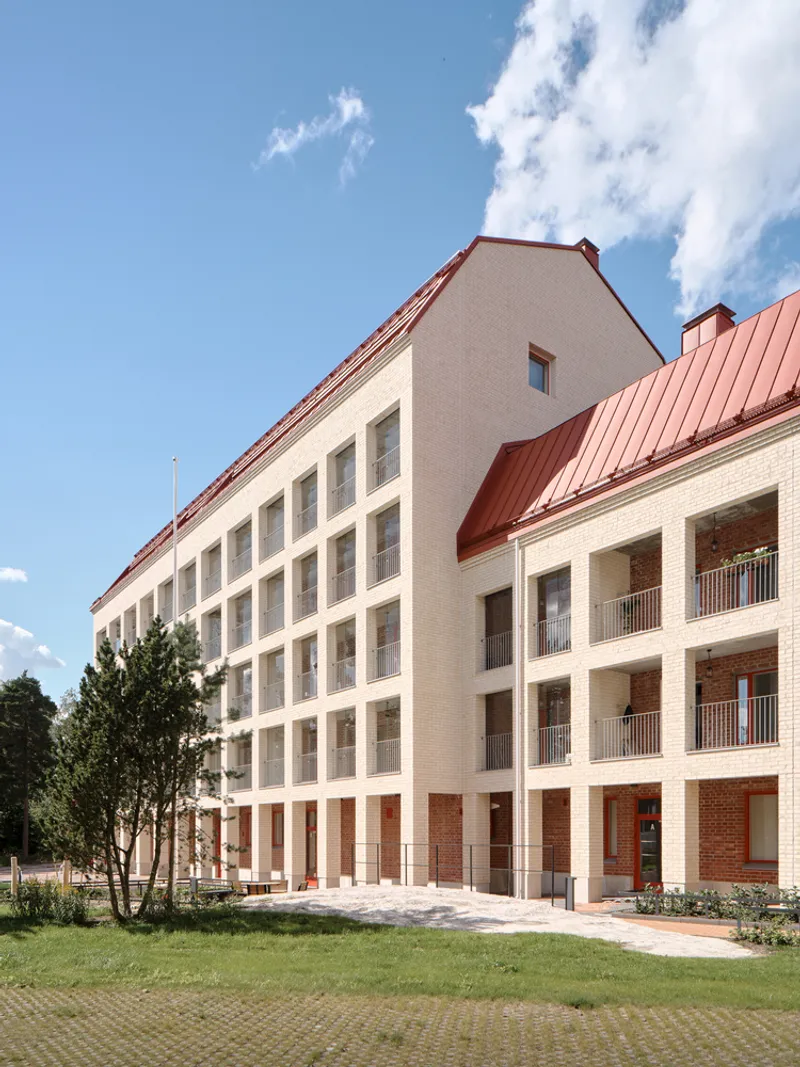
Inspired by early 20th-century brick architecture found throughout Helsinki, the building adopts solid brick walls measuring between 60 and 75 centimeters thick, echoing historical construction techniques that have proven their value over time. Unlike insulated precast concrete elements, widely used in Finland since the late 1950s and often prone to moisture damage, solid masonry structures have demonstrated exceptional thermal stability and low maintenance requirements. These thick brick walls naturally store heat during summer months and retain warmth in winter, contributing to energy efficiency without excessive reliance on mechanical systems.
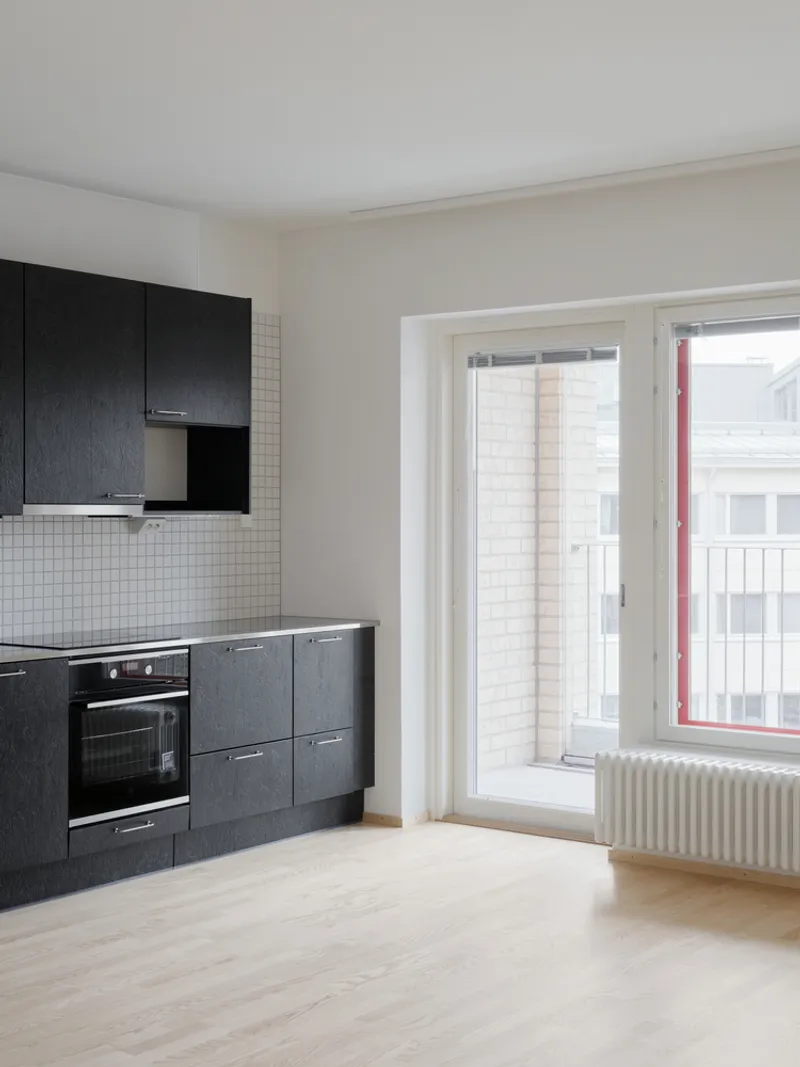
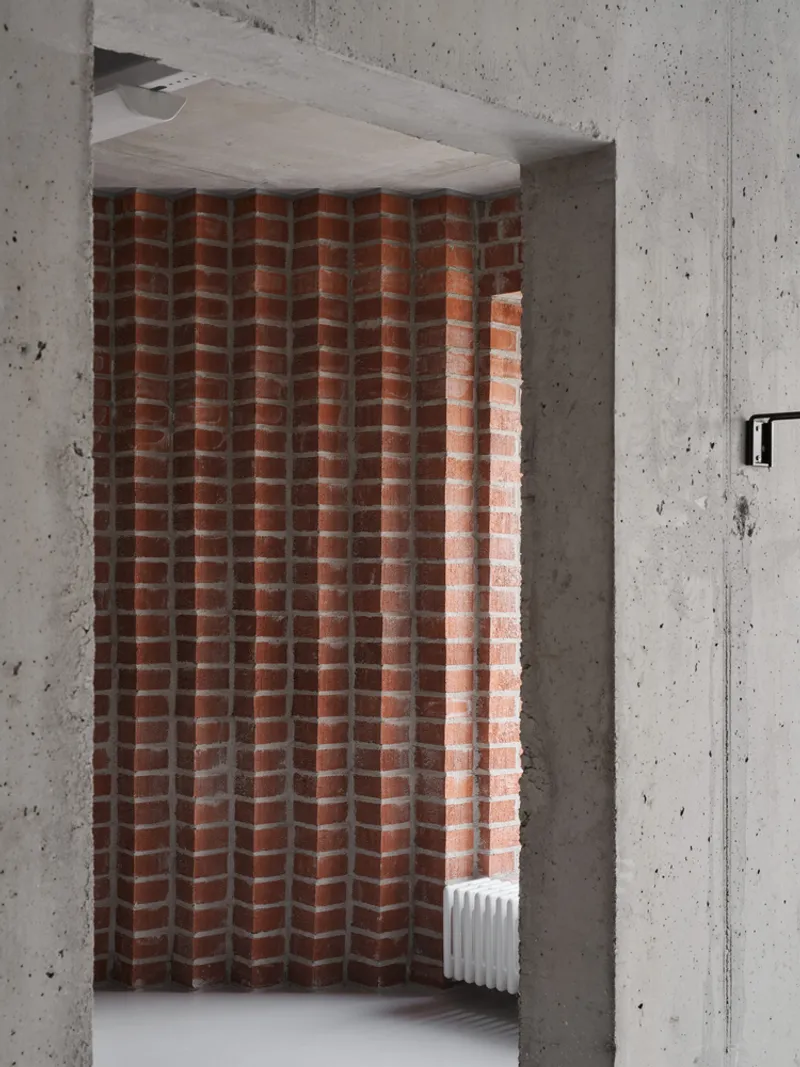
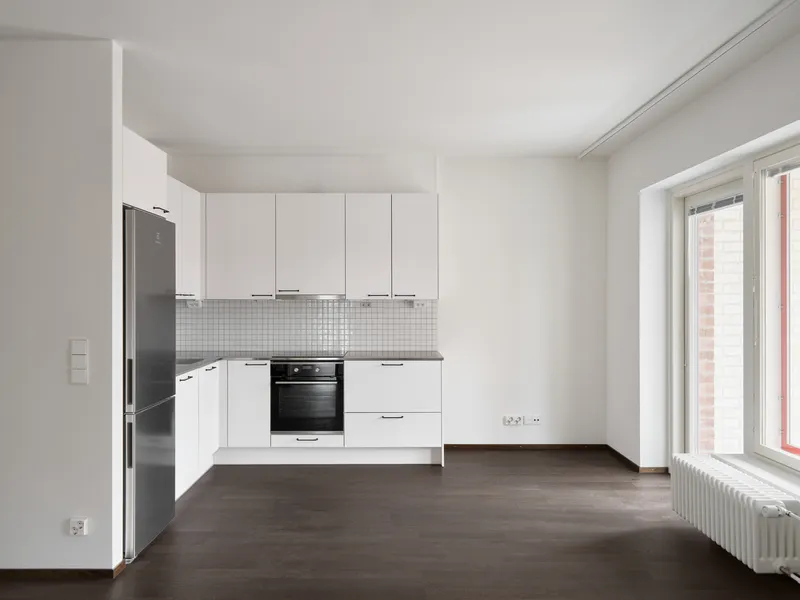
The project comprises 29 carefully planned apartments, each designed to enhance spatial comfort and environmental performance. Every unit opens in at least two directions, enabling cross ventilation and improving indoor air quality through natural airflow. This passive design strategy significantly reduces energy consumption while fostering a healthier living environment, an increasingly vital consideration in residential architecture.
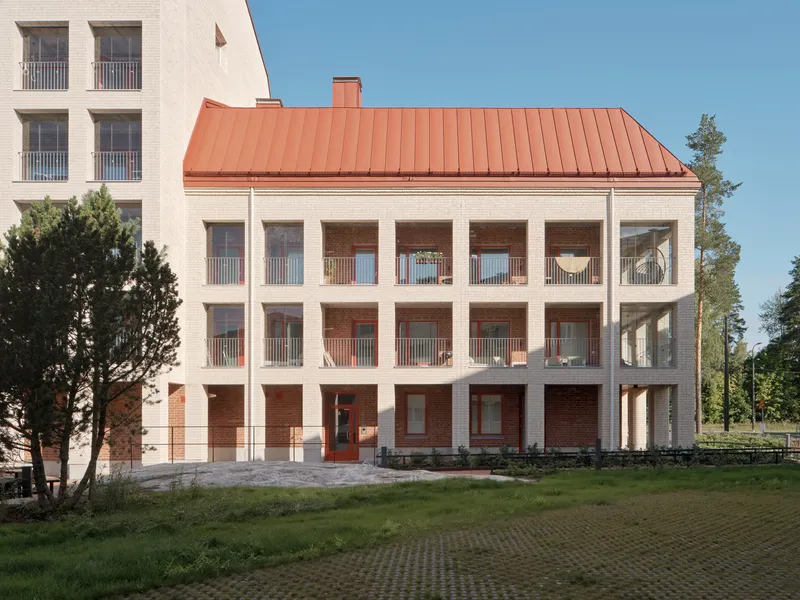
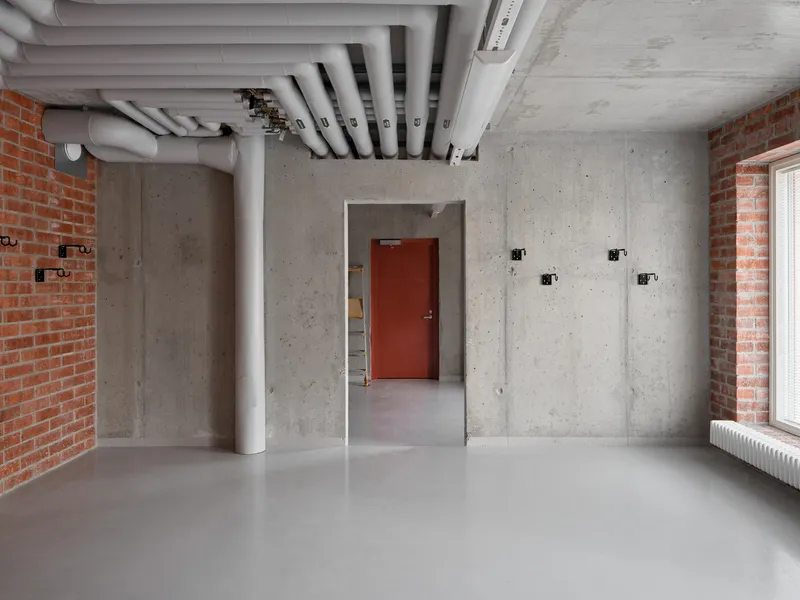
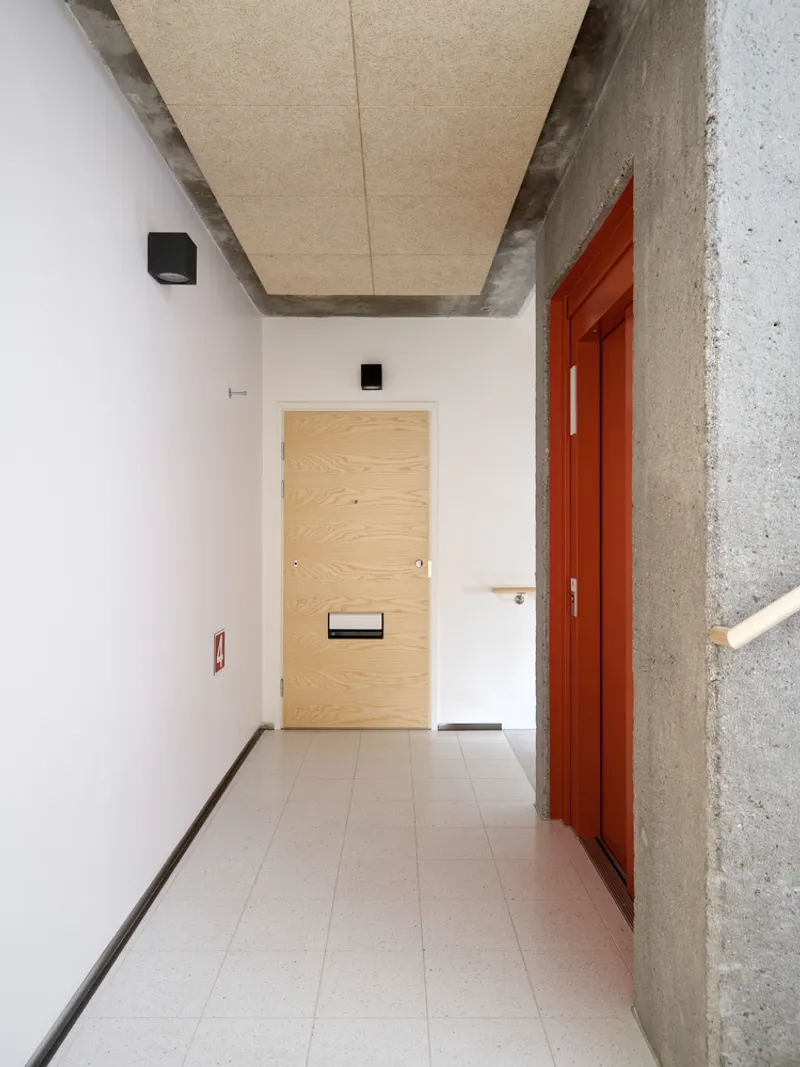
Material honesty plays a central role in the project’s sustainability ethos. The interiors avoid plastic components and chemical adhesives, particularly in kitchens and built-in cabinetry. Instead, breathable and durable materials are used to ensure healthier indoor conditions and extend the lifecycle of the building. This commitment to material integrity aligns with the project’s broader goal: architecture that ages gracefully rather than deteriorates prematurely.
Beyond technical performance, Helsingin Muurarimestari celebrates the craftsmanship of traditional masonry, reaffirming the cultural value of skilled labor in contemporary architecture. As Niilo Ikonen notes, the project demonstrates that historic building methods can meet, and even exceed, modern standards of sustainability and energy efficiency. By merging time-tested construction techniques with contemporary design principles, the building bridges the past and the future of Finnish residential architecture.
Developed in collaboration with Kestävät Kodit Ltd., Helsingin Muurarimestari represents a forward-thinking model for sustainable housing in Nordic cities. It proposes a shift in architectural priorities: from speed and cost efficiency toward permanence, adaptability, and environmental accountability. In doing so, the project offers a powerful reminder that true sustainability lies not only in technology, but in building structures designed to last a century or more.
All photographs are works of
Tuomas Uusheimo


Popular Articles
Popular articles from the community


Cloaked Colonization: A Mobile Underwater Habitat That Moves Like a Fish
Micah Abaya's shortlisted EHC Pacific entry reimagines ocean settlement as a dispersed network of self-sustaining architectural organisms.

Opera on the Sea: Driftwood Logic Shapes a Timber Opera House on Estonia's Coast
Trevor Orgill's opera house translates the entangled drift of floating timber into a civic building where wood, water, and music converge.

Singing Woman: An Opera House That Performs Before the Curtain Rises
Ovidiu Cristian Pavel's conceptual opera house translates Estonia's choral identity into a sculpted waterfront landmark facing the Baltic Sea.

Tsunami Convergenics: Turning Catastrophic Ocean Forces into Underwater Housing Infrastructure
A speculative underwater settlement off the coast of Onagawa, Japan, treats tsunamis and typhoons as energy sources rather than threats.

Similar Reads
You might also enjoy these articles


Hodi-Mandai Geram
Project Function: Preservation and revitalization of the Intangible heritage and socio-spatial identity of the Hodi by Housing, Cultural Memory Center, Sacred Grove, landscape, local tourism economy


Olio Towers: A Mid-Rise for Performers That Fuses Housing, Rehearsal, and Stage
Located blocks from Houston's Theater District, this modular tower stacks living units around a central performance atrium.

Oasis: Modular Green Housing Carved into Dhaka's Urban Fabric
A shortlisted Plugin Housing entry reclaims unauthorized settlements in Dhaka with stepped concrete volumes, green roofs, and ventilation-driven design.

Black Hole: A Floating Megastructure for the Post-Physical Era
Emiliano Mazzarotto envisions a spherical, self-scaling arena where e-sports, digital hotels, and holographic stadiums replace traditional public space.

Explore Exposed Brick Competitions
Discover active competitions in this discipline

Challenge to design mud housing for contemporary communities

Challenge to reimagine the Iron Throne

Photograph architecture without architects

Illustrate the lost glory of Angkor Wat - Render Challenge
Comments (0)
Please login or sign up to add comments
No comments yet. Be the first to comment!