

Heritage Cafe Interior Design in Korea: Yeonheun Roasters by Sherpa Blends Memory, Material, and Meaning
Yeonheun Roasters reimagines a historic Seoul building into a poetic café rooted in memory, material honesty, and Korean heritage.


A Contemporary Café Rooted in Architectural Memory
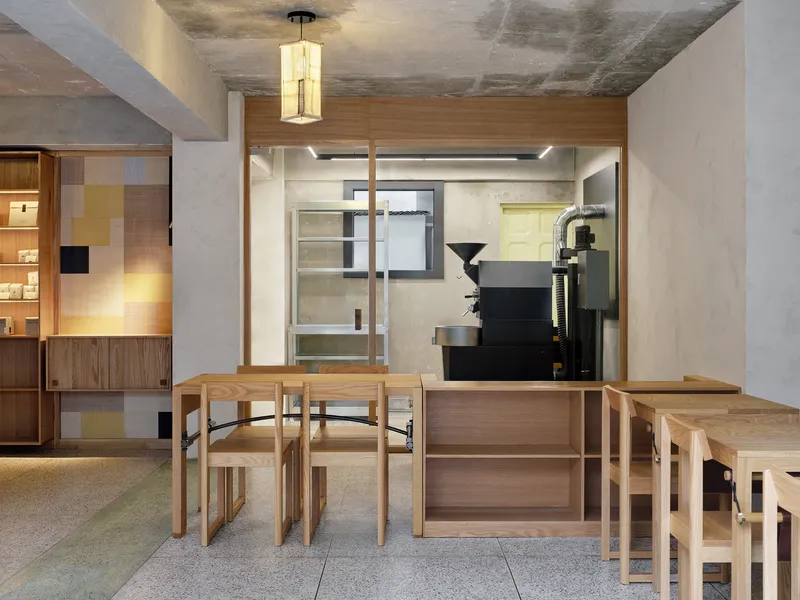
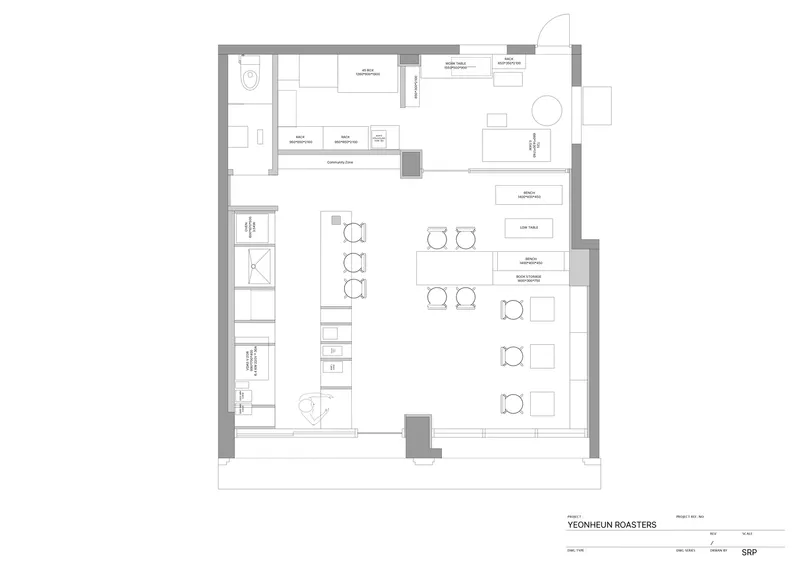
In the alleyways of Seochon, one of Seoul’s oldest neighborhoods, Yeonheun Roasters by Sherpa emerges as a quiet yet powerful expression of heritage cafe interior design in Korea. Set within a modest 59 m² footprint, the project transforms a forgotten building into a soulful coffee space that speaks not just through its materials, but through the narrative of time, memory, and architectural empathy.
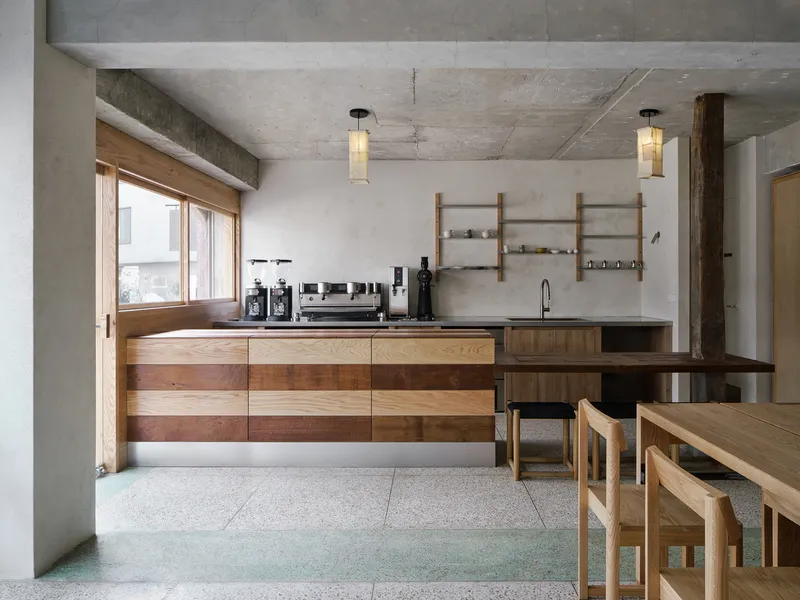
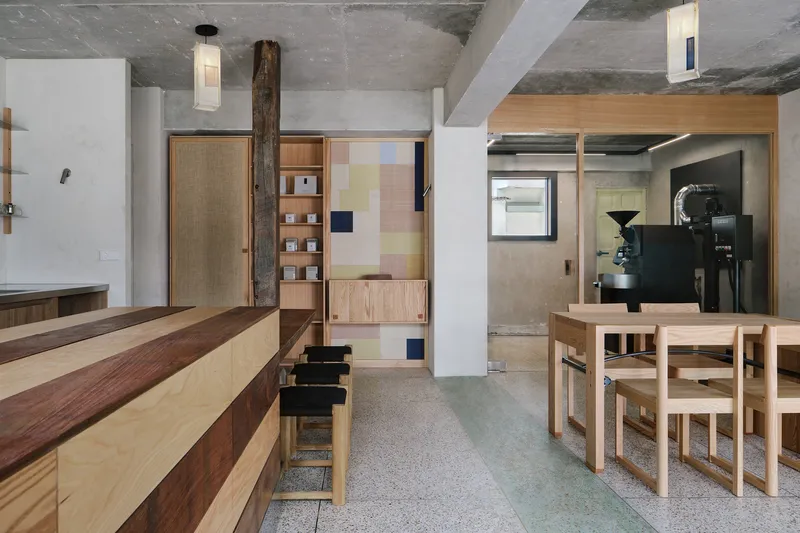
Rather than replacing what was there, Sherpa chose to preserve, reinterpret, and expose. Every design move respects the scars of the building’s past—marks left by weather, use, and human presence. These traces are not concealed; they are revealed and celebrated, making the space feel honest, raw, and emotionally resonant.
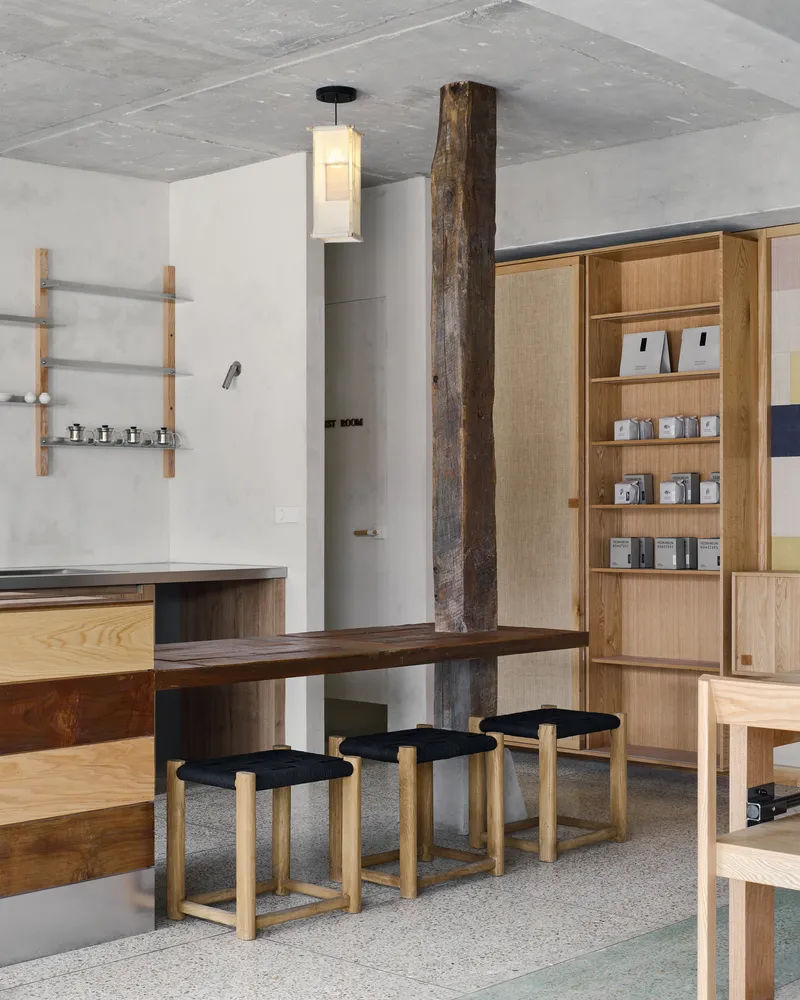
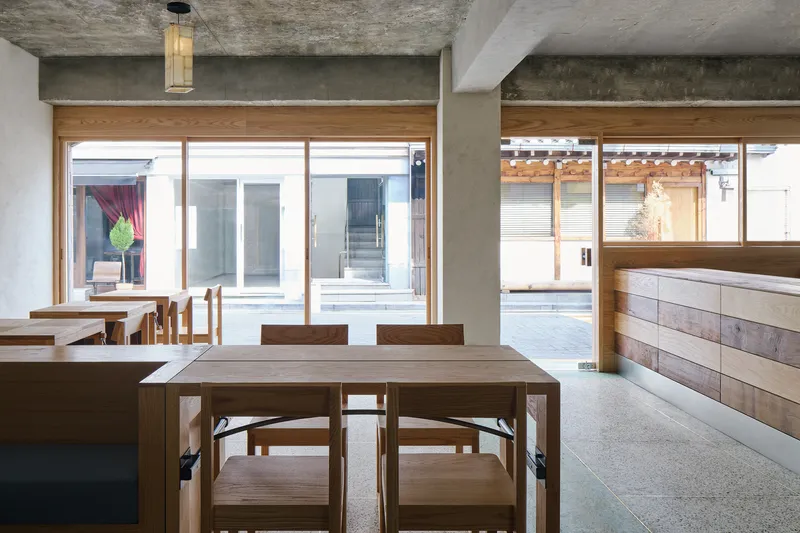
Architecture of Traces: Scars as Design Language
The design begins with an act of restoration. The original terrazzo floor was carefully brought back to life, serving as a tactile reminder of the building’s history. Hidden windows were unearthed, not replaced wholesale, but simply reglazed, revealing their original form and function. These gestures form the architectural backbone of a project rooted in the philosophy that spaces, like people, carry stories in their imperfections.
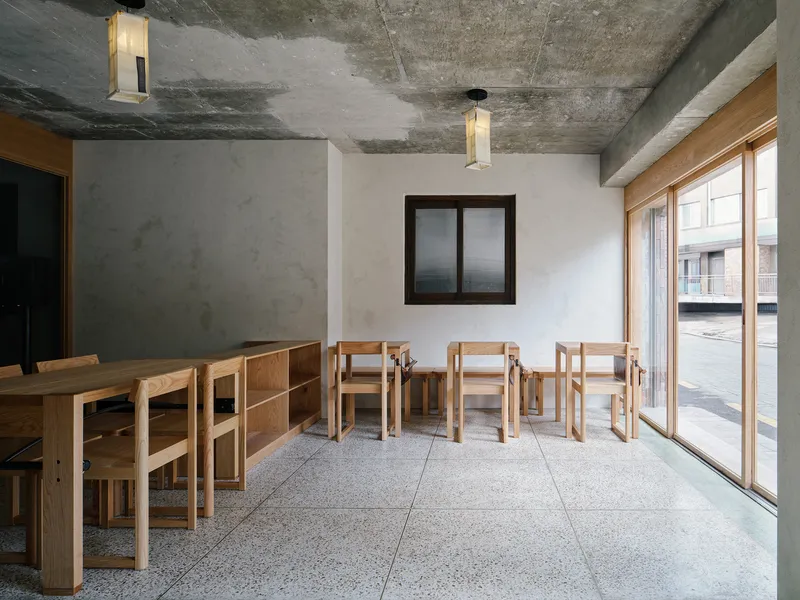
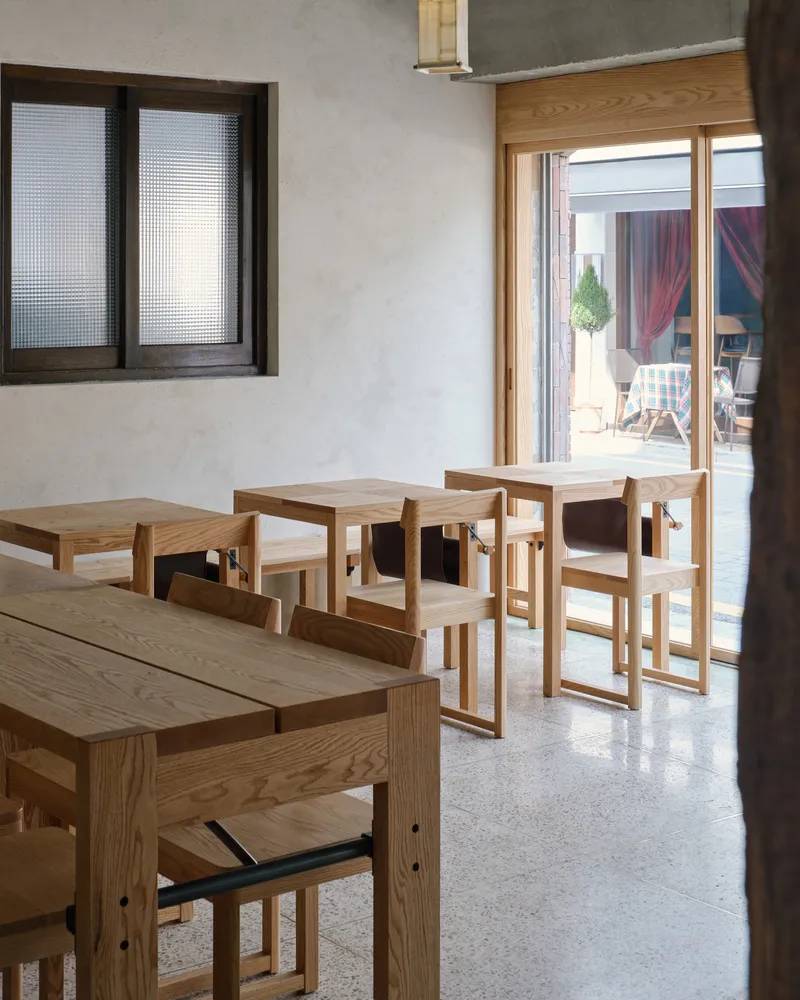
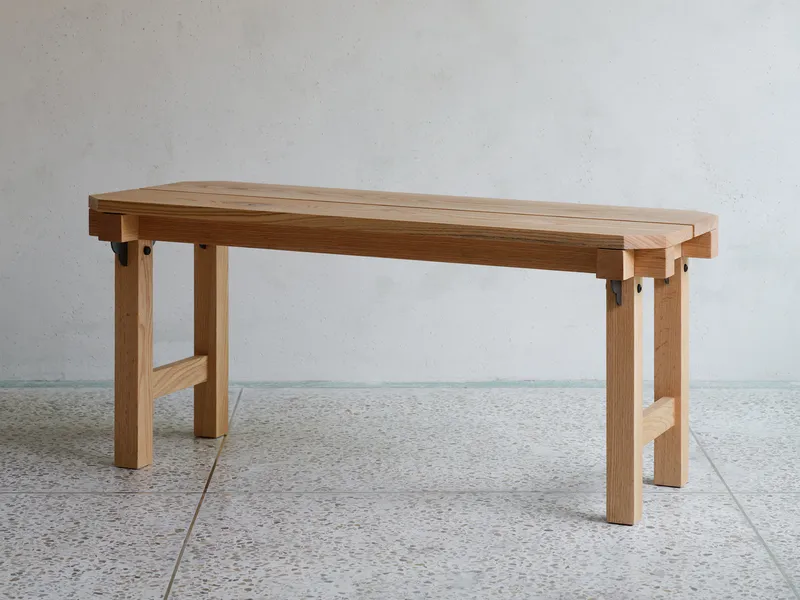
One of the most poetic elements is the use of arch motifs, previously part of the original façade, now abstracted and translated into furniture forms. This visual continuity forms a relationship between past and present—a dialogue of quiet references that unify the spatial language.
Material Intimacy and Korean Craft Traditions
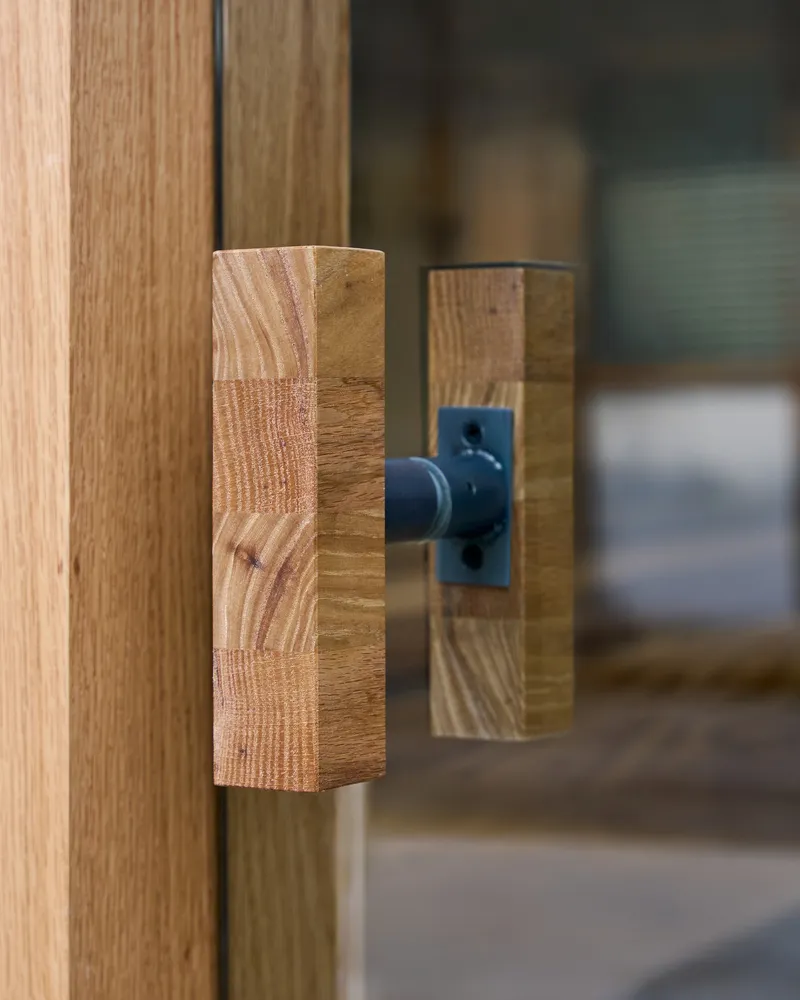
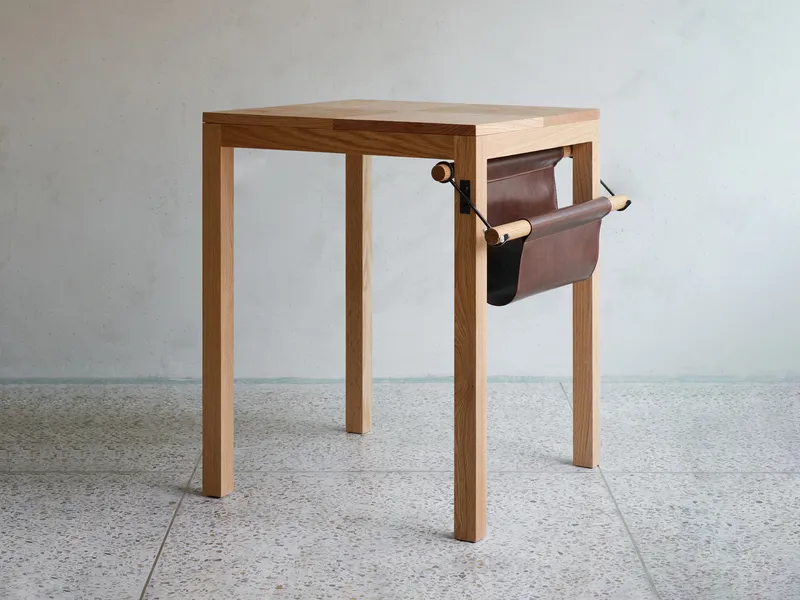
Materiality in Yeonheun Roasters is a carefully orchestrated composition of old and new, rough and refined. Sherpa employed reclaimed lumber and oak, not simply for sustainability but for emotional depth. The exposed grain and visible growth rings of the wood symbolize time and resilience, resembling fingerprints—natural identifiers of uniqueness and memory.
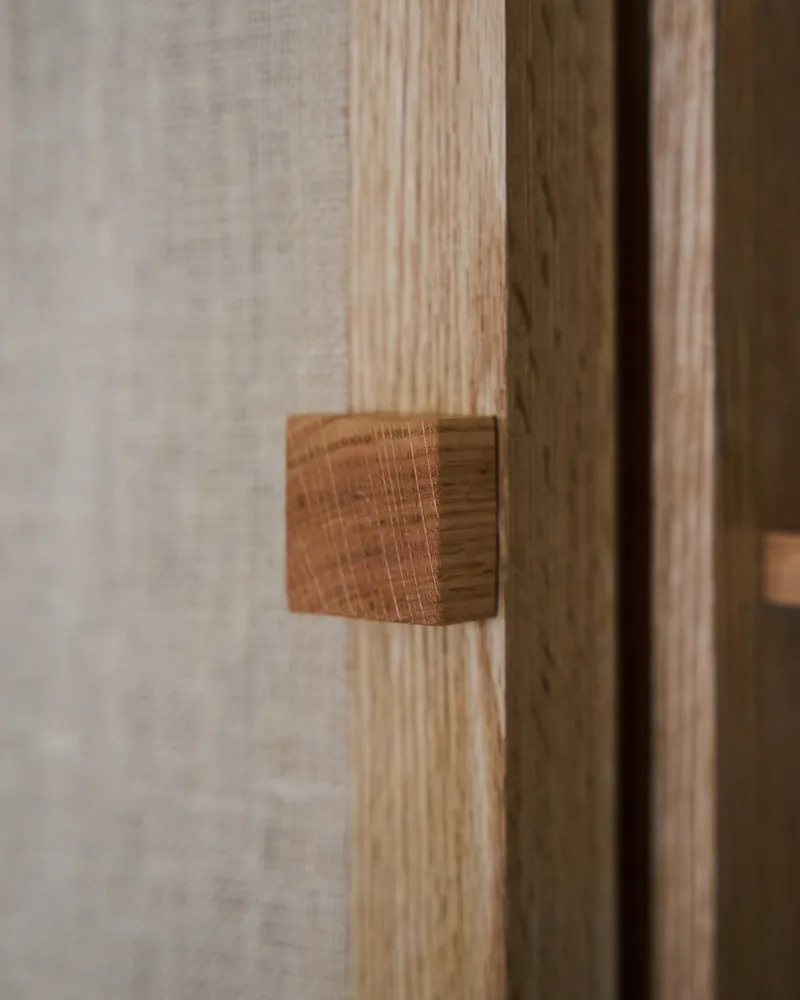
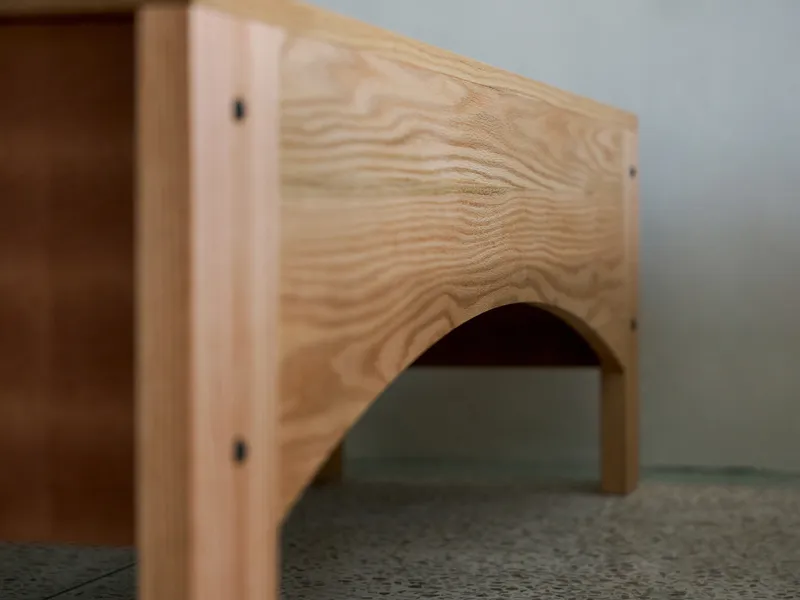
The burning technique applied to some wooden elements—using traditional fall methods—adds layers of texture and contrast. Charred and polished finishes sit side by side, amplifying the expressive power of wood while anchoring the café in Korea’s longstanding craft traditions.
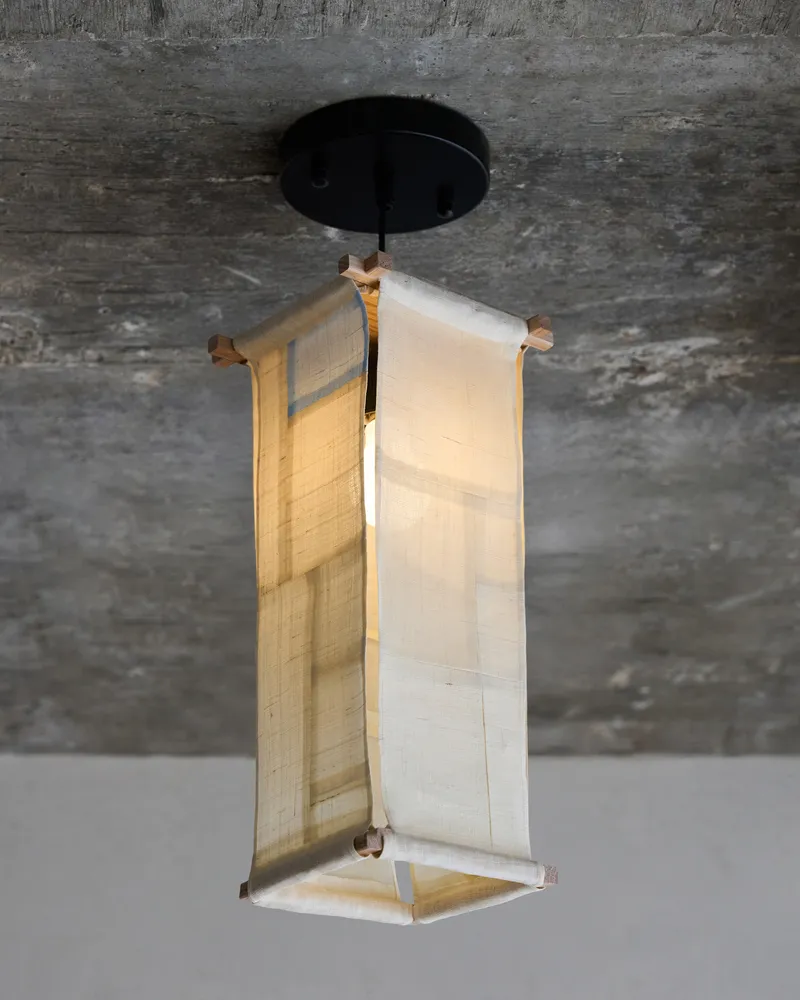
Stone pillars, aged and embedded into the foundation, ground the space in cultural context. They offer a tactile Korean sensibility, evoking ancient structures while seamlessly blending with minimal contemporary interventions. Sculptural beams integrated into the walls extend this metaphor, reflecting warmth both visually and through integrated ceiling lighting.
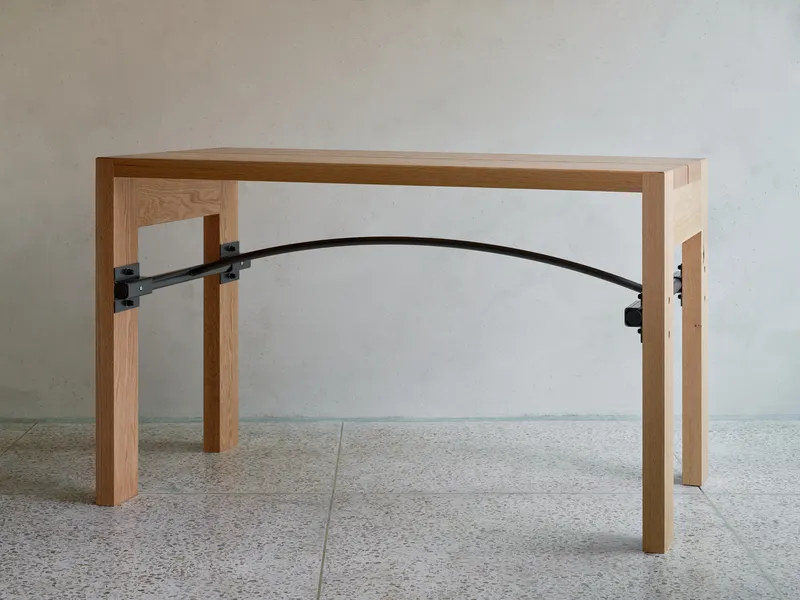
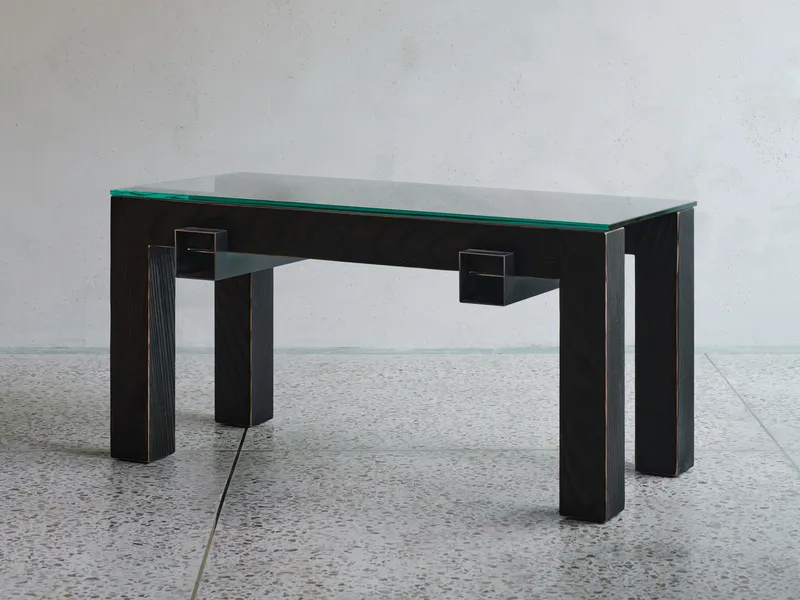
A Warm and Reflective Urban Retreat
This café is more than just a place to drink coffee—it is a sensory retreat woven into the rhythms of Seochon life. It captures the nuances of light, texture, and material history to create a space that feels both intimate and timeless. The lighting concept, tied to the ceiling structure and wall beams, creates a layered ambiance that evolves throughout the day, reinforcing the café’s emotional and social presence in the neighborhood.
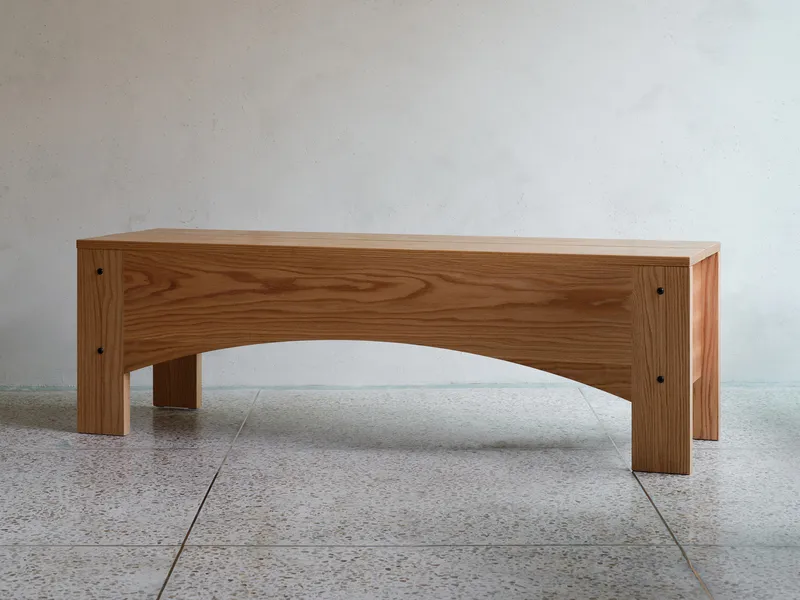
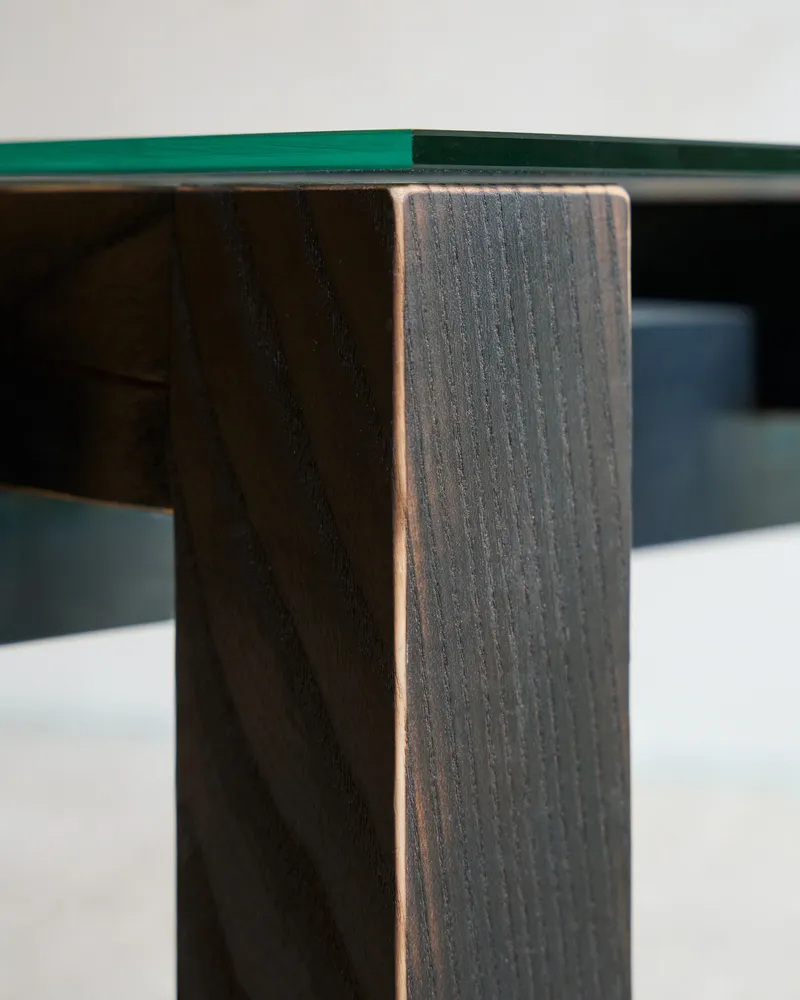
The space invites passersby and locals alike to engage in moments of pause, warmth, and reflection. It connects architecture with everyday life—not through spectacle, but through subtle, intentional gestures that revive memory and anchor experience in place.
Yeonheun Roasters as a Model for Heritage-Inspired Design
Yeonheun Roasters stands as a thoughtful example of heritage cafe interior design in Korea, demonstrating how contemporary architecture can honor tradition without imitation. It does not seek to recreate the past, but to reframe it—leaving behind a poetic imprint of what was, and what continues to evolve.
Through Sherpa’s careful approach, the café becomes not just a physical transformation, but a cultural and emotional one—layered, storied, and deeply rooted in the soul of Seochon.
All the photographs are works of inandoutstudio


Popular Articles
Popular articles from the community


Architekt Andreas Gruber Scatters 23 Dark Timber Chalets Across a South Tyrolean Forest Edge
In Molini di Tures, Amonti Chalets breaks a resort into a hamlet of gabled timber houses, with parking, storage and services pushed into the slope.

David Ortega Stacks a Two-Story Mexico City Penthouse Around a Steel Stair and a Pergola-Shaded Roof Terrace
In Colonia Roma, a 300 m² penthouse uses oak joinery, a planted steel stair and a slatted roof pergola to make a new-build apartment feel like a house.

U.GA Architects Wraps an Oval Rooftop Pool in Curved Board-Formed Concrete on Busan's Jeollidan-gil
In Busan's Jeonpo-dong, a 454 m² mixed-use block stacks a neighborhood facility, guest rooms and an oval rooftop pool inside spiraling concrete walls.

David Macias Steps a Doorless Stone and Plaster House Down a Tropical Colombian Hillside
In the humid hills of Colombia, Threshold House replaces the front door with an open void and terraces its 850 m² down the slope instead of fighting it.

Similar Reads
You might also enjoy these articles

Gil Mello Arquitetura Tilts a Single Roof Toward the Waterfalls on a Plateau Above Aiuruoca, Brazil
In Aiuruoca, Minas Gerais, a 200 m² house of local labor and reclaimed poles pairs a low valley veranda with a tall mountain one.
U.GA Architects Wraps an Oval Rooftop Pool in Curved Board-Formed Concrete on Busan's Jeollidan-gil
In Busan's Jeonpo-dong, a 454 m² mixed-use block stacks a neighborhood facility, guest rooms and an oval rooftop pool inside spiraling concrete walls.

Felipe Hess Arquitetos Turns a Blind Stone Wall to the Street and Opens a Brazilian House onto a Courtyard and Canal
A canal-front house in Brazil hides behind painted stone and planting, then opens to an olive-tree courtyard, a reed-ceilinged porch and a curving pool.
David Macias Steps a Doorless Stone and Plaster House Down a Tropical Colombian Hillside
In the humid hills of Colombia, Threshold House replaces the front door with an open void and terraces its 850 m² down the slope instead of fighting it.

Explore Architecture Competitions
Discover active competitions in this discipline

Challenge to reimagine the Iron Throne

Photograph architecture without architects

Illustrate the lost glory of Angkor Wat - Render Challenge

Design challenge to reuse E-waste
Comments (0)
Please login or sign up to add comments
No comments yet. Be the first to comment!