
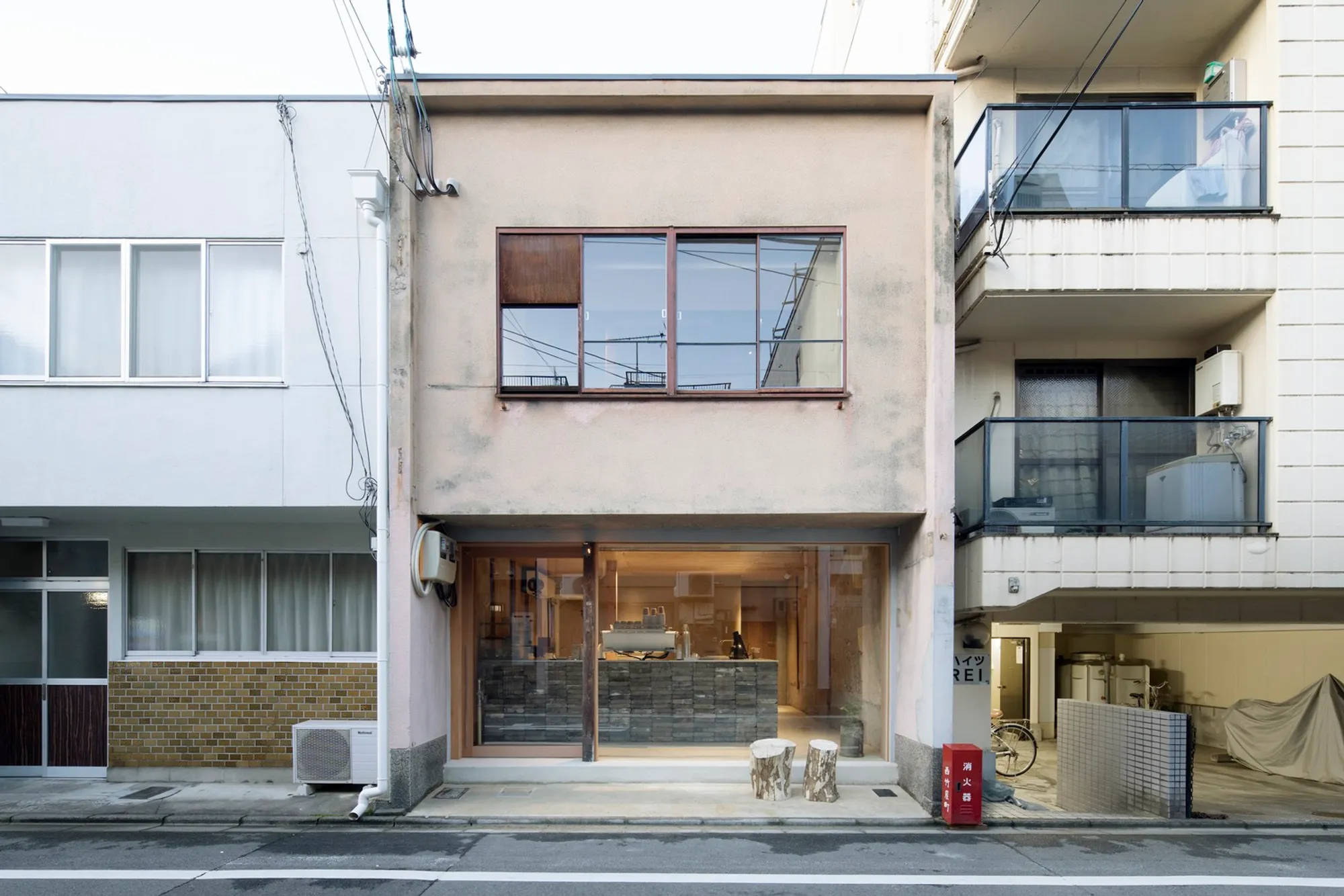
Hoo. Café by Koyori: A Thoughtful Revival of Kyoto's Machiya Architecture
Hoo. Café blends Kyoto’s traditional machiya charm with minimal design, using natural materials to create a serene, timeless space.


Respecting Time, Reimagining Space
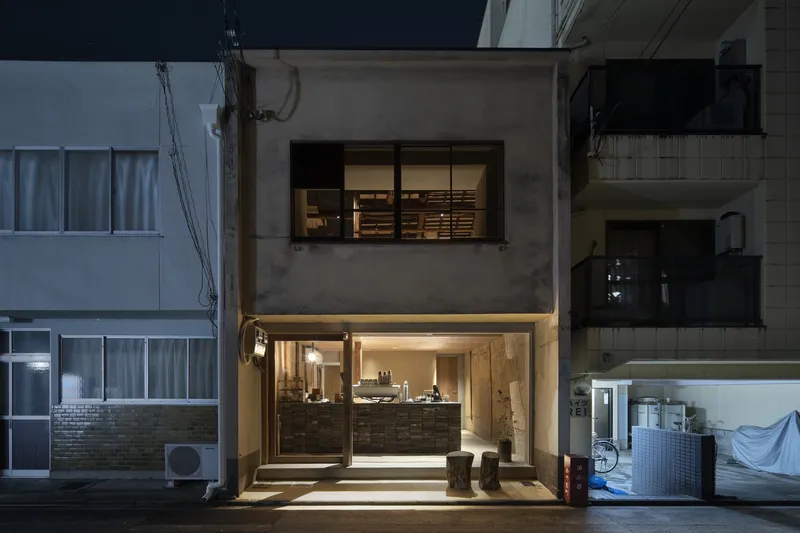
In the heart of Kyoto’s Nakagyo Ward, a quiet transformation has taken place. The second location of loose Kyoto, a beloved coffee and donut shop, emerges within the weathered walls of a historic Kyoto machiya. Known for its elongated wooden structure, earthy textures, and traditional courtyards, the machiya is an enduring symbol of Kyoto’s architectural identity.
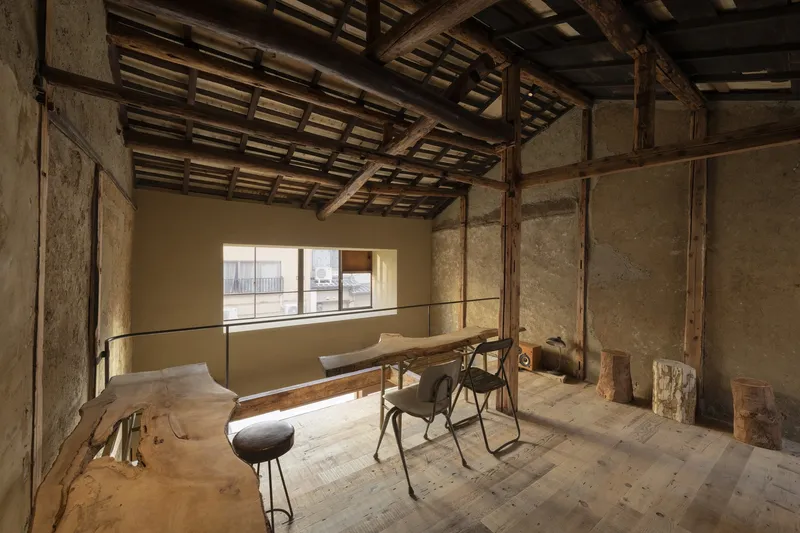
Rather than pursuing a complete renovation or modern overhaul, Koyori, led by architect Nahoko Nakamura, embraced a philosophy of minimal intervention and deep respect for aged materials. The goal was not to replace, but to preserve and reinterpret—to retain the soul of the space while introducing new functions that resonate with contemporary life.

Design Concept: The Beauty of Imperfection
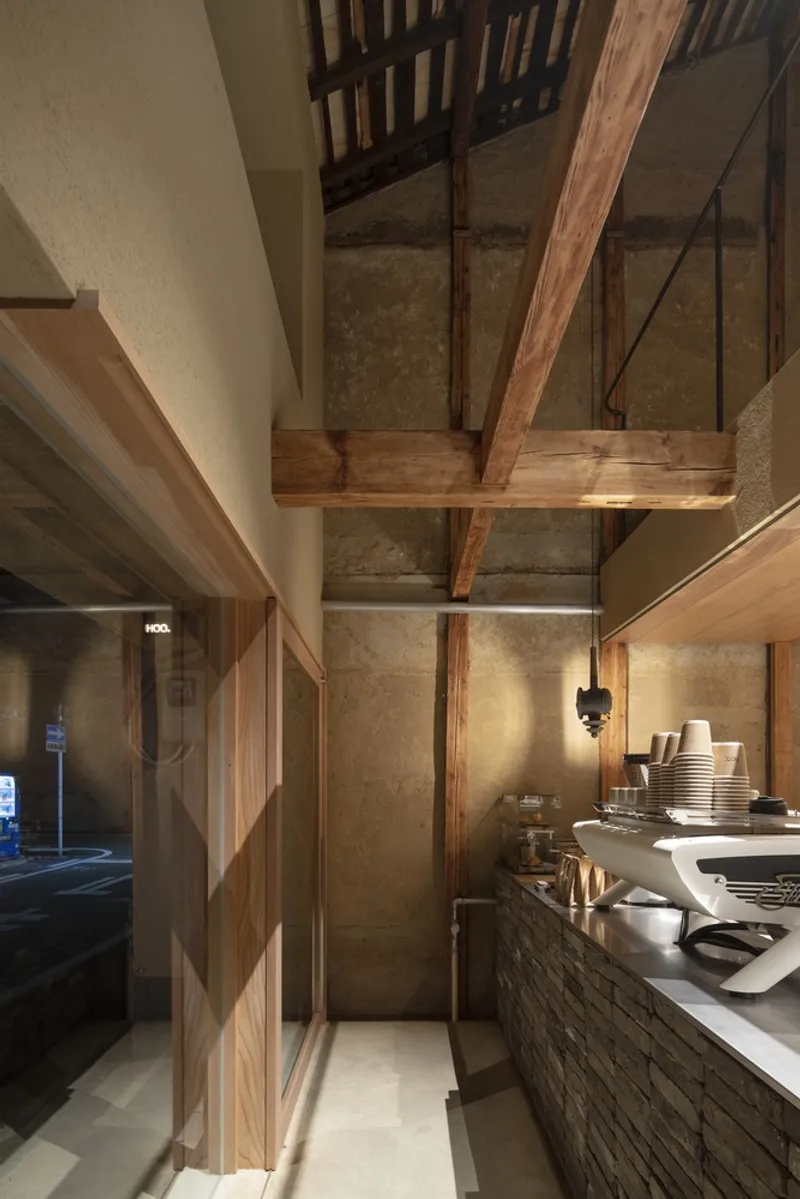
Much of the original building had deteriorated over time, but Koyori treated this not as a flaw, but a feature. Cracks, uneven surfaces, and timeworn materials were seen as a reflection of the building's history—a value woven by time.
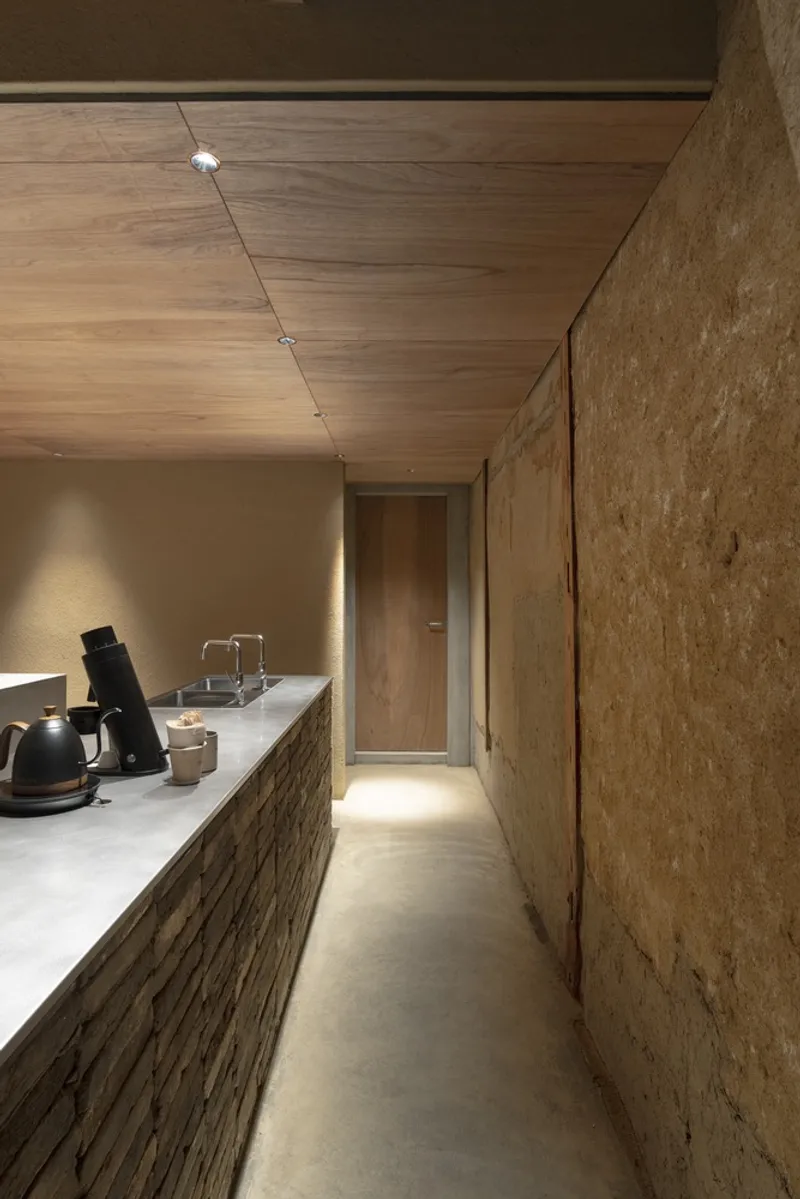
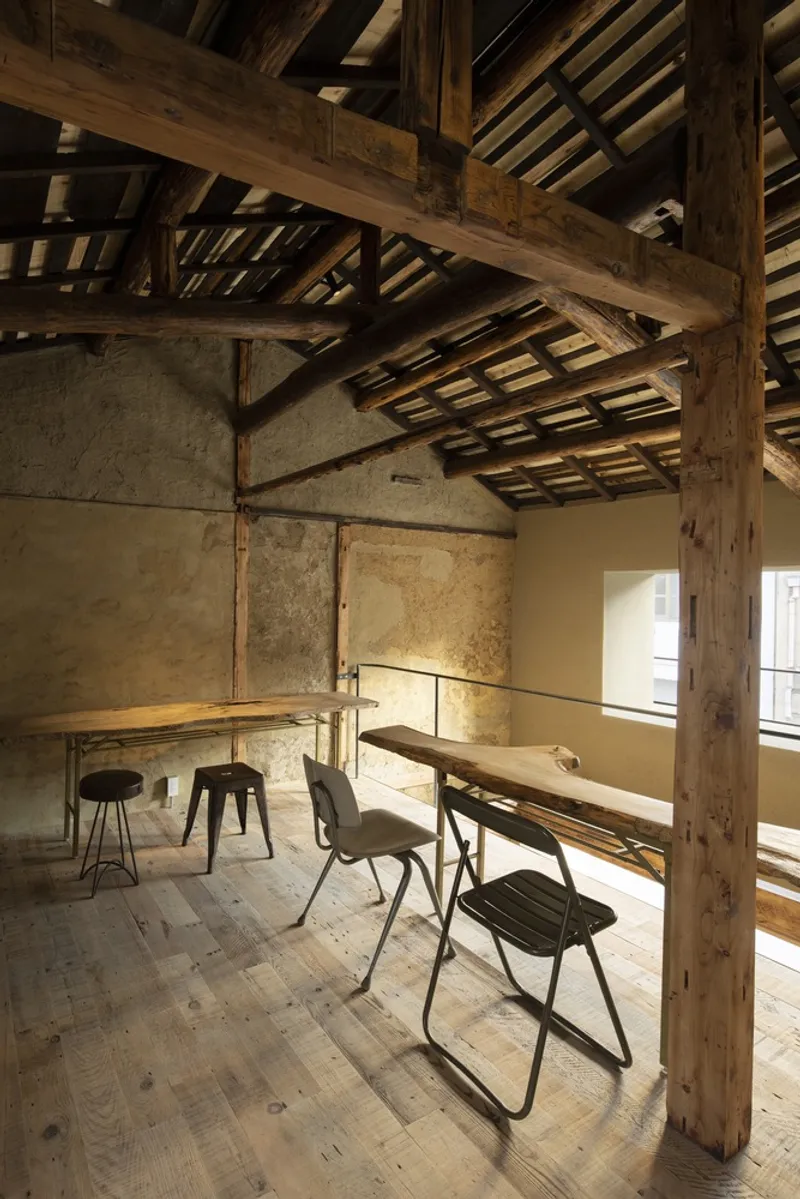
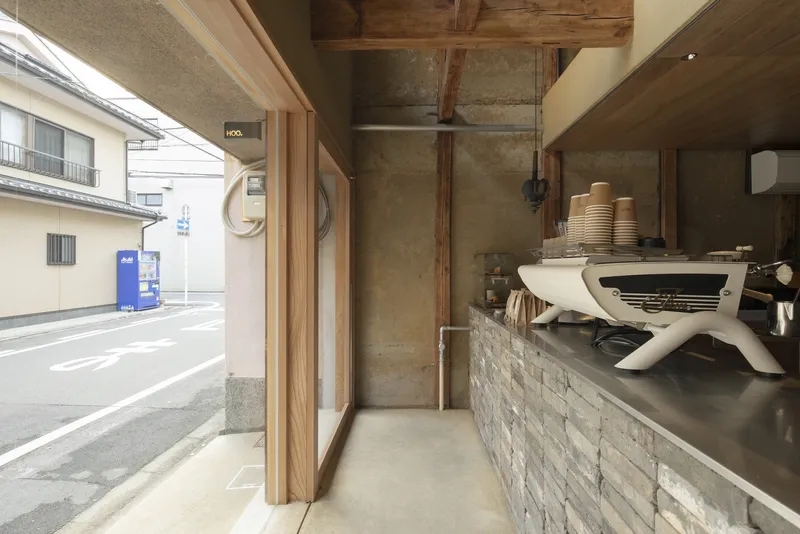
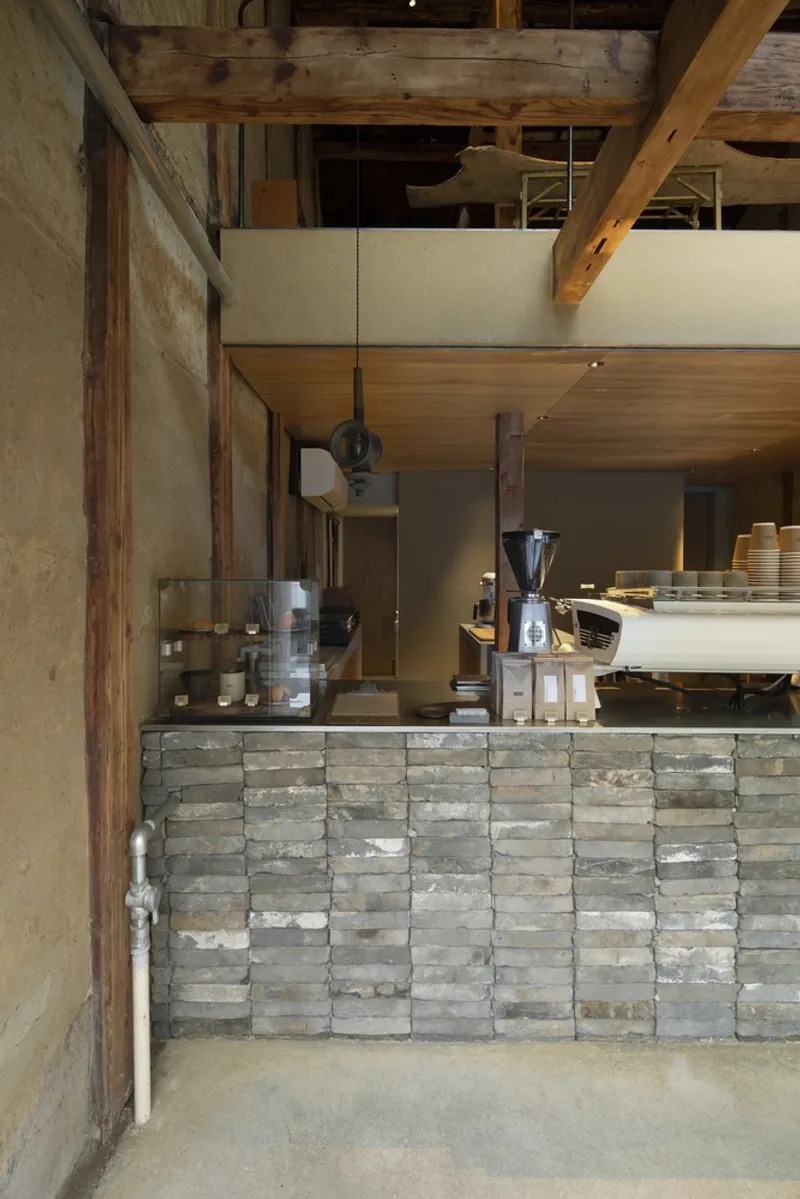
Rather than masking these aged features, Koyori amplified them. The space uses susa (straw-infused plaster) and doma (earthen flooring)—ancient techniques that age gracefully and continue to evolve with time. These natural elements are rarely used in modern architecture, yet here they serve as the foundation for a spatial experience that is both calming and deeply rooted in tradition.

Handcrafted Interior, Modern Utility
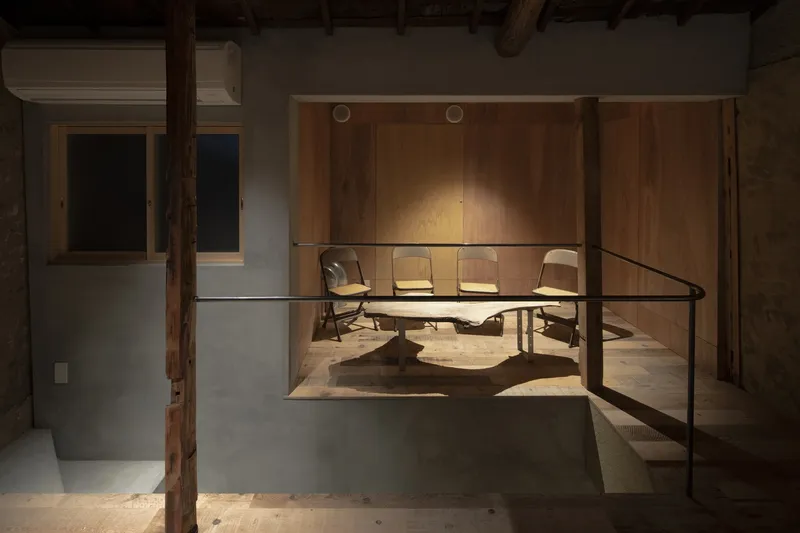
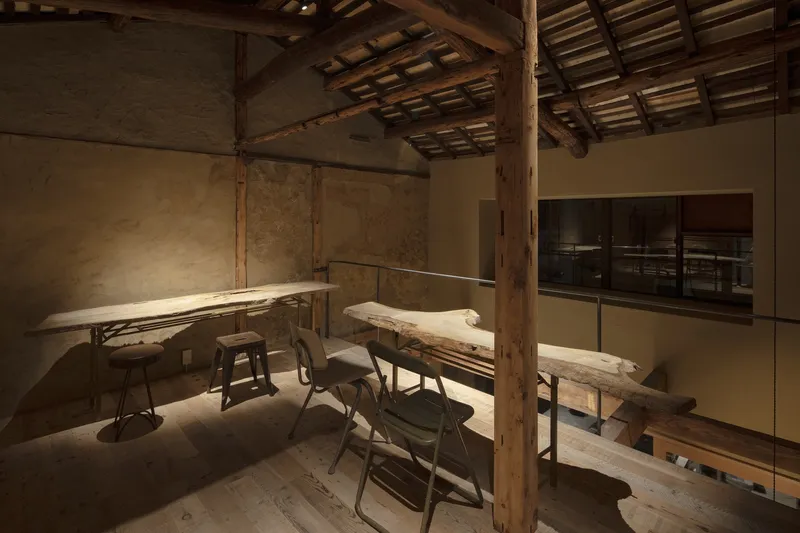
The café’s interior continues the dialogue between old and new. The furniture—custom-designed by Fuukei and Keisuke Sato—is made from raw-cut wood and vintage bricks, harmonizing with the rustic palette of the original structure. Tables, benches, and chairs are thoughtfully arranged to create an atmosphere of quiet hospitality and visual balance.

Large timber beams frame the space, while wide windows allow gentle, filtered light to enter. The lighting, developed in collaboration with Modulex and Satoshi Odani, is soft and unobtrusive, drawing attention to the textures of the walls and the grain of the wood rather than becoming a feature itself.
A Cultural Café Experience
Hoo. Café isn’t just a place to grab coffee; it’s an architectural experience grounded in slow living and cultural awareness. Every element—from the layout to the materials—has been curated to foster reflection, conversation, and comfort. In this way, the café becomes a contemporary tribute to Kyoto’s quiet, resilient beauty.


The building’s structure and atmosphere subtly reflect the rhythm of traditional Japanese life: enter quietly, pause, observe, and stay. The openness of the space invites customers to enjoy both their surroundings and their moment of stillness within the city’s bustle.
Minimal Footprint, Maximum Impact
The project also embodies a sustainable and adaptive reuse approach, opting for preservation over demolition. In reusing materials and keeping structural changes to a minimum, Koyori minimized environmental impact while maximizing cultural and aesthetic value. The building becomes a living archive—one that tells a story of care, continuity, and community.

All the photographs are works of Junichi Usui




Popular Articles
Popular articles from the community


The Musturak Paradise: Senior Living Architecture for a Connected Future in Temara, Morocco
The Musturak Paradise reimagines senior living architecture in Temara via private homes, social spaces, culture, community, and shared care.

The Earth Pod: 3D Printed Homes for Resilient Refugee Communities
The Earth Pod reimagines refugee housing through 3D printed homes made from clay, combining resilience, self-sufficiency, and rapid shelter.

Co-life: Sustainable Architecture for Age-Friendly Community Living
Co-life reimagines sustainable architecture for seniors through courtyards, rammed earth, shared gardens, and spaces designed for belonging.

Conexión: Biophilic Design Reimagines High-Rise Living in Hong Kong
Conexión reimagines high-rise living in Hong Kong through biophilic design, green facades, shared spaces, daylight, water and nature within.


Similar Reads
You might also enjoy these articles


Hodi-Mandai Geram
Project Function: Preservation and revitalization of the Intangible heritage and socio-spatial identity of the Hodi by Housing, Cultural Memory Center, Sacred Grove, landscape, local tourism economy


Olio Towers: A Mid-Rise for Performers That Fuses Housing, Rehearsal, and Stage
Located blocks from Houston's Theater District, this modular tower stacks living units around a central performance atrium.

Oasis: Modular Green Housing Carved into Dhaka's Urban Fabric
A shortlisted Plugin Housing entry reclaims unauthorized settlements in Dhaka with stepped concrete volumes, green roofs, and ventilation-driven design.

Black Hole: A Floating Megastructure for the Post-Physical Era
Emiliano Mazzarotto envisions a spherical, self-scaling arena where e-sports, digital hotels, and holographic stadiums replace traditional public space.


Explore Hospitality Building Competitions
Discover active competitions in this discipline



Challenge to reimagine the Iron Throne


Photograph architecture without architects


Illustrate the lost glory of Angkor Wat - Render Challenge


Design challenge to reuse E-waste
Comments (0)
Please login or sign up to add comments
No comments yet. Be the first to comment!