
House C: A Masterpiece of Modern Sustainable Architecture by Bangkok Tokyo Architecture
The article describes House C, a sustainable, adaptive home by Bangkok Tokyo Architecture, blending nature and modern design.

In the tranquil setting of Chiang Mai, Thailand, House C designed by Bangkok Tokyo Architecture stands as a testament to modern sustainable architecture. With a seamless integration of natural elements and innovative design, this residential property exemplifies how architecture can harmonize with its environment. The design focuses on both sustainability and flexibility, offering a living space that adapts to the natural world around it while minimizing its environmental footprint.
Location and Design Inspiration
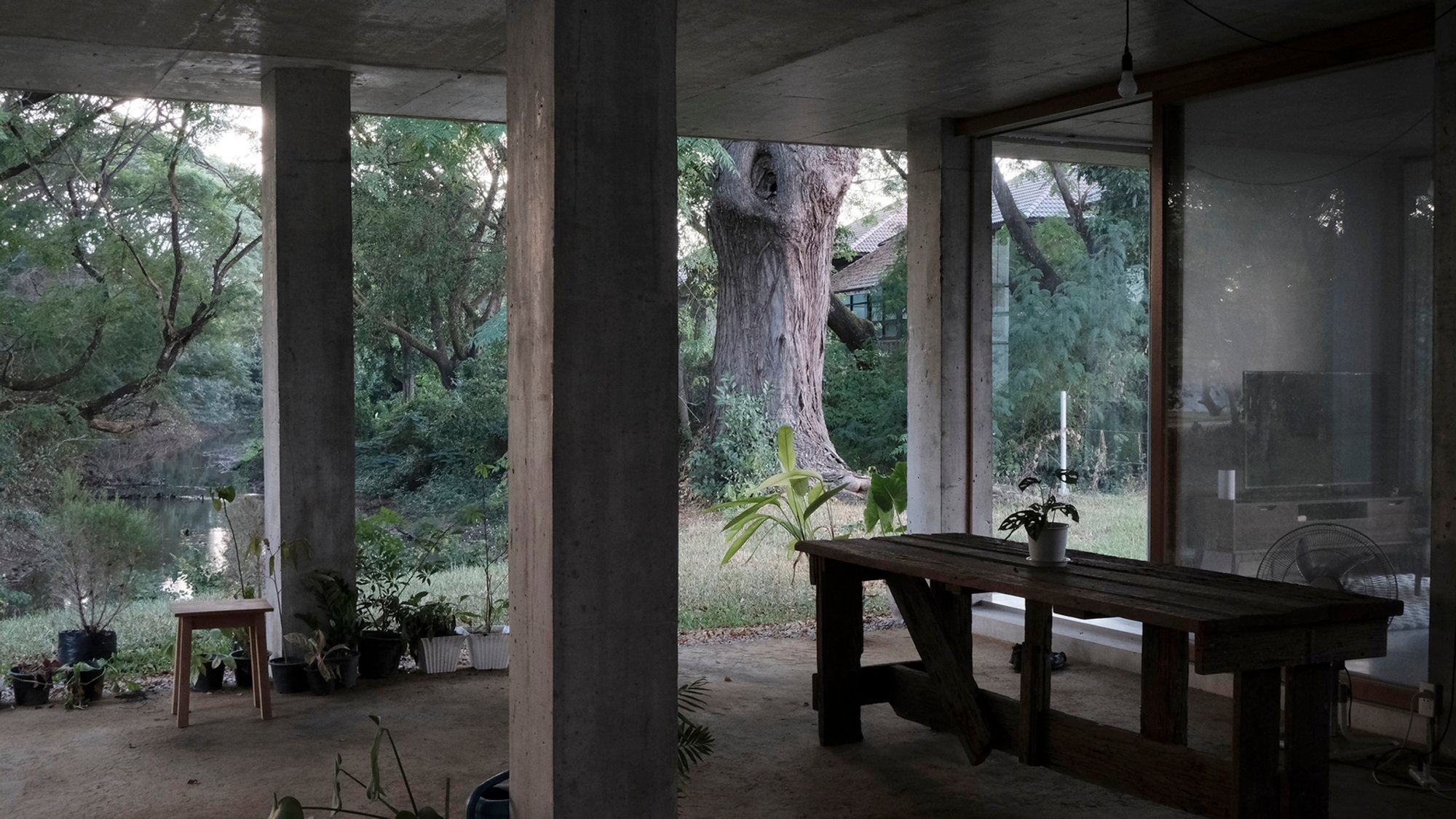
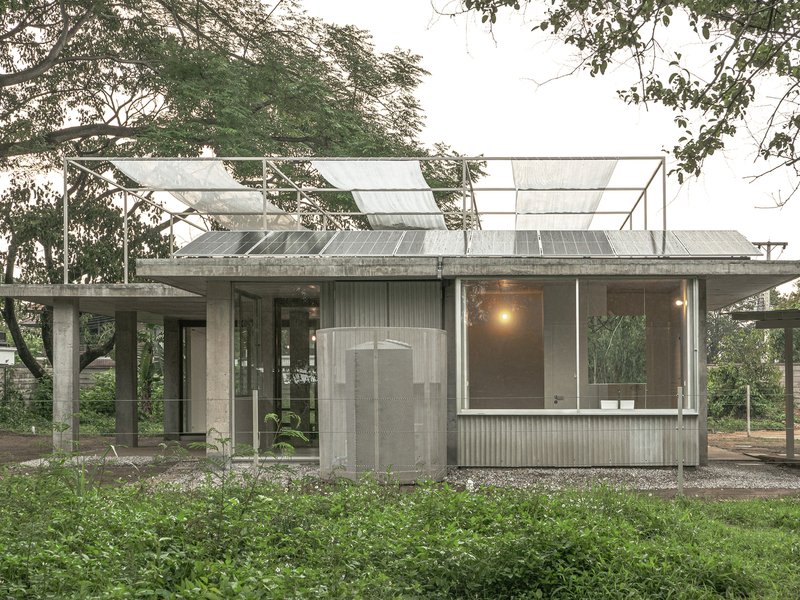
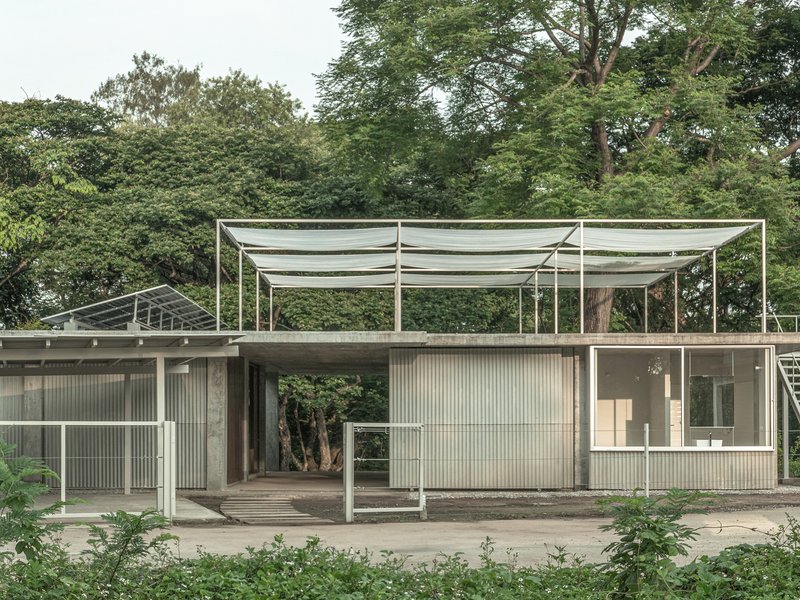
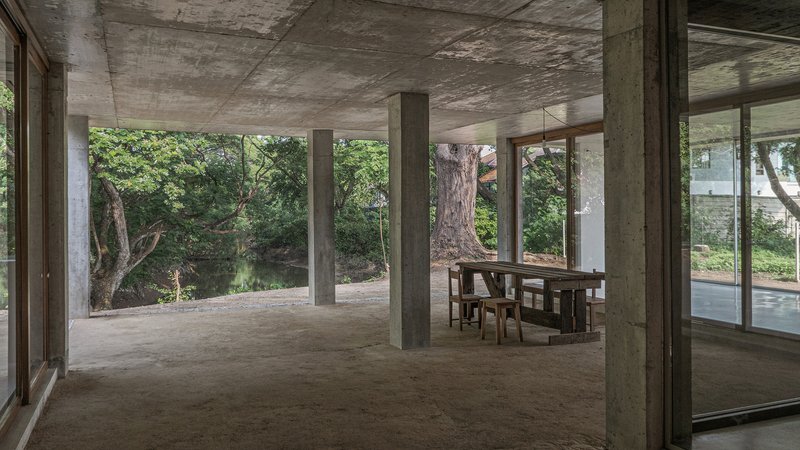
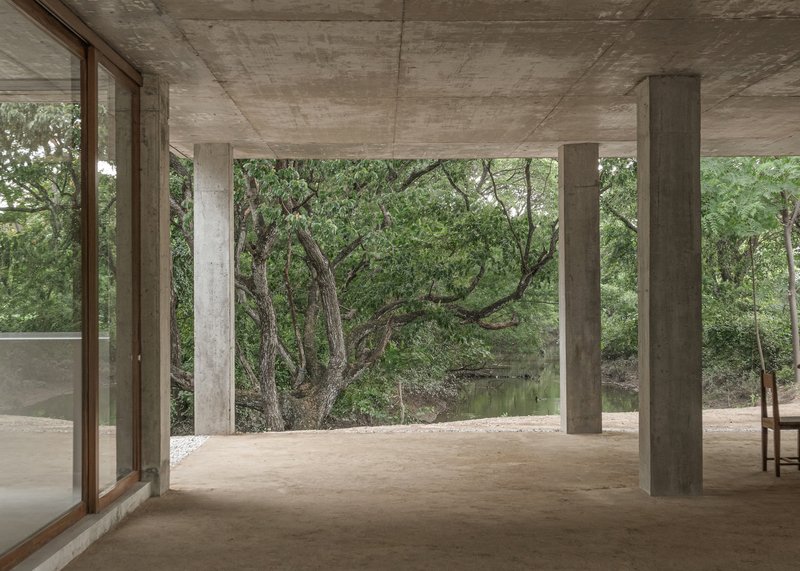
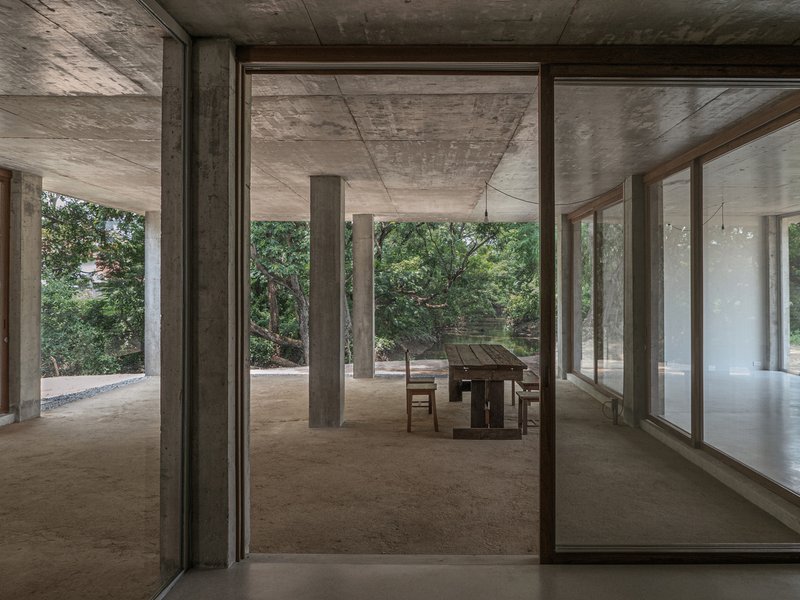
House C is situated beside a river, surrounded by lush trees, offering a natural and serene backdrop. The property is designed to embrace its environment fully, with its west side overlooking the river and a road bordering the east. This positioning allows the house to take advantage of natural elements, creating a tranquil, eco-friendly sanctuary. The grid of columns and expansive concrete slabs provide a modern yet simple framework, while the external gate can be opened to merge the indoor and outdoor spaces seamlessly.
The Natural Flow of Spaces
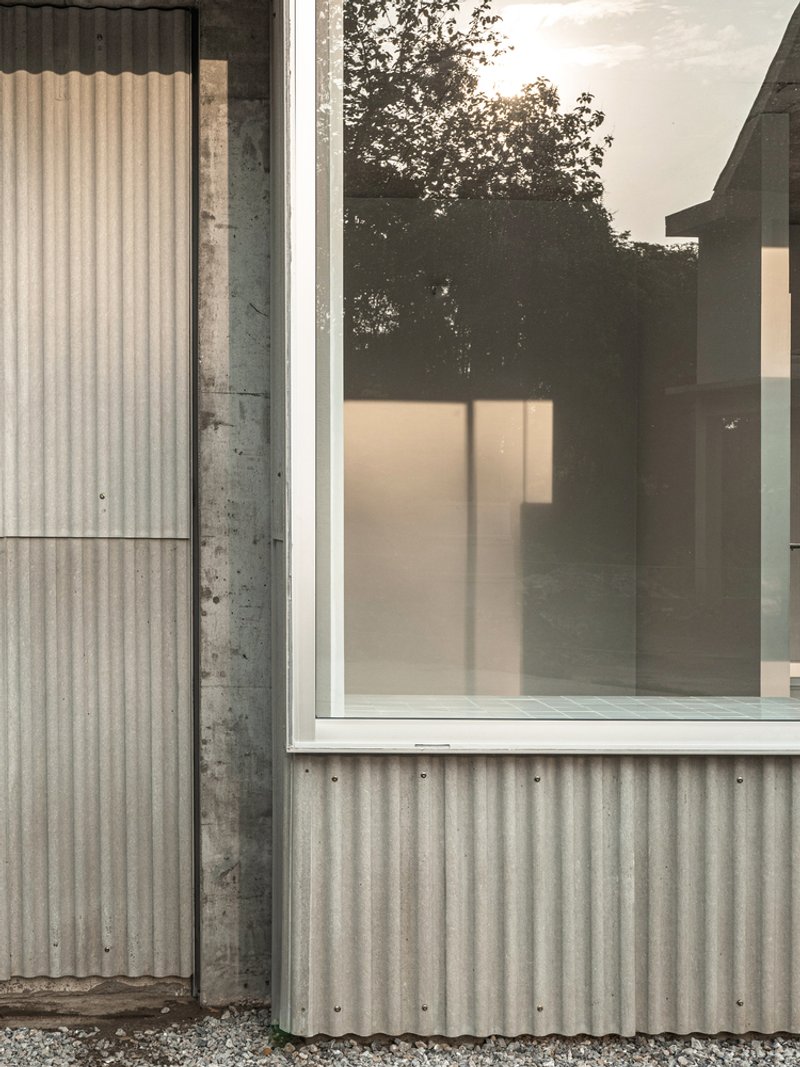
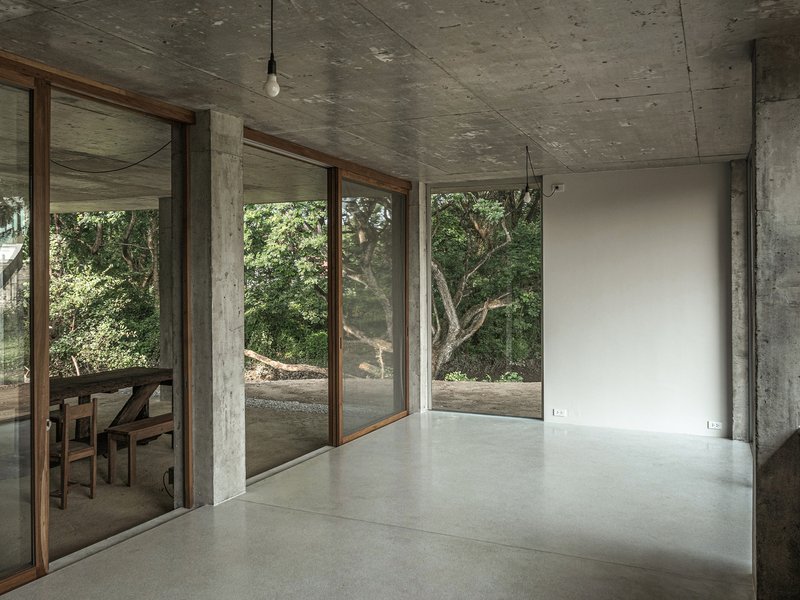
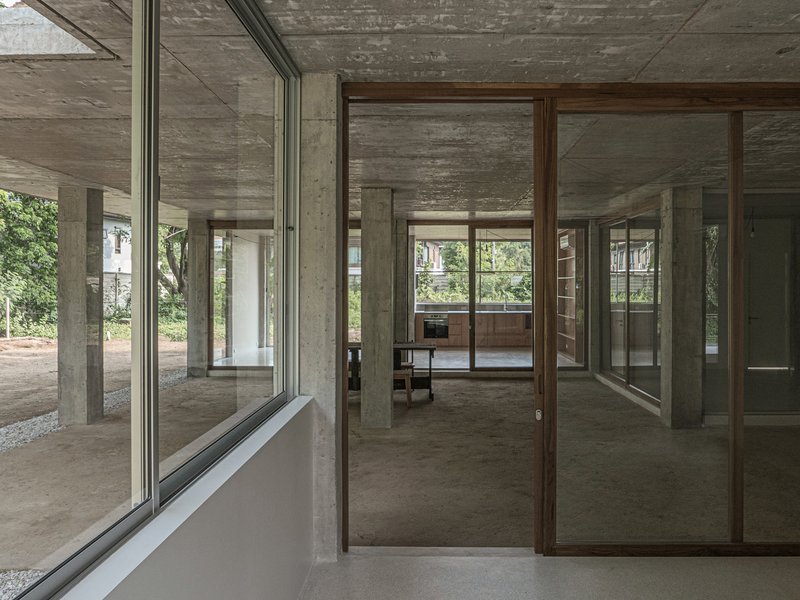
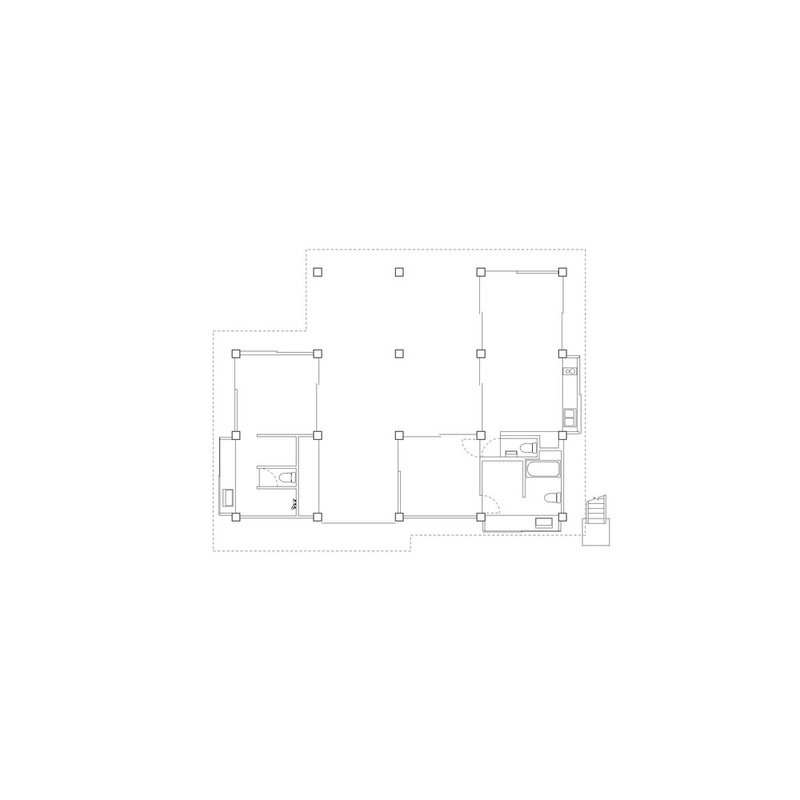
The design of House C is characterized by its non-hierarchical, open layout. The house is divided into three primary areas by sliding doors and internal walls, all arranged around a central column grid. This simple yet innovative layout creates a fluidity of space, where the boundaries between indoors and outdoors blur. A key feature of the interior is an earthen floor that facilitates natural cooling by allowing water to seep through, providing thermal comfort as the wind flows through the house.
Sustainable Features of House C
At the heart of House C is a commitment to sustainability. Every element of the design has been carefully crafted to enhance environmental harmony. From the layout to the materials used, the house prioritizes eco-friendly practices.
Solar Panels and Green Roofs
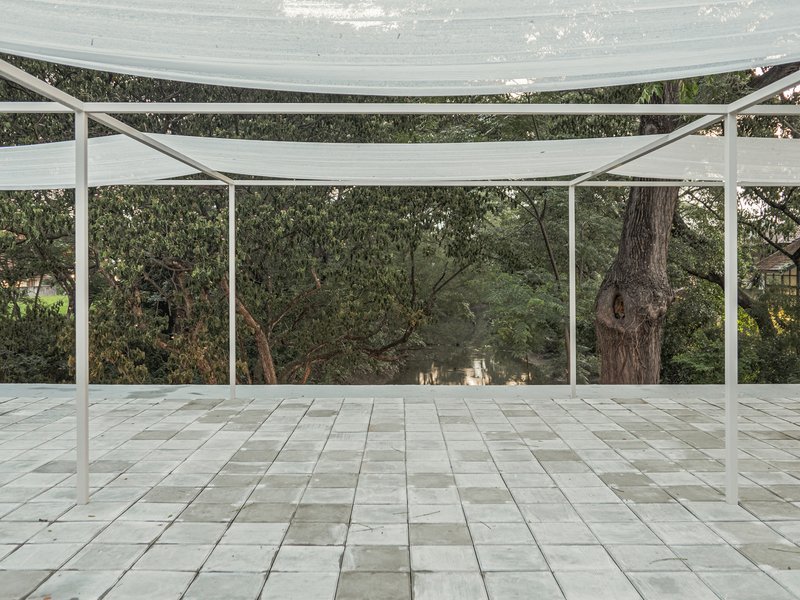
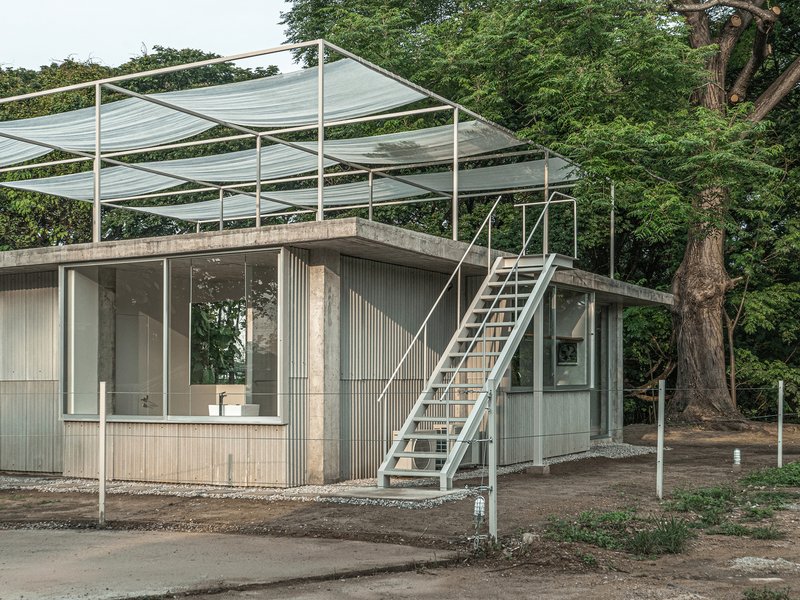
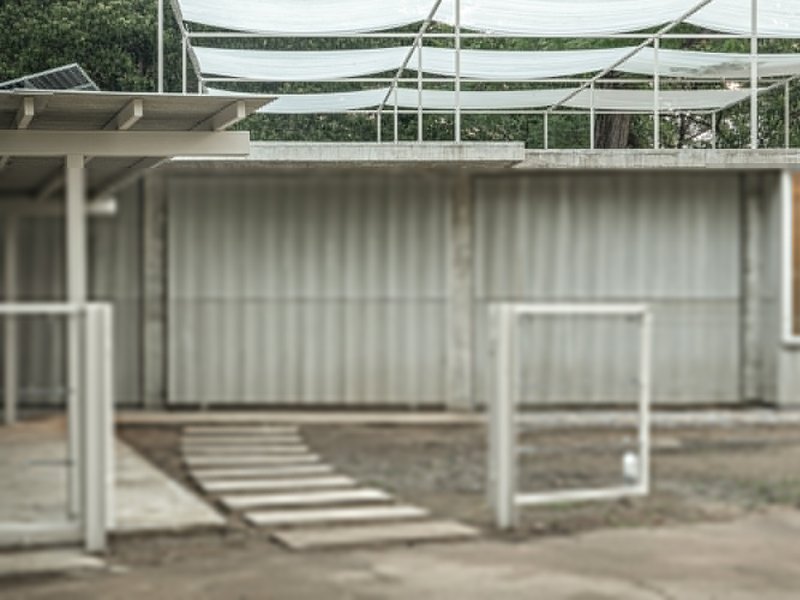
The rooftop serves as an environmental tool, with solar panels strategically placed to harness renewable energy. This sustainable feature minimizes the building's carbon footprint while contributing to energy efficiency. Additionally, the roof includes a steel frame for hanging agricultural sun-shading fabric and ventilated floor blocks, all of which help to prevent heat buildup in the living spaces, further enhancing the house’s sustainability.
Integration of Nature and Technology
The architectural design of House C creates a microcosm where various elements—earth, plants, wind, rain, creatures, and people—exist in a delicate balance. The simple grid and flat slab structure allow flexibility, enabling the house to adapt to changing environmental conditions. Whether it is the integration of plants and natural water flows or the use of industrial materials that reduce environmental impact, the house becomes more than just a shelter; it is a dynamic and ever-evolving living entity.
Materials and Construction
The design of House C utilizes locally sourced materials that contribute to both its sustainability and aesthetic. Key materials include:
- Concrete Slabs: Used for structural support and environmental protection, creating a robust foundation for the house.
- Earthen Floors: A sustainable material that enhances cooling and comfort.
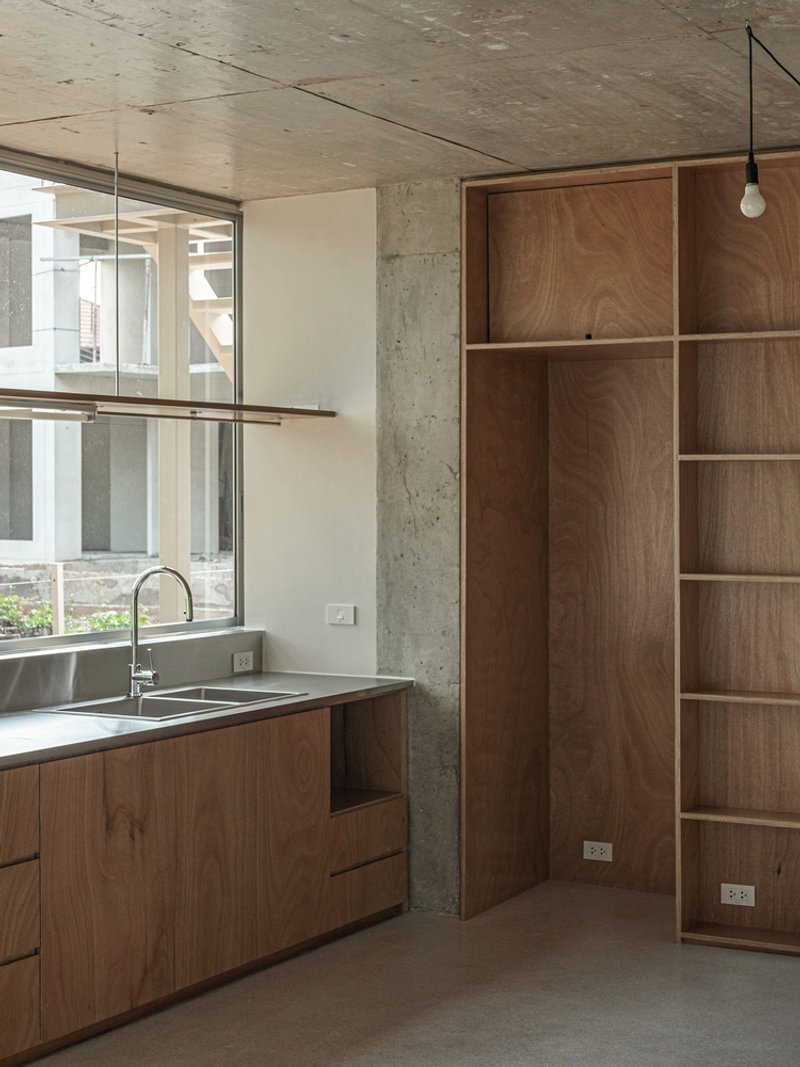
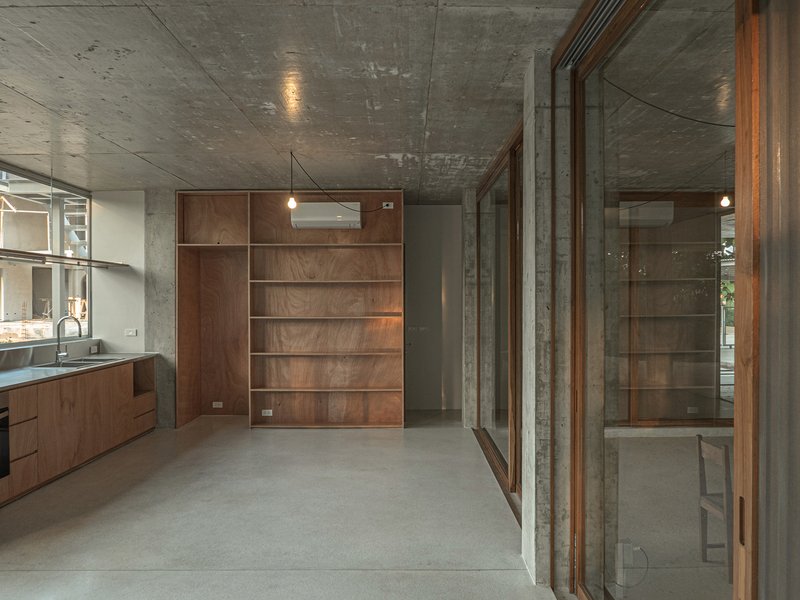
- Sustainable Wood: Incorporated throughout the interior to add warmth while promoting sustainability.
In terms of construction, Bangkok Tokyo Architecture worked with local contractors such as Banjerd Atelier to bring this vision to life using materials from trusted suppliers like APK Brick, Diamond, and TOA.
Architecture as a Tool for Transformation
House C is not just a building—it's a transformative space that embraces diversity. By blending industrial resources and natural elements, the house becomes a living organism. Its design enables it to adapt to the surrounding environment, changing with the seasons and evolving as part of the local ecosystem. The flexibility of the structure allows the house to function as a sanctuary that is continually in tune with its surroundings.
House C by Bangkok Tokyo Architecture stands as an exemplary model of modern sustainable architecture. It is a true integration of design, nature, and technology, offering a space where residents can live in harmony with the environment. The innovative use of sustainable materials, energy-efficient systems, and adaptable spaces ensures that House C will remain a resilient and eco-conscious home for generations to come.
With its balanced approach to modern design and environmental stewardship, House C redefines what it means to create a sustainable living space in the 21st century. This home is a shining example of how architecture can lead the way toward a more sustainable future, providing inspiration for architects and homeowners worldwide.
All photographs are work of Ratthee Phaisanchotsiri




Popular Articles
Popular articles from the community

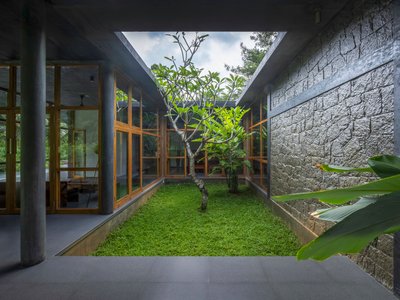
3dor Concepts Wraps a Kerala Home in Mirrored Concrete Arcs Around a Courtyard Tree
In the Western Ghats foothills of Thamarassery, a 270 m² single-story house uses two curved volumes to frame nature as its center.
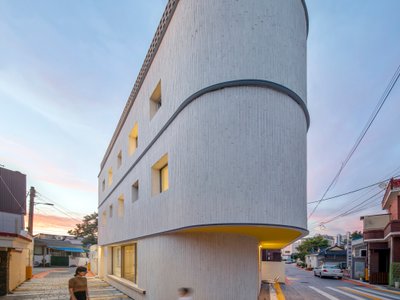
YOAP Architects Round a Corner in Yeongcheon with a Cylindrical Community Hub
A 197-square-meter brick and ribbed-clad tower turns a forgotten alley corner in South Korea into a public garden with a low threshold.
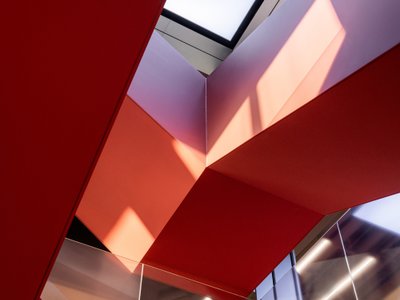
Ippolito Fleitz Group Identity Architects Turn Eight Floors in Shanghai into a Vertical Creative City
Publicis Groupe's new headquarters in Xintiandi reimagines the office as a courtyard-driven urban landscape stacked across eight floors.
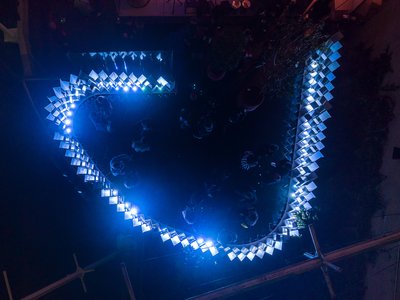
Rojkind Arquitectos and Think Parametric Build a Glueless Pavilion from 67 Interlocking Panels
A serpentine fiber-cement installation in Chapultepec Park celebrates a decade of architectural media in Mexico City.


Similar Reads
You might also enjoy these articles

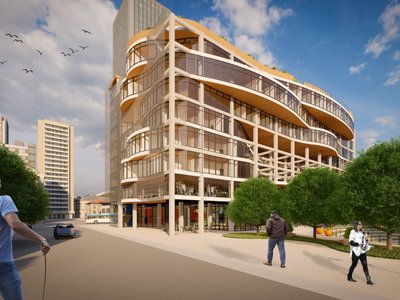
Olio Towers: A Mid-Rise for Performers That Fuses Housing, Rehearsal, and Stage
Located blocks from Houston's Theater District, this modular tower stacks living units around a central performance atrium.

Oasis: Modular Green Housing Carved into Dhaka's Urban Fabric
A shortlisted Plugin Housing entry reclaims unauthorized settlements in Dhaka with stepped concrete volumes, green roofs, and ventilation-driven design.

Black Hole: A Floating Megastructure for the Post-Physical Era
Emiliano Mazzarotto envisions a spherical, self-scaling arena where e-sports, digital hotels, and holographic stadiums replace traditional public space.
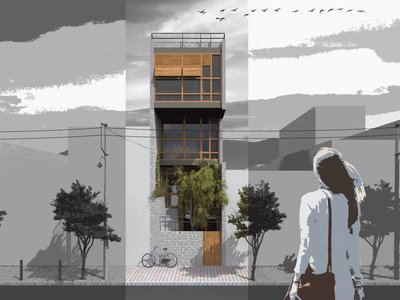
Compact & Sustainable Living in Piraeus: A Four-Level Family Home Built Around Light and Air
A narrow townhouse in one of Greece's densest port cities uses a central atrium and passive strategies to house three generations under one roof.


Explore Architecture Competitions
Discover active competitions in this discipline




The International Standard for Design Portfolios


The Global Benchmark for Architecture Dissertation Awards


The Global Benchmark for Graduation Excellence


Challenge to reimagine the Iron Throne
Comments (0)
Please login or sign up to add comments
No comments yet. Be the first to comment!