
House in Costa Brava by GCA Architectes: A Harmonious Dialogue Between Architecture and Landscape
A sustainable hillside home in Costa Brava by GCA Architectes, blending natural materials, panoramic views, and minimalist Mediterranean design.


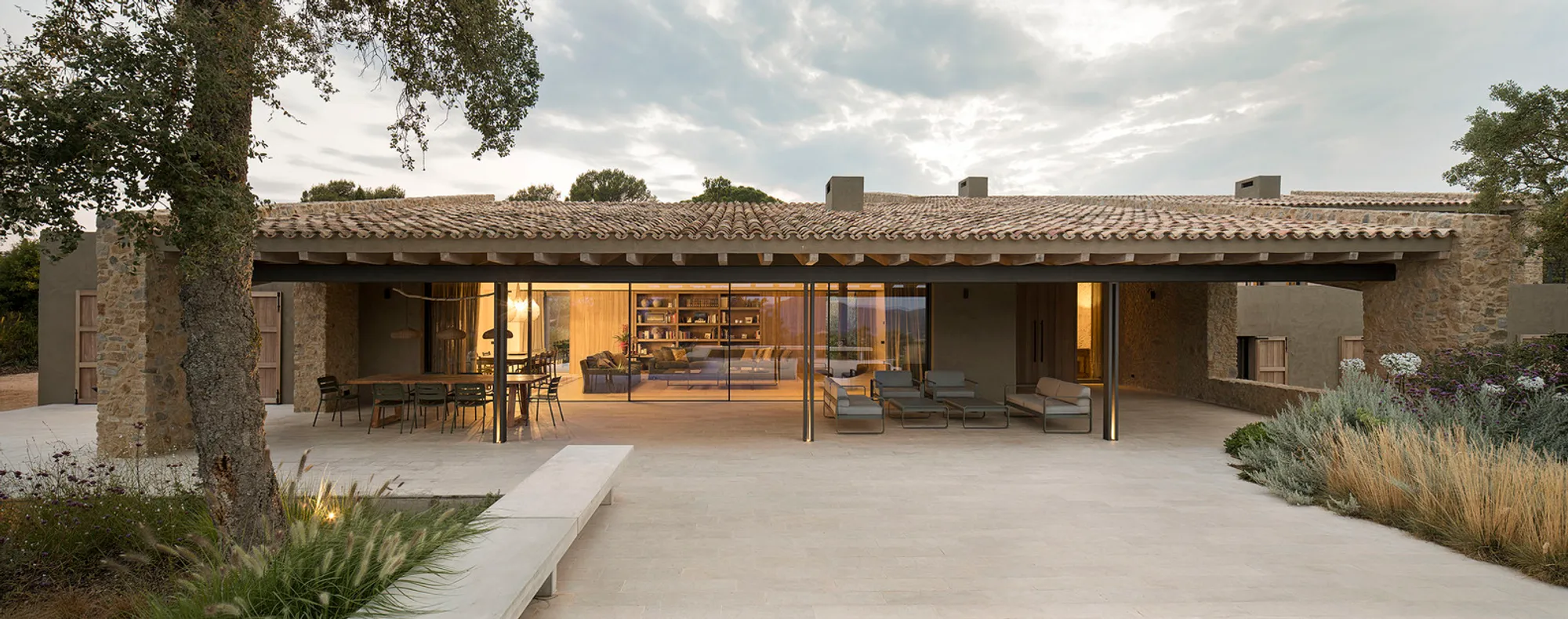
Nestled in the lush coastal terrain of northeastern Spain, the House in Costa Brava, designed by GCA Architectes, exemplifies a sensitive and elegant approach to contemporary residential architecture. Completed in 2019, this 388-square-meter home reflects a profound respect for the natural environment while offering a seamless integration between interior comfort and outdoor living.
Contextual Architecture Inspired by Topography
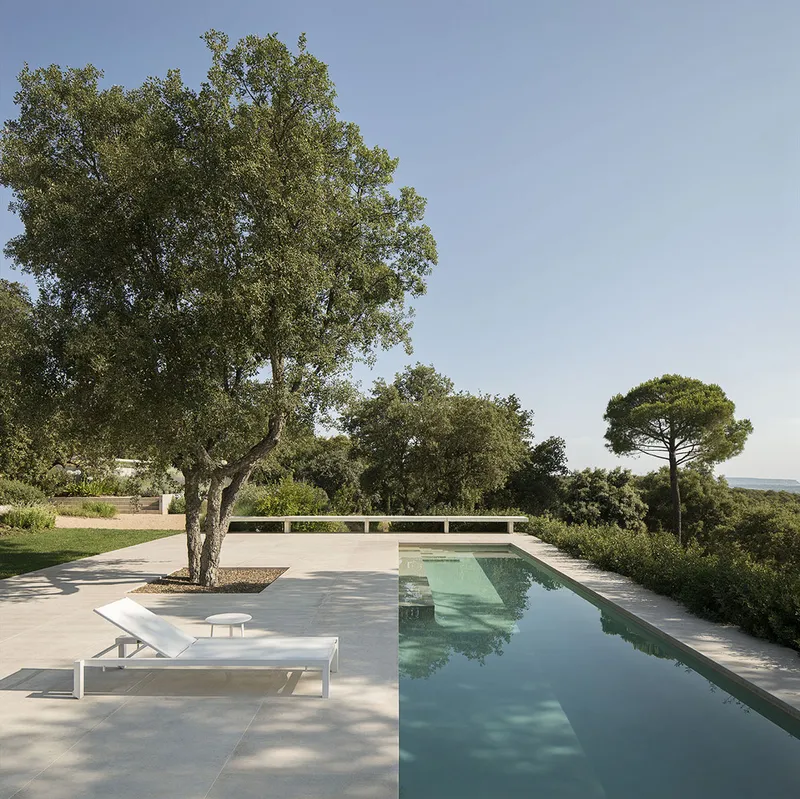
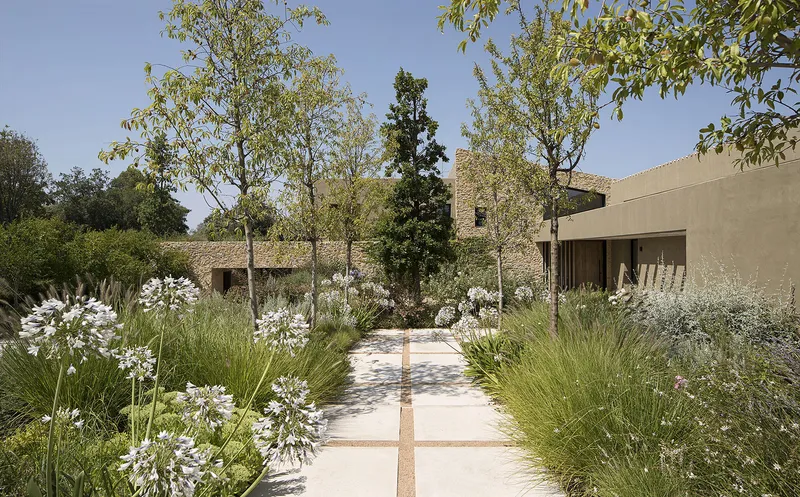
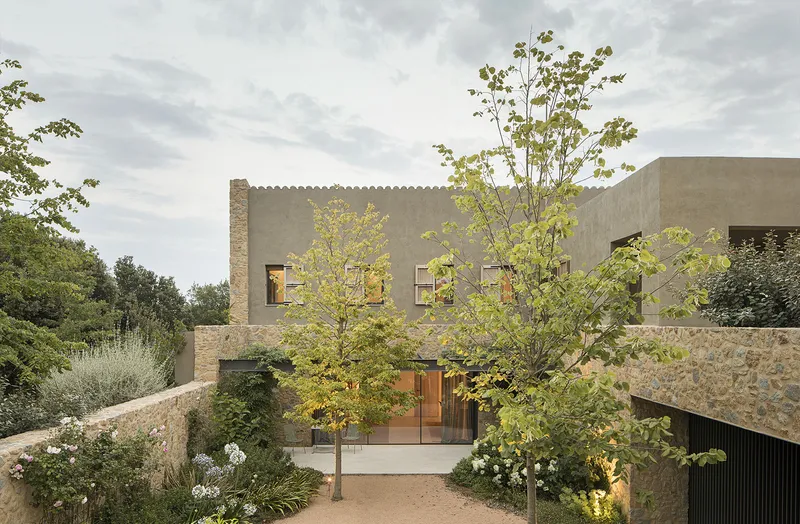
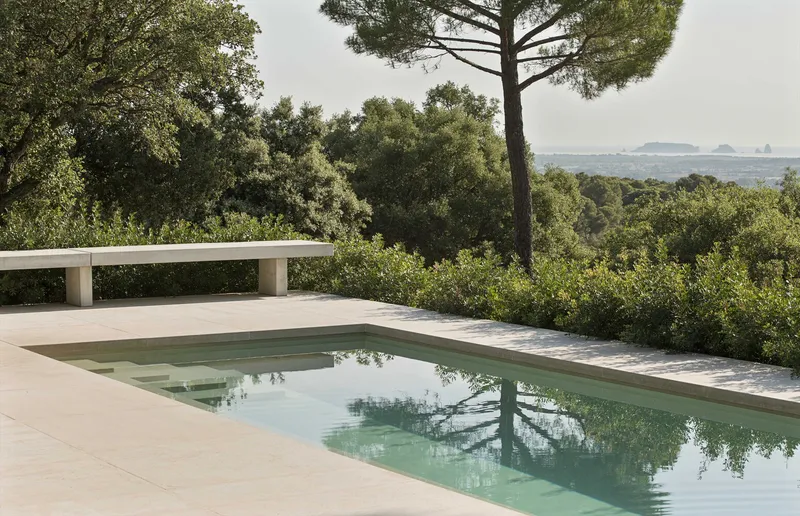
Located on the forested edge of Les Gavarres, the house takes full advantage of the sloping terrain and native vegetation. GCA Architectes carefully positioned the residence at the highest point of the site to reduce its visual and environmental impact. This elevated location not only enhances privacy but also provides panoramic views of the surrounding natural landscape, reinforcing a continuous dialogue between the built environment and nature.
A Composition of Volumes and Levels
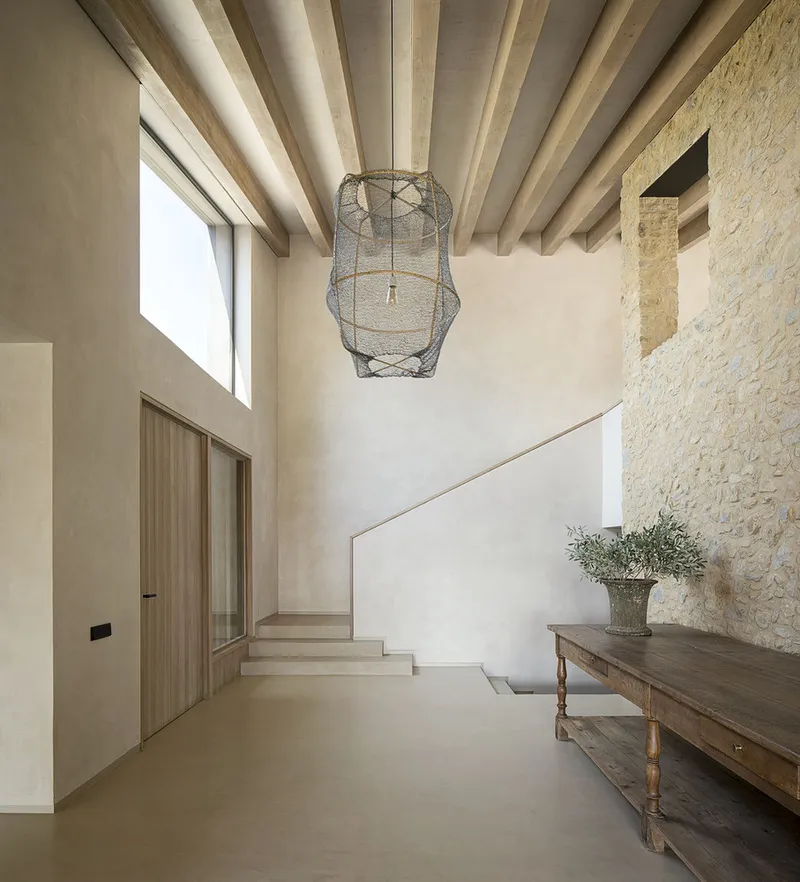
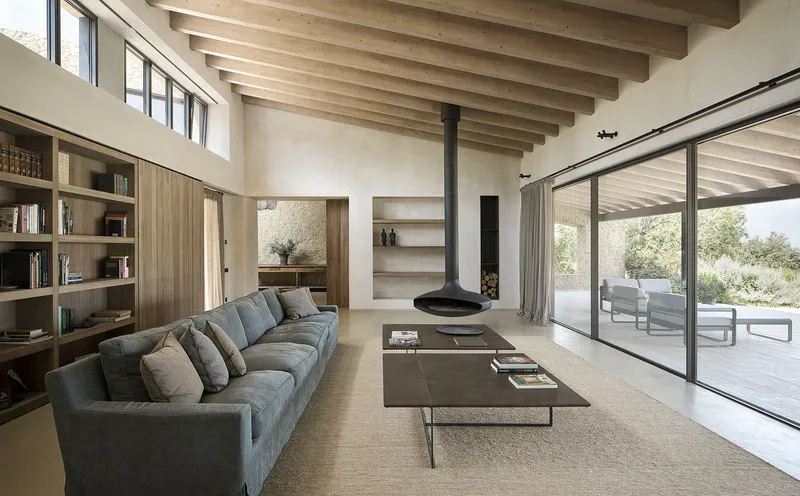
The architectural concept is defined by the interplay of two primary volumes. The first volume, on a single level, accommodates the living room and communal areas, creating a spacious and light-filled day zone. The second volume, spread across two levels, houses the bedrooms and private areas. These two forms are seamlessly connected through a central staircase and a series of half-levels, allowing for smooth and intuitive transitions throughout the house. This strategic use of staggered levels allows the building to blend organically into the terrain, resulting in a human-scale composition that adapts perfectly to its sloped setting.
Emphasis on Local Materials and Sustainability
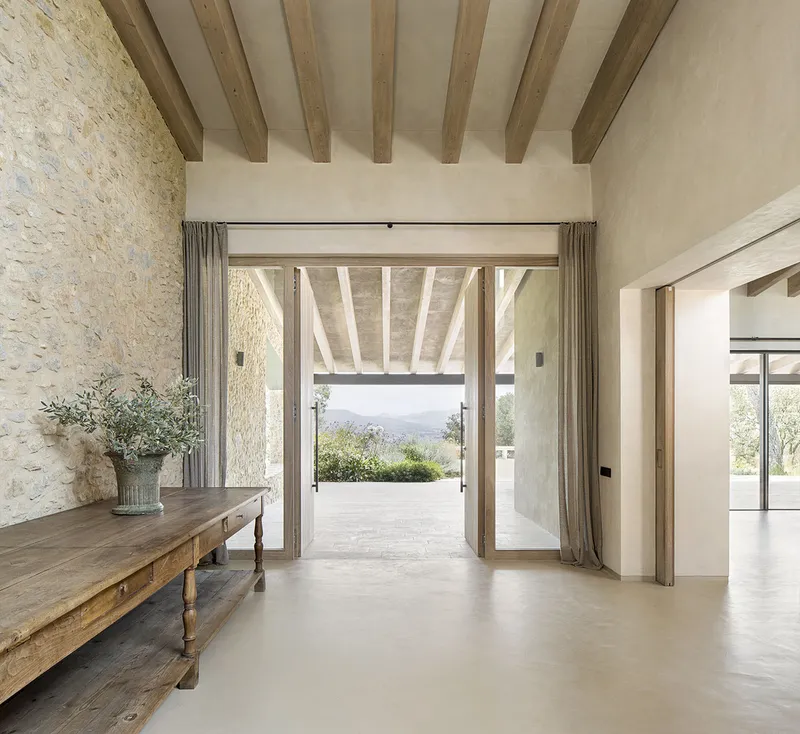
To ensure environmental harmony, the project utilizes a palette of natural, locally sourced materials, including stone, lime stucco, reclaimed Arabic roof tiles, and timber. These materials not only enhance the home's sustainable credentials but also root it firmly in its Mediterranean context. The large sloping roof, clad in traditional Arabic tiles, mirrors the gradient of the terrain, adding both visual cohesion and structural character to the design.
Expansive Openings and Nature-Driven Design
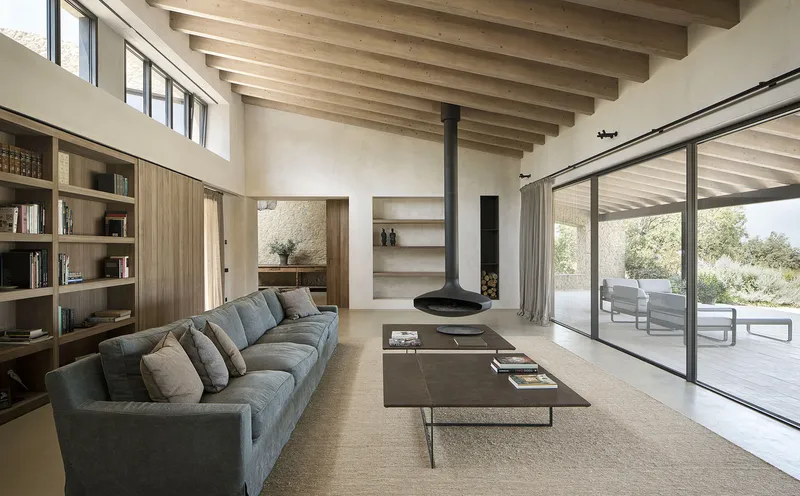
One of the home’s defining features is its generous panoramah!® ah!38 minimalist windows, which flood the interiors with natural light and frame immersive views of the landscape. In the main living area, floor-to-ceiling glazing dissolves the boundary between inside and out, fostering a profound connection with the dense greenery and coastal scenery. The design enhances this relationship through terraced outdoor areas, which echo traditional agricultural patterns and extend the living experience beyond the house itself.
A Sanctuary of Comfort and Simplicity
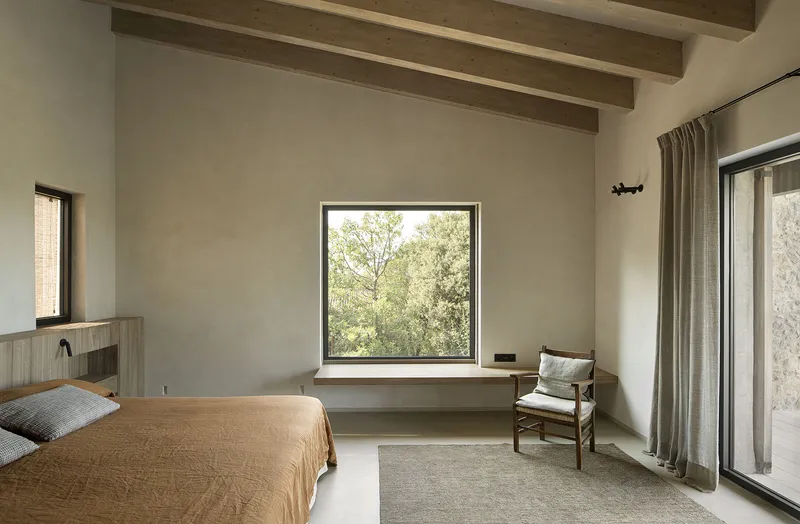
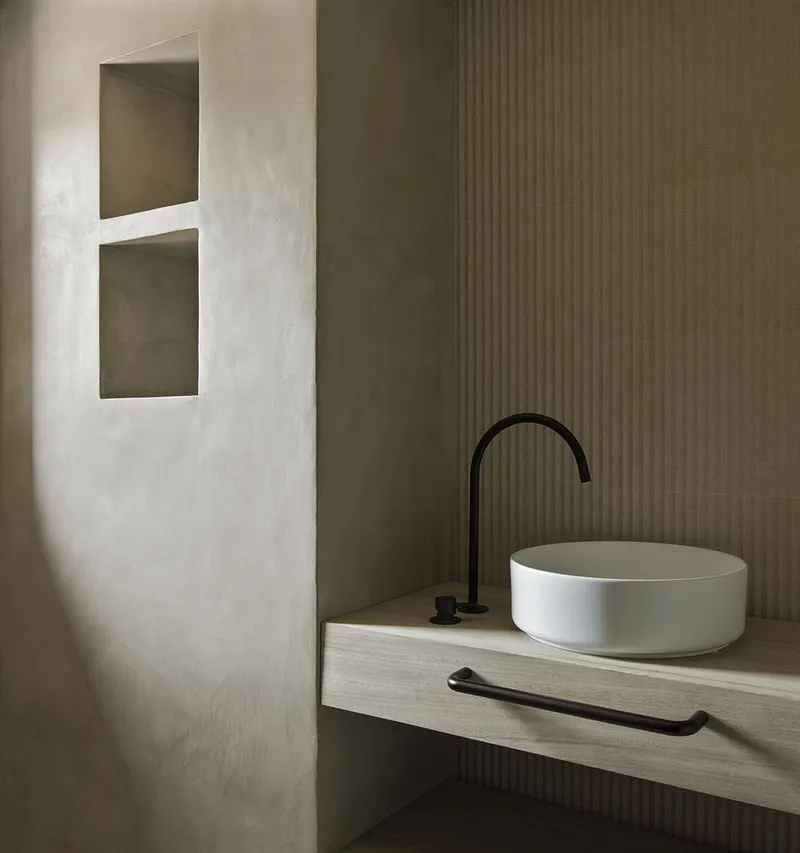
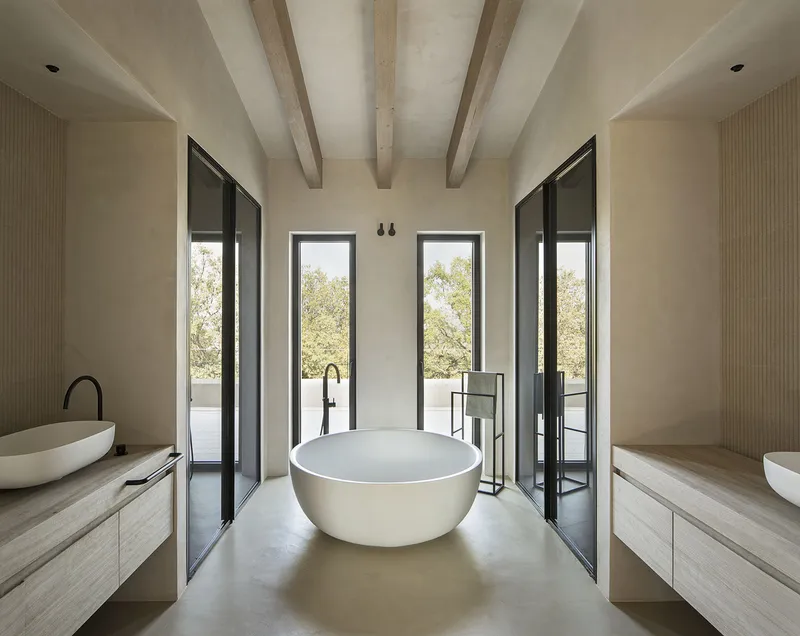
The interior design follows the architectural ethos of subtle elegance and natural textures. Clean lines, muted tones, and bespoke built-in elements create a refined yet cozy atmosphere. The inclusion of the Gyrofocus fireplace by Focus adds a sculptural centerpiece that reflects the minimalist but warm aesthetic of the home. Every design decision, from shelving details to bathroom finishes, contributes to a sense of calm, balance, and timeless beauty.
Project Details
- Architects: GCA Architectes
- Location: Costa Brava, Spain
- Year: 2019
- Area: 388 m²
- Photographs: Del Rio Bani
- Key Products: panoramah!® ah!38 Minimalist Windows, Gyrofocus Fireplace by Focus




Popular Articles
Popular articles from the community


Hill & Cross Opera: Sculptural Opera House Architecture Shaped by Tallinn’s Landscape and Identity
Hill & Cross Opera reimagines opera house architecture in Tallinn through its sculptural hill, civic plaza, glass wave and a luminous cross.

Co-life: Sustainable Architecture for Age-Friendly Community Living
Co-life reimagines sustainable architecture for seniors through courtyards, rammed earth, shared gardens, and spaces designed for belonging.

Play: Fragments of Their World
Familiar architecture becomes modular playground design, creating safe spaces where displaced children can learn, connect, imagine and play.

The Ocean Hive: Sustainable Architecture for a Self-Sufficient Civilization at Sea
The Ocean Hive imagines sustainable architecture at sea, where modular habitats, algae, wave power and ocean waste sustain a growing colony.


Similar Reads
You might also enjoy these articles


Hodi-Mandai Geram
Project Function: Preservation and revitalization of the Intangible heritage and socio-spatial identity of the Hodi by Housing, Cultural Memory Center, Sacred Grove, landscape, local tourism economy


Olio Towers: A Mid-Rise for Performers That Fuses Housing, Rehearsal, and Stage
Located blocks from Houston's Theater District, this modular tower stacks living units around a central performance atrium.

Oasis: Modular Green Housing Carved into Dhaka's Urban Fabric
A shortlisted Plugin Housing entry reclaims unauthorized settlements in Dhaka with stepped concrete volumes, green roofs, and ventilation-driven design.

Black Hole: A Floating Megastructure for the Post-Physical Era
Emiliano Mazzarotto envisions a spherical, self-scaling arena where e-sports, digital hotels, and holographic stadiums replace traditional public space.

Explore Architecture Competitions
Discover active competitions in this discipline



Challenge to reimagine the Iron Throne


Photograph architecture without architects


Illustrate the lost glory of Angkor Wat - Render Challenge


Design challenge to reuse E-waste
Comments (0)
Please login or sign up to add comments
No comments yet. Be the first to comment!