
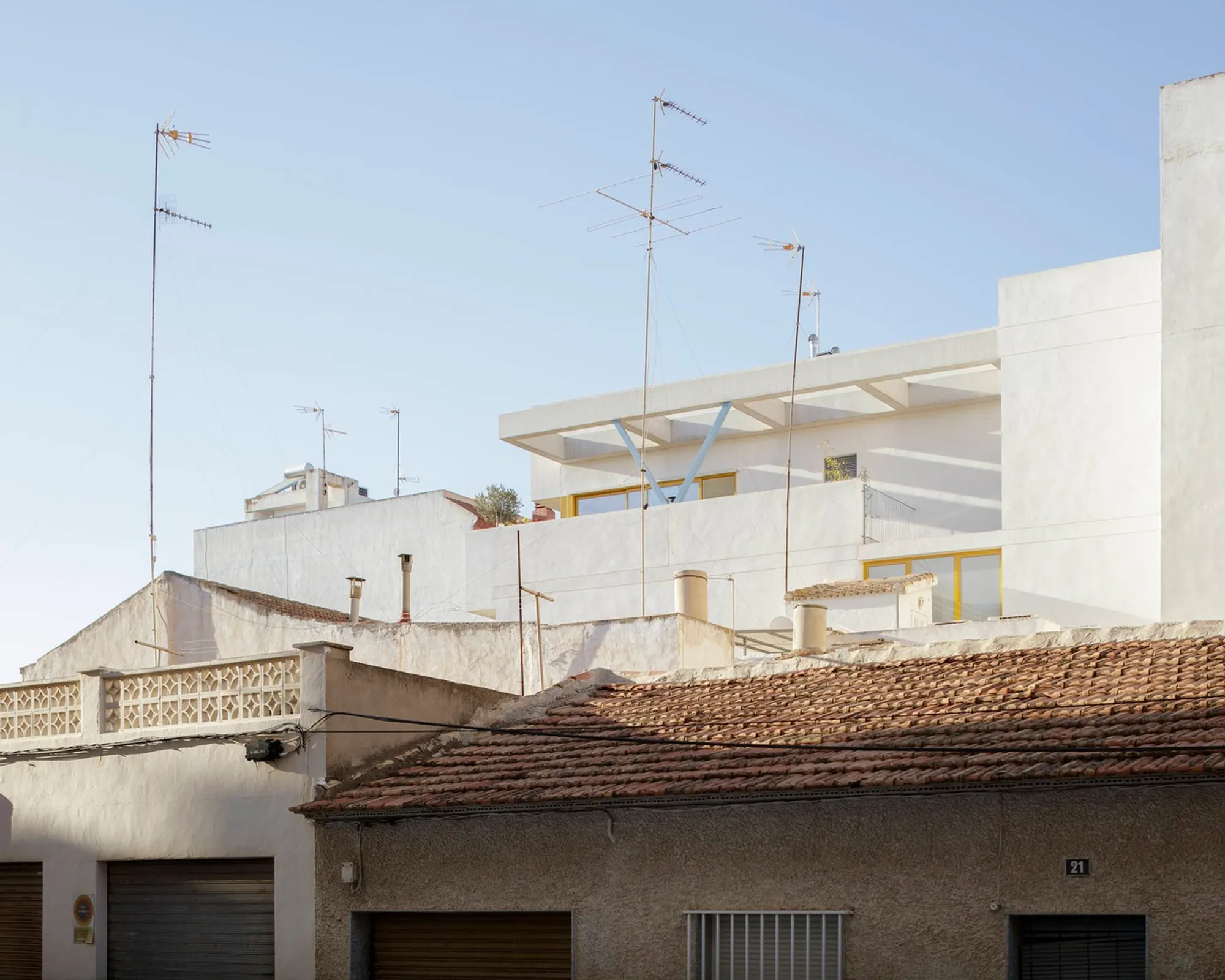
House in Guardamar del Segura by Bernardo Cerrato: Innovative Design for Narrow Urban Plots
House in Guardamar del Segura by Bernardo Cerrato uses a central courtyard, natural light, and passive ventilation for privacy and comfort.


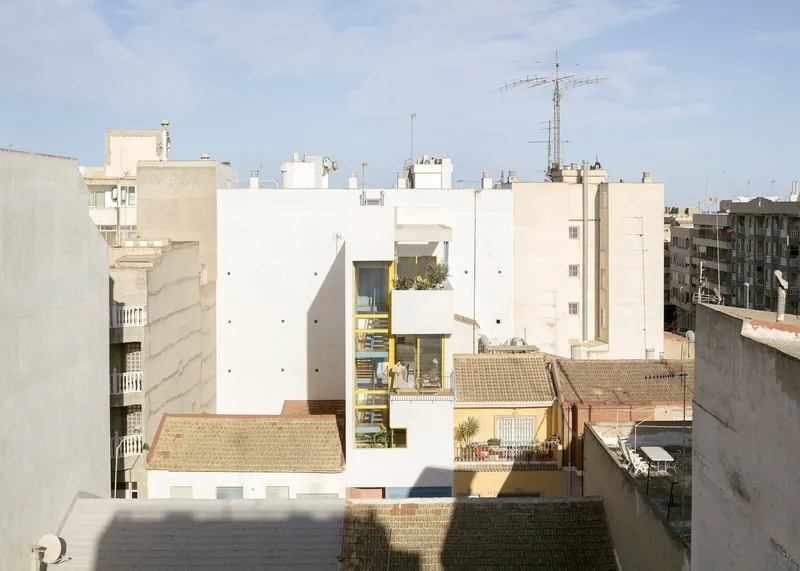
Located in Guardamar del Segura, Spain, the House in Guardamar del Segura by architect Bernardo Cerrato demonstrates a thoughtful approach to urban residential design on a challenging, narrow plot. With dimensions of approximately 5 x 19 meters, the site posed significant spatial limitations, requiring a meticulous study of volume, natural light, and ventilation to create a functional and visually appealing home.
Designing for Light, Privacy, and Comfort
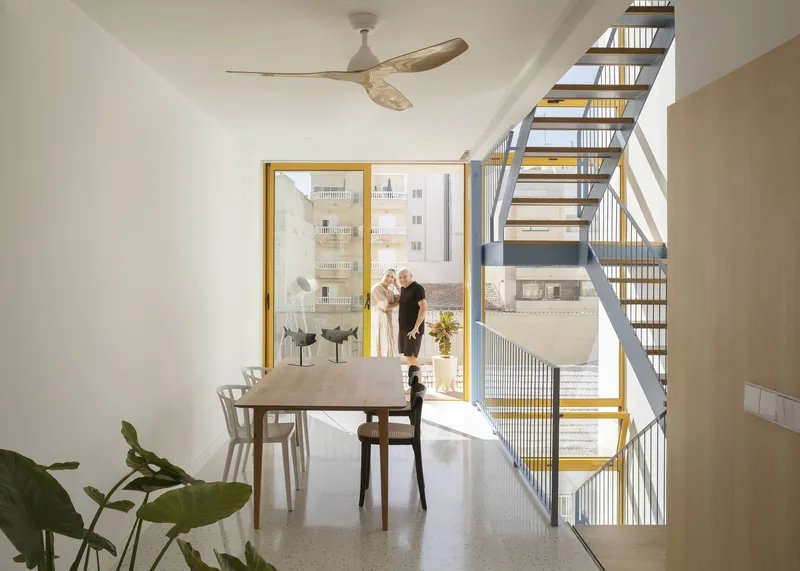
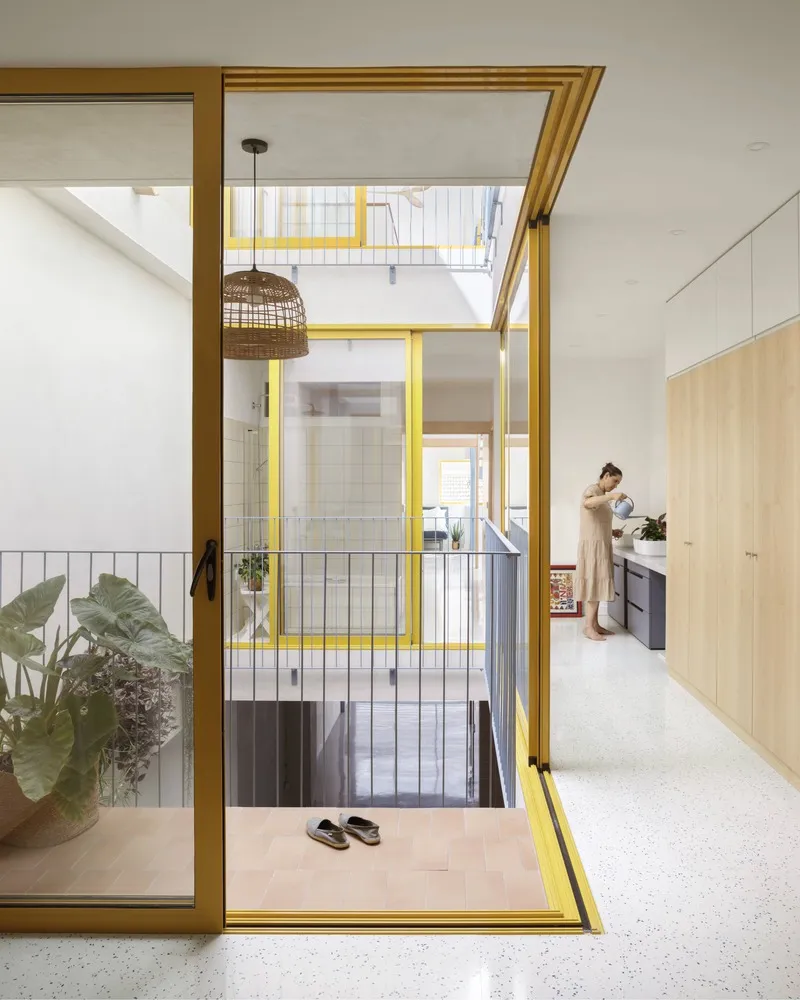
The primary challenge of this urban dwelling was its narrow façade and the varying heights of neighboring buildings. To address these constraints, Cerrato centered the design around a central courtyard, which serves as the home’s organizing element. This courtyard not only introduces abundant natural light into rooms located deep within the plot but also facilitates natural ventilation, ensuring a comfortable indoor climate throughout the year.
A carefully positioned vertical communication core complements the courtyard, optimizing circulation and connecting the multi-level layout seamlessly. This strategy allows the house to maintain spacious and private rooms, despite the narrow lot, while ensuring that both public and private areas receive adequate light and air.
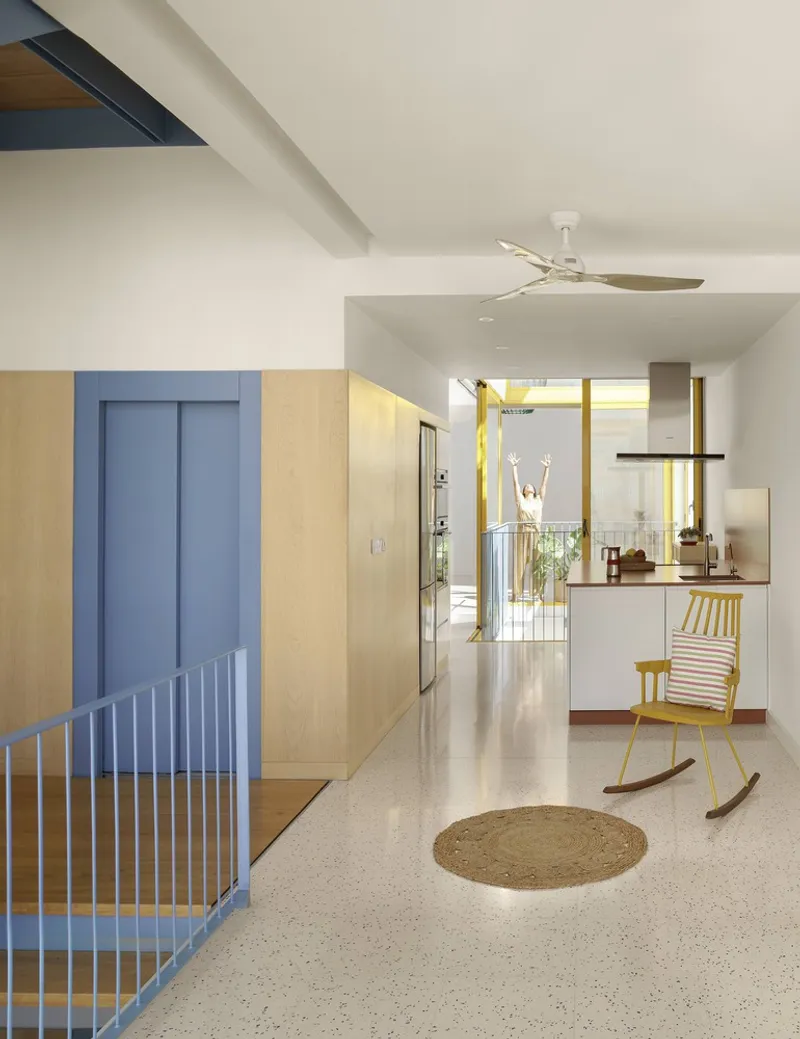
Innovative Floor Plan: Privacy Meets Daylight
Cerrato’s design stratifies spaces according to sunlight exposure and privacy requirements, creating a unique inversion of conventional layouts. On the first floor, the bedrooms and private areas are located, offering tranquility and seclusion. Meanwhile, the second floor houses the main day areas, including the living room, kitchen, and dining spaces, all benefiting from direct sunlight and views over the courtyard.
This careful programmatic layering not only enhances the livability of the home but also ensures that everyday activities take advantage of natural light throughout the day.
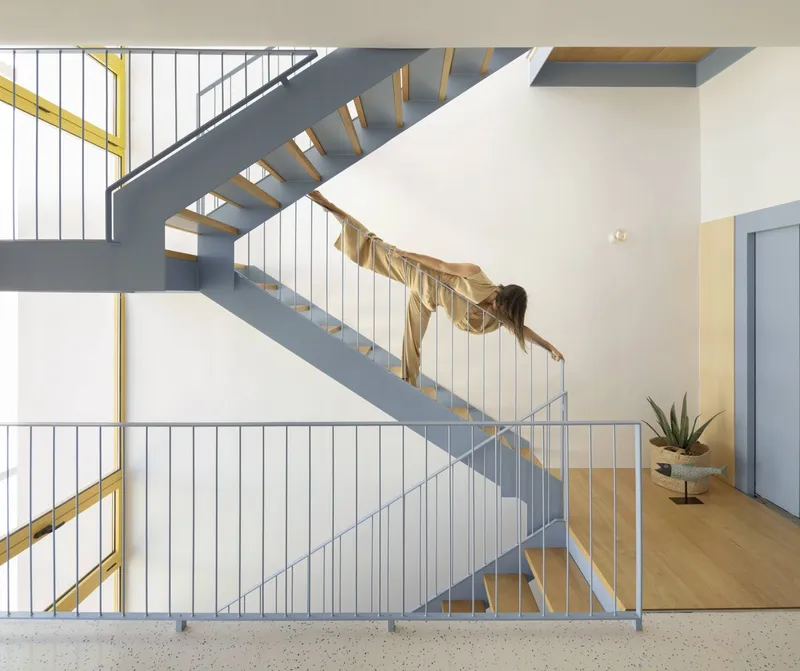
Passive Design and Energy Efficiency
Incorporating basic thermodynamic principles, the House in Guardamar del Segura leverages the central courtyard to enhance energy efficiency passively. The courtyard acts as a source of solar radiation and daylighting, particularly for the day area, reducing reliance on artificial lighting and contributing to a sustainable residential design. This approach reflects Cerrato’s commitment to eco-conscious architecture while maintaining high levels of comfort and aesthetic appeal.
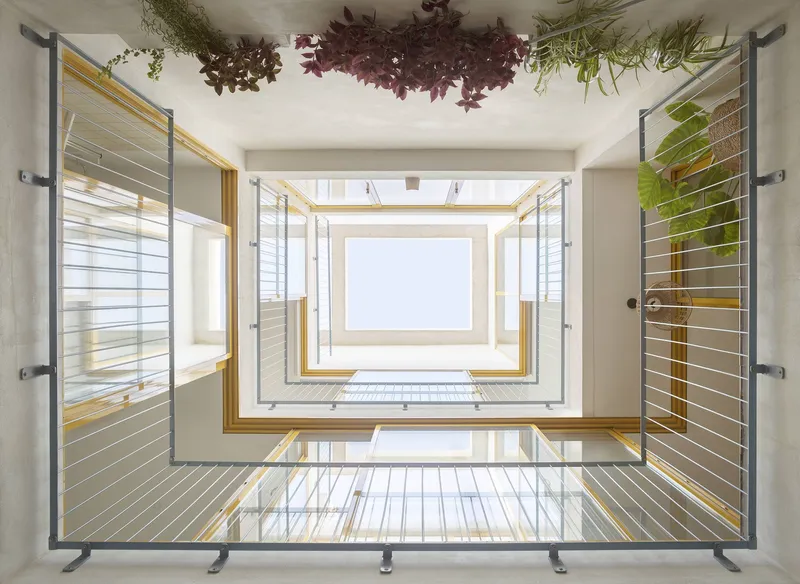
Materials and Aesthetic Approach
Although the narrow plot imposed limitations, the architectural language remains clean and contemporary. Expansive windows, glass doors, and strategically placed openings maximize light and visual connectivity, while interior spaces are arranged to provide privacy without sacrificing openness. The result is a modern Spanish residence that balances functional requirements with elegant design.
The House in Guardamar del Segura exemplifies innovative urban residential design. By addressing the challenges of a narrow plot through a central courtyard, stratified floor plan, and passive energy strategies, Bernardo Cerrato has created a home that is bright, private, and sustainable, reflecting thoughtful architecture adapted to its environment.
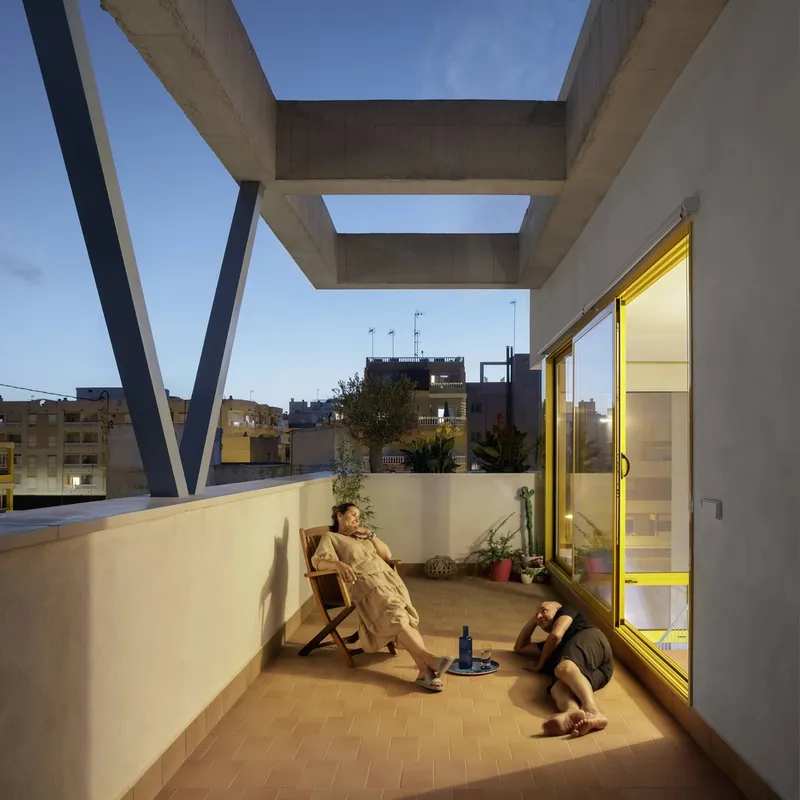
All photographs are works of Milena Villalba




Popular Articles
Popular articles from the community


Riyadh For All: Intergenerational Urban Design for Active Aging in Rabat
Riyadh For All reimagines urban design in Rabat with intergenerational co-living, adaptive courtyards, and Moroccan cultural exchange today.
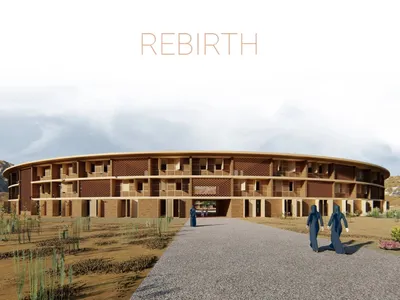
REBIRTH: Sustainable Architecture Shaped by Community, Resilience and Renewal
REBIRTH uses sustainable architecture, circular design, local materials and shared spaces to restore community, dignity and hope for widows.
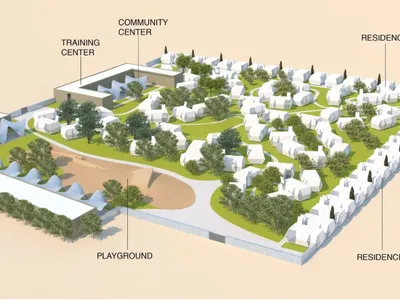
Garden of Hope: Sustainable Architecture for a Resilient Community in Qandahar
Garden of Hope reimagines sustainable architecture as secure, organic community where women rebuild lives through housing, work, and nature.

AL-JANNAH: Sustainable Architecture and Permaculture for Afghan Widows
AL-JANNAH uses sustainable architecture and permaculture to create resilient oasis of housing, learning, work and renewal for Afghan widows.


Similar Reads
You might also enjoy these articles


Hodi-Mandai Geram
Project Function: Preservation and revitalization of the Intangible heritage and socio-spatial identity of the Hodi by Housing, Cultural Memory Center, Sacred Grove, landscape, local tourism economy


Olio Towers: A Mid-Rise for Performers That Fuses Housing, Rehearsal, and Stage
Located blocks from Houston's Theater District, this modular tower stacks living units around a central performance atrium.

Oasis: Modular Green Housing Carved into Dhaka's Urban Fabric
A shortlisted Plugin Housing entry reclaims unauthorized settlements in Dhaka with stepped concrete volumes, green roofs, and ventilation-driven design.

Black Hole: A Floating Megastructure for the Post-Physical Era
Emiliano Mazzarotto envisions a spherical, self-scaling arena where e-sports, digital hotels, and holographic stadiums replace traditional public space.


Explore Housing Competitions
Discover active competitions in this discipline



The International Standard for Design Portfolios


The Global Benchmark for Architecture Dissertation Awards


The Global Benchmark for Graduation Excellence


Challenge to reimagine the Iron Throne
Comments (0)
Please login or sign up to add comments
No comments yet. Be the first to comment!