
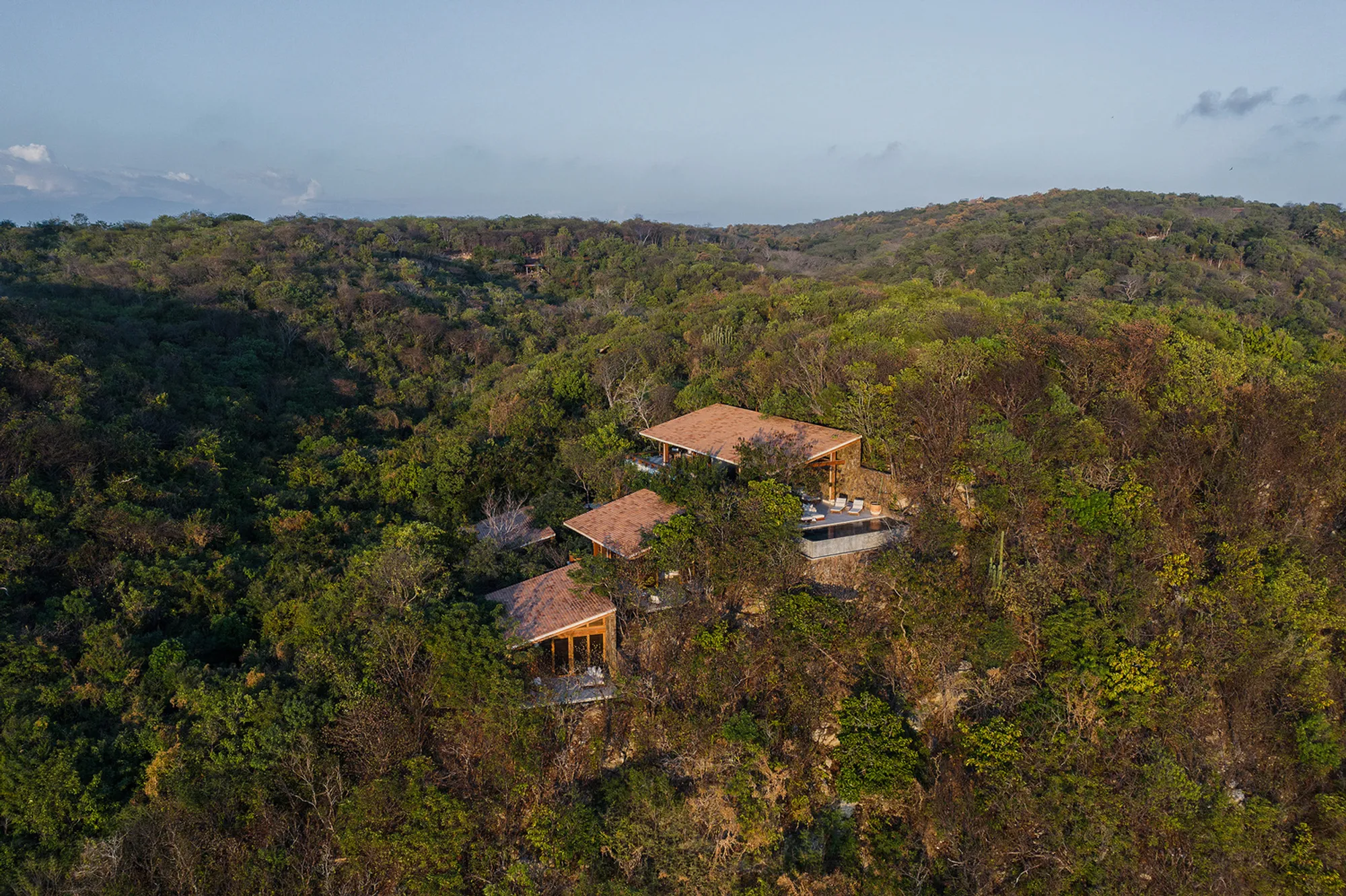
House in Torón II by IUA Ignacio Urquiza Arquitectos: A Harmonious Retreat in Oaxaca's Coastal Reserve
Eco-conscious coastal retreat in Oaxaca blending open-air pavilions, local materials, and sustainable design by IUA Ignacio Urquiza Arquitectos.


Nestled within the protected landscape of the El Torón Reserve in Mazunte, Oaxaca, Mexico, the House in Torón II by IUA Ignacio Urquiza Arquitectos is a masterclass in sustainable architecture and contextual design. Completed in 2021 and covering 700 m², this coastal home was developed in close collaboration with apda - Ana Paula de Alba, who designed the interiors and furniture to reflect a deep respect for the site’s ecology, culture, and climate.
Architecture in Harmony with Nature
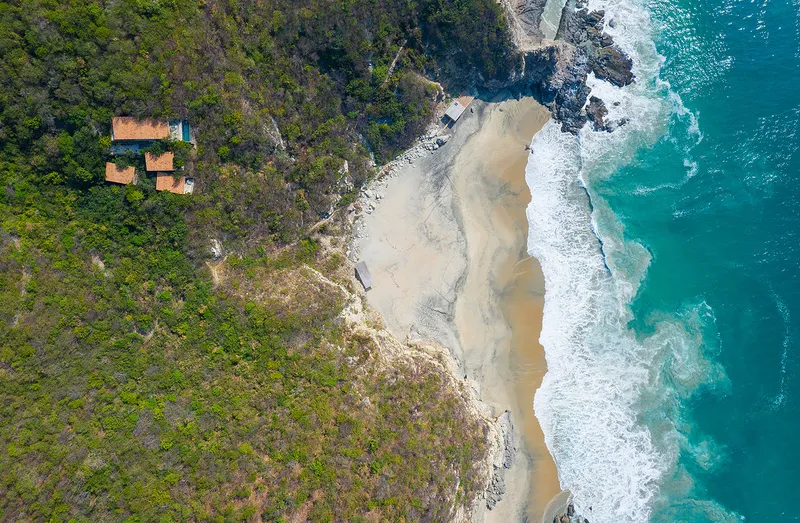
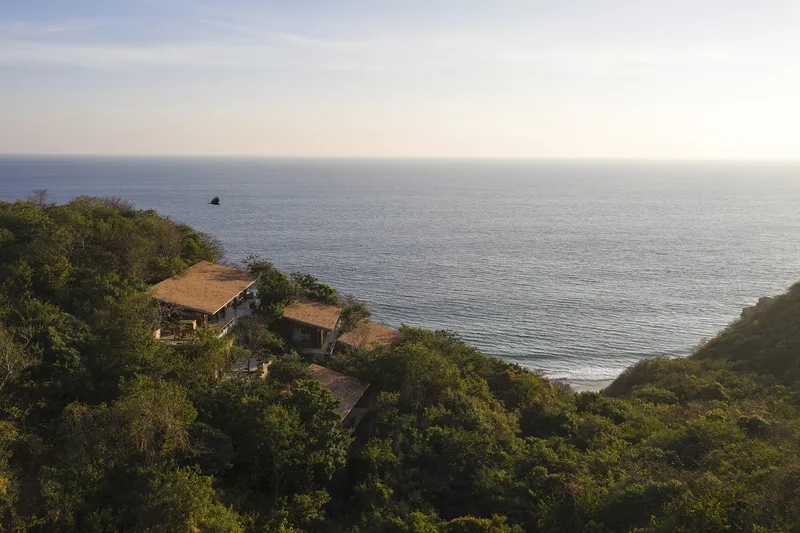
Set in a 30-hectare conservation reserve, this residence is the second house built within the El Torón complex. The architectural strategy respects the surrounding tropical forest, coastal cliffs, and native vegetation, working with the land’s natural topography instead of imposing upon it.
The structure is composed of four independent pavilions, designed to preserve the site’s biodiversity while allowing for an immersive experience of nature. Each pavilion responds to different uses: a shared living module and three bedrooms — two facing the ocean and one tucked deeper into the jungle.
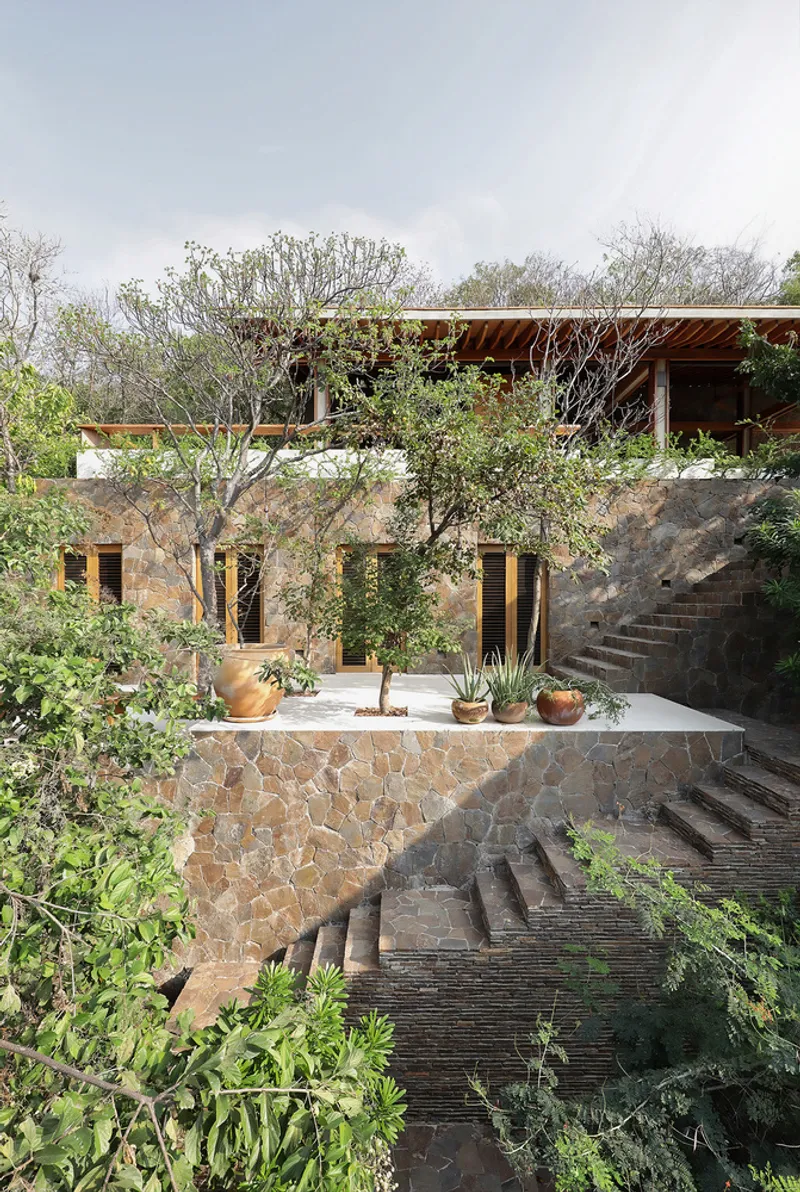
Open-Plan Living Meets Vernacular Design
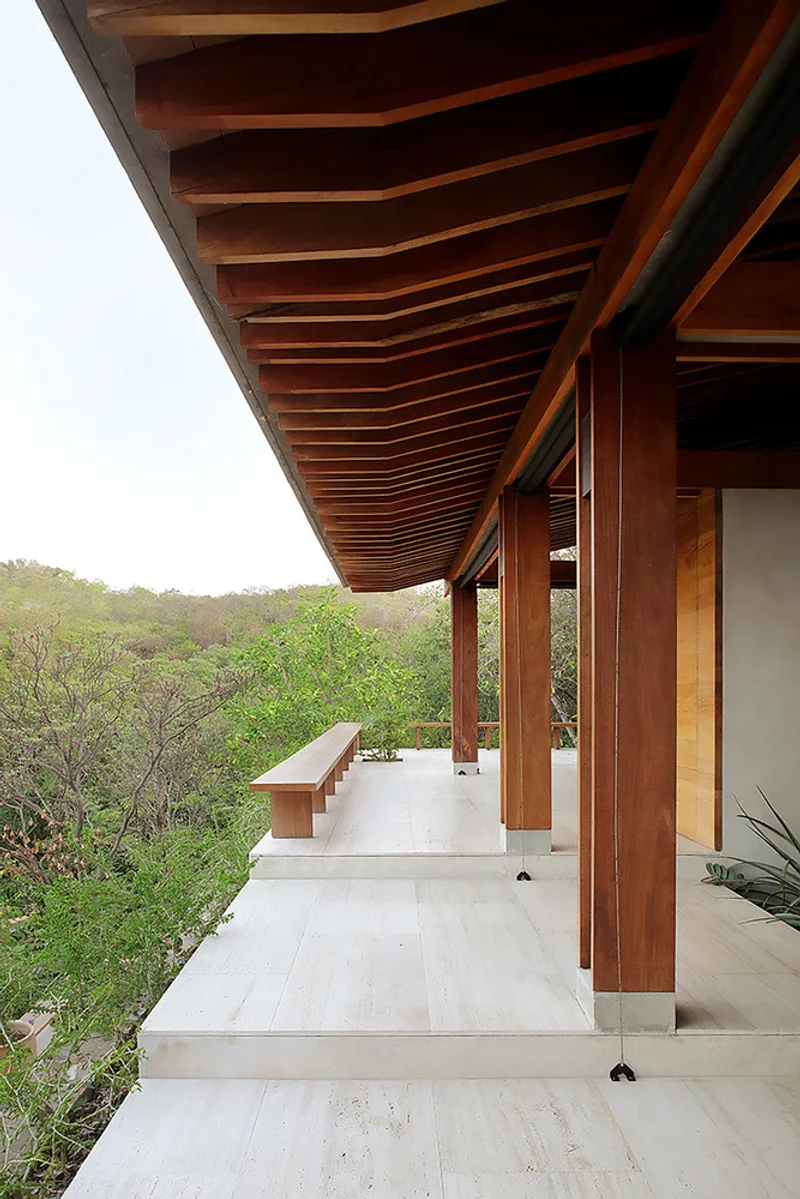
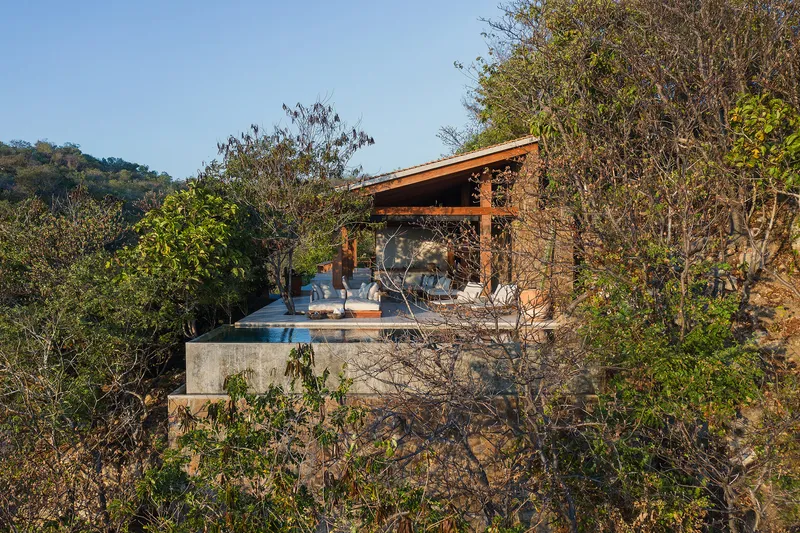
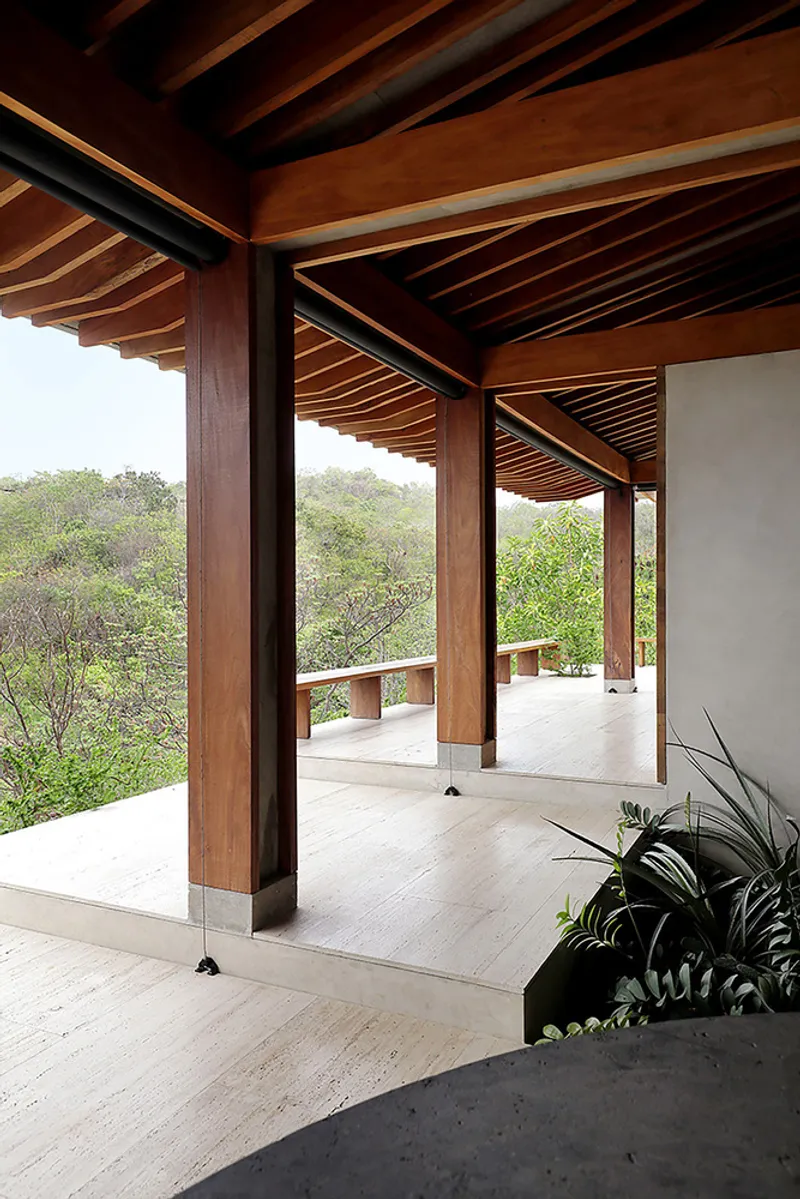
The central pavilion, an open-air structure without walls or windows on three sides, serves as the home’s social core. It includes a kitchen terrace, dining area, living room, and swimming pool, all under a unifying clay and wood roof that blends effortlessly with the surroundings. This fluid indoor-outdoor transition reflects the influence of vernacular Mexican architecture, where climate-responsive design is essential.
The sloped roofs across the pavilions follow the terrain’s natural flow, shielding interiors from the harsh western sun while maintaining privacy. Natural ventilation, shaded overhangs, and strategic orientation create a cool and comfortable atmosphere, even in the tropical climate.
Sustainability at Every Scale
True to the reserve’s conservation ethos, the project avoided heavy machinery. Materials were hand-transported via ATVs and trailers, ensuring minimal disturbance to the land. 80% of the vegetation displaced by construction was replanted, effectively preserving the site’s green canopy and enabling natural privacy between modules.
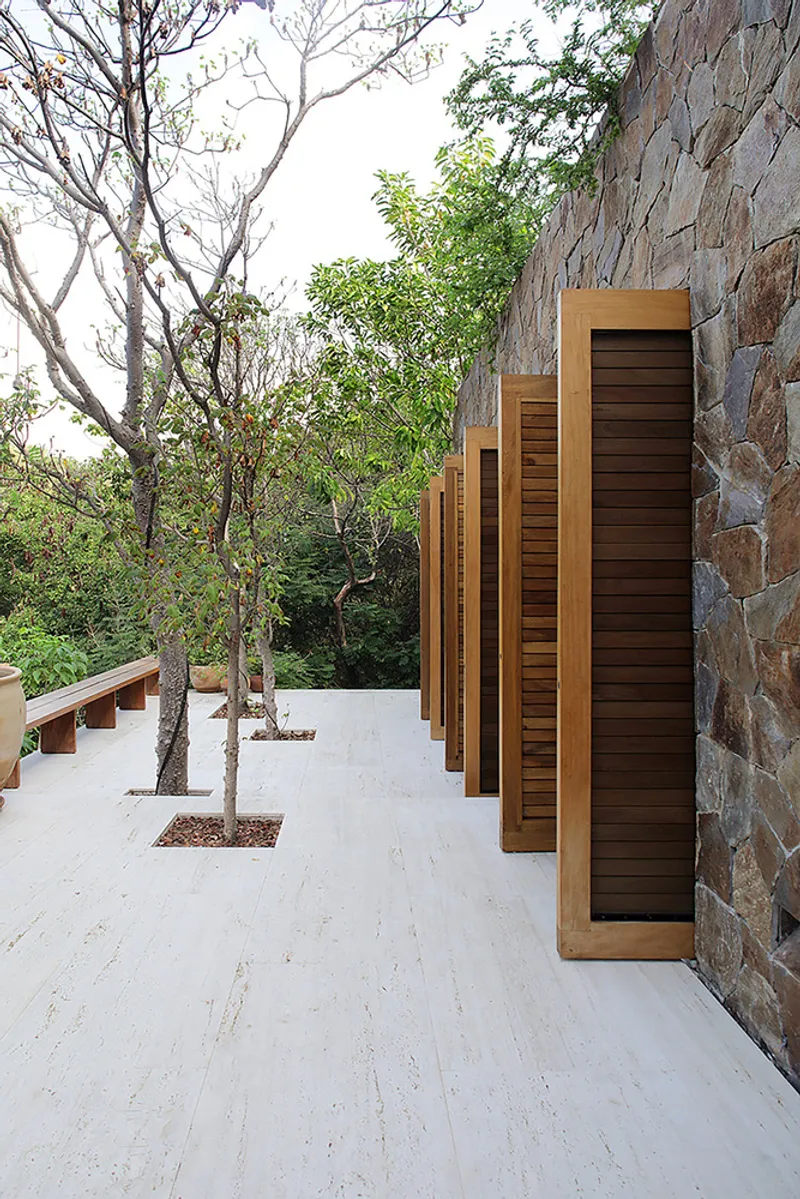
The material palette was carefully curated for locality and minimal intervention — including raw travertine, tropical hardwoods, natural clay, stone, and woven palms. These textures, colors, and finishes reflect the natural palette of the region, reinforcing the idea of a house that is part of its environment.
Interior Design that Resonates with Place
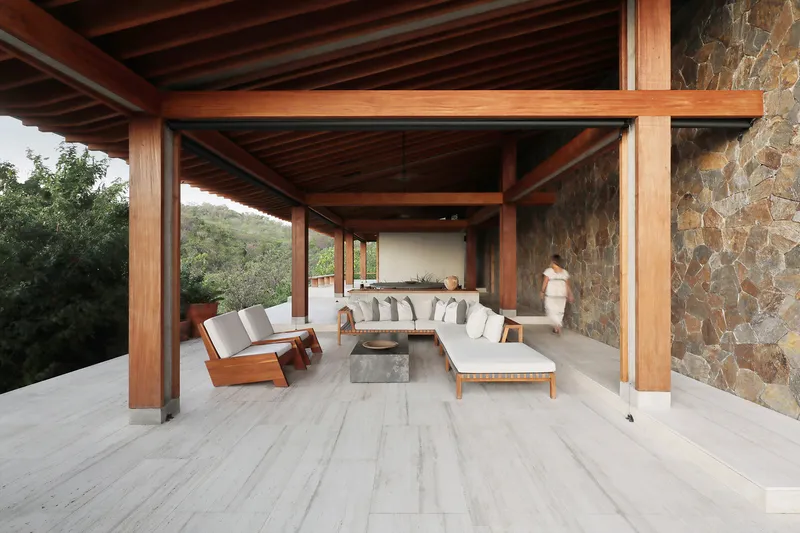
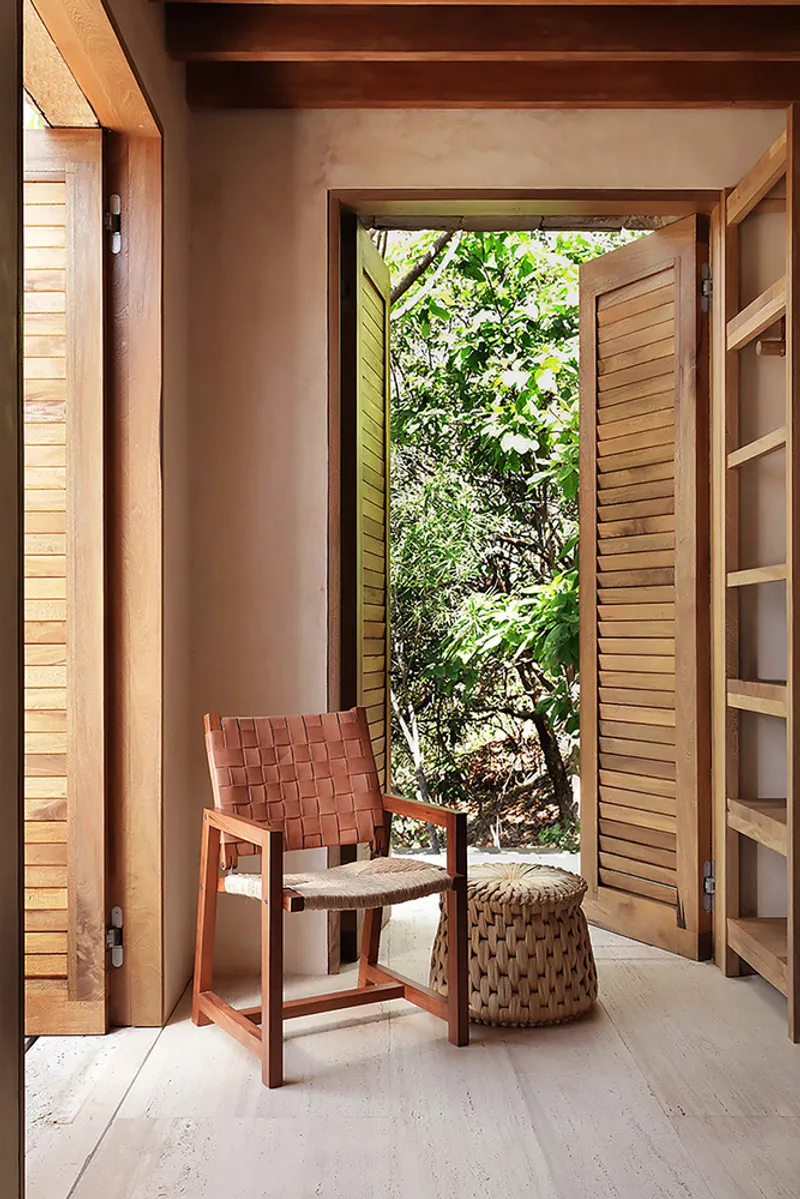
The interiors, crafted by apda, reflect the same philosophy. Furniture and finishes use Mexican materials and artisanal craftsmanship, with minimal treatment to highlight the natural beauty of each element. Soft linen and cotton textiles, combined with local stone and custom wood furniture, create a space that feels warm, relaxed, and deeply grounded.
Every design choice was made with functionality, climatic response, and material authenticity in mind — from non-slip, light-colored flooring that stays cool underfoot to visual sightlines that frame the coastal views and dense vegetation.

Architecture as a Continuation of Landscape
One of the house’s defining achievements is how the architecture disappears into the landscape. The spatial voids between pavilions serve as outdoor rooms, blending built form with native flora. The house doesn’t impose on nature — it invites it in. Whether walking barefoot through the open living area, swimming beneath the treetops, or enjoying the breeze through operable walls, this home encourages full sensory engagement with its setting.
The House in Torón II is a sustainable architectural model that goes beyond just design — it's a statement about how to live harmoniously with nature, respecting both culture and climate. Through its sensitive material choices, ecological construction methods, and open design, the project embodies the best of contemporary Mexican architecture.
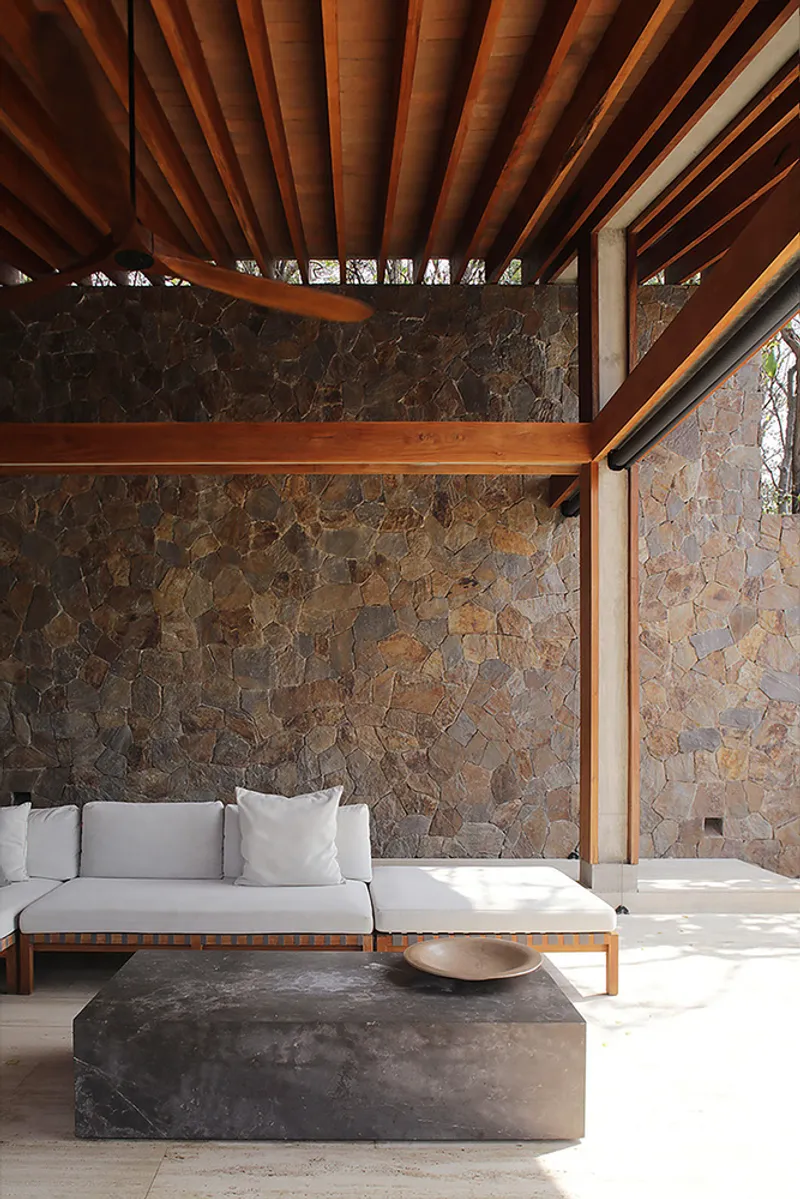

All the photographs are works of Estudio Urquiza, Ignacio Urquiza




Popular Articles
Popular articles from the community


EW PARK: Sustainable Architecture Reimagines the Future of Urban Parking
EW PARK reimagines city parking as a modular wooden tower combining automation, solar energy, electric mobility, and adaptable urban design.

Co-life: Sustainable Architecture for Age-Friendly Community Living
Co-life reimagines sustainable architecture for seniors through courtyards, rammed earth, shared gardens, and spaces designed for belonging.

The Musturak Paradise: Senior Living Architecture for a Connected Future in Temara, Morocco
The Musturak Paradise reimagines senior living architecture in Temara via private homes, social spaces, culture, community, and shared care.

The Earth Pod: 3D Printed Homes for Resilient Refugee Communities
The Earth Pod reimagines refugee housing through 3D printed homes made from clay, combining resilience, self-sufficiency, and rapid shelter.


Similar Reads
You might also enjoy these articles


Hodi-Mandai Geram
Project Function: Preservation and revitalization of the Intangible heritage and socio-spatial identity of the Hodi by Housing, Cultural Memory Center, Sacred Grove, landscape, local tourism economy


Olio Towers: A Mid-Rise for Performers That Fuses Housing, Rehearsal, and Stage
Located blocks from Houston's Theater District, this modular tower stacks living units around a central performance atrium.

Oasis: Modular Green Housing Carved into Dhaka's Urban Fabric
A shortlisted Plugin Housing entry reclaims unauthorized settlements in Dhaka with stepped concrete volumes, green roofs, and ventilation-driven design.

Black Hole: A Floating Megastructure for the Post-Physical Era
Emiliano Mazzarotto envisions a spherical, self-scaling arena where e-sports, digital hotels, and holographic stadiums replace traditional public space.

Explore Housing Competitions
Discover active competitions in this discipline



Challenge to reimagine the Iron Throne


Photograph architecture without architects


Illustrate the lost glory of Angkor Wat - Render Challenge


Design challenge to reuse E-waste
Comments (0)
Please login or sign up to add comments
No comments yet. Be the first to comment!