
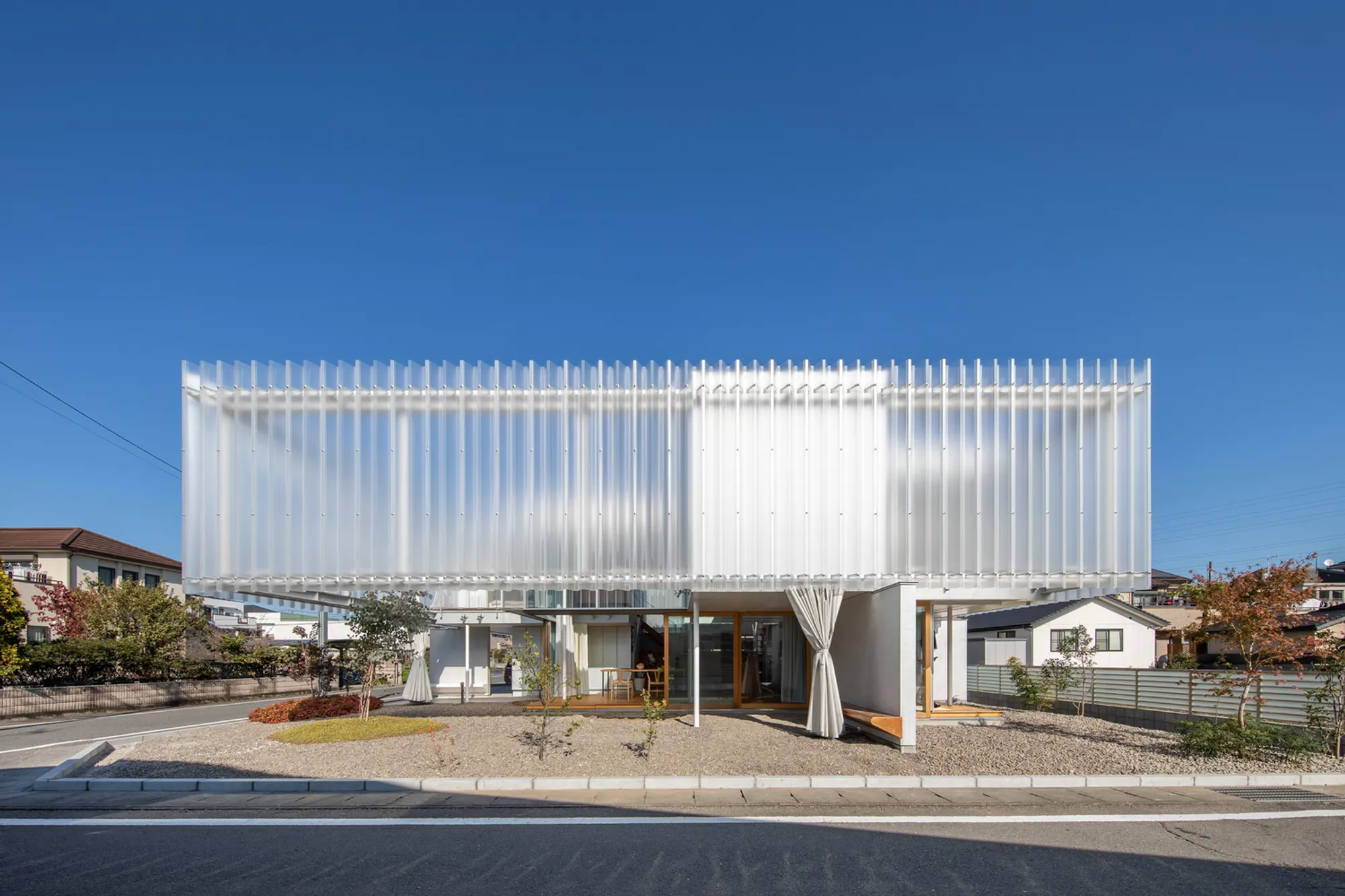
House in Yanakacho by KACH: A Floating Urban Sanctuary Integrating Privacy and Openness
Floating polycarbonate facade blurs boundaries, creating a layered, light-filled home that balances privacy, openness, and urban connectivity in Japan.


Designed by Taiga Kasai + Chong Aehyang Architecture / KACH, the House in Yanakacho redefines urban residential living in Japan. Situated within a dense neighborhood, this 173-square-meter home for a family of four explores the delicate balance between seclusion and openness, crafting a unique architectural dialogue between the house and its surroundings.
A Floating Polycarbonate Enclosure as Urban Boundary
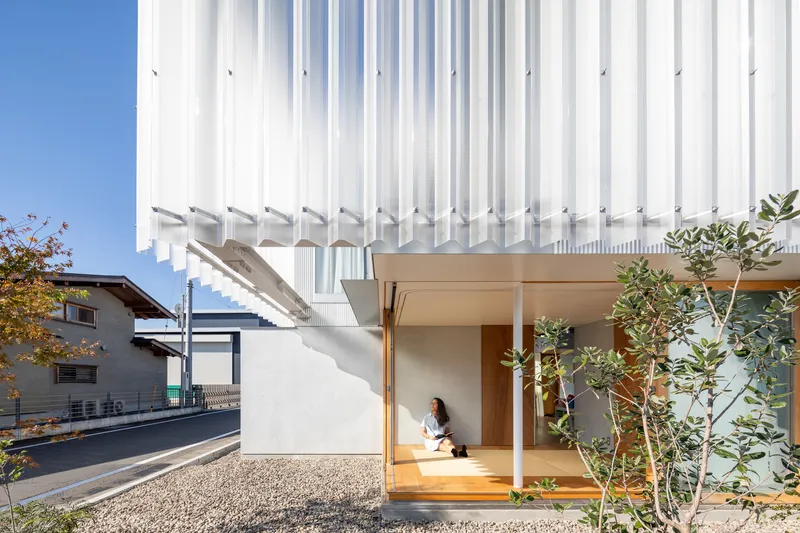
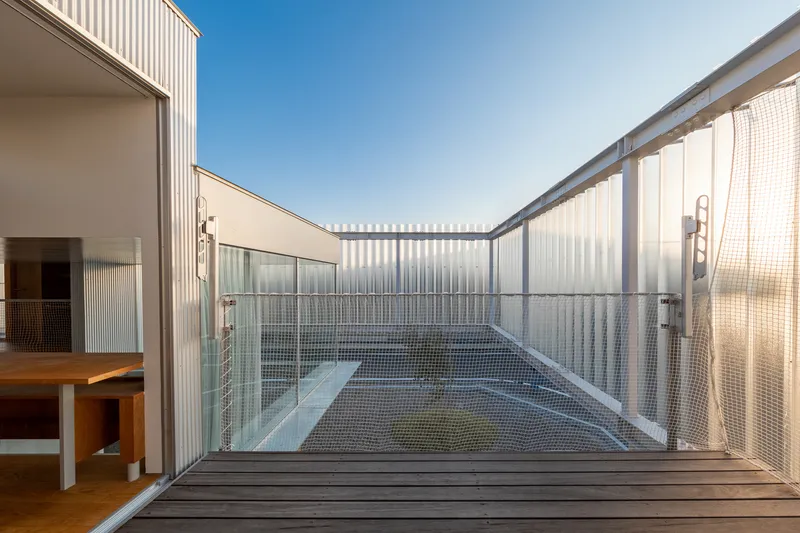
At the core of the design is a translucent polycarbonate skin that gently outlines the site. Raised off the ground, this floating enclosure acts as a veil—marking a clear yet permeable boundary between the private residence and the public realm. Rather than creating a fortress-like shell, the architects designed a skin that filters light and views, allowing the home to engage with the environment while maintaining privacy.
This architectural gesture softens the typical boundary wall, offering a new way of mediating between domestic space and city life.
Interior Composition: Layered Levels and Open Connectivity
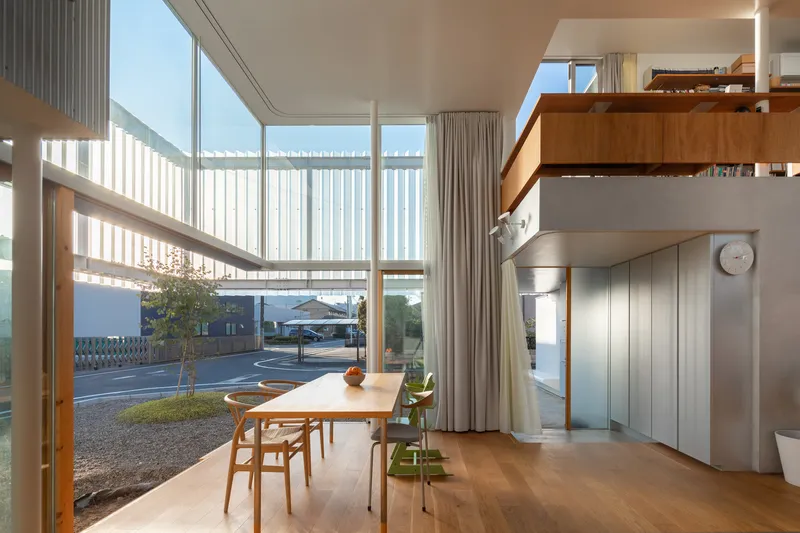
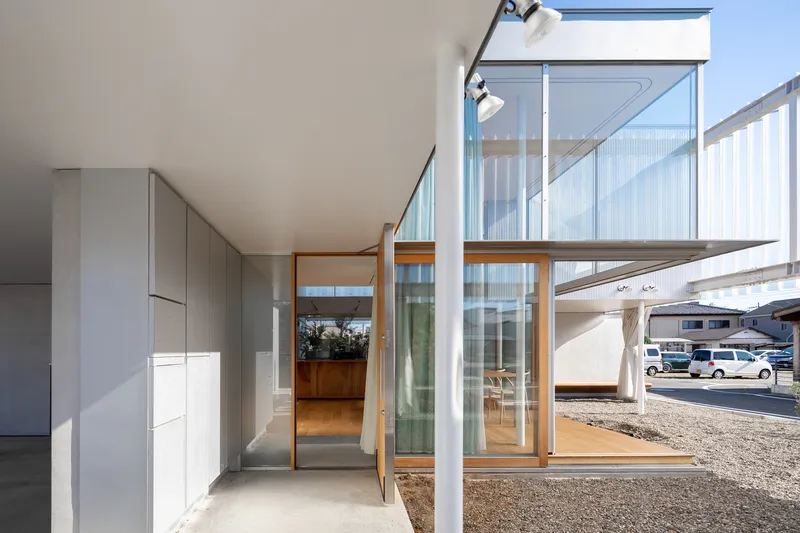
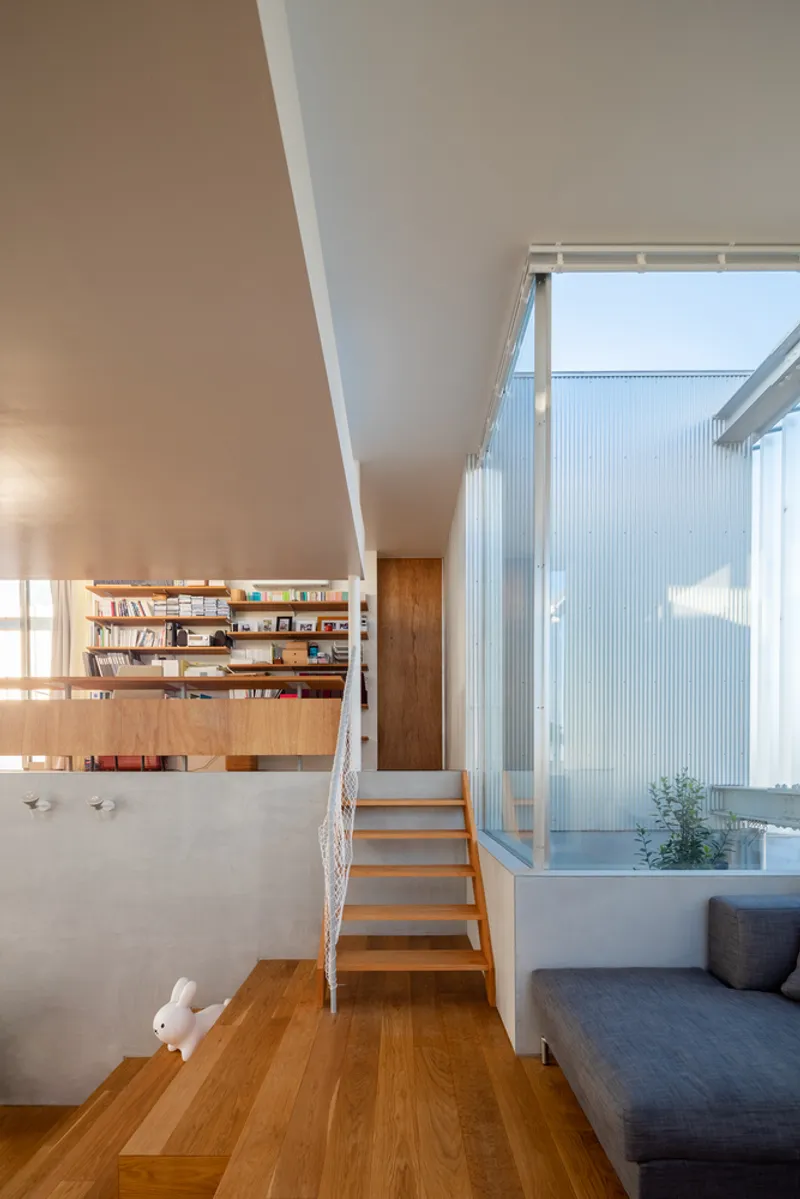
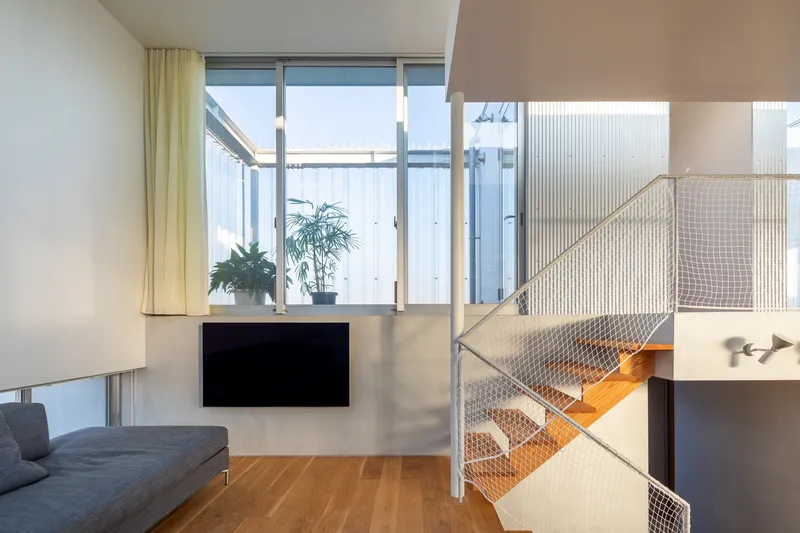
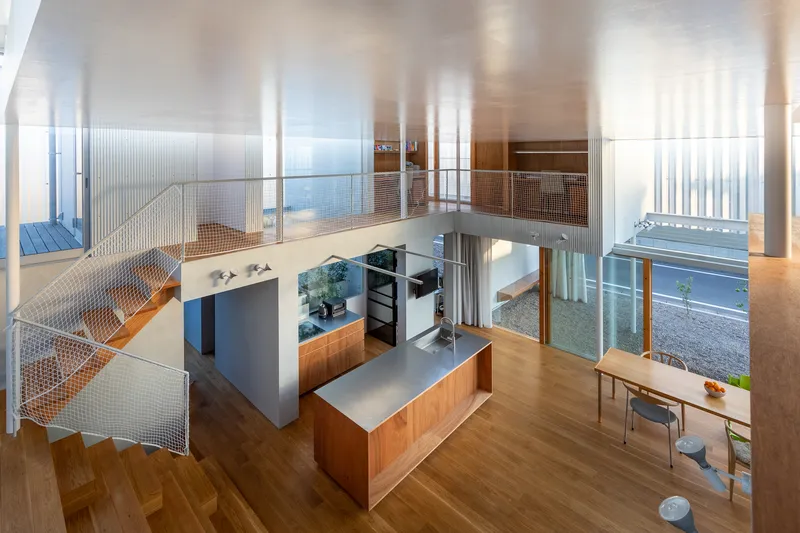
Inside, the house unfolds around a central dining and kitchen area on the open ground floor. Surrounding this hub are rooms positioned at varying heights, eliminating the need for full partitions. This tiered layout promotes a fluid spatial experience, where privacy is achieved not through walls but through vertical separation and strategic placement.
Each level remains visually and emotionally connected, reinforcing the presence of family members throughout the day and enhancing communal living without sacrificing seclusion.
Blurring Boundaries with an Outdoor Curtain
One of the most innovative aspects of the home is the installation of a movable outdoor curtain beneath the floating enclosure. This feature allows residents to adjust the permeability of the façade, modulating how open or closed the house feels. The curtain transforms the outer layer of the home into an interactive zone, offering the flexibility to engage or retreat from the community depending on context or mood.
By redefining how the home relates to its street and neighbors, the curtain becomes both a functional and symbolic element of urban life.
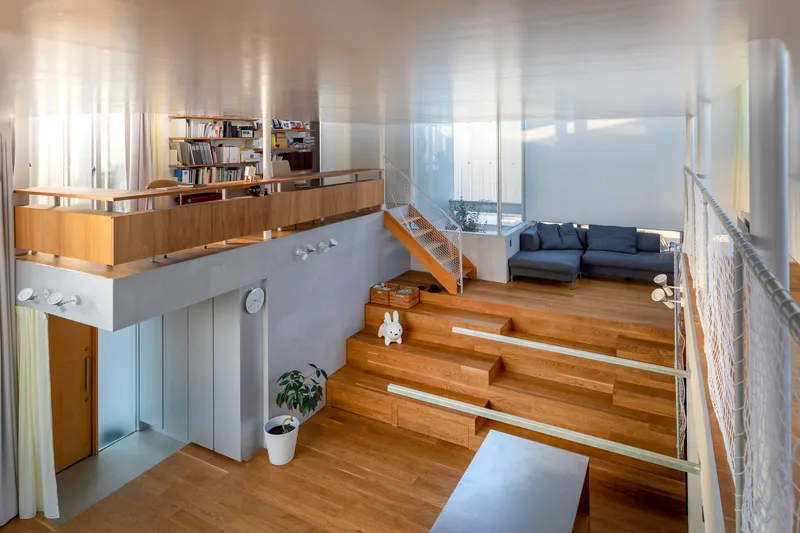
A Home That Embraces its Urban Context
The architectural strategy focuses on harmonizing interior life with exterior surroundings. Private rooms are tucked into upper levels or semi-subterranean zones, while shared living areas maintain strong visual links to the outside. The house does not turn its back on the city—it invites it in, selectively and with care.
This design ethos fosters a mutual relationship between the family and the neighborhood, allowing the town to become part of the home, and the home to contribute to the vitality of the town.
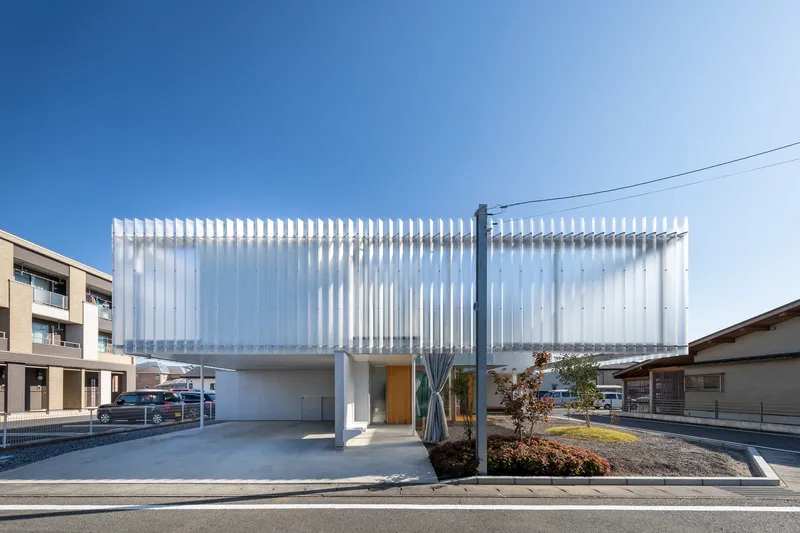
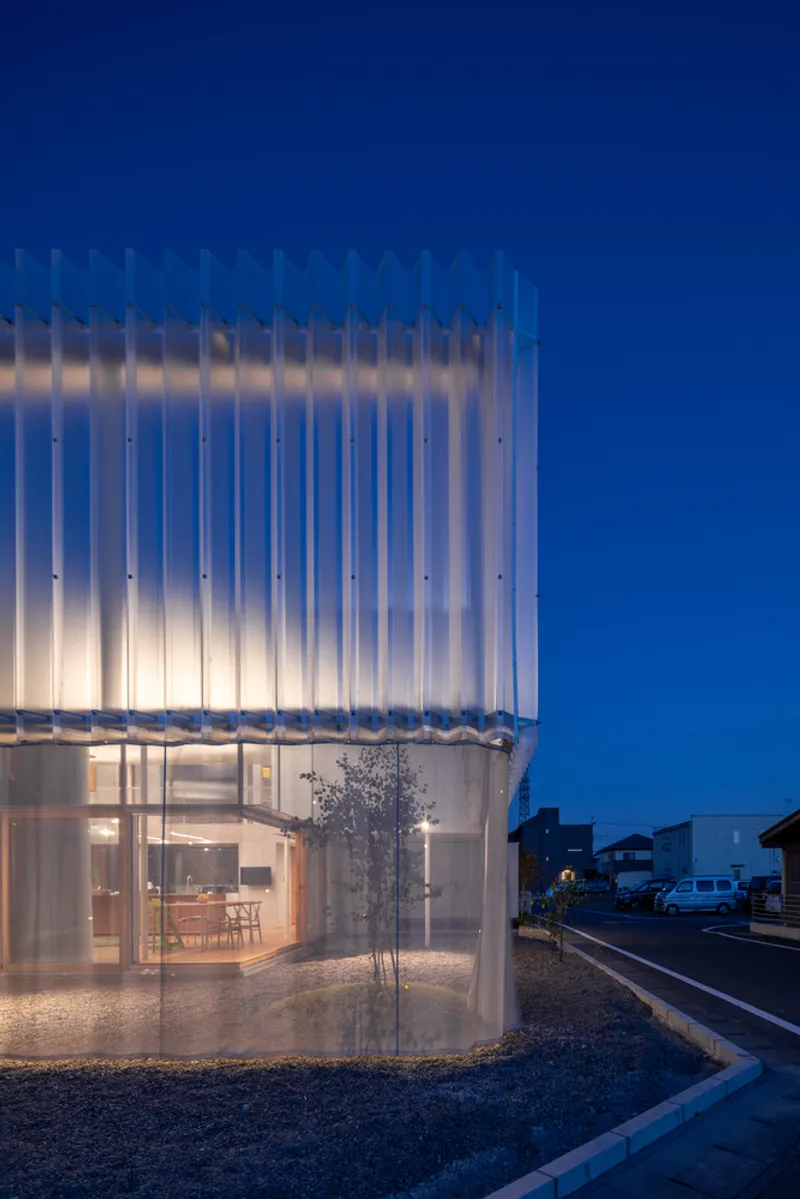
A Thoughtful Balance of Function, Form, and Atmosphere
Every aspect of the House in Yanakacho was shaped by a deep understanding of site-specific conditions, family needs, and spatial atmosphere. The result is a contextual and innovative dwelling that is at once protective and open, private and porous, grounded and elevated.
With contributions from Graph Studio, Yuko Mihara, and manufacturer support from C.I. TAKIRON Corporation, Serge Ferrari, and Tsukiboshi Shoji, the project represents a refined collaboration that reflects the best of contemporary Japanese residential architecture.
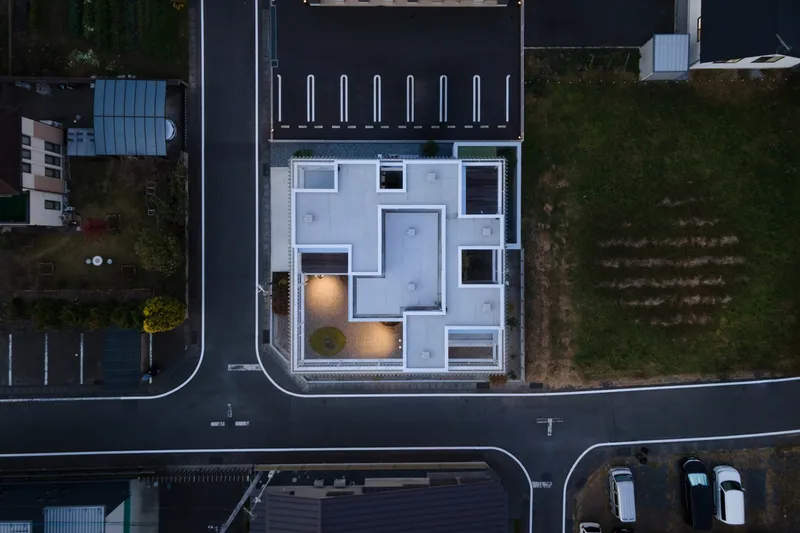
All Photographs are works of Vincent Hecht



Popular Articles
Popular articles from the community


Lunar Spiral: Space Architecture Shaped by the Mathematics of the Universe
Lunar Spiral reimagines space architecture through Fibonacci geometry, lunar regolith, levitating habitats, and self-sustaining Moon living.

The Ocean Hive: Sustainable Architecture for a Self-Sufficient Civilization at Sea
The Ocean Hive imagines sustainable architecture at sea, where modular habitats, algae, wave power and ocean waste sustain a growing colony.

Co-life: Sustainable Architecture for Age-Friendly Community Living
Co-life reimagines sustainable architecture for seniors through courtyards, rammed earth, shared gardens, and spaces designed for belonging.

Co-Life: Senior Housing Design That Reconnects Older Adults With the City
Co-Life reimagines senior housing design through healing gardens, shared streets, workshops, and a sustainable community across generations.


Similar Reads
You might also enjoy these articles


Hodi-Mandai Geram
Project Function: Preservation and revitalization of the Intangible heritage and socio-spatial identity of the Hodi by Housing, Cultural Memory Center, Sacred Grove, landscape, local tourism economy


Olio Towers: A Mid-Rise for Performers That Fuses Housing, Rehearsal, and Stage
Located blocks from Houston's Theater District, this modular tower stacks living units around a central performance atrium.

Oasis: Modular Green Housing Carved into Dhaka's Urban Fabric
A shortlisted Plugin Housing entry reclaims unauthorized settlements in Dhaka with stepped concrete volumes, green roofs, and ventilation-driven design.

Black Hole: A Floating Megastructure for the Post-Physical Era
Emiliano Mazzarotto envisions a spherical, self-scaling arena where e-sports, digital hotels, and holographic stadiums replace traditional public space.


Explore Housing Competitions
Discover active competitions in this discipline



Challenge to reimagine the Iron Throne


Photograph architecture without architects


Illustrate the lost glory of Angkor Wat - Render Challenge


Design challenge to reuse E-waste
Comments (0)
Please login or sign up to add comments
No comments yet. Be the first to comment!