

House Lhama – Sítio Toca do Tatu by Luiz Paulo Andrade Arquitetos
House Lhama blends traditional architecture with nature, featuring sustainable materials, passive heating, and seamless indoor-outdoor integration in São Roque, Brazil.


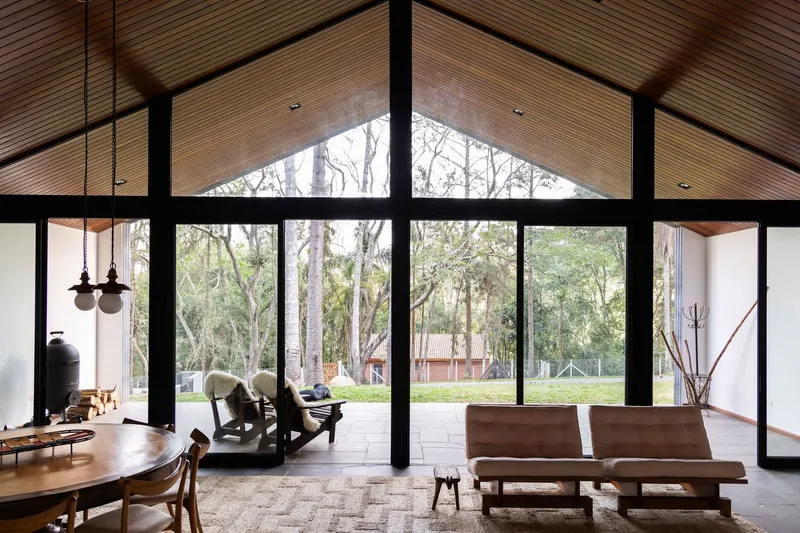
Located in the serene countryside of São Roque, Brazil, House Lhama is the first of a series of sustainable residences designed for the rural landscape. Developed by Luiz Paulo Andrade Arquitetos, this 220 m² home blends traditional architectural principles with a deep connection to its natural surroundings.
A Home Rooted in Tradition and Nature
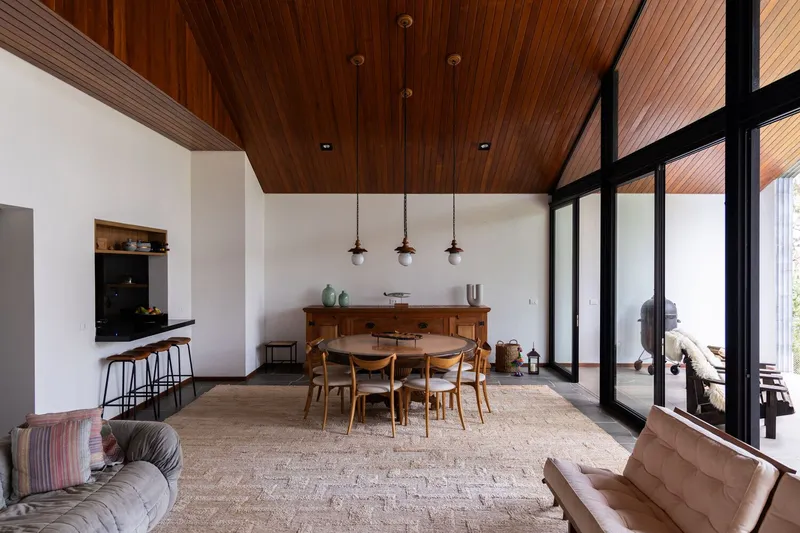
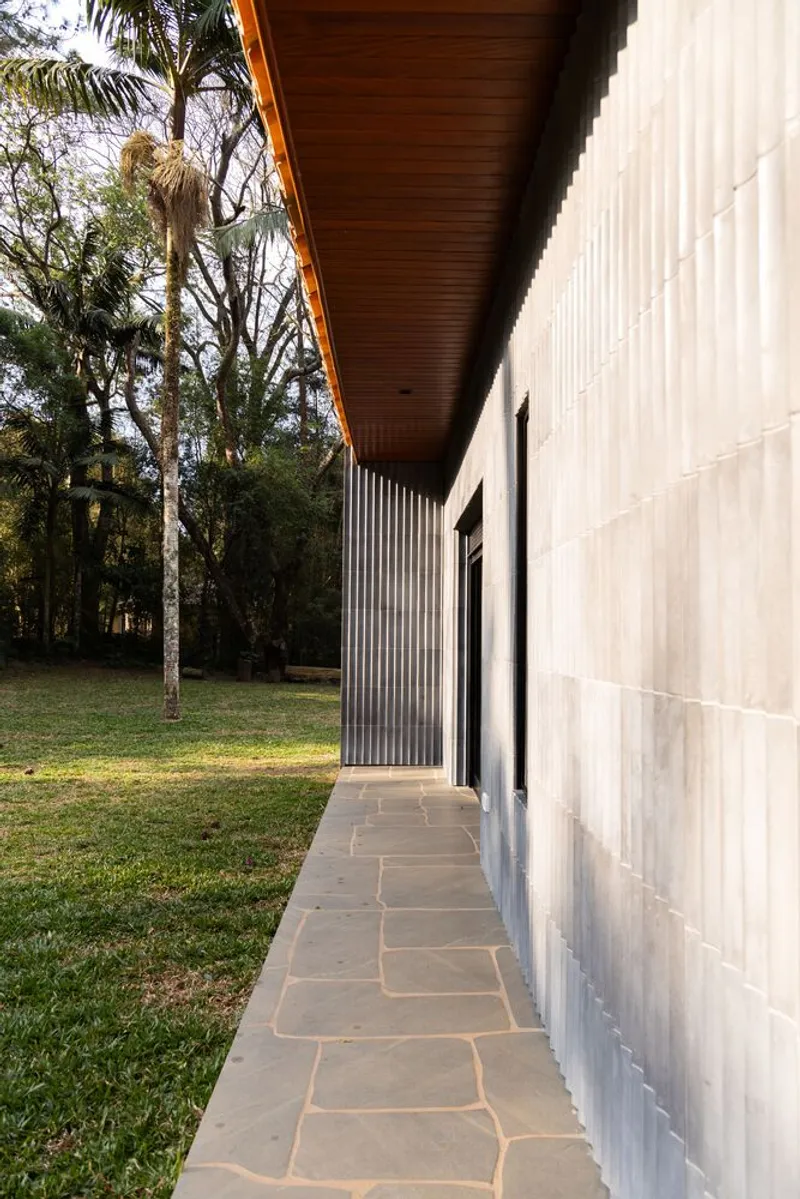
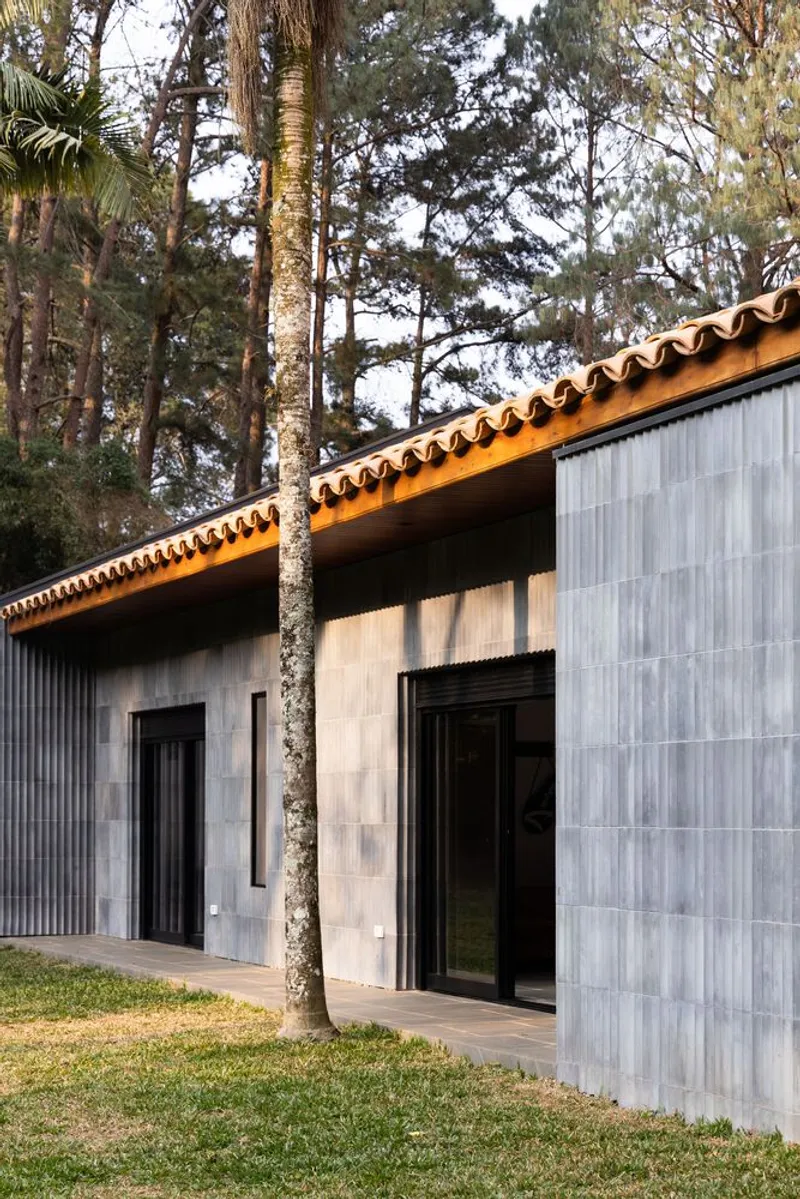
Inspired by the archetypal house form, the project embraces a minimalist, monolithic design, integrating seamlessly into the landscape. The choice to use local materials and labor reinforces the home’s commitment to sustainability while preserving its rustic charm. Set directly on the ground, the house establishes a strong indoor-outdoor connection, allowing nature to become an extension of the living space.

Spatial Organization and Design Features
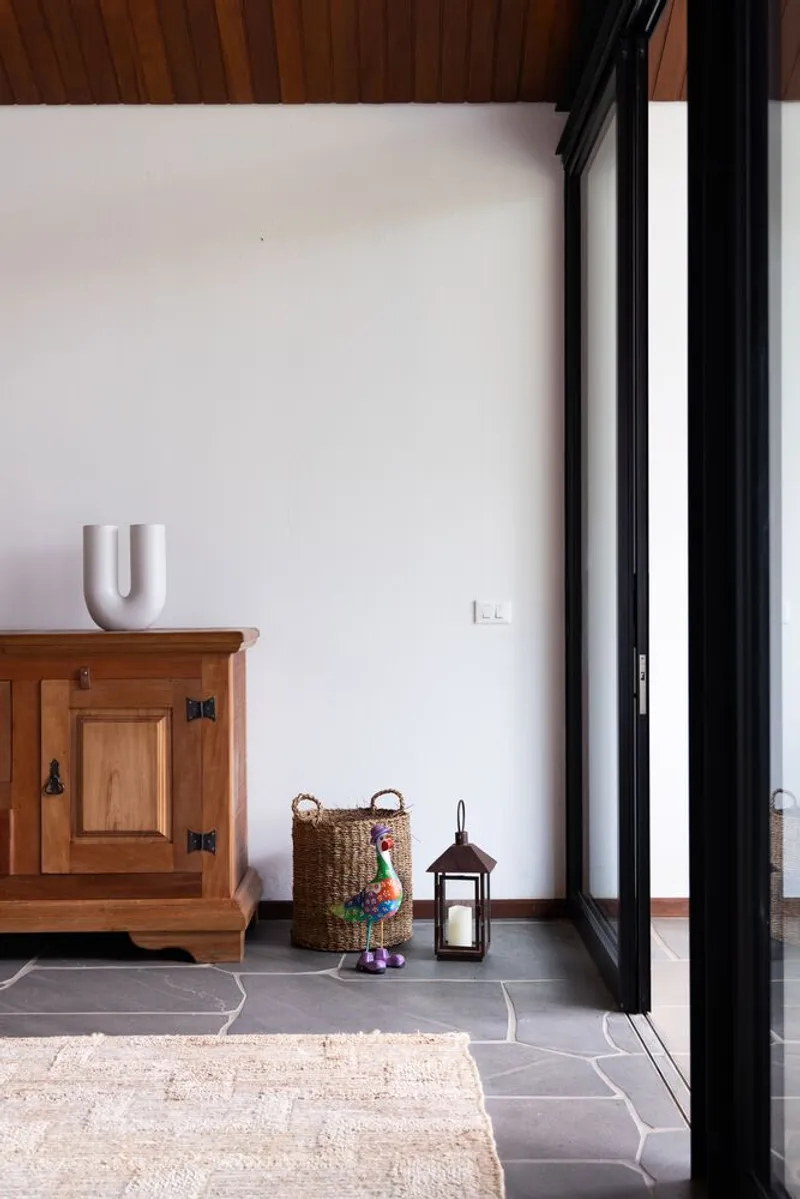
The single-story layout prioritizes functionality and fluidity. A central corridor links the private quarters to an expansive living area, which opens directly to a lush forest backdrop. Every room offers direct access to the garden, enhancing the feeling of immersion in nature.
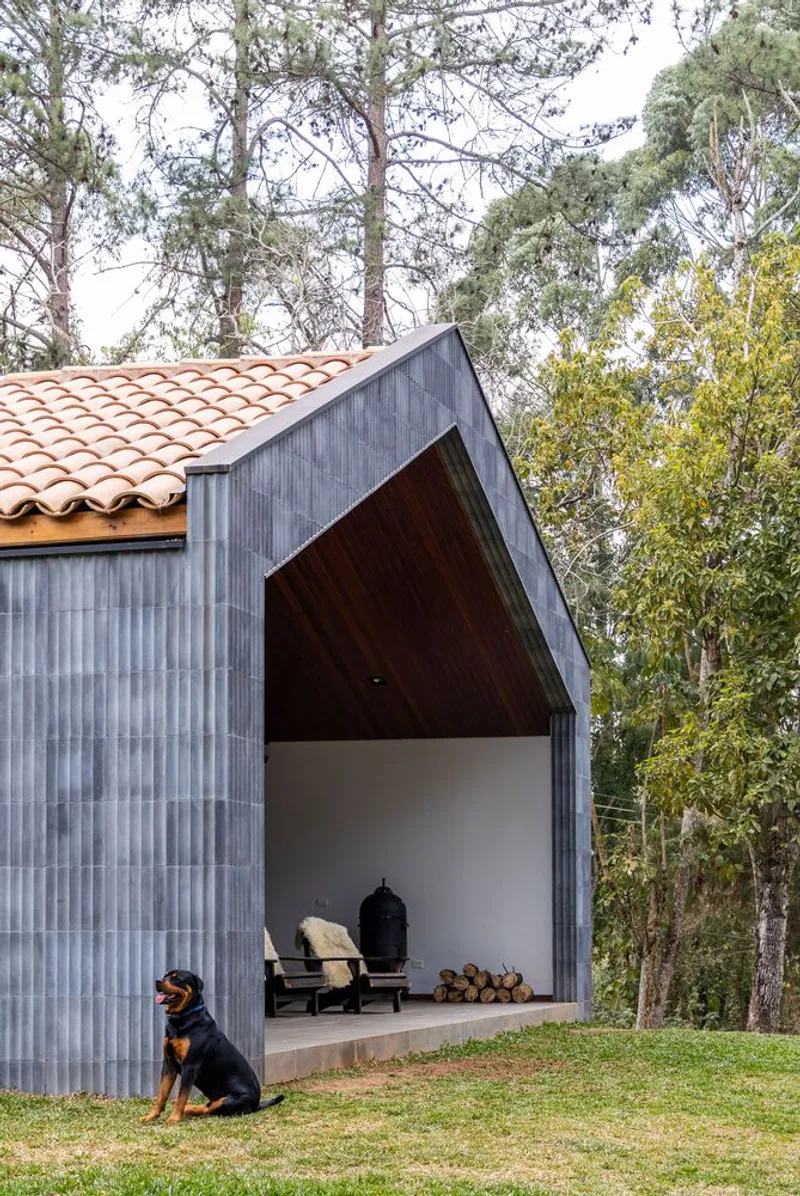
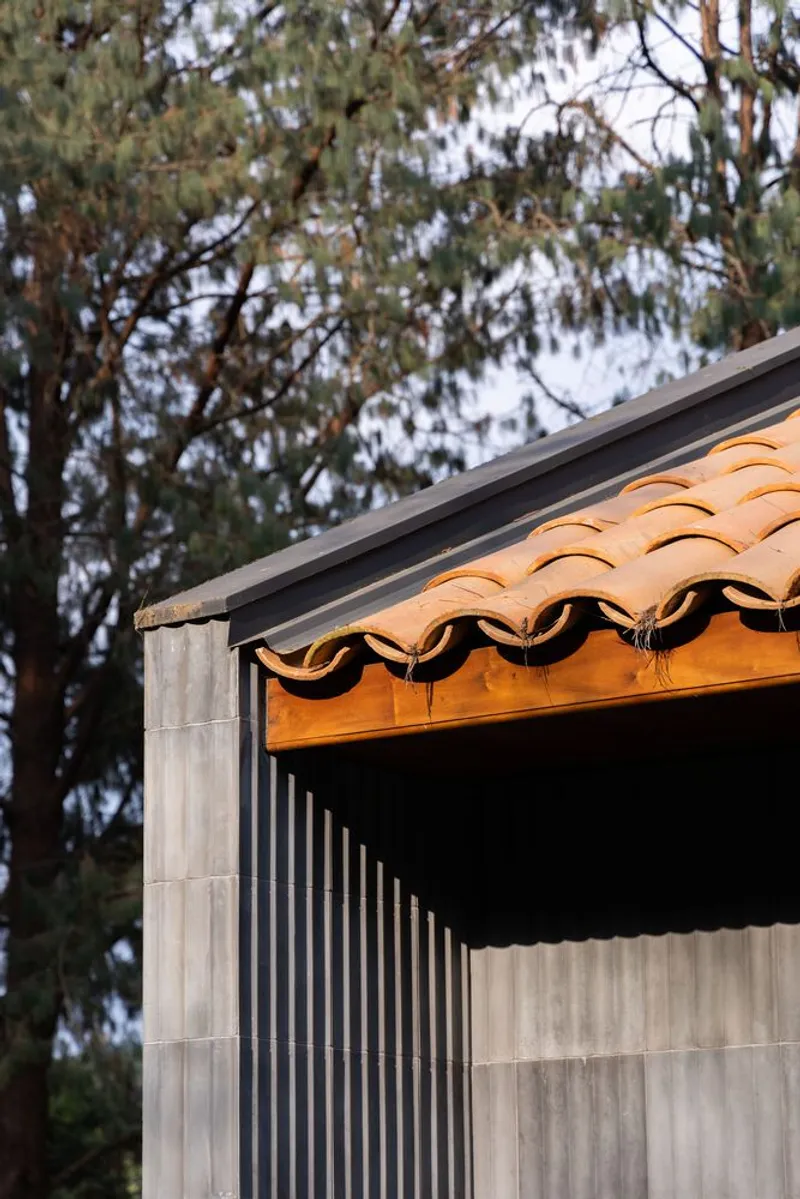
A gable roof with large clay tiles reinforces the home's rural aesthetic, while the contrasting façade materials create a dynamic architectural expression—one side is entirely transparent, maximizing views and natural light, while the opposite is a solid wall, ensuring privacy and insulation.

Sustainability and Thermal Comfort
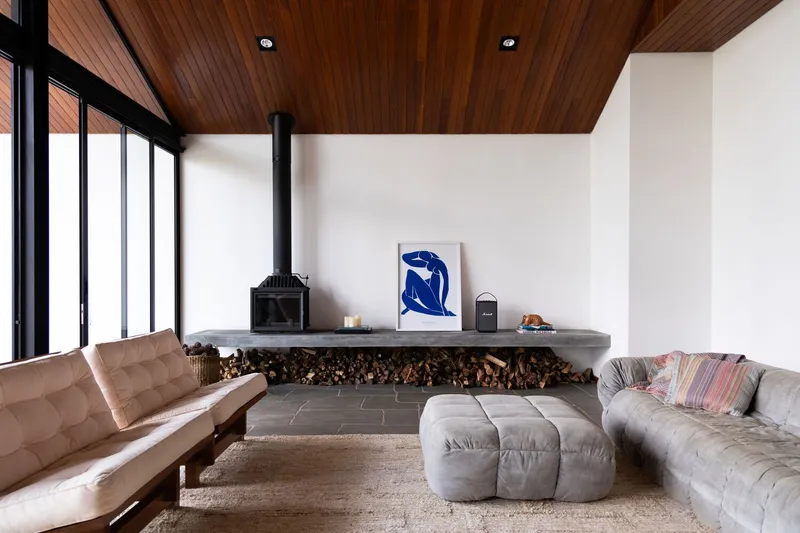
Given São Roque’s humid climate, the exterior cladding is designed to withstand moisture while maintaining a comfortable indoor environment. The house leverages passive solar heating, with controlled sunlight warming the bedrooms. A central fireplace anchors the social space, offering warmth and comfort during cooler seasons.

Designed for Family and Longevity
Originally envisioned for an elderly couple, the house features spacious rooms and wide hallways, ensuring accessibility. The open-concept kitchen connects seamlessly to the social areas, making it a focal point for gatherings, conversations, and family bonding. More than just a residence, House Lhama is a sanctuary—designed for tranquility, connection, and the creation of cherished memories.


All Photographs are works of Pedro Ocanhas



Popular Articles
Popular articles from the community


Conexión: Biophilic Design Reimagines High-Rise Living in Hong Kong
Conexión reimagines high-rise living in Hong Kong through biophilic design, green facades, shared spaces, daylight, water and nature within.

The Earth Pod: 3D Printed Homes for Resilient Refugee Communities
The Earth Pod reimagines refugee housing through 3D printed homes made from clay, combining resilience, self-sufficiency, and rapid shelter.

Riyadh For All: Intergenerational Urban Design for Active Aging in Rabat
Riyadh For All reimagines urban design in Rabat with intergenerational co-living, adaptive courtyards, and Moroccan cultural exchange today.

Co-life: Sustainable Architecture for Age-Friendly Community Living
Co-life reimagines sustainable architecture for seniors through courtyards, rammed earth, shared gardens, and spaces designed for belonging.

Similar Reads
You might also enjoy these articles


Hodi-Mandai Geram
Project Function: Preservation and revitalization of the Intangible heritage and socio-spatial identity of the Hodi by Housing, Cultural Memory Center, Sacred Grove, landscape, local tourism economy


Olio Towers: A Mid-Rise for Performers That Fuses Housing, Rehearsal, and Stage
Located blocks from Houston's Theater District, this modular tower stacks living units around a central performance atrium.

Oasis: Modular Green Housing Carved into Dhaka's Urban Fabric
A shortlisted Plugin Housing entry reclaims unauthorized settlements in Dhaka with stepped concrete volumes, green roofs, and ventilation-driven design.

Black Hole: A Floating Megastructure for the Post-Physical Era
Emiliano Mazzarotto envisions a spherical, self-scaling arena where e-sports, digital hotels, and holographic stadiums replace traditional public space.


Explore Architecture Competitions
Discover active competitions in this discipline



Challenge to reimagine the Iron Throne


Photograph architecture without architects


Illustrate the lost glory of Angkor Wat - Render Challenge


Design challenge to reuse E-waste
Comments (0)
Please login or sign up to add comments
No comments yet. Be the first to comment!