

In Practice: Jonathan Burlow's Cantilevered House Projects
These types of homes are becoming increasingly popular, but they still come with their own set of challenges.

Source: Jonathan Burlow Architects
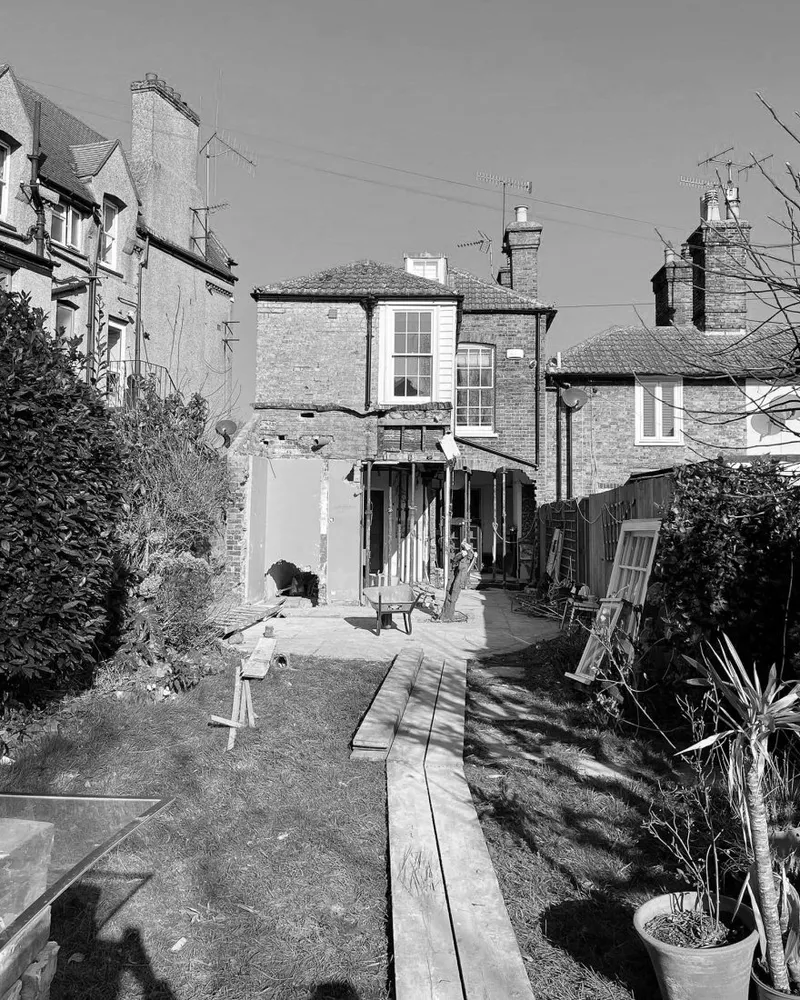
Jonathan Burlow delves into the cantilevered structural concept behind his firm's House with One Column in Faversham, Kent, and its predecessor, the Over the Edge house. The House with One Column, set to be finished soon, was designed for a private client's personal use and allowed the practice to expand on its vision for the future of domestic design. The design builds on the concept of the Over the Edge house, a minimalist cantilevered extension in Kent, both of which utilize the cantilevering structure to investigate the idea that design equals both space and ornament.
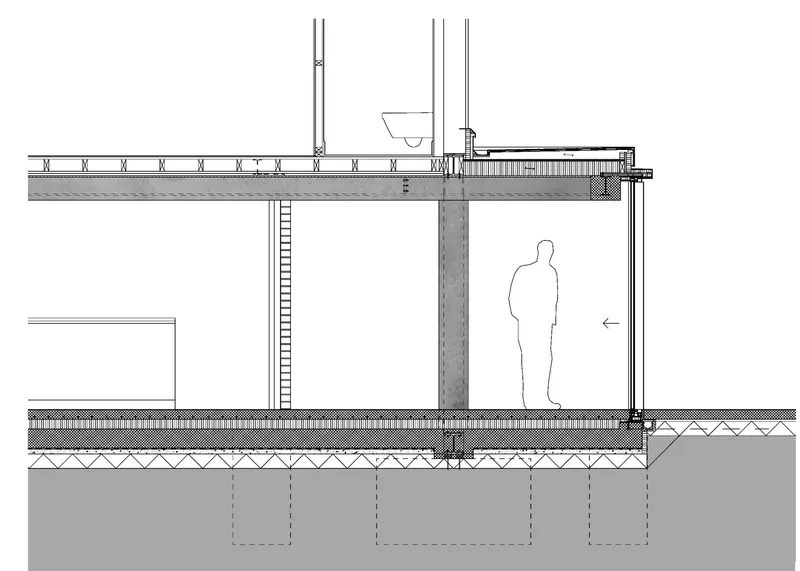 House with One Column detail section
The structural design of the "Over the Edge" building, which takes its name from the slight cantilevering corner, plays a crucial role in the overall concept. The cantilever can be barely visible from particular perspectives, but from others, it creates a striking illusion that the building is rising from the ground.
The design of that building was inspired by 18th-century grain stores that were prevalent in the UK. These stores were built with raised floors to protect the contents from rodents and flooding. In keeping with this tradition, House with One Column features a kitchen that is elevated from the ground and sits on a horizontal concrete pedestal. Similarly, the concept behind Over the Edge was to break away from the typical extension design and incorporate artistic elements while maintaining functionality and a connection to the historical context in a modern way.
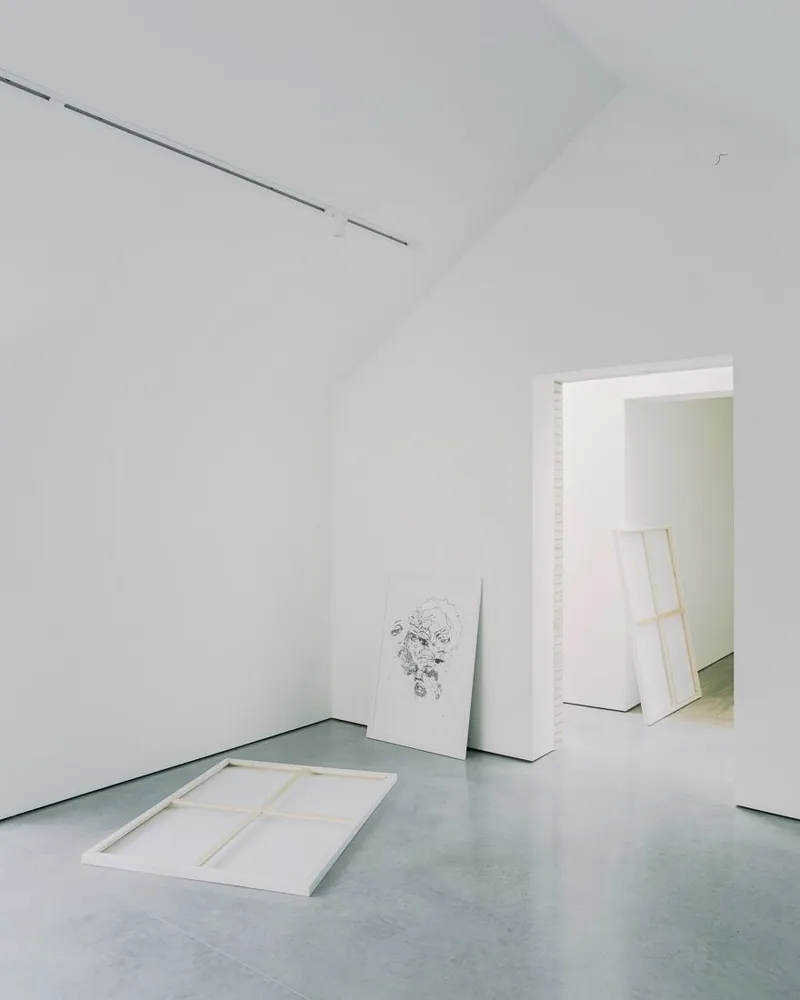 Interior View, Over the Edge
Source: Simone Bossi
Similar to our approach on the Over the Edge project, we decided to take on the House with One Column project, located within the conservation area of Faversham. The plan is to expand the existing property, which is a typical Victorian end-of-terrace house while remaining mindful of the surrounding residential area, primarily made up of two-storey late-Victorian terraced houses constructed with brick. This specific property stands out as it is slightly larger than its neighbouring houses, due to a later addition of a two-storey stepped outrigger at the rear.
The ground quality was very poor, so deep foundation pads were required
To guide our renovation and extension of the property, we drew inspiration from the local context, specifically the town’s Guildhall building. The Guildhall, a Grade II*-listed 16th-century structure, was originally built to hold assemblies and accommodate local markets and has a rich history, including hosting civic banquets in honour of Queen Elizabeth I. Despite still being in operation today, hosting a flower market, the Guildhall’s design includes a Neoclassical-style tower and a main assembly room raised from the ground, allowing for flexible space for stalls beneath.
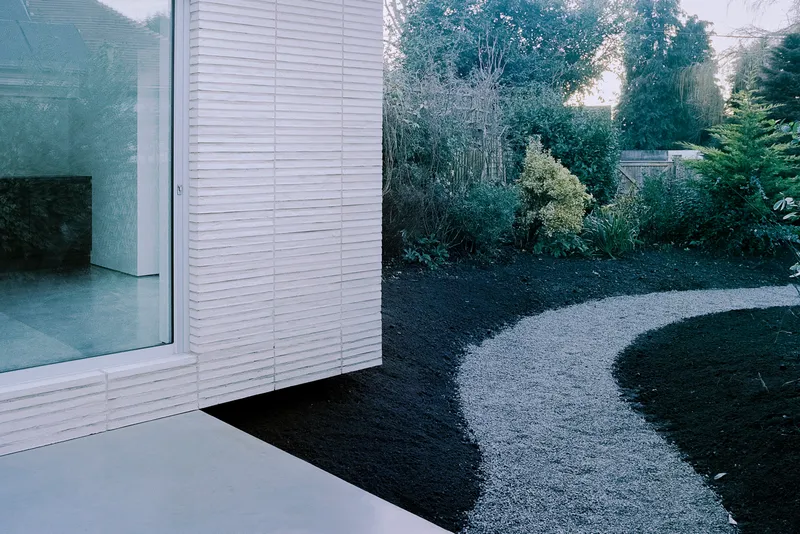 Cantilevering extension at Over the Edge
Source: Simone Bossi
The design brief for House with One Column was to renovate and extend the kitchen on the ground floor while also creating a better connection to the garden. In the design stages, we explored the idea of incorporating a bold structural element to support a more private and permanent functional space on the upper level while also allowing for an open and inviting connection to the space below.
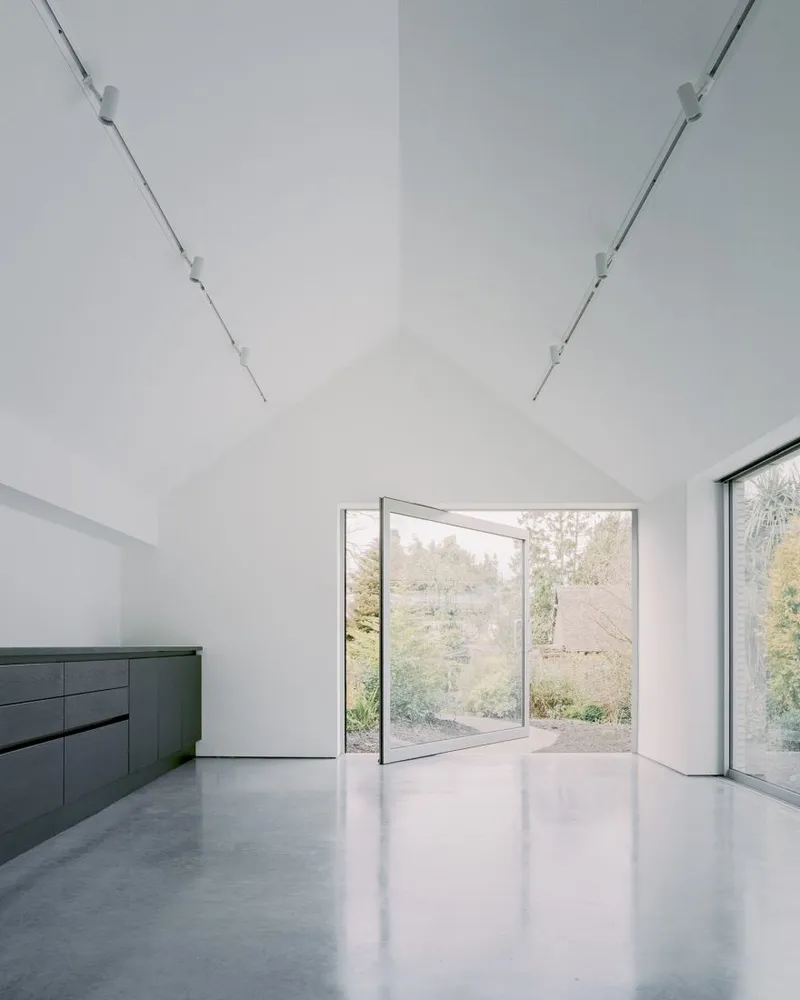 Over-the-edge pivoting doors
Source: Simone Bossi
This concept evolved into the final design, featuring a single column that serves as a support for the upper level while also defining the ground floor space. The intention was to blend the internal and external spaces, allowing for a seamless transition between the house and garden. This concept is rooted in traditional domestic design, blending the introverted court with the extroverted garden.
To bring this design to fruition, we collaborated with engineer Eckersley O’Callaghan to ensure the structural design was precise. The site presented challenges such as poor ground quality, requiring deep foundation pads and extensive temporary support for the suspension of the existing first-floor volume during the installation of the steel frame beneath. Despite these complexities, the final result is a unique and functional design that seamlessly connects the indoor and outdoor spaces.
We aimed to remove as many visual interruptions as possible between the interior and exterior space
The single-storey rear garden extension was formed by the introduction of a vertical steel box moment frame in line with the existing façade and steel beams to support the new roof extension. The steel elements have been encased in fair-faced concrete to provide an aesthetic finish as well as fire protection to the steelwork.
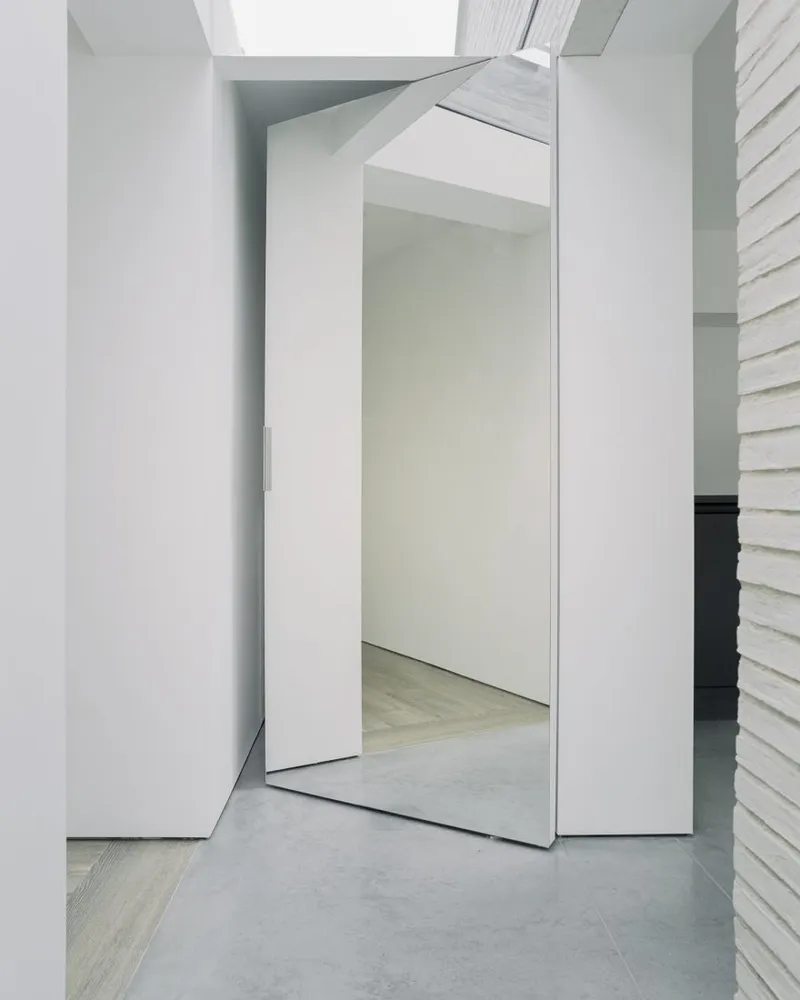 Over-the-edge pivoting doors
Source: Simone Bossi
The steel structure was carefully designed to tight deflection limits to ensure that the finished concrete would not crack during the temporary and initial loadings, as well as to respect the 10mm head detail for the full-height, glazed corner sliding doors. Additional mesh around the steel beams reduced the risk of cracks affecting the smoothness of the concrete surface.
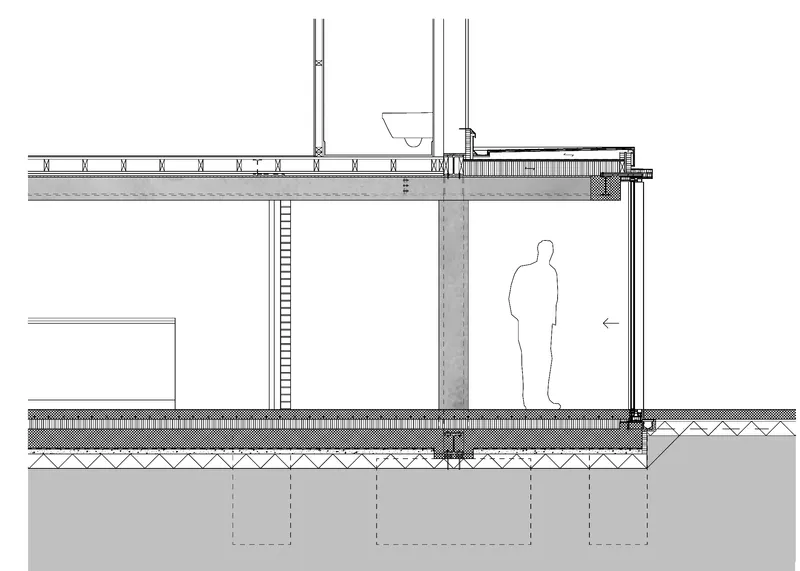
House with One Column, detail section
Cantilevering beams allowed the construction of a fully glazed corner, creating a visual separation of the structure from the glazing, as well as adding a sense of lightness to the relatively monolithic-looking concrete structure.
The construction sequence was determined such that it allowed the existing first-floor timber-clad wall to be re-supported on the new steel box frame promptly, while the base slab and encasement were cast in due course. Temporary propping was installed around the excavation for the internal column, which extended 1m deep into the virgin soil. This depth was required to limit vertical movement.
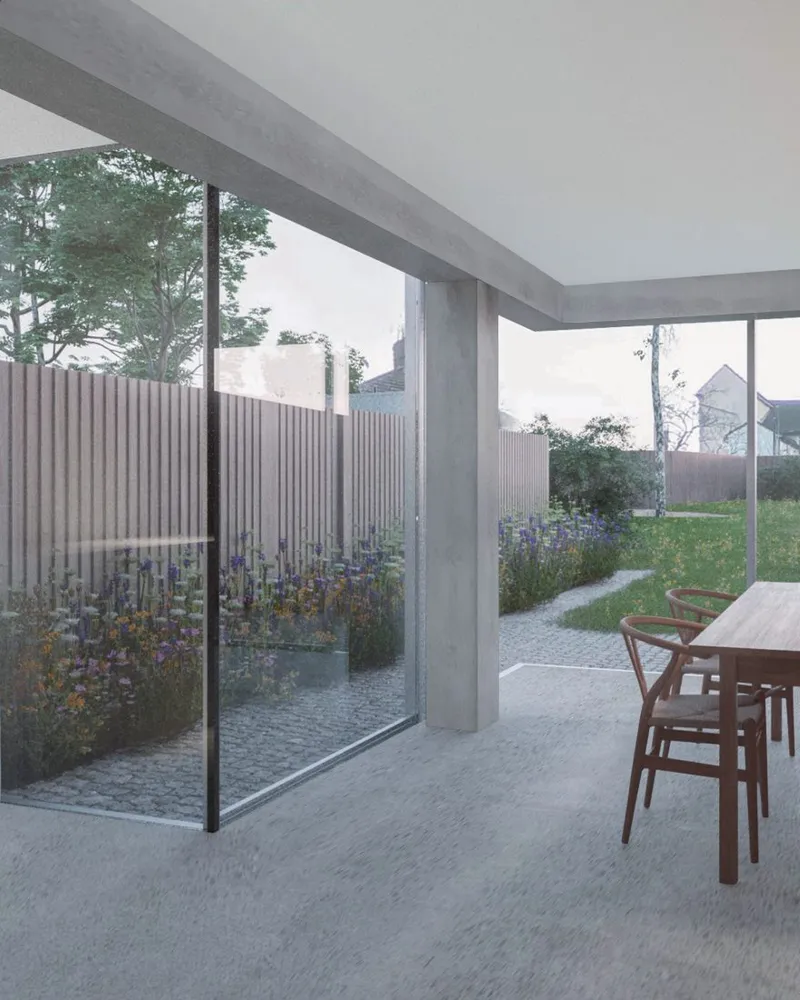
Cantilevering extension at Over the Edge
A single-story rear garden extension was built by incorporating a steel box moment frame that aligns with the existing exterior and steel beams to support the new roof extension. The steel components are encased in fair-faced concrete to provide an attractive finish and fire protection for the steelwork. The steel structure was precisely designed to prevent cracking in the concrete during temporary and initial loading, and to meet the 10mm head clearance requirement for the full-height, corner sliding glass doors. The additional mesh was added around the steel beams to further reduce the risk of cracking in the concrete.
Cantilevering beams were used to construct a fully glazed corner, which gives a visual separation between the structure and the glass, and adds a sense of lightness to the otherwise monolithic-looking concrete structure. The construction process was planned to allow for the existing first-floor timber-clad wall to be supported on the new steel box frame immediately, while the base slab and encasement were cast later. Temporary support was installed around the excavation for the internal column, which extended 1 meter deep into the virgin soil to limit vertical movement.
The new extension of the House with One Column boasts horizontal stability thanks to its new roof, a plywood diaphragm at the first-floor level, and two steel box moment frames running in the north-south direction. The rear steel moment frame also allowed for a completely open construction. To maintain the seamless appearance of the extension, careful attention was paid to the detailing around the glazing supports and restraints, which were recessed into the concrete base. The goal of removing as many visual interruptions as possible between the interior and exterior space was achieved by designing a bespoke detail in collaboration with the engineers. This detail involved cantilevering a 12mm steel plate from the primary structure to support the top track of the glazing frame, while the ground threshold track was recessed into the finished concrete slab. This resulted in a visually transparent exterior façade that stays true to the original concept of the House with One Column, as previously achieved in the Over the Edge project.

Popular Articles
Popular articles from the community

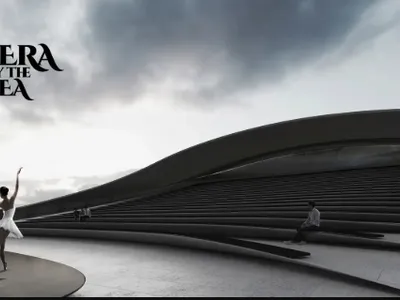
Opera by the Sea Estonia: Three Shells Dissolving Architecture into Tallinn's Coastline
A winning opera house proposal replaces monumental form with interconnected shells that blur the boundary between building, park and Baltic Sea.
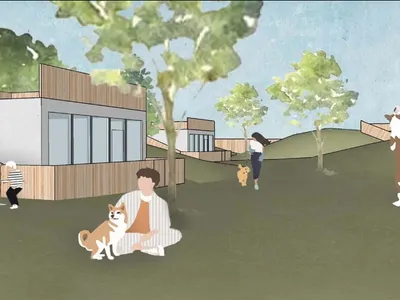
Temporary Home for Dogs: A Reversed Zoo Rethinks Animal Shelter Architecture
In Bucharest, a sinuous corridor and freed landscape flip the logic of containment, designing a shelter that works to make itself unnecessary.
Tsunami Convergenics: Turning Catastrophic Ocean Forces into Underwater Housing Infrastructure
A speculative underwater settlement off the coast of Onagawa, Japan, treats tsunamis and typhoons as energy sources rather than threats.

Singing Woman: An Opera House That Performs Before the Curtain Rises
Ovidiu Cristian Pavel's conceptual opera house translates Estonia's choral identity into a sculpted waterfront landmark facing the Baltic Sea.

Similar Reads
You might also enjoy these articles
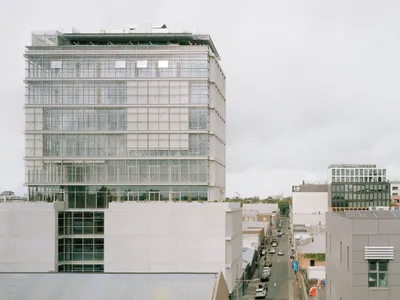
116 Rokeby Building, Collingwood
Sustainable Collingwood office building featuring double-skin façade, natural ventilation, rooftop amenities, and carbon-neutral design focused on wellbeing and longevity.
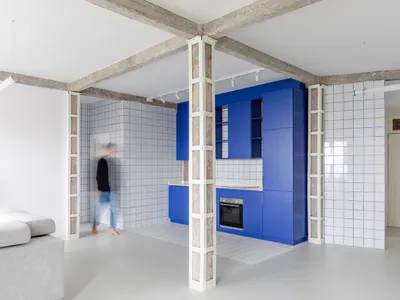
Contemporary Apartment Renovation in Spain: RV House by BIAN Opens Up to the Sea
A minimalist 1930s apartment in Santander is transformed into a flexible, sea-facing home through contemporary Spanish renovation.
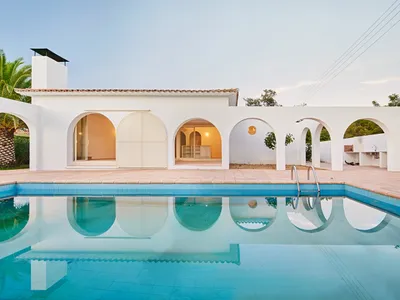
3 Marías House: A Contemporary Mediterranean Courtyard Retreat by Bajet Giramé + Burckhardt
Mediterranean courtyard home blending traditional architecture with modern design, terracotta flooring, flexible interiors, sustainable climate strategies, and garden integration.
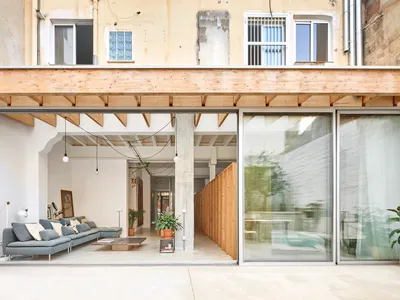
NZ10 Apartment by auba studio: Adaptive Reuse in Palma de Mallorca
Adaptive reuse apartment transforms bakery into light-filled home with patios, privacy layers, and wood interiors enhancing urban living experience.

Explore Housing Competitions
Discover active competitions in this discipline


Challenge to reimagine the Iron Throne

Photograph architecture without architects

Illustrate the lost glory of Angkor Wat - Render Challenge

Design challenge to reuse E-waste
Comments (0)
Please login or sign up to add comments
No comments yet. Be the first to comment!