
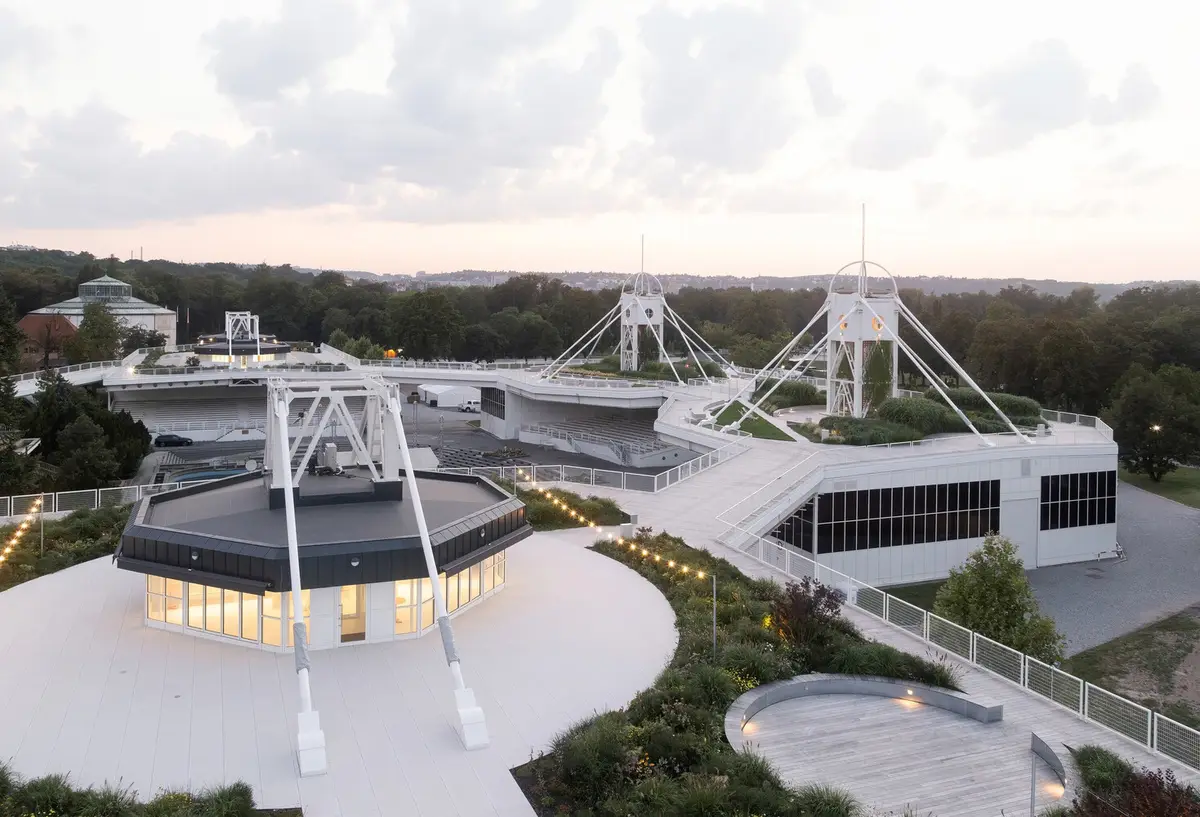
Křižík Pavilions Reconstruction: A Landmark of Green Roof Architecture in Prague
A historical Prague pavilion is reimagined through green roof architecture, blending heritage preservation with sustainable urban innovation.


A Fusion of Heritage and Sustainability in Prague’s Urban Core
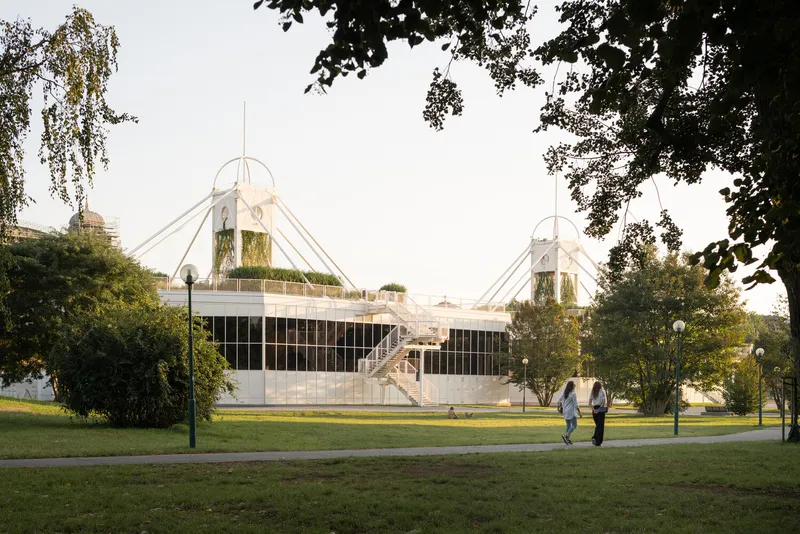
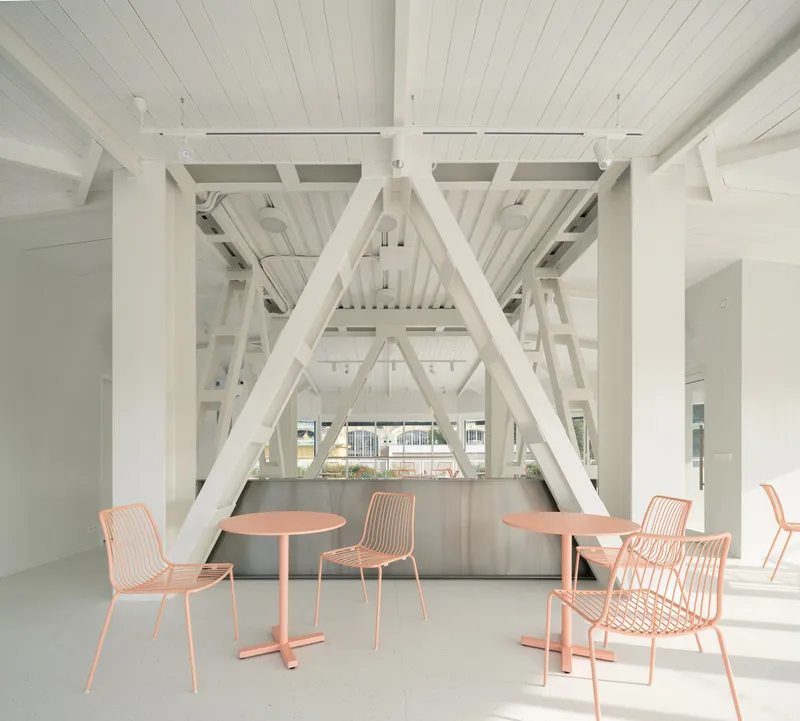
The Křižík Pavilions, originally constructed in 1991 for the General Czechoslovak Exhibition, have undergone a transformative reconstruction by Výstaviště Praha. Located in the northern precinct of the Industrial Palace in Praha 7, the pavilions were initially designed by architect Michal Brix to commemorate the centenary of the Provincial Jubilee Exhibition of 1891. Though initially intended as temporary structures, they remained in use for over thirty years, highlighting their resilience and historical value.
Reimagining Exhibition Spaces for Modern Use
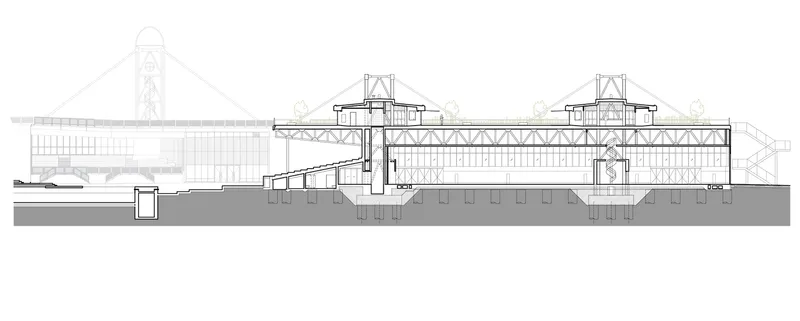
With decades of continuous operation, the original pavilions no longer met the demands of contemporary exhibition standards. The revitalization aimed not only to update the technical infrastructure but also to redefine their function. The new design allows for a wide range of uses—from exhibitions and trade fairs to concerts and television production—turning the pavilions into versatile public venues.
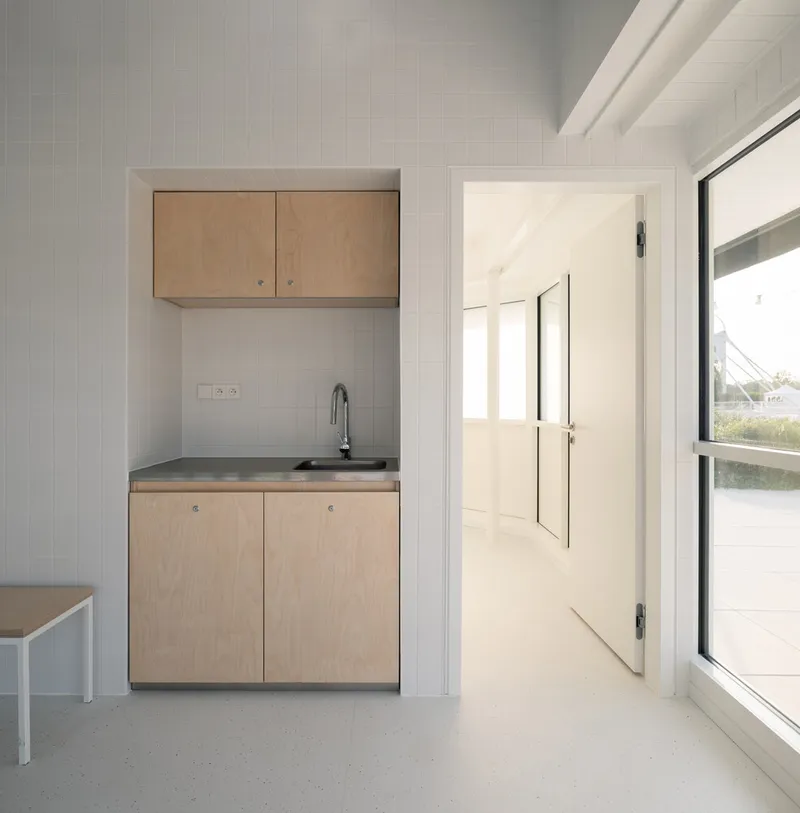
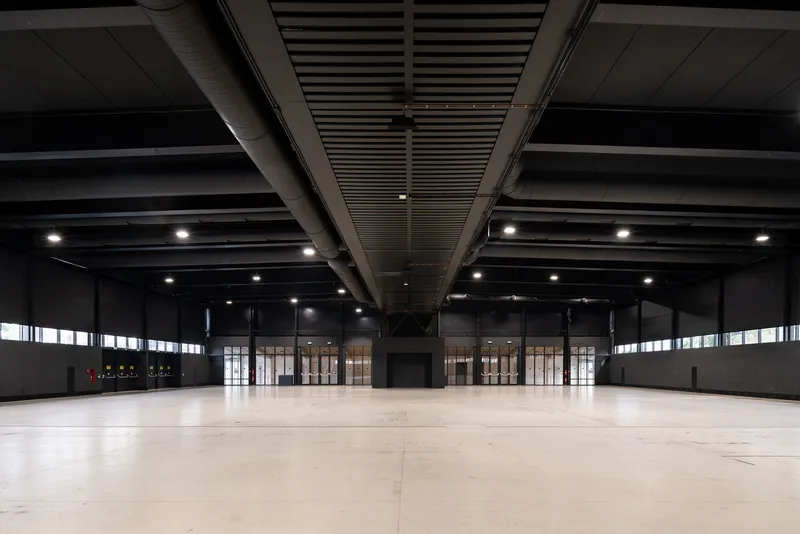
Inside, the transformation is striking. The interiors are finished with matte black paint to enhance the visibility of exhibits, while technical and sanitary areas feature lighter tones for improved spatial orientation. Exposed concrete structures are preserved in their raw state, complemented by stainless steel railings and furnishings that underscore the industrial character of the design.
Green Roof Architecture at the Heart of the Reconstruction
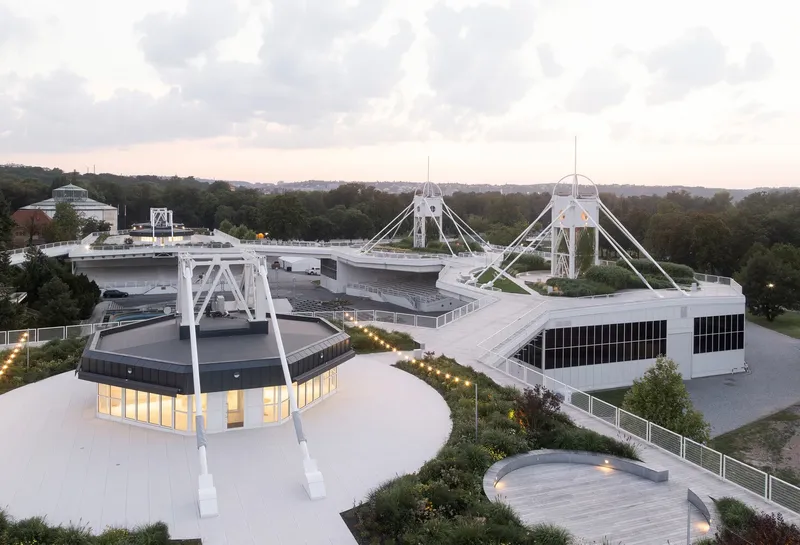
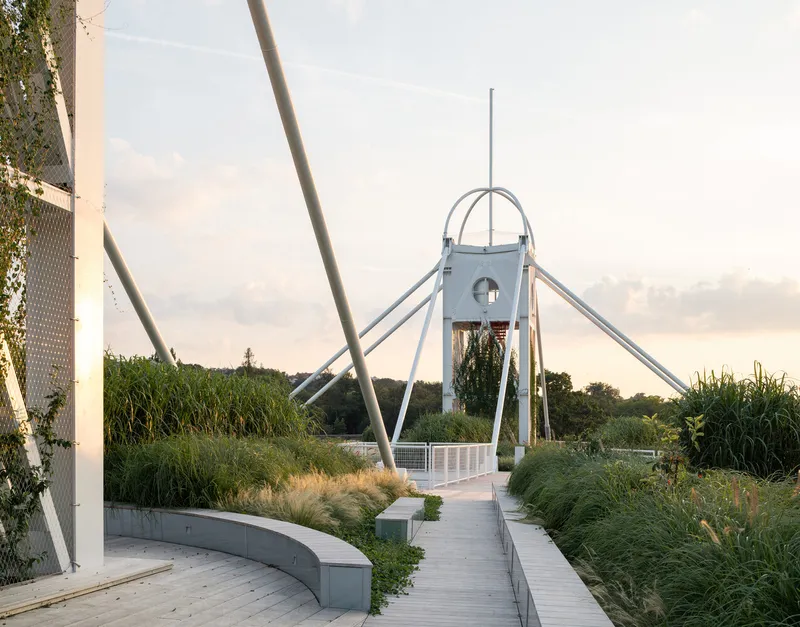
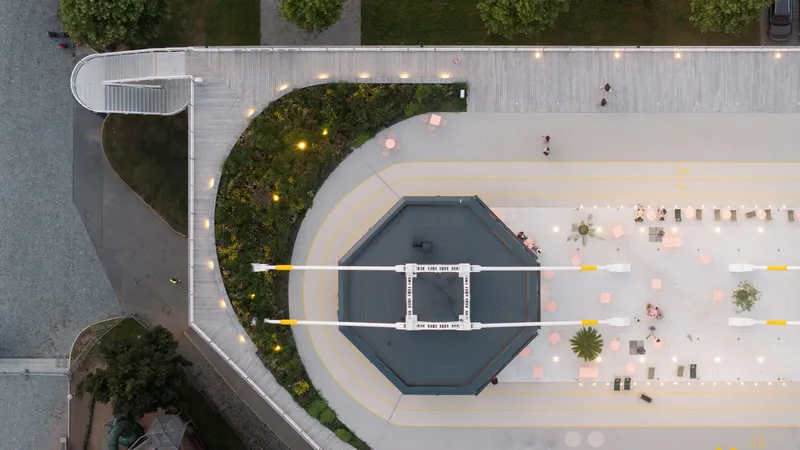
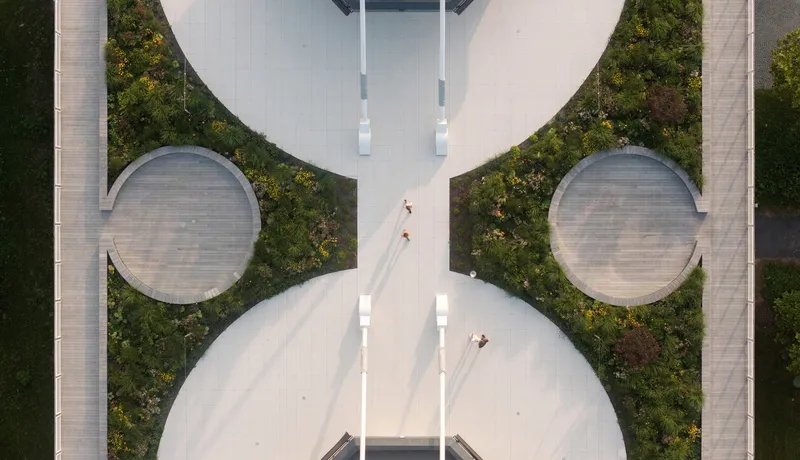
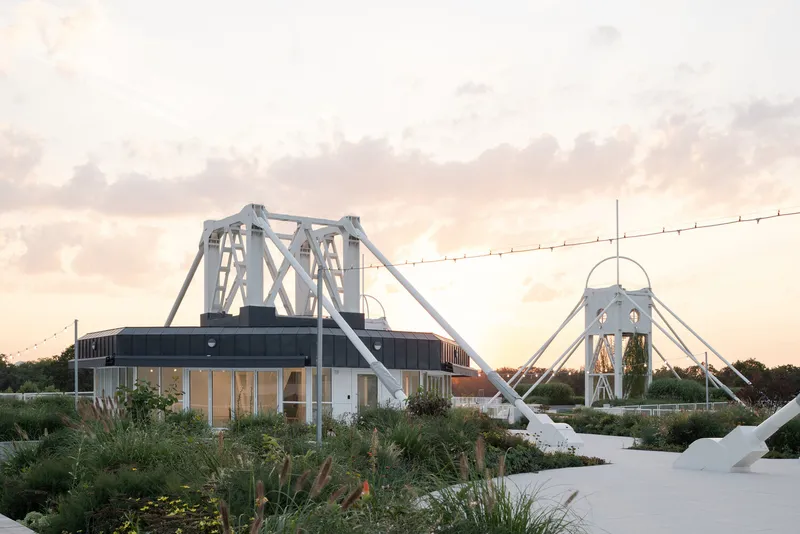
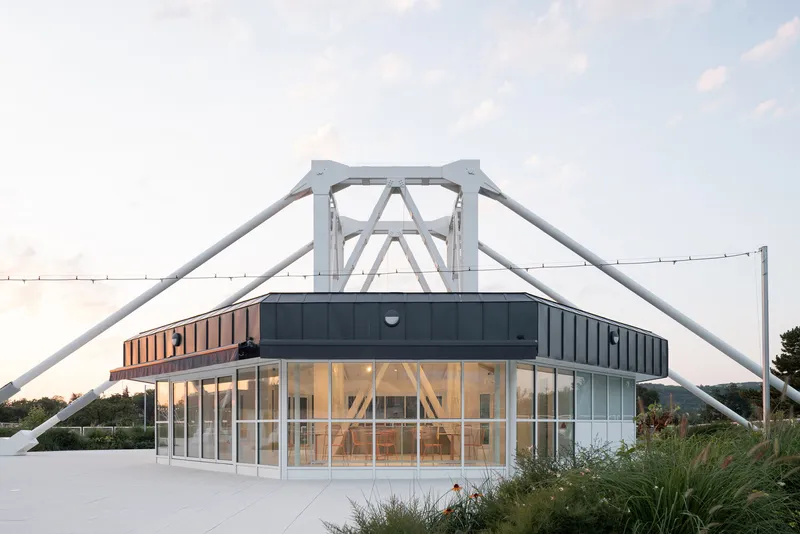
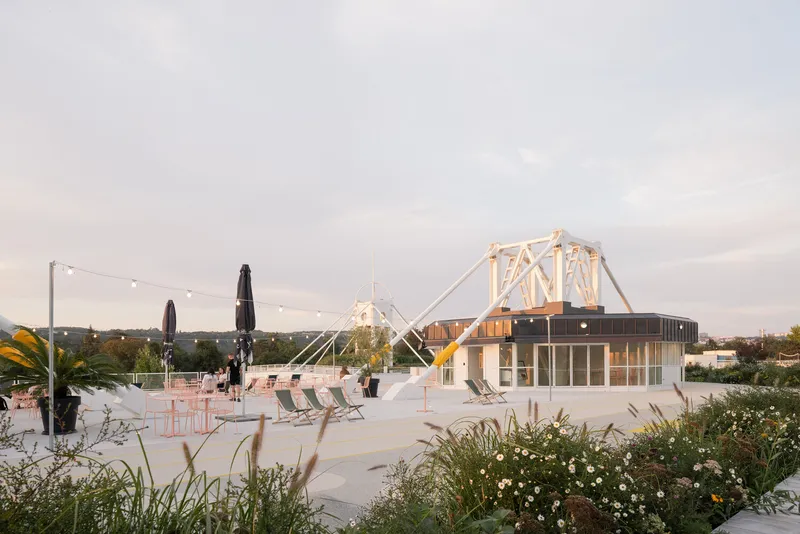
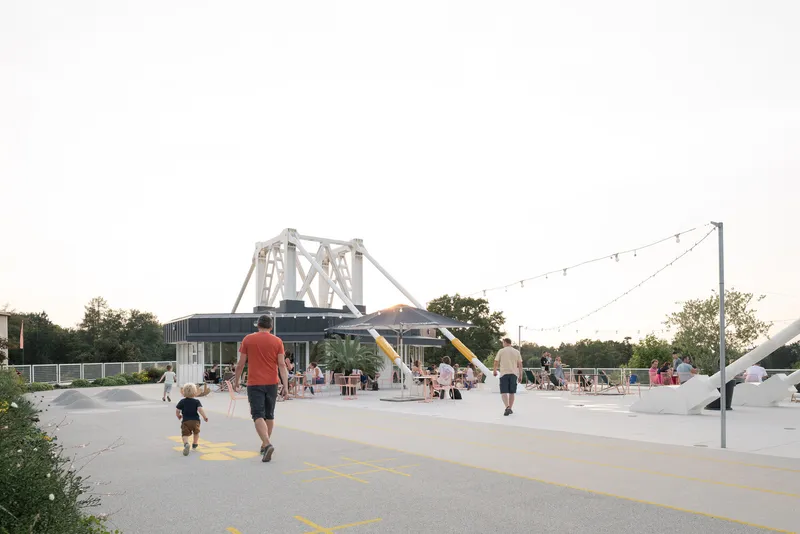
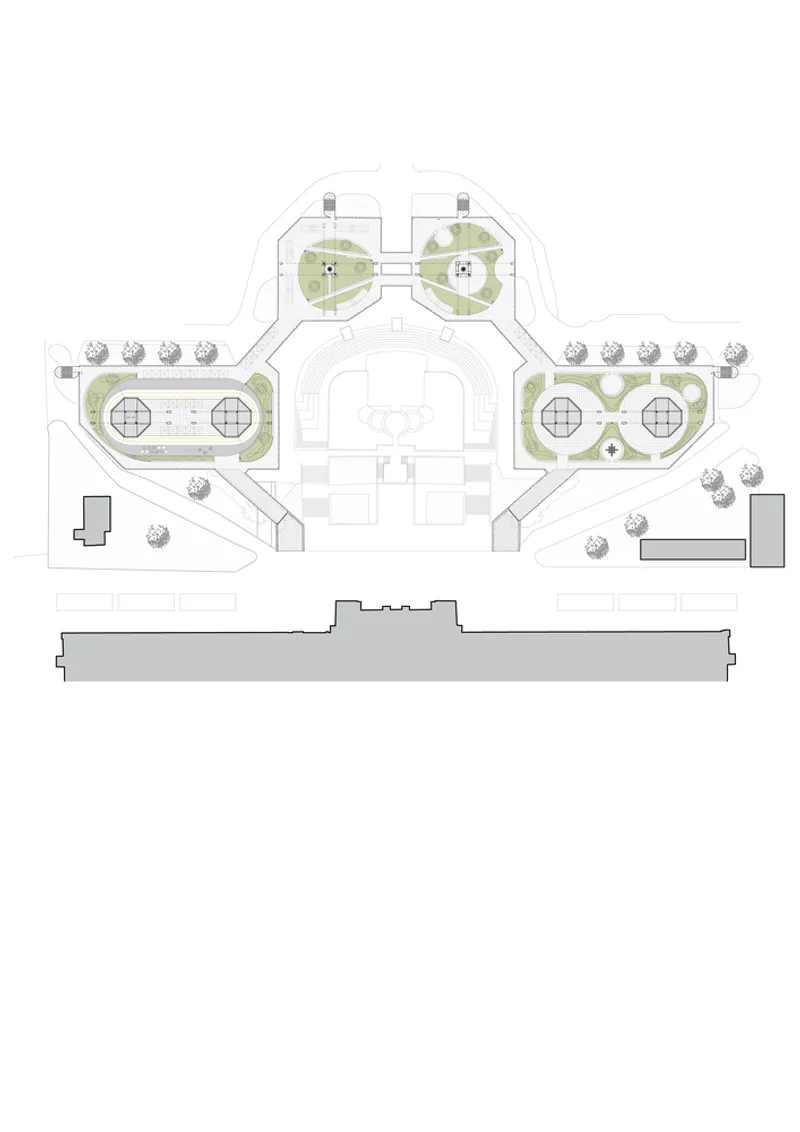
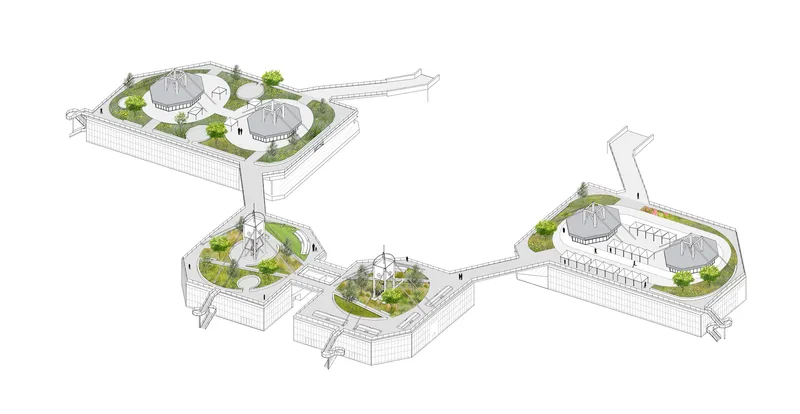
The most innovative aspect of the Křižík Pavilions' reconstruction is the green roof architecture. Previously covered with dark, heat-absorbing concrete paving, the roofs contributed to the urban heat island effect. This outdated surface has been replaced with approximately 5,000 m² of intensive vegetation, converting the roofscape into a vibrant, multifunctional space.
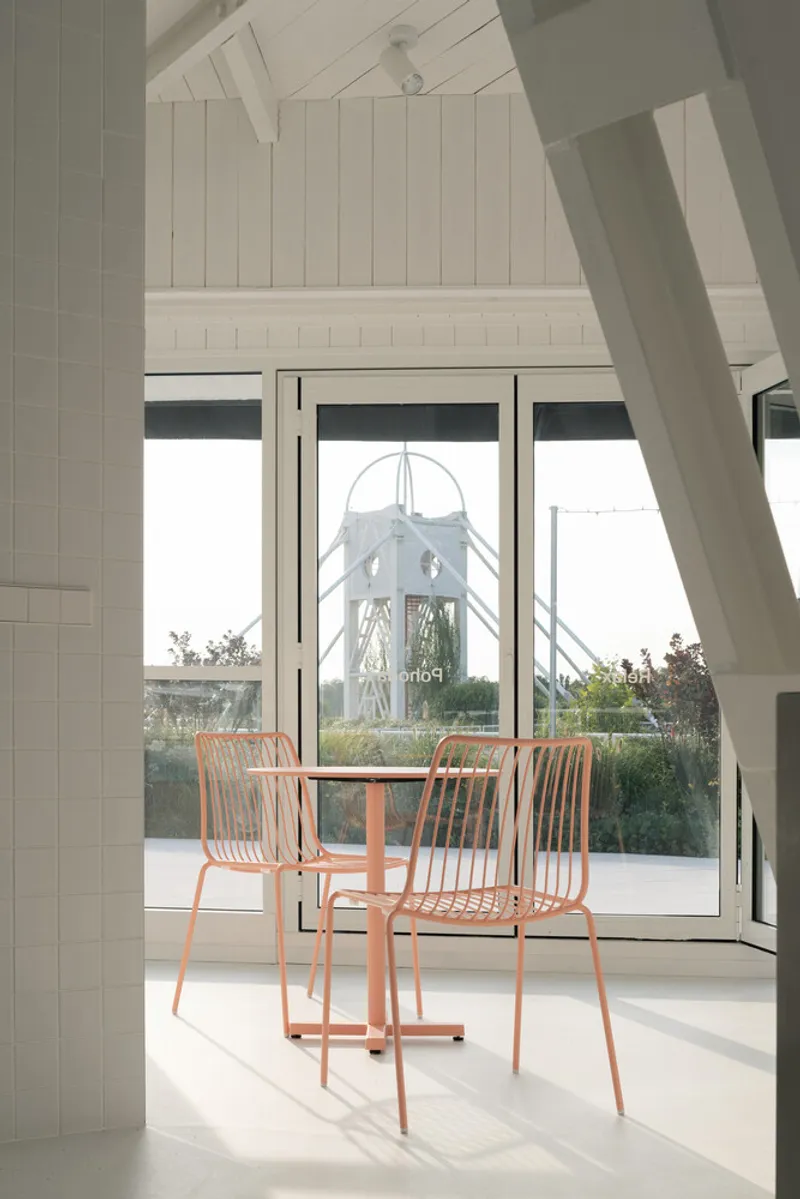
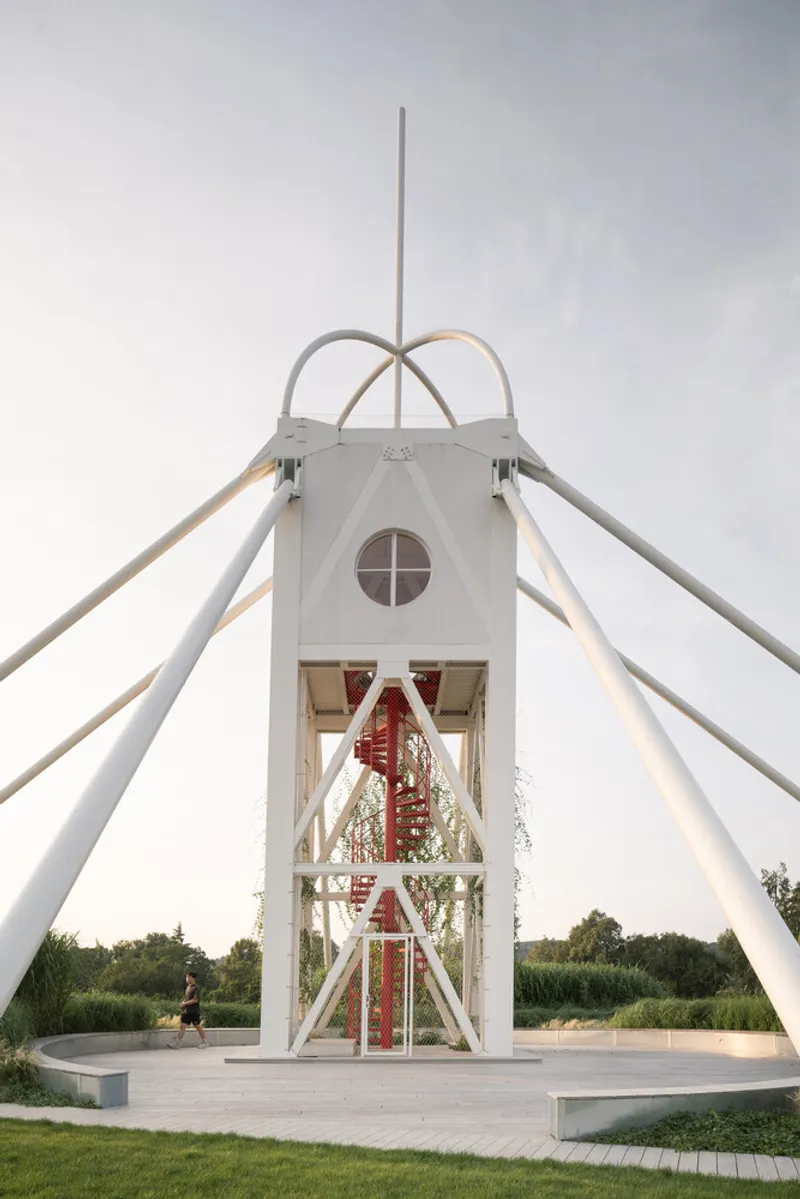
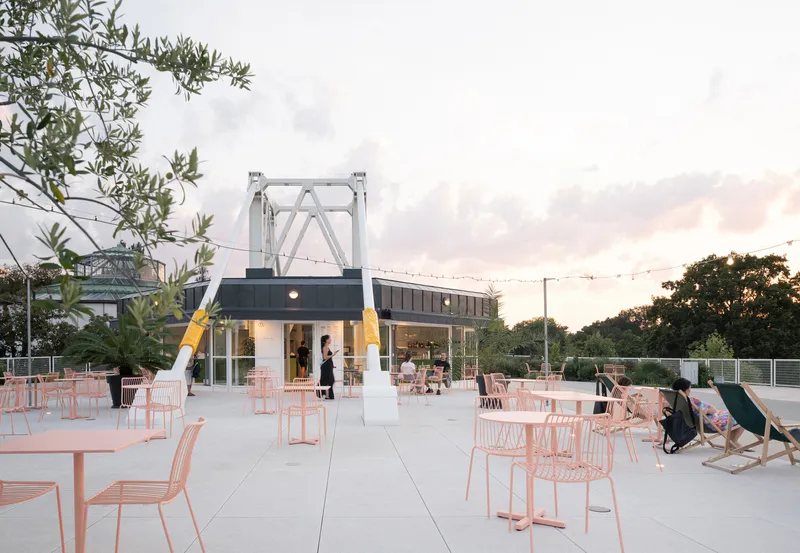
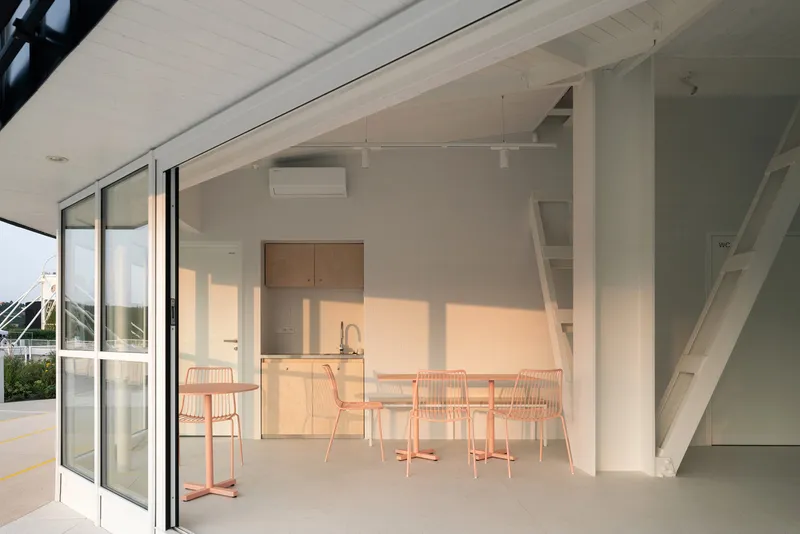
The new green roofs are accessible to the public and include a cafeteria, a running track, and playful elements that encourage recreational and social engagement. These features transform the roof into an active urban environment available year-round.
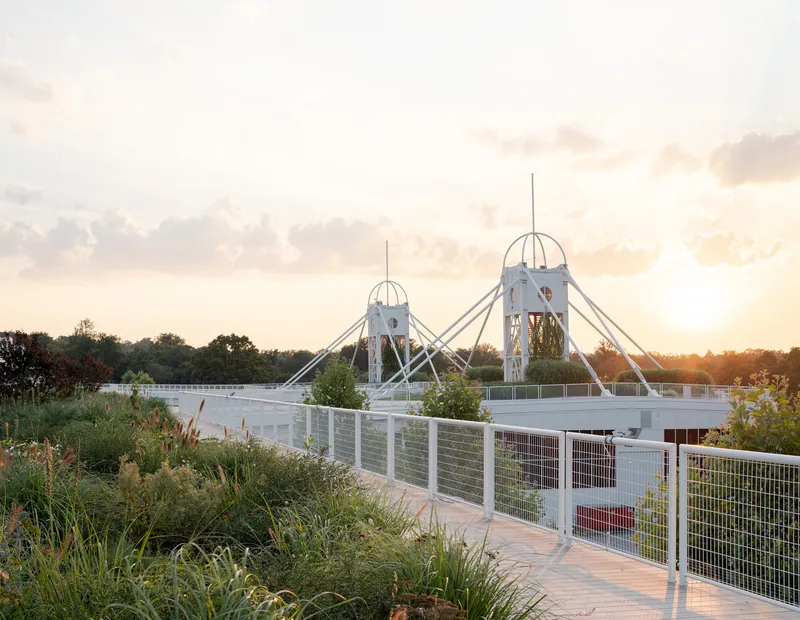
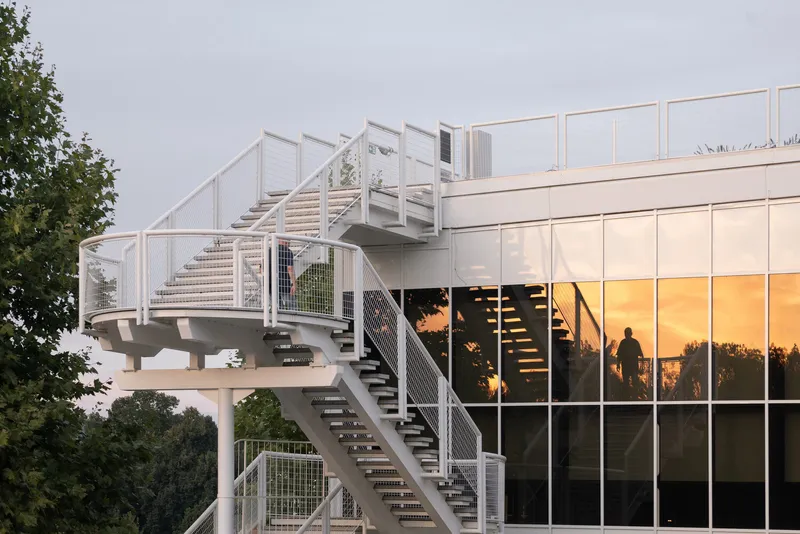
More than just aesthetic, the green roofs provide significant environmental benefits. By reducing the amount of stormwater runoff—approximately 1,000 m³ per year now retained in the green roof layer—the project supports local hydrology and sustainability goals. The vegetation improves air quality by trapping dust and adding moisture to the air, while also reducing the ambient temperature in the surrounding area by up to 10°C during hot periods.
A Model for Sustainable Urban Interventions
The redesign of the Křižík Pavilions positions the complex as a model for green roof architecture in historic urban settings. It demonstrates how adaptive reuse and sustainable design can coexist to enhance both the function and environmental performance of legacy structures.
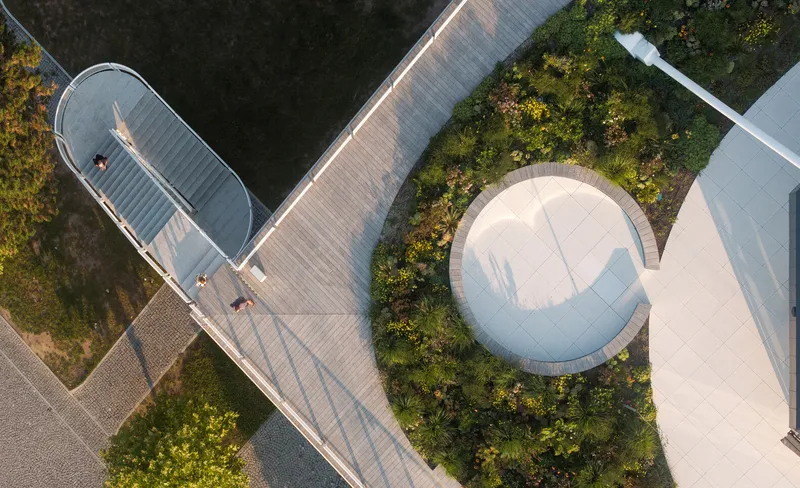
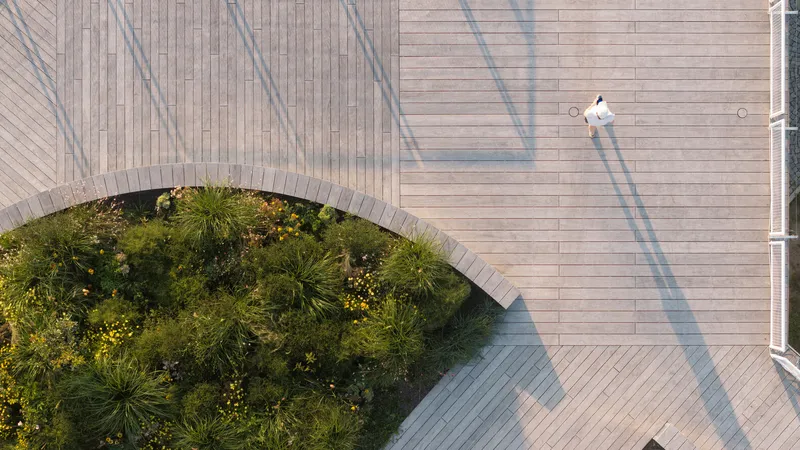
By integrating active green roofs with multifunctional public amenities, the project meets the demands of contemporary urban life while preserving its historical significance. It offers a compelling blueprint for similar interventions across European cities looking to retrofit aging infrastructure with climate-conscious design strategies.
Merging Past and Future Through Design
The Křižík Pavilions reconstruction by Výstaviště Praha encapsulates a progressive vision for public architecture. With its fusion of industrial heritage, multifunctional use, and pioneering green roof architecture, it revitalizes a historic landmark for modern Prague. This project serves as a benchmark in sustainable urban regeneration, affirming that thoughtful design can simultaneously honor the past and embrace the environmental needs of the future.
All the photographs are works of Alex Shoots Buildings


Popular Articles
Popular articles from the community


Cloaked Colonization: A Mobile Underwater Habitat That Moves Like a Fish
Micah Abaya's shortlisted EHC Pacific entry reimagines ocean settlement as a dispersed network of self-sustaining architectural organisms.

Extended Shell: Retrofitting Kolkata's Balconies as Living Urban Thresholds
A modular retrofit system recovers the social and environmental intelligence of Kolkata's historic verandas for contemporary Park Street residents.

Singing Woman: Contemporary Architecture Inspired by Estonia’s Voice and the Sea
Singing Woman turns Estonia’s song culture into flowing opera house architecture, blending public life, landscape, sea, and national memory.

The Amber Palace Opera: A Geological Fiction Surfaces on Tallinn's Baltic Waterfront
Pierre Brillard reimagines a Baltic legend as a public landscape, opera house, and waterfront promenade rooted in Tallinn's coastal identity.

Similar Reads
You might also enjoy these articles

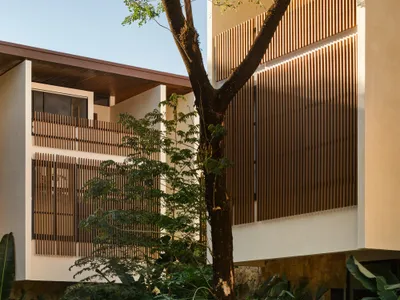
FAMM Arquitectura Organizes Ten Villas Around Courtyards and Jungle in Nosara, Costa Rica
El Molino pairs two elongated volumes with deep overhangs and timber louvers to build a compact coastal community five minutes from the beach.
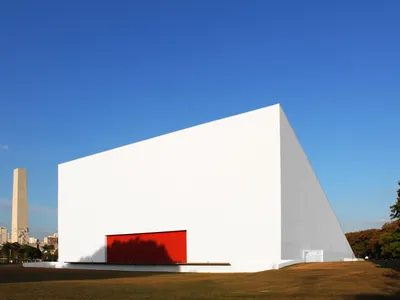
Oscar Niemeyer's Ibirapuera Park Pavilions Define São Paulo's Cultural Identity in Concrete and Curve
A constellation of modernist volumes set within São Paulo's most important urban park, conceived for the city's 400th anniversary in 1954.
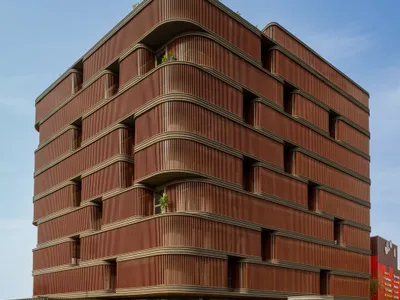
Sanjay Puri Architects Wraps a Jaipur Office Tower in Capsule-Shaped Green Buffers
A nine-level climate-responsive workplace near Jaipur Airport uses stacked planter terraces and aluminium screens to fight 40°C heat.
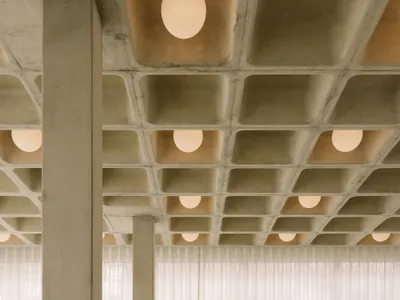
RHO Converts a Berlin Spree-Side Industrial Courtyard into Enkime's 1,000 m² Agency Headquarters
A social media agency's new home in Charlottenburg trades glossy branding for concrete waffle ceilings, glazed tile, and sheer curtains.

Explore Archip Prague Competitions
Discover active competitions in this discipline

Challenge to reimagine the Iron Throne

Photograph architecture without architects

Illustrate the lost glory of Angkor Wat - Render Challenge

Design challenge to reuse E-waste
Comments (0)
Please login or sign up to add comments
No comments yet. Be the first to comment!