
Innovative Community Architecture: Crafting Cultural Hubs with Grace Dance Center
Grace Dance Center's award-winning design melds Argentine culture with innovative community architecture in Buenos Aires.


Bridging Tradition and Modernity through Design
As our urban landscapes continually expand and evolve, the quest for innovative community architecture takes center stage. In Buenos Aires, Argentina, a new beacon of cultural and architectural innovation has emerged. It's called Grace Dance Center, a brainchild of Zuzana Grencikova, and it's more than just a building; it's a thriving cultural hub that has recently earned the People's Choice Award in Grace competition.

A Cultural Renaissance Rooted in Argentine Soul
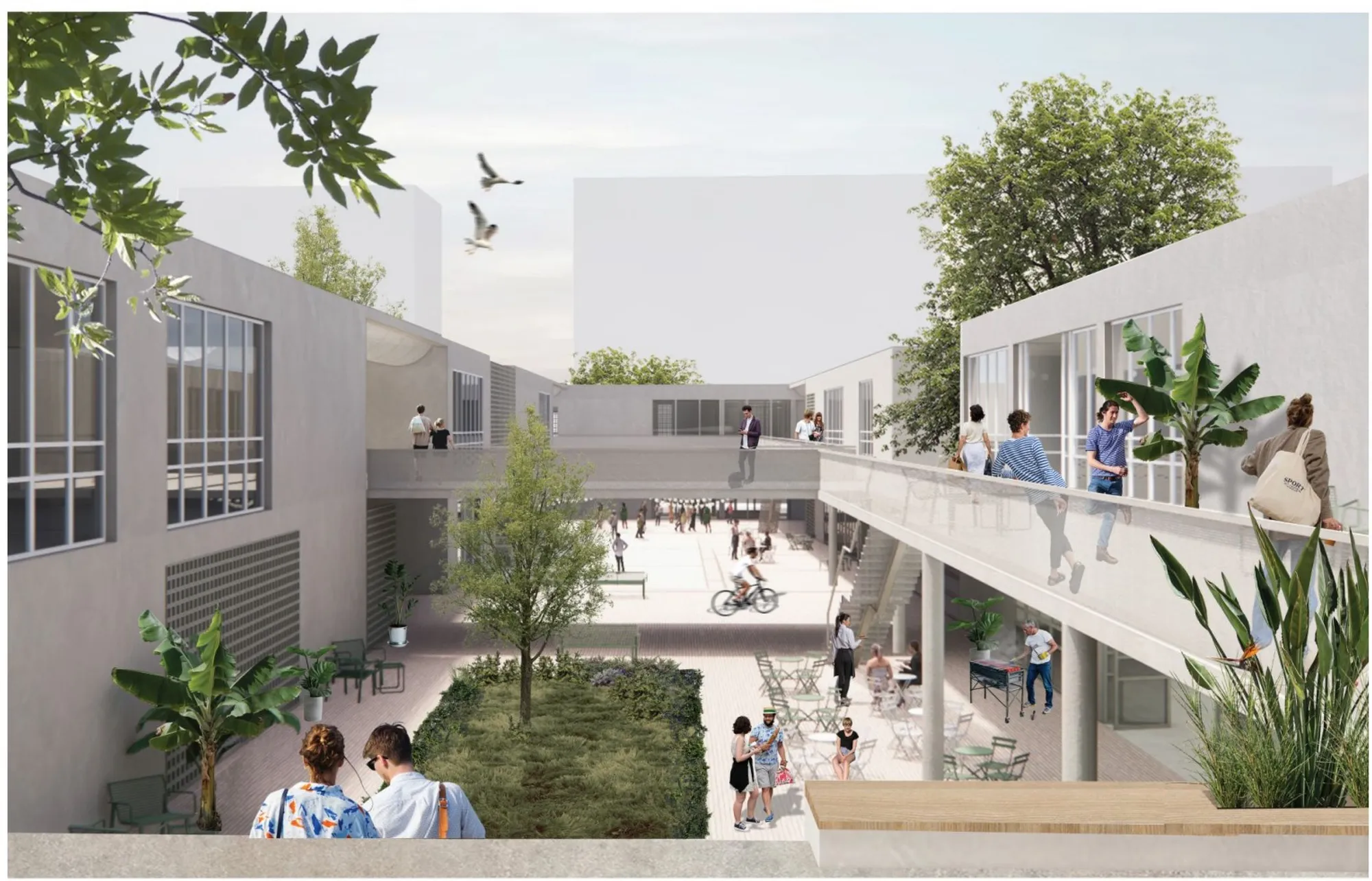
In the heart of Buenos Aires, where the rhythm of tango emanates from cobblestone streets, the Grace Dance Center stands as a testament to the city's vibrant spirit. The concept behind this project is to intertwine architecture with the vivacious street life that's a signature of Argentine identity. Zuzana Grencikova has envisioned a space that does more than facilitate dance; it celebrates the community's heartbeat.
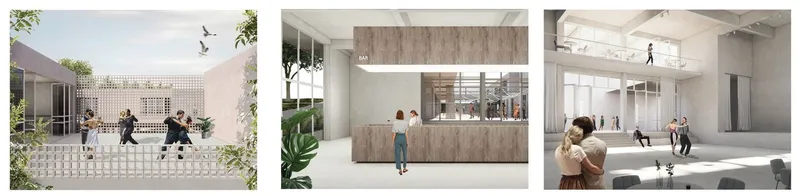
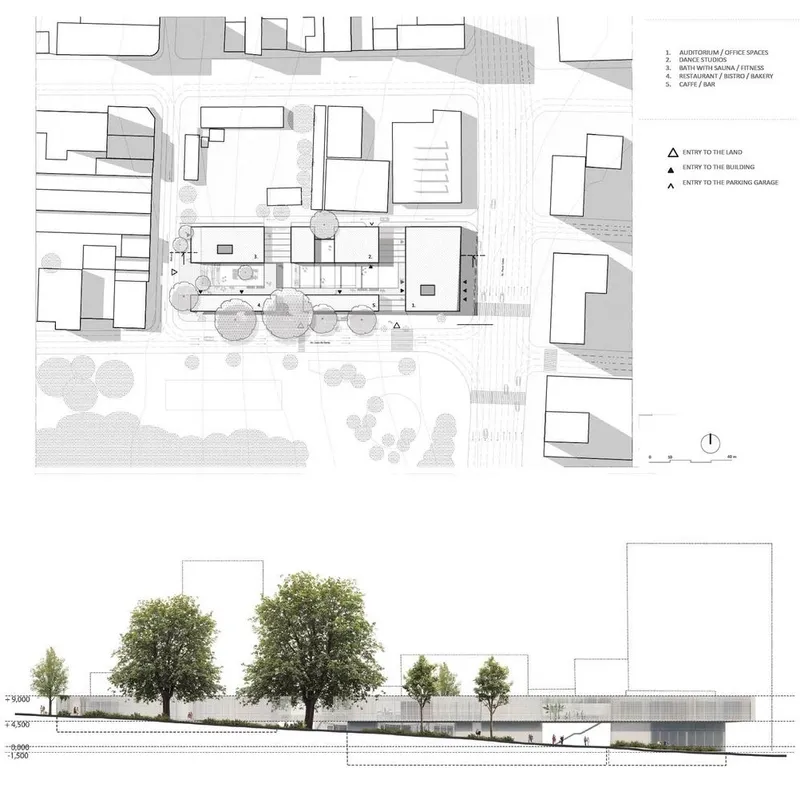
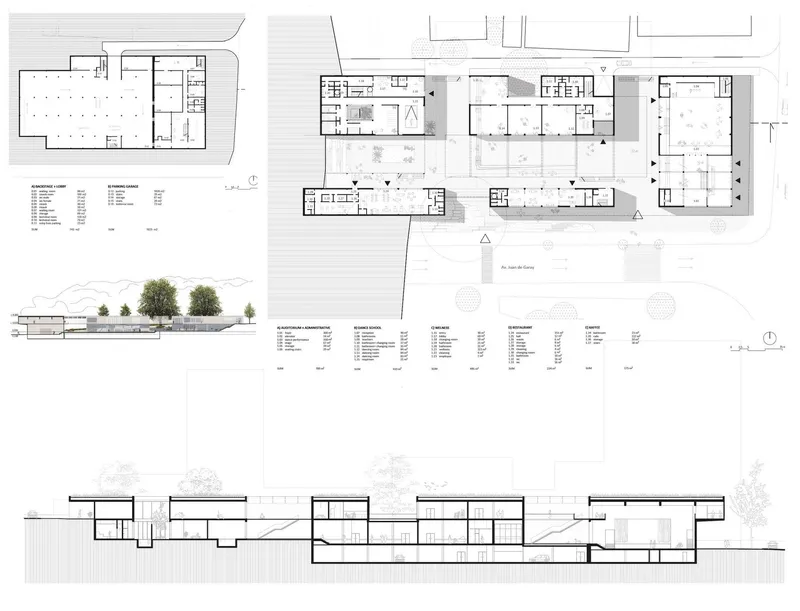
The center comprises various functional spaces, including an auditorium, office spaces, dance studios, a wellness suite complete with a bath and sauna, fitness facilities, and an assortment of dining options from a bistro to a bakery, all anchored by the inviting aroma of a local café. Each space is an invitation to experience the culture, whether as a professional dancer, a spectator, or simply a passerby caught in the dance of life.
The Architectural Tapestry of Community Spaces
The Grace Dance Center's design philosophy embraces local nuances and environmental contextuality. The building's horizontal form naturally rises and falls with the terrain, distinguishing itself amidst the verticality of its urban surroundings. This thoughtful approach to elevation serves a dual purpose: preserving the local trees and creating a harmonious transition from bustling city life to the serene embrace of Lezama Park.
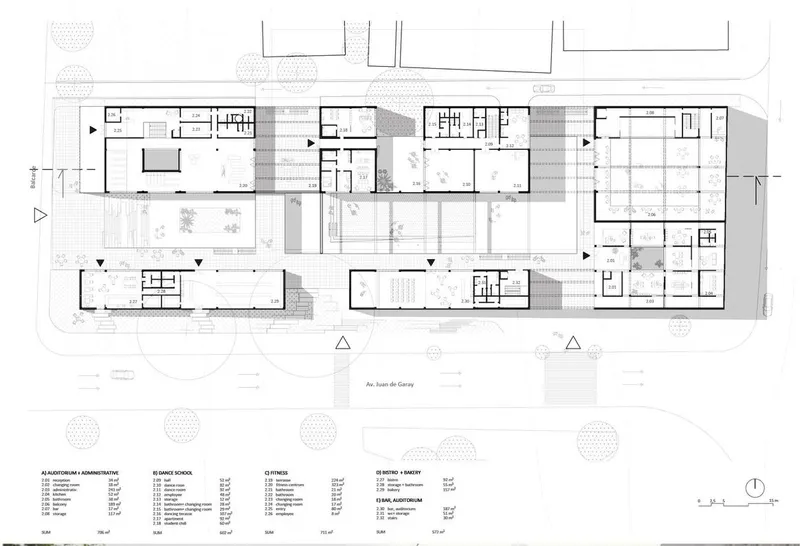
Inside, the Grace Dance Center is a labyrinth of innovation, segmented into smaller structures, each boasting direct access to the outdoors, promoting the Argentine ethos of living in harmony with nature. This clever design supports the street life so emblematic of the region, fostering a symbiotic relationship between the center and the community.

Materiality and Method: The Backbone of the Dance Center
The construction methodology of the Grace Dance Center is as innovative as its design intent. A reinforced concrete skeleton underpins the structure, offering flexibility and strength. Brickwork, a tribute to local building tradition, forms the walls. Hollow bricks, strategically used, not only add to the building's aesthetic but also enhance ventilation, critical in the humid conditions near the ocean.
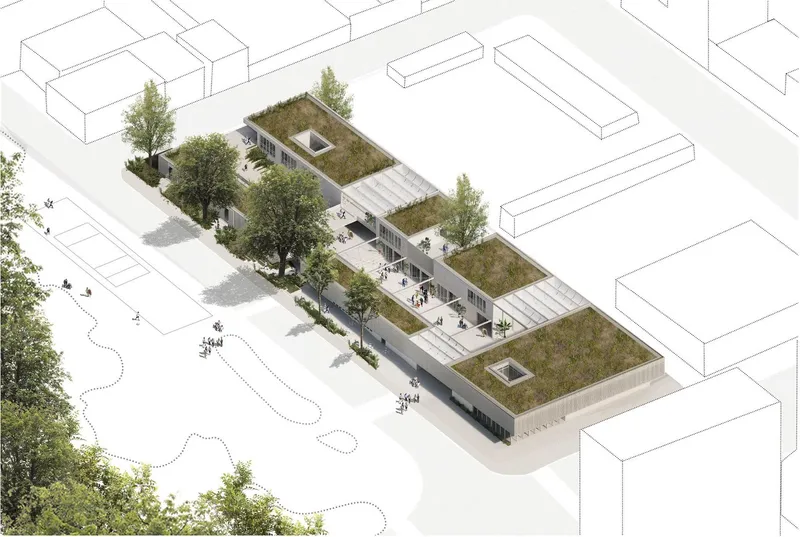
To complete the sustainable ethos, all roofs are green, blanketed with vegetation for ecological harmony. The building's fenestration is meticulously planned, with accordion windows that blend the barrier between the indoors and the outdoors, allowing spaces to breathe in the salty air and inviting daylight to dance along its corridors.

The Heartbeat of Community Engagement
Grace Dance Center is more than an architectural feat; it's the pulse of a community revitalized. The vision was to erect a cultural edifice that not only houses the traditions of Argentine dance but also becomes a catalyst for community engagement. From professionals to enthusiasts, everyone finds a place in this complex, a sanctuary for the arts and a platform for cultural dialogue.
The architectural genius lies in its ability to foster community, bringing people together to engage, experience, and contribute to the city's vibrant life. It's a place where culture is not just preserved; it's performed, learned, and celebrated.
The Grace Dance Center stands as a symbol of innovative community architecture, a space where tradition and innovation waltz in unison. Through her design, Zuzana Grencikova has crafted not just a dance center but a cultural landmark that speaks to the heart of Argentine heritage. It's a clear message that architecture can be a powerful tool for cultural perpetuation and community growth.
In embracing the spirit of Buenos Aires, the Grace Dance Center has set a benchmark for architecture that serves, supports, and celebrates the community. It's a place where every step, every brick, and every beam tells a story — a story of Argentina's past, present, and a gracefully choreographed future.




Popular Articles
Popular articles from the community


Play: Fragments of Their World
Familiar architecture becomes modular playground design, creating safe spaces where displaced children can learn, connect, imagine and play.

Conexión: Biophilic Design Reimagines High-Rise Living in Hong Kong
Conexión reimagines high-rise living in Hong Kong through biophilic design, green facades, shared spaces, daylight, water and nature within.

Hill & Cross Opera: Sculptural Opera House Architecture Shaped by Tallinn’s Landscape and Identity
Hill & Cross Opera reimagines opera house architecture in Tallinn through its sculptural hill, civic plaza, glass wave and a luminous cross.

The Ocean Hive: Sustainable Architecture for a Self-Sufficient Civilization at Sea
The Ocean Hive imagines sustainable architecture at sea, where modular habitats, algae, wave power and ocean waste sustain a growing colony.


Similar Reads
You might also enjoy these articles

Day and Night Park: A Time-Based Urban Newsstand in Beijing
A temporary urban newsstand in Beijing blending travel, light, and reading through poetic colors, compact form, and community-focused design.

Modernist Patio Renovation in El Masnou, Barcelona by Oliver Segura Arquitectura + Cebrià Arquitectura
Modernist patio renovation blending tradition and innovation with a movable pool, leveled floors, and Catalan materials in El Masnou.
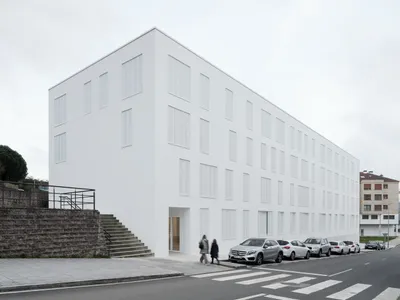
Alto Residencial Coop: Cooperative Housing Development in Santiago de Compostela by Carbajo Barrios Arquitectos
A linear cooperative housing complex blending white volumes and perforated metal façades, enhancing community living, natural light, privacy, and urban integration.
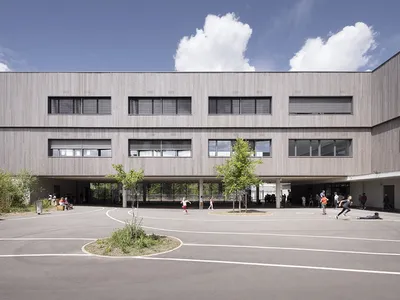
Vil Genis School by BPA ARCHITECTURE – Massy, France
Vil Genis School in Massy, France, features sustainable design, south-facing classrooms, community integration, accessible spaces, and modern educational architecture.


Explore Cultural Architecture Competitions
Discover active competitions in this discipline



Challenge to reimagine the Iron Throne


Photograph architecture without architects


Illustrate the lost glory of Angkor Wat - Render Challenge


Bring back Drive In's
Comments (0)
Please login or sign up to add comments
No comments yet. Be the first to comment!