
Innovative Solar Facades in Architecture: The koseLIGHT Project
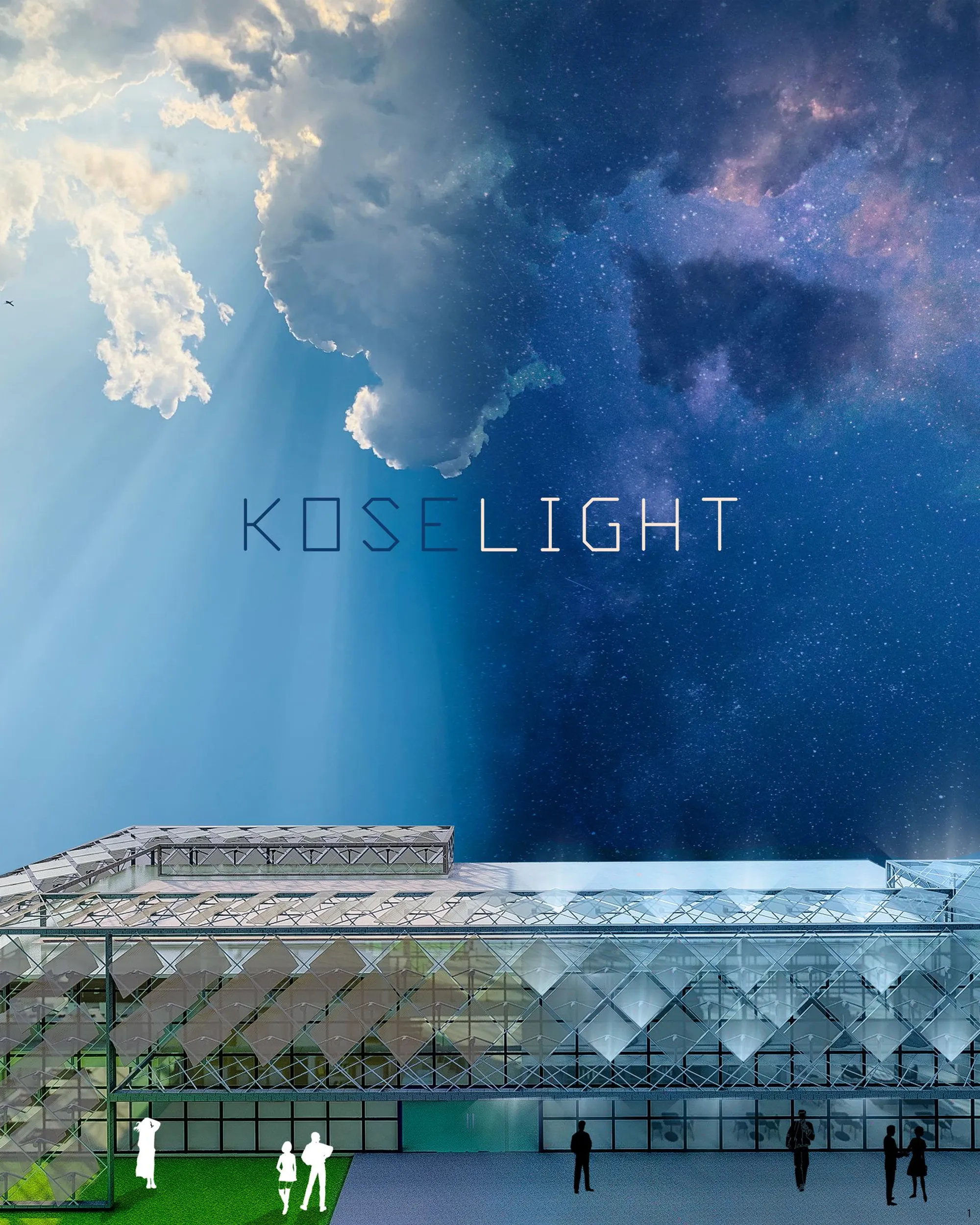
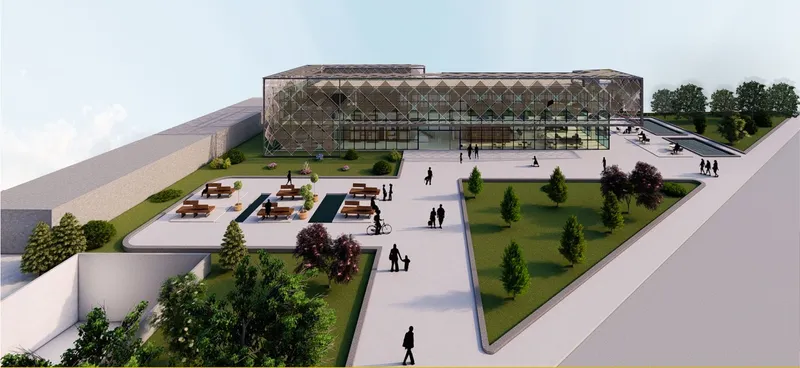
This article delves into koseLight, an architectural feat combining Scandinavian koselig and dynamic solar lighting in a modern library design.


Nestled in the ethos of Scandinavian design philosophy and daylight utilization, the koseLIGHT project emerges as a beacon of innovation. The brainchild of Busra Kizilates, Esma Nur Yaldiran, Gulseren Tek, and Feyza Simsek, koseLIGHT is more than just a library; it's an embodiment of koselig—a life philosophy valuing coziness and comfort—married with the efficient use of sunlight.
The Genesis of Adaptive Solar Facades
Understanding the Technology
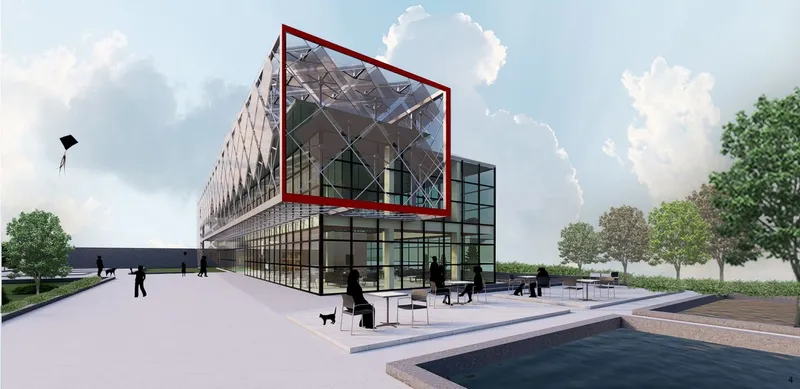
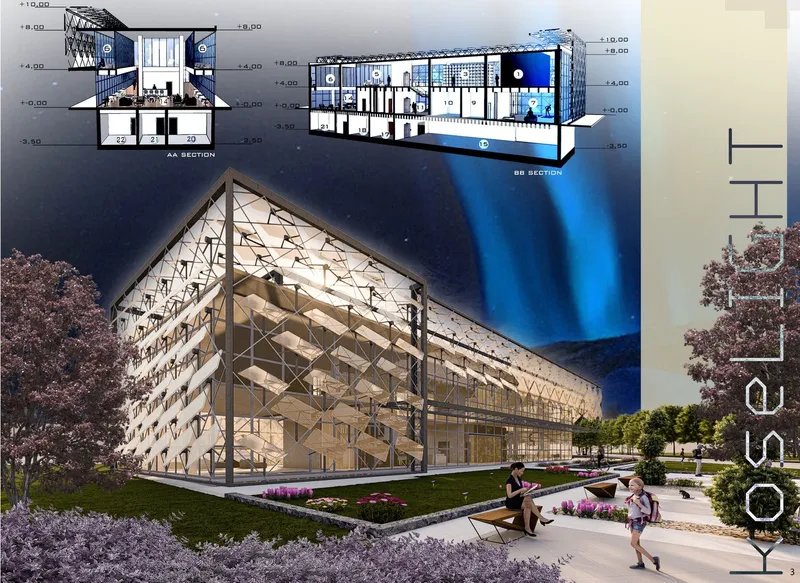
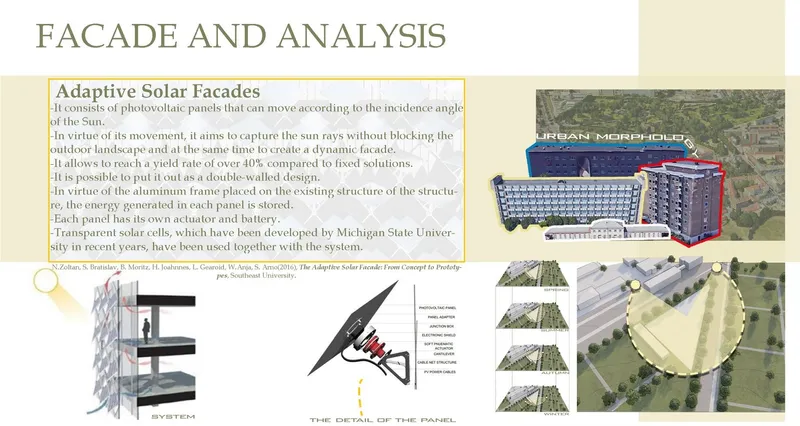
koseLIGHT features a cutting-edge design that incorporates adaptive solar facades. These are not your average photovoltaic panels; they are a dynamic system designed to move in response to the sun's incidence angle, optimizing energy capture without compromising the view of the outdoors.
Energy Efficiency and Dynamic Aesthetics
With the capacity to outperform fixed systems by over 40% in energy yield, these facades are a testament to the potential of solar energy in modern architecture. The possibility of a double-walled design enhances thermal insulation, while the energy harnessed in each panel is ingeniously stored, ready to power the library’s needs.
The Core Elements
The structure's bones are made of aluminum framing, supporting the storage and actuation of each solar cell. Every panel is equipped with its own actuator and battery, signifying individuality and autonomy within the collective design.
Innovation in Transparency
A notable mention goes to the transparent solar cells developed by Michigan State University, which have been integrated into koseLIGHT's facade, showcasing the marriage of aesthetic transparency with functional energy generation.
In-Depth Analysis of koseLIGHT's Facade
Panel Movement and Solar Tracking
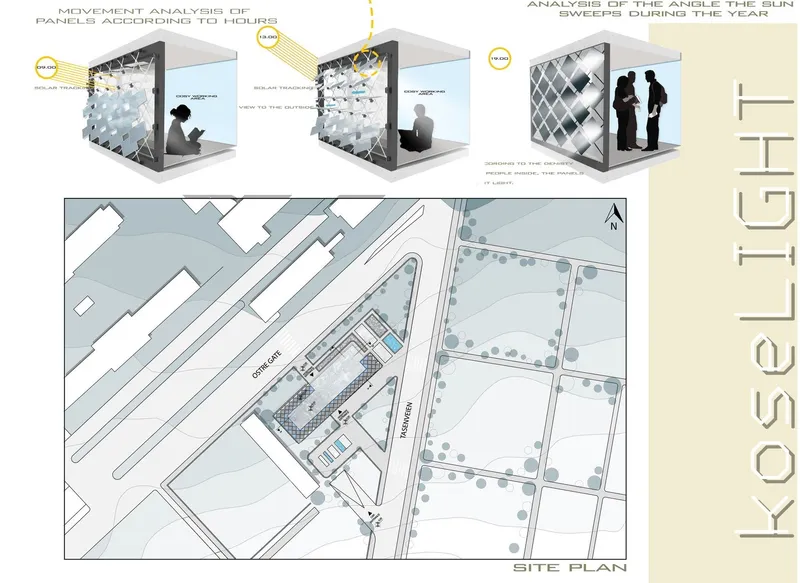
The facade's ability to follow the sun's path through the sky is not just smart; it's strategic. The movement analysis of the panels throughout the day ensures that each moment’s potential for solar energy is not lost.
The Detail of the Panel
Every component, from the electronic side to the pneumatic actuators, is meticulously designed for efficiency and durability. The cable net structure supports the power cables, which are the lifelines of the facade's energy system.
Architectural Plans and Functionality
A Look Inside
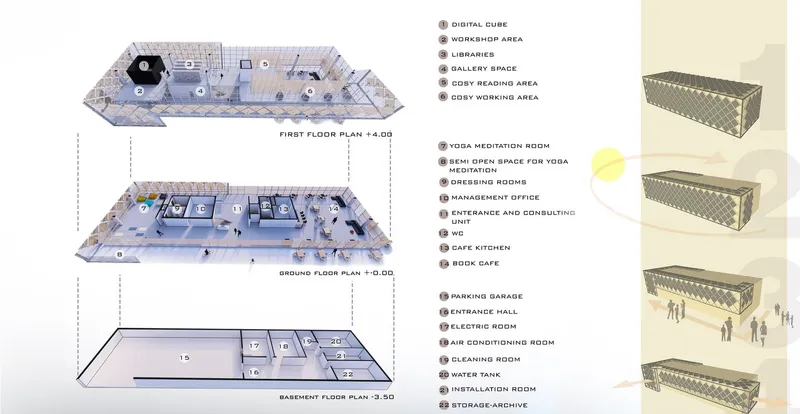
Moving beyond the facade, koseLIGHT is a marvel from the inside out. The building features distinct areas dedicated to workshops, libraries, gallery spaces, and cozy reading nooks. A yoga meditation room and semi-open spaces for relaxation further align with the koselig concept.
The Heart of koseLIGHT
At the core are the operational and recreational spaces, including management offices, entrance and consulting units, and a café kitchen that leads to a book café, blending intellectual pursuit with gastronomic pleasure.
The Foundation
The basement houses the building's vital systems, including parking, electrical units, air conditioning, and water storage, ensuring that the structure operates seamlessly.
The koseLIGHT project is more than an architectural endeavor; it's a step towards embracing renewable energy in building design. As we explore innovative solar facades in architecture, projects like koseLIGHT lead the way in demonstrating the harmony between form, function, and environmental consciousness.
By adopting innovative design principles and technologies such as adaptive solar facades, the architecture industry can look forward to a brighter, more sustainable future. The koseLIGHT library is not just a place for books; it's a manuscript of modern design, a chapter in the story of sustainable architecture, and a whisper of the potential that lies in the melding of tradition with innovation.



Popular Articles
Popular articles from the community


Co-Life: Senior Housing Design That Reconnects Older Adults With the City
Co-Life reimagines senior housing design through healing gardens, shared streets, workshops, and a sustainable community across generations.

Hill & Cross Opera: Sculptural Opera House Architecture Shaped by Tallinn’s Landscape and Identity
Hill & Cross Opera reimagines opera house architecture in Tallinn through its sculptural hill, civic plaza, glass wave and a luminous cross.

Conexión: Biophilic Design Reimagines High-Rise Living in Hong Kong
Conexión reimagines high-rise living in Hong Kong through biophilic design, green facades, shared spaces, daylight, water and nature within.

The Earth Pod: 3D Printed Homes for Resilient Refugee Communities
The Earth Pod reimagines refugee housing through 3D printed homes made from clay, combining resilience, self-sufficiency, and rapid shelter.


Similar Reads
You might also enjoy these articles

Day and Night Park: A Time-Based Urban Newsstand in Beijing
A temporary urban newsstand in Beijing blending travel, light, and reading through poetic colors, compact form, and community-focused design.

Modernist Patio Renovation in El Masnou, Barcelona by Oliver Segura Arquitectura + Cebrià Arquitectura
Modernist patio renovation blending tradition and innovation with a movable pool, leveled floors, and Catalan materials in El Masnou.

Alto Residencial Coop: Cooperative Housing Development in Santiago de Compostela by Carbajo Barrios Arquitectos
A linear cooperative housing complex blending white volumes and perforated metal façades, enhancing community living, natural light, privacy, and urban integration.
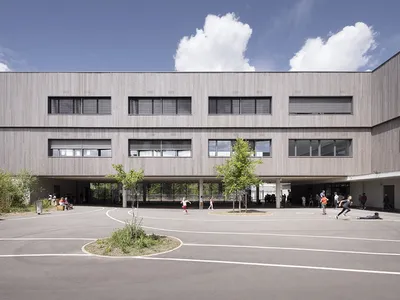
Vil Genis School by BPA ARCHITECTURE – Massy, France
Vil Genis School in Massy, France, features sustainable design, south-facing classrooms, community integration, accessible spaces, and modern educational architecture.

Explore Solar Responsive Competitions
Discover active competitions in this discipline



Challenge to reimagine the Iron Throne


Photograph architecture without architects


Illustrate the lost glory of Angkor Wat - Render Challenge


Design challenge to reuse E-waste
Comments (0)
Please login or sign up to add comments
No comments yet. Be the first to comment!