

Innovative Triangular Design at Hokkaido University of Science High School
Hokkaido University of Science High School features a triangular layout with flexible spaces, fostering voluntary learning, creativity, collaboration, and innovative student engagement.


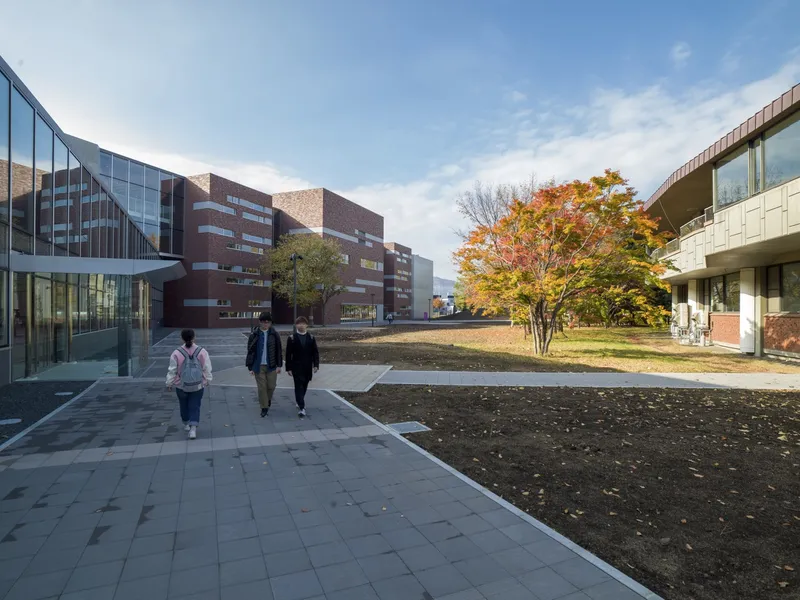
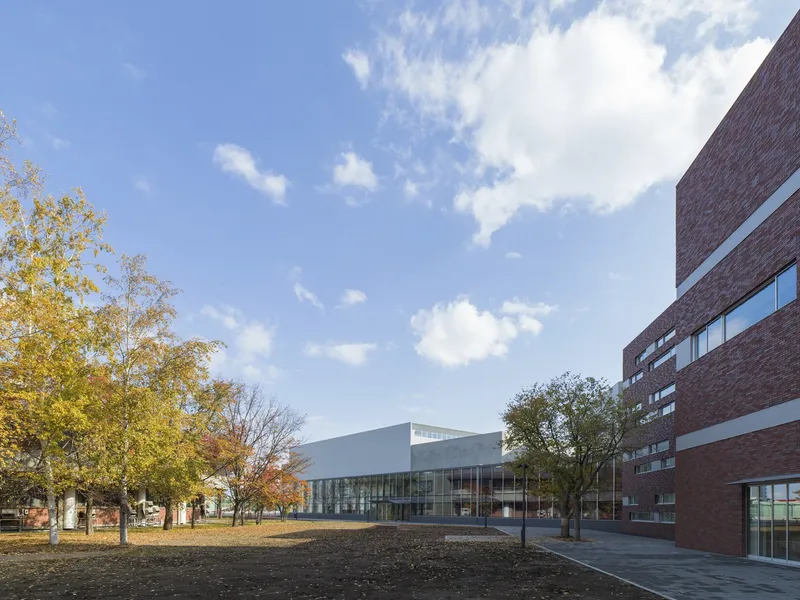
The Hokkaido University of Science High School, designed by TAISEI DESIGN Planners Architects & Engineers, exemplifies a revolutionary approach to educational architecture in Japan. Completed in 2022 over an area of 13,200 m², this high school challenges conventional school layouts by adopting a triangular building plan that fosters creativity, interaction, and voluntary learning.
Rethinking Traditional School Architecture
Traditionally, Japanese school buildings, established during the Meiji Era (1868 to 1912), feature rows of classrooms aligned along a central courtyard, connected by linear corridors. While functional, this design limits flexibility in how students engage with spaces beyond the classroom. With modern educational needs diversifying, architects now face the challenge of creating environments that support collaborative learning, social interaction, and innovative thinking.
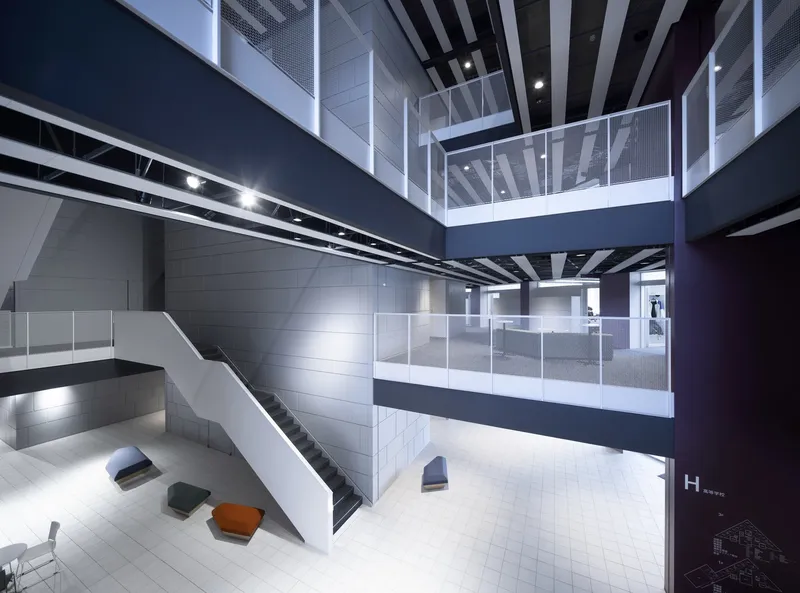
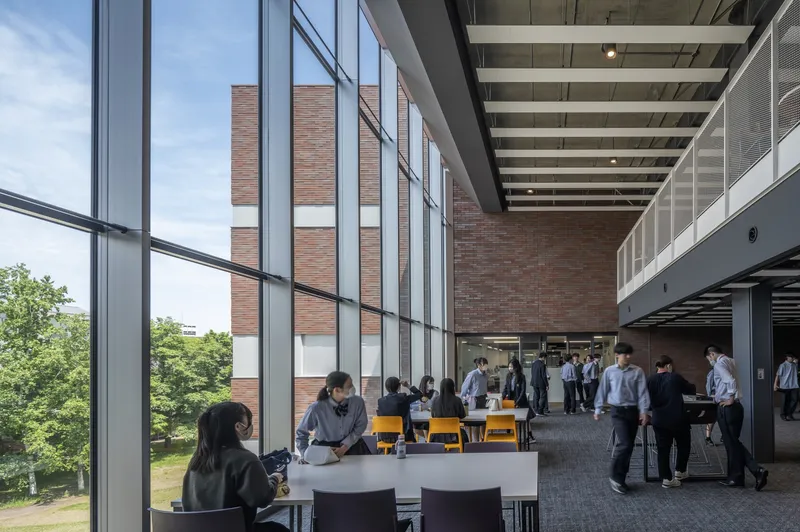
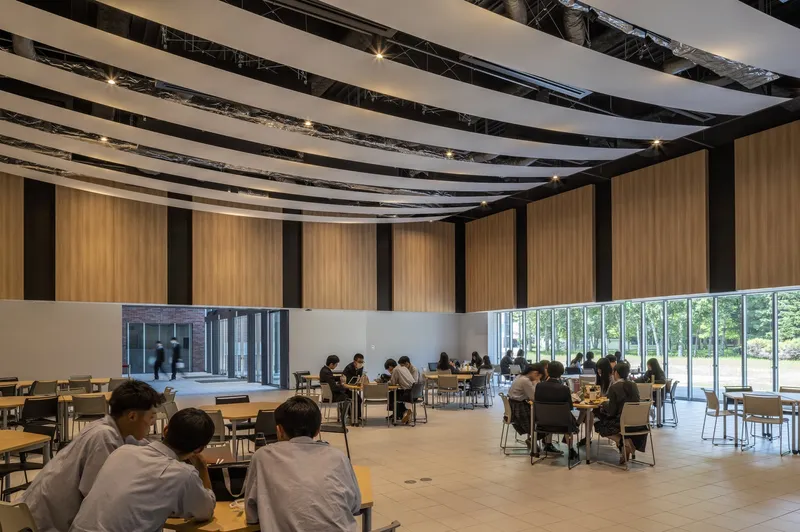
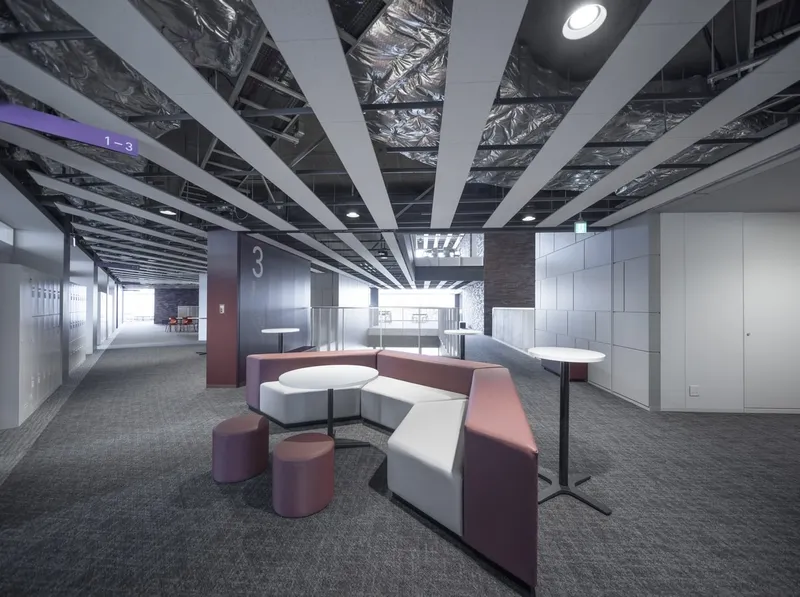
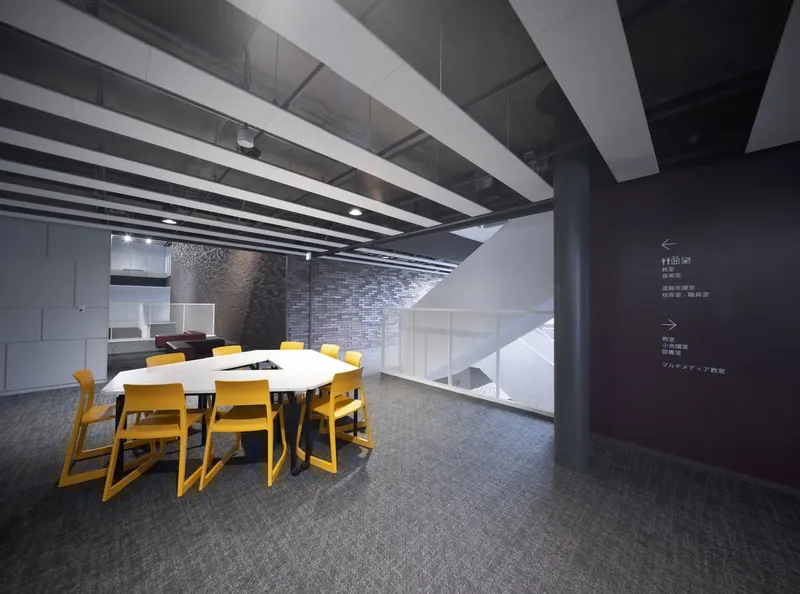
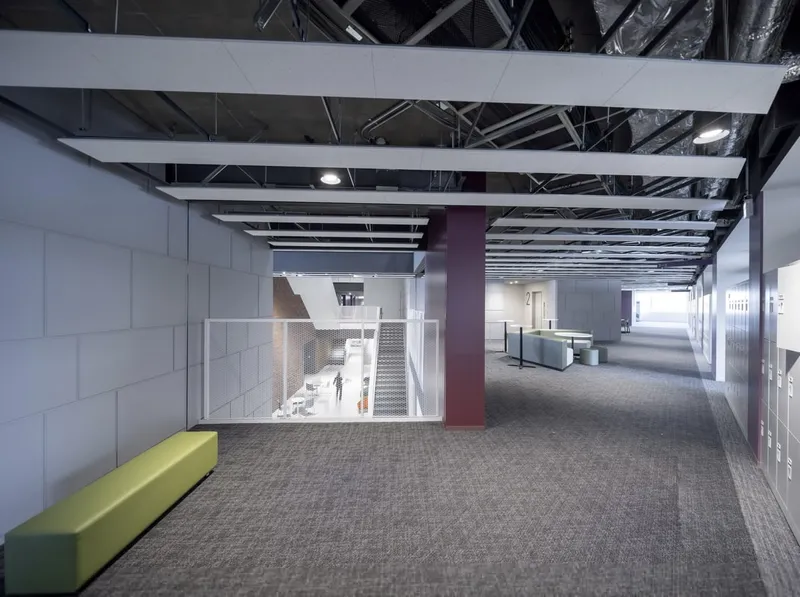
The triangular design of Hokkaido University of Science High School addresses these needs by arranging rectangular classrooms within a triangular footprint, generating dynamic in-between spaces of varying sizes and heights. These areas, sometimes visible through stairways or hidden in mezzanine-like nooks, provide students with choice-driven learning environments that encourage self-directed activities, aligning with the school’s educational philosophy of “Learn voluntarily.”
Innovative Use of Space and Structure
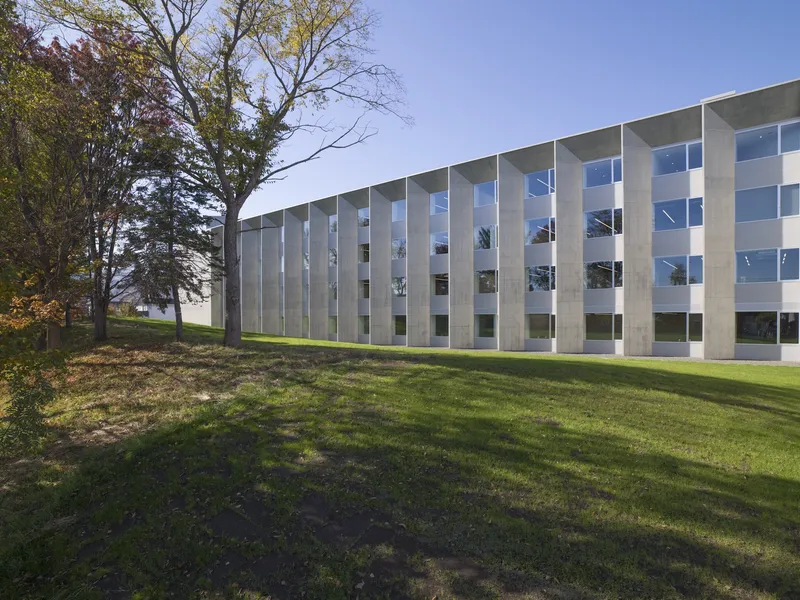
Structurally, the school integrates reinforced concrete cores and void slabs, forming earthquake-resistant elements while allowing open, flexible circulation throughout the building. The triangular layout creates a three-dimensional spatial experience, fostering unexpected encounters among students and encouraging spontaneous collaboration and creative exploration.
The spaces between classrooms are thoughtfully furnished and adaptable, enabling diverse learning and social activities. From quiet study corners to interactive zones, the design maximizes student engagement while promoting innovation and critical thinking.
A Vision for Future School Design
This project represents more than an architectural experiment, it signals a shift in school design philosophy. By breaking away from rigid, linear classroom arrangements, Hokkaido University of Science High School sets a precedent for future educational buildings in Japan and beyond. Its design exemplifies how architecture can actively support holistic education, creativity, and voluntary learning.
Other elements of the project, including furniture from Fujisash Co., Ltd. and construction by Taisei Corporation, complement the architecture by ensuring both functionality and aesthetic appeal throughout the school. The building’s design encourages students to explore, interact, and discover, embodying the core principle that learning thrives in thoughtfully designed environments.
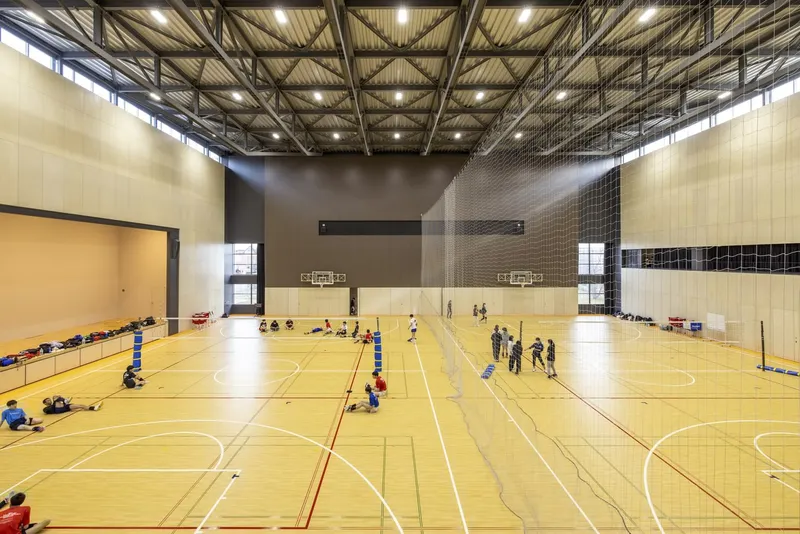
With this innovative approach, Hokkaido University of Science High School demonstrates how architecture can transform education, offering students inspiring spaces that nurture curiosity, collaboration, and creativity.
All photographs are works of
Creative Eyes, Graytone Photographs


Popular Articles
Popular articles from the community


Jaramillo Van Sluys Arquitectura and Urbanismo Turn a Demolished Registry Lot in Quito into an Orchard Plaza
In Quito's Centro Histórico, a 2,800 m² plaza exposes the San Agustín convent wall and redraws its lost Augustinian orchard in volcanic stone.

LT2A and OPEN Architectes Thread a Brick and Glass High School Through a Wooded Belgian Campus
In Braine-l'Alleud, a 3,000 m² wing for Collège Cardinal Mercier pairs pale brick with a glazed colonnade, deferring to a small chapel and a dense wood.

longwave studio Reorganizes a 112 m² Tainan Apartment Around the Daily Routines of a Family and Two Cats
In Tainan, Taiwan, birch plywood, rust-red furniture and a freestanding plaster wall link arrival, storage, work and family life in one apartment.

David Ortega Stacks a Two-Story Mexico City Penthouse Around a Steel Stair and a Pergola-Shaded Roof Terrace
In Colonia Roma, a 300 m² penthouse uses oak joinery, a planted steel stair and a slatted roof pergola to make a new-build apartment feel like a house.

Similar Reads
You might also enjoy these articles

Gil Mello Arquitetura Tilts a Single Roof Toward the Waterfalls on a Plateau Above Aiuruoca, Brazil
In Aiuruoca, Minas Gerais, a 200 m² house of local labor and reclaimed poles pairs a low valley veranda with a tall mountain one.

U.GA Architects Wraps an Oval Rooftop Pool in Curved Board-Formed Concrete on Busan's Jeollidan-gil
In Busan's Jeonpo-dong, a 454 m² mixed-use block stacks a neighborhood facility, guest rooms and an oval rooftop pool inside spiraling concrete walls.

Felipe Hess Arquitetos Turns a Blind Stone Wall to the Street and Opens a Brazilian House onto a Courtyard and Canal
A canal-front house in Brazil hides behind painted stone and planting, then opens to an olive-tree courtyard, a reed-ceilinged porch and a curving pool.

David Macias Steps a Doorless Stone and Plaster House Down a Tropical Colombian Hillside
In the humid hills of Colombia, Threshold House replaces the front door with an open void and terraces its 850 m² down the slope instead of fighting it.

Explore Architecture Competitions
Discover active competitions in this discipline

Challenge to design public laboratory

Challenge to reimagine the Iron Throne

Photograph architecture without architects

Illustrate the lost glory of Angkor Wat - Render Challenge
Comments (0)
Please login or sign up to add comments
No comments yet. Be the first to comment!