

ITCH Atelier: A Concrete House with Office Space on Baekryeonsan Mountain
A serene concrete residence in Korea seamlessly integrates office space, sensory transitions, and nature on a sloped mountain site.


Architecture That Blends Living and Working
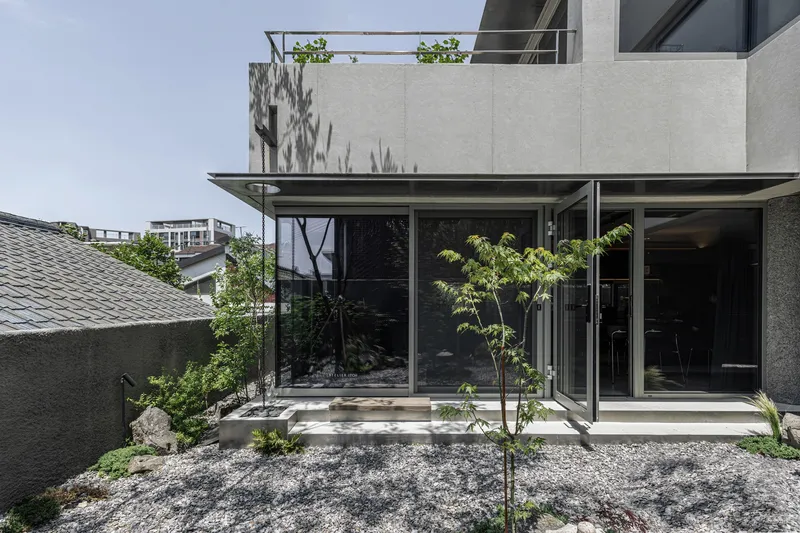
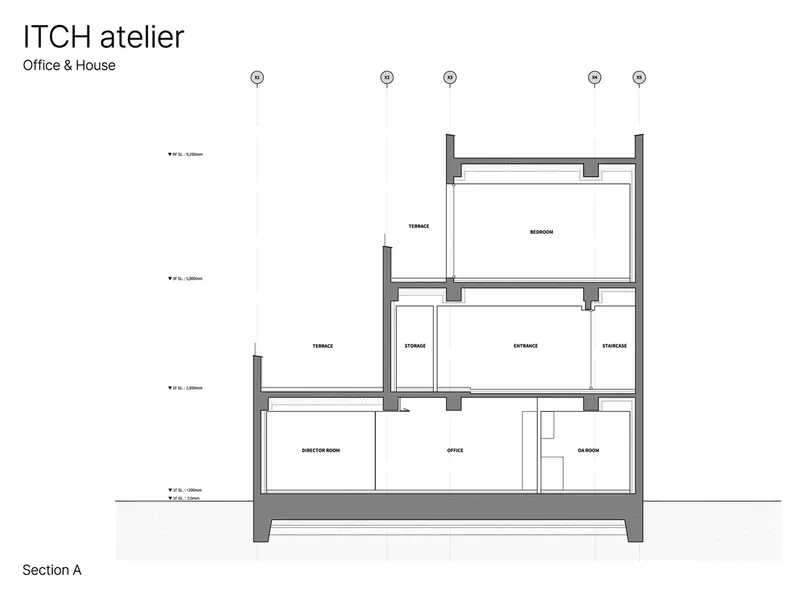
ITCH Atelier by Atelier ITCH is a poetic manifestation of what a concrete house with office space can be when it responds to both the landscape and the rhythms of daily life. Set against the sloped backdrop of Baekryeonsan Mountain in South Korea, this 140 m² structure replaces the architect's first home-office hybrid. It now stands as a sculptural and spatial separation of life and work while preserving an integrated, holistic experience of nature, materiality, and light.
Responding to Site and Slope
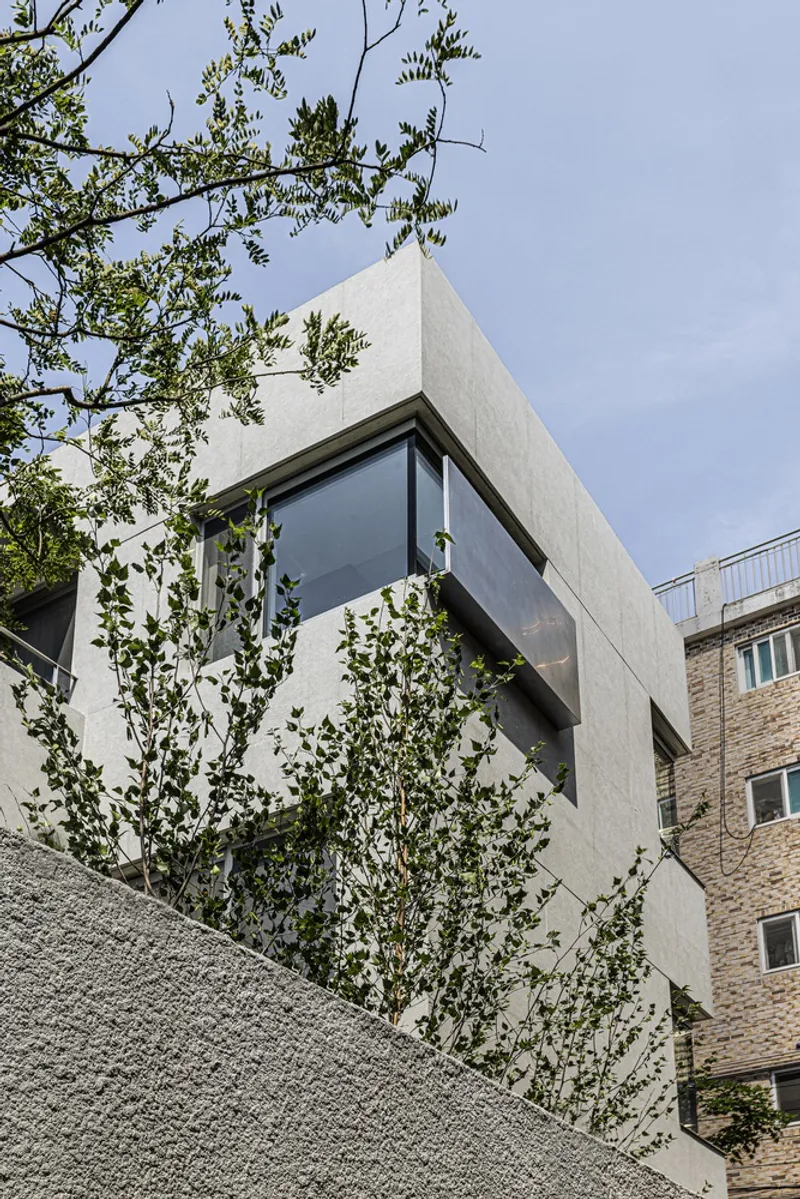
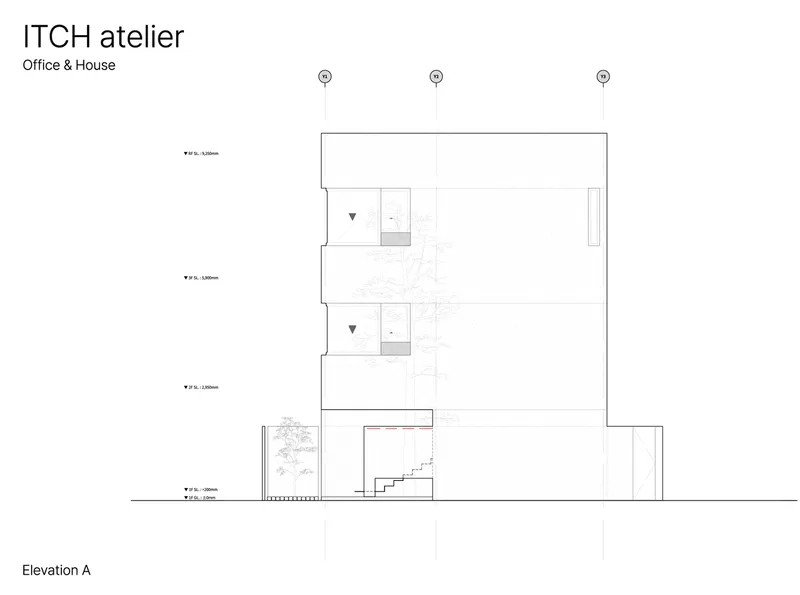
The building sits within a terraced hillside neighborhood, facing west toward panoramic mountain views and the golden hour’s light. While the west opens up to nature, the east side faces a road and nearby buildings. This duality gave rise to a solid, closed facade in the front and a porous, nature-embracing rear elevation. The architectural form draws the ground-level garden into the building, visually connecting the landscape with the interiors across all levels. The result is a terraced composition that creates intimate yet expansive living and working environments.

Expressive Material Palette in Concrete and Steel
The architecture employs exposed concrete as its dominant material, chosen for its raw beauty and ability to age gracefully. To contrast and complement this smooth concrete surface, a traditional Japanese plaster technique called Kakugi-Otoshi is applied at the building’s base, adding a tactile, gravel-embedded texture that enhances shadows and visual depth.
Black steel plates at the entrances reinforce the building’s elemental character while echoing the tones of the forest and stone. These weather naturally over time, reinforcing the concept of a space that evolves with its environment. Every detail—from the placement of formwork joints to window heights aligned with furniture—reflects deliberate clarity and precision.


A Journey Through Sensory Transitions
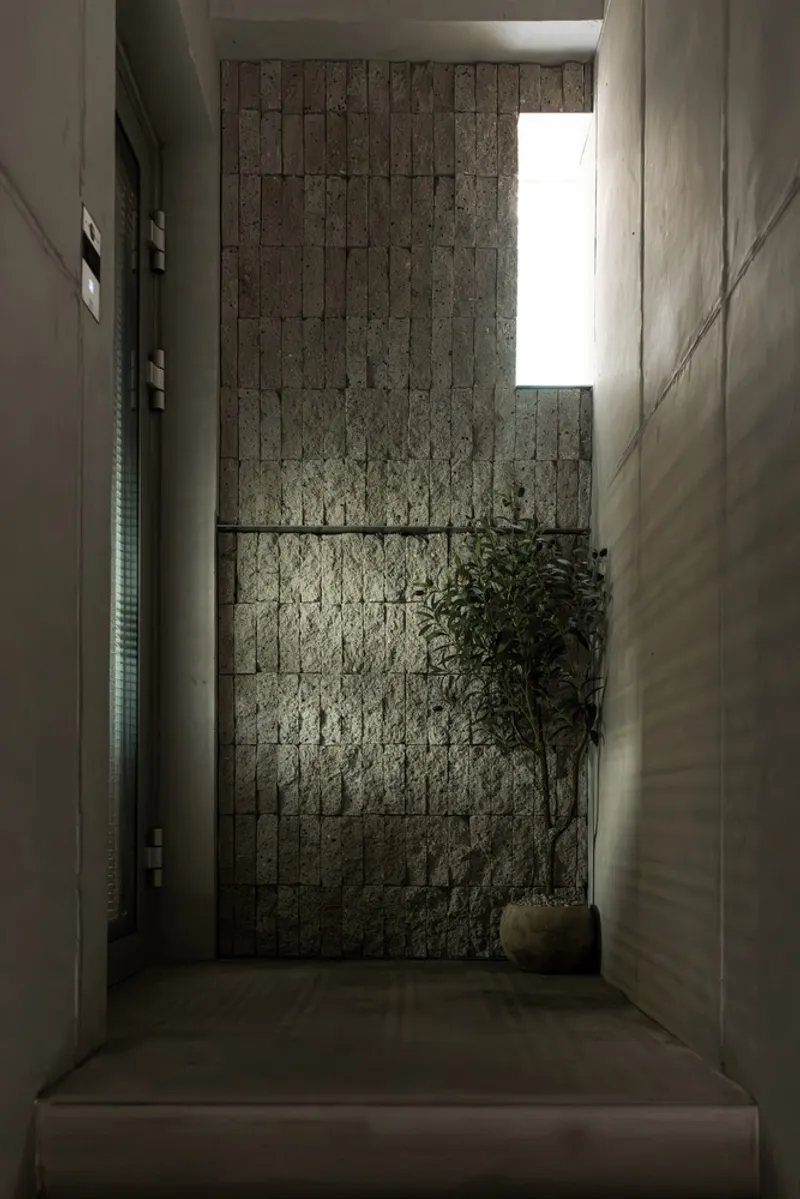
Approaching the home-office begins with a slow, contemplative path. Visitors follow a low stone wall to a slatted gate angled for privacy. Hidden behind is a transition zone where a Vitex tree, floating stepping stones, and the sound of water offer a sensory decompression before one enters the space. Reflections of the garden ripple on walls, and the smell of the nearby forest filters through, engaging all senses in a meditative arrival sequence.
Work Space Rooted in Nature
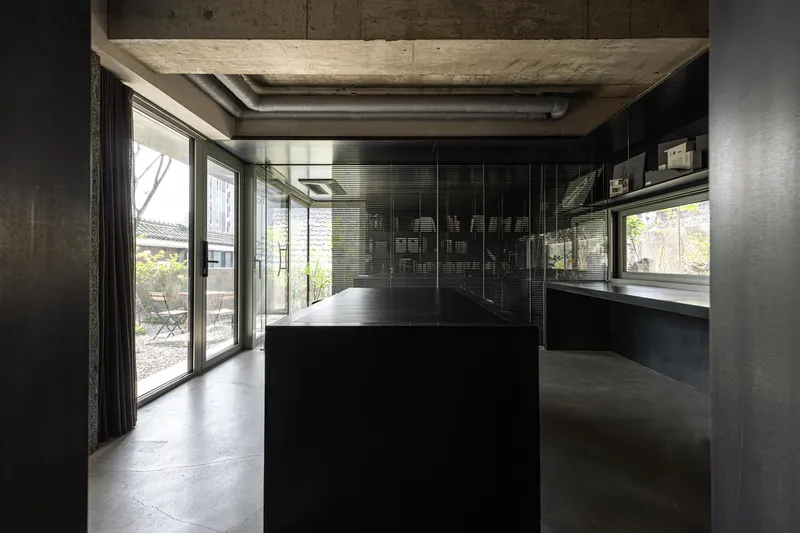
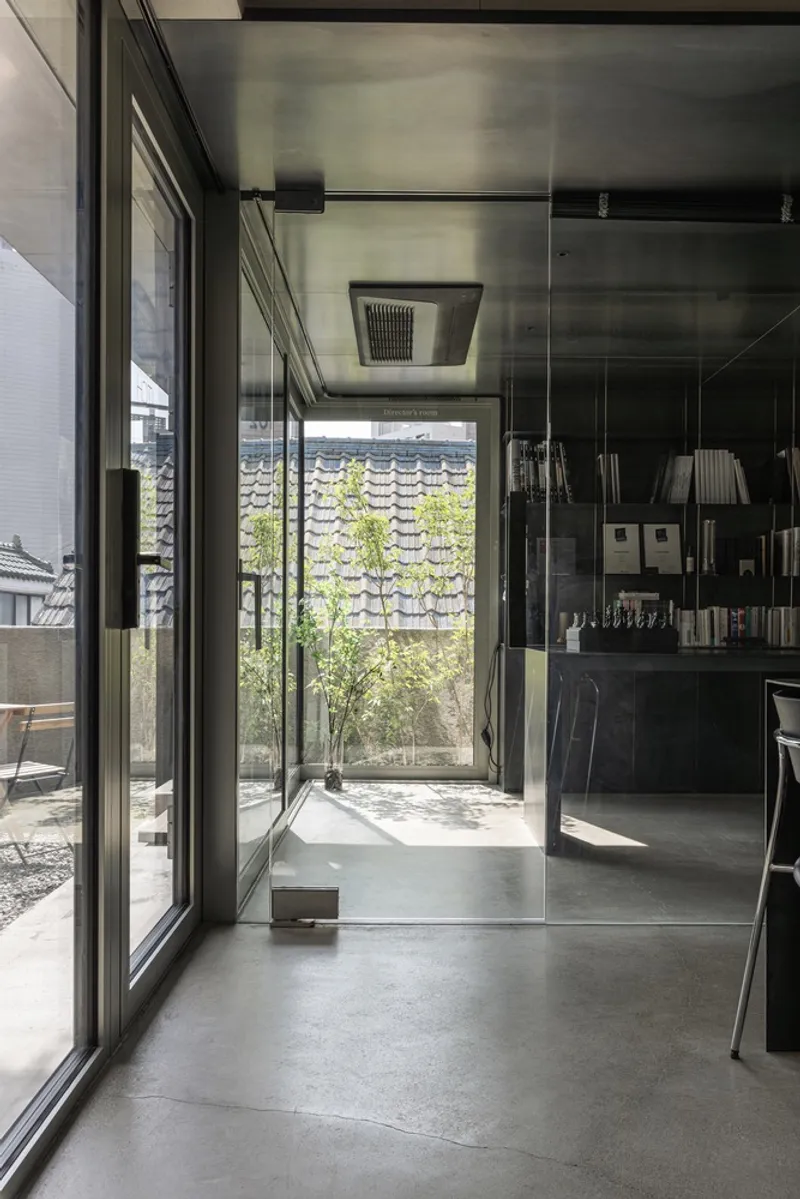
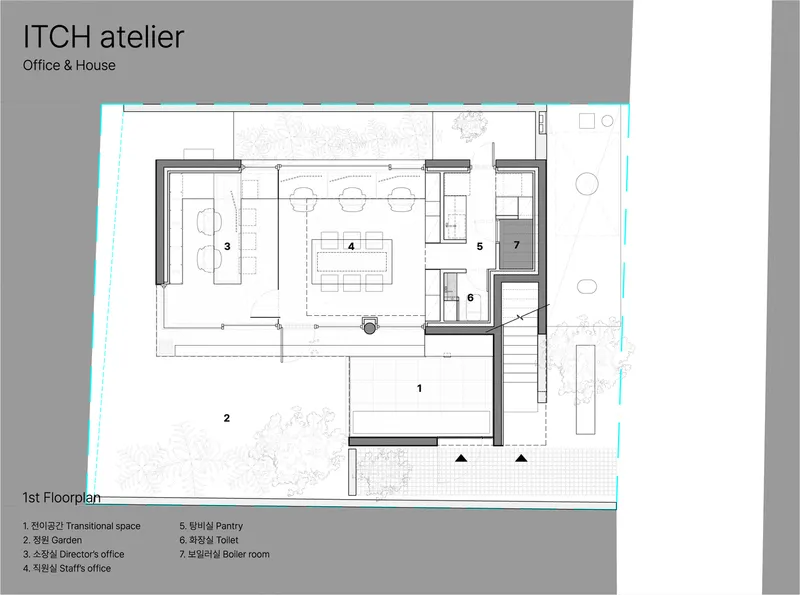
The first-floor studio is configured with a horizontal spatial flow that stretches south to west. A long window runs parallel to the desks, visually linking staff workspaces with the outside garden. On the west, an L-shaped corner window welcomes in afternoon light. On the north, a low garden placed at desk height provides grounding and proximity to nature. Even within the workplace, the architecture encourages pause, reflection, and connection to the landscape.
A Home of Quiet Clarity
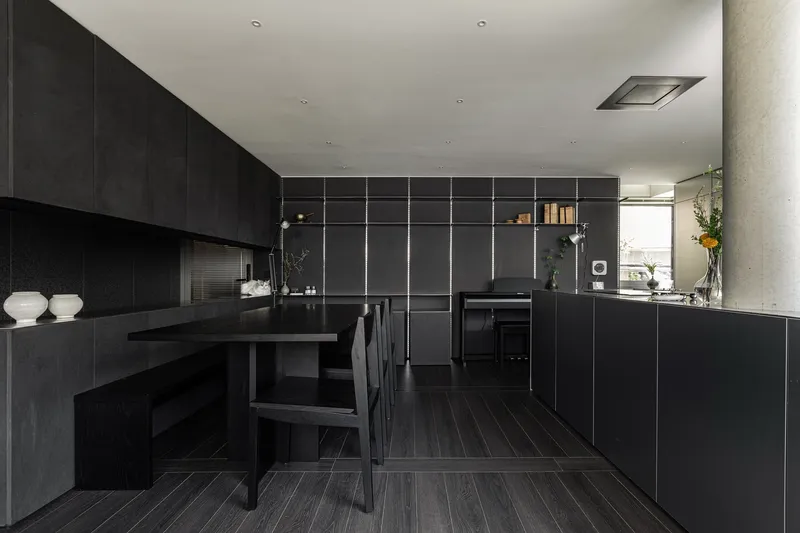
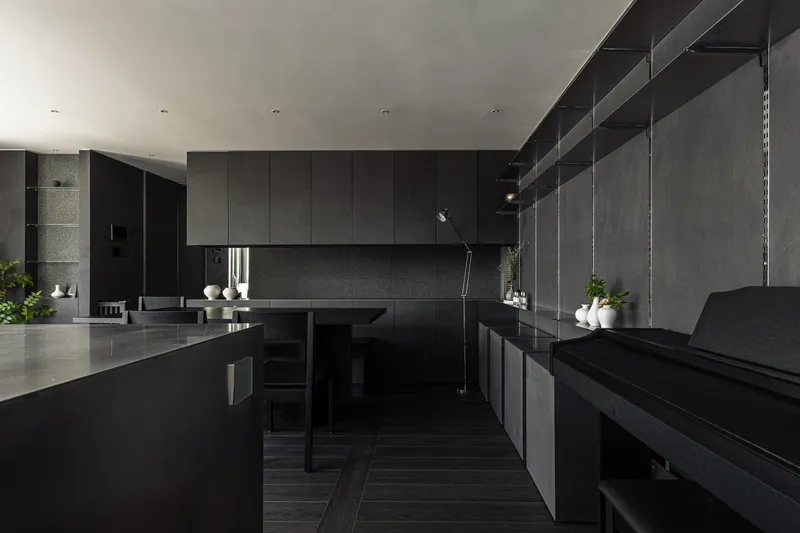
The second and third floors comprise the residential portion of the structure. Interior finishes remain achromatic and subdued—black MDF, stone-textured tiles, stainless steel, and white-painted walls. These materials were selected to minimize distraction and reflect natural light softly across spaces.
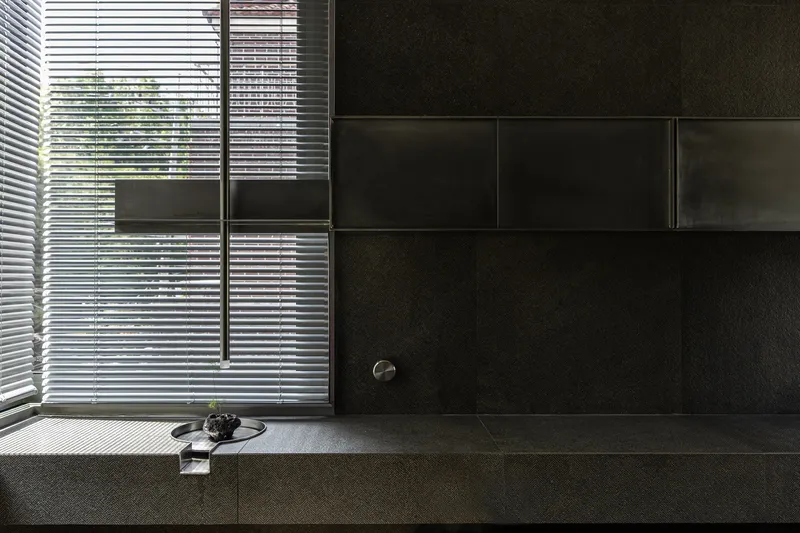
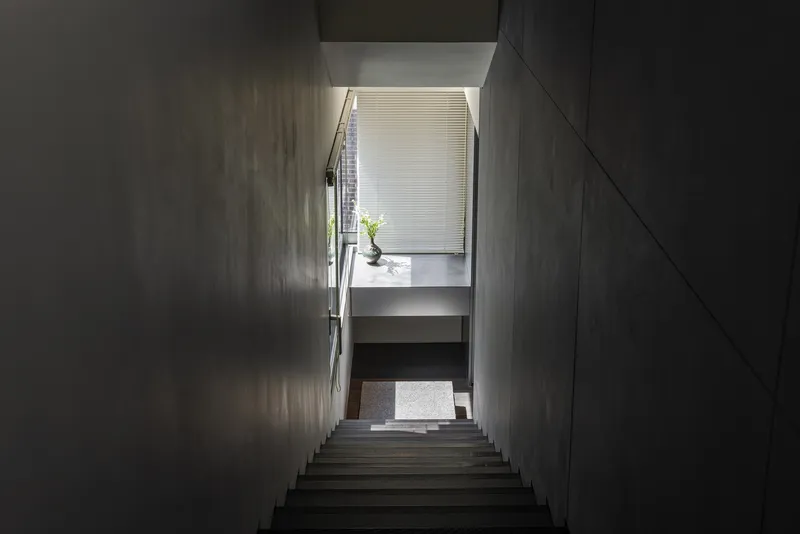
The kitchen flows effortlessly into a west-facing terrace, with cabinetry intentionally reduced to preserve views and simplicity. The corridor entry sequence separates public and private functions while maintaining openness. A corner window by the stair landing provides a framed view of the mountains and a resting place for the resident cat, adding a quiet domestic poetry.
Elevated Rest and Ritual
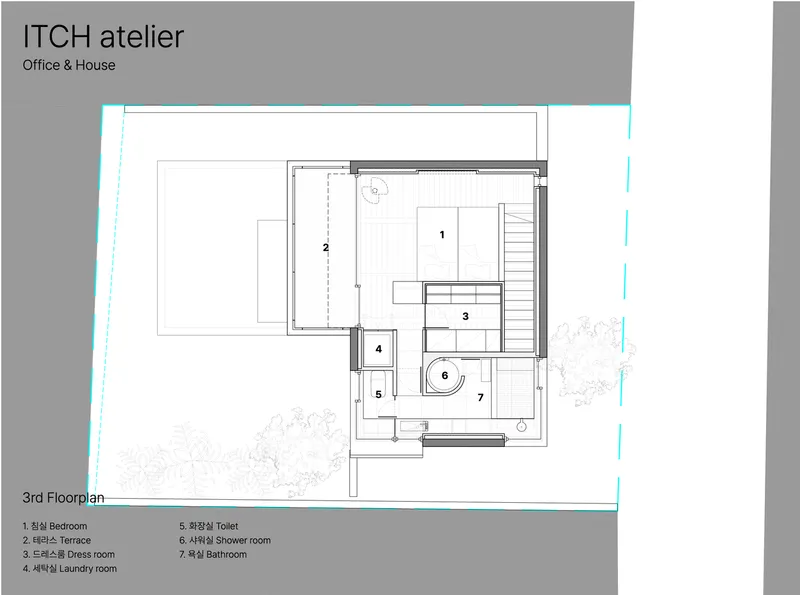
The third floor contains the bedroom, dressing area, and a contemplative bathroom. The bedroom is designed to absorb light and views through its western glazing, opening onto a terrace. Partial-height dressing room walls maintain spatial continuity and align with door heights and ceiling elements throughout the level.

The bathroom becomes a space of renewal. A bathtub is placed directly in front of a wide mountain-facing window, turning everyday bathing into an immersive, meditative experience. Water emerges from a spout resembling a natural spring, blending sound, sight, and ritual into one fluid moment. A circular, cocoon-like shower offers contrast—a tactile space for daily grounding.
A Concrete House with Soul
ITCH Atelier reflects a philosophy of precision, restraint, and deep connection to place. As a concrete house with office space, it transcends functional hybridity to offer a seamless, experiential architecture where work and life coexist with nature. Every detail—from grooves above windows to shadows cast by trees—serves a larger intent: to build a life not just within walls, but within light, material, sound, and landscape. The result is an elegant, grounded, and timeless home for both creation and contemplation.


All Photographs are works of Standingpoint


Popular Articles
Popular articles from the community


The Amber Palace Opera: A Geological Fiction Surfaces on Tallinn's Baltic Waterfront
Pierre Brillard reimagines a Baltic legend as a public landscape, opera house, and waterfront promenade rooted in Tallinn's coastal identity.

Singing Woman: An Opera House That Performs Before the Curtain Rises
Ovidiu Cristian Pavel's conceptual opera house translates Estonia's choral identity into a sculpted waterfront landmark facing the Baltic Sea.
Tsunami Convergenics: Turning Catastrophic Ocean Forces into Underwater Housing Infrastructure
A speculative underwater settlement off the coast of Onagawa, Japan, treats tsunamis and typhoons as energy sources rather than threats.

Opera on the Sea: Driftwood Logic Shapes a Timber Opera House on Estonia's Coast
Trevor Orgill's opera house translates the entangled drift of floating timber into a civic building where wood, water, and music converge.

Similar Reads
You might also enjoy these articles

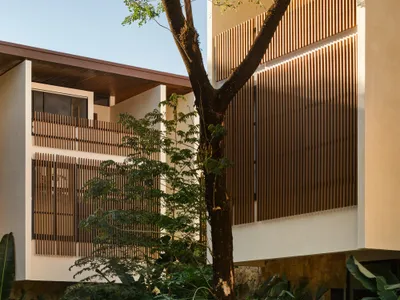
FAMM Arquitectura Organizes Ten Villas Around Courtyards and Jungle in Nosara, Costa Rica
El Molino pairs two elongated volumes with deep overhangs and timber louvers to build a compact coastal community five minutes from the beach.
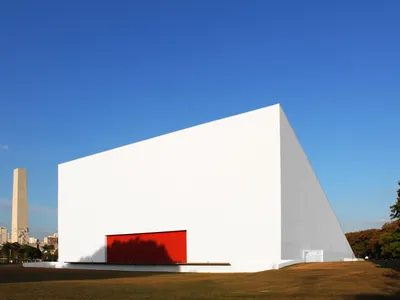
Oscar Niemeyer's Ibirapuera Park Pavilions Define São Paulo's Cultural Identity in Concrete and Curve
A constellation of modernist volumes set within São Paulo's most important urban park, conceived for the city's 400th anniversary in 1954.
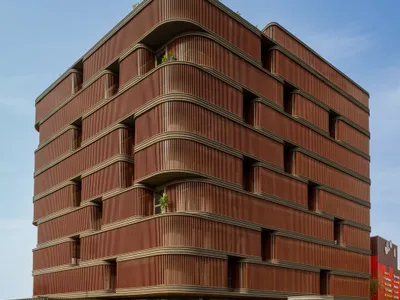
Sanjay Puri Architects Wraps a Jaipur Office Tower in Capsule-Shaped Green Buffers
A nine-level climate-responsive workplace near Jaipur Airport uses stacked planter terraces and aluminium screens to fight 40°C heat.
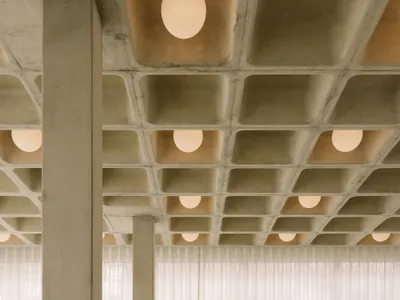
RHO Converts a Berlin Spree-Side Industrial Courtyard into Enkime's 1,000 m² Agency Headquarters
A social media agency's new home in Charlottenburg trades glossy branding for concrete waffle ceilings, glazed tile, and sheer curtains.

Explore Aotu Architecture Office Competitions
Discover active competitions in this discipline

Challenge to reimagine the Iron Throne

Photograph architecture without architects

Illustrate the lost glory of Angkor Wat - Render Challenge

Design challenge to reuse E-waste
Comments (0)
Please login or sign up to add comments
No comments yet. Be the first to comment!