

James Gorst Architects finishes temple complex in Hampshire
The beautiful and serene temple is a place of worship for people of all faiths. The complex includes a main temple, a smaller temple, a library, and a meeting hall

 Photos
Rory Gardiner
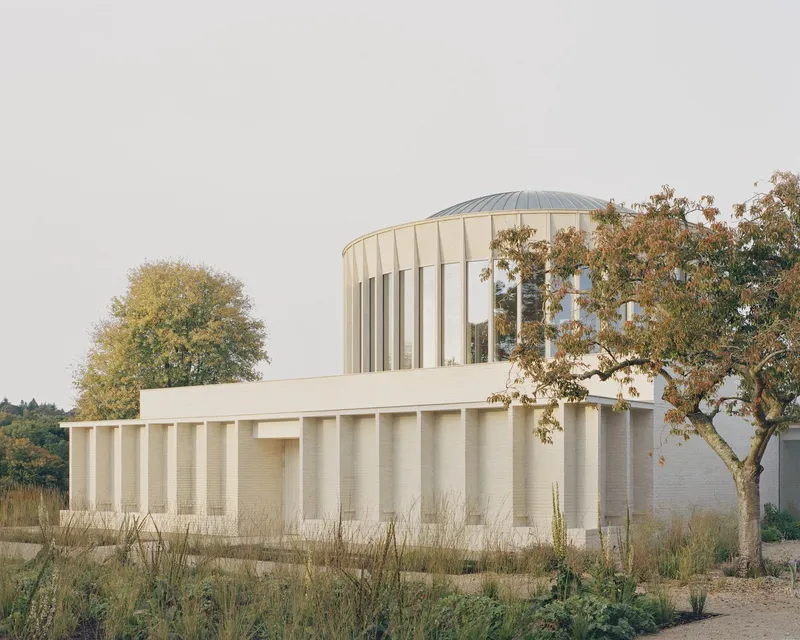
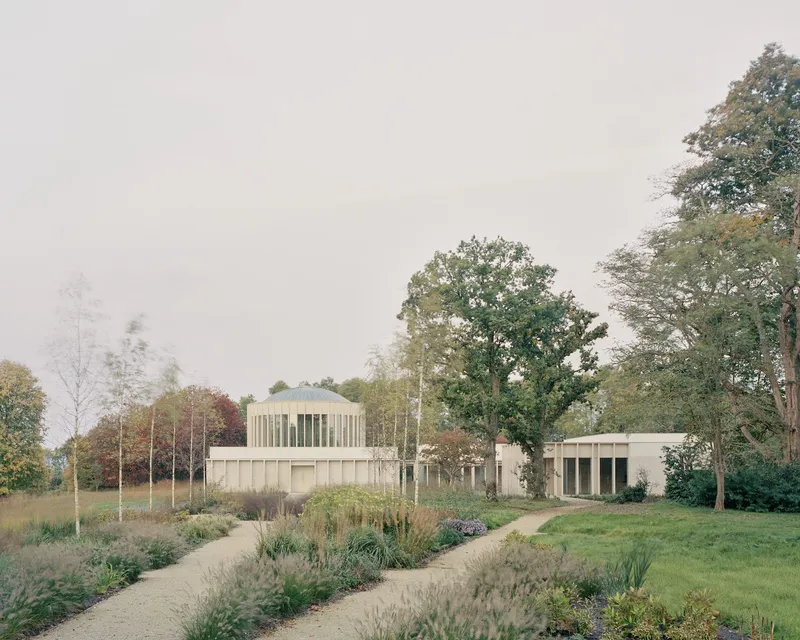
The Rake Village Temple, designed by James Gorst Architects, is a series of interconnected buildings and orthogonal pavilions centred around a cloistered walkway. The temple complex won in competition and is located in the picturesque village of Rake, nestled within the South Downs National Park. Replacing an existing, dilapidated 1970s complex, the new building comprises a temple, library, chapels, meeting spaces, public foyer and kitchen - all designed to be enjoyed by the community. The buildings are organised around a central courtyard and connected by a series of cloistered walkways, providing visitors with a peaceful and contextual experience. The internal arrangement progresses from secular to ritualistic spaces; starting from a timber portico and social foyer at the visitor entrance in the east, and leading into the main temple space in the west.
 Photos
Rory Gardiner
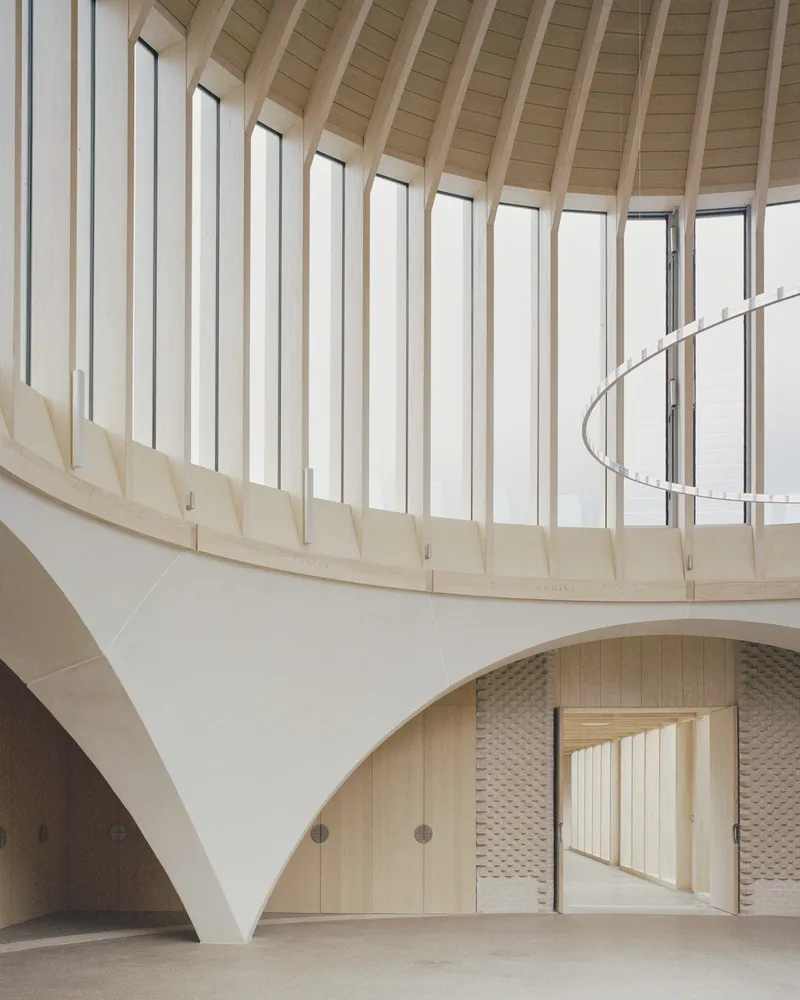
The architect was given a brief to create a building that would be peaceful and simple, so they chose a restrained palette of materials including timber, brick, and chalk lime mortar - which is typical of the local context. The resulting spaces allow for quiet contemplation and encourage a spiritual connection to the surrounding landscape.
Sustainability was a key consideration in the design of the project, with the team adopting a ‘fabric-first’ approach. The glulam structural frame was constructed off-site and designed to eliminate the need for steelwork. Underfloor heating is provided by a ground source heat pump that is buried in the landscape. Additional power is provided by photovoltaic panels. The inner temple’s precast pendentive arches provide thermal mass. A raised floor slab naturally cools the interior with fresh air supplied by an underground labyrinth ventilation system.
 Photos
Rory Gardiner
The architect, working together with landscape architect McWilliam Studio, did a total overhaul of the site which now has a series of gardens you can stroll through, connecting different valleys. At the entrance to the building, there are two reflection pools to welcome you and help you prepare for what's inside. The central courtyard is the size of the temple itself so you can get a sense of the space before you even enter.
“Our aim was to create balance between the landscape, building and interiors; to form one coherent and harmonious design, exploring the relationship of the architecture to the spiritual context,” said Steve Wilkinson, associate at James Gorst Architects.
David Roy, Director of James Gorst Architects, added: “Our design for this temple complex is the result of a very detailed journey of collaboration with our client. The process of listening and responding to their unique requirements over an extended period of time allowed us to create a building that is closely tailored to their needs, and which expresses our ethos of sensitivity, proportion, and purpose.”
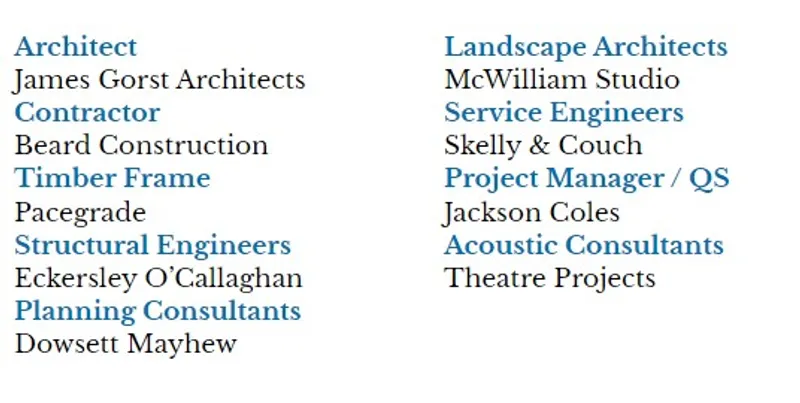
Credits
References (1)

Popular Articles
Popular articles from the community

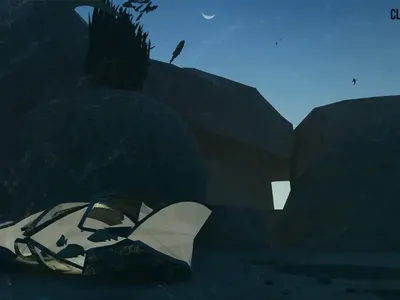
Cloaked Colonization: A Mobile Underwater Habitat That Moves Like a Fish
Micah Abaya's shortlisted EHC Pacific entry reimagines ocean settlement as a dispersed network of self-sustaining architectural organisms.

The Amber Palace Opera: A Geological Fiction Surfaces on Tallinn's Baltic Waterfront
Pierre Brillard reimagines a Baltic legend as a public landscape, opera house, and waterfront promenade rooted in Tallinn's coastal identity.

Singing Woman: An Opera House That Performs Before the Curtain Rises
Ovidiu Cristian Pavel's conceptual opera house translates Estonia's choral identity into a sculpted waterfront landmark facing the Baltic Sea.

Extended Shell: Retrofitting Kolkata's Balconies as Living Urban Thresholds
A modular retrofit system recovers the social and environmental intelligence of Kolkata's historic verandas for contemporary Park Street residents.

Similar Reads
You might also enjoy these articles
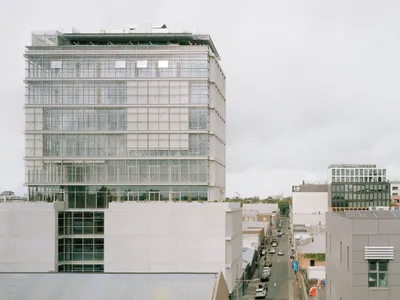
116 Rokeby Building, Collingwood
Sustainable Collingwood office building featuring double-skin façade, natural ventilation, rooftop amenities, and carbon-neutral design focused on wellbeing and longevity.
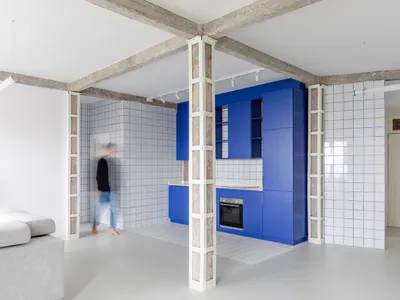
Contemporary Apartment Renovation in Spain: RV House by BIAN Opens Up to the Sea
A minimalist 1930s apartment in Santander is transformed into a flexible, sea-facing home through contemporary Spanish renovation.
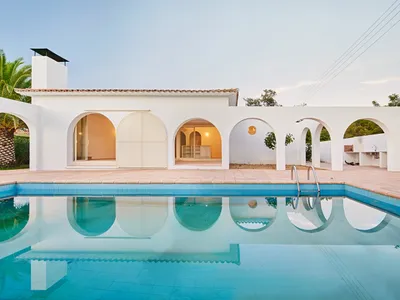
3 Marías House: A Contemporary Mediterranean Courtyard Retreat by Bajet Giramé + Burckhardt
Mediterranean courtyard home blending traditional architecture with modern design, terracotta flooring, flexible interiors, sustainable climate strategies, and garden integration.
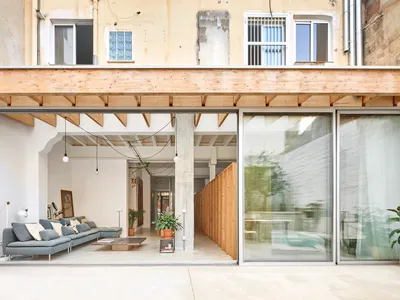
NZ10 Apartment by auba studio: Adaptive Reuse in Palma de Mallorca
Adaptive reuse apartment transforms bakery into light-filled home with patios, privacy layers, and wood interiors enhancing urban living experience.

Explore Temple Competitions
Discover active competitions in this discipline


Challenge to reimagine the Iron Throne

Photograph architecture without architects

Illustrate the lost glory of Angkor Wat - Render Challenge

Design challenge to reuse E-waste
Comments (0)
Please login or sign up to add comments
No comments yet. Be the first to comment!