
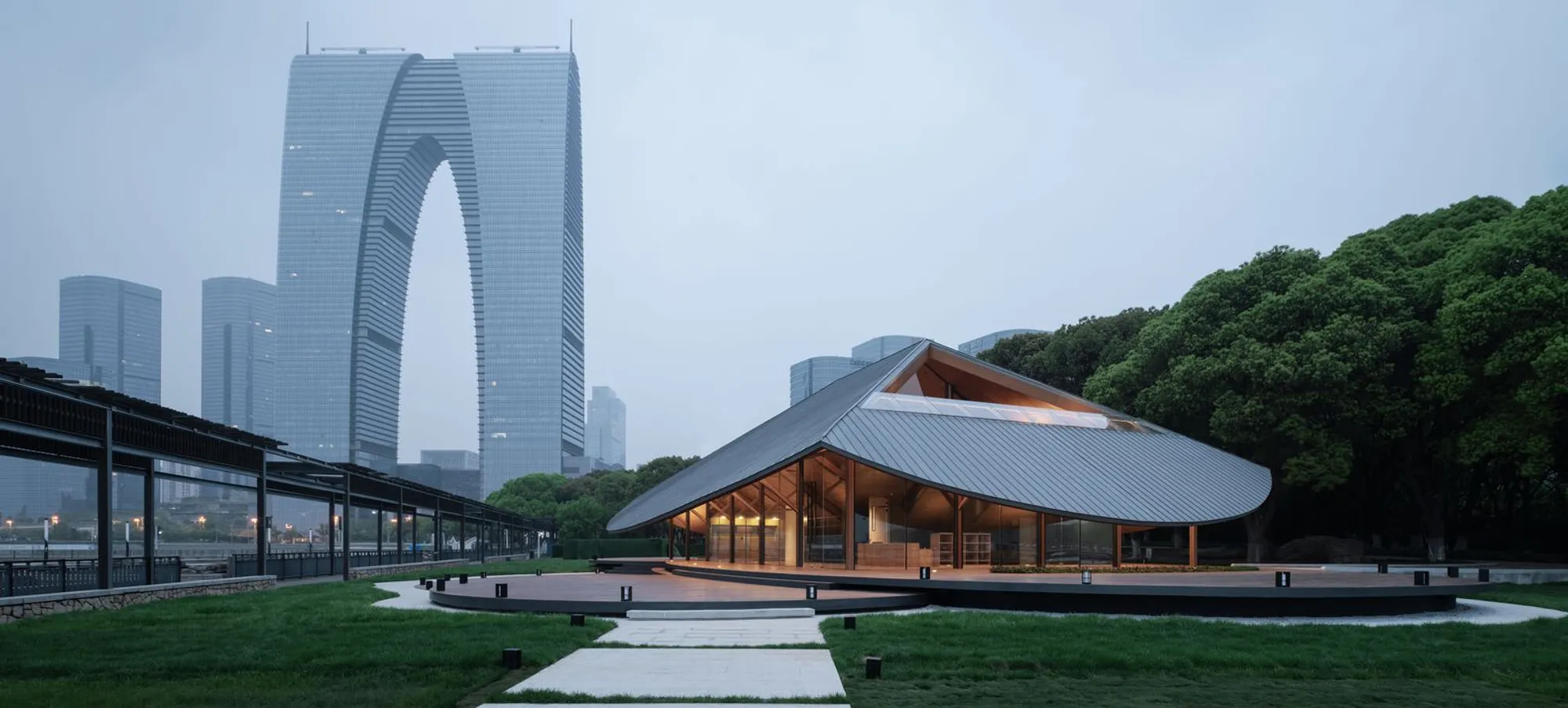
Jinji Lake Pavilion by Galaxy Arch: A Landmark of Community, Nature, and Architectural Innovation in Suzhou
Jinji Lake Pavilion by Galaxy Arch in Suzhou blends wood and steel, offering a vibrant lakeside café, public amenities, and scenic engagement.


Located in the heart of Suzhou Industrial Park, the Jinji Lake Pavilion designed by Galaxy Arch is redefining waterfront public spaces in China. This 400-square-meter pavilion, completed in 2024, seamlessly blends community services, urban branding, and architectural innovation, offering locals and visitors a vibrant lakeside destination.
Transforming Suzhou’s Waterfront Experience
Jinji Lake is central to Suzhou’s vision of creating a future-oriented urban center. The waterfront surrounding the lake serves as the primary public activity zone, integrating existing visitor centers and structures into a comprehensive lakeside pavilion network. The service system, designed within a 15-minute walking radius, ensures accessibility and convenience for all visitors. The network includes 11 pavilions, with five new constructions and six renovations, offering light commercial spaces, rest areas, public restrooms, and leisure amenities: making the lakeside experience inclusive, functional, and memorable.
International Design Excellence
In November 2022, Suzhou launched an international architectural concept competition for six new pavilions around Jinji Lake. Leading design firms such as Arata Isozaki & Qian Hu Studio, Studio Kuadra, AS+P, Qidi-Design Group, and Galaxy Arch participated, showcasing cutting-edge ideas for lakeside architecture. Galaxy Arch secured the commission for two pavilions: Wooden Cabin Pavilion No. 1 and Nature Park Pavilion No. 5. The Wooden Cabin Pavilion, completed in April 2024, introduced Suzhou’s first illy café, opening to the public in May 2024 and quickly becoming a popular community hub.
Preserving Memories Through Design
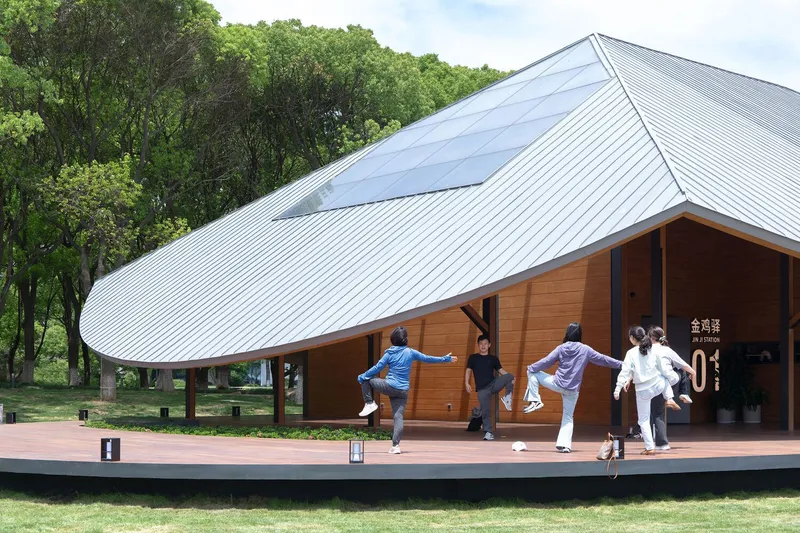
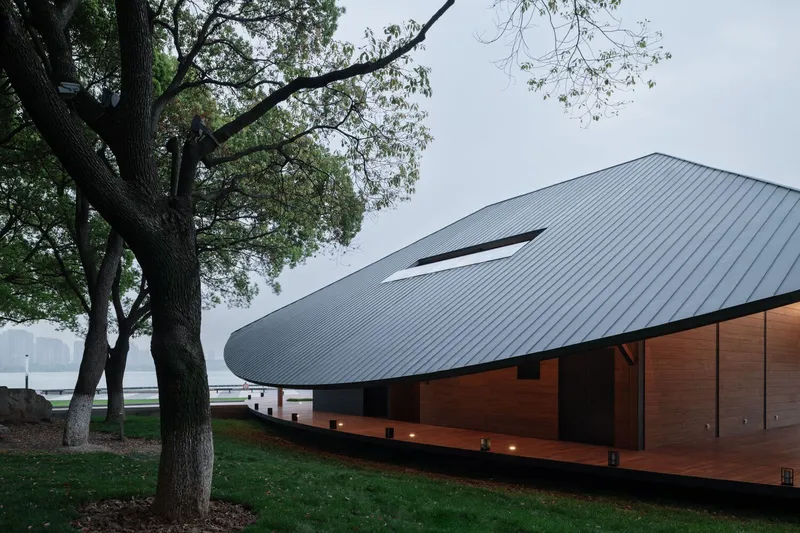
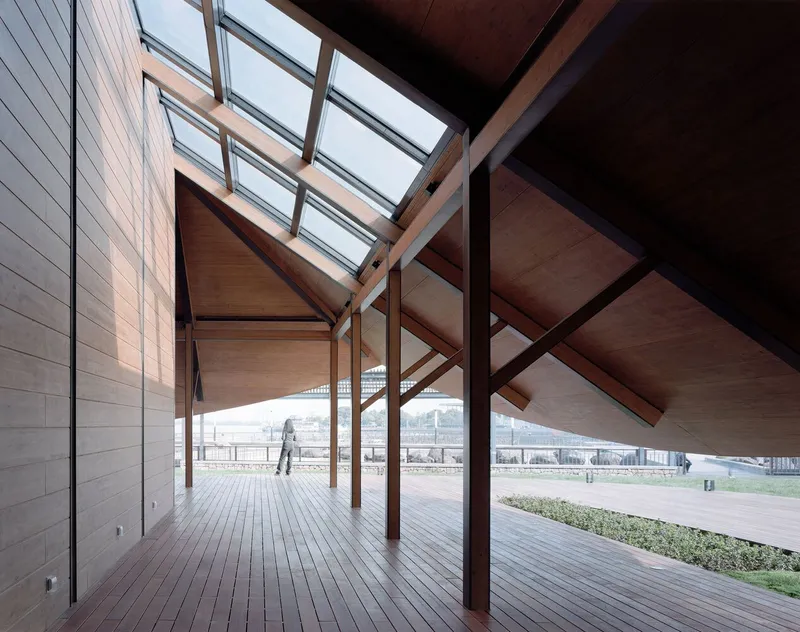
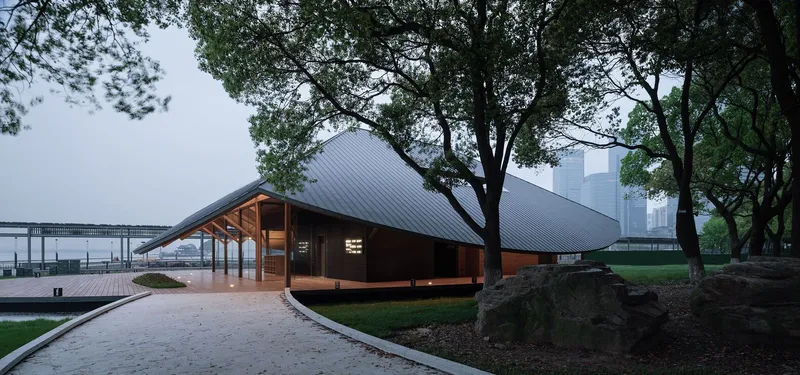
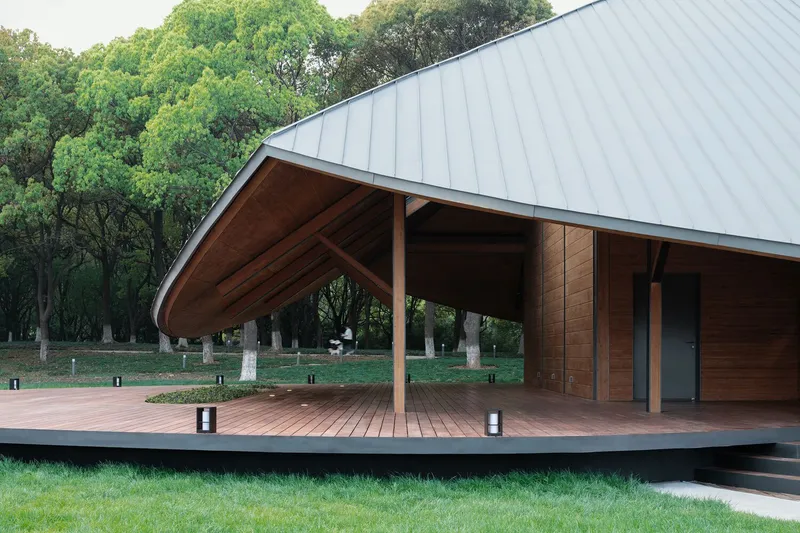
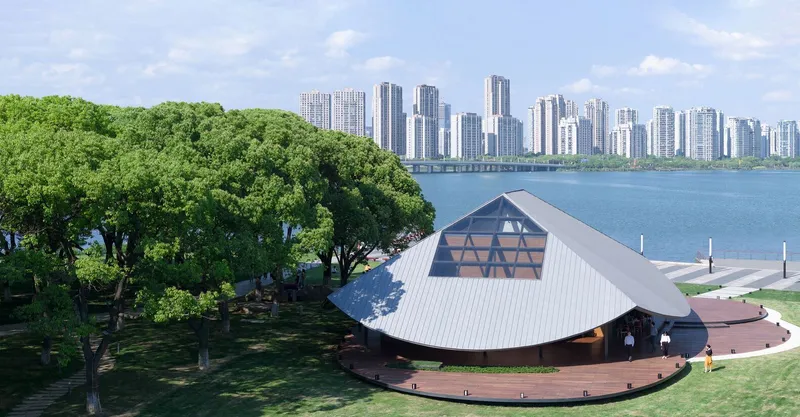
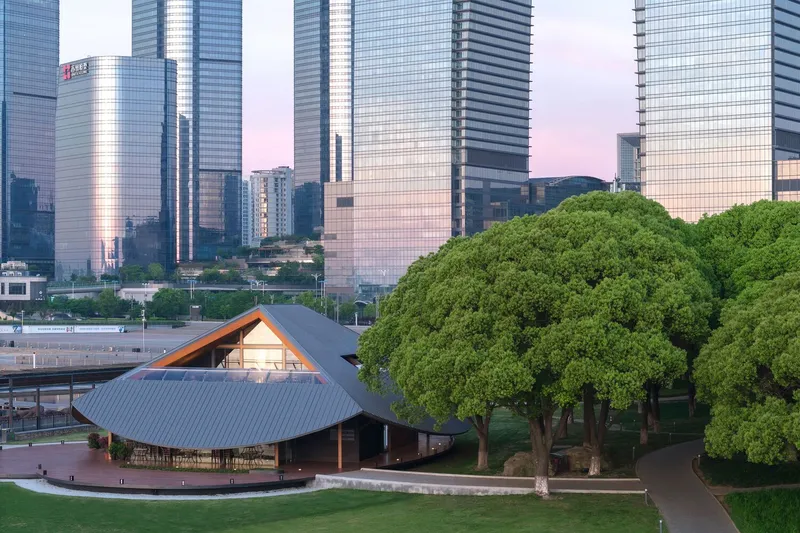
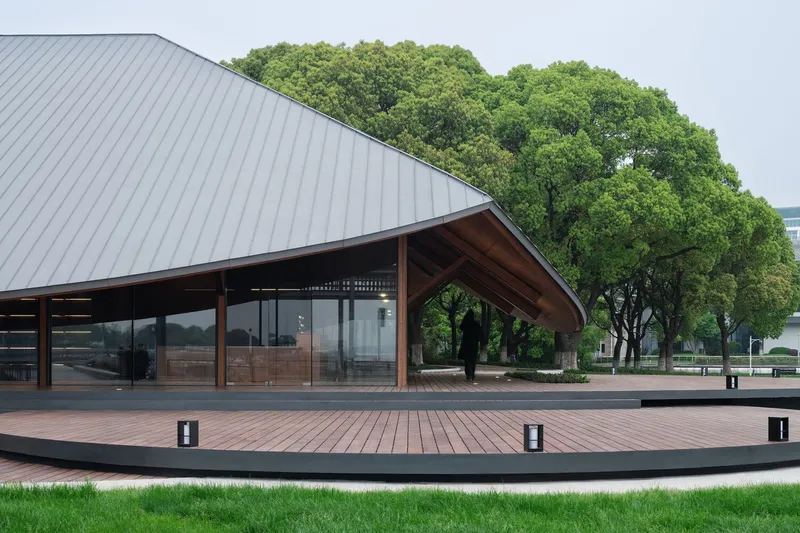
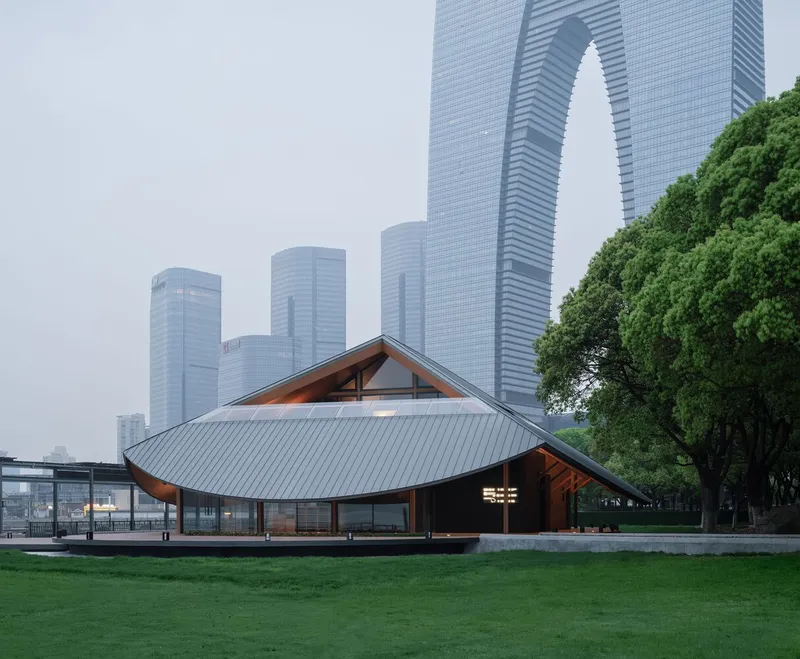
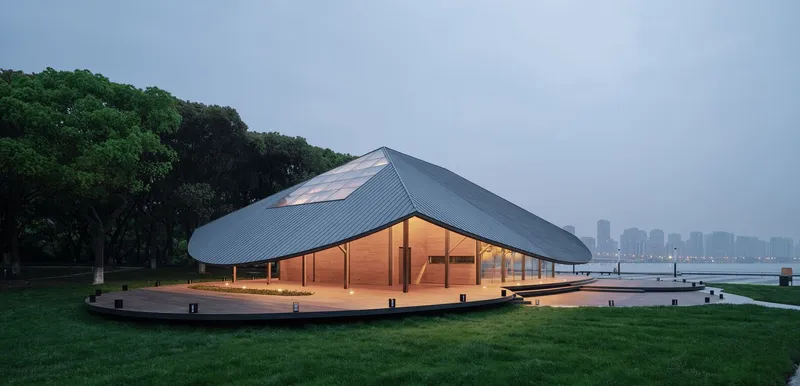
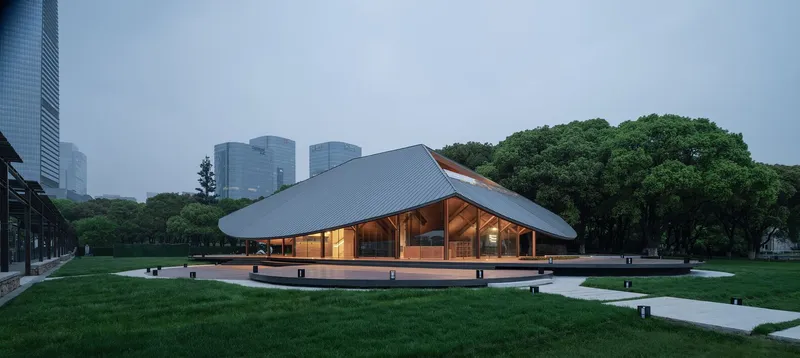
The Wooden Cabin Pavilion was carefully reconstructed on its original site, honoring the beloved local gathering spot that had fallen into disrepair. The pavilion combines nostalgic warmth with contemporary architectural expression, featuring a pitched roof and gable design elements reminiscent of traditional Suzhou dwellings. Its corners subtly curve upward, forming inviting entrances while maintaining a slightly elevated structure above head height. This design encourages exploration and interaction with the pavilion’s surroundings, enhancing both its functionality and charm.
Integrating Architecture and Landscape
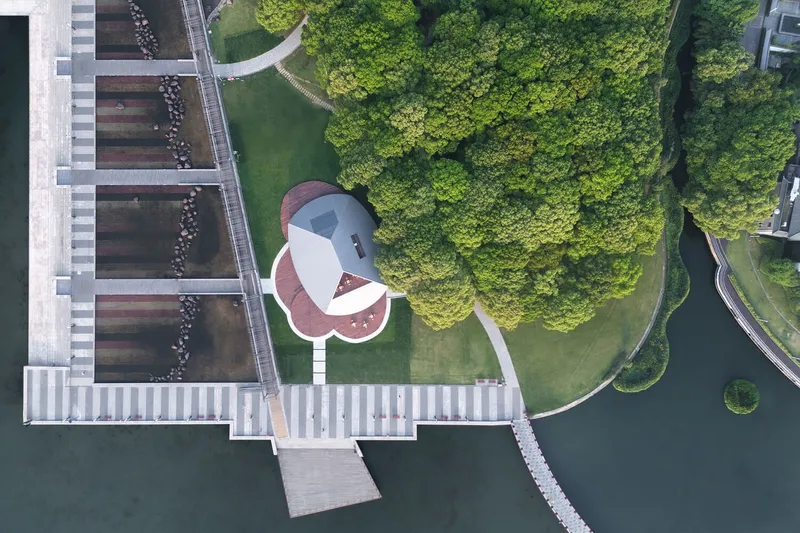
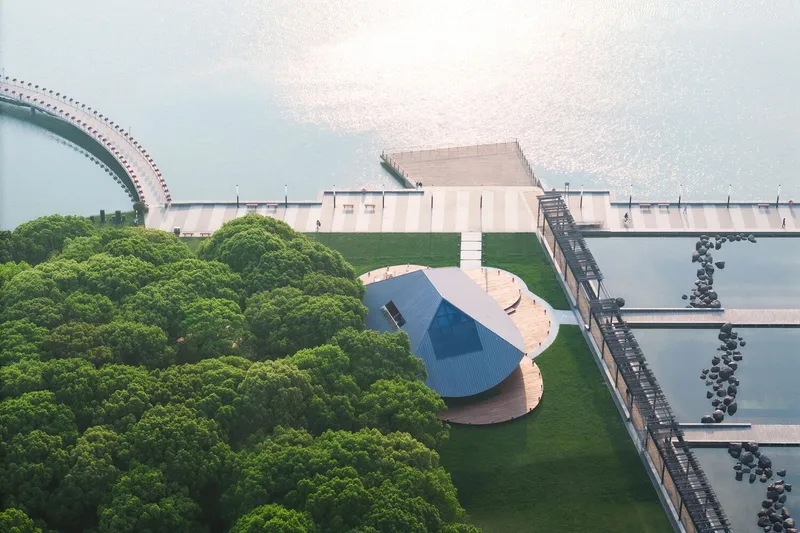
Set on a tiered lawn, the pavilion offers ample outdoor seating while preventing flooding during heavy rains. Wooden platforms echo the lake’s ripples, extending gently from the pavilion’s center. The main entrances on the east and south are marked by granite paths interrupted by grass, emphasizing the pavilion’s independent identity. A secondary ramp from the camphor forest on the north side ensures accessibility, creating a seamless connection between natural and built environments.
A Dialogue with Nature
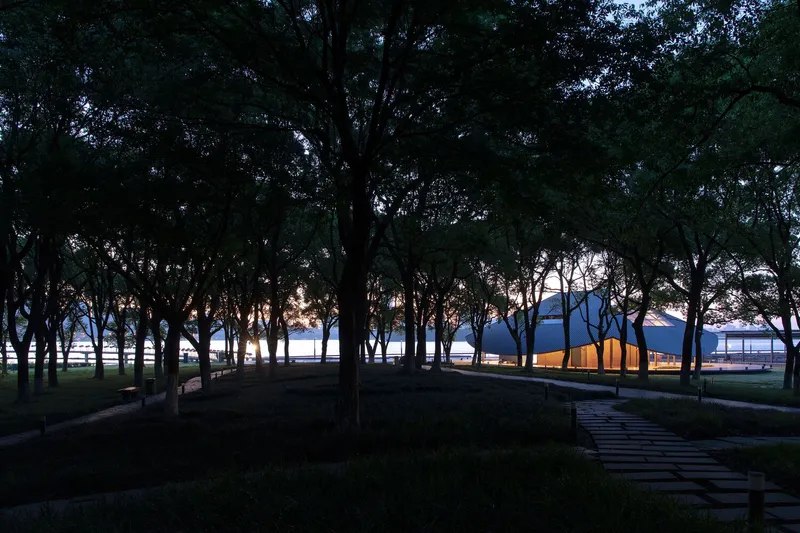
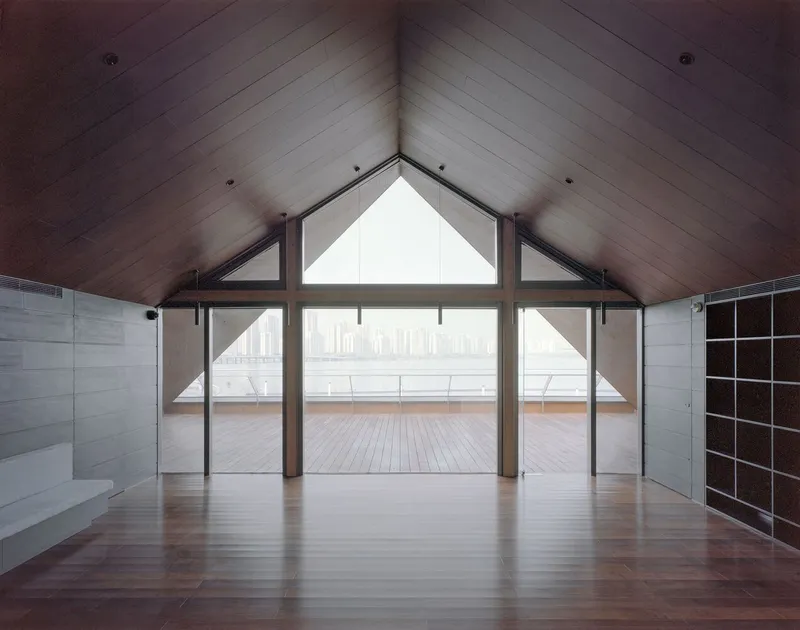
Approaching from the forested north side, visitors follow a meandering path where the pavilion’s metal gray titanium zinc roof peeks through the trees. Low eaves provide semi-outdoor spaces that invite visitors to pause and enjoy their surroundings. The west side opens to a tall, flexible space under a skylight, creating an intimate yet expansive area enclosed by steel and wood structures. The pavilion’s design encourages continuous interaction with the landscape, providing both visual and physical engagement.
Steel Frame, Wooden Soul
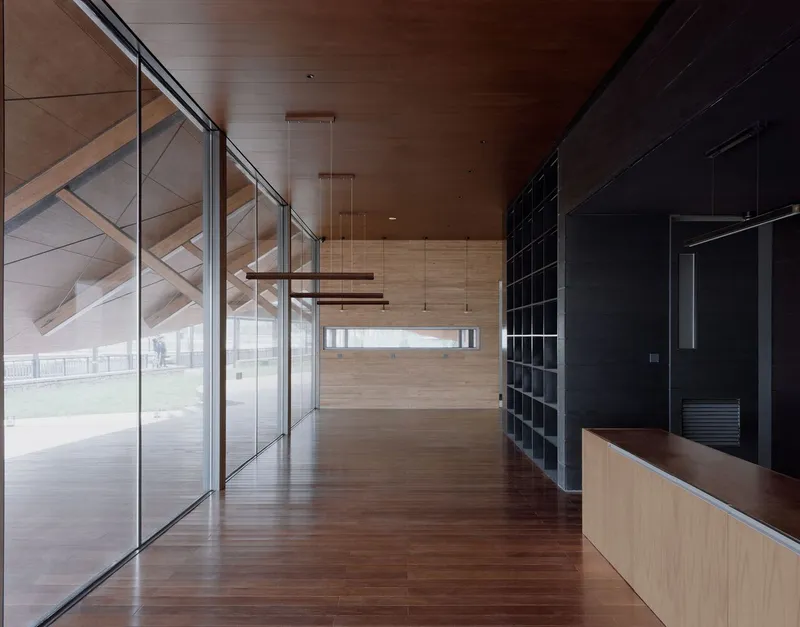
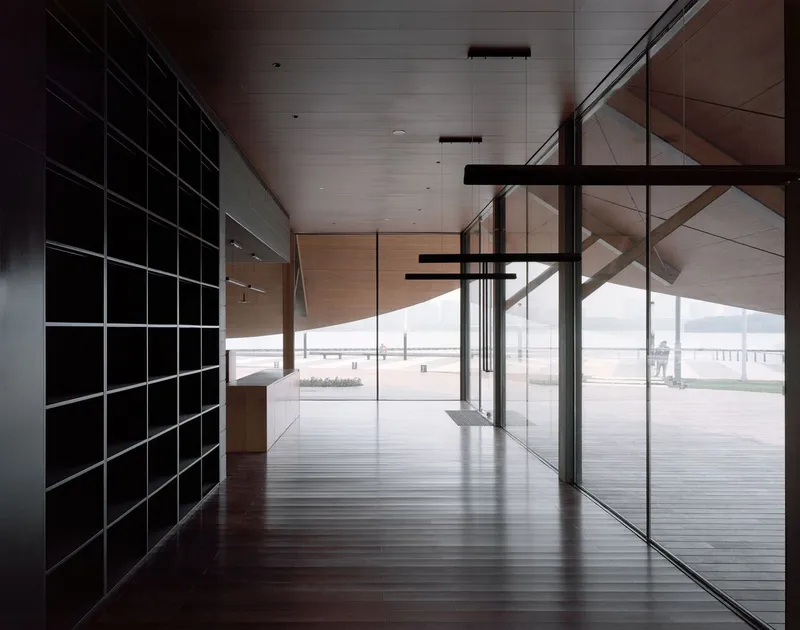
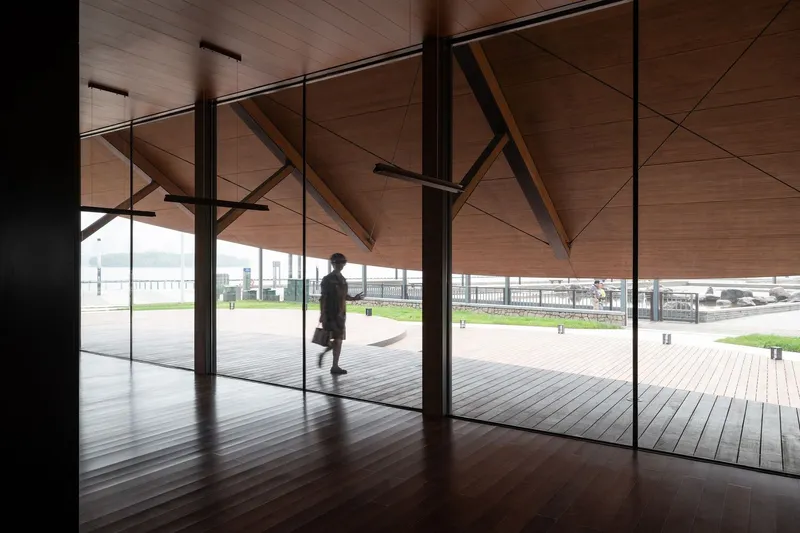
The pavilion’s structural system combines steel frames with wood elements, balancing durability, aesthetics, and load distribution. Steel beams and columns form the skeleton, while CLT panels for floors and NLT roof systems create lightweight yet resilient wooden surfaces. The interior and exterior use high-quality Douglas fir planks, fire-resistant ceiling panels, and Indonesian Merbau flooring, producing an authentic wooden cabin experience. Strategic exposure of steel elements enhances the rhythm of the space, offering a design that feels warm, solid, and inviting.

Lighting and Atmosphere
Lighting plays a crucial role in the pavilion’s ambiance. A three-tiered system includes interior functional lighting, wall washers and ground lights under the eaves, and linear lights along platforms, harmonizing the structure with its natural surroundings. At night, the pavilion glows softly, highlighting the wood textures and creating a magical lakeside retreat.
Public Amenities and Community Engagement
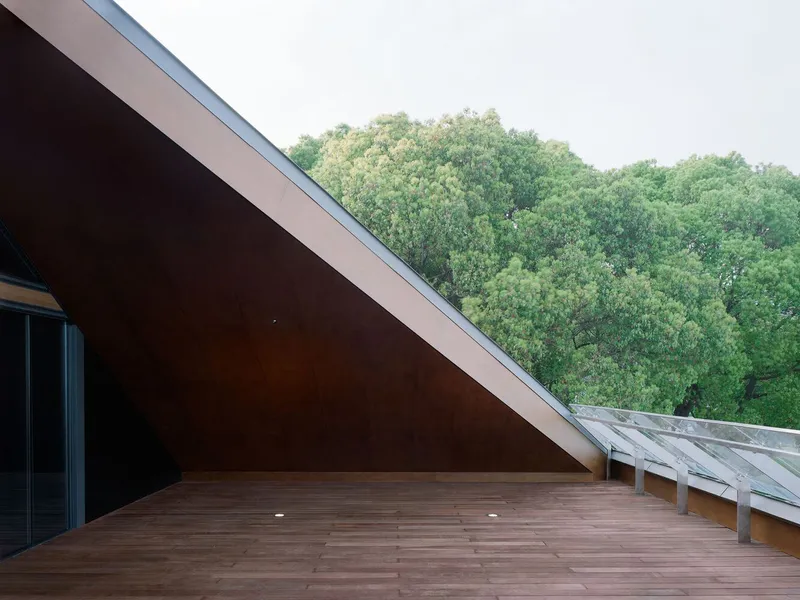
The pavilion spans two floors, primarily housing the illy café. Outdoor seating on the first floor and an observation deck on the second floor provide spaces for relaxation and community interaction. The building also includes public restrooms, family and nursing facilities, wheelchair access, umbrella rentals, and vending machines, ensuring comprehensive service for visitors. The café’s presence and thoughtful public amenities have revitalized the site, making it a vibrant and welcoming lakeside hub.
A Landmark for the Future
From careful design planning to precise construction, the Jinji Lake Wooden Cabin Pavilion embodies the principle of creating a building without regrets. Its combination of heritage preservation, modern architecture, and public utility ensures that it will remain a cherished space for locals and tourists alike, continuing the story of community, memory, and Suzhou’s urban identity.
All photographs are works of
Arch-Exist




Popular Articles
Popular articles from the community

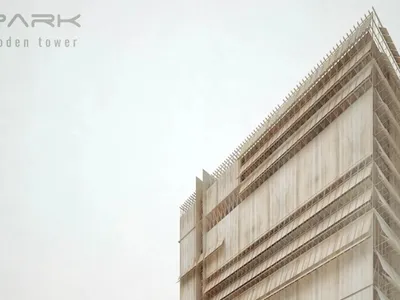
EW PARK: Sustainable Architecture Reimagines the Future of Urban Parking
EW PARK reimagines city parking as a modular wooden tower combining automation, solar energy, electric mobility, and adaptable urban design.

Hill & Cross Opera: Sculptural Opera House Architecture Shaped by Tallinn’s Landscape and Identity
Hill & Cross Opera reimagines opera house architecture in Tallinn through its sculptural hill, civic plaza, glass wave and a luminous cross.

The Ocean Hive: Sustainable Architecture for a Self-Sufficient Civilization at Sea
The Ocean Hive imagines sustainable architecture at sea, where modular habitats, algae, wave power and ocean waste sustain a growing colony.

Co-Life: Senior Housing Design That Reconnects Older Adults With the City
Co-Life reimagines senior housing design through healing gardens, shared streets, workshops, and a sustainable community across generations.
Similar Reads
You might also enjoy these articles

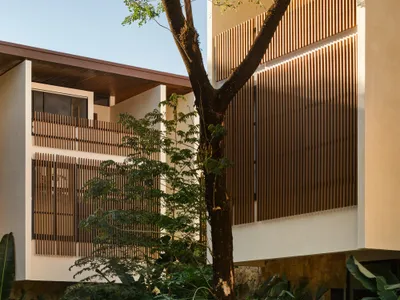
FAMM Arquitectura Organizes Ten Villas Around Courtyards and Jungle in Nosara, Costa Rica
El Molino pairs two elongated volumes with deep overhangs and timber louvers to build a compact coastal community five minutes from the beach.
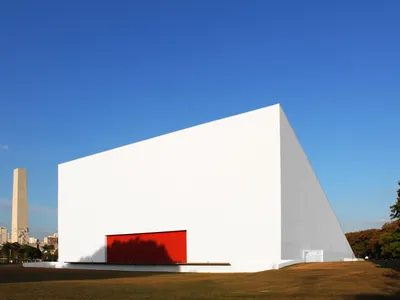
Oscar Niemeyer's Ibirapuera Park Pavilions Define São Paulo's Cultural Identity in Concrete and Curve
A constellation of modernist volumes set within São Paulo's most important urban park, conceived for the city's 400th anniversary in 1954.
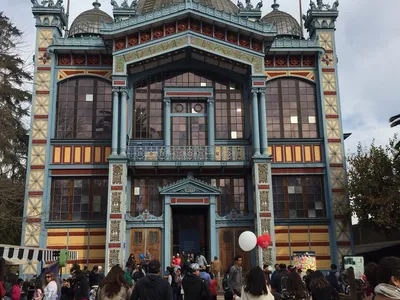
How Henri Picq's 1889 Paris Pavilion Traveled 11,000 Kilometers to Become Santiago's Artequín Museum
A prefabricated iron and glass pavilion built for the Paris Universal Exposition found a second life as a children's art museum in Chile.
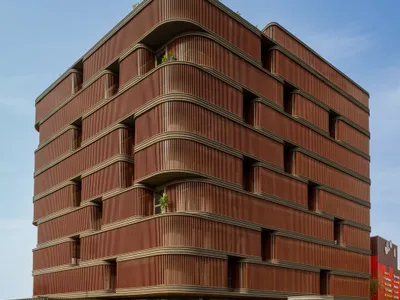
Sanjay Puri Architects Wraps a Jaipur Office Tower in Capsule-Shaped Green Buffers
A nine-level climate-responsive workplace near Jaipur Airport uses stacked planter terraces and aluminium screens to fight 40°C heat.


Explore Sustainable Design Competitions
Discover active competitions in this discipline



Challenge to reimagine the Iron Throne


Photograph architecture without architects


Illustrate the lost glory of Angkor Wat - Render Challenge


Design challenge to reuse E-waste
Comments (0)
Please login or sign up to add comments
No comments yet. Be the first to comment!