
Journal
SOLARIUM
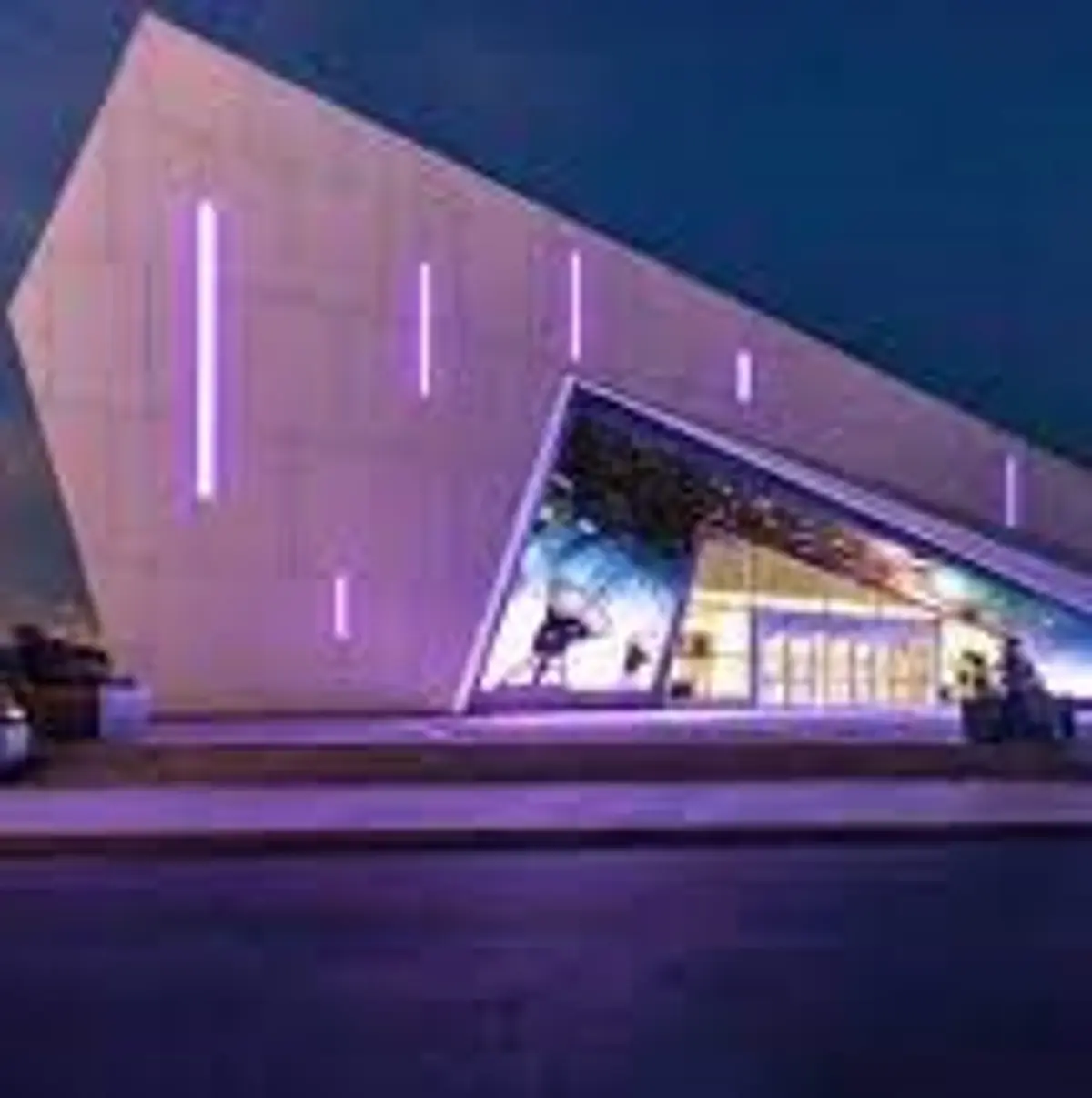
Solarium library is designed in Oslo, Norway, seeking innovation in sustainable design and strategies in a Nordic country, filled with challenges due to its extreme weather conditions.
The implementation of the project arises from the shape of the land, following guidelines that indicate a large access square to the ground floor, which integrates with the existing surroundings. In this way, the surroundings of the land indicate the closest users to the project, which resulted in the program's decision in contemplative and sensorial areas, due to the strong presence of the Norde cemetery; in addition to areas dedicated to study, from more private to informal study spaces, not forgetting the presence of Oslo University hospital Ullevål in the surroundings.
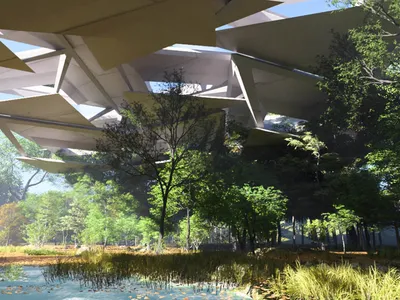
The project is based on the concept of “cave”, to be a shelter for the community, but, at the same time bring the light as the major natural force of the project. Thus, the central patium brings the idea of having nature integrated into the project, just as forests are integrated with Norwegian life.
The Solarium, more than only a library, provides human exchanges, contemplation and relaxing activities, through a dynamic layout, enabled by the arrangement of books on fixed walls, leaving the remaining spaces free to be occupied and transformed according to the user's needs in space. The predominant use of the basement guarantees the protection of books from direct sunlight, in addition to providing thermal comfort in the mild summers and harsh winters of Oslo,increasing the concept of cave and shelter.
The materiality, adapted to answer the climatic conditions, reinforces the proximity to nature and the use of local materials. Demolition wood is applied in the interior space as a strategy to welcome the human scale and bring the strength of the forest. The roof is made of recycled concrete, an affordable and sustainable material, reinforcing, with pure and simple lines, the Nordic mountain landscape.
Renewable energy systems permeate the lineary through a large garden when accessing the project, in addition to proposing water capture systems, cross ventilation, recycling and waste collection area and photovoltaic panels. Therefore, the sunlight, a key element of the project design, is represented by a large central patium, which provides a unique way of perceiving light in the space, exposing textures, colors and movement and infiltrating life throughout the interior.

Popular Articles
Popular articles from the community


Jaramillo Van Sluys Arquitectura and Urbanismo Turn a Demolished Registry Lot in Quito into an Orchard Plaza
In Quito's Centro Histórico, a 2,800 m² plaza exposes the San Agustín convent wall and redraws its lost Augustinian orchard in volcanic stone.

David Macias Steps a Doorless Stone and Plaster House Down a Tropical Colombian Hillside
In the humid hills of Colombia, Threshold House replaces the front door with an open void and terraces its 850 m² down the slope instead of fighting it.

longwave studio Reorganizes a 112 m² Tainan Apartment Around the Daily Routines of a Family and Two Cats
In Tainan, Taiwan, birch plywood, rust-red furniture and a freestanding plaster wall link arrival, storage, work and family life in one apartment.

U.GA Architects Wraps an Oval Rooftop Pool in Curved Board-Formed Concrete on Busan's Jeollidan-gil
In Busan's Jeonpo-dong, a 454 m² mixed-use block stacks a neighborhood facility, guest rooms and an oval rooftop pool inside spiraling concrete walls.

Similar Reads
You might also enjoy these articles

The Rhythm of Seasons
A Farmers' Market Connecting Nature and the City

More Than a Building-Designing a Living System
More Than a Building-Designing a Living System
Base Beyond
DESERT COMPOUND ARID: TOURISM OF ABSENCE AND ABUNDANCE

Explore Public Building Competitions
Discover active competitions in this discipline


Challenge to design locus for the upliftment of human rights

Design challenge to reuse E-waste
Comments (0)
Please login or sign up to add comments
No comments yet. Be the first to comment!