
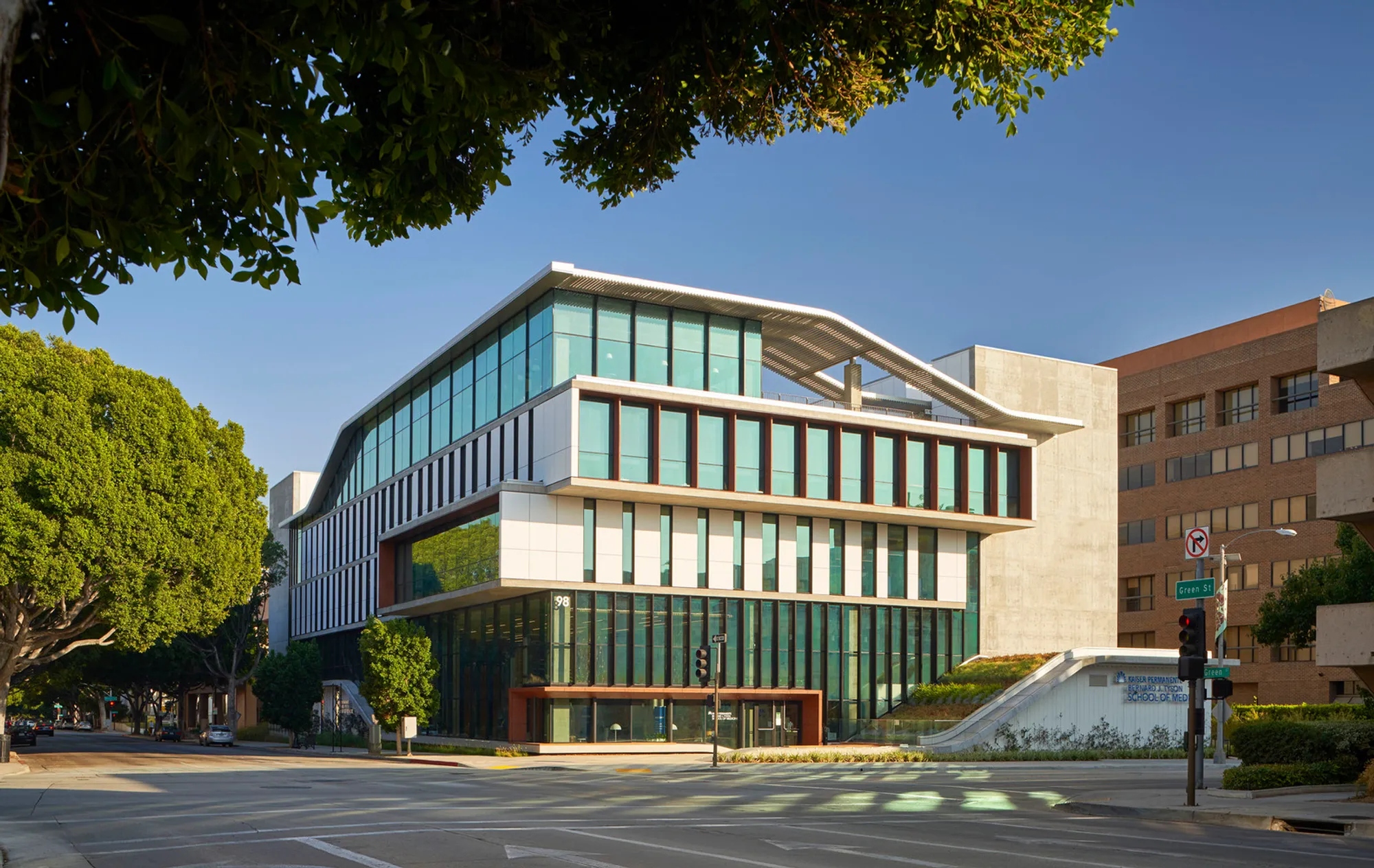
Kaiser Permanente Bernard J. Tyson School of Medicine by Yazdani Studio of CannonDesign
Innovative vertical campus integrating simulation labs, flexible learning, and wellness spaces, redefining urban medical education for future healthcare leaders.


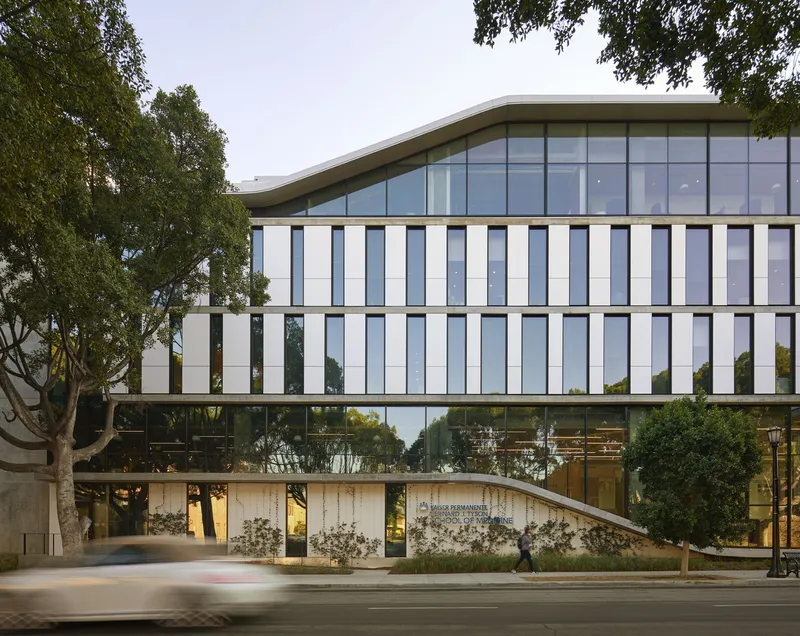
The Kaiser Permanente Bernard J. Tyson School of Medicine in Pasadena marks a groundbreaking shift in how medical education environments are conceived. Designed by the Yazdani Studio of CannonDesign, the 80,000-square-foot building consolidates an entire academic ecosystem into one vertically organized, urban structure.
This project was envisioned by Kaiser Permanente—one of the nation’s leading healthcare providers—as a radically new model of medical education, designed to empower future physicians not only in clinical skills but also in leadership, wellness, and social responsibility.
Rethinking the Medical School Typology
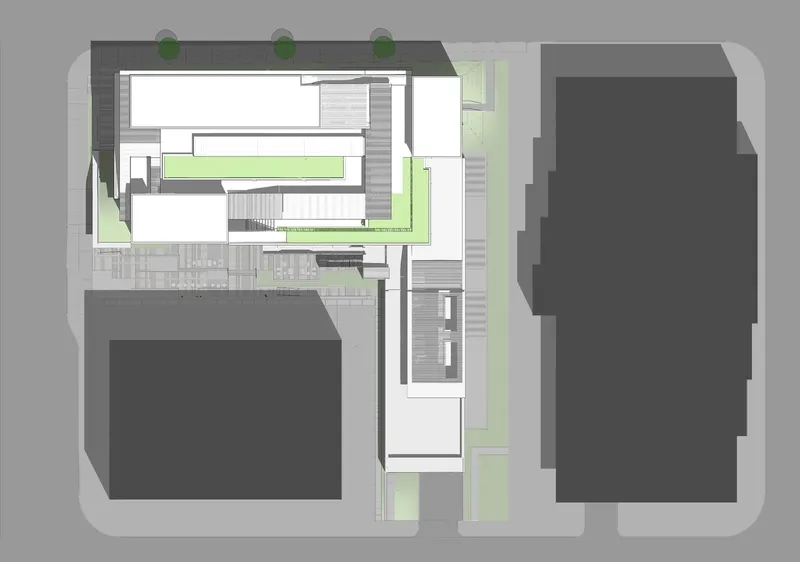
From Campus to Vertical Integration
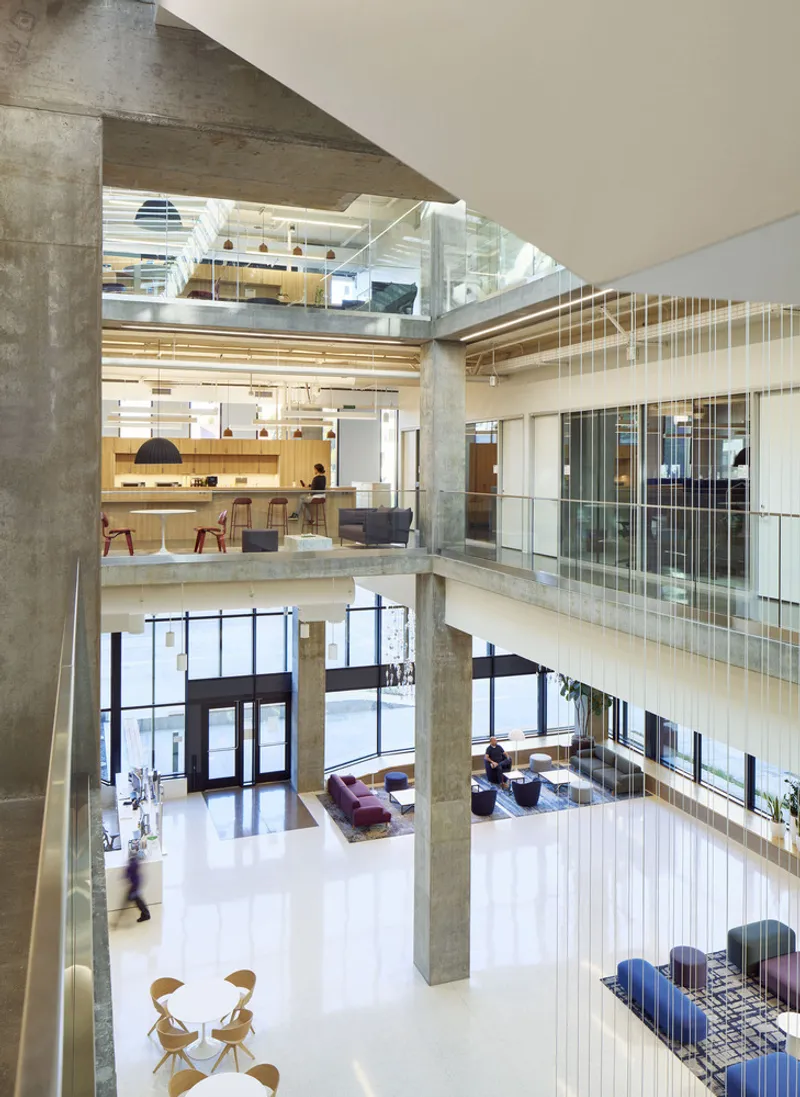
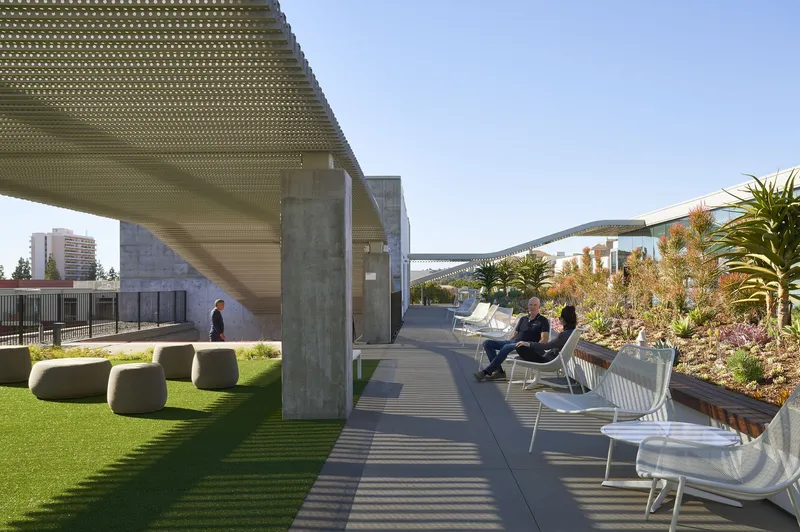
Traditional medical schools are typically dispersed across expansive campuses. In contrast, this design offers “a campus within a building”, a vertically stacked environment that houses:
- Simulation laboratories
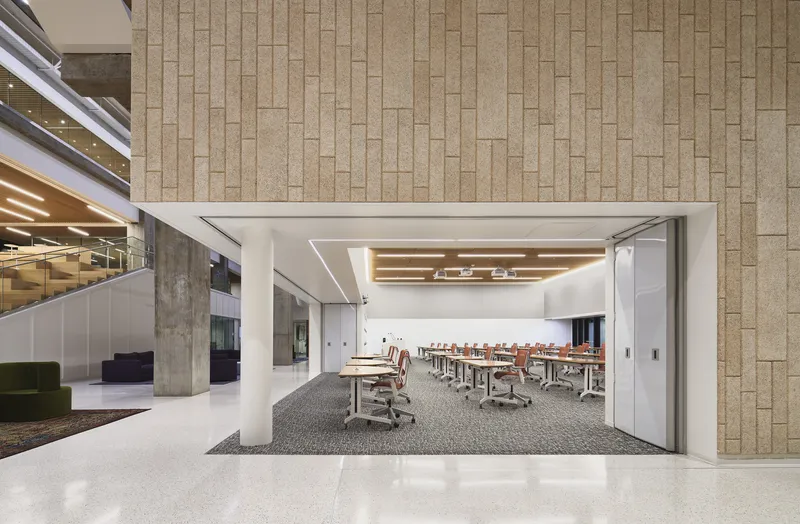
- Flexible learning classrooms
- A lecture hall
- Small-group discussion spaces
- A cafeteria and dining commons
- A computer center
- Outdoor terraces and recreation zones
This compact yet comprehensive layout redefines the notion of academic infrastructure in urban healthcare education.
A Student-Centric Learning Ecosystem
Flexible, Hospitality-Inspired Spaces
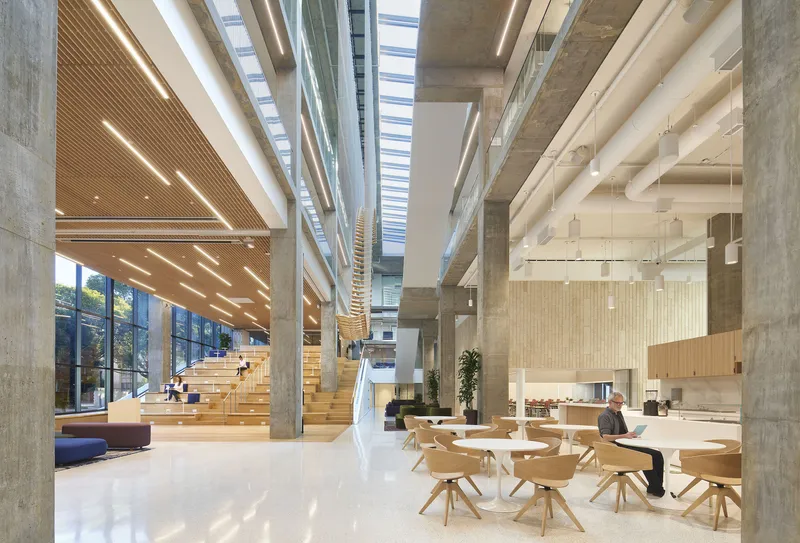
More than 50% of the building’s program is devoted to student life and flexible use—a stark contrast to the 8–18% found in conventional schools. The design prioritizes:
- Meditation and wellness rooms
- Fitness and workout spaces
- Quiet study zones
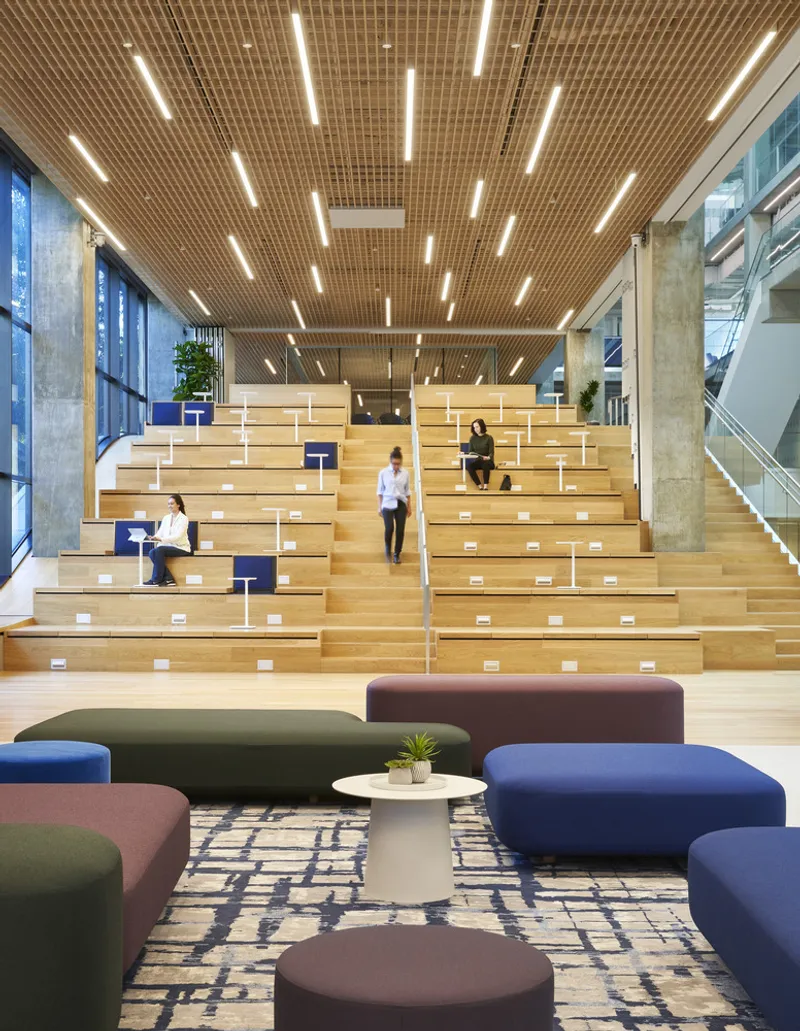
- Collaborative lounges and breakout areas
This student-focused approach not only supports academic success but also encourages emotional well-being, mindfulness, and balance.
Designing for Innovation and Wellness
Materiality and Sustainable Design
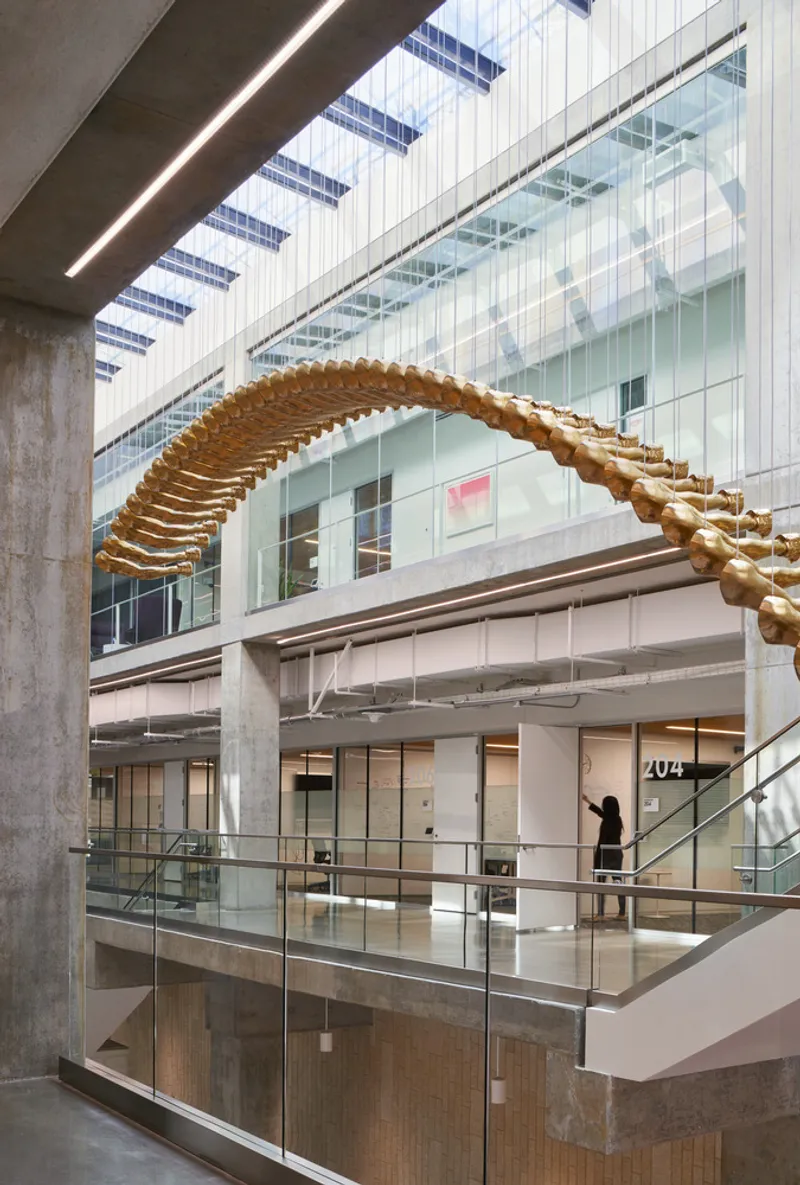
The building features durable, high-performance materials including:
- Terrazzo Flooring by Terroxy Resin Systems
- EQUITONE and Alucobond for façade cladding
- BAUX acoustic panels for sound optimization
- Caesarstone and Daltile for high-use interior surfaces
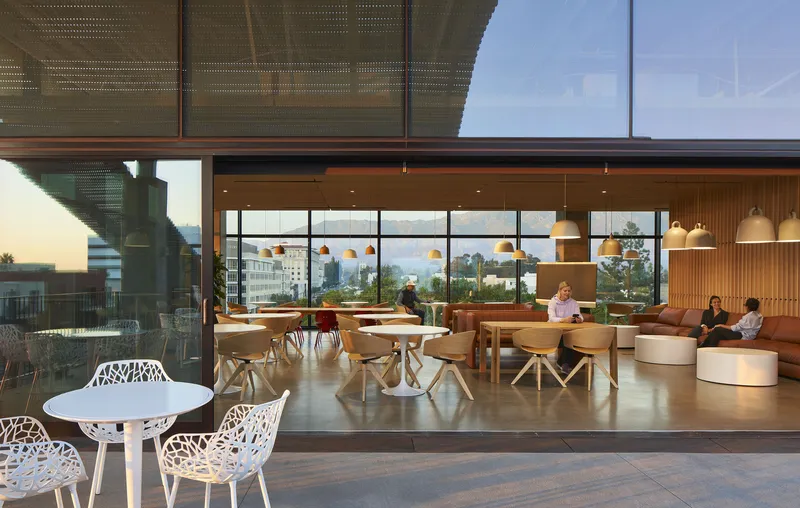
Natural light, warm material palettes, and soft acoustic treatments create an atmosphere of calm, clarity, and professional confidence.
Preparing Future Physicians for a Changing World
Beyond Hospitals: Designing for Society
The architecture reflects Kaiser Permanente’s vision of medicine practiced beyond the clinic—in homes, schools, workplaces, and communities. By positioning the building as a living laboratory, it prepares students to lead with empathy, adaptability, and purpose.
This new environment becomes a model for 21st-century medical education, combining spatial efficiency, digital readiness, and social responsibility into a cohesive architectural statement.
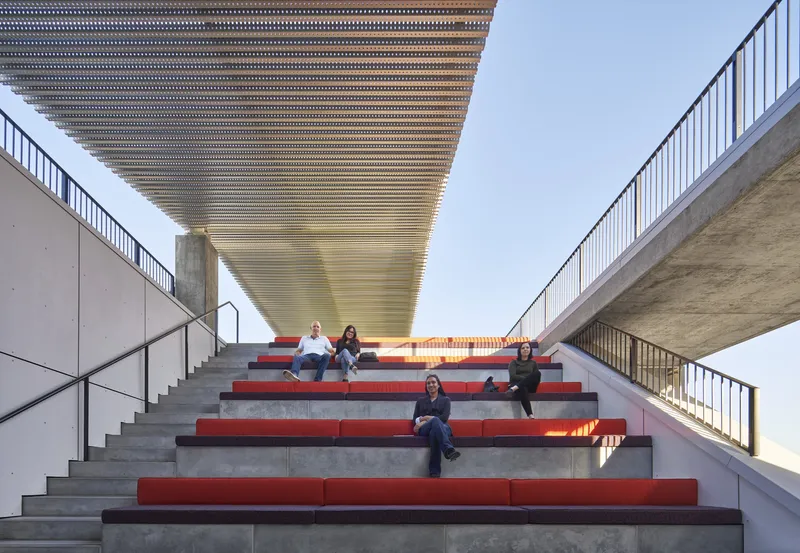
All Photographs are works of Christopher Barrett


Popular Articles
Popular articles from the community


Play: Fragments of Their World
Familiar architecture becomes modular playground design, creating safe spaces where displaced children can learn, connect, imagine and play.

Co-life: Sustainable Architecture for Age-Friendly Community Living
Co-life reimagines sustainable architecture for seniors through courtyards, rammed earth, shared gardens, and spaces designed for belonging.

Co-Life: Senior Housing Design That Reconnects Older Adults With the City
Co-Life reimagines senior housing design through healing gardens, shared streets, workshops, and a sustainable community across generations.

Lunar Spiral: Space Architecture Shaped by the Mathematics of the Universe
Lunar Spiral reimagines space architecture through Fibonacci geometry, lunar regolith, levitating habitats, and self-sustaining Moon living.

Similar Reads
You might also enjoy these articles


Hodi-Mandai Geram
Project Function: Preservation and revitalization of the Intangible heritage and socio-spatial identity of the Hodi by Housing, Cultural Memory Center, Sacred Grove, landscape, local tourism economy


Olio Towers: A Mid-Rise for Performers That Fuses Housing, Rehearsal, and Stage
Located blocks from Houston's Theater District, this modular tower stacks living units around a central performance atrium.

Oasis: Modular Green Housing Carved into Dhaka's Urban Fabric
A shortlisted Plugin Housing entry reclaims unauthorized settlements in Dhaka with stepped concrete volumes, green roofs, and ventilation-driven design.

Black Hole: A Floating Megastructure for the Post-Physical Era
Emiliano Mazzarotto envisions a spherical, self-scaling arena where e-sports, digital hotels, and holographic stadiums replace traditional public space.


Explore Educational Building Competitions
Discover active competitions in this discipline



Challenge to design public laboratory


Challenge to reimagine the Iron Throne


Photograph architecture without architects


Illustrate the lost glory of Angkor Wat - Render Challenge
Comments (0)
Please login or sign up to add comments
No comments yet. Be the first to comment!