
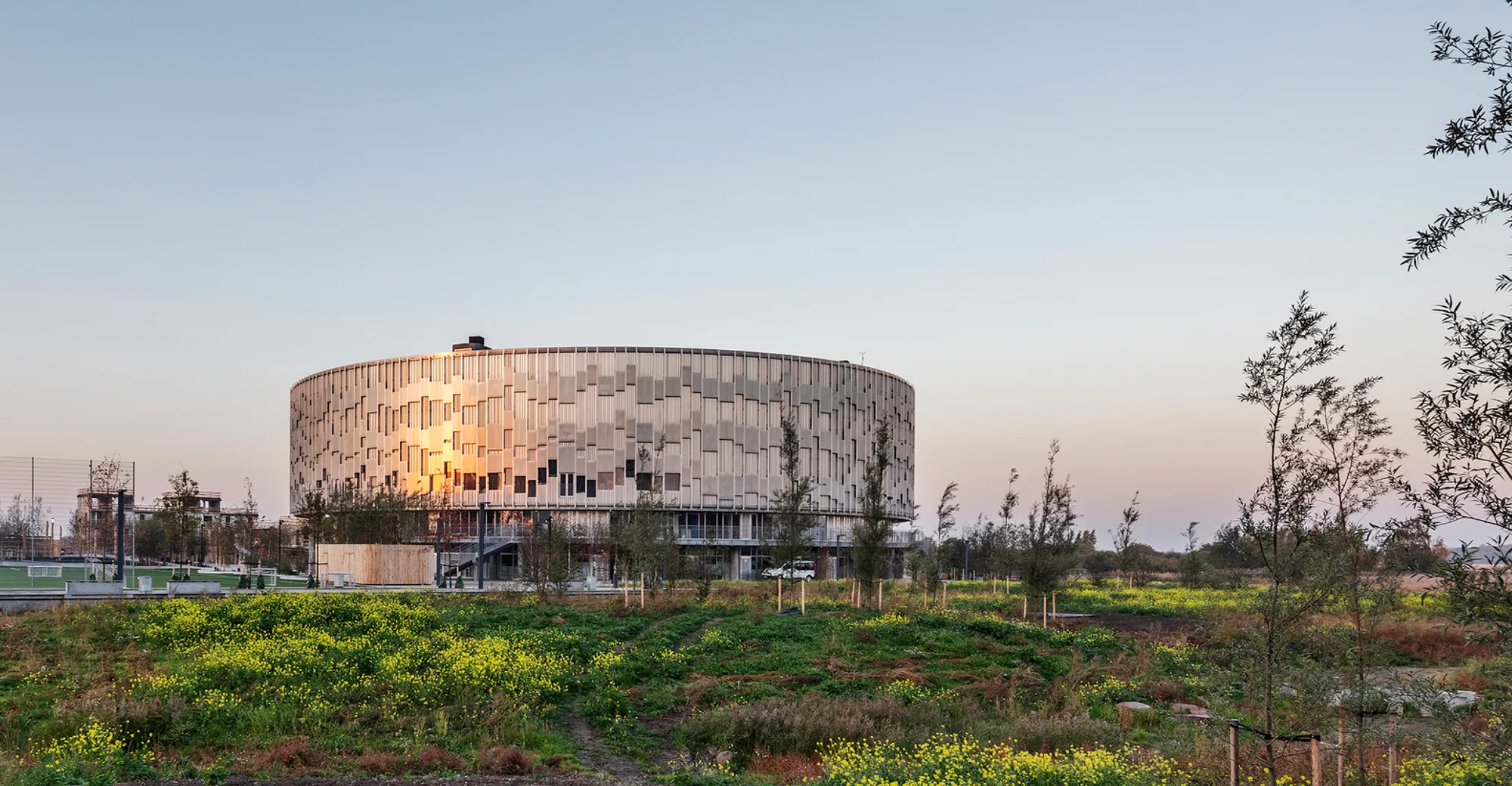
Kalvebod Fælled School: A Landmark of Active Learning and Community Integration in Copenhagen
Kalvebod Fælled School in Copenhagen blends active learning, community engagement, and nature integration, featuring open spaces, a central gymnasium, and sustainable design.


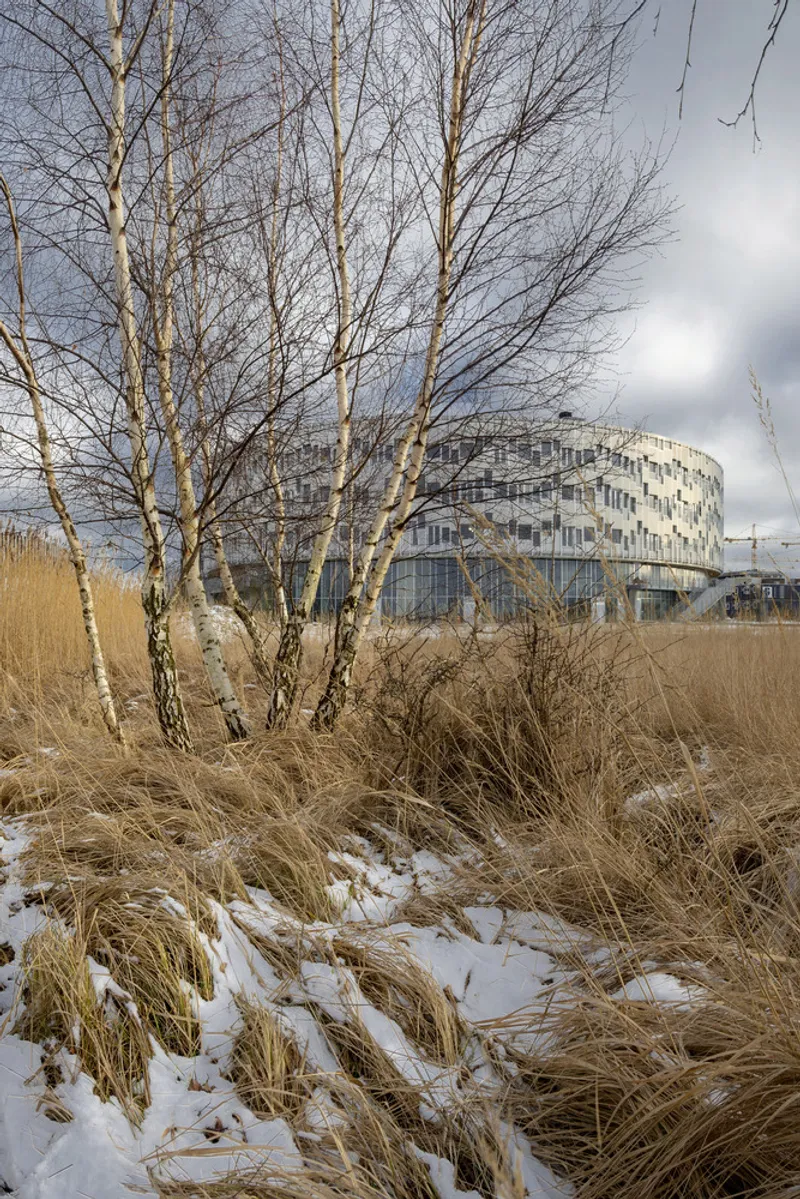
Kalvebod Fælled School, designed by Lundgaard & Tranberg Architects, stands as a model of modern educational architecture, combining active learning, social integration, and environmental sensitivity. Situated in the protected Ørestad South landscape, the school harmoniously bridges the natural surroundings, urban life, and the community’s dynamic social fabric.
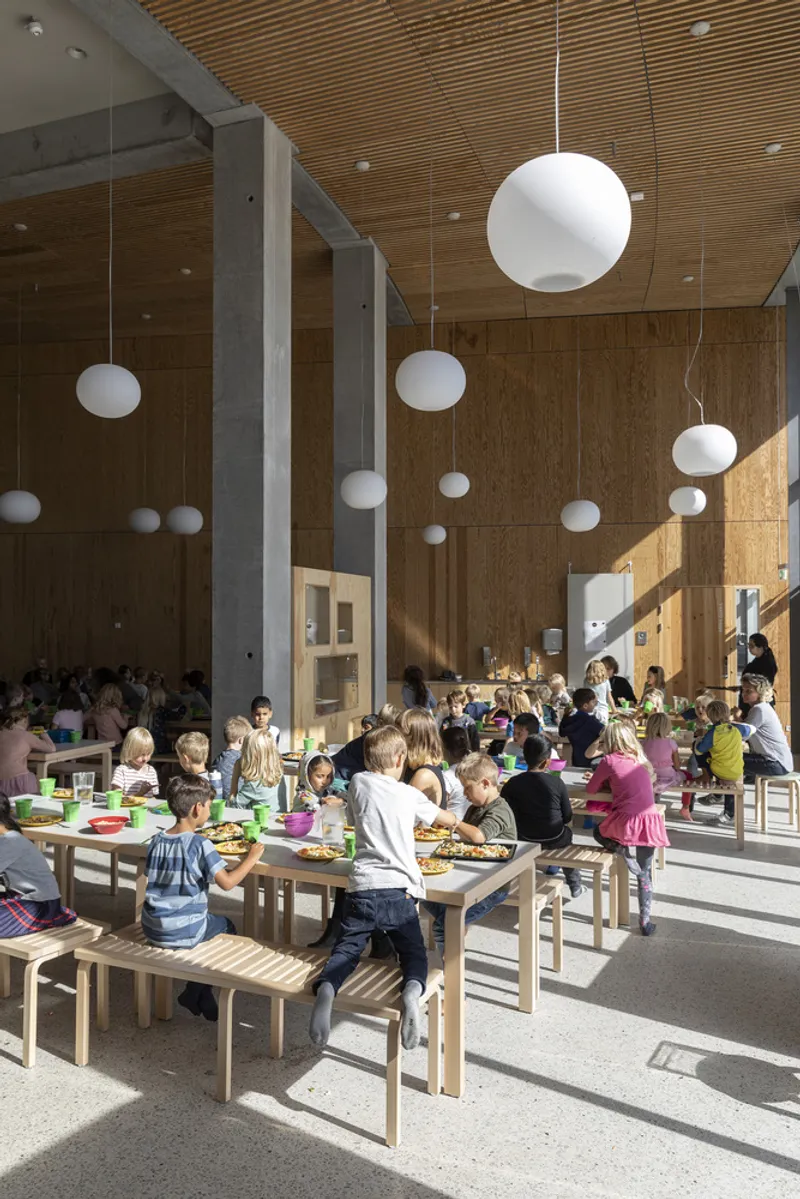
A Social Vision for Lifelong Learning
The design of Kalvebod Fælled School goes beyond traditional classroom boundaries, creating an environment that encourages physical activity, collaboration, and community engagement. The school embodies a social vision where children lead active lifestyles, and learning extends beyond the school day. Its facilities: including classrooms, gymnasium, and common spaces: are intentionally accessible to parents and local residents for sports, courses, and community events. This approach fosters a shared educational and recreational ecosystem, enriching Copenhagen’s local community.
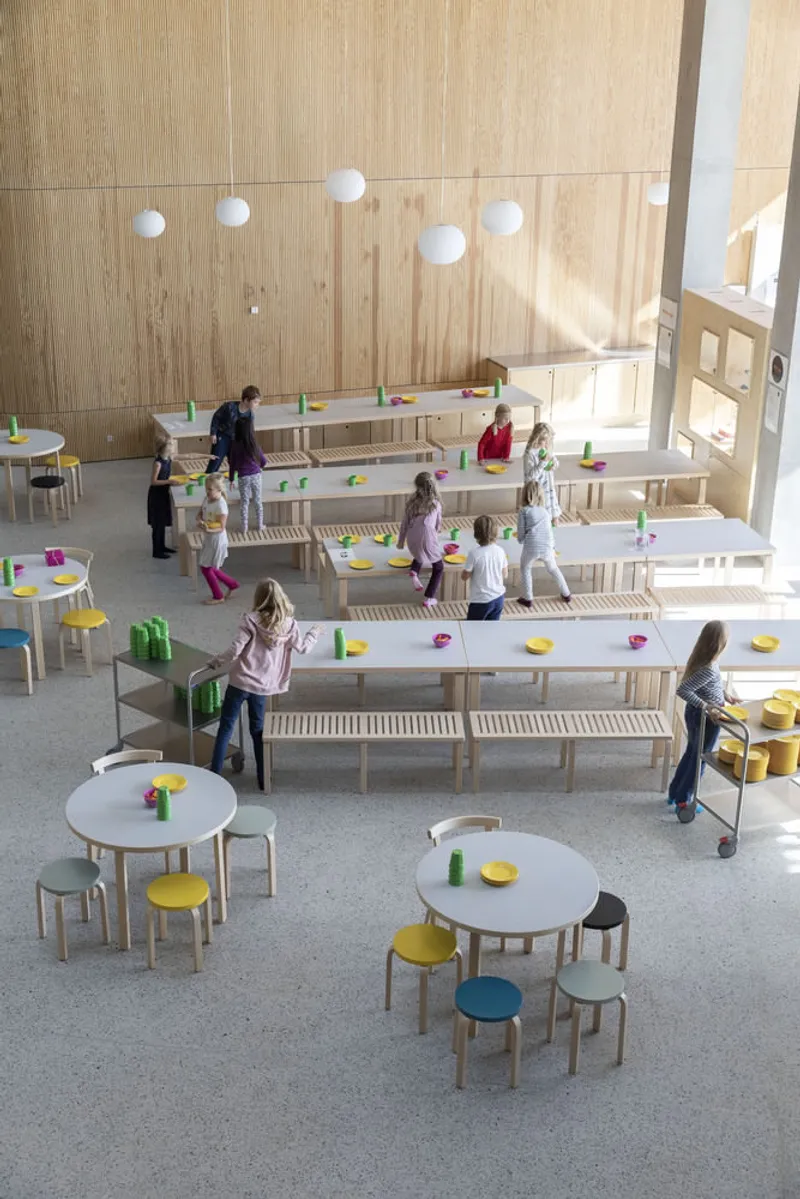
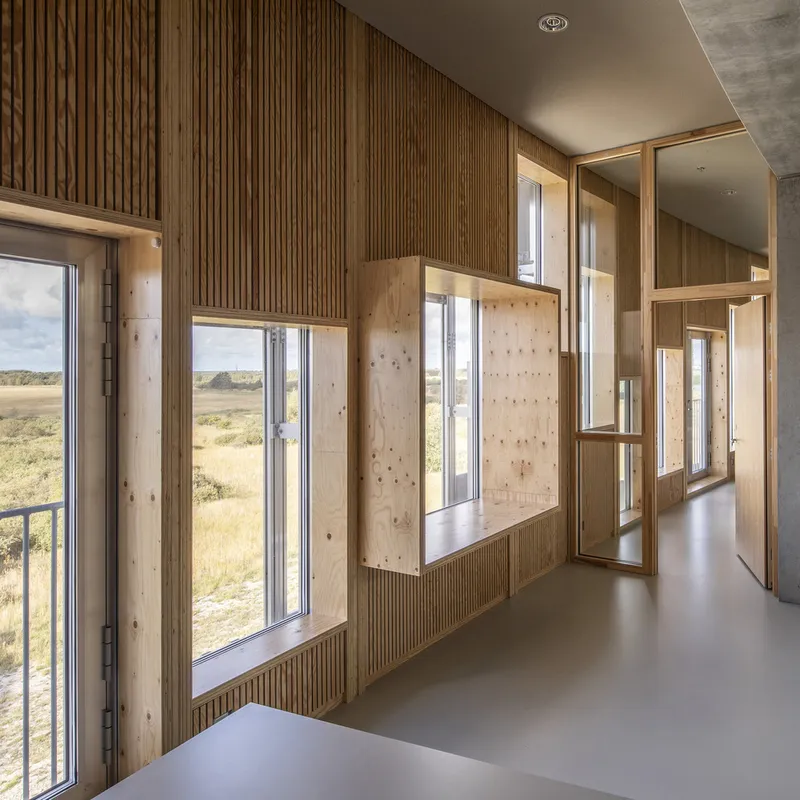
Seamless Integration with Nature and Urban Life
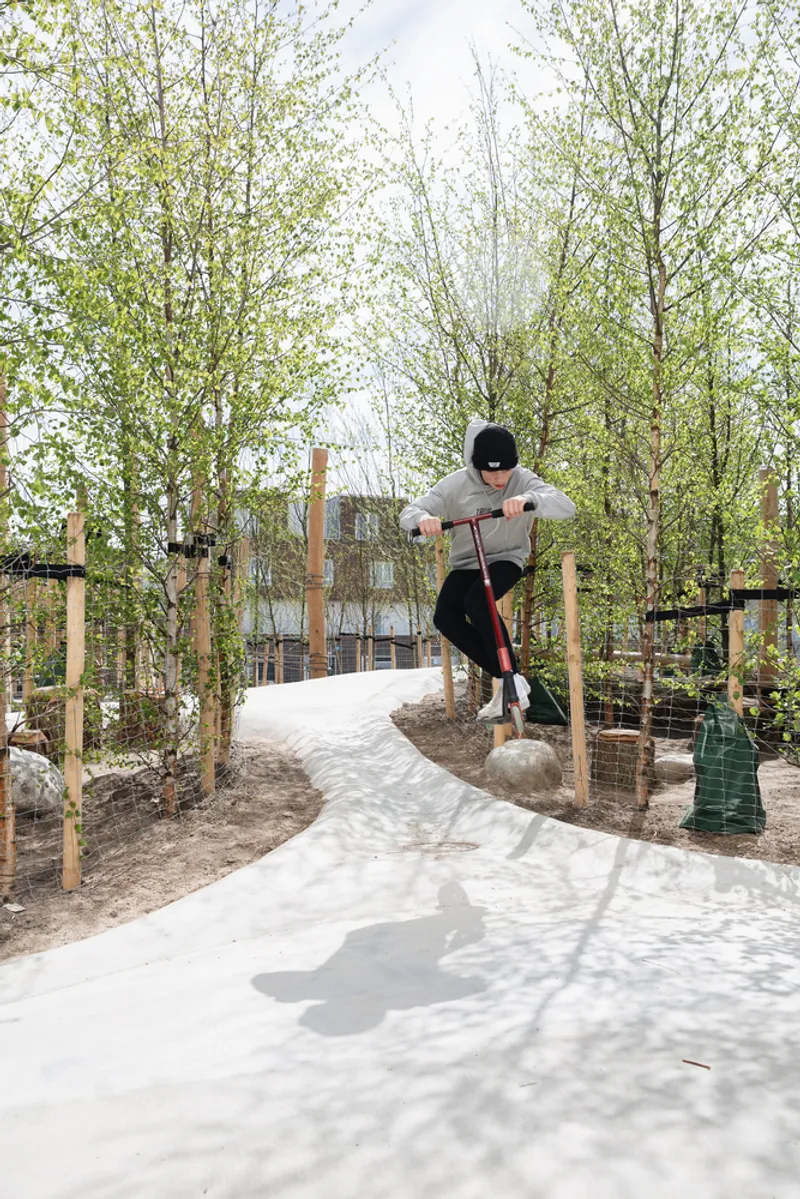
Occupying a site between grazing fields and the city, Kalvebod Fælled School is defined by openness and connectivity. The architects embraced the landscape fully, designing a school without fences or barriers, while maintaining a sensitive balance with its protected surroundings. Polished concrete floors, reflecting the subtle textures of the salt meadow landscape, blur the boundaries between interior and exterior spaces, allowing students to feel continuously connected with nature.
Architectural Design and Spatial Organization
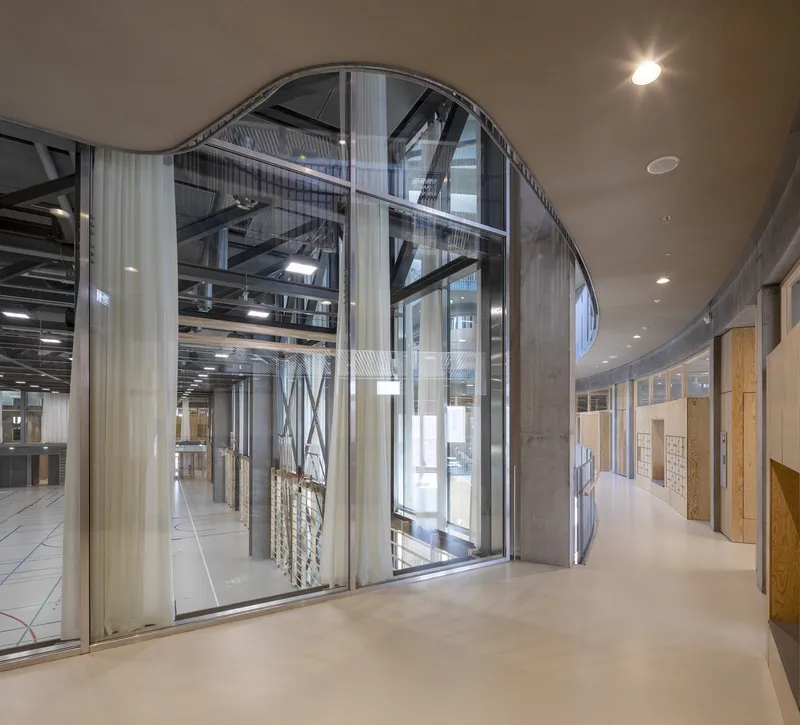
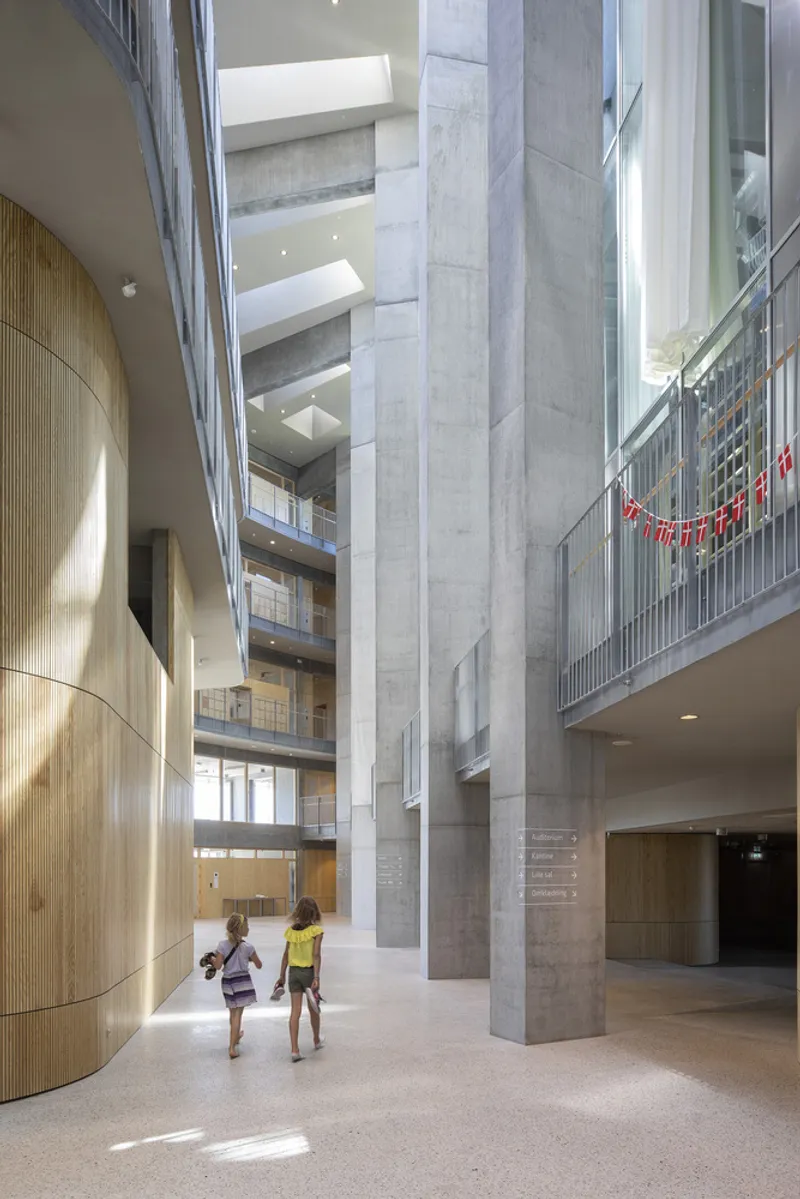
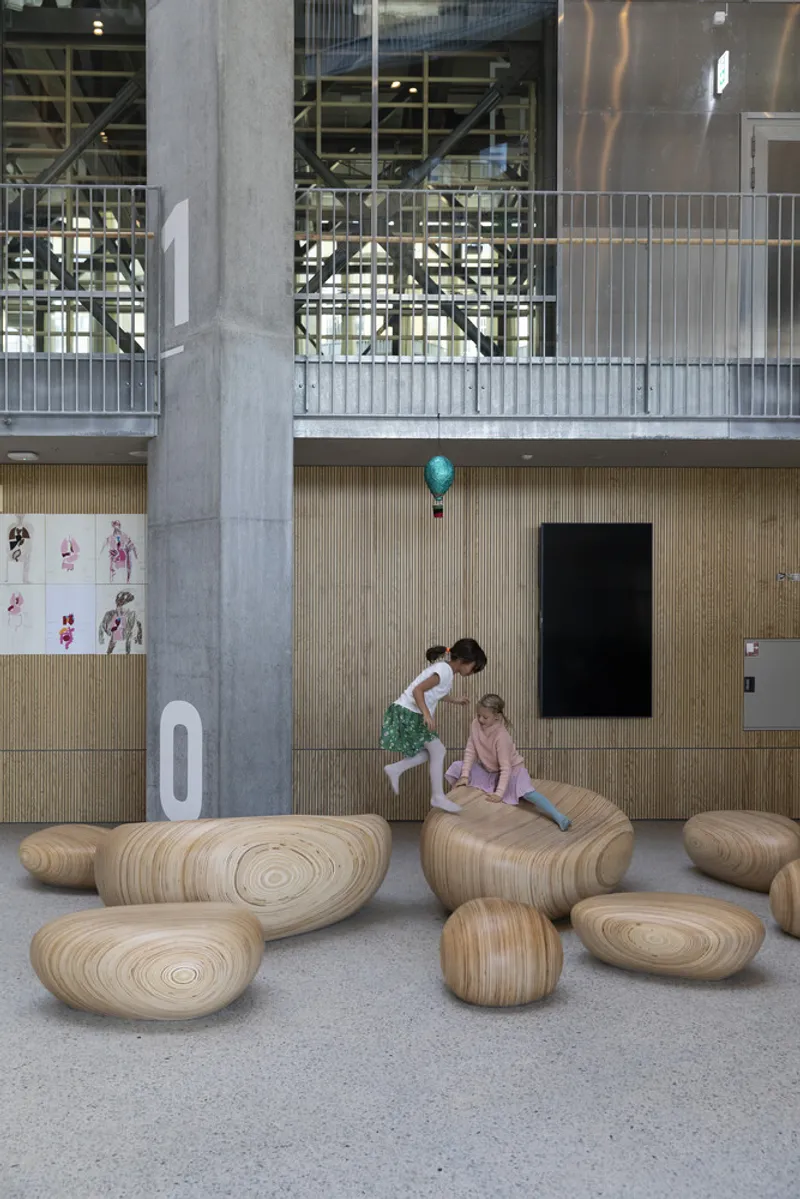
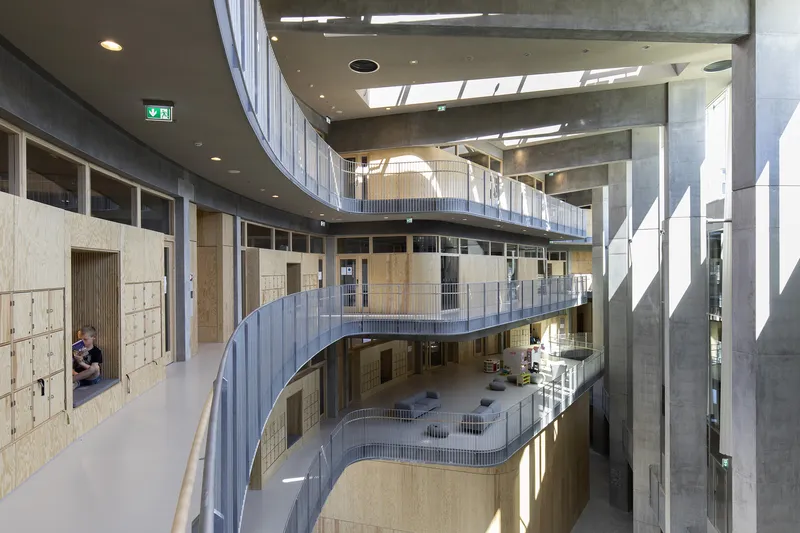
At the core of the building lies a vibrant gymnasium, serving as the energy hub around which the school’s five floors revolve. Surrounding this central space, atriums with exposed concrete columns provide vertical visibility and interaction, linking classrooms, communal areas, and circulation zones.
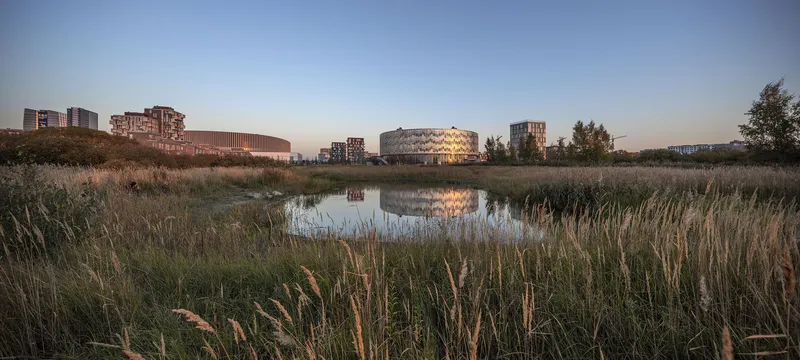
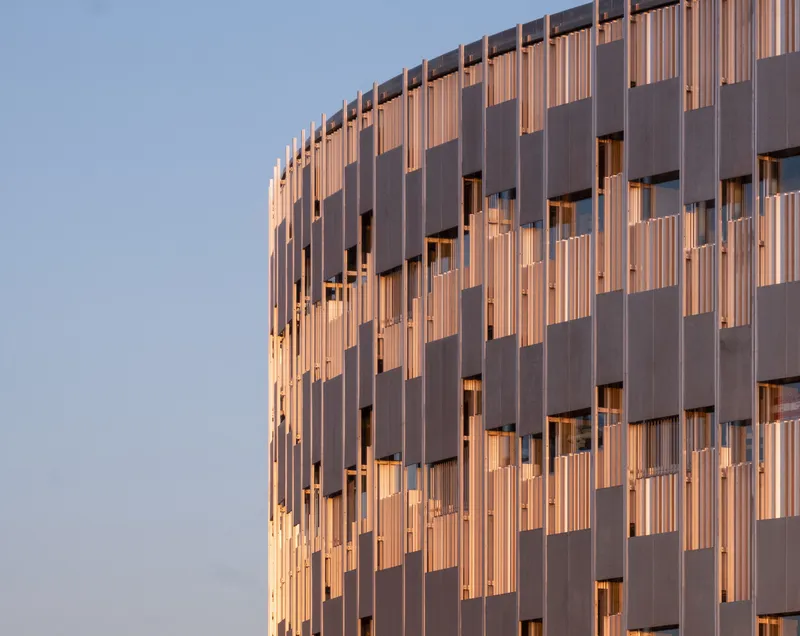
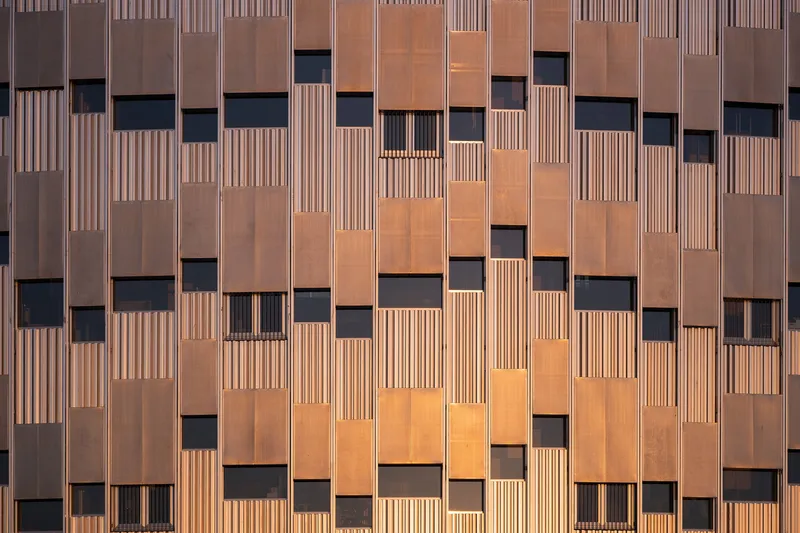
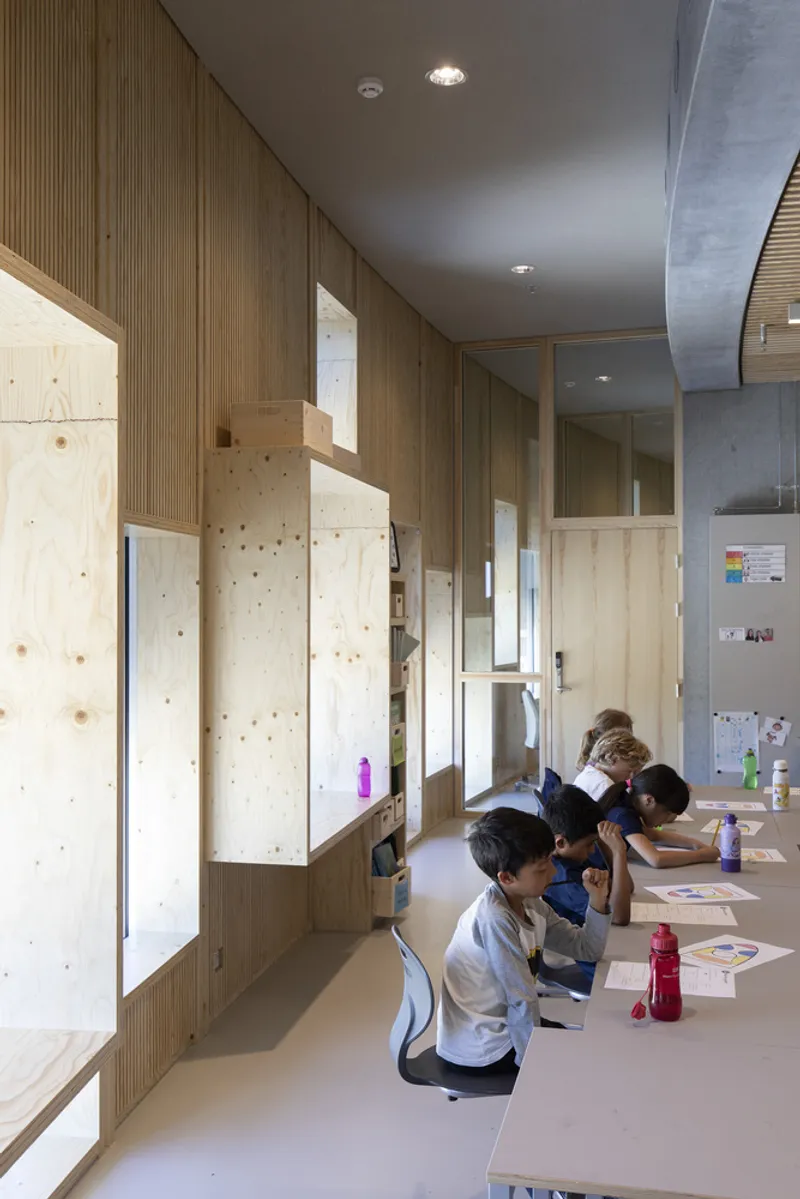
The floor layout is thoughtfully organized: open communal spaces occupy the inner rings near the gymnasium, promoting movement and social interaction, while classrooms line the façade to provide quiet, focused learning environments. This arrangement demonstrates a circular spatial logic, inspired by natural patterns of concentration and dispersion.
Ground Floor and Landscape Interaction
The ground floor connects the school seamlessly with its surrounding landscape and the nearby urban fabric. Outdoor playgrounds and green areas merge naturally with protected fields, while the interior’s reflective materials echo the meadow’s textures. This careful design cultivates a sense of openness and accessibility, fostering interaction between students, staff, and the local community.
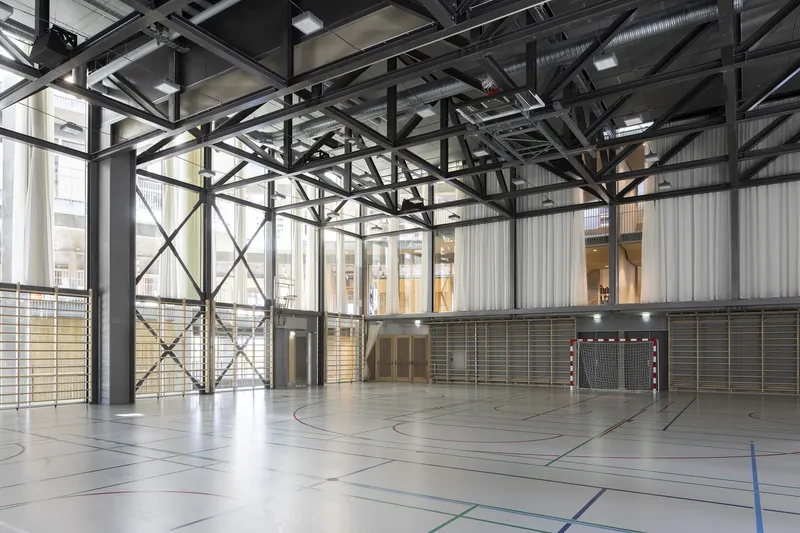
Creating an Inspiring Learning Environment
Kalvebod Fælled School is more than a building: it is a hub of activity, creativity, and social cohesion. By integrating movement, learning, and community engagement, the school sets a benchmark for sustainable and socially-conscious educational architecture. It demonstrates how thoughtful design can enhance well-being, foster lifelong learning, and connect urban communities with nature.
All photographs are works of Torben Eskerod




Popular Articles
Popular articles from the community


The Ocean Hive: Sustainable Architecture for a Self-Sufficient Civilization at Sea
The Ocean Hive imagines sustainable architecture at sea, where modular habitats, algae, wave power and ocean waste sustain a growing colony.

The Musturak Paradise: Senior Living Architecture for a Connected Future in Temara, Morocco
The Musturak Paradise reimagines senior living architecture in Temara via private homes, social spaces, culture, community, and shared care.

Riyadh For All: Intergenerational Urban Design for Active Aging in Rabat
Riyadh For All reimagines urban design in Rabat with intergenerational co-living, adaptive courtyards, and Moroccan cultural exchange today.

The Earth Pod: 3D Printed Homes for Resilient Refugee Communities
The Earth Pod reimagines refugee housing through 3D printed homes made from clay, combining resilience, self-sufficiency, and rapid shelter.

Similar Reads
You might also enjoy these articles


Hodi-Mandai Geram
Project Function: Preservation and revitalization of the Intangible heritage and socio-spatial identity of the Hodi by Housing, Cultural Memory Center, Sacred Grove, landscape, local tourism economy


Olio Towers: A Mid-Rise for Performers That Fuses Housing, Rehearsal, and Stage
Located blocks from Houston's Theater District, this modular tower stacks living units around a central performance atrium.

Oasis: Modular Green Housing Carved into Dhaka's Urban Fabric
A shortlisted Plugin Housing entry reclaims unauthorized settlements in Dhaka with stepped concrete volumes, green roofs, and ventilation-driven design.

Black Hole: A Floating Megastructure for the Post-Physical Era
Emiliano Mazzarotto envisions a spherical, self-scaling arena where e-sports, digital hotels, and holographic stadiums replace traditional public space.

Explore Educational Building Competitions
Discover active competitions in this discipline



Challenge to design public laboratory


Challenge to reimagine the Iron Throne


Photograph architecture without architects


Illustrate the lost glory of Angkor Wat - Render Challenge
Comments (0)
Please login or sign up to add comments
No comments yet. Be the first to comment!