
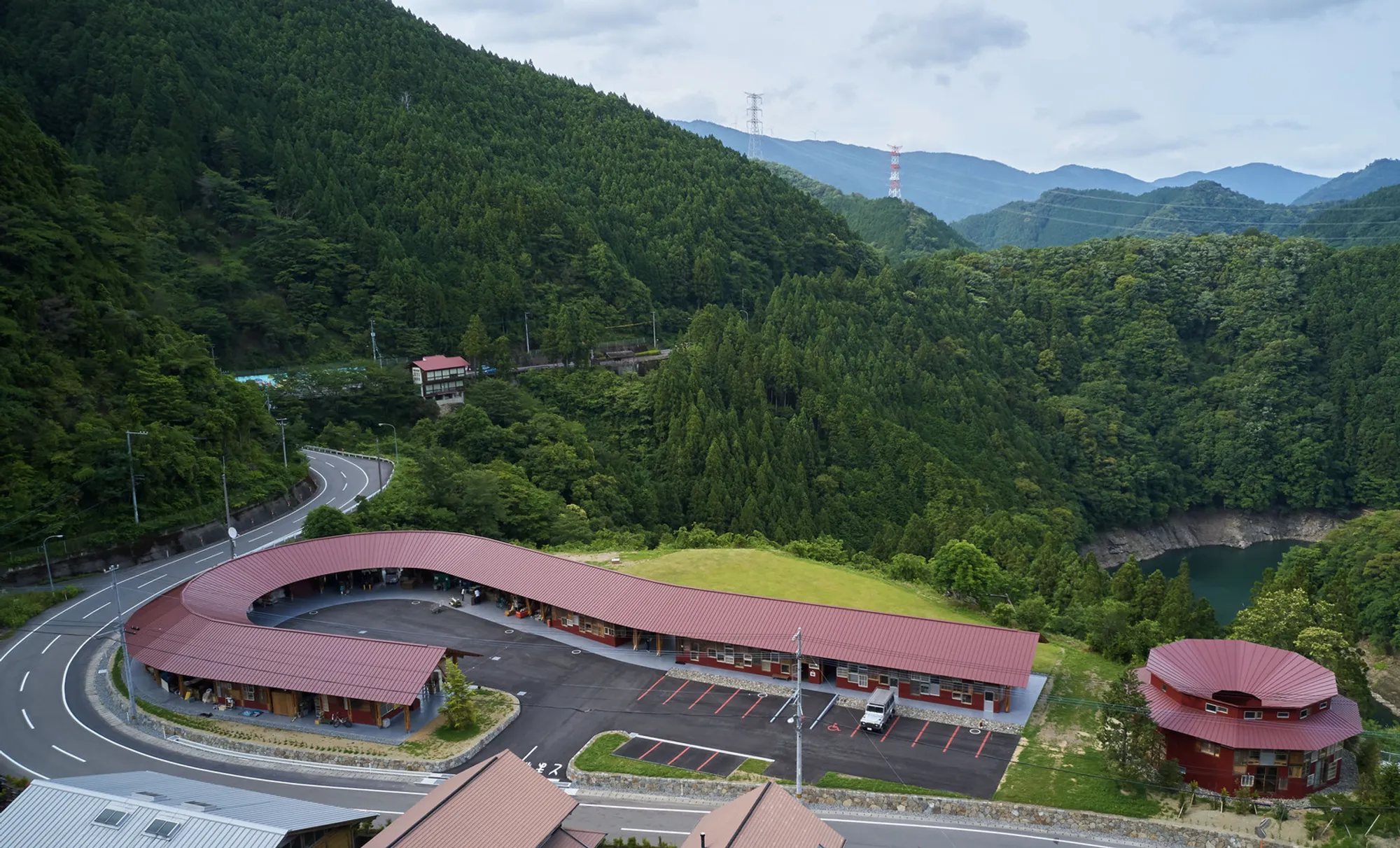
Kamikatsu Zero Waste Center by Hiroshi Nakamura & NAP: A Visionary Model for Sustainable Architecture in Japan
Sustainable community hub in Kamikatsu, Japan, using recycled materials and local timber to promote zero-waste living and education.


Nestled in the mountainous terrain of Tokushima Prefecture, the Kamikatsu Zero Waste Center is a groundbreaking architectural project by Hiroshi Nakamura & NAP that embodies a bold commitment to sustainability, community, and environmental responsibility. Located in the small town of Kamikatsu, which is internationally recognized for its pioneering zero-waste initiatives, this 5,557-square-meter facility is more than just a recycling center—it is a hub for education, innovation, and community pride.
A Town Committed to Zero Waste
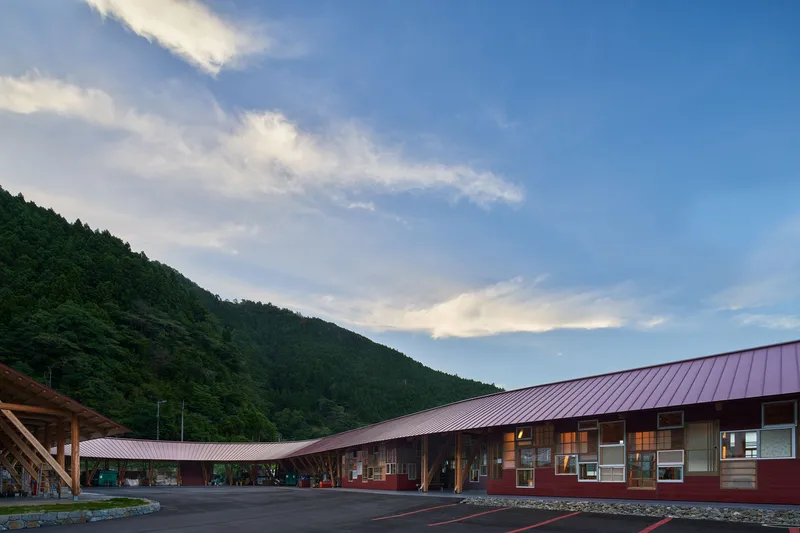
Kamikatsu has garnered global attention for achieving an impressive 80% recycling rate, with residents separating their waste into 45 meticulously categorized types. At the heart of this movement stands the Zero Waste Center, which not only manages waste collection and sorting but also acts as a community space and an educational facility promoting sustainable living practices.
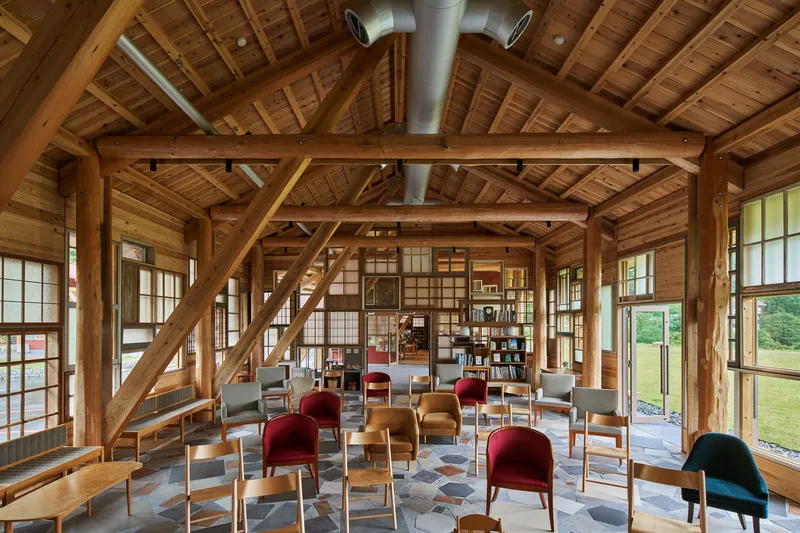
Circular Construction Rooted in Local Materials
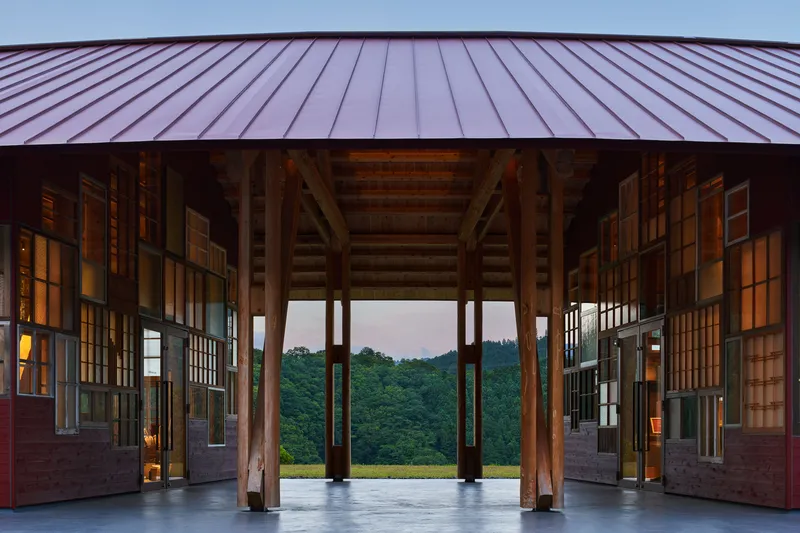
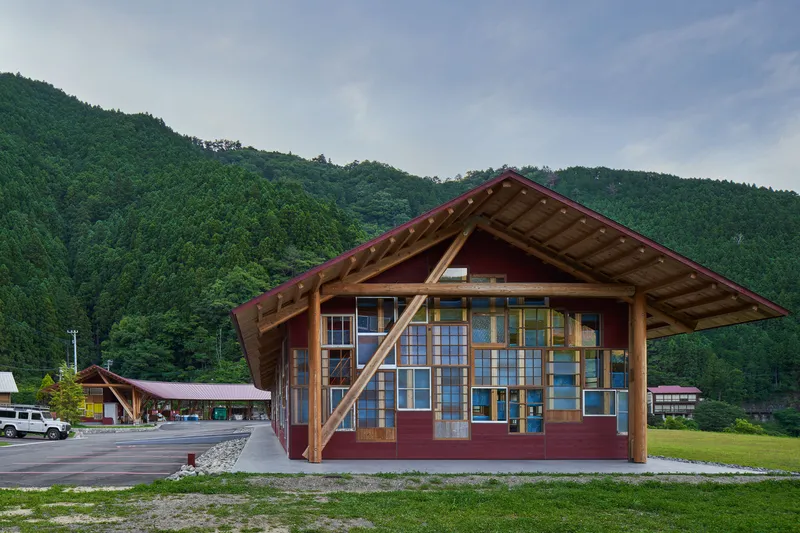
Designed to generate minimal waste throughout its lifecycle, the building utilizes locally harvested cedar wood, avoiding the rotary-cut process to eliminate unnecessary wood waste. The structure features raw logs and a timber-framed cross-sectional layout that allows for potential downsizing in the future, accommodating demographic and technological shifts that may reduce waste volume. The architectural detailing—including visible bolts and jointing systems—was intentionally designed for ease of disassembly and maintenance by local contractors, emphasizing adaptive reuse and low-impact construction.


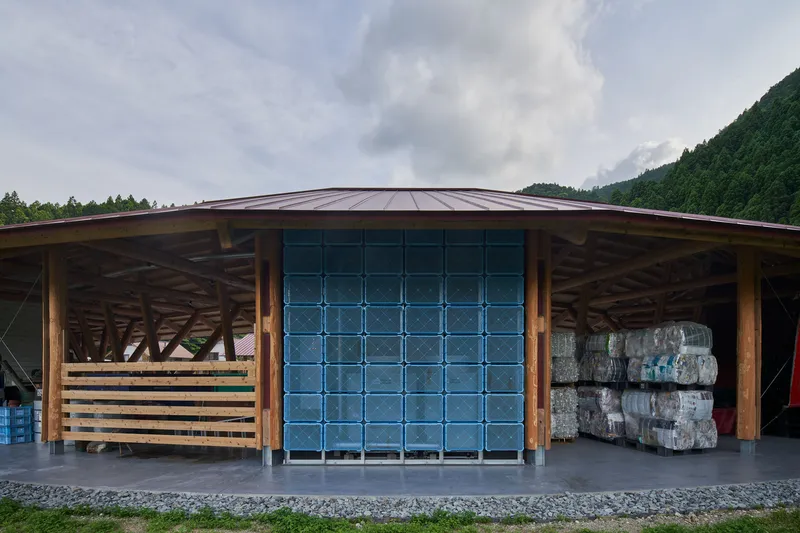
Architecture as a Vessel of Memory and Community
The Kamikatsu Zero Waste Center integrates salvaged materials and discarded objects—such as old fittings, farming tools, and vintage chests—into its façade and interiors. These items are given new life, preserving personal histories and cultural memory. A standout example is the stacked wall of drawers inside the recycling center, where stories are exchanged as residents recognize pieces of their past. Reused glass bottle cullets were also incorporated into terrazzo finishes, underscoring the project's holistic approach to material circularity.
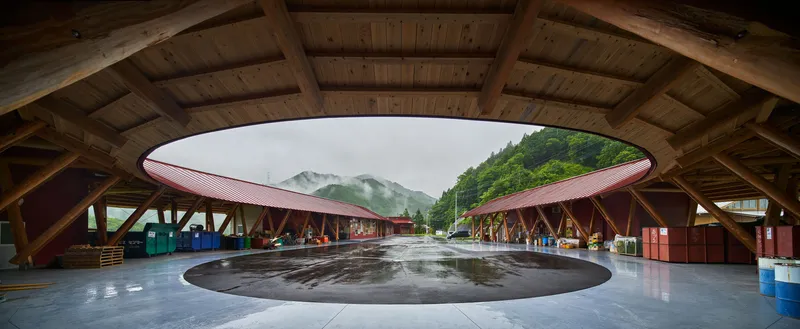

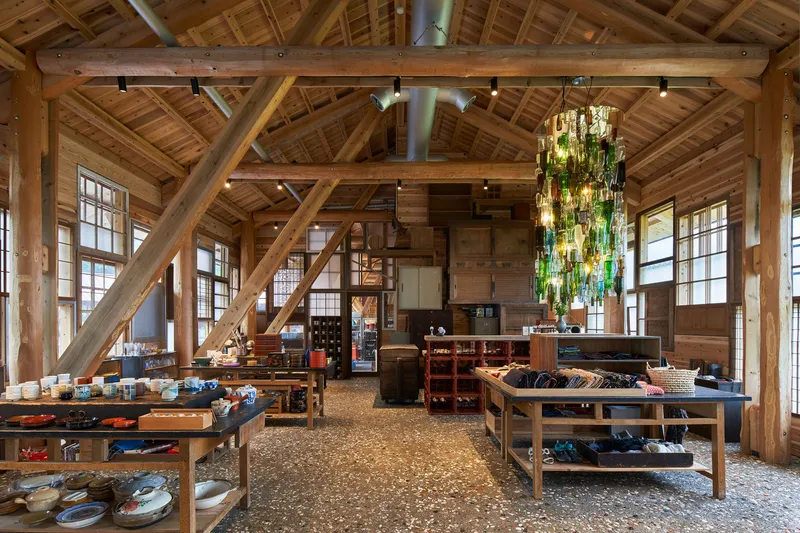
A Living Symbol of Environmental Stewardship
This project redefines the concept of waste by transforming refuse into architectural resources. It not only serves as a practical solution to waste management but also as an embodiment of local identity and pride. Through its design and philosophy, the Kamikatsu Zero Waste Center encourages residents and visitors alike to reevaluate their relationship with material consumption and embrace a more regenerative lifestyle.
All Photographs are works of Koji Fujii / TOREAL




Popular Articles
Popular articles from the community


Co-life: Sustainable Architecture for Age-Friendly Community Living
Co-life reimagines sustainable architecture for seniors through courtyards, rammed earth, shared gardens, and spaces designed for belonging.

Conexión: Biophilic Design Reimagines High-Rise Living in Hong Kong
Conexión reimagines high-rise living in Hong Kong through biophilic design, green facades, shared spaces, daylight, water and nature within.

The Ocean Hive: Sustainable Architecture for a Self-Sufficient Civilization at Sea
The Ocean Hive imagines sustainable architecture at sea, where modular habitats, algae, wave power and ocean waste sustain a growing colony.

Riyadh For All: Intergenerational Urban Design for Active Aging in Rabat
Riyadh For All reimagines urban design in Rabat with intergenerational co-living, adaptive courtyards, and Moroccan cultural exchange today.


Similar Reads
You might also enjoy these articles


Hodi-Mandai Geram
Project Function: Preservation and revitalization of the Intangible heritage and socio-spatial identity of the Hodi by Housing, Cultural Memory Center, Sacred Grove, landscape, local tourism economy


Olio Towers: A Mid-Rise for Performers That Fuses Housing, Rehearsal, and Stage
Located blocks from Houston's Theater District, this modular tower stacks living units around a central performance atrium.

Oasis: Modular Green Housing Carved into Dhaka's Urban Fabric
A shortlisted Plugin Housing entry reclaims unauthorized settlements in Dhaka with stepped concrete volumes, green roofs, and ventilation-driven design.

Black Hole: A Floating Megastructure for the Post-Physical Era
Emiliano Mazzarotto envisions a spherical, self-scaling arena where e-sports, digital hotels, and holographic stadiums replace traditional public space.


Explore Public Building Competitions
Discover active competitions in this discipline



Challenge to design locus for the upliftment of human rights


Challenge to reimagine the Iron Throne


Photograph architecture without architects


Illustrate the lost glory of Angkor Wat - Render Challenge
Comments (0)
Please login or sign up to add comments
No comments yet. Be the first to comment!