
Koalas Space: A Wildlife Rehabilitation Architecture Project Bridging Conservation, Education, and Care
A nature-inspired wildlife rehabilitation architecture project connecting koala care, education, and conservation through design.

As environmental challenges continue to threaten wildlife populations across the globe, architecture is increasingly becoming a powerful tool for conservation. Koalas Space, a visionary project by Joanna Przebięda, demonstrates how wildlife rehabilitation architecture can create meaningful connections between animal welfare, public education, and sustainable design.
The project reimagines the traditional animal rehabilitation center by integrating a specialized animal hospital, an interactive museum, public facilities, and carefully designed observation routes. Rather than separating visitors from conservation efforts, Koalas Space encourages engagement while ensuring the safety and well-being of its animal residents.
Located within a lush natural landscape, the proposal creates a harmonious relationship between architecture and nature, allowing visitors to learn about koalas while observing them in an environment designed around their needs.
A New Model for Sustainable Conservation Architecture
At its core, Koalas Space is more than a rehabilitation center. It is a comprehensive conservation hub where treatment, recovery, research, education, and public awareness coexist within a unified architectural framework.
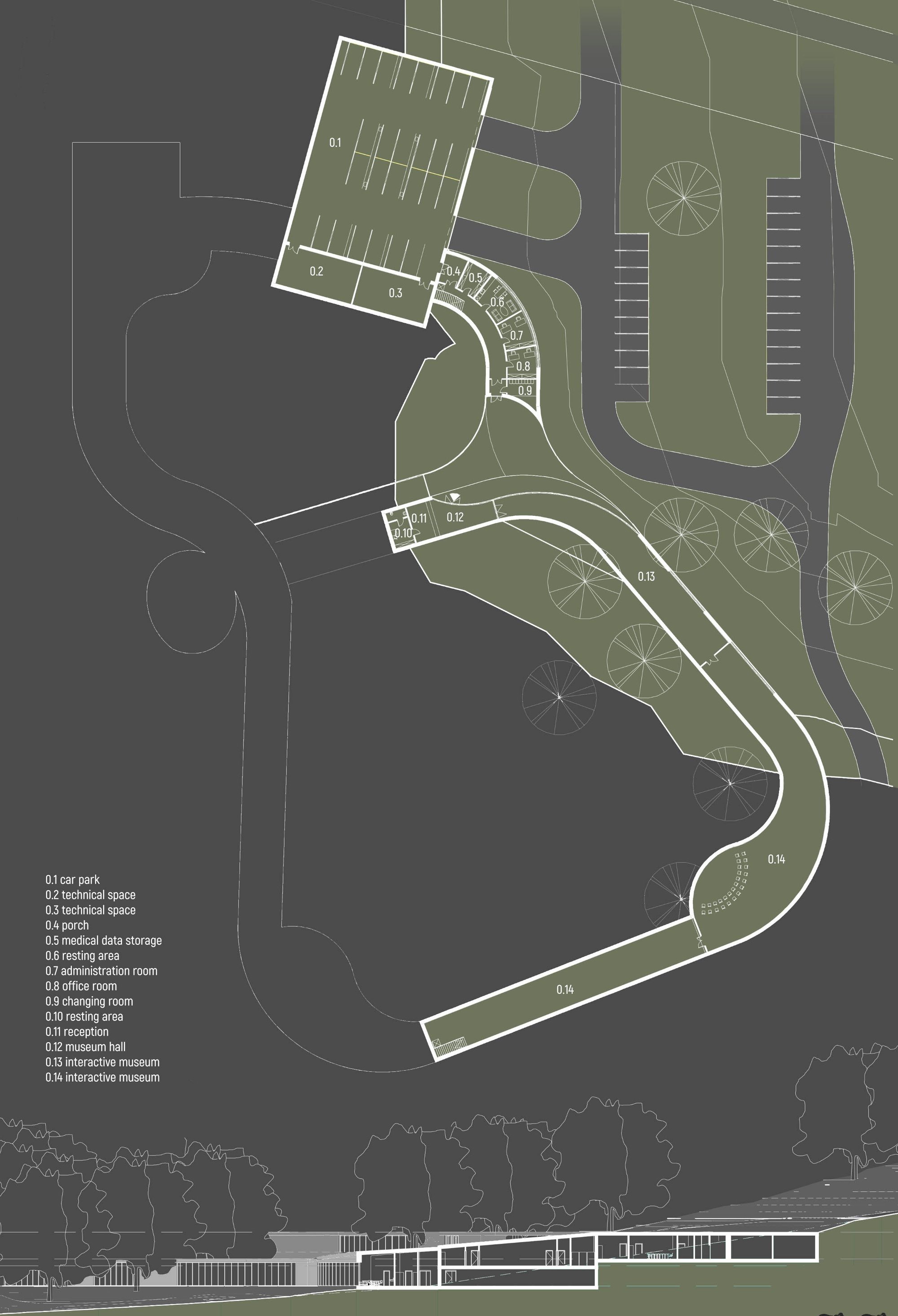
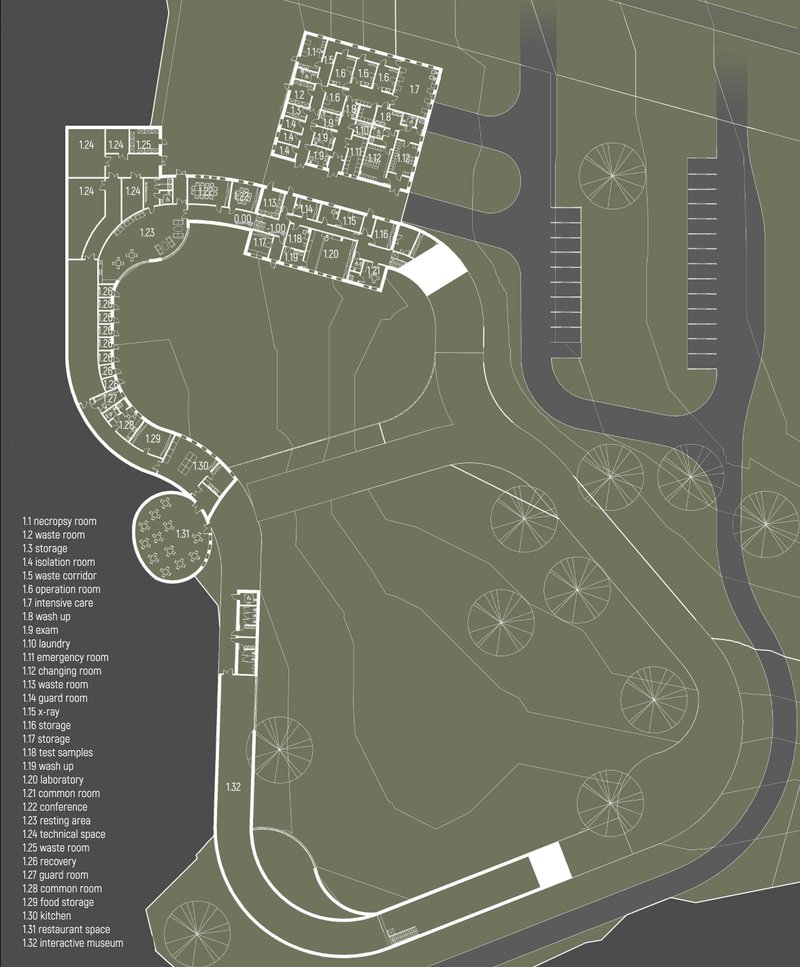
The design connects the animal hospital directly with the museum, creating a journey that reveals the complete process of wildlife care and rehabilitation. Visitors gain insight into the challenges faced by koalas while witnessing the efforts undertaken to protect and restore their populations.
By combining medical facilities with educational spaces, the project transforms architecture into an active participant in conservation rather than merely a container for activities.
Architecture Inspired by Movement and Observation
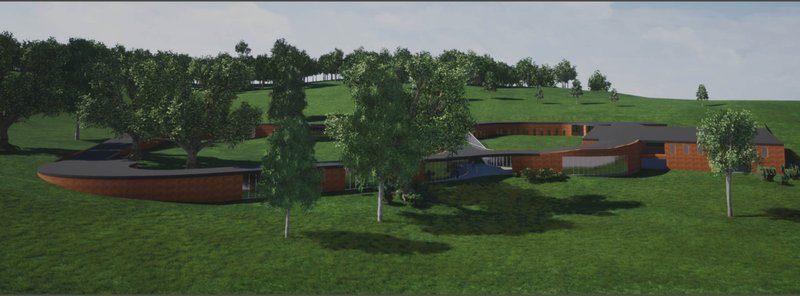
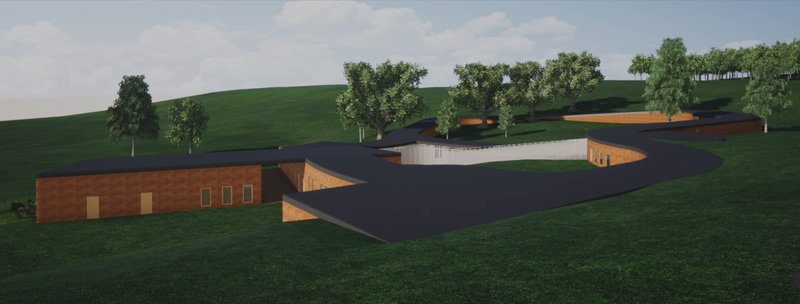
One of the most distinctive features of Koalas Space is its fluid architectural form. The building gently curves through the site, creating an organic circulation system that responds to the surrounding landscape.
The looping geometry serves multiple purposes:
- Guiding visitors through educational experiences
- Separating public and clinical functions
- Creating secure rehabilitation zones
- Establishing observation routes that minimize disturbance
- Preserving the natural character of the site
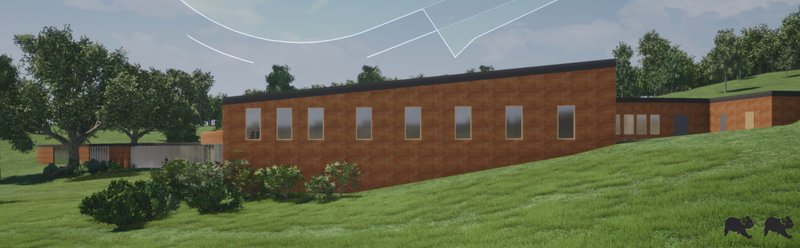
The architecture appears to emerge from the terrain itself. Low-profile building volumes blend into the rolling landscape, reducing visual impact while maintaining strong connections with nature.
This approach reflects contemporary principles of nature-inspired architecture, where built forms work alongside ecological systems rather than competing against them.
Two Distinct Visitor Experiences
The project introduces a thoughtful visitor strategy through two separate circulation routes.
Interactive Museum Route
The paid route leads visitors through an immersive museum experience where they can explore information about koalas, ecosystems, rehabilitation processes, and conservation efforts.
Interactive exhibits encourage learning and engagement, transforming visitors from passive observers into active participants in environmental awareness.
The museum becomes a critical educational tool that strengthens public understanding of wildlife preservation and ecological responsibility.
Public Observation Route
A second route offers free access to visitors. Beginning at the main entrance and continuing toward the restaurant, this pathway extends onto the accessible rooftop landscape.
From this elevated route, visitors can enjoy panoramic views of the site while observing rehabilitation areas from a safe and respectful distance.
This circulation strategy balances accessibility with animal welfare, ensuring that educational opportunities do not interfere with recovery processes.
Animal Welfare at the Center of Design
Unlike conventional visitor-oriented facilities, Koalas Space prioritizes the needs of animals throughout every stage of the design process.
The facility includes a comprehensive range of specialized spaces such as:
- Emergency treatment rooms
- Intensive care units
- Examination areas
- Operating rooms
- Recovery zones
- Isolation facilities
- Laboratories
- Diagnostic spaces
- Rehabilitation environments
These functions are carefully organized to create efficient workflows for veterinary staff while minimizing stress for animals undergoing treatment.
The arrangement of spaces reflects a deep understanding of wildlife care requirements, demonstrating how architecture can directly contribute to successful rehabilitation outcomes.
Integrating Landscape and Architecture
The surrounding landscape plays a vital role in the overall experience of Koalas Space.
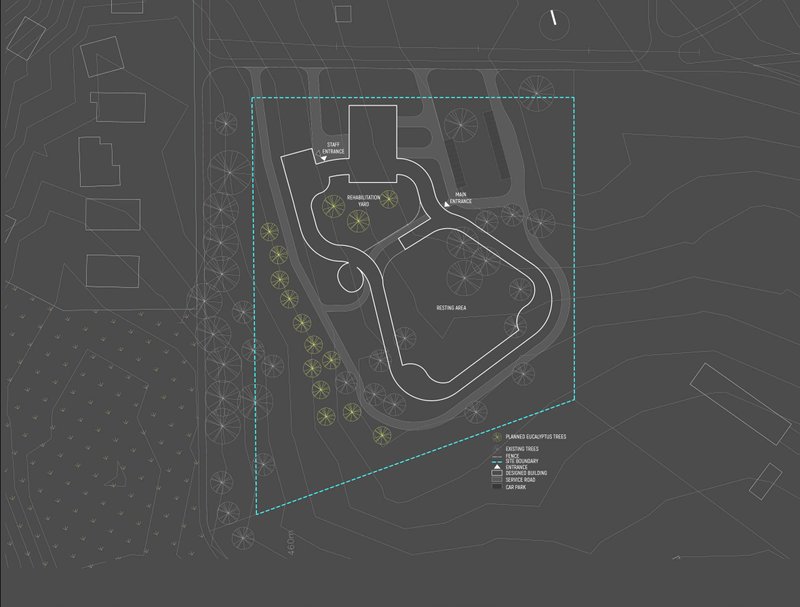
Existing trees and natural topography are preserved and incorporated into the design. Rather than imposing a rigid architectural order, the project embraces the site's ecological character.
The curved building configuration encloses generous outdoor areas that become extensions of the rehabilitation environment. Open green spaces support both animal recovery and visitor enjoyment.
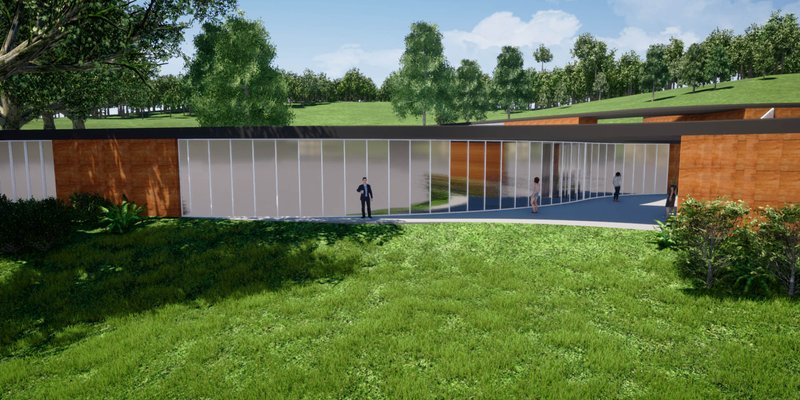
Large glazed surfaces further strengthen visual connections between interior and exterior spaces, allowing natural light to enter while providing continuous views of the landscape.
This integration of architecture and environment reinforces the project's broader commitment to sustainability and conservation.
Educational Design for Long-Term Impact
One of the most valuable contributions of Koalas Space is its focus on education as a conservation strategy.
Public understanding remains one of the most effective tools for protecting endangered species. Through exhibitions, observation trails, interactive displays, and carefully curated visitor experiences, the project transforms learning into an architectural journey.
Visitors leave with a deeper appreciation for koalas, their habitats, and the challenges facing wildlife conservation in the modern world.
By combining education with direct observation, the project creates memorable experiences that can inspire long-term environmental stewardship.
Materiality and Architectural Expression
The visual language of Koalas Space reflects warmth, simplicity, and integration with nature.
Earth-toned materials help the building blend into the landscape while creating a welcoming atmosphere. Long horizontal volumes emphasize the site's contours and strengthen the connection between architecture and terrain.
The restrained palette allows the surrounding environment to remain the primary visual focus, reinforcing the project's ecological mission.
Rather than seeking attention through monumental form, the architecture quietly supports the activities taking place within.
A Future-Oriented Vision for Conservation Facilities
Koalas Space demonstrates how contemporary architecture can address environmental challenges through thoughtful and human-centered design.
By connecting animal rehabilitation, scientific care, public education, and landscape preservation, the project establishes a new benchmark for wildlife rehabilitation architecture.
The proposal illustrates that conservation facilities can be both highly functional and deeply inspiring. Through its innovative circulation systems, integrated educational experiences, and commitment to animal welfare, Koalas Space offers a compelling vision for the future of conservation architecture.
Designed by Joanna Przebięda, this project highlights the transformative potential of architecture when it is guided by empathy, sustainability, and a genuine commitment to protecting the natural world.



Popular Articles
Popular articles from the community

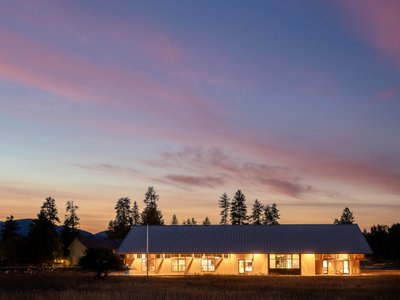
Johnston Architects Reimagines the Methow Valley Hay Barn as a Small-Town Library in Winthrop
A 7,300-square-foot timber library channels the region's agrarian vernacular to serve a rural Washington community of 400 year-round residents.
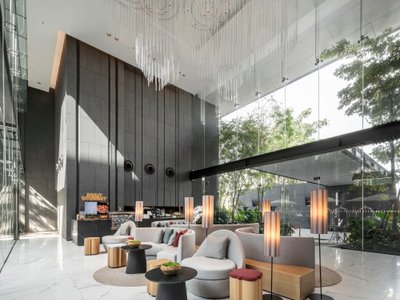
IDIN Architects Wraps a Hua Hin Hotel Around a Private Courtyard to Escape the City
Dusit D2 Hua Hin turns an urban infill site in Thailand's family vacation heartland into a self-contained resort through courtyard planning.
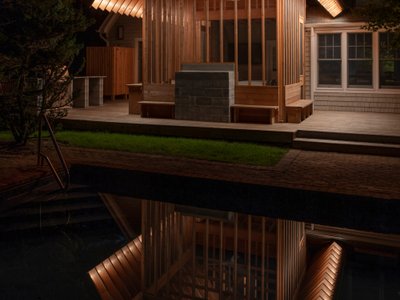
BLDUS Turns a 250-Square-Foot Screened Porch into a Pine Forest Temple in East Hampton
A gabled cedar pavilion mimics the rhythm of surrounding pines, anchoring a 1990s wooded home to its hollow in Long Island.
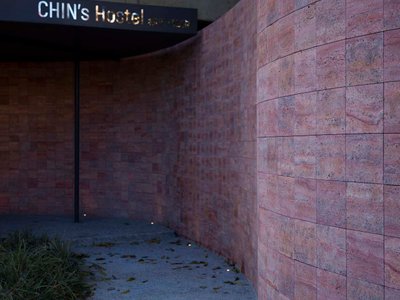
VEIVE Architects Builds a Mountain Hostel That Disappears into a Hangzhou Hillside
On the Huihang Ancient Trail in Xiangjian Village, a shelter of wood, steel, and rammed earth roots itself in the rural landscape.


Similar Reads
You might also enjoy these articles


Urban Forest: A Vertical Ecosystem for 5,000 Workers in Singapore's Changi Business Park
Radially stacked pods and layered green decks turn a 7-acre plot into 47 acres of ecological workspace projected for 2040.
interACT: A Wearable Transit Object That Turns Commuting Into Social Infrastructure
A backpack-mounted foldable device transforms walking, waiting, and riding into moments of shared comfort across Jakarta's transit network.
Lean On Barrier System: Where Traffic Safety Meets Chai Culture in Ahmedabad
A modular steel barrier doubles as informal seating and lean-on furniture at one of Ahmedabad's busiest intersections, keeping vendors in place.

The Black Bagh: A Living Monument Built from Water, Light, and Memory
On the banks of the Yamuna, two designers replace the myth of a marble mausoleum with a regenerative landscape of reflection and ritual.

Explore Conceptual Architecture Competitions
Discover active competitions in this discipline




The International Standard for Design Portfolios


The Global Benchmark for Architecture Dissertation Awards


The Global Benchmark for Graduation Excellence


Challenge to reimagine the Iron Throne
Comments (0)
Please login or sign up to add comments
No comments yet. Be the first to comment!