

Kumagaya House by CHOP+ARCHI: Redefining Family Living Through Spatial Voids
A cruciform void redefines family living, creating balanced spaces with light, airflow, and privacy in this contemporary Japanese home by CHOP+ARCHI.


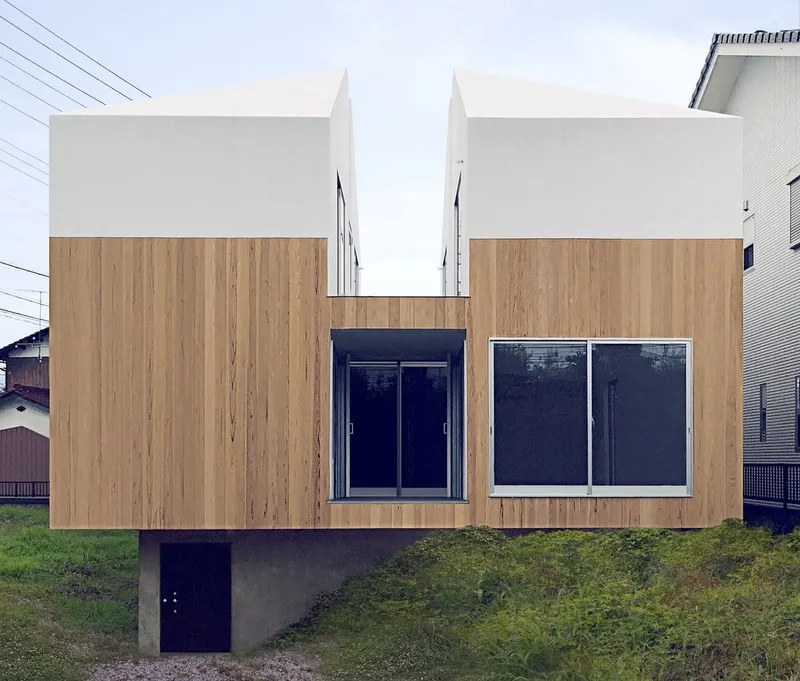
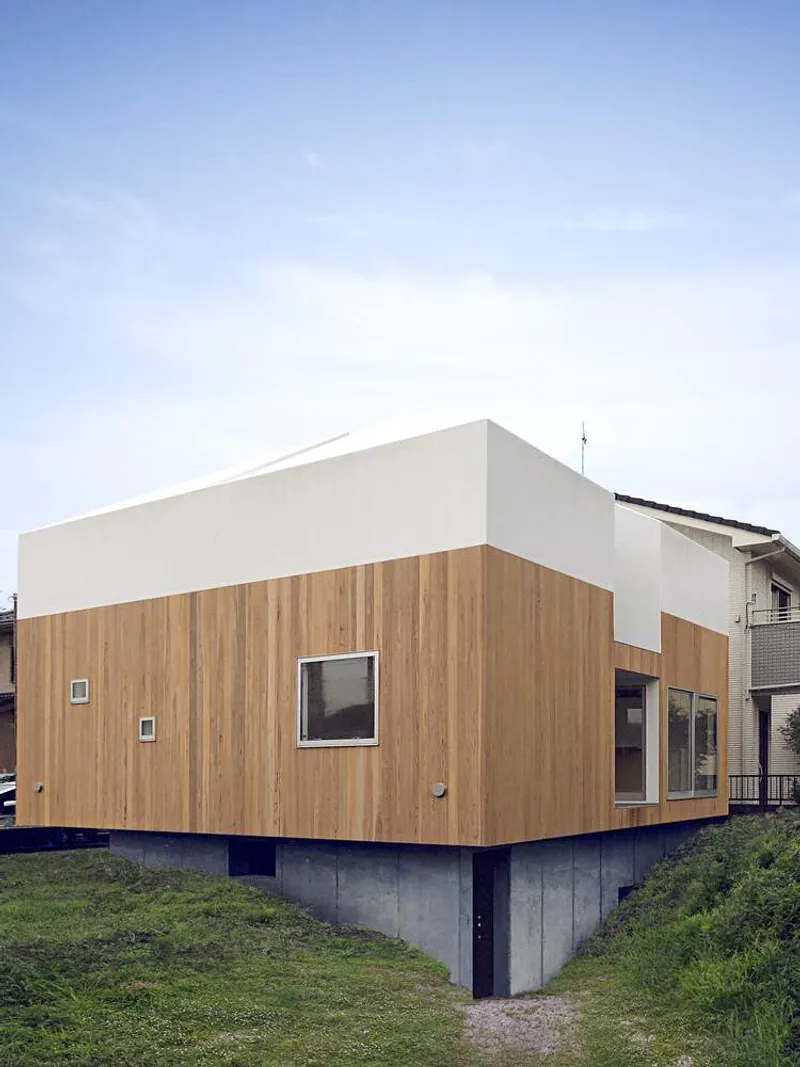
Kumagaya House by CHOP+ARCHI is a contemporary residential project in Saitama, Japan, designed to explore how architecture can reshape modern family dynamics. Completed in 2023 and spanning 107 m², the home challenges conventional Japanese residential layouts by introducing a cruciform void at its core: a spatial strategy that rethinks how families coexist, connect, and find balance.
Rethinking the Traditional Japanese Nuclear Family Home
Since the postwar era, the nuclear family has dominated Japanese domestic life, a structure anthropologist George Murdock once described as universal. Yet, in recent years, the number of nuclear-family households has begun to decline. Social pressures to maintain constant unity within a single, tightly connected household have created a need for new architectural solutions, spaces that allow both togetherness and independence.
Kumagaya House responds to this shift by proposing a home that reduces psychological pressure and expands the possibilities of family living. CHOP+ARCHI reimagines the home as a place where boundaries can shift, personal space can breathe, and family members can connect without being forced into a single cohesive “nucleus.”

A Cruciform Void as the Heart of the Design
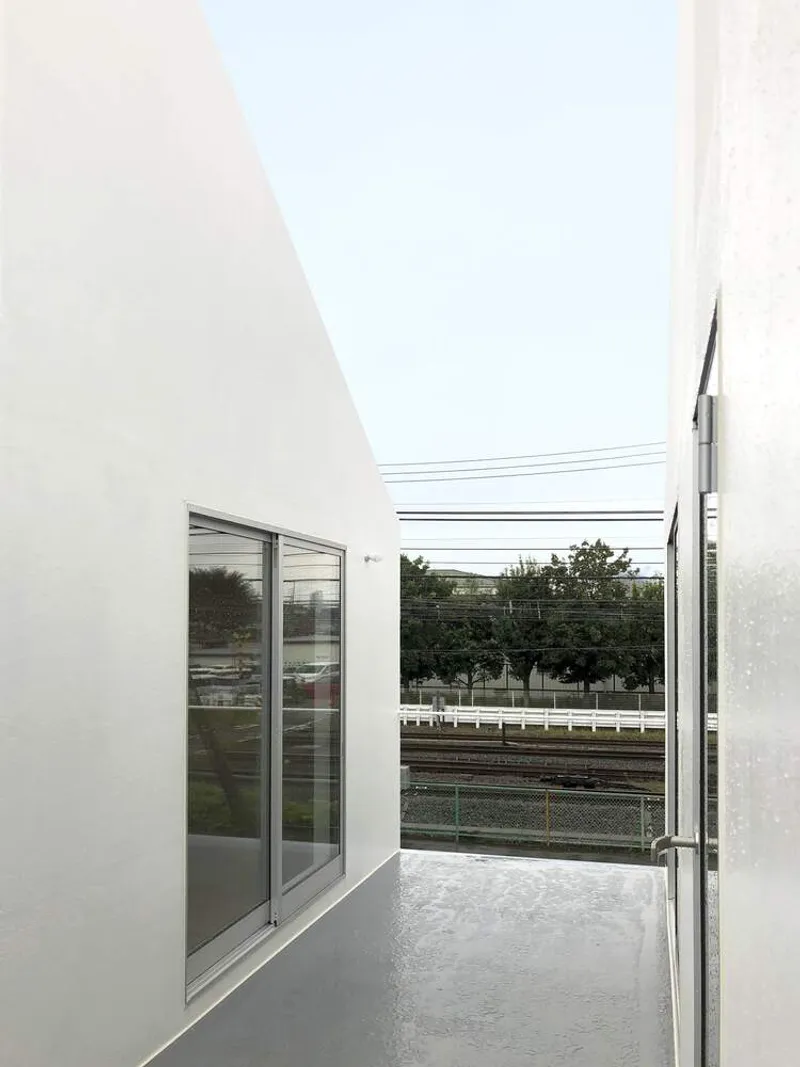
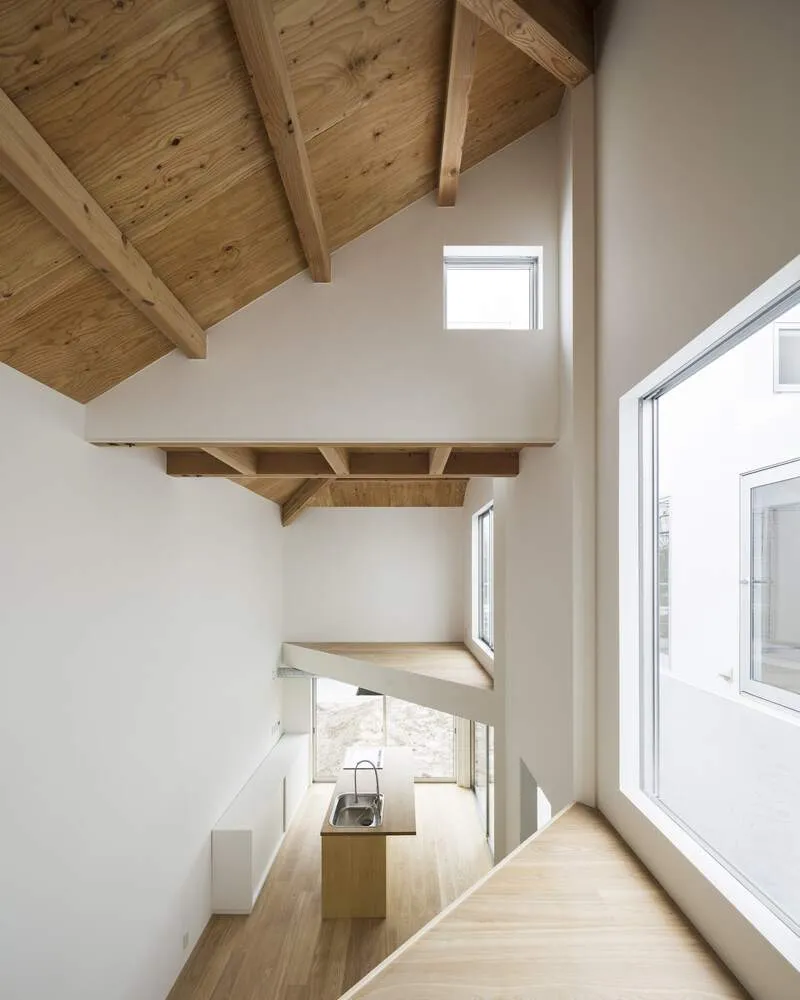
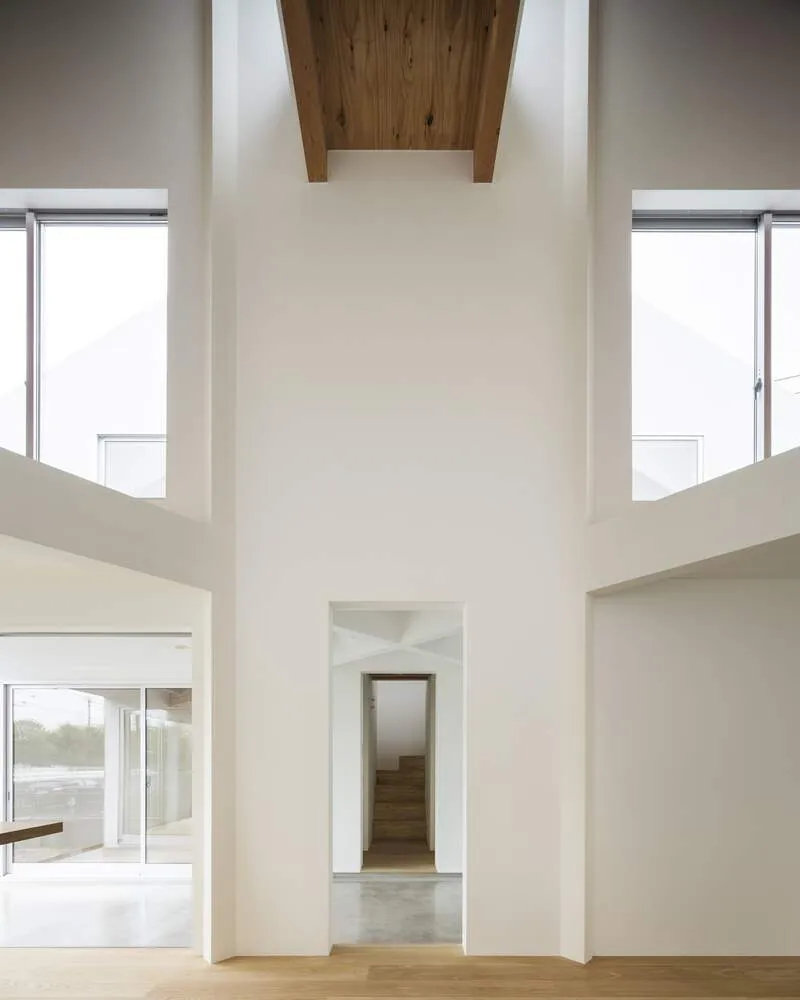
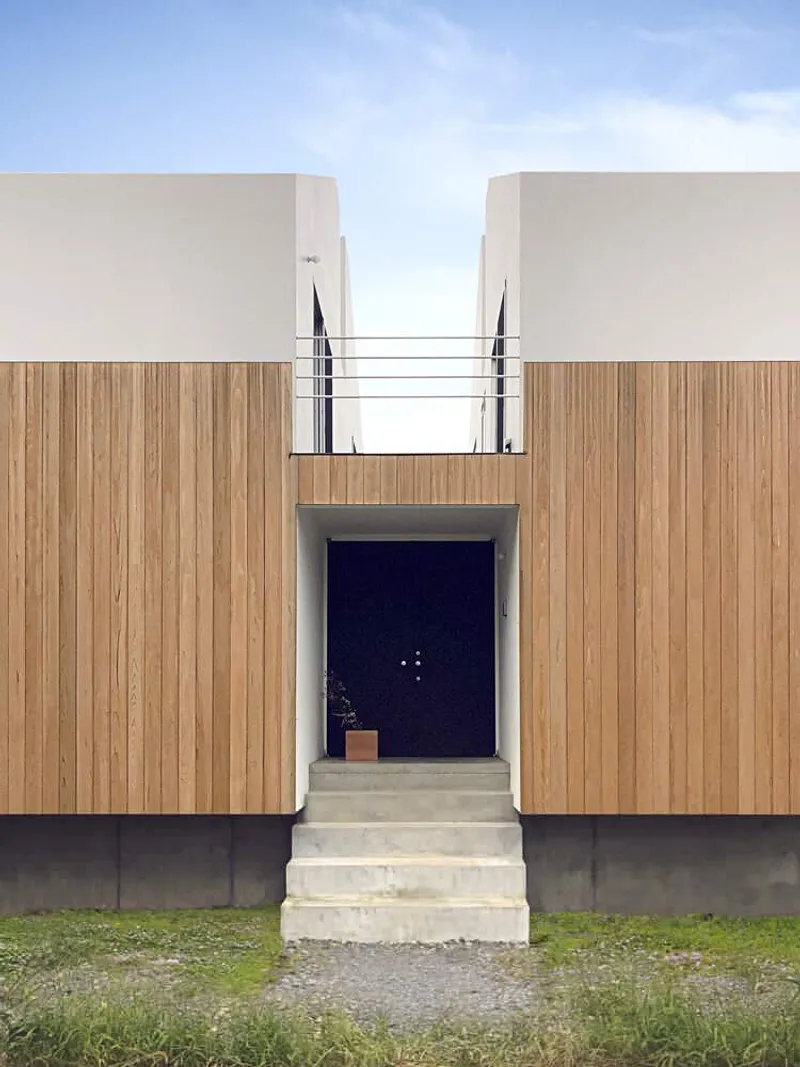
At the center of the home, the architects introduced a bold intervention: a cross-shaped void that cuts through the plan. This void functions like an “air cushion,” reducing friction among family members while maintaining subtle visual and spatial connections.
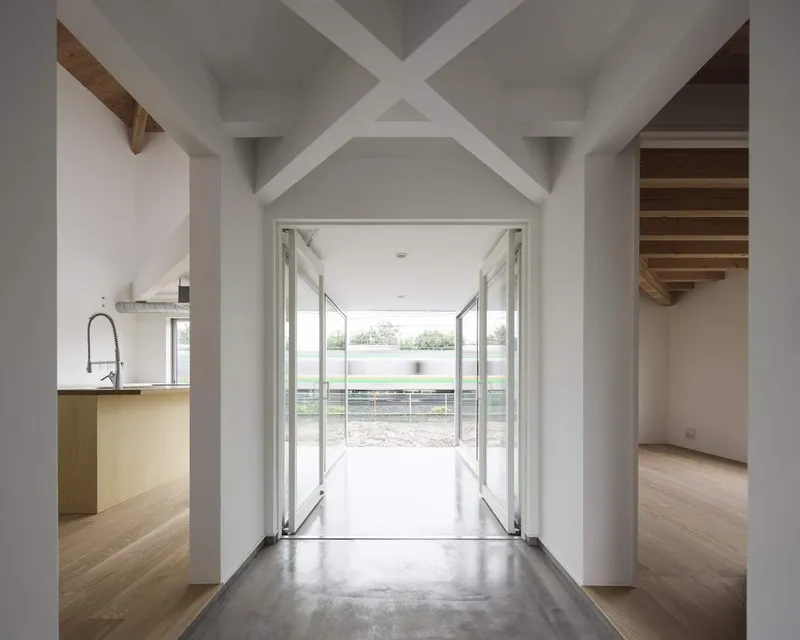
The design takes inspiration from the traditional “ta-no-ji” layout, a plan resembling the Chinese character for rice field, divided into four quadrants. However, unlike traditional ta-no-ji floor plans, which often layer functions directly on top of each other, Kumagaya House introduces a void between the four primary zones. This achieves two essential qualities:
- Buffering: Each space maintains autonomy, softening noise, activity, and movement between zones.
- Connecting: The void simultaneously acts as an atmospheric bridge, allowing light, air, and visual cues to flow naturally through the home.
This spatial separation and connection create a calm, balanced environment where family members can enjoy both privacy and closeness depending on their needs.
Interior Atmosphere: Light, Structure, and Openness
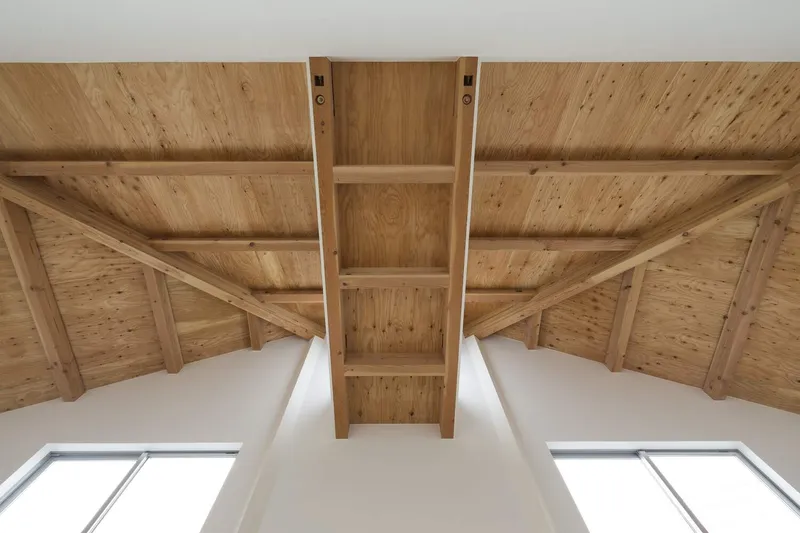
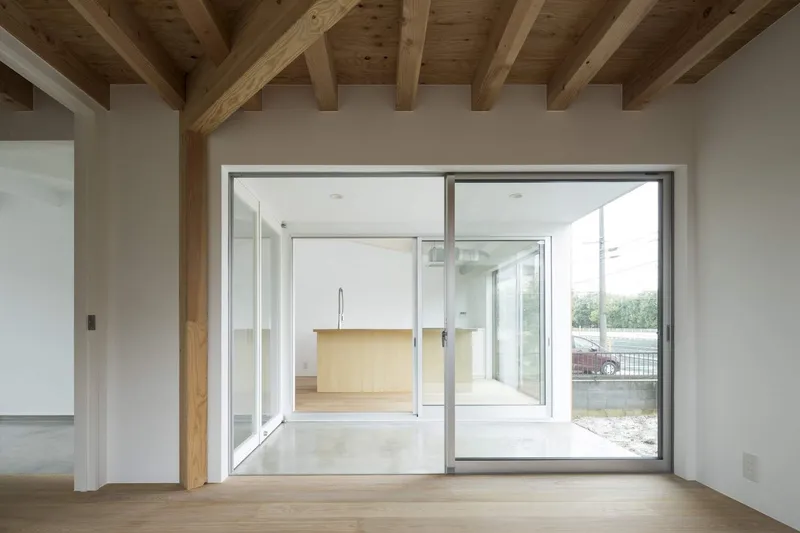
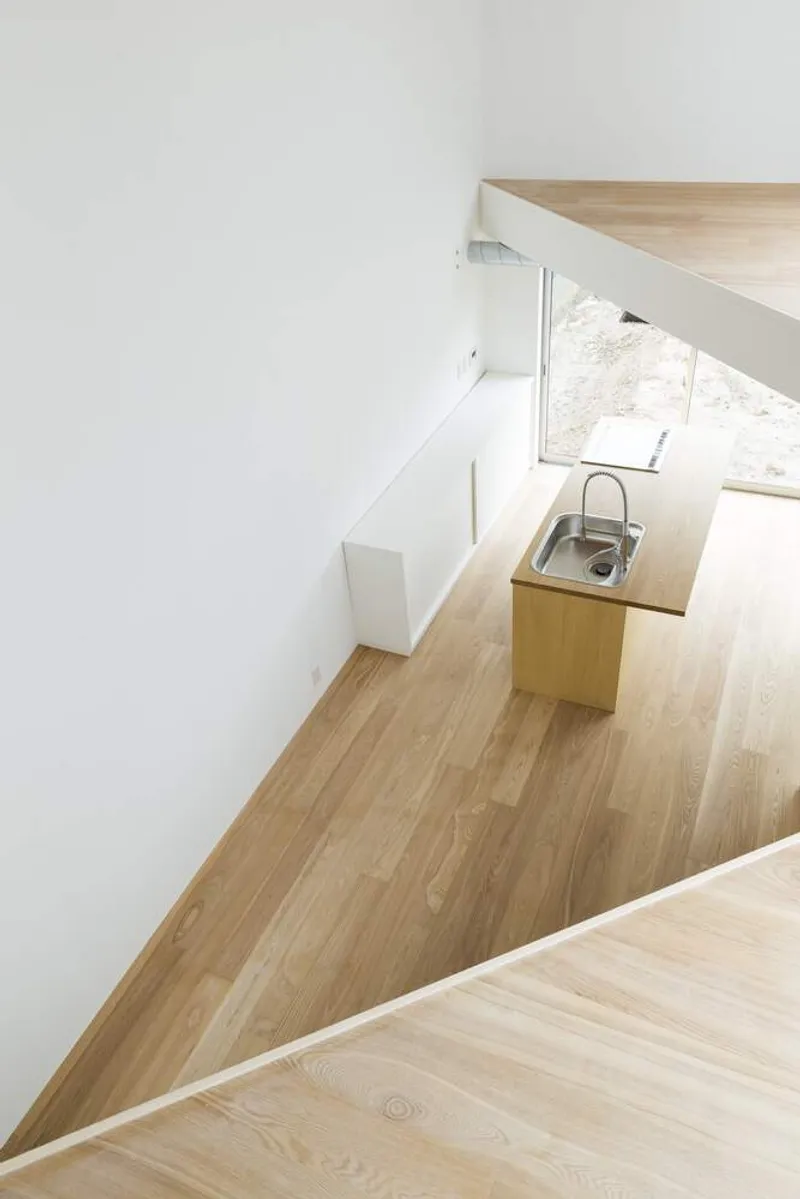
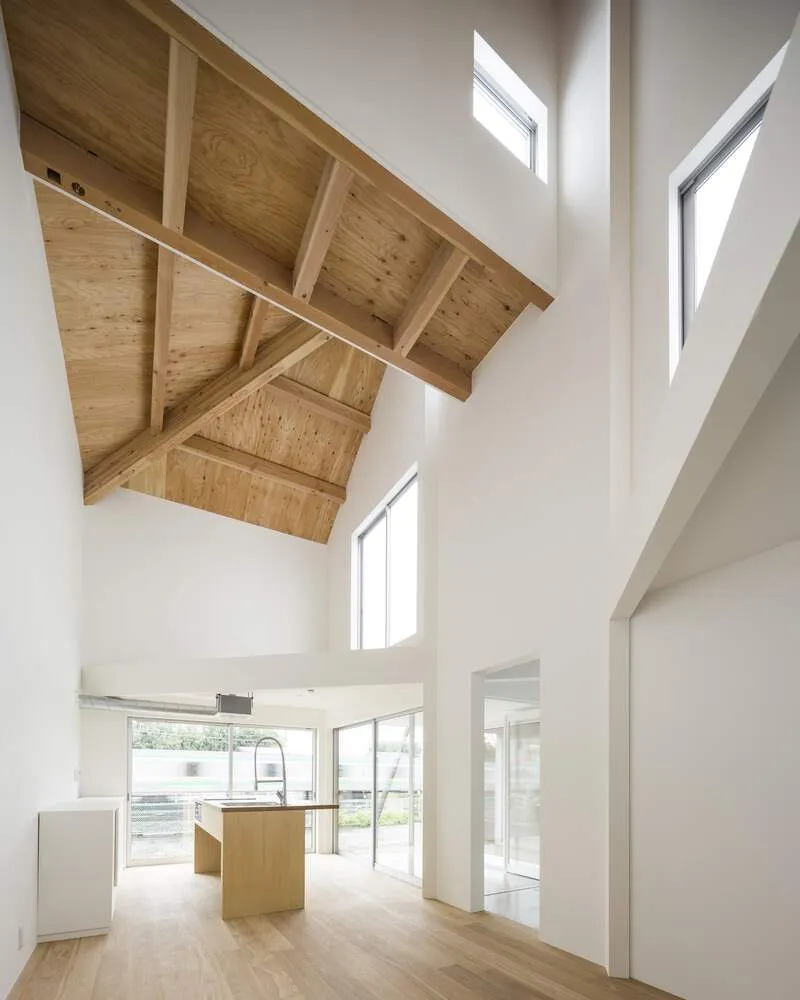
The interiors blend structural clarity with warm materiality. Exposed beams, columns, and crisp window framing emphasize the home’s architectural rhythm. Natural light fills each quadrant, traveling through the central void and animating surfaces throughout the day.
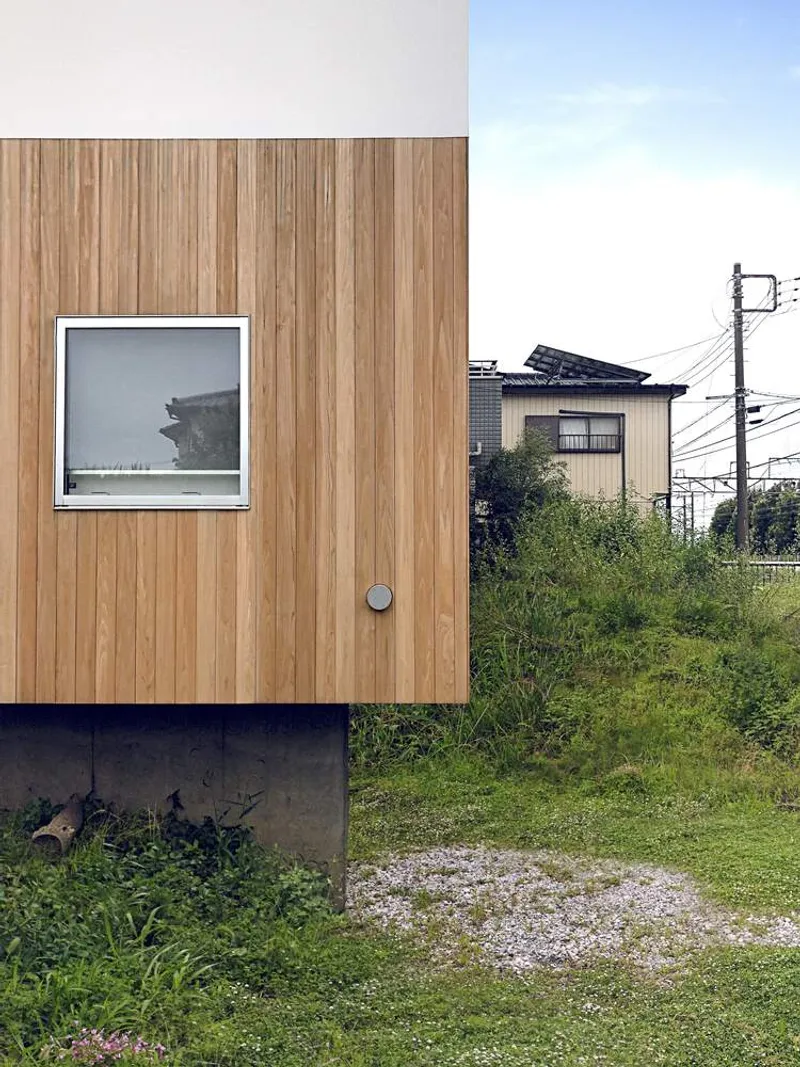
Spaces such as the kitchen, living area, and private rooms feel connected to the outdoors through generous openings, grounding the home in its Saitama context. The architecture encourages a sense of openness and fluidity, qualities that help relieve the psychological weight of traditional nuclear-family expectations.
A Home Designed for Modern Family Realities
By using spatial voids instead of solid partitions, CHOP+ARCHI redefines how a modern Japanese household can coexist. The central void allows moments of pause, separation, and reconnection, mirroring the fluid, ever-changing nature of contemporary family life.
Kumagaya House demonstrates that architecture can shape social behavior, create healthier domestic environments, and offer families new ways to live together with flexibility and ease. Select an Image



Popular Articles
Popular articles from the community

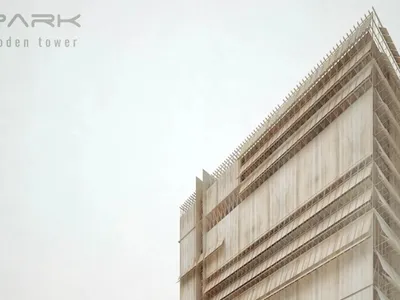
EW PARK: Sustainable Architecture Reimagines the Future of Urban Parking
EW PARK reimagines city parking as a modular wooden tower combining automation, solar energy, electric mobility, and adaptable urban design.

AL-JANNAH: Sustainable Architecture and Permaculture for Afghan Widows
AL-JANNAH uses sustainable architecture and permaculture to create resilient oasis of housing, learning, work and renewal for Afghan widows.

Co-Life: Senior Housing Design That Reconnects Older Adults With the City
Co-Life reimagines senior housing design through healing gardens, shared streets, workshops, and a sustainable community across generations.

Co-life: Sustainable Architecture for Age-Friendly Community Living
Co-life reimagines sustainable architecture for seniors through courtyards, rammed earth, shared gardens, and spaces designed for belonging.

Similar Reads
You might also enjoy these articles


Hodi-Mandai Geram
Project Function: Preservation and revitalization of the Intangible heritage and socio-spatial identity of the Hodi by Housing, Cultural Memory Center, Sacred Grove, landscape, local tourism economy


Olio Towers: A Mid-Rise for Performers That Fuses Housing, Rehearsal, and Stage
Located blocks from Houston's Theater District, this modular tower stacks living units around a central performance atrium.

Oasis: Modular Green Housing Carved into Dhaka's Urban Fabric
A shortlisted Plugin Housing entry reclaims unauthorized settlements in Dhaka with stepped concrete volumes, green roofs, and ventilation-driven design.

Black Hole: A Floating Megastructure for the Post-Physical Era
Emiliano Mazzarotto envisions a spherical, self-scaling arena where e-sports, digital hotels, and holographic stadiums replace traditional public space.


Explore Residential Design Competitions
Discover active competitions in this discipline



Challenge to reimagine the Iron Throne


Photograph architecture without architects


Illustrate the lost glory of Angkor Wat - Render Challenge


Design challenge to reuse E-waste
Comments (0)
Please login or sign up to add comments
No comments yet. Be the first to comment!