

Lalla Yeddouna Square Revitalization: Heritage-Led Urban Renewal in Fez’s Medina
Lalla Yeddouna Square revitalizes Fez’s medina with restored heritage, new public spaces, artisan workshops, river access, sustainable design, and community-focused architecture.


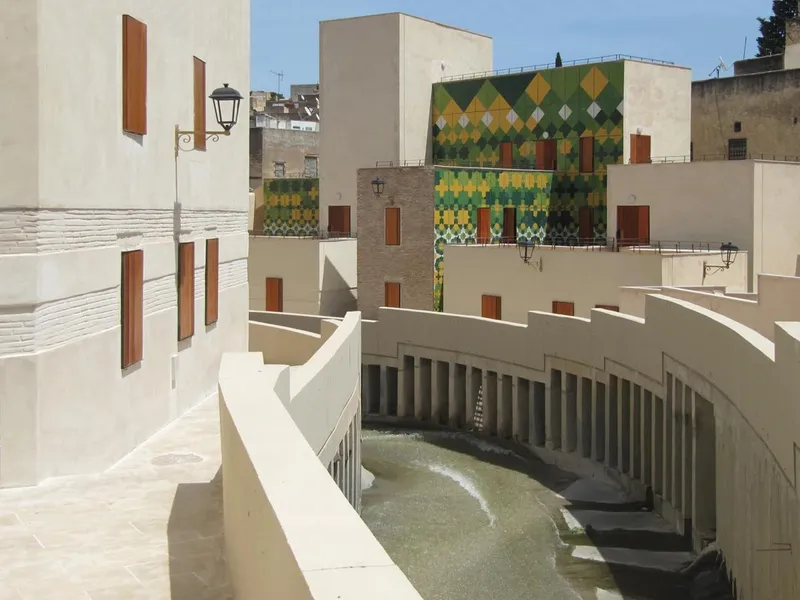
The revitalization of Lalla Yeddouna Square by Mossessian Architecture in collaboration with Yassir Khalil Studio represents one of Morocco’s most significant cultural and urban regeneration projects. Located at the heart of Fez’s historic medina, a UNESCO World Heritage Site, the project reimagines a dense urban fabric while preserving the medina’s deep architectural traditions. Completed in 2020, the 7,400 m² intervention blends restoration, adaptive reuse, sustainable design, and contemporary craftsmanship to reconnect the community with its riverfront and cultural heritage.
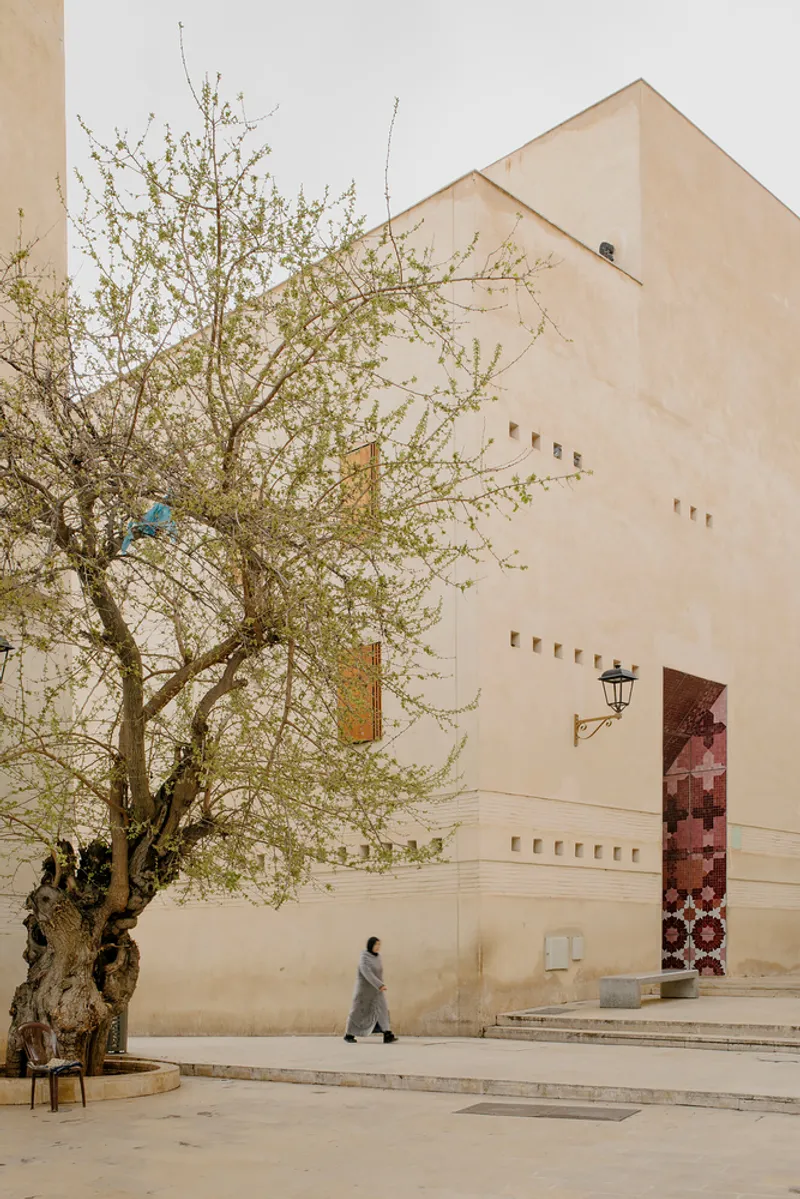
Reconnecting the Medina Through a Pedestrian Cultural Corridor
The international competition held in 2011 attracted more than 800 global entries, reaffirming the medina’s importance as one of the world’s most intricate historic urban systems. Mossessian Architecture’s winning proposal received strong support from the local community for its sensitive approach to heritage and urban life.
The design strategy centered on restoring the historic significance of Lalla Yeddouna Square by creating a pedestrian-first route that links the square directly to the riverfront. This pathway weaves into the medina’s narrow passages and opens into a sequence of shaded courtyards and public spaces. Along the way, it integrates a variety of neighborhood functions—including artisan workshops, retail shops, cafés, educational facilities, a nursery, and a women’s center—fostering economic opportunity and community life.
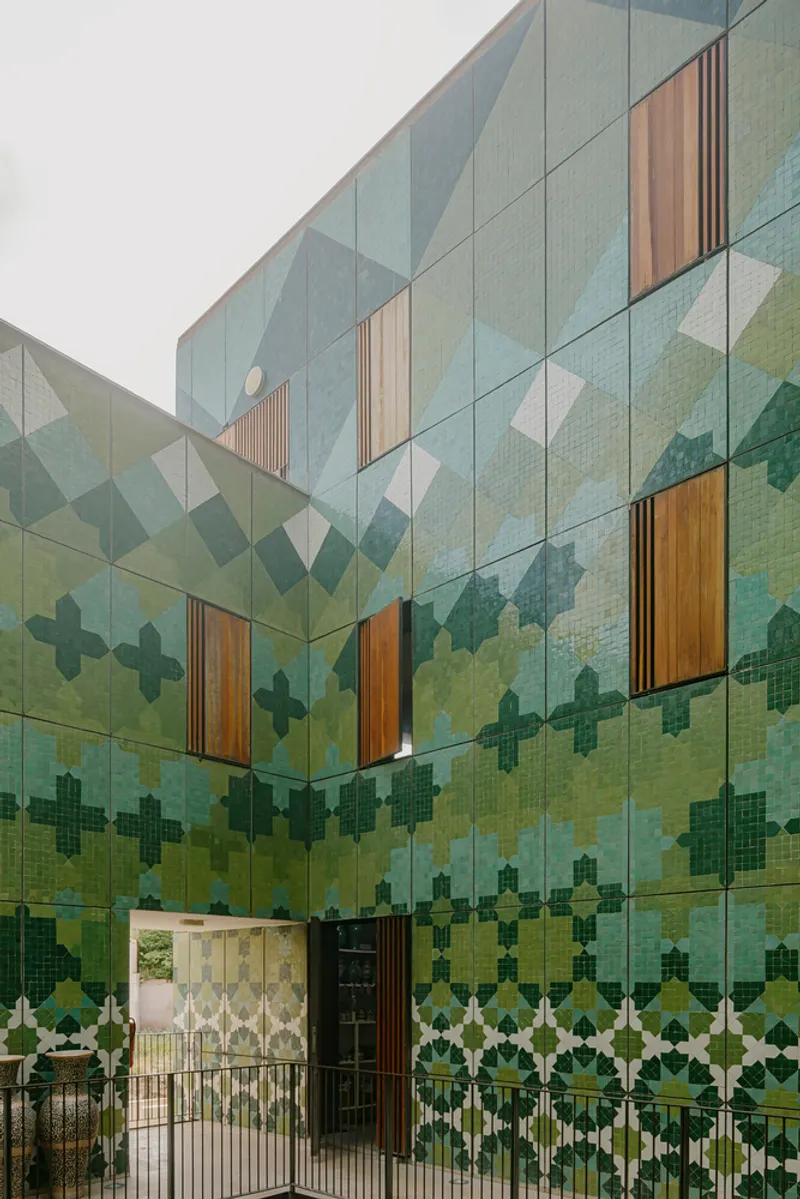
Balancing Architectural Heritage with Contemporary Intervention
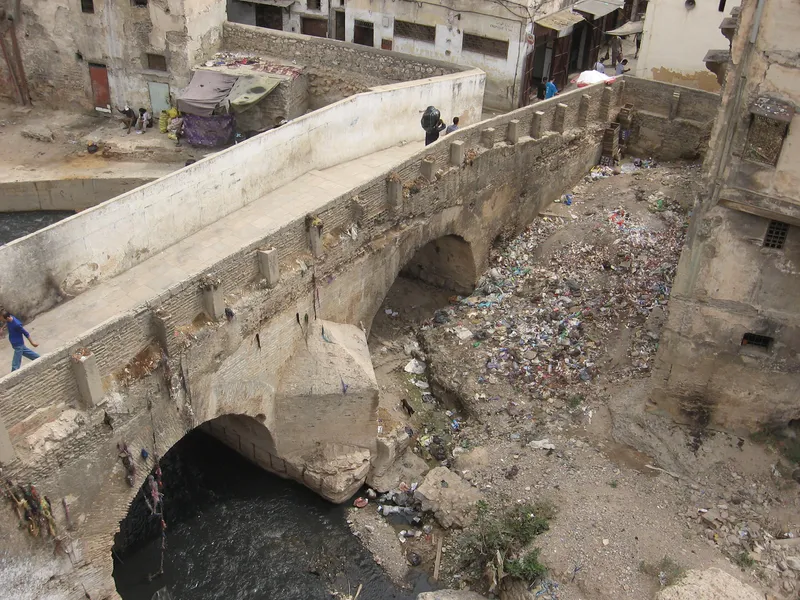
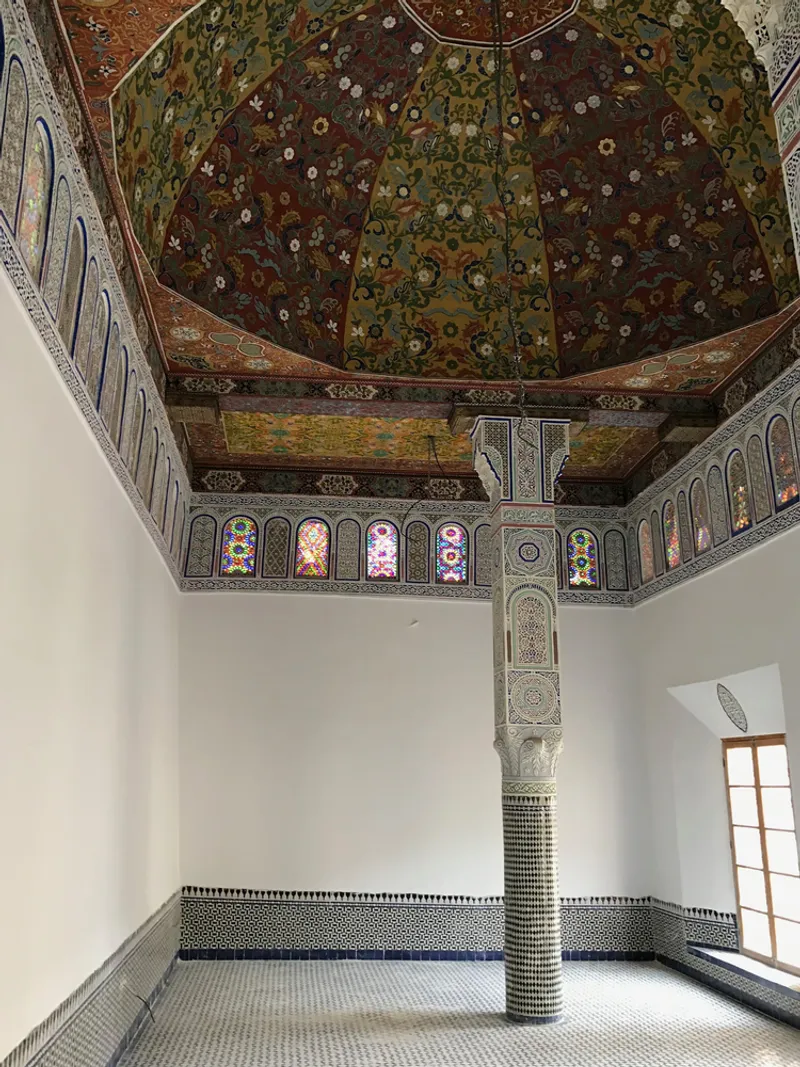
The project’s architectural approach carefully layers historic preservation with new construction. Eleven existing buildings and a historic bridge were restored using traditional methods, while nine new structures were introduced to support the revived urban program. The riverbanks—previously obstructed by waste dumping and informal structures—were reconnected through new pedestrian bridges, creating stronger visual and physical access to the water.
A major environmental upgrade involved recalibrating the riverbed to control flooding during Fez’s rainy season. This intervention improves safety, enhances ecological performance, and re-establishes the river as a vital urban asset.
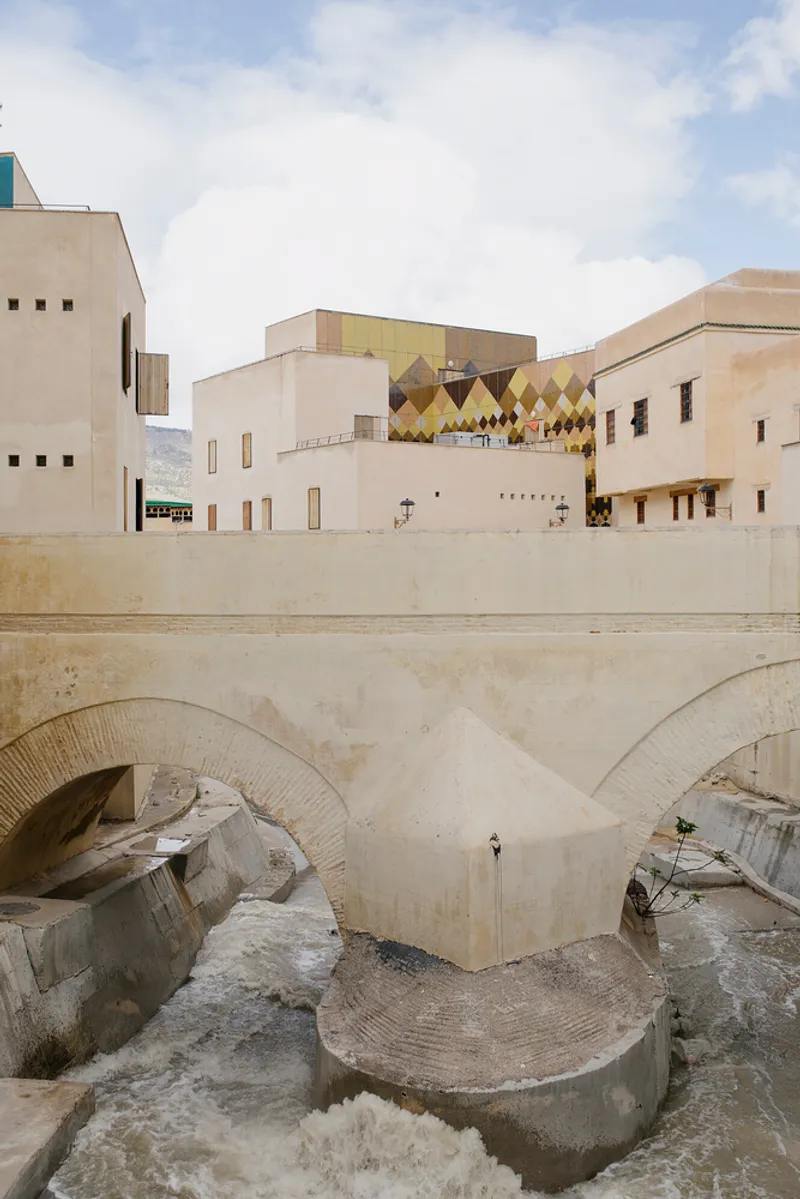
Climate-Responsive Design Rooted in Medina Traditions
Sustainability played a central role throughout the project. The architects embraced passive climate control strategies, inspired by centuries-old medina design principles:
- Natural shading through building massing and overhangs
- Cross-ventilation via courtyards and narrow passages
- Thermal mass for stable indoor temperatures
- Microclimate creation to ensure year-round comfort
These strategies minimize energy consumption and provide comfortable, shaded environments essential to medina life.
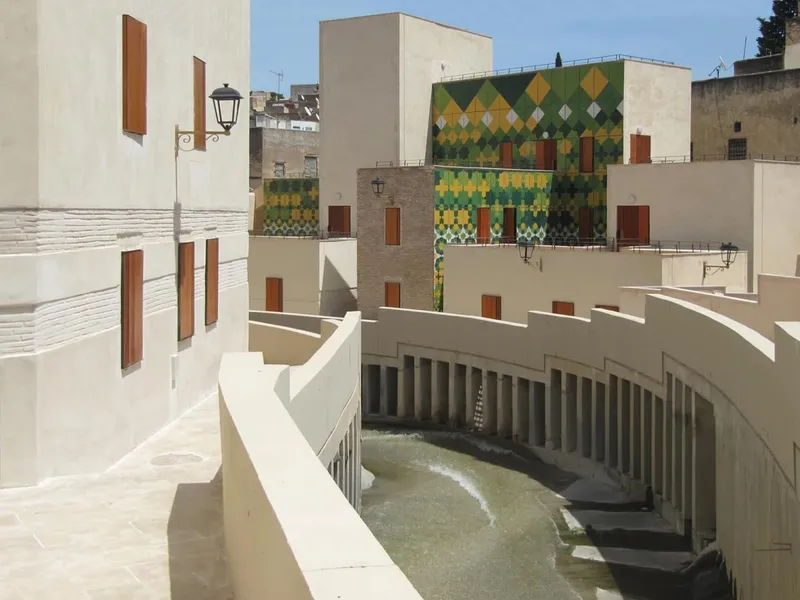
A Contemporary Interpretation of Zellige Tradition
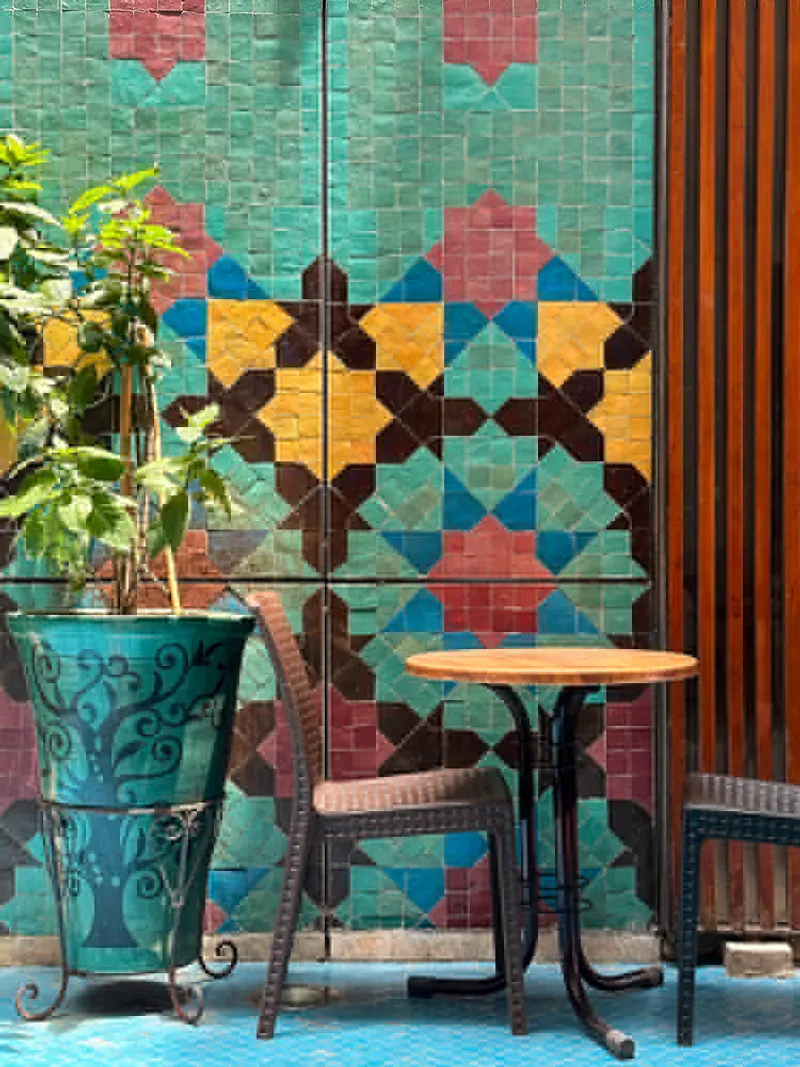
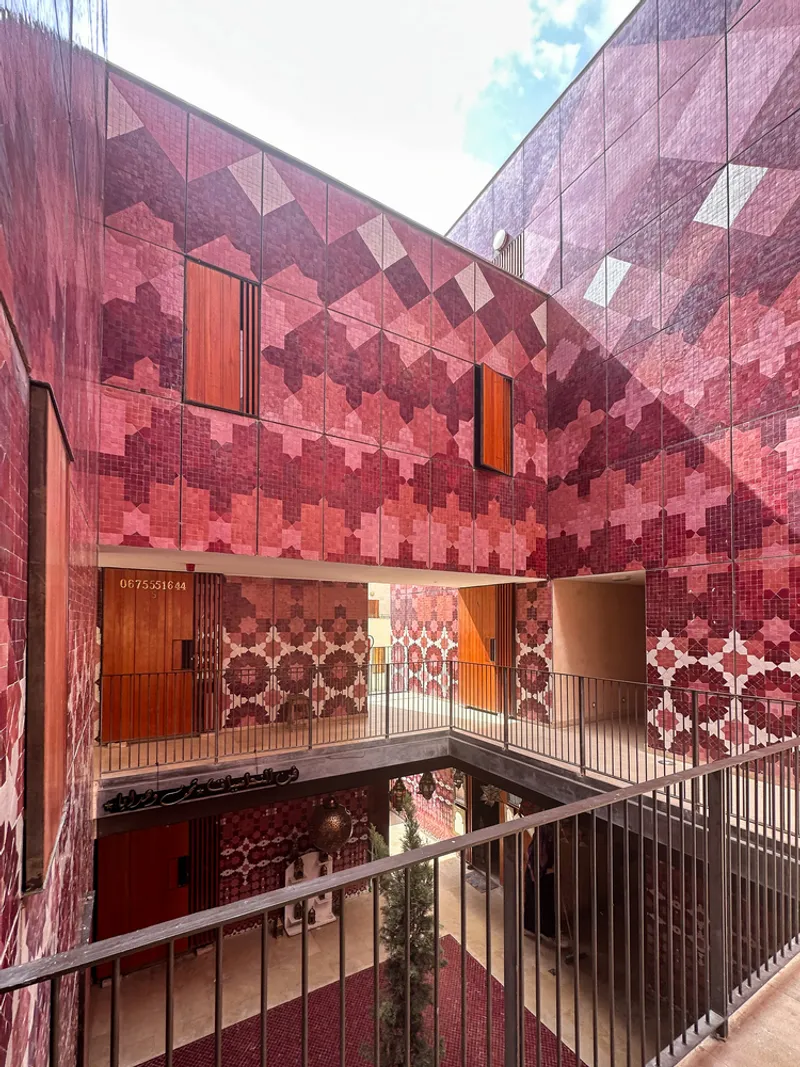
One of the project’s most distinctive features is its ceramic tilework, developed by artist Michael Pinsky in collaboration with Michel Mossessian and local craftsmen. Drawing from Fez’s 1,500-year-old zellige heritage, the tile patterns transition from classical Moroccan motifs to Spanish-influenced geometries and then to modern abstract compositions.
This evolving tile language does more than embellish; it creates:
- A cooling effect in the courtyards
- A visual identity for each artisan workshop
- A navigational system for residents and visitors
The tilework becomes both functional and symbolic—an expression of Fez’s cultural continuity through modern craft.
A Human-Scaled “Urban Room” for Civic and Cultural Life
The revitalized Lalla Yeddouna functions as a cohesive urban room—a place where daily routines, craft activities, and visitor exploration naturally intersect. The architecture uses repetition of familiar geometric forms to create legibility while introducing subtle variations that enrich the visual experience.
This approach results in a welcoming, easily navigable environment that feels authentic to the medina yet renewed for contemporary use.
Built with Local Craft, Traditional Techniques, and Community Collaboration
Sustainability extended beyond environmental performance to include social and cultural sustainability. Local materials and traditional building methods were prioritized, ensuring that the project remained grounded in medina craftsmanship. Heritage conservation followed key principles:
- Minimal intervention
- Reversible restoration techniques
- Exclusive use of traditional materials such as timber, lime plaster, and stone
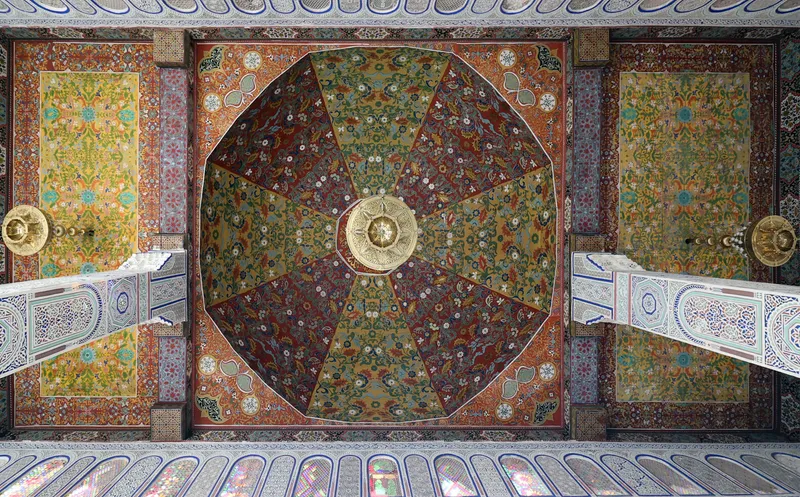
Local artisans participated throughout the construction and finishing phases, strengthening community ownership and ensuring the project’s long-term relevance.
A Model of Heritage-Led Urban Revitalization
Lalla Yeddouna Square stands today as a benchmark for culturally sensitive urban regeneration. Through its fusion of historic respect, modern architectural expression, ecological performance, and deep community involvement, the project revitalizes a vital part of Fez’s medina while reinforcing its cultural identity for future generations.
It is both a restoration and a reawakening—a project that transforms the medina not by replacing its heritage, but by strengthening its historic spirit and reconnecting its people with place.
All photographs are works of Amine Houari, Antoine Mossessian


Popular Articles
Popular articles from the community


FCC Arquitectura Expands a Portuguese Granite House with a Board-Marked Concrete Wing
In Portugal, JV House pairs a cleaned-up whitewashed and granite dwelling with a timber-shuttered concrete extension, courtyards and a garden pool.

graciastudio Turns a Viewless Tijuana Lot Inward Around a Courtyard of Concrete, Timber and Trees
In Tijuana, Jorge Gracia's GA2 House stacks a timber-clad private floor over exposed concrete and replaces a missing view with a planted interior patio.

ETEH Reworks the Shared Spaces of São Domingos School in Brazil Around Timber, Color and Hanging Plants
At São Domingos School in Brazil, 436 m² of hall, refectory and library are recast with timber joinery, a yellow and blue code and trailing greenery.


Opera on the Sea: Driftwood Logic Shapes a Timber Opera House on Estonia's Coast
Trevor Orgill's opera house translates the entangled drift of floating timber into a civic building where wood, water, and music converge.

Similar Reads
You might also enjoy these articles


Hodi-Mandai Geram
Project Function: Preservation and revitalization of the Intangible heritage and socio-spatial identity of the Hodi by Housing, Cultural Memory Center, Sacred Grove, landscape, local tourism economy


Olio Towers: A Mid-Rise for Performers That Fuses Housing, Rehearsal, and Stage
Located blocks from Houston's Theater District, this modular tower stacks living units around a central performance atrium.

Oasis: Modular Green Housing Carved into Dhaka's Urban Fabric
A shortlisted Plugin Housing entry reclaims unauthorized settlements in Dhaka with stepped concrete volumes, green roofs, and ventilation-driven design.

Black Hole: A Floating Megastructure for the Post-Physical Era
Emiliano Mazzarotto envisions a spherical, self-scaling arena where e-sports, digital hotels, and holographic stadiums replace traditional public space.

Explore Cultural Architecture Competitions
Discover active competitions in this discipline

Challenge to reimagine the Iron Throne

Photograph architecture without architects

Illustrate the lost glory of Angkor Wat - Render Challenge

Bring back Drive In's
Comments (0)
Please login or sign up to add comments
No comments yet. Be the first to comment!