

Lane House by CORE Cluster: Innovative Courtyard House Design in Bangkok
Lane House in Bangkok by CORE Cluster integrates courtyard house design, sports tracks, and wellness-focused architecture into a unique urban residence.


The Lane House by CORE Cluster redefines residential living in Bangkok by integrating health, architecture, and community into a single home. Completed in 2025, this 850 m² residence was designed in response to the COVID-19 pandemic, when access to parks and outdoor spaces was restricted. By embedding a running and cycling track directly into its structure, this project represents a new standard for courtyard house design in dense urban environments.
A Home Shaped by Movement
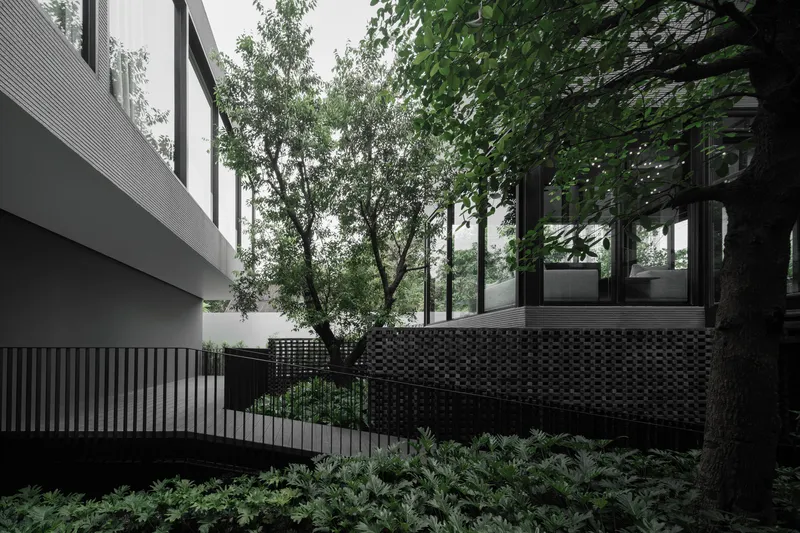
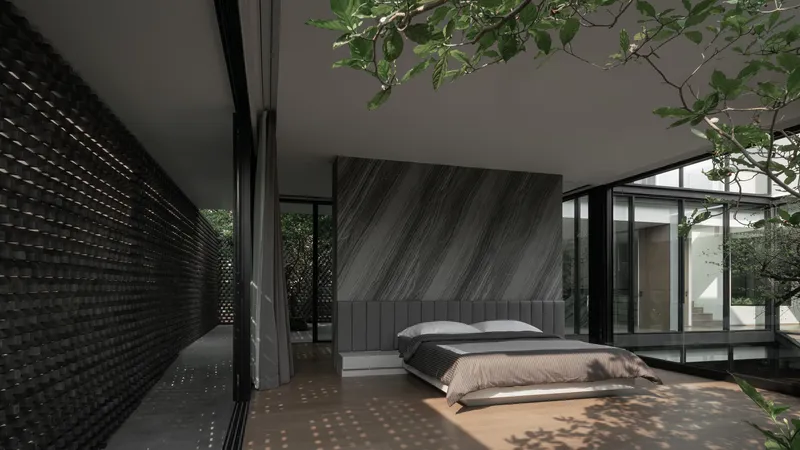
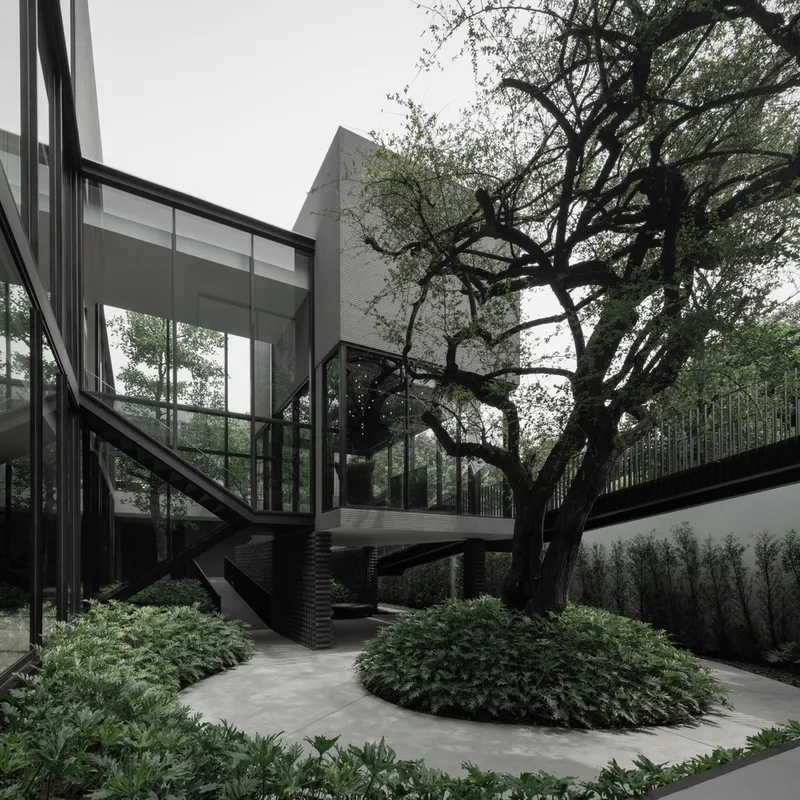
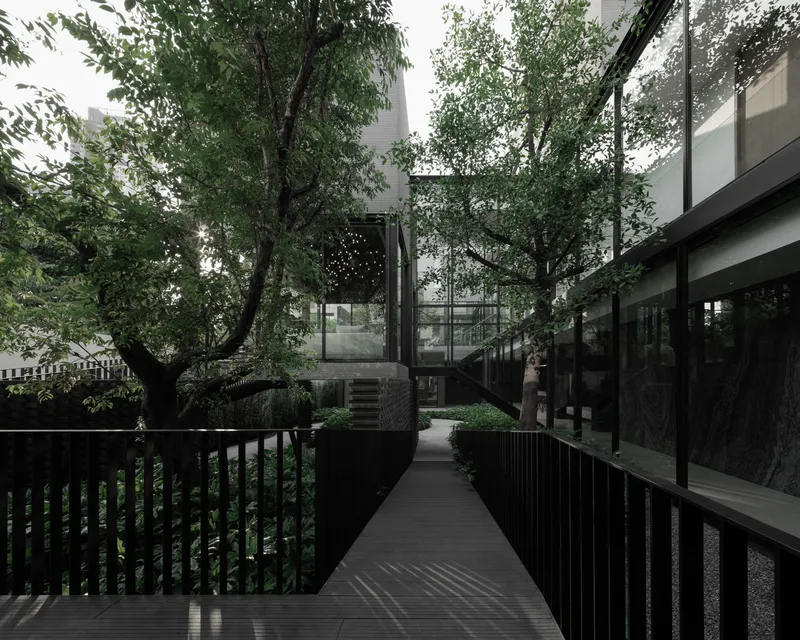
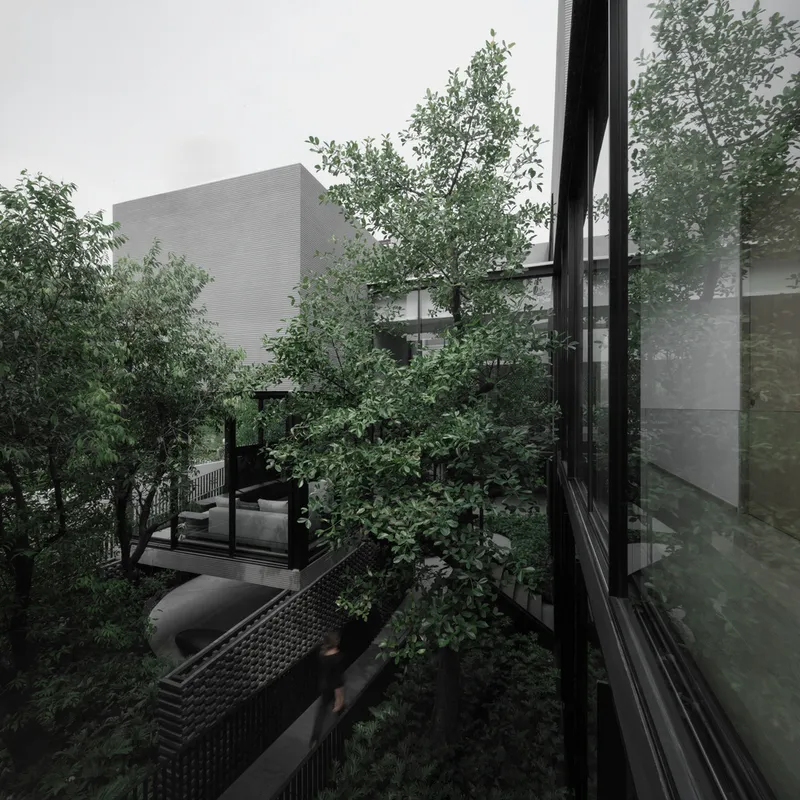
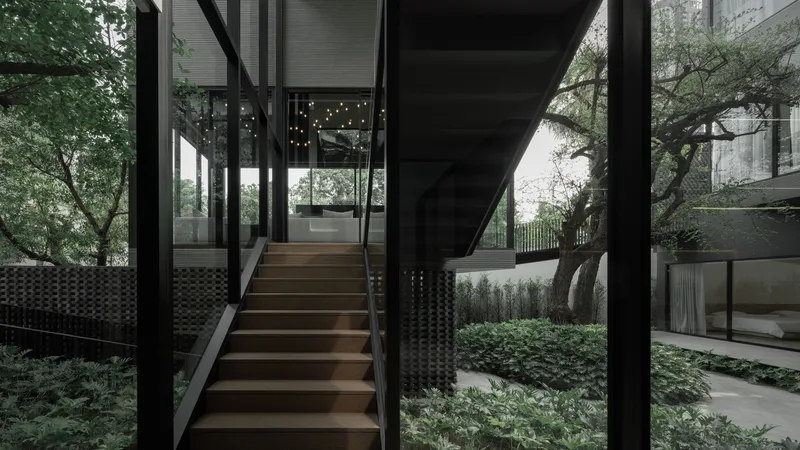
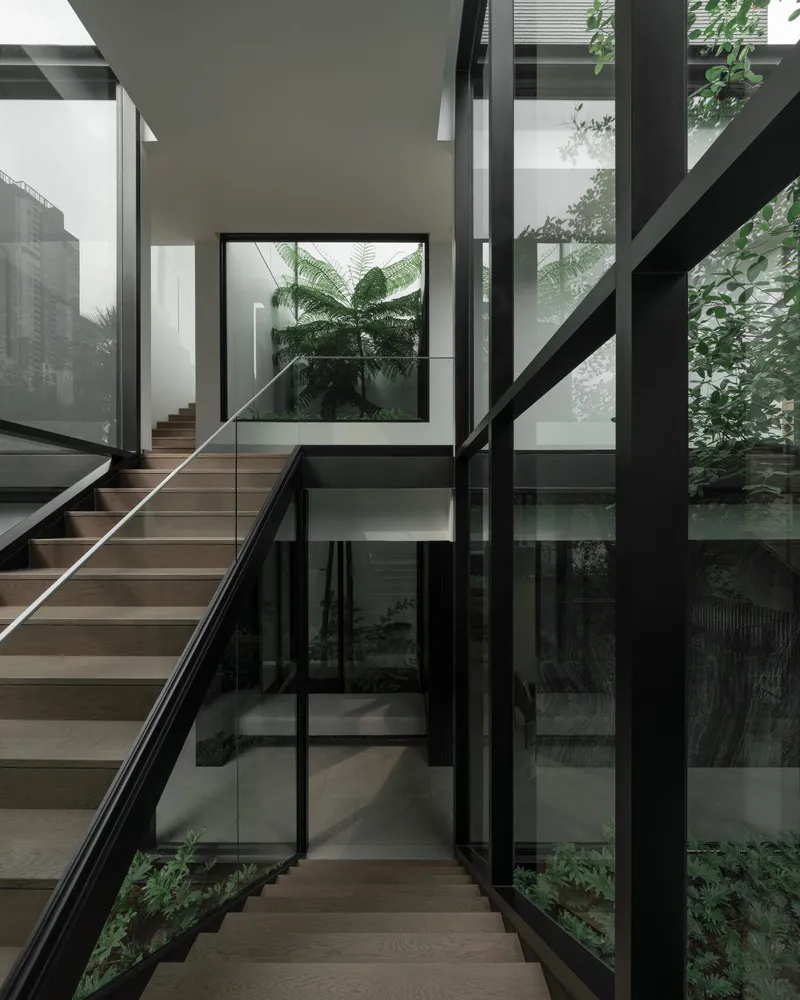
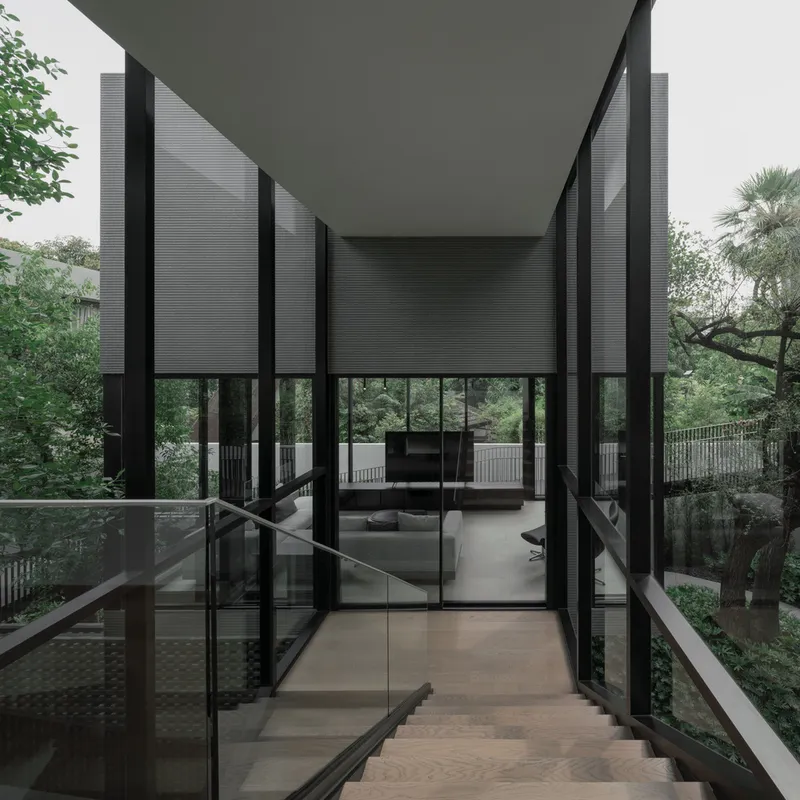
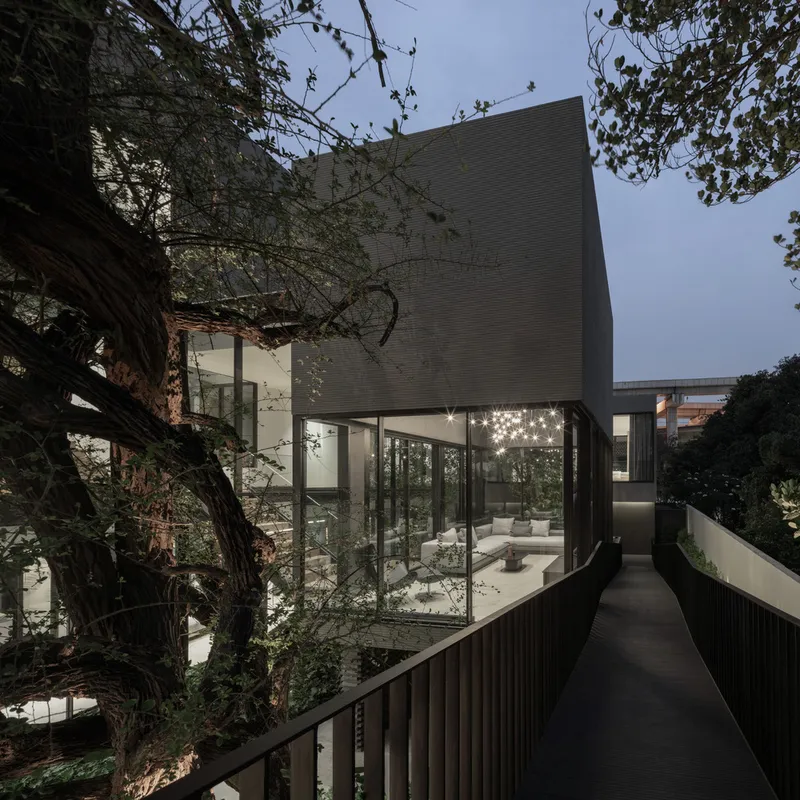
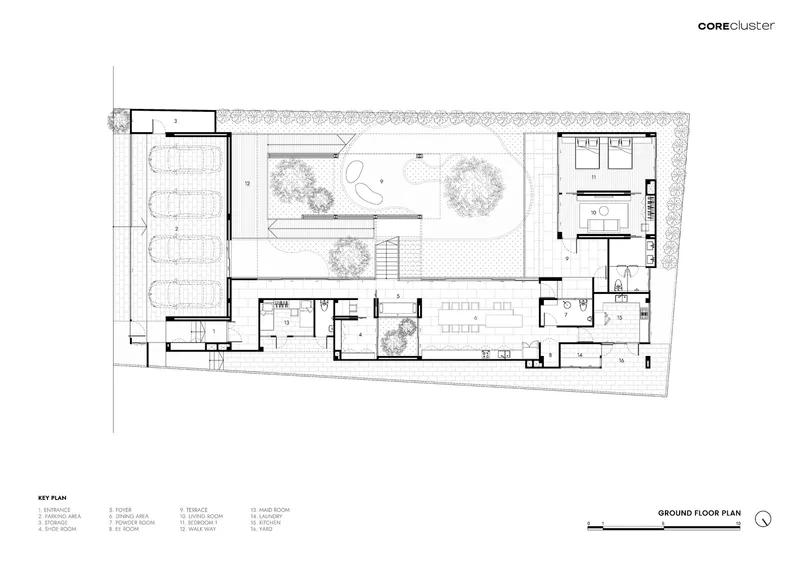
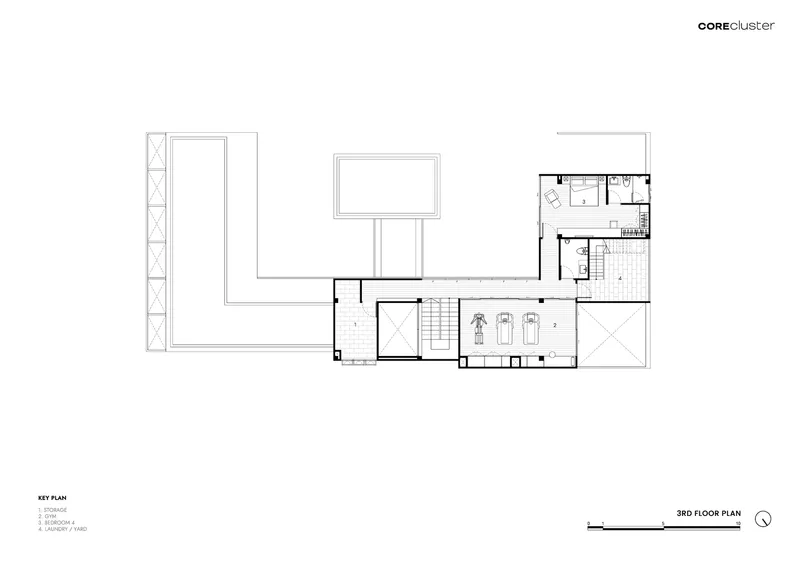
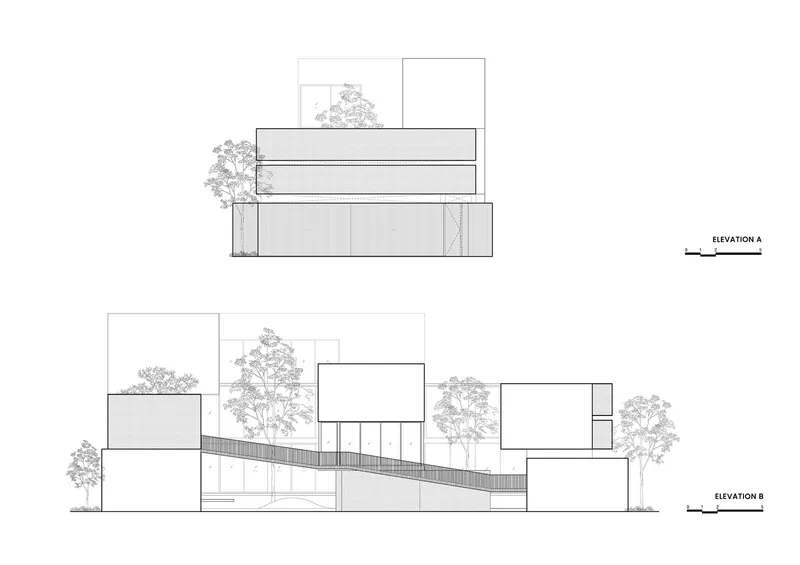
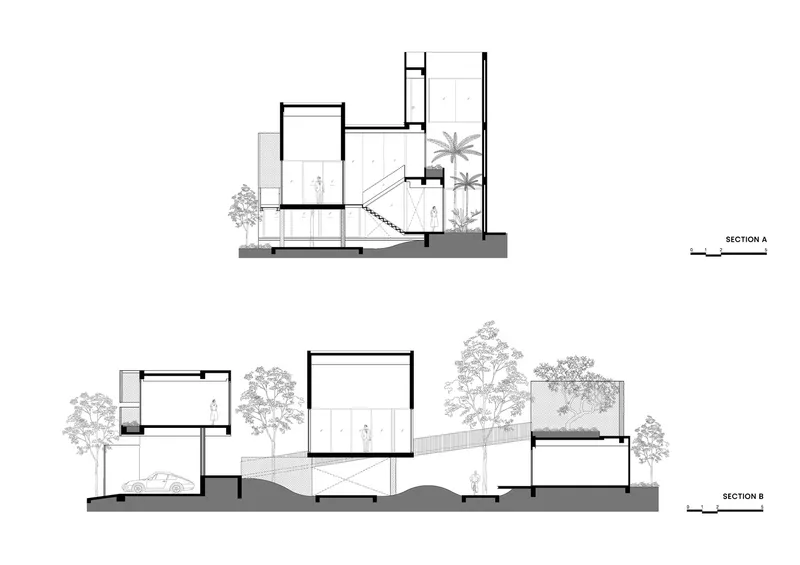
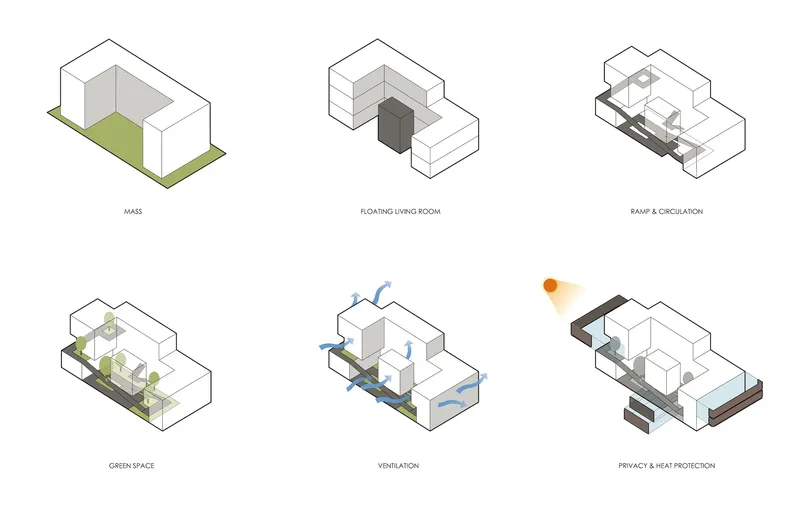
The central concept of Lane House lies in its integration of a sports track within the domestic space. The architects designed a continuous 200-meter loop that weaves around the house, linking everyday functions with opportunities for exercise. Beginning at ground level, the ramp ascends along the perimeter, connecting the courtyard, living areas, and even the master bedroom on the top floor. This seamless flow of movement transforms the house itself into an exercise landscape.
U-Shaped Plan and Courtyard Living
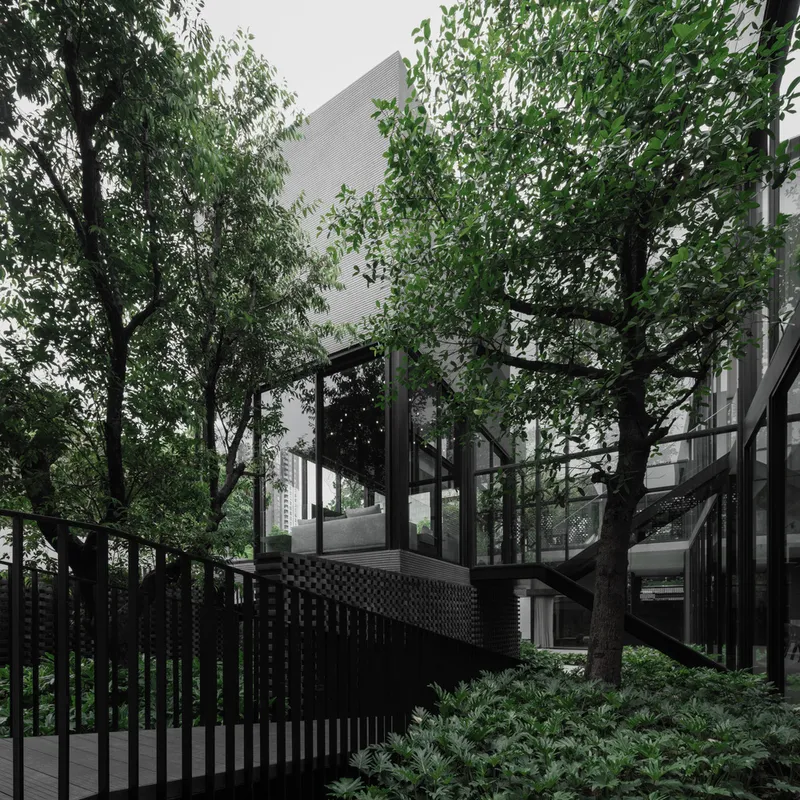
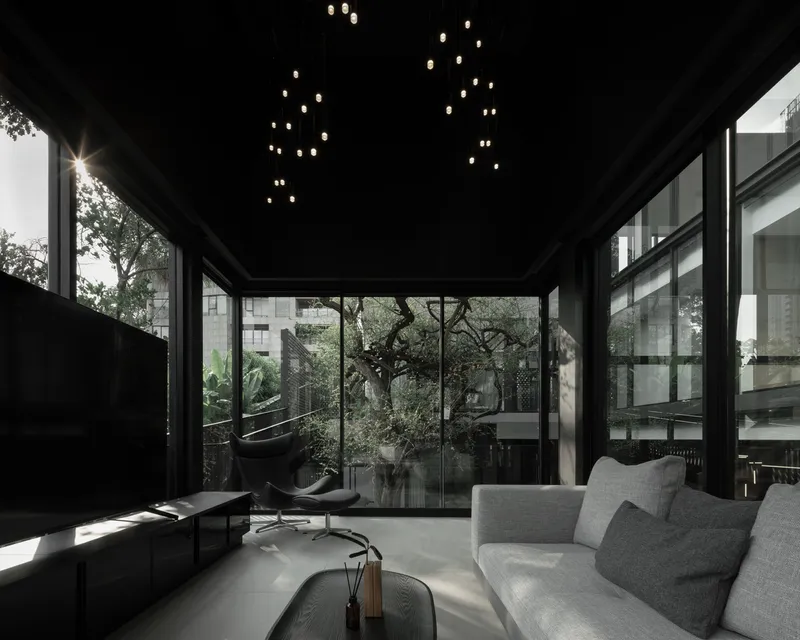
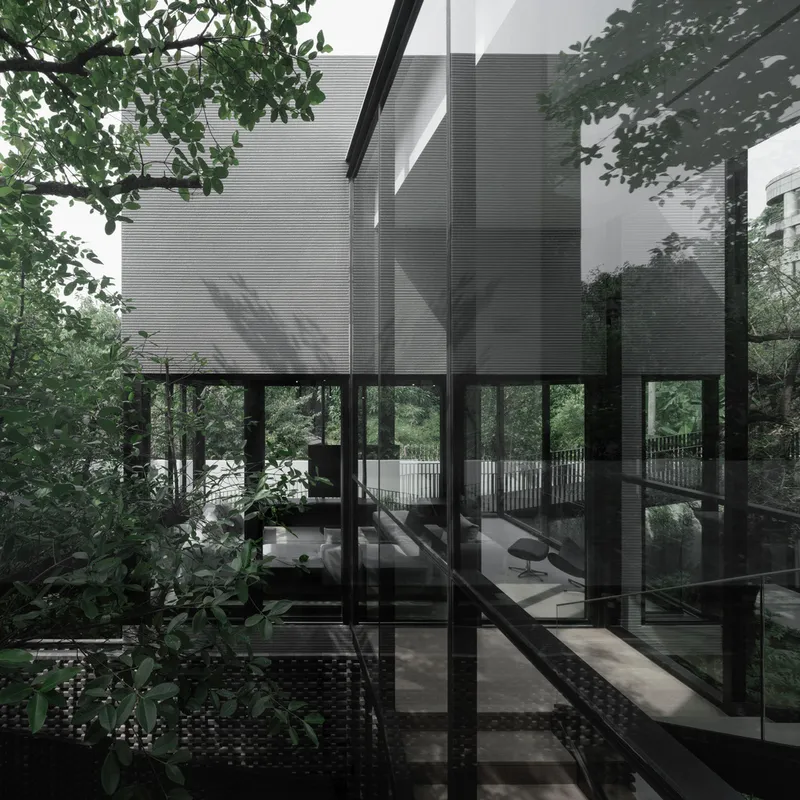
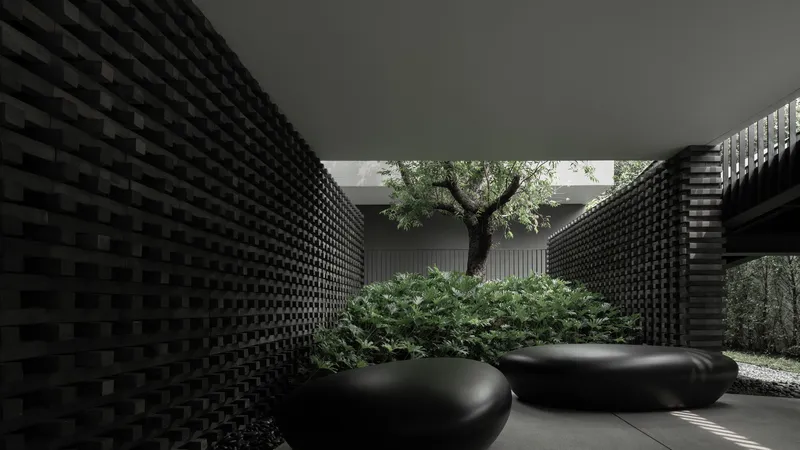
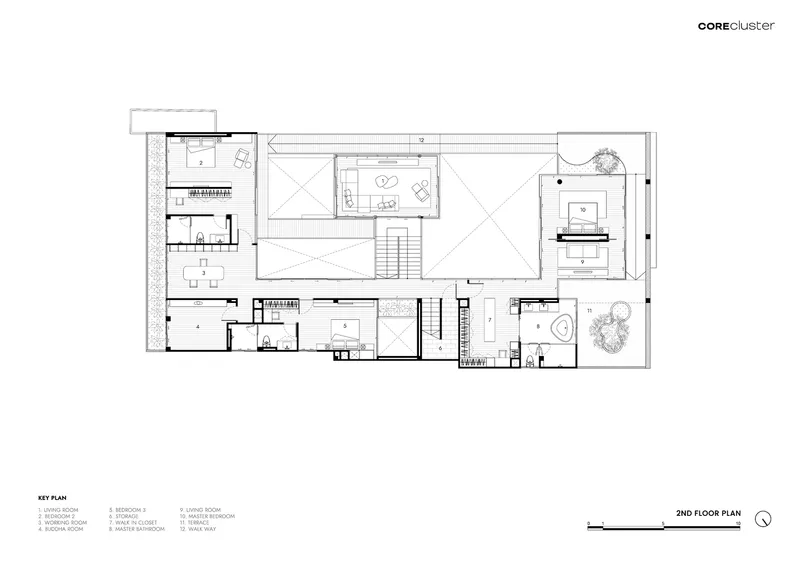
To maximize both the track length and functional arrangement, the house adopts a U-shaped layout positioned along the site’s edges. This form naturally creates a central courtyard, which serves as the social and visual heart of the residence. Floating above it, the elevated living room acts as a communal hearth, visually connecting family members while opening toward greenery. Beneath this raised space, shaded areas extend the running lane and create layered experiences of movement and rest.
Transparency, Privacy, and Light
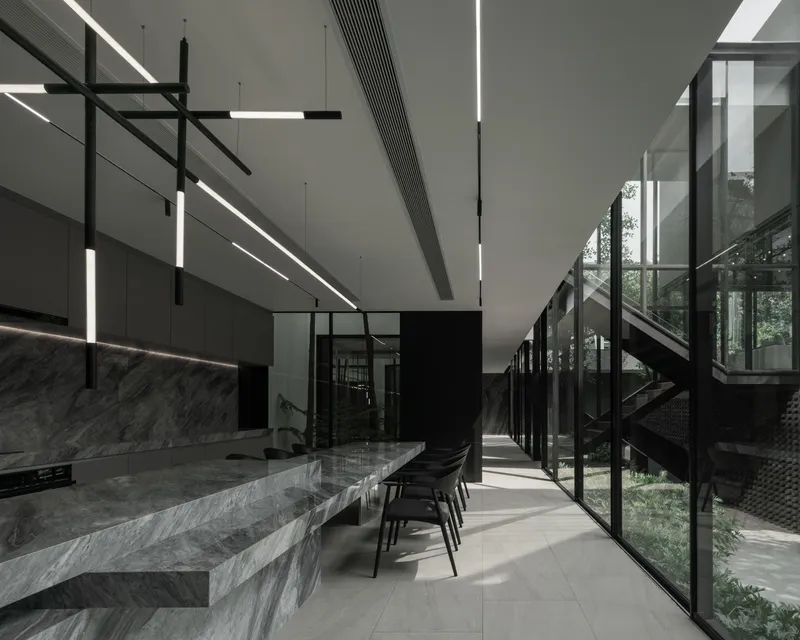
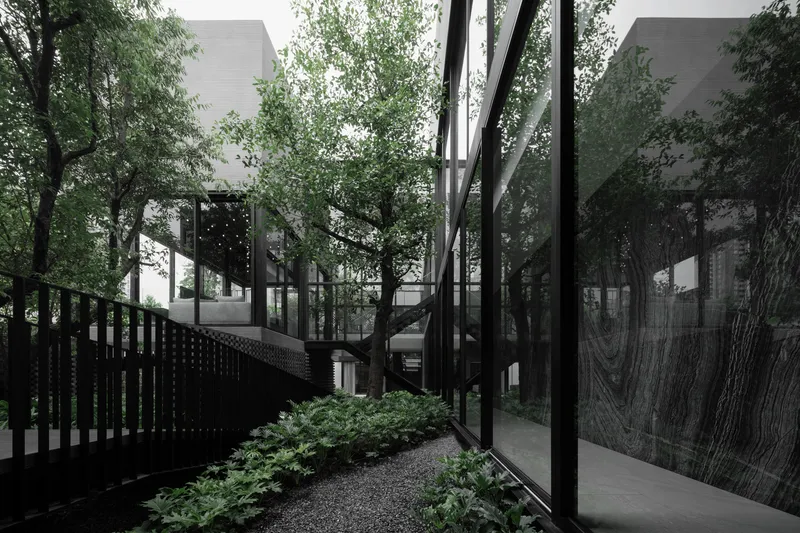
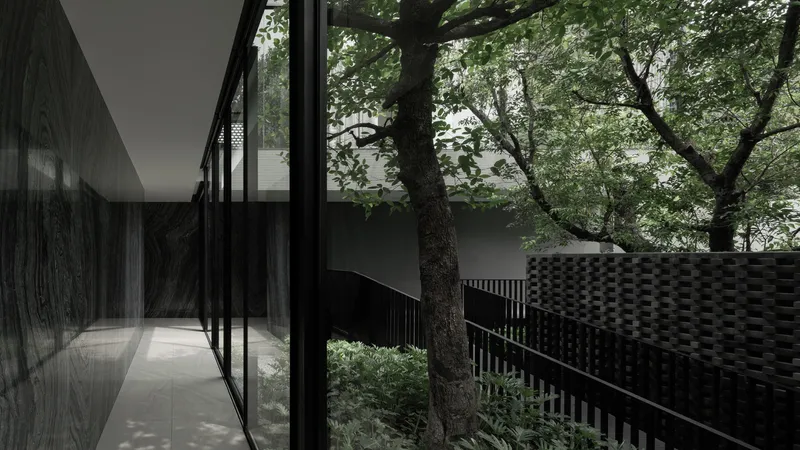
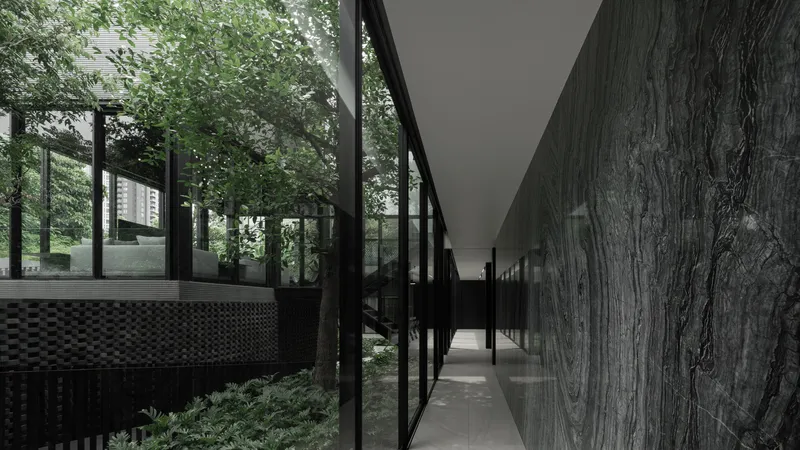
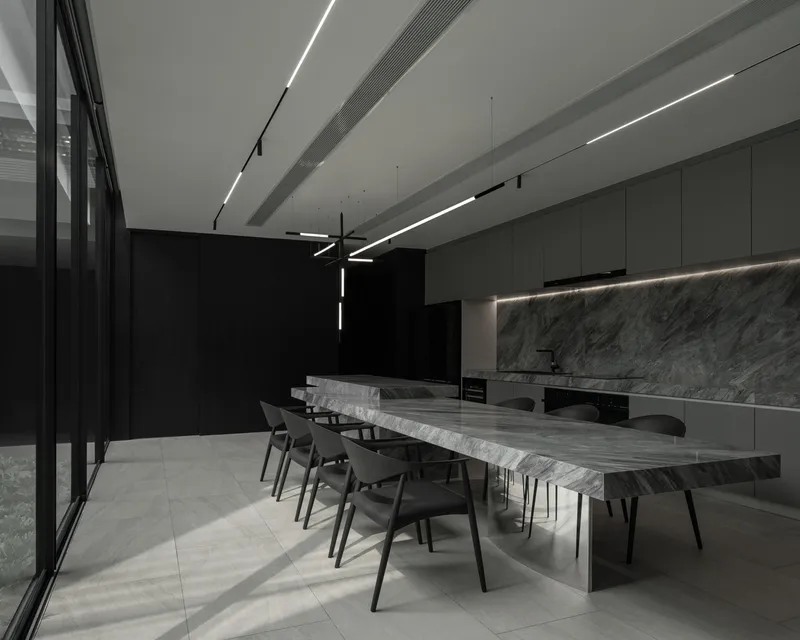
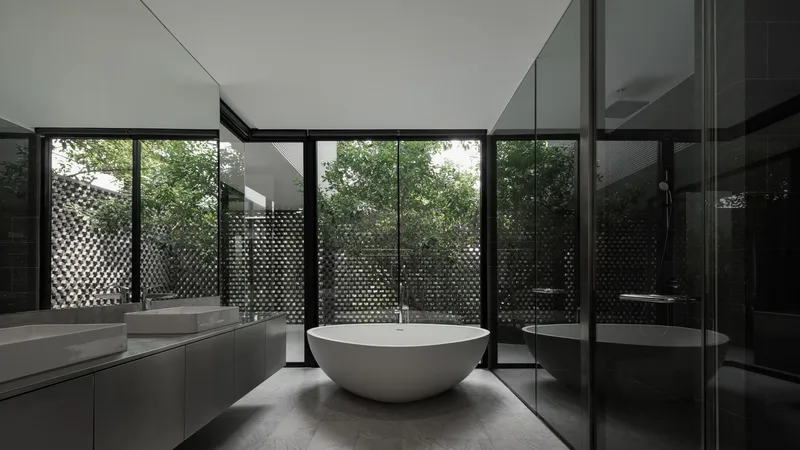
The design carefully balances openness and seclusion. Courtyard-facing walls are transparent, maximizing daylight and views while fostering interaction between indoor and outdoor spaces. In contrast, the exterior walls facing Bangkok’s highways and bridges are more enclosed, ensuring privacy and acoustic comfort. Ventilation strategies respond to the tropical climate, creating naturally lit and breezy interiors that minimize reliance on mechanical cooling.
Brick Façade and Climatic Adaptation
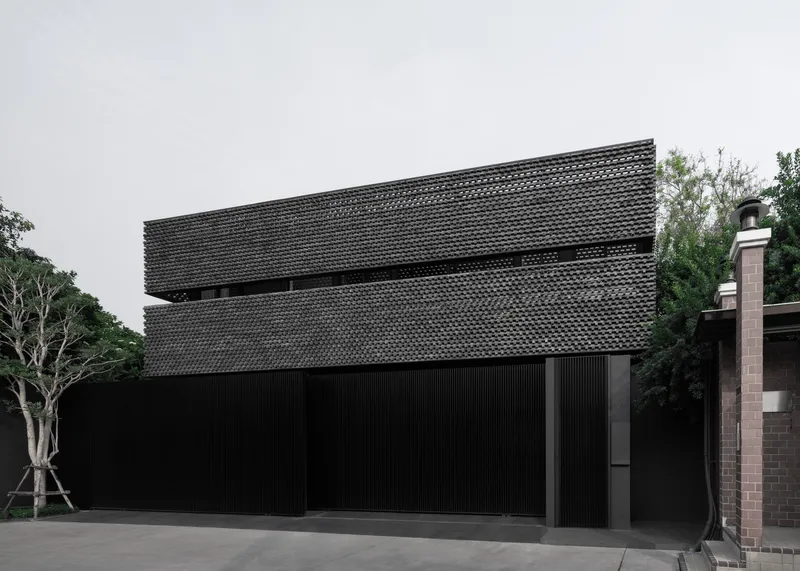
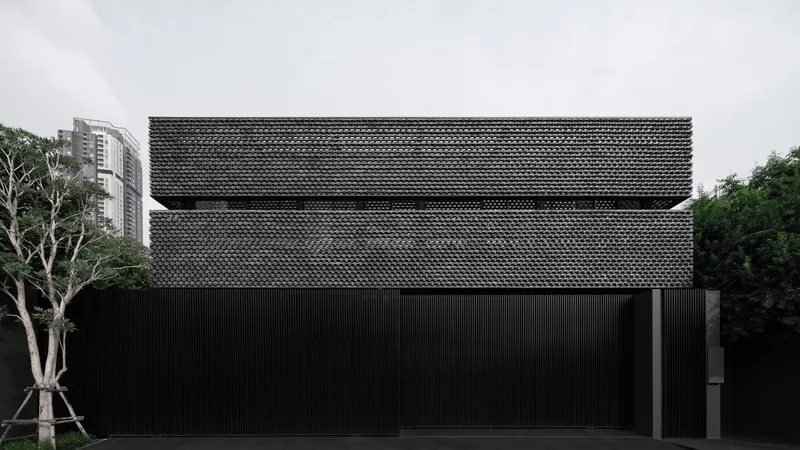
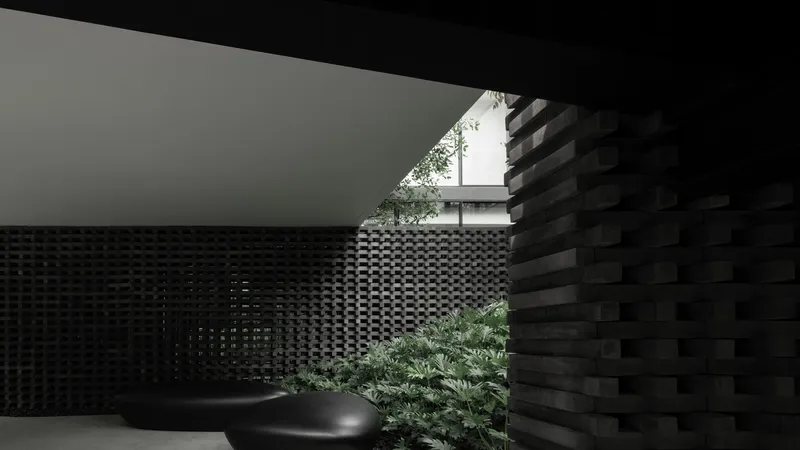
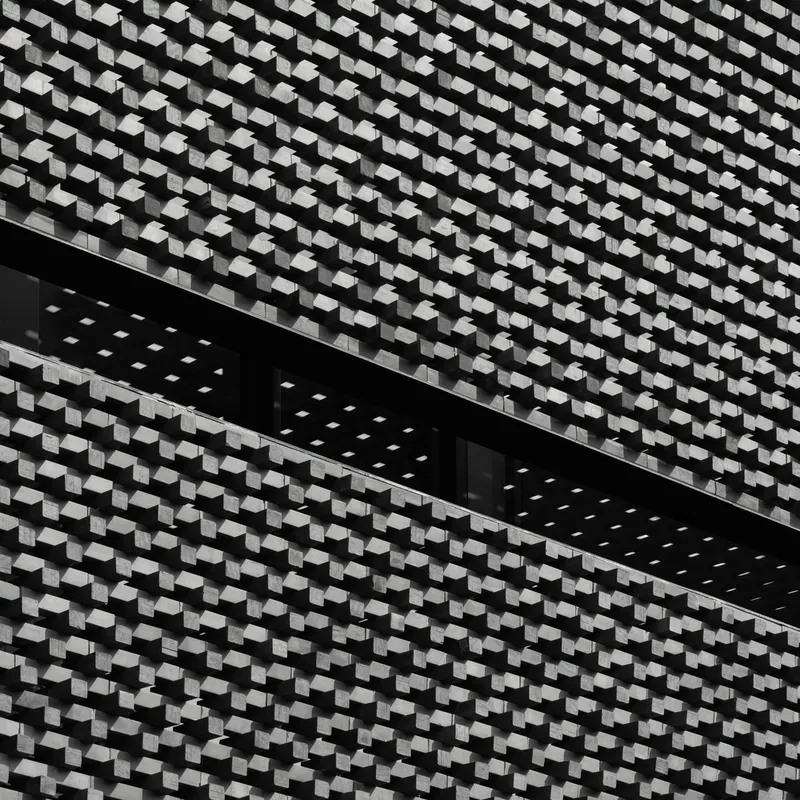
One of the most distinctive features of Lane House is its double-skin façade of burnt-grey bricks. Two diagonally arranged bricks form a perforated pattern that filters sunlight, reduces heat gain, and creates striking shadow play throughout the day. This robust yet low-maintenance material weathers gracefully, embodying the passage of time while maintaining architectural integrity.
Redefining Courtyard House Design in Thailand
Lane House is more than a private residence—it is a reflection of evolving lifestyles in dense cities. By merging a traditional courtyard house design with modern wellness-focused architecture, the project responds to contemporary needs for health, privacy, and social connection within a limited urban footprint. CORE Cluster has created a house that is both protective and open, introspective and playful, functional and poetic.

The Lane House demonstrates how courtyard house design can evolve in response to global challenges and urban constraints. By embedding a sports track, embracing openness to nature, and using timeless materials, CORE Cluster has created a residence that supports both body and spirit while standing resilient within Bangkok’s urban fabric.
All Photographs are works of Chalermwat Wongchompoo | Sofography


Popular Articles
Popular articles from the community


ETEH Reworks the Shared Spaces of São Domingos School in Brazil Around Timber, Color and Hanging Plants
At São Domingos School in Brazil, 436 m² of hall, refectory and library are recast with timber joinery, a yellow and blue code and trailing greenery.


Aquadapt: An Underwater Habitat That Rewrites Its Rooms by the Hour
Curved modules ring the seabed while one shell shifts from breakfast room to cinema, farm and football pitch as residents' needs change.

Opera on the Sea: Driftwood Logic Shapes a Timber Opera House on Estonia's Coast
Trevor Orgill's opera house translates the entangled drift of floating timber into a civic building where wood, water, and music converge.

Cube Design Draws an Ecological Corridor Between Two Shenzhen Hills with the Nankai Building
Beside Shenzhen's container docks, the Nankai Building pairs stacked balconies with a climbing green screen to connect two hillsides across its height.

Similar Reads
You might also enjoy these articles
Cube Design Draws an Ecological Corridor Between Two Shenzhen Hills with the Nankai Building
Beside Shenzhen's container docks, the Nankai Building pairs stacked balconies with a climbing green screen to connect two hillsides across its height.

Praksis A and Studio Sted Bend a Red Timber Cabin Across the Granite of Norway's Southern Coast
On the southern Norwegian coast, a 105 m² cabin follows the rock on slender posts, pairing red cladding outside with pine, brick and plywood within.

David Ortega Stacks a Two-Story Mexico City Penthouse Around a Steel Stair and a Pergola-Shaded Roof Terrace
In Colonia Roma, a 300 m² penthouse uses oak joinery, a planted steel stair and a slatted roof pergola to make a new-build apartment feel like a house.

PARALELA and LB2 Thread a Public Walkway Through the Base of a Las Condes Residential Tower
In Las Condes, Santiago, the Hamlet Building gives its fenceless ground floor to a 70-metre wooded passage linking two streets and the metro.

Explore Architecture Competitions
Discover active competitions in this discipline

Challenge to reimagine the Iron Throne

Photograph architecture without architects

Illustrate the lost glory of Angkor Wat - Render Challenge

Design challenge to reuse E-waste
Comments (0)
Please login or sign up to add comments
No comments yet. Be the first to comment!