

Layers of Healing Through Three Levels
Layers of Healing Through Three Levels

OJAS STRATA explores healing as a spatial journey shaped through the philosophy of Ayurveda and the dynamic relationship between body, landscape, and architecture. Rather than functioning solely as a medical facility, the project is envisioned as a layered healing environment where wellness, community health, and cultural continuity coexist.
The design emerges from the principles of the three doshas—Vata, Kapha, and Pitta—which are translated into spatial experiences through varying levels, atmospheres, and material conditions. The long and narrow site becomes an opportunity to choreograph a gradual transition from the public urban edge toward more introspective and therapeutic environments.
Vata, positioned at Level -4.00, is associated with ether and air. This zone is interpreted through permeability, filtered light, and a sense of openness, creating spaces for meditation, breathwork, and spiritual quietness. Kapha, located at Level +0.00, represents grounding and stability. It forms the central balance of the project, where healing gardens, communal areas, and restorative landscapes support collective wellbeing. Pitta, rising to Level +4.00, reflects transformation and therapeutic intensity. This level accommodates treatment and healthcare-related functions within a more controlled architectural atmosphere.
Water plays a symbolic and environmental role within the project. At the entrance, it marks a threshold between the surrounding city and the interior healing environment, guiding visitors into a slower and more reflective spatial experience. Courtyards, vegetation, and shaded circulation paths create microclimates suited to Ahmedabad’s hot climate while reinforcing the sensory qualities of healing architecture.
OJAS STRATA also responds to contemporary health challenges. Beyond its Ayurvedic functions, the center is designed to accommodate emergency scenarios and community healthcare needs through adaptable spaces and flexible circulation systems. In this sense, healing is understood not only as an individual condition but as a collective and resilient process.
The project ultimately seeks to preserve traditional knowledge while reinterpreting it through contemporary architectural language—where healing is experienced through movement, atmosphere, and the layered relationship between land, body, and space.
References (1)
View Through a Window May Influence Recovery from Surgery
This study explores the relationship between nature-integrated environments and human wellbeing, emphasizing how biophilic design principles contribute to stress reduction, emotional restoration, and improved spatial comfort. It investigates patterns such as natural light, vegetation, water elements, and visual connections with nature, demonstrating their positive impact on psychological and physiological health. The research provides a framework for designing healing environments that support recovery, relaxation, and overall wellness through meaningful interactions between architecture and nature.

Popular Articles
Popular articles from the community


Tsunami Convergenics: Turning Catastrophic Ocean Forces into Underwater Housing Infrastructure
A speculative underwater settlement off the coast of Onagawa, Japan, treats tsunamis and typhoons as energy sources rather than threats.

Opera on the Sea: Driftwood Logic Shapes a Timber Opera House on Estonia's Coast
Trevor Orgill's opera house translates the entangled drift of floating timber into a civic building where wood, water, and music converge.

Manzana Morphosis: Stretching Barcelona's Grid into a Living Landscape for 2050
A radical reworking of the Eixample manzana turns density into a tool for generous public space, vertical ecology, and environmental performance.

Singing Woman: Contemporary Architecture Inspired by Estonia’s Voice and the Sea
Singing Woman turns Estonia’s song culture into flowing opera house architecture, blending public life, landscape, sea, and national memory.

Similar Reads
You might also enjoy these articles

Day and Night Park: A Time-Based Urban Newsstand in Beijing
A temporary urban newsstand in Beijing blending travel, light, and reading through poetic colors, compact form, and community-focused design.

Modernist Patio Renovation in El Masnou, Barcelona by Oliver Segura Arquitectura + Cebrià Arquitectura
Modernist patio renovation blending tradition and innovation with a movable pool, leveled floors, and Catalan materials in El Masnou.
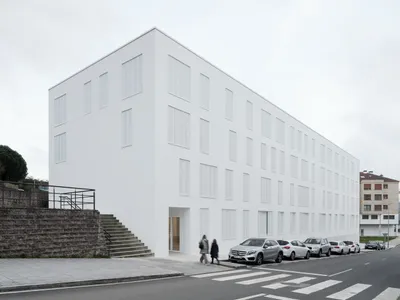
Alto Residencial Coop: Cooperative Housing Development in Santiago de Compostela by Carbajo Barrios Arquitectos
A linear cooperative housing complex blending white volumes and perforated metal façades, enhancing community living, natural light, privacy, and urban integration.
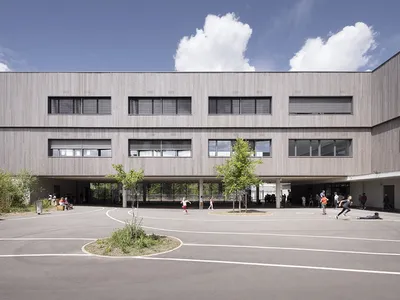
Vil Genis School by BPA ARCHITECTURE – Massy, France
Vil Genis School in Massy, France, features sustainable design, south-facing classrooms, community integration, accessible spaces, and modern educational architecture.

Explore Meditation Space Competitions
Discover active competitions in this discipline


Challenge to reimagine the Iron Throne

Photograph architecture without architects

Illustrate the lost glory of Angkor Wat - Render Challenge

Design challenge to reuse E-waste
Comments (0)
Please login or sign up to add comments
No comments yet. Be the first to comment!