
Less Pavilion by Pezo von Ellrichshausen: An Exploration in Minimalist Architectural Form
Less Pavilion by Pezo von Ellrichshausen is a minimalist architectural masterpiece featuring repetitive columns, geometric form, and structural elegance in Australia.


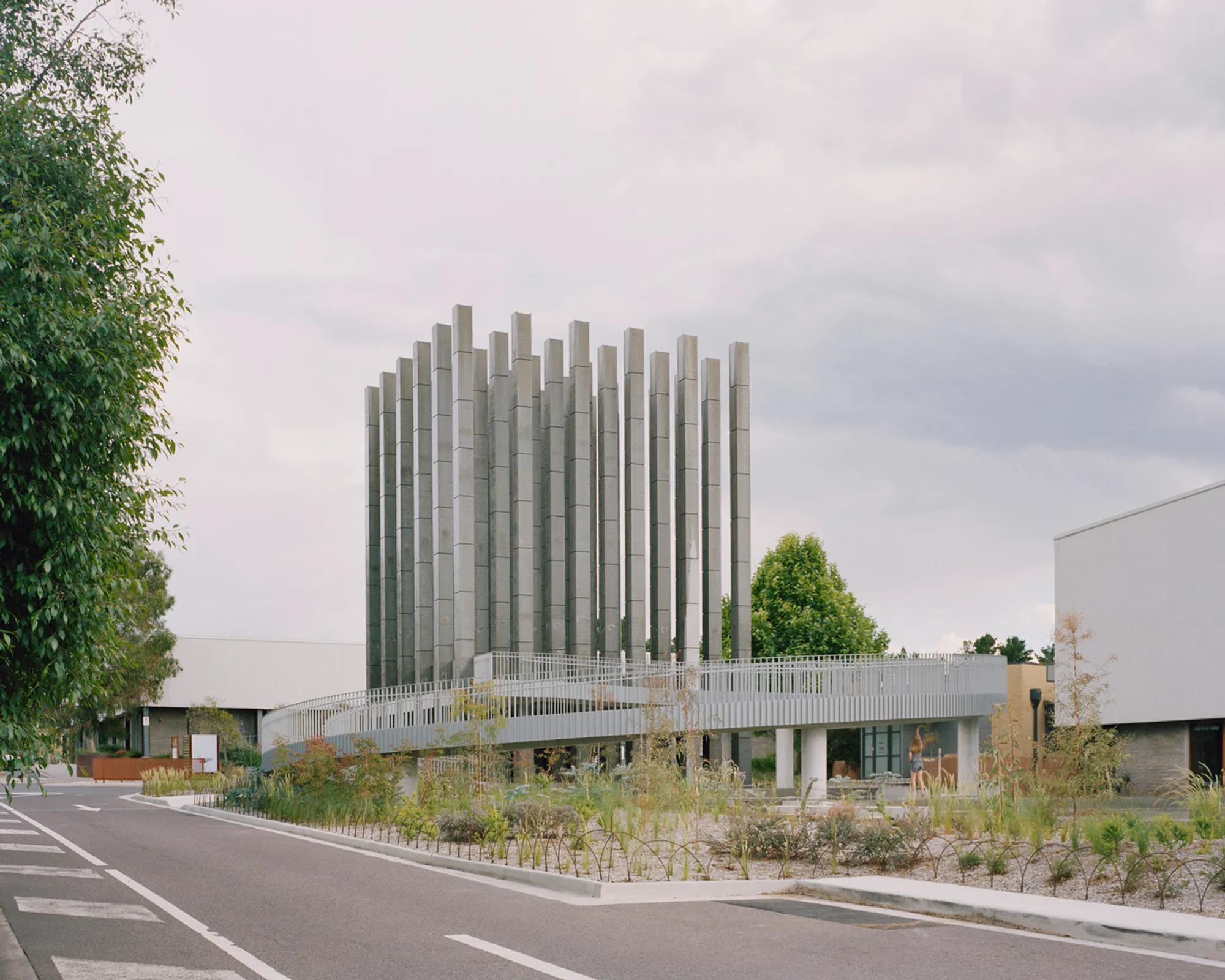
Located in Fyshwick, Australia, the Less Pavilion by renowned architects Pezo von Ellrichshausen is an extraordinary example of minimalist architecture that defies traditional definitions of space and structure. Covering an area of 330 square meters, this pavilion challenges the typical notion of what a pavilion should be, intentionally rejecting conventional labels to create a unique architectural experience.
An Ambiguous Architectural “Thing” Beyond a Pavilion
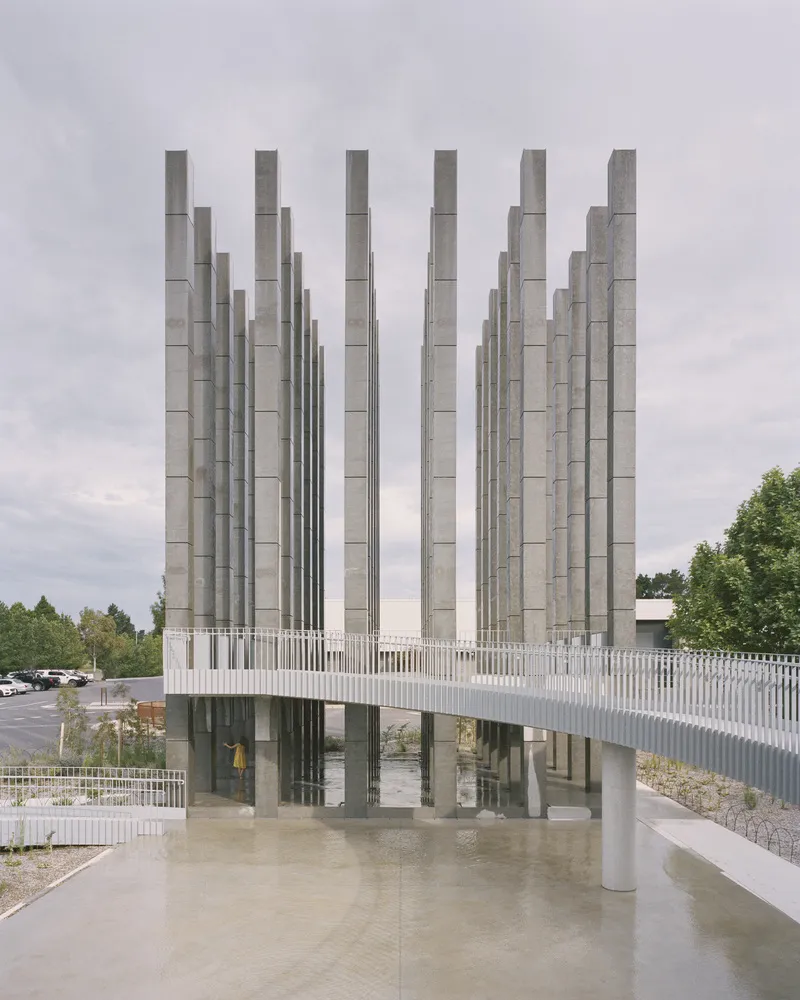
The Less Pavilion intentionally avoids being called a "pavilion" to distance itself from the imagery of temporary or decorative garden structures. Instead, it positions itself as an ambiguous architectural object or “thing” that resists singular categorization. The design explores the boundaries between architecture and sculpture, functioning as both a spatial enclosure and a structural statement.
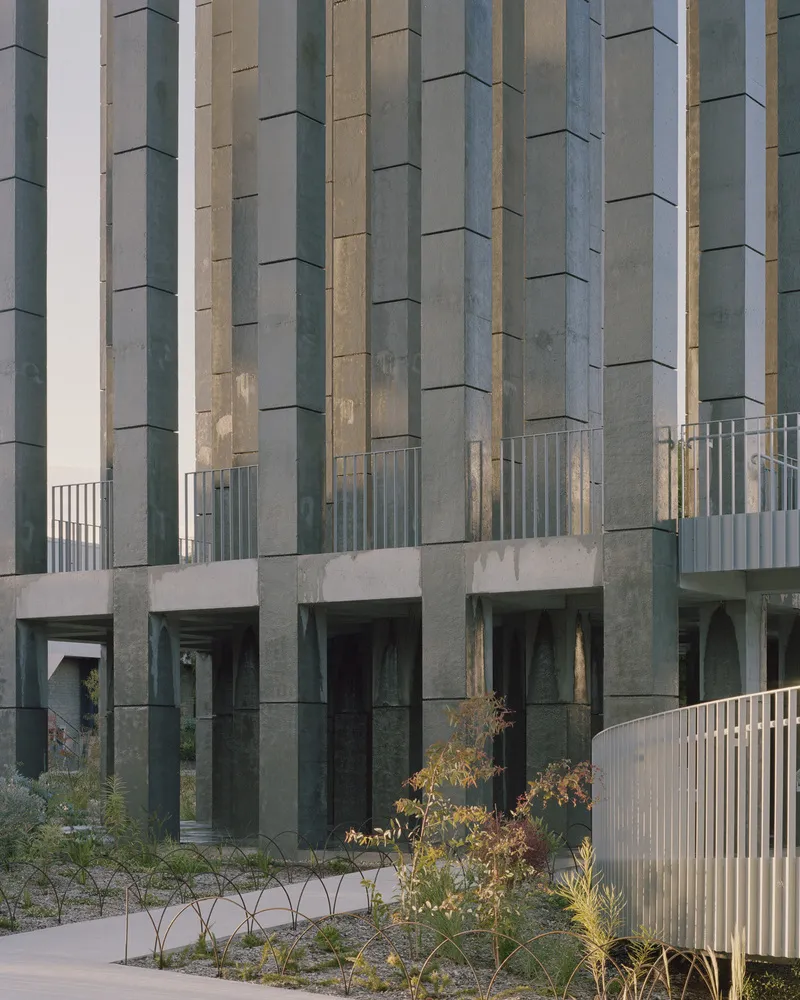
Geometric Precision and Structural Repetition
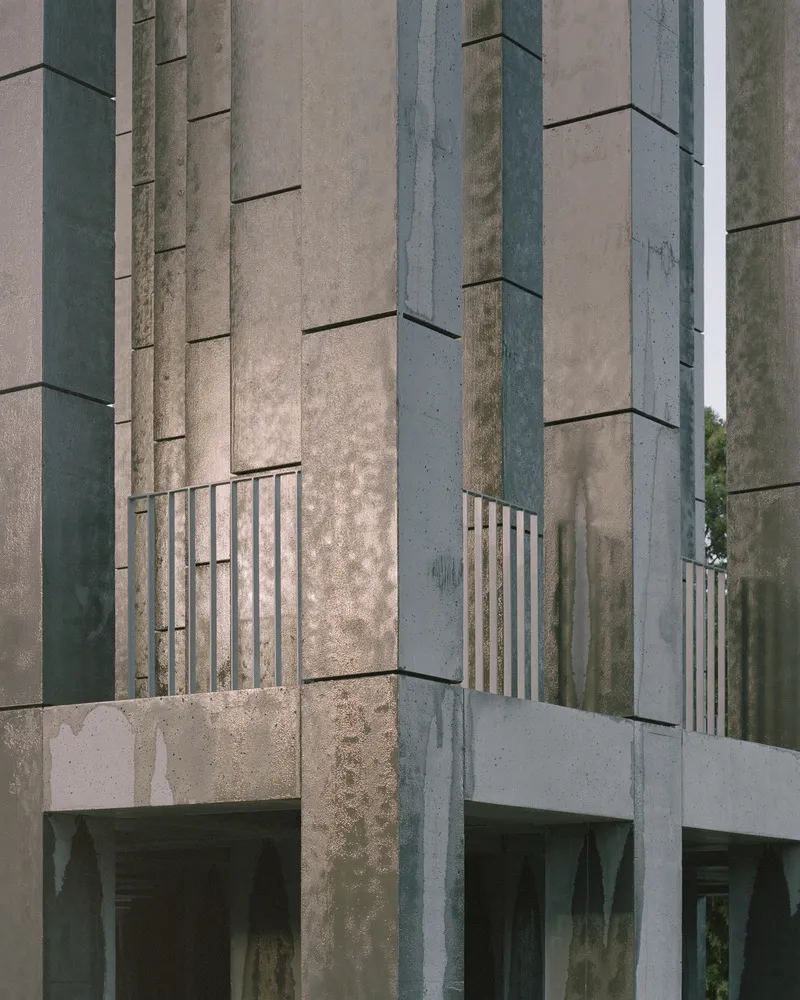
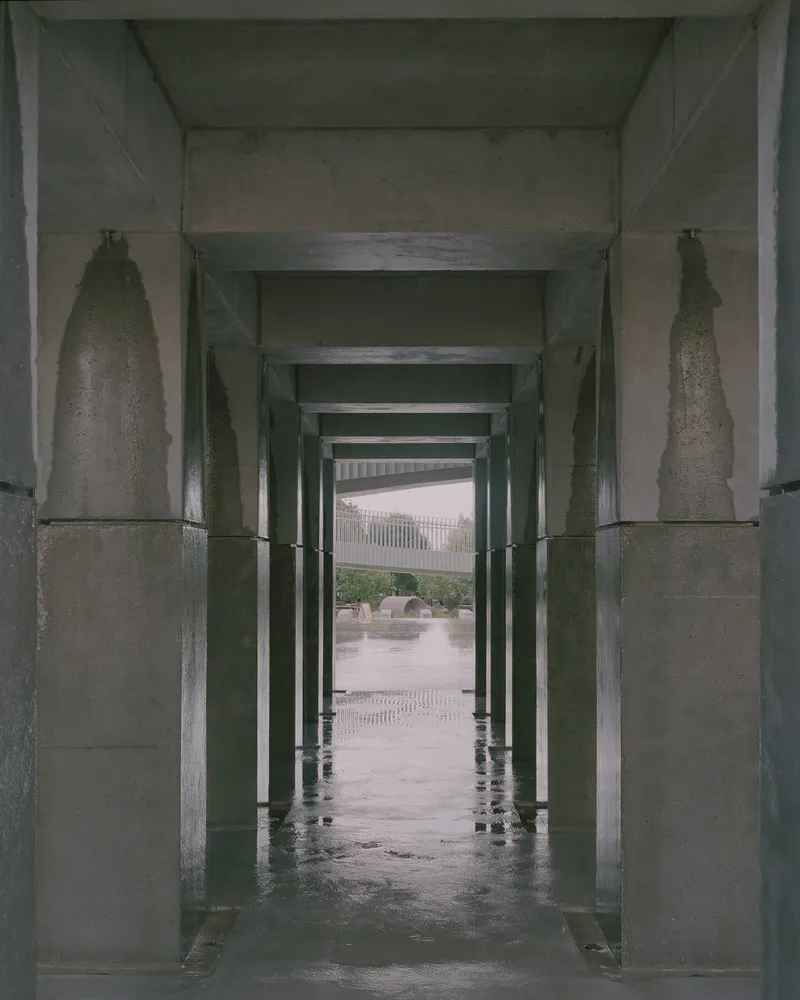
At the heart of the design is a strict geometric form — a square plan with a 2:3 elevation ratio. The pavilion’s defining characteristic is its repetitive grid of bold, slender columns and pillars that extend rhythmically across the structure. These elements serve as more than just visual features; they are the core structural components, carrying the weight of the overhead planes and transferring the load to the foundation. This structural honesty and minimalist approach celebrate the pure functionality of architecture.
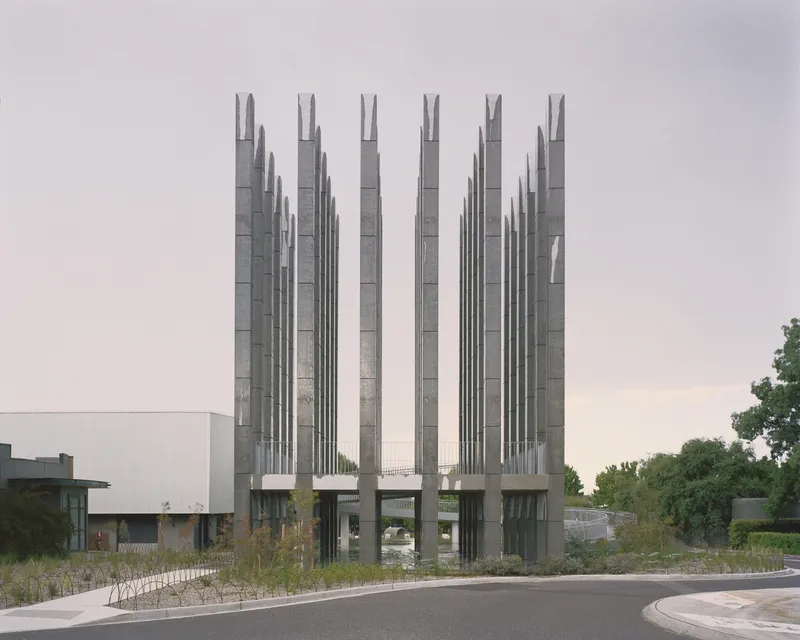
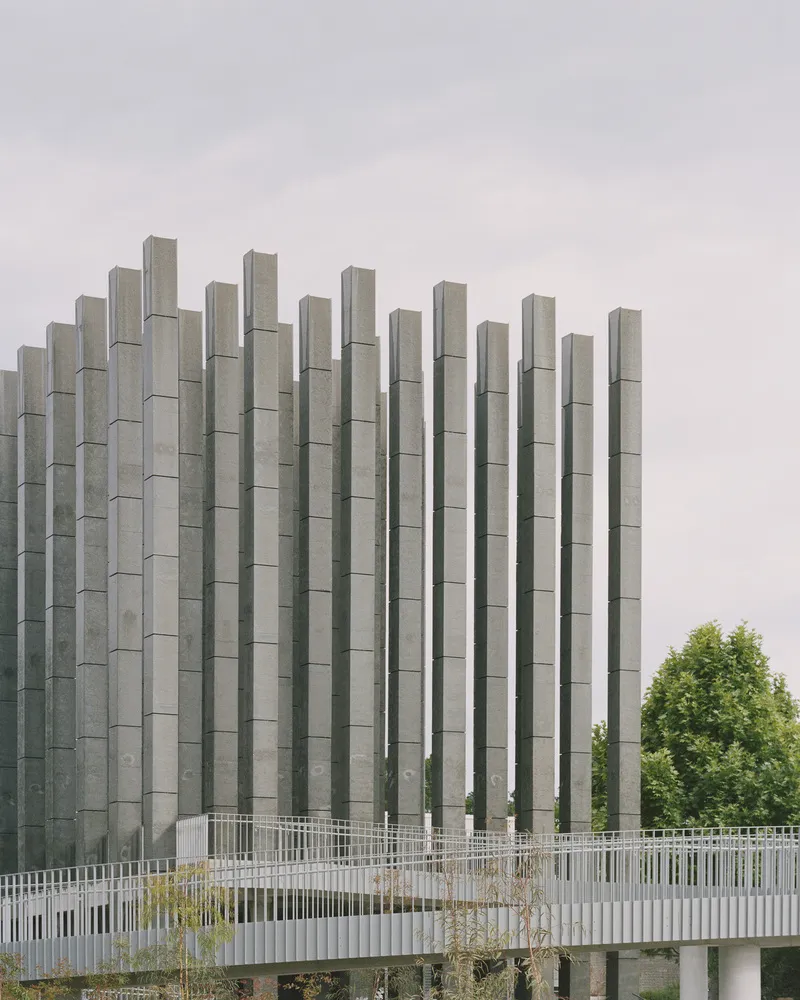
Spatial Flexibility and Open-Ended Use
The uniformity and monotony of the columns dissolve hierarchical distinctions within the space, creating an open, flexible environment. This flexibility allows for multiple interpretations and uses, inviting visitors to interact with the pavilion in their own ways. The pavilion is not designed for living but rather as a place of reflection, events, or simply architectural appreciation. Its quiet walls and repetitive forms evoke contemplation and a subtle tension between material presence and emptiness.
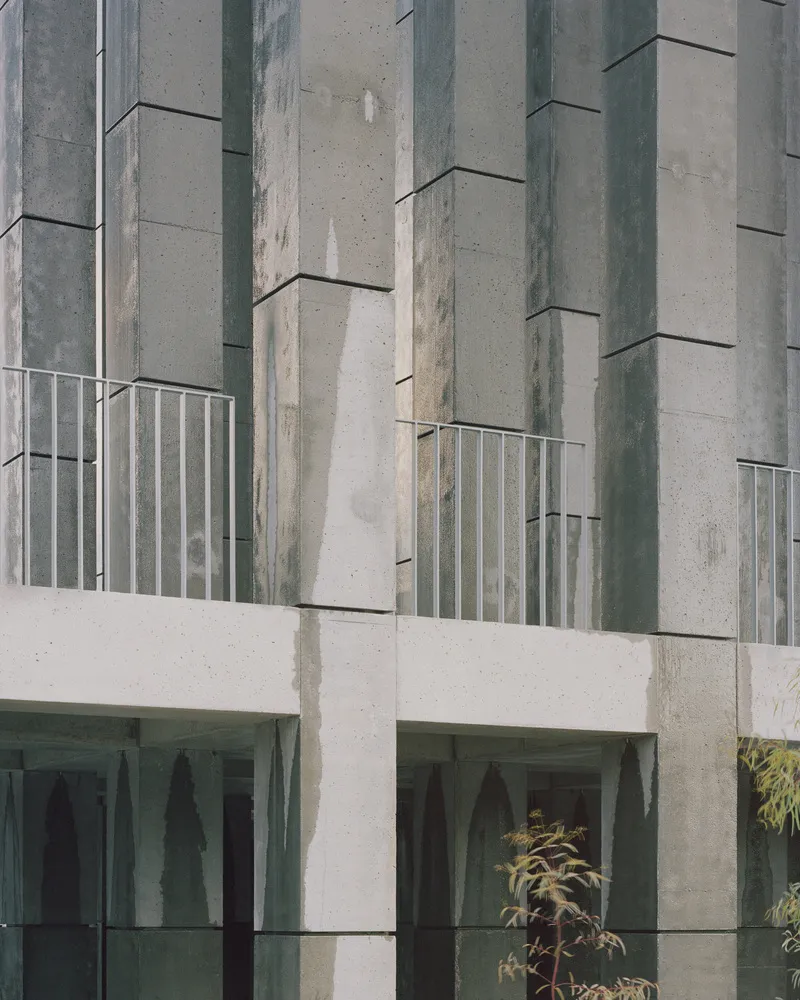
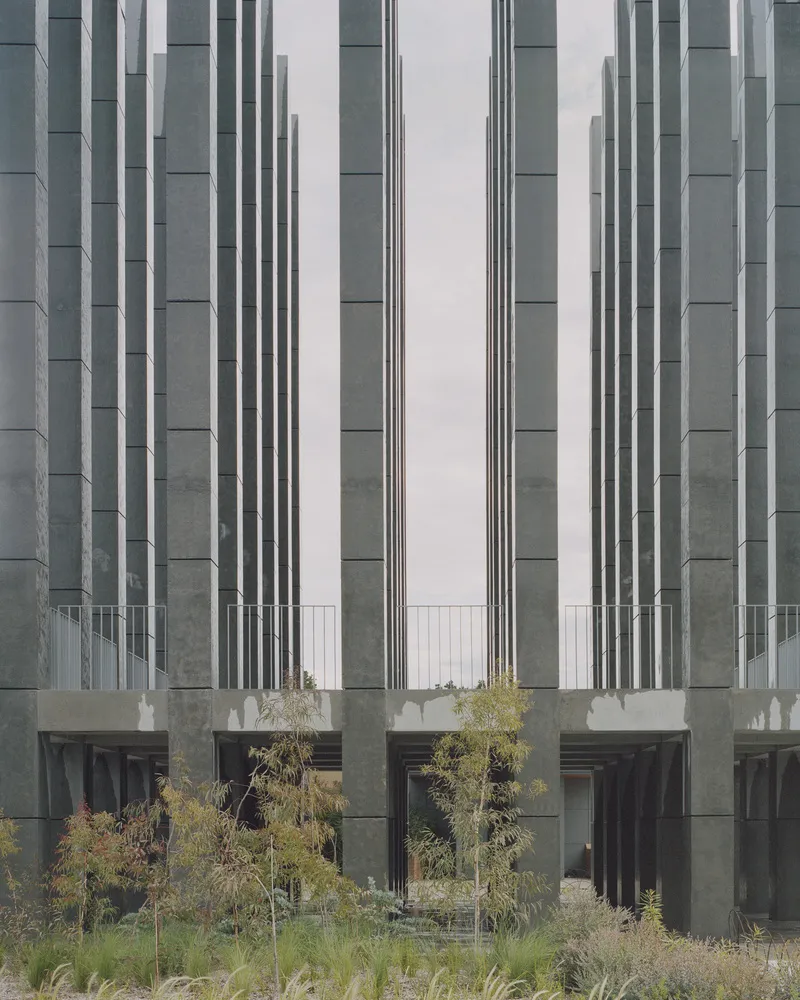
Conceptual Exploration of Form and Balance
Beyond its physical attributes, the Less Pavilion is a meditation on balance, restraint, and the essence of structure. It embodies a tension between the minimalism of form and the necessity of structural integrity. The pavilion’s rhythm and repetition evoke a kind of architectural fear and cautious optimism — an exploration of how simple forms bear complex forces such as gravity and load.
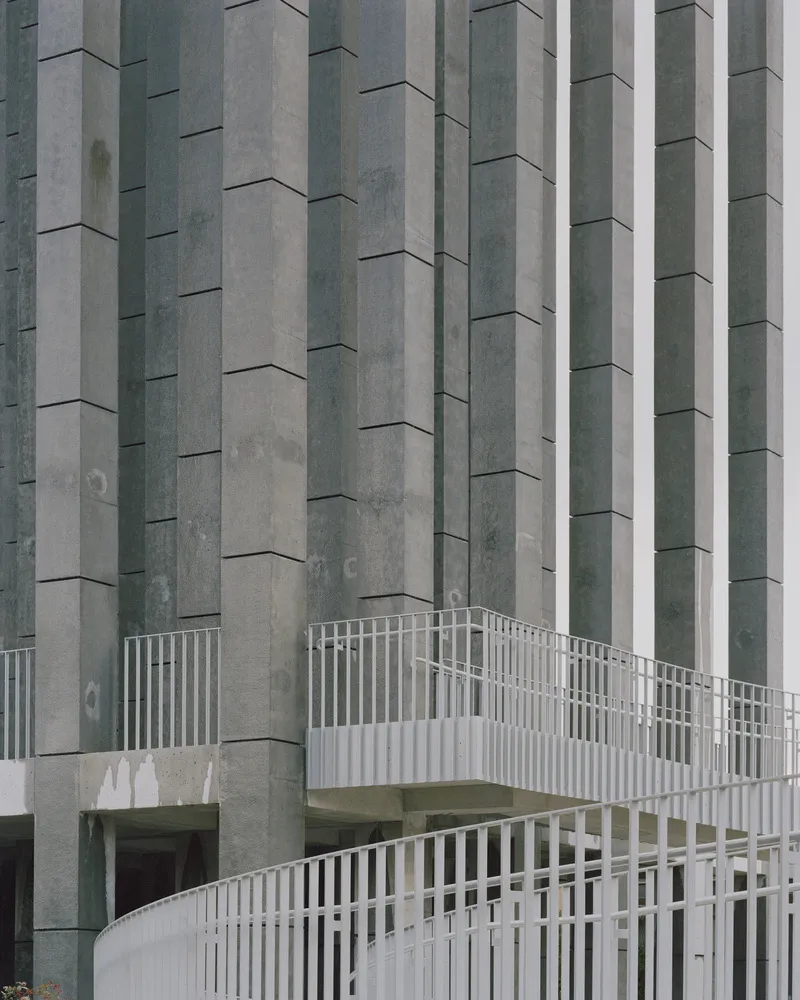
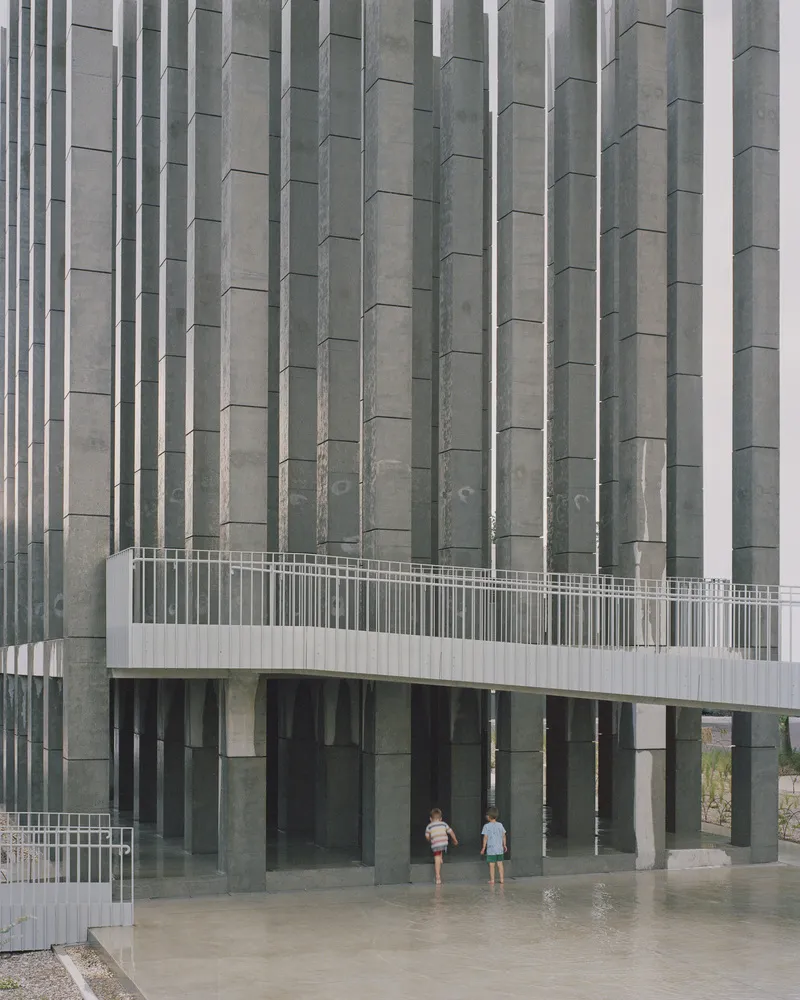
Timelessness and Architectural Significance
The pavilion’s anonymity and lack of a formal name enhance its enigmatic quality. While it may be nameless, it is far from authorless, bearing the unmistakable mark of Pezo von Ellrichshausen’s architectural philosophy. The Less Pavilion stands as a timeless and open-ended work that blurs the lines between building and sculpture, inviting ongoing reflection on the evolving relationship between form, function, and meaning in contemporary architecture.
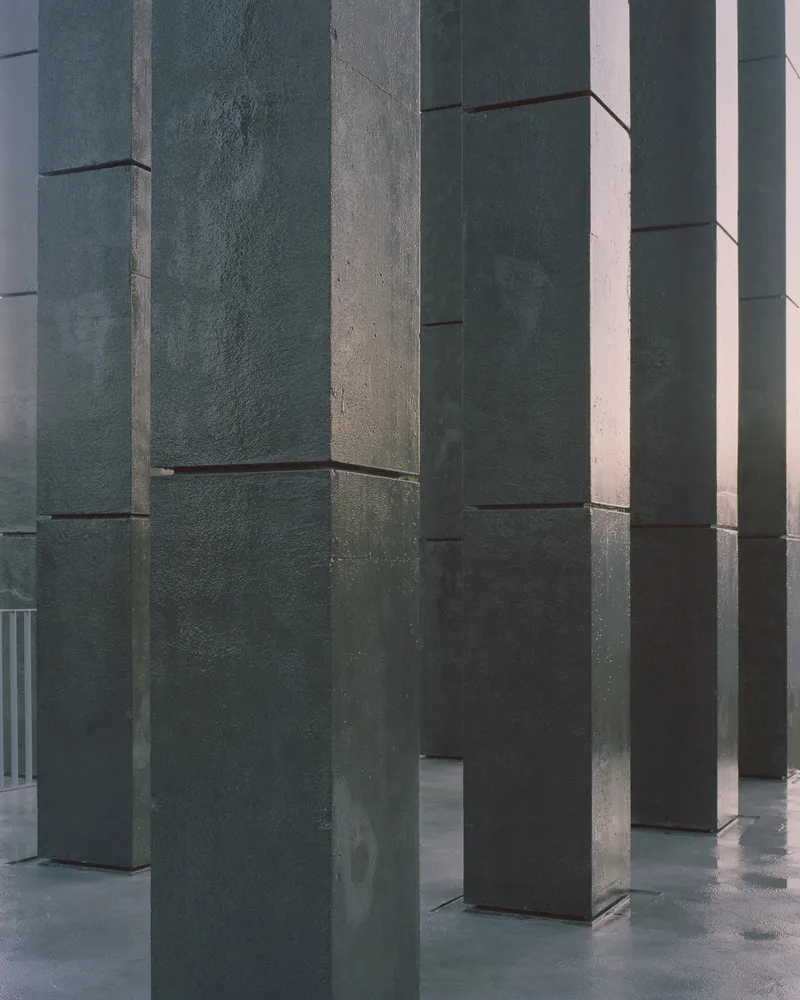
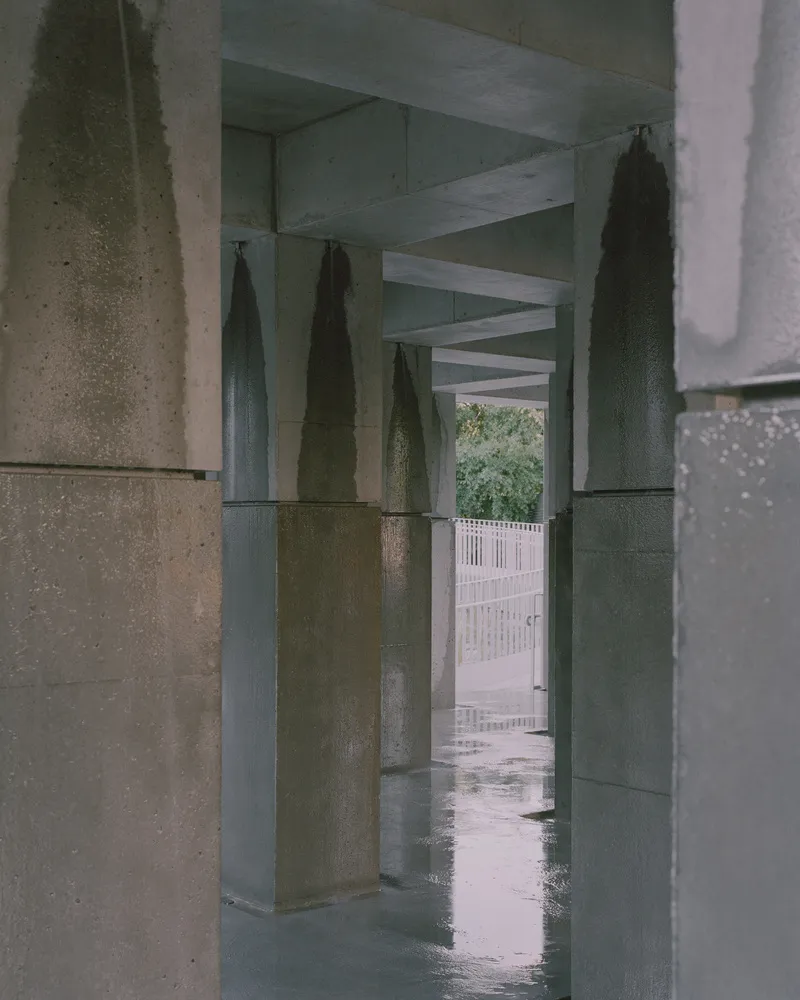
All Photographs are works of Rory Gardiner




Popular Articles
Popular articles from the community


Lunar Spiral: Space Architecture Shaped by the Mathematics of the Universe
Lunar Spiral reimagines space architecture through Fibonacci geometry, lunar regolith, levitating habitats, and self-sustaining Moon living.

Co-Life: Senior Housing Design That Reconnects Older Adults With the City
Co-Life reimagines senior housing design through healing gardens, shared streets, workshops, and a sustainable community across generations.

The Musturak Paradise: Senior Living Architecture for a Connected Future in Temara, Morocco
The Musturak Paradise reimagines senior living architecture in Temara via private homes, social spaces, culture, community, and shared care.

Riyadh For All: Intergenerational Urban Design for Active Aging in Rabat
Riyadh For All reimagines urban design in Rabat with intergenerational co-living, adaptive courtyards, and Moroccan cultural exchange today.


Similar Reads
You might also enjoy these articles


Hodi-Mandai Geram
Project Function: Preservation and revitalization of the Intangible heritage and socio-spatial identity of the Hodi by Housing, Cultural Memory Center, Sacred Grove, landscape, local tourism economy


Olio Towers: A Mid-Rise for Performers That Fuses Housing, Rehearsal, and Stage
Located blocks from Houston's Theater District, this modular tower stacks living units around a central performance atrium.

Oasis: Modular Green Housing Carved into Dhaka's Urban Fabric
A shortlisted Plugin Housing entry reclaims unauthorized settlements in Dhaka with stepped concrete volumes, green roofs, and ventilation-driven design.

Black Hole: A Floating Megastructure for the Post-Physical Era
Emiliano Mazzarotto envisions a spherical, self-scaling arena where e-sports, digital hotels, and holographic stadiums replace traditional public space.


Explore Architecture Competitions
Discover active competitions in this discipline


Challenge to design a portable theatre

Challenge to design a portable music platform


Challenge to design an open learning module for the elderly


Challenge to reimagine the Iron Throne
Comments (0)
Please login or sign up to add comments
No comments yet. Be the first to comment!