
M House by XStudio: Regenerative Architecture Reviving Collective Heritage in Las Palmas de Gran Canaria
Regenerative refurbishment transforms a deteriorated corner house into ceramics workshop and home, preserving raw textures, memory, neighborhood identity, continuity.


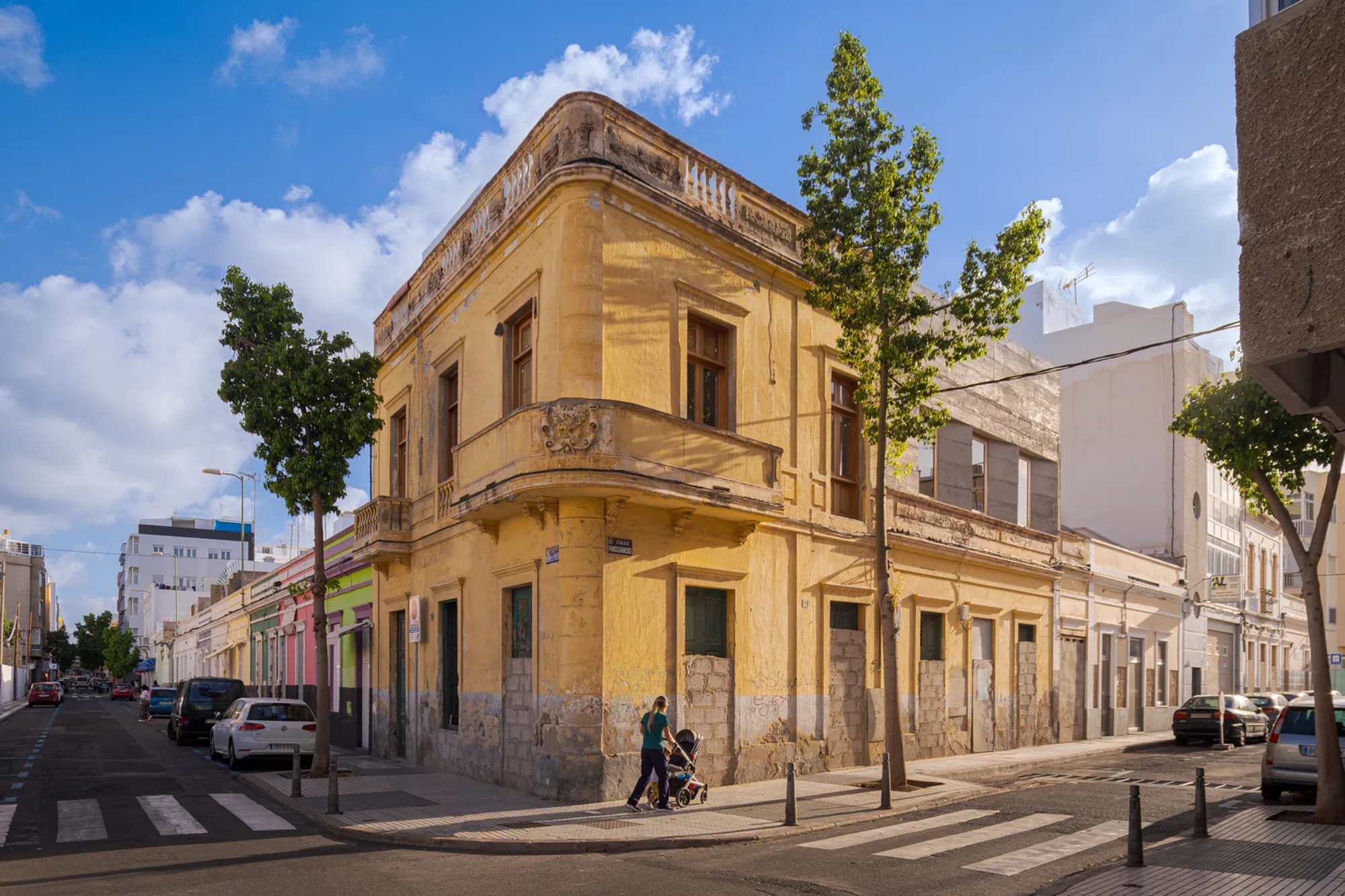
M House, designed by XStudio, is a sensitive architectural refurbishment and extension located in Arenales, Las Palmas de Gran Canaria, Spain. Completed in 2023, the 1399 ft² project exemplifies how small-scale, handmade architecture can become a catalyst for urban regeneration while preserving the collective memory of a historically complex neighborhood.
Urban Context and Collective Memory
Arenales is a central district characterized by old terraced houses that have long borne the social scars of degradation, marginalization, and neglect. Once known as an epicenter of prostitution and drug trafficking, the area is now undergoing a gradual transformation driven by private initiatives and renewed interest in its architectural fabric. M House emerges within this context as an act of architectural repair, restoring not only a building but also a fragment of the neighborhood’s historical and cultural identity.
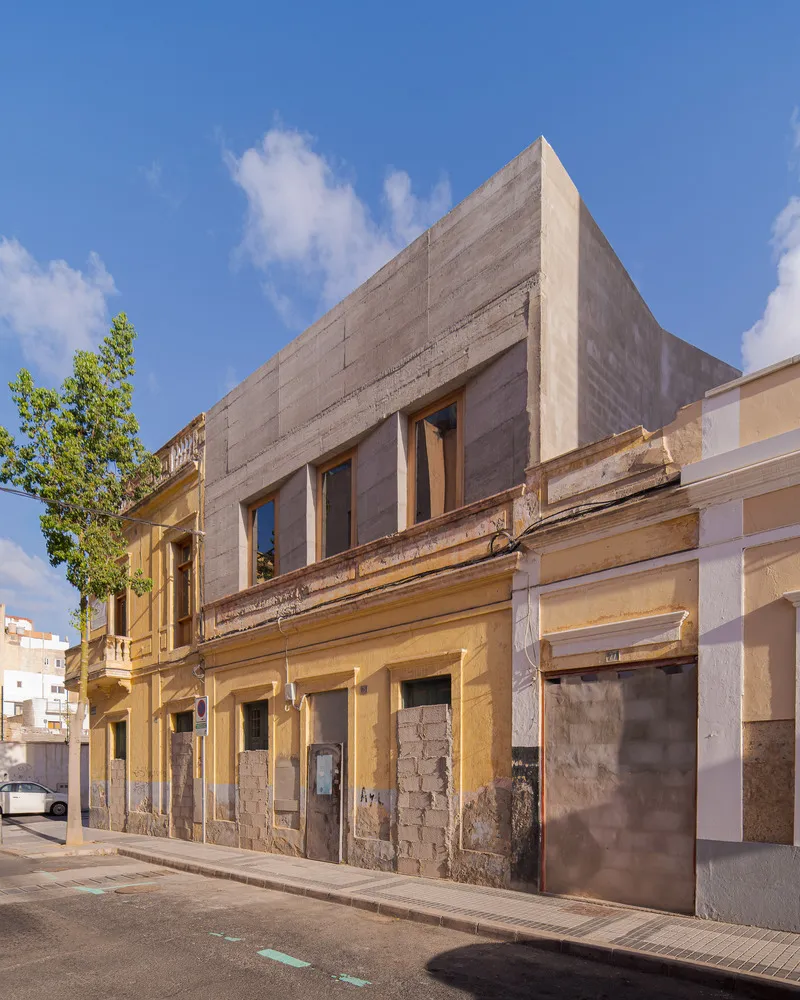
Rather than pursuing a nostalgic reconstruction, XStudio approaches the project as an act of collective heritage preservation. Although the building itself is not formally protected, its value lies in its ability to retain memory, imperfection, and continuity with the past.
Adaptive Reuse: Living, Making, and Community
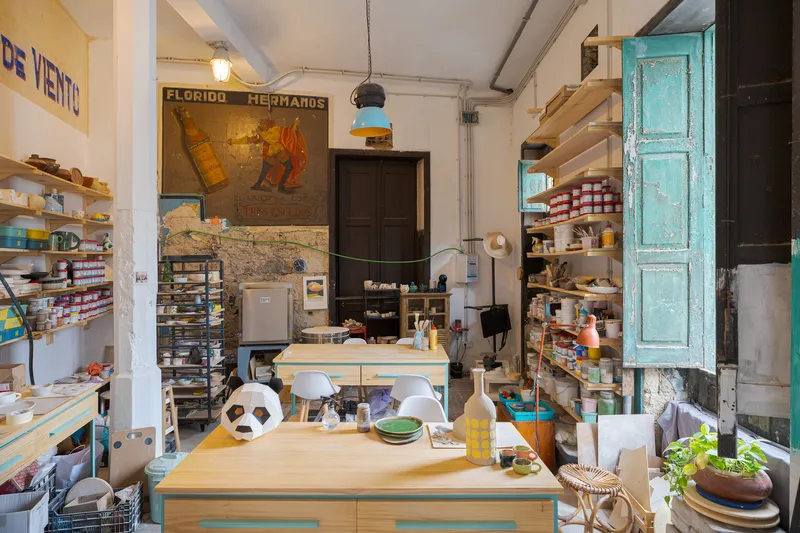
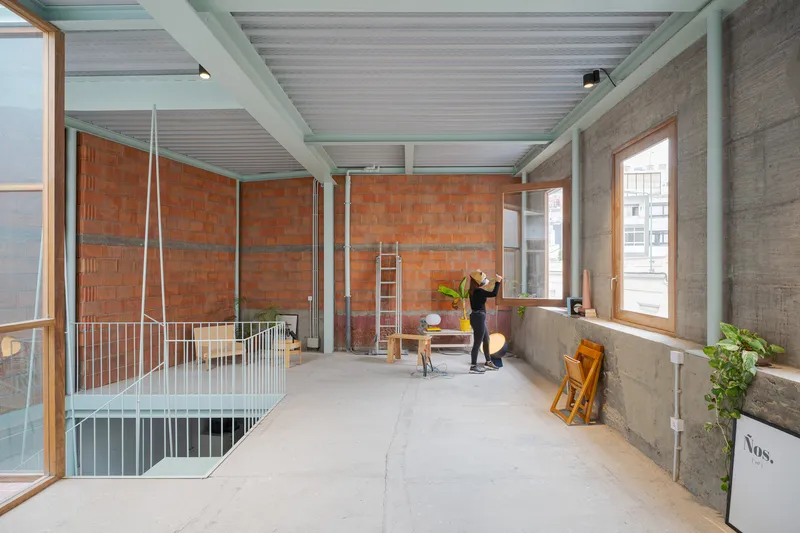
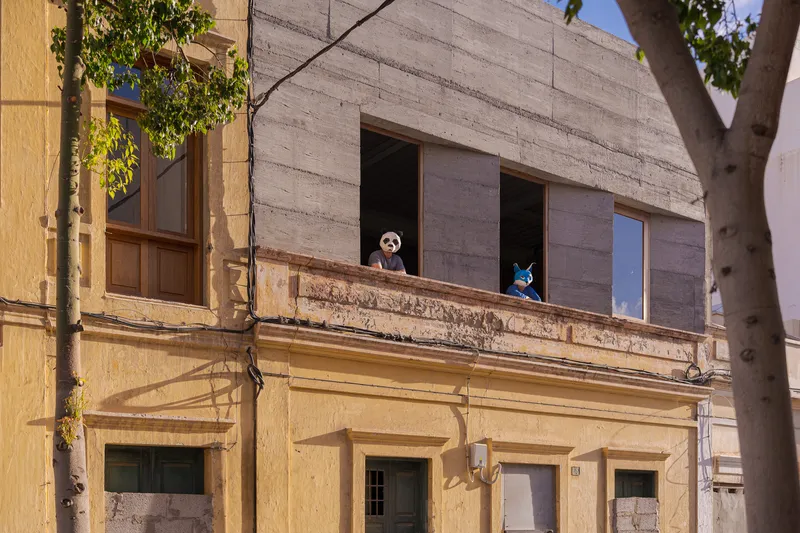
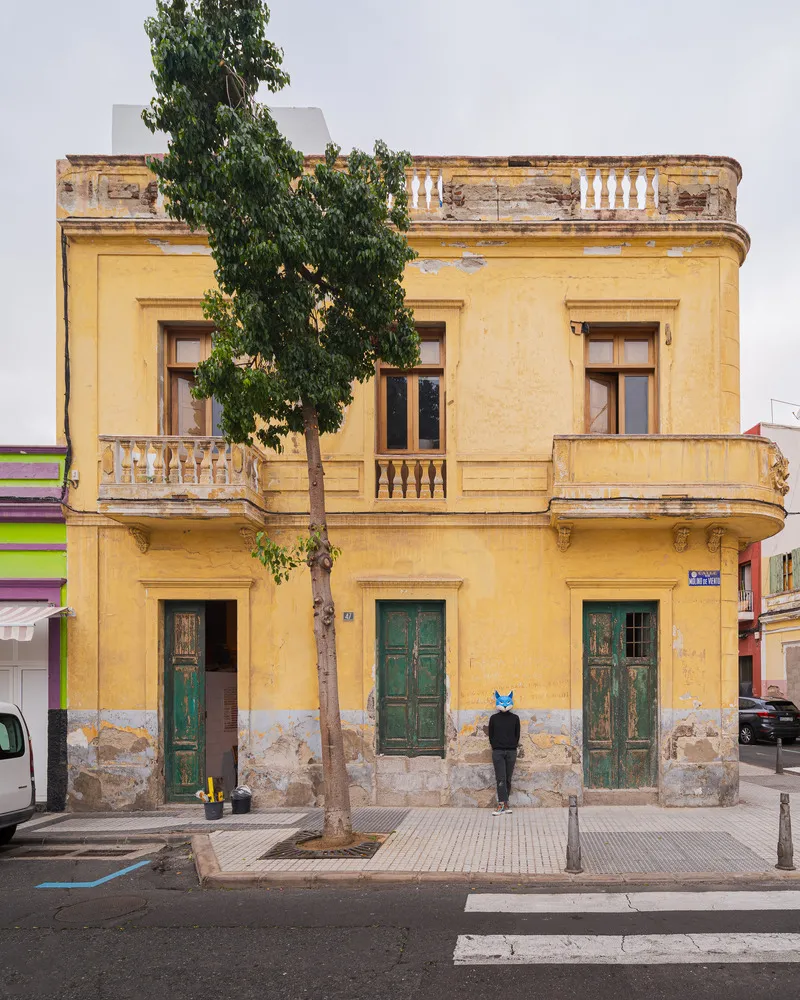
Originally an old corner building in an advanced state of deterioration, the structure has been carefully restored and expanded to accommodate both living and working functions. The ground floor, once home to a neighborhood bar, now houses a ceramics workshop, directly engaging with the street and contributing to social revitalization through public-facing creative activity. The first floor serves as the private residence of the workshop’s owner, establishing a close relationship between domestic life and craft production.
This hybrid program reinforces the building’s role as a social interface, blurring boundaries between public and private, production and dwelling.
Handmade Architecture and Phased Intervention
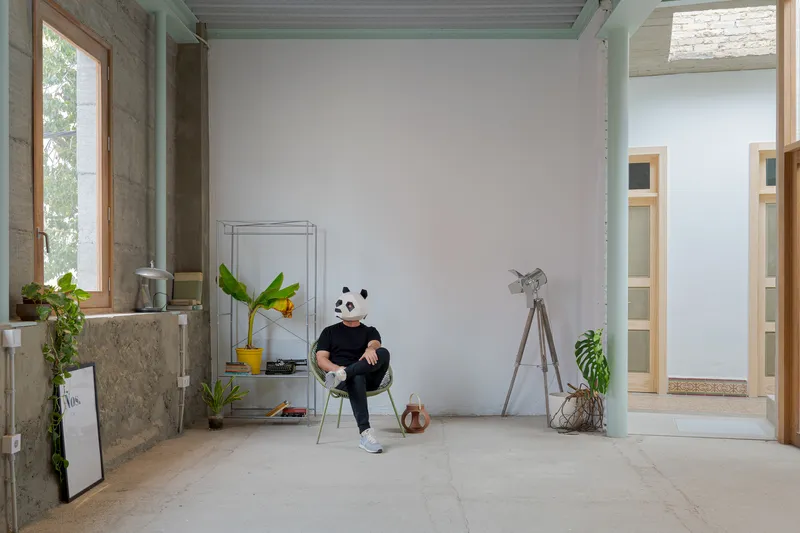
XStudio adopts a deliberately honest, handmade architectural language, shaped by material constraints, budget limitations, and the realities of the existing structure. These constraints are not seen as obstacles but as integral design drivers, encouraging a phased and regenerative approach that allows the building to evolve over time.
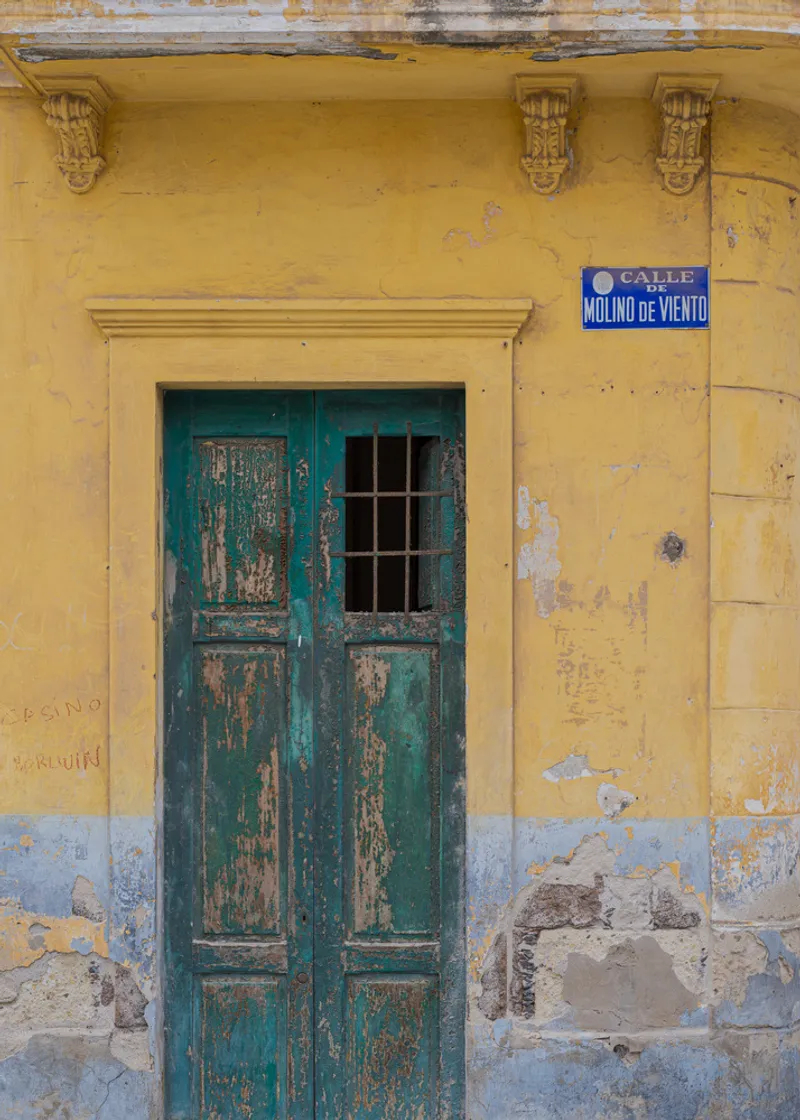
The pre-existing structure is cleaned and conditioned with minimal intervention. Raw walls, imperfect surfaces, and traces of abandonment are intentionally preserved, maintaining the physical memory of the building’s uninhabited past. In the ceramics workshop, original flooring and signage from the former bar remain visible, while new installations are layered delicately on top, reinforcing the project’s narrative of continuity rather than replacement.
Structural Strategy and Material Expression
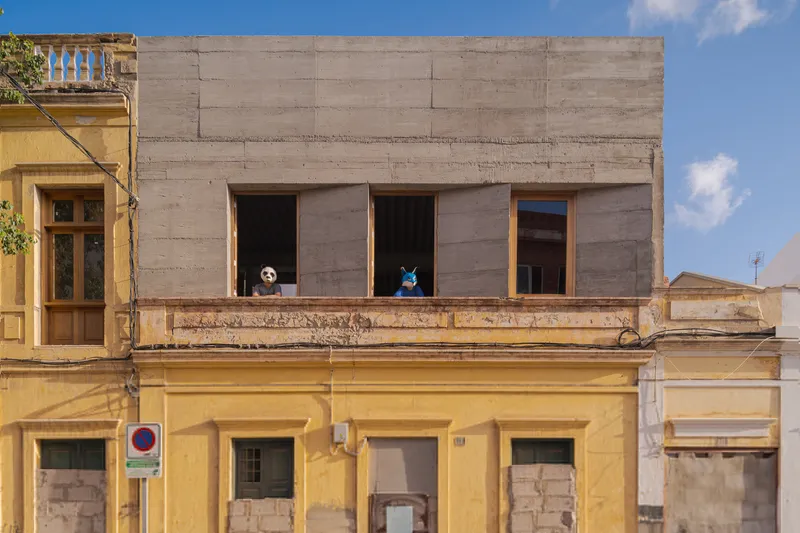
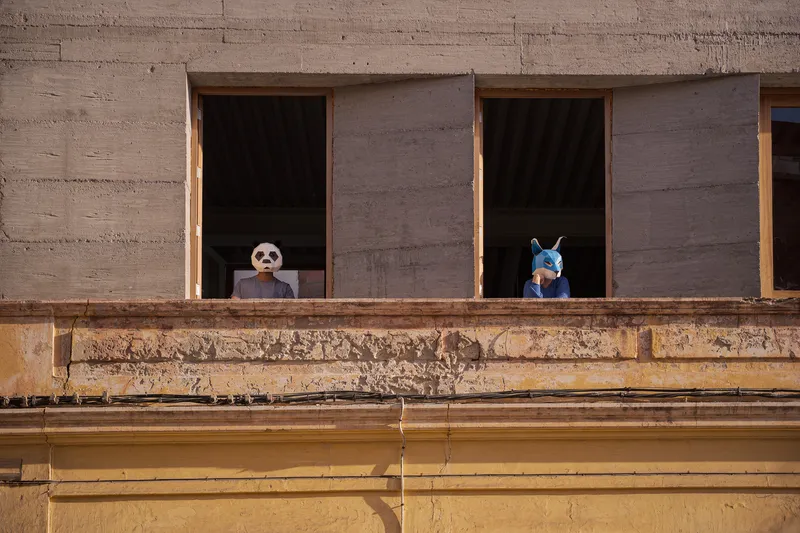
To complete the building’s apparent volume, a visible metal framework is introduced, supported by the original load-bearing walls. A large central portico is reconstructed by reinforcing existing pillars, forming the backbone of the extension. Externally, this intervention is expressed as a rough concrete shell, poured in small layers and formed with wooden planks. Its imperfect texture is embraced as a direct consequence of manual construction methods and limited resources.
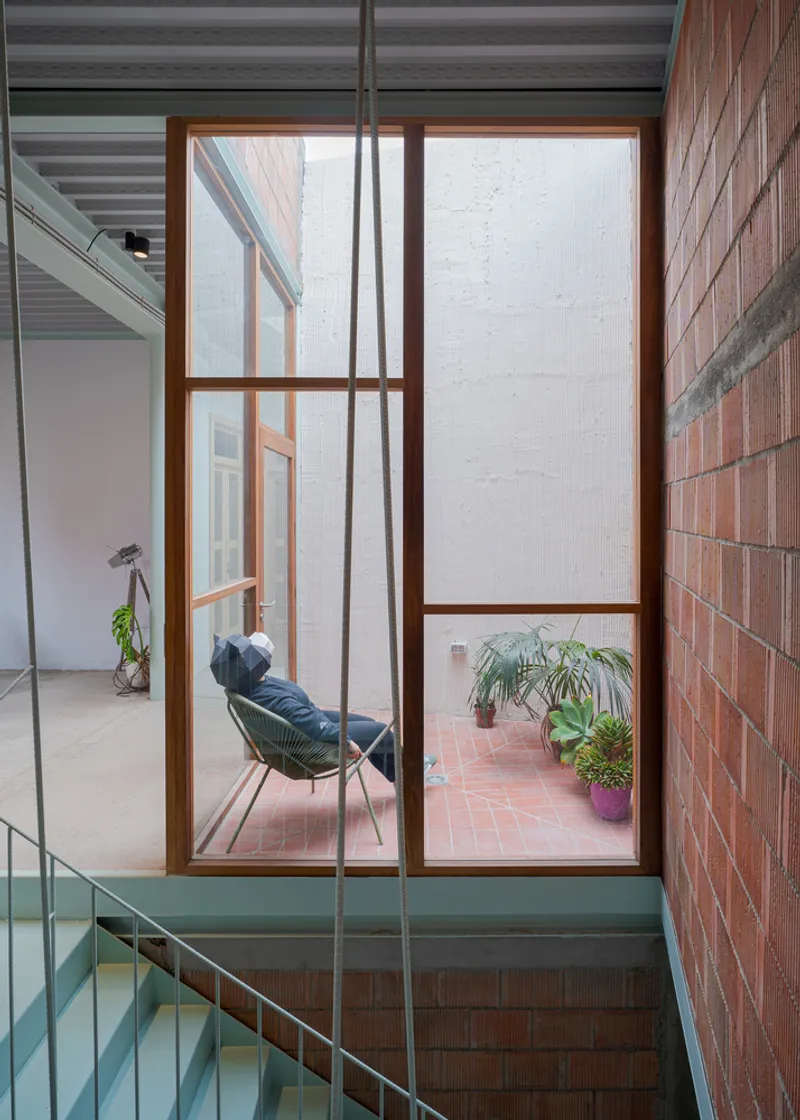
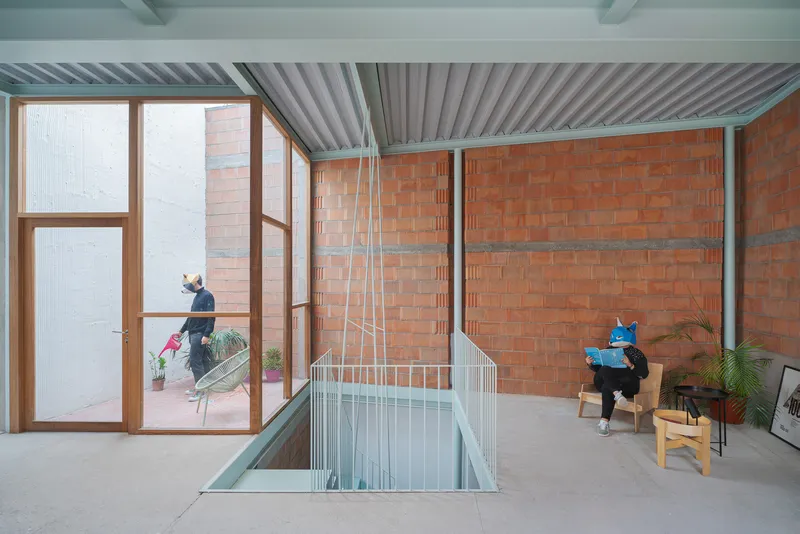
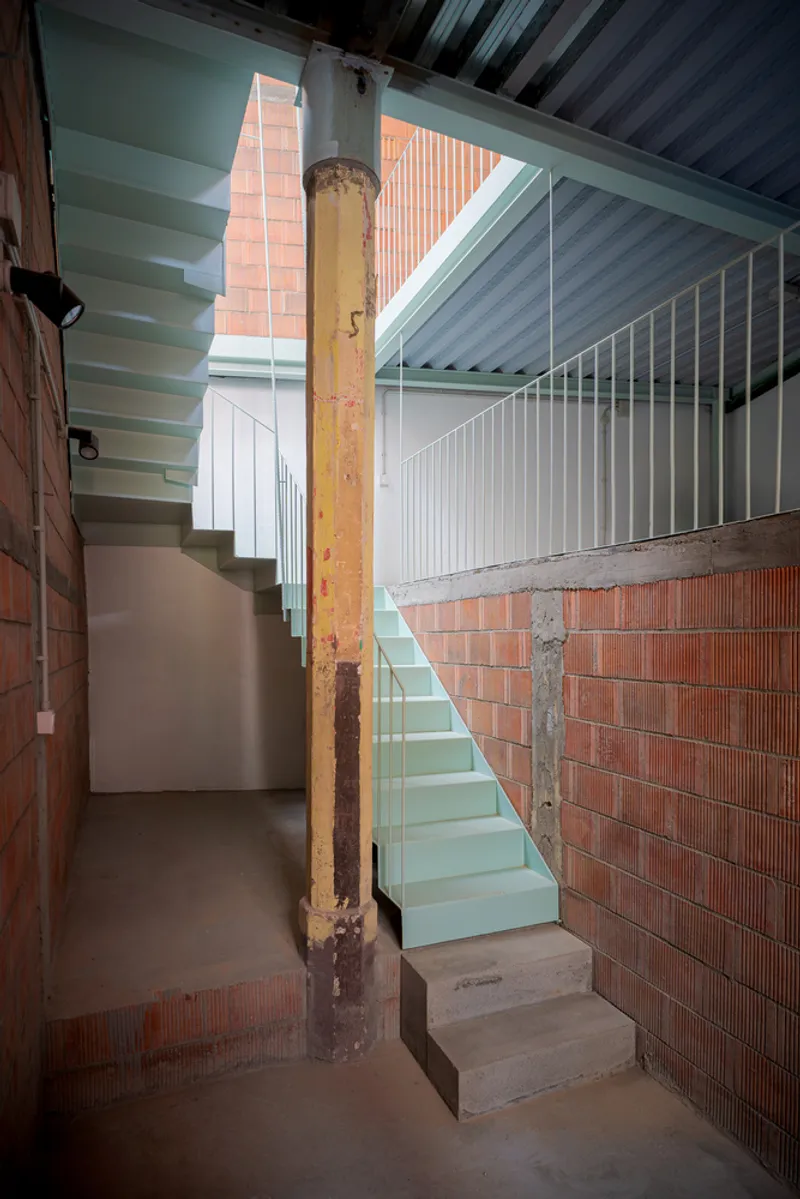
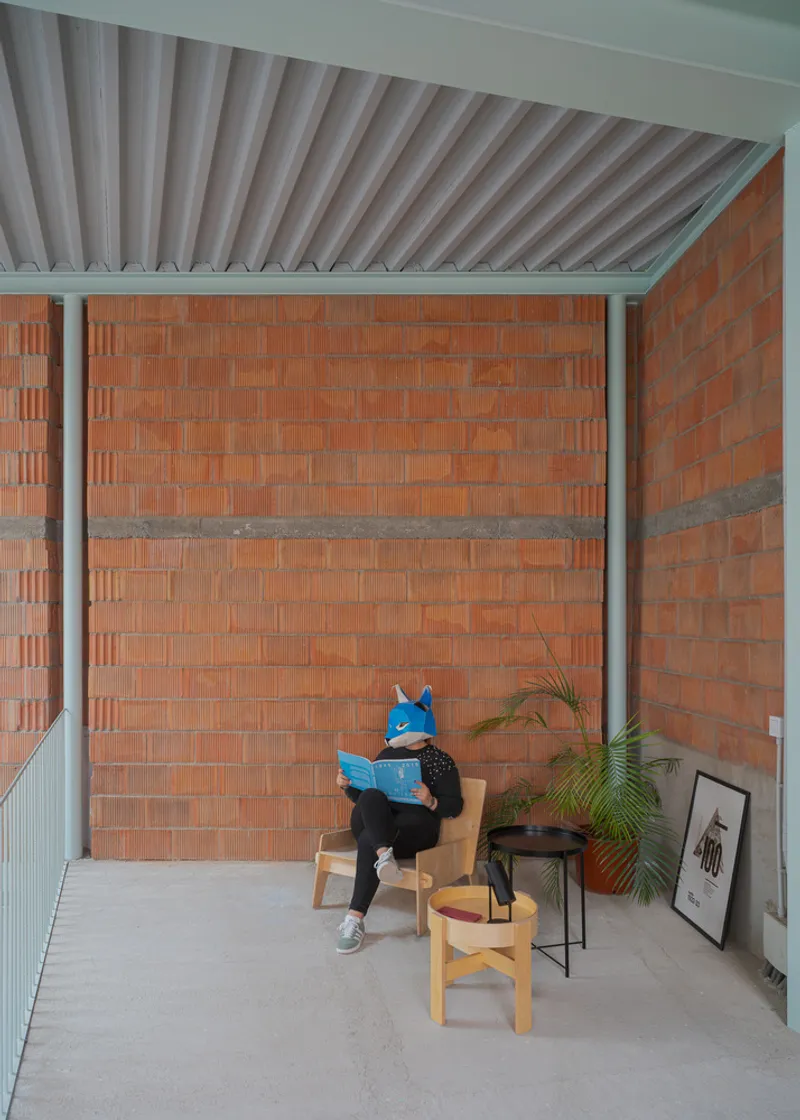
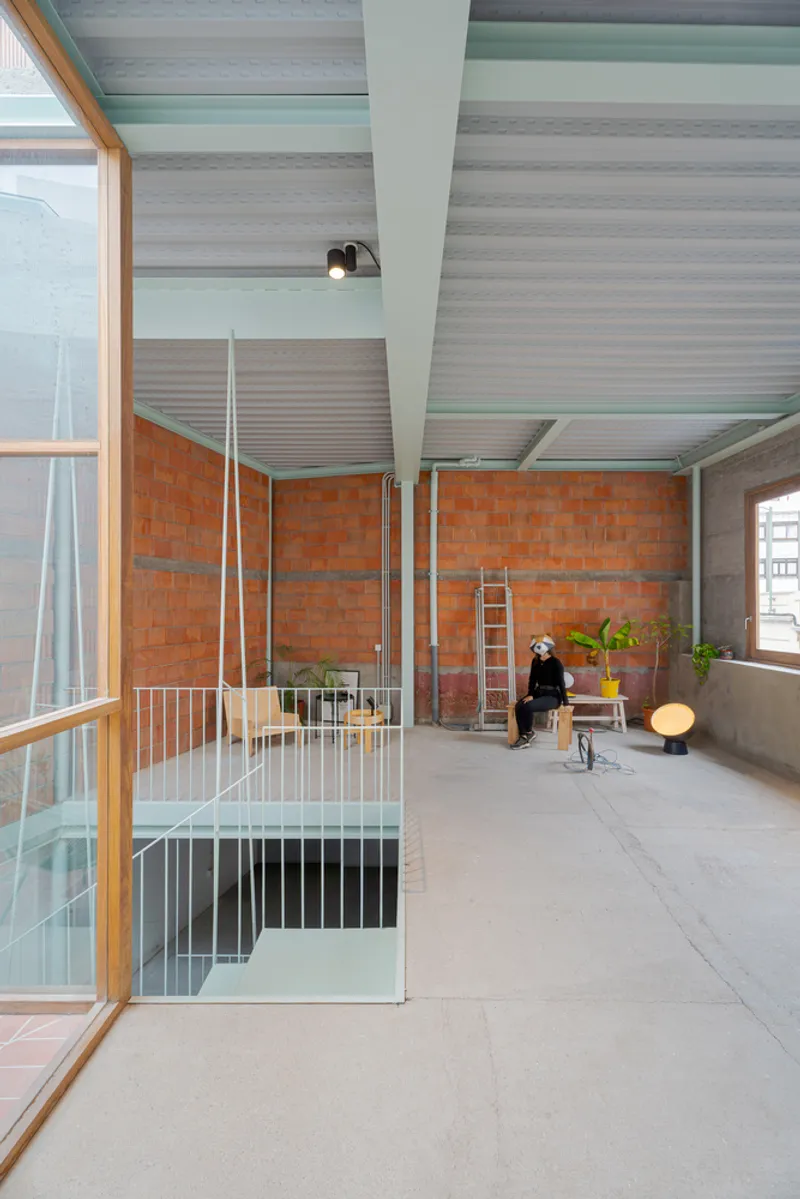
Internally, all new additions remain lightweight to reduce stress on the existing structure. Exposed metal profiles and composite steel decking define the spatial character, complemented by thermo-clay partitions and enclosures. Although uncommon in the Canary Islands, thermo-clay was selected for its reduced weight and its tactile, earthy quality, subtly referencing the building’s new ceramic function while offering a lighter alternative to conventional concrete blocks.
Spatial Experience and Environmental Strategy
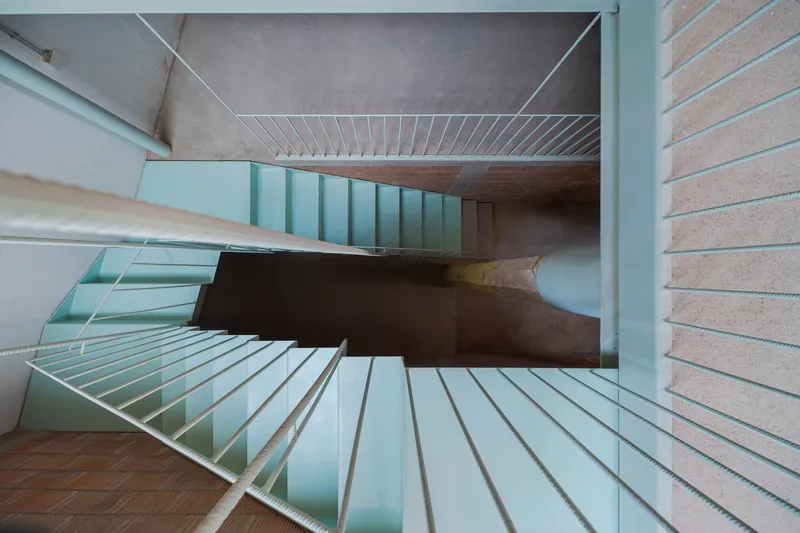
These architectural operations shape a tall internal pavilion, conceived as a space for public activities and accessed via a suspended staircase. Acting as a threshold between street and home, this pavilion mediates between urban life and domestic privacy.
A newly inserted southeast-facing courtyard ensures natural daylight, cross ventilation, and spatial relief within the dense urban fabric. This intervention completes the project’s environmental strategy while reinforcing its conceptual framework of epigenesis, an architecture that grows through adaptation, much like the neighborhood itself.
A Model for Regenerative Urban Living
M House stands as a compelling example of adaptive reuse, sustainable refurbishment, and socially engaged architecture. By valuing imperfection, memory, and material honesty, XStudio demonstrates how small, carefully considered interventions can contribute meaningfully to urban renewal without erasing the past.
All photographs are works of David Rodríguez




Popular Articles
Popular articles from the community


Conexión: Biophilic Design Reimagines High-Rise Living in Hong Kong
Conexión reimagines high-rise living in Hong Kong through biophilic design, green facades, shared spaces, daylight, water and nature within.
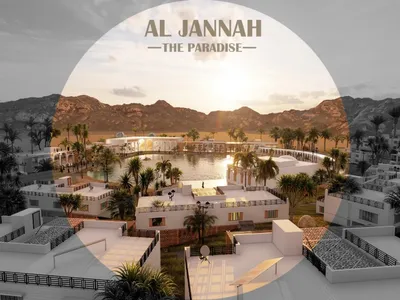
AL-JANNAH: Sustainable Architecture and Permaculture for Afghan Widows
AL-JANNAH uses sustainable architecture and permaculture to create resilient oasis of housing, learning, work and renewal for Afghan widows.

Riyadh For All: Intergenerational Urban Design for Active Aging in Rabat
Riyadh For All reimagines urban design in Rabat with intergenerational co-living, adaptive courtyards, and Moroccan cultural exchange today.

The Ocean Hive: Sustainable Architecture for a Self-Sufficient Civilization at Sea
The Ocean Hive imagines sustainable architecture at sea, where modular habitats, algae, wave power and ocean waste sustain a growing colony.


Similar Reads
You might also enjoy these articles


Hodi-Mandai Geram
Project Function: Preservation and revitalization of the Intangible heritage and socio-spatial identity of the Hodi by Housing, Cultural Memory Center, Sacred Grove, landscape, local tourism economy


Olio Towers: A Mid-Rise for Performers That Fuses Housing, Rehearsal, and Stage
Located blocks from Houston's Theater District, this modular tower stacks living units around a central performance atrium.

Oasis: Modular Green Housing Carved into Dhaka's Urban Fabric
A shortlisted Plugin Housing entry reclaims unauthorized settlements in Dhaka with stepped concrete volumes, green roofs, and ventilation-driven design.

Black Hole: A Floating Megastructure for the Post-Physical Era
Emiliano Mazzarotto envisions a spherical, self-scaling arena where e-sports, digital hotels, and holographic stadiums replace traditional public space.


Explore Housing Competitions
Discover active competitions in this discipline



Challenge to reimagine the Iron Throne


Photograph architecture without architects


Illustrate the lost glory of Angkor Wat - Render Challenge


Design challenge to reuse E-waste
Comments (0)
Please login or sign up to add comments
No comments yet. Be the first to comment!