
Manguatá Building: Innovative Residential Design in São Paulo
Manguatá Building in São Paulo features 22 modern apartments, rooftop garden, floor-to-ceiling windows, street-level retail, and integrated greenery for vibrant urban living.


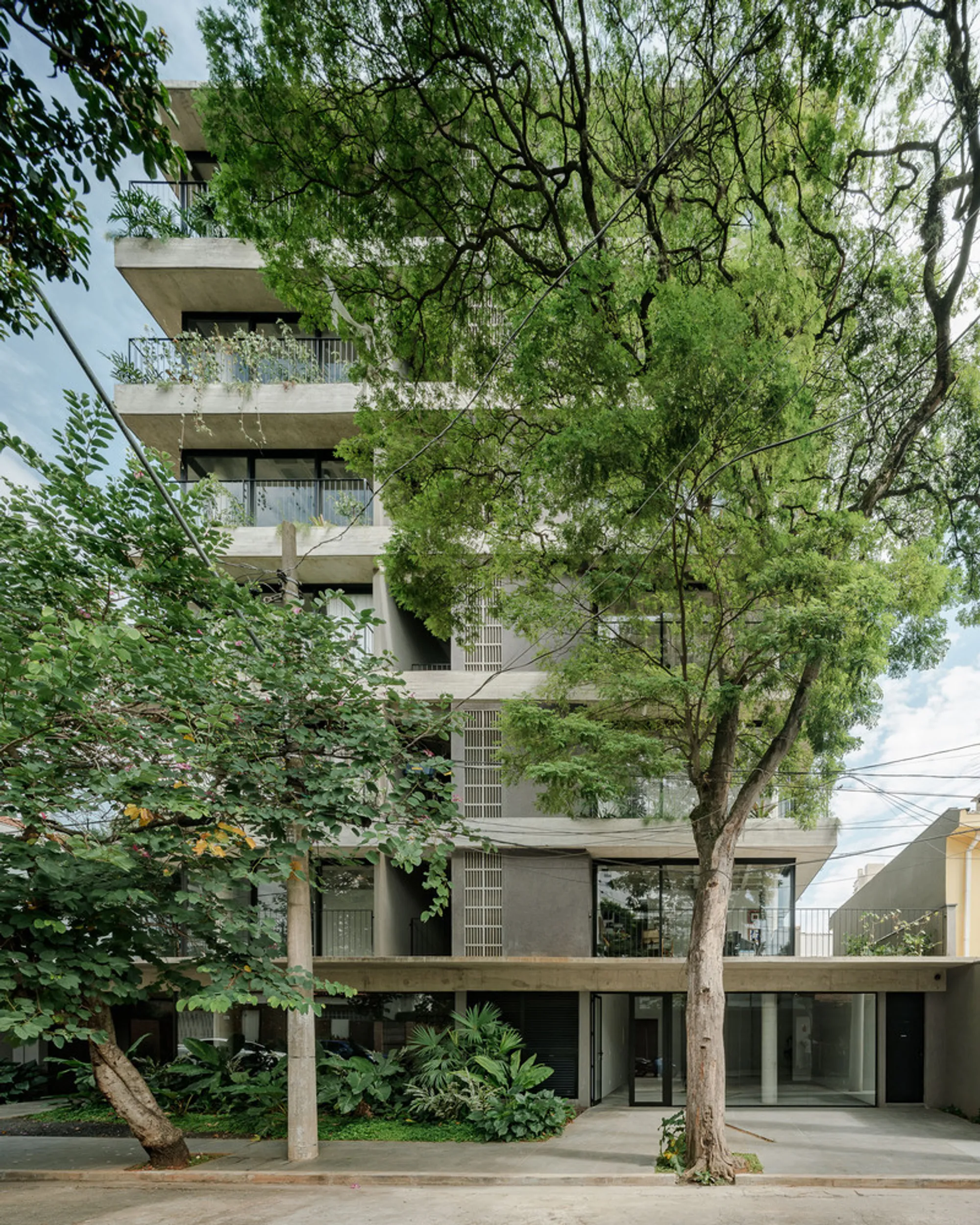
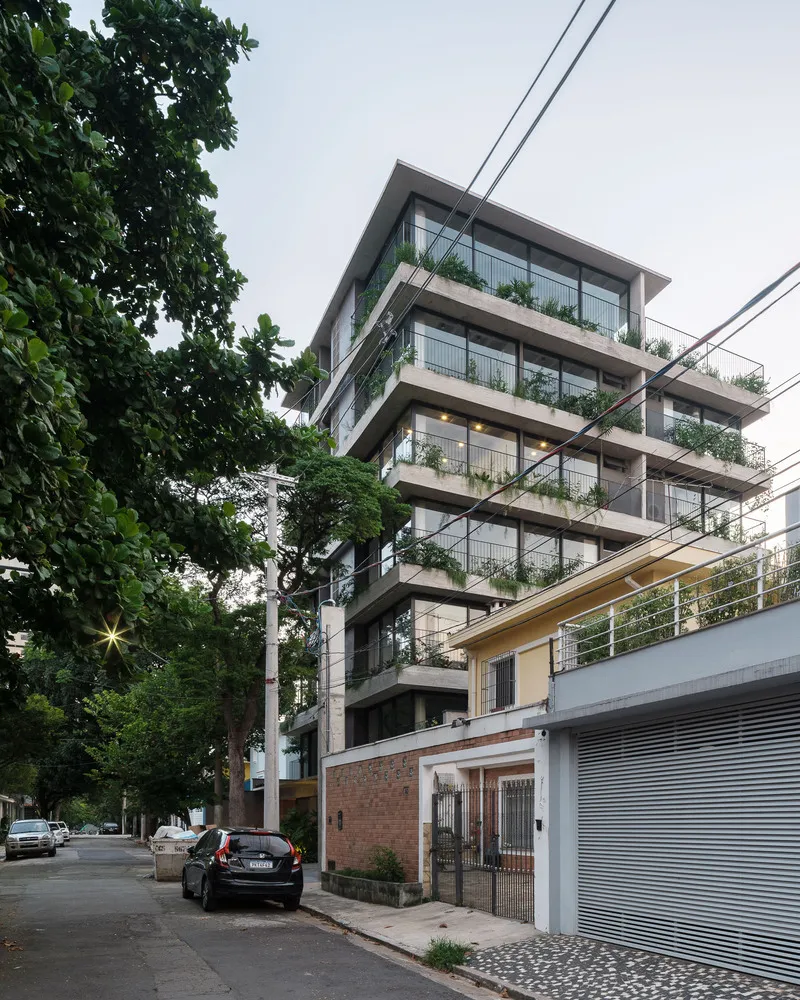
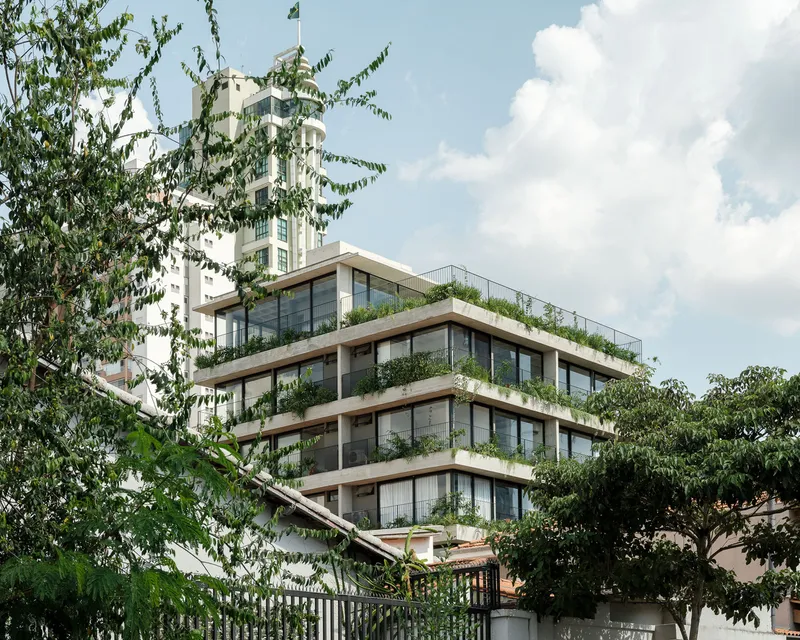
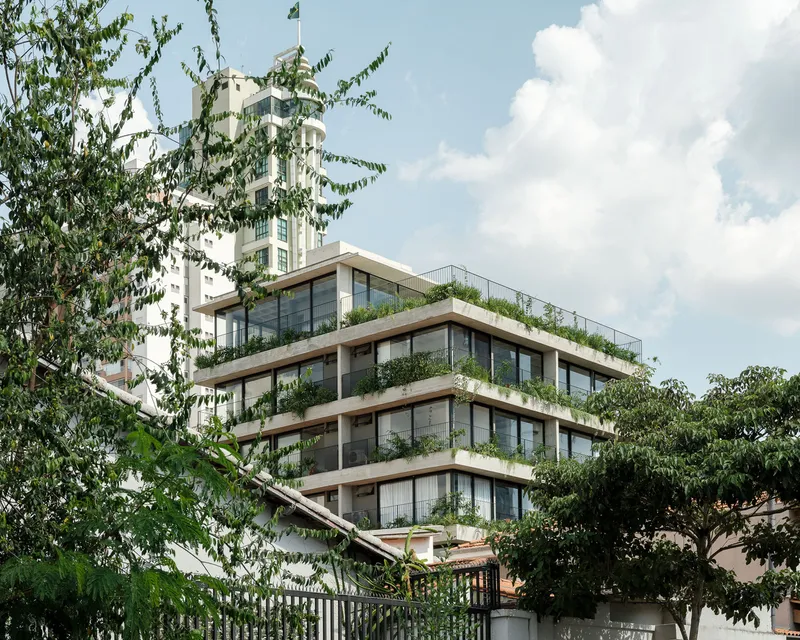
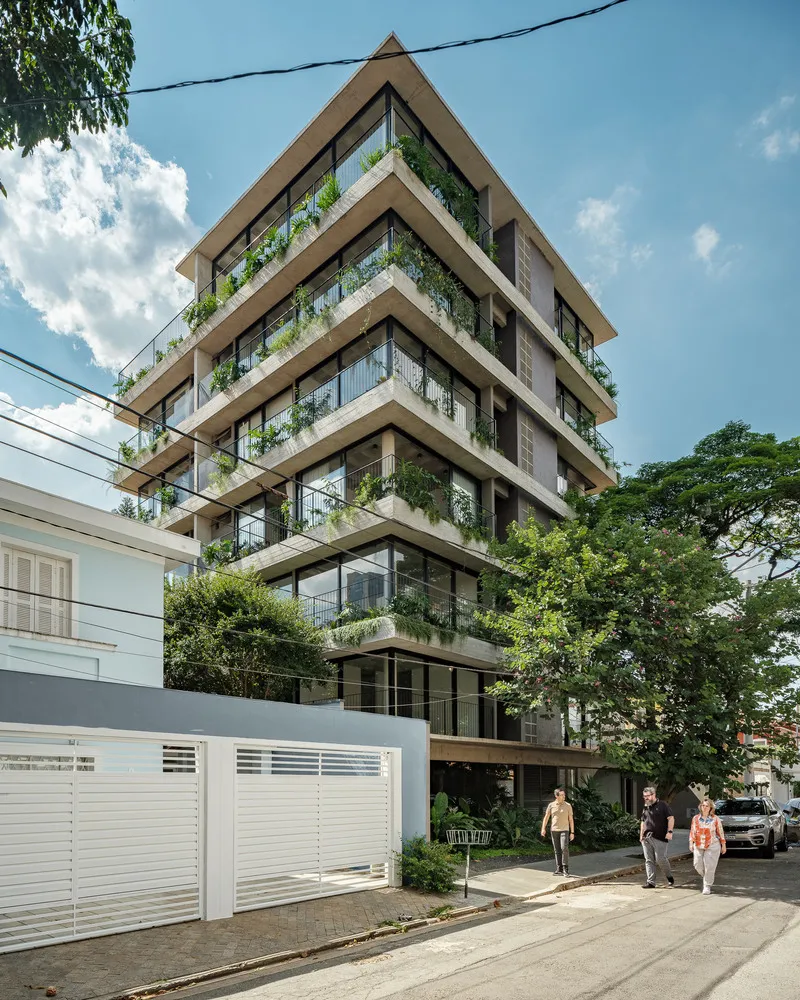
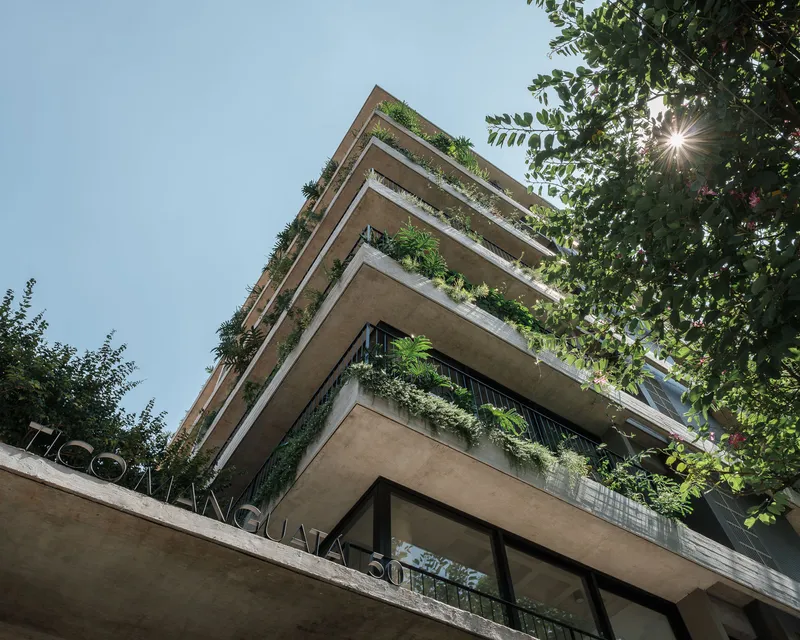
The Manguatá Building, the third collaboration between Terra e Tuma Arquitetos Associados and TiCO, is a contemporary residential project in the Brooklin neighborhood. This six-story development houses 22 thoughtfully designed apartments ranging from 46 to 84 m², alongside a vibrant ground-floor retail space.
Urban Integration and Streetscape Activation
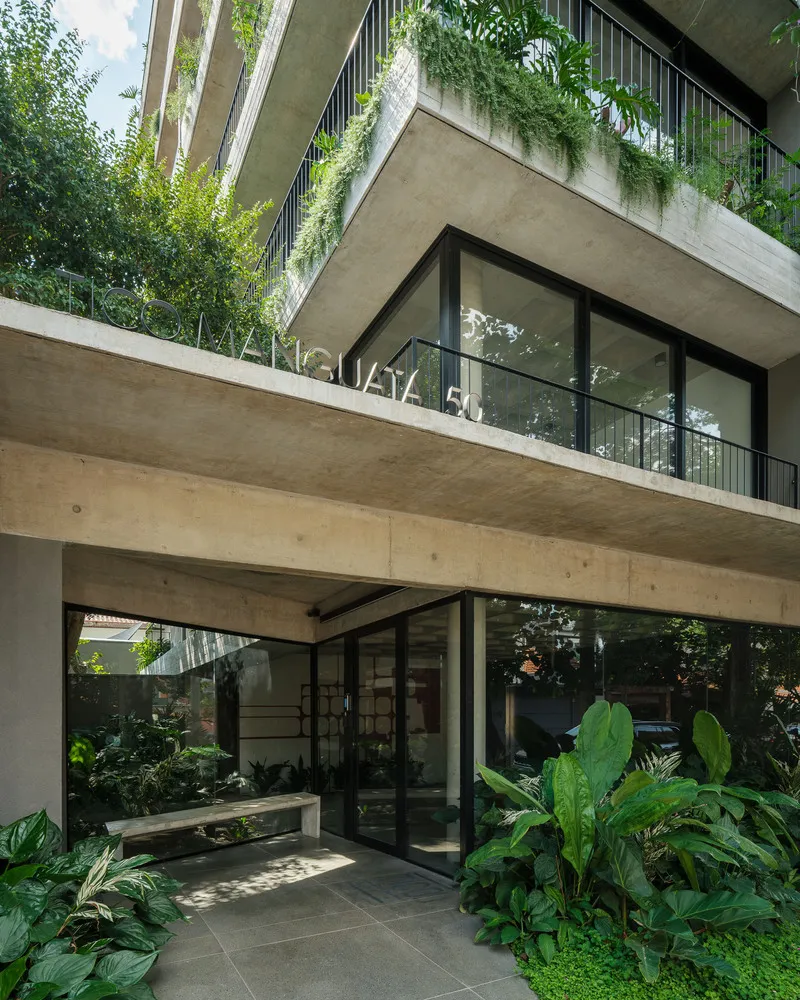
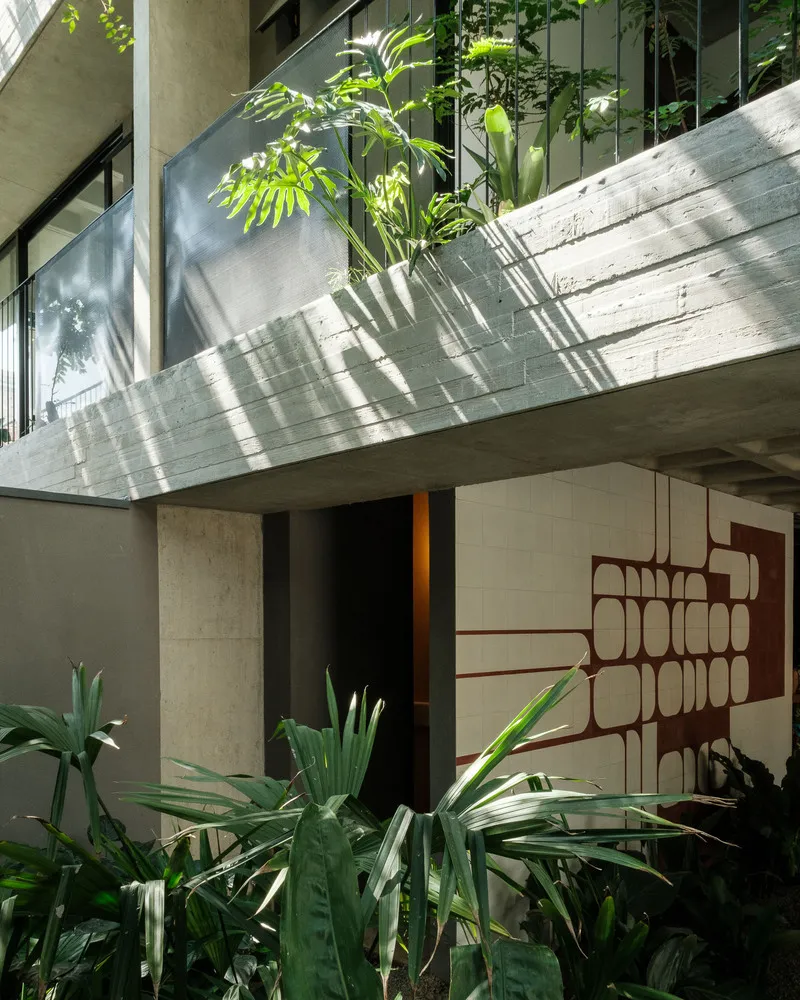
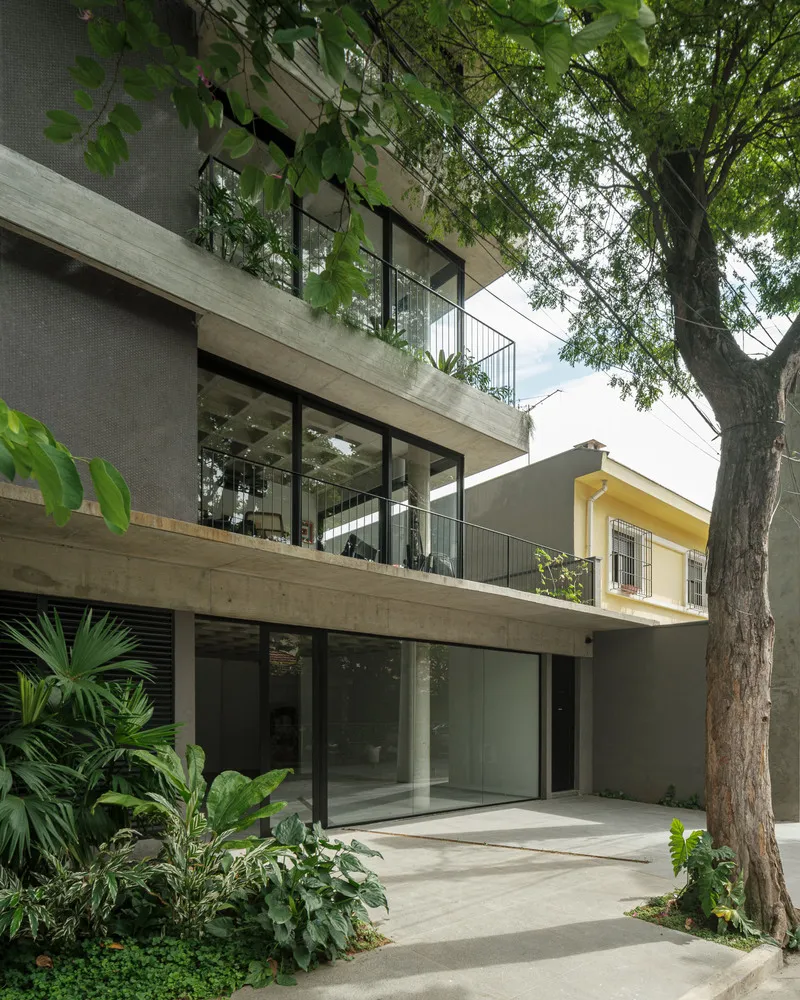
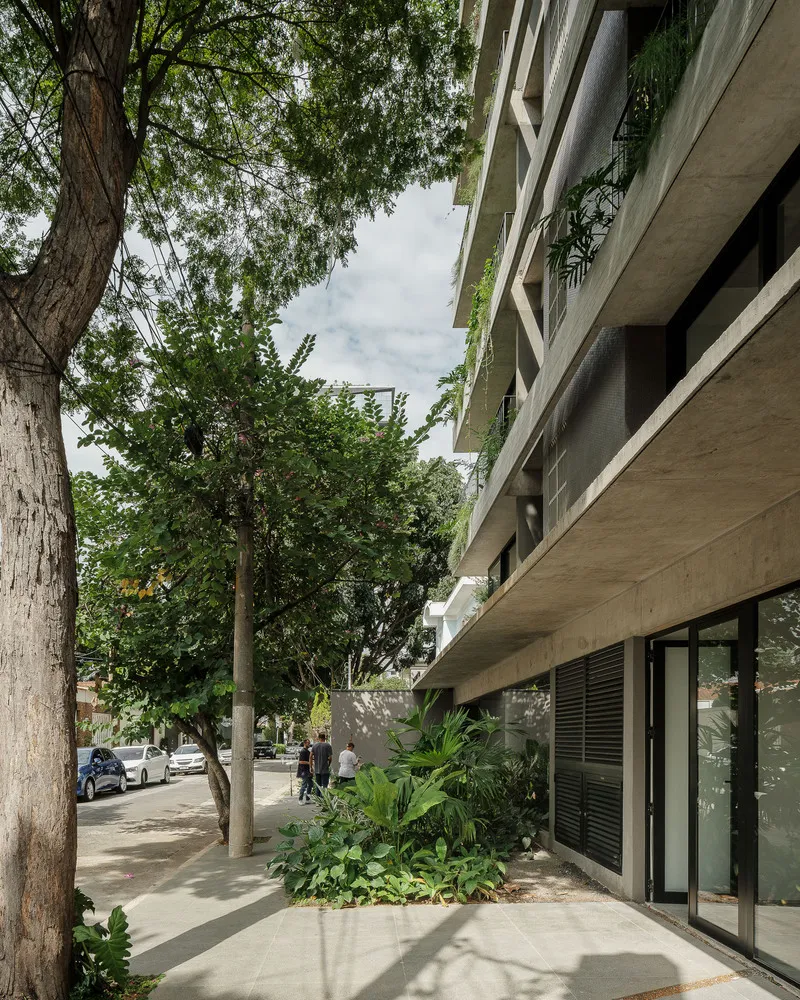
Situated on a compact 20x20m plot, the building exemplifies responsible urban densification that enhances the local streetscape. Its ground-floor shop, featuring expansive display windows, actively engages pedestrians, creating a welcoming and lively public environment. By extending the sidewalk and eliminating railings that traditionally separate private developments from the city, the design fosters a seamless transition between public and private spaces. Visitors are immediately greeted by a lush entrance garden and a striking artistic mural crafted from tiles, introducing natural and cultural elements into the urban fabric.
Natural Light and Landscape Connection
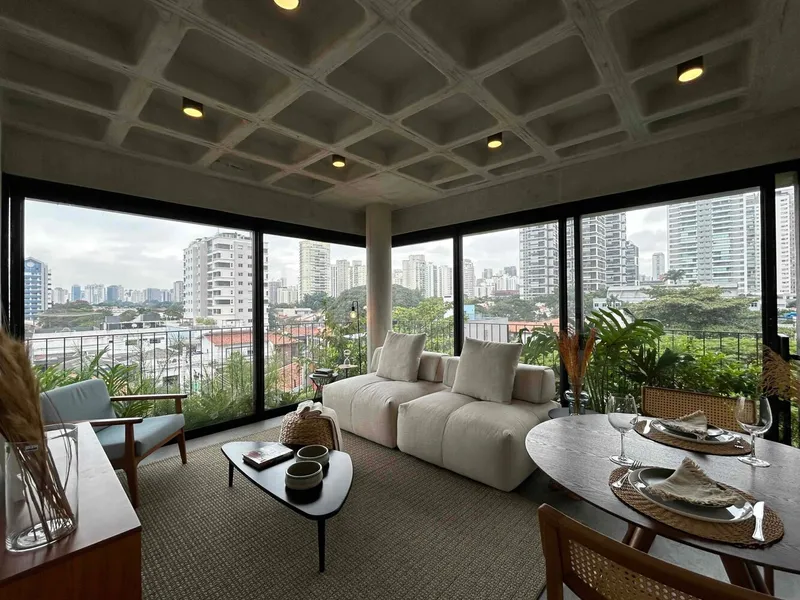
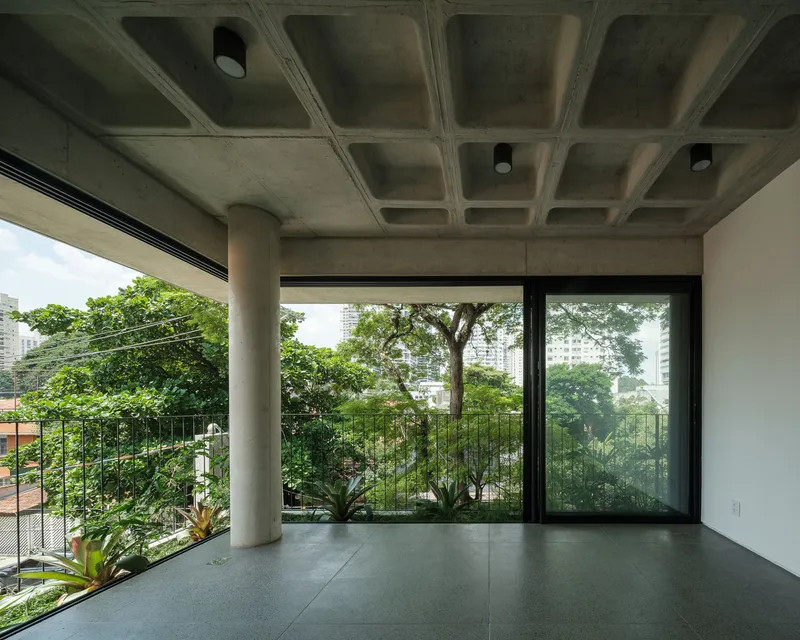
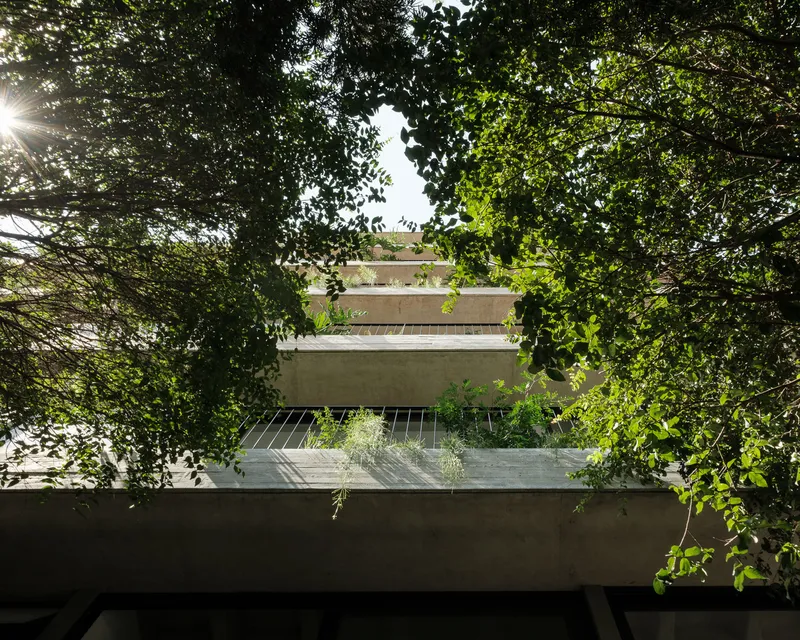
The apartments emphasize openness and interaction with nature through floor-to-ceiling windows that maximize daylight and ventilation. Private planter boxes along the perimeter reinforce a connection with the neighborhood's wooded environment, ensuring residents enjoy both privacy and a sense of harmony with the surrounding landscape.
Rooftop Leisure and Community Spaces
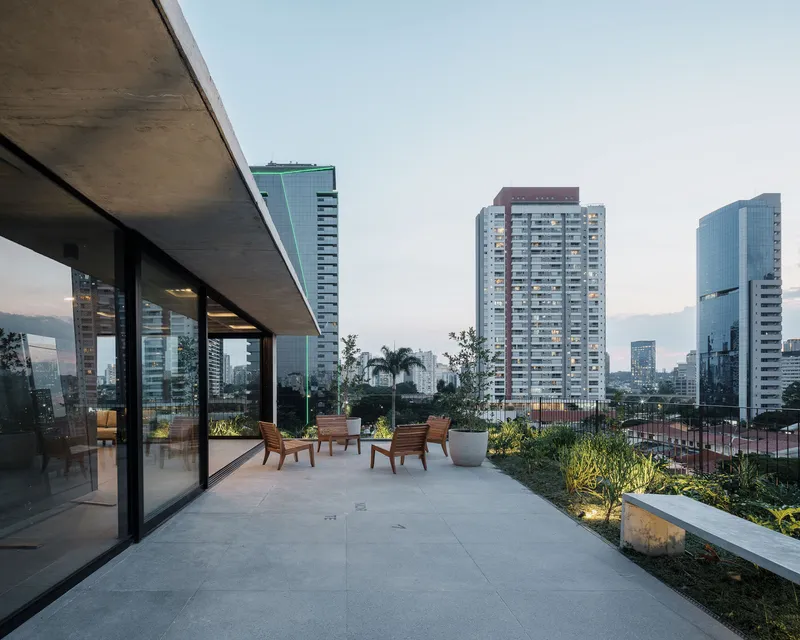
The building’s rooftop has been designed as a shared leisure and social hub, allowing residents to savor panoramic views. Featuring seating areas, a large garden terrace, and functional amenities such as a pantry and laundry room, the rooftop promotes community interaction and offers a serene escape from the urban bustle.
Materials and Sustainability
The project utilizes durable and sustainable materials, including Concresteel structural elements, Kohler fixtures, Neorex finishes, REKA systems, and Keramica surfaces, combining aesthetics with longevity. The design strategy emphasizes environmentally conscious architecture that respects both the urban context and residents’ comfort.
Manguatá Building Highlights
- 22 modern apartments with efficient layouts
- Floor-to-ceiling windows for natural light and ventilation
- Integrated planter boxes for connection to greenery
- Ground-floor retail enhancing streetscape and safety
- Rooftop garden terrace for leisure and social gatherings
- Artistic tile mural at entrance creating a cultural statement
The Manguatá Building stands as a model of contemporary residential architecture that balances urban density, environmental sensitivity, and community-centered design, reflecting Terra e Tuma Arquitetos Associados’ commitment to creating vibrant, livable spaces in São Paulo.
All photographs are works of
Pedro Kok, Rafael Fiorotto




Popular Articles
Popular articles from the community


Conexión: Biophilic Design Reimagines High-Rise Living in Hong Kong
Conexión reimagines high-rise living in Hong Kong through biophilic design, green facades, shared spaces, daylight, water and nature within.

Riyadh For All: Intergenerational Urban Design for Active Aging in Rabat
Riyadh For All reimagines urban design in Rabat with intergenerational co-living, adaptive courtyards, and Moroccan cultural exchange today.

The Musturak Paradise: Senior Living Architecture for a Connected Future in Temara, Morocco
The Musturak Paradise reimagines senior living architecture in Temara via private homes, social spaces, culture, community, and shared care.

Co-Life: Senior Housing Design That Reconnects Older Adults With the City
Co-Life reimagines senior housing design through healing gardens, shared streets, workshops, and a sustainable community across generations.

Similar Reads
You might also enjoy these articles

FAMM Arquitectura Organizes Ten Villas Around Courtyards and Jungle in Nosara, Costa Rica
El Molino pairs two elongated volumes with deep overhangs and timber louvers to build a compact coastal community five minutes from the beach.
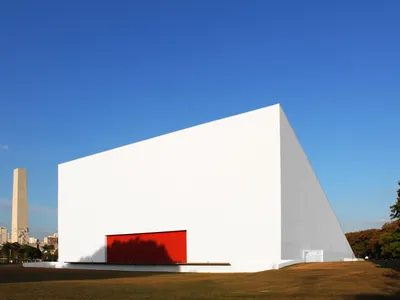
Oscar Niemeyer's Ibirapuera Park Pavilions Define São Paulo's Cultural Identity in Concrete and Curve
A constellation of modernist volumes set within São Paulo's most important urban park, conceived for the city's 400th anniversary in 1954.
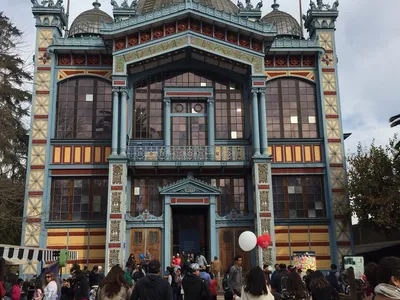
How Henri Picq's 1889 Paris Pavilion Traveled 11,000 Kilometers to Become Santiago's Artequín Museum
A prefabricated iron and glass pavilion built for the Paris Universal Exposition found a second life as a children's art museum in Chile.
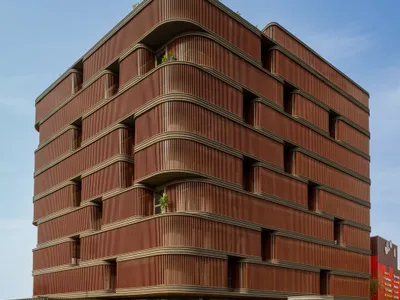
Sanjay Puri Architects Wraps a Jaipur Office Tower in Capsule-Shaped Green Buffers
A nine-level climate-responsive workplace near Jaipur Airport uses stacked planter terraces and aluminium screens to fight 40°C heat.


Explore Residential Building Competitions
Discover active competitions in this discipline


Challenge to design mud housing for contemporary communities


Challenge to reimagine the Iron Throne


Photograph architecture without architects


Illustrate the lost glory of Angkor Wat - Render Challenge
Comments (0)
Please login or sign up to add comments
No comments yet. Be the first to comment!